The Law Offices of Anidjar and Levine can help assess damage to vessels, docks, and other property, as well as injuries from boating incidents. A lawyer may review insurance policies, identify potentially responsible parties, organize evidence, and address insurer requests or disputed claim decisions. Relevant records can include photographs, repair estimates, maintenance histories, medical documents, and witness accounts. Applicable deadlines and legal rules depend on the circumstances. Learn more from a Marco Island Personal Injury Lawyer.
Main Takeaways
- A Marco Island boat and marine claims lawyer can help evaluate claims involving vessels, docks, equipment, and injuries.
- Review policy limits, deductibles, exclusions, and proof requirements to understand potential coverage.
- Preserve photos, repair estimates, vessel records, witness details, and insurer communications.
- Report losses promptly and seek medical care after an injury; document symptoms and follow-up treatment.
- Storms, collisions, fires, theft, or equipment failures may involve multiple responsible parties and insurance policies.
How We Can Help With Your Marco Island Property Claim Boat & Marine Claims Injury Claim
A boat or marine accident can lead to substantial property damage, serious injuries, and disputes with insurers over responsibility or compensation. For Marco Island property owners and injured individuals, a lawyer can help organize the claim and clarify the steps needed to pursue a fair resolution. Counsel may review insurance policies, repair estimates, photographs, vessel records, and communications with insurers to identify relevant coverage and document losses.
A lawyer can also explain Policy limits and assess how they may affect available compensation. When a damaged vessel requires recovery or disposal, guidance about salvage rights can help protect ownership interests and prevent avoidable disputes. Counsel may communicate with insurers, request timely claim decisions, and address disagreements over valuation or covered repairs. This support lets clients focus on their households, businesses, and community responsibilities while we handle their claim carefully. Each matter requires an assessment of its facts, applicable policy terms, and available evidence before a course of action is recommended.
Understanding Marco Island Property Claim Boat & Marine Claims Injury Cases


When a boat or marine incident in Marco Island causes property damage or personal injury, the circumstances and available insurance coverage shape how a claim may proceed. A careful review can identify who may be responsible, which policies may apply, and what evidence is needed to support a fair resolution. Relevant records may include repair estimates, medical documentation, photographs, witness statements, and communications with insurers or marina operators.
OUR CONSULTATIONSARE FREE
START YOUR FREE CASE REVIEW

Claims can involve more than the cost of repairing a vessel. Injured passengers, workers, or visitors may have separate losses, while damage to docks or other property may require distinct proof and coverage analysis. Marina lease disputes can affect access, maintenance duties, or responsibility for damaged property. Salvage rights questions may also arise when a vessel is recovered or remains at a marina.
A clear assessment helps claimants understand their options, preserve important records, and pursue outcomes that account for both personal needs and property losses.
Don’t Wait. Call Our Florida Personal Injury Lawyers Now!
Common Causes of Marco Island Property Claim Boat & Marine Claims
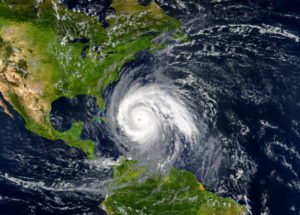
Boat and marine property claims in Marco Island commonly arise from hurricanes and severe storms, which can damage vessels, docks, and related equipment. Collisions and groundings, along with fires or electrical failures, may also cause substantial losses. Theft and vandalism are additional claim sources that require careful documentation and review.
Hurricane and Storm Damage


Hurricanes and severe coastal storms can damage vessels, marinas, docks, lifts, and onboard equipment through high winds, storm surge, flooding, and flying debris. On Marco Island, these hazards may affect both privately owned boats and shared waterfront facilities, creating losses that require careful documentation. Water intrusion can damage engines, electrical systems, furnishings, and stored gear, while wind may tear coverings or dislodge equipment. Hurricane preparedness, including securing vessels and documenting their condition, can help reduce risks and support a clear record of losses. After a storm, owners and operators may need to preserve photographs, repair estimates, receipts, and communications with insurers. A thorough review can identify damaged property and clarify applicable policy terms. Timely, accurate reporting helps protect claim information and supports fair consideration of affected owners, workers, and marina communities.
Collisions and Groundings
Collisions and groundings can cause substantial damage to vessels, docks, seawalls, and other marina property around Marco Island. These incidents may result from operator inattention, excessive speed, poor visibility, equipment failure, or failure to follow Navigation rules. Narrow channels, shifting sandbars, shallow water, and submerged objects can also create grounding hazards, particularly for operators unfamiliar with local conditions. Damage may extend beyond the vessel to neighboring boats, pilings, or shoreline structures, creating claims involving multiple property owners. A careful investigation can help identify the cause, document the extent of loss, and determine whether another party may be responsible. Prompt reporting, photographs, witness information, and repair records can support an accurate claim assessment. Timely attention also helps property owners protect affected areas and reduce further damage.
Fire and Electrical Failures
Fire and electrical failures can cause extensive damage to vessels, docks, and nearby marina property around Marco Island. Engine compartment fires may begin with fuel leaks, overheated components, or neglected maintenance, then spread quickly through confined spaces. Faulty shorepower wiring can create overheating, short circuits, or electrical arcing while a vessel is connected at a marina. These incidents may damage onboard systems, neighboring boats, dock infrastructure, and personal property. A prompt, careful investigation can help identify the source, document the extent of loss, and preserve relevant evidence. Owners and marina operators may need to review maintenance records, inspection reports, repair estimates, and insurance terms when evaluating a claim. Timely coordination with qualified marine professionals and insurers can support an accurate assessment and help affected parties address safety concerns and pursue appropriate recovery.
Theft and Vandalism
When boats or marine property are left unattended, theft and vandalism can result in significant losses for owners and marina operators around Marco Island. Common targets include navigation systems, engines, fuel, fishing gear, and personal belongings. Vandals may damage hulls, cut lines, or deface vessels, creating repair costs and disrupting access for other boaters. Weak lighting, limited surveillance, and unsecured storage can increase exposure, making marina security an important consideration for property owners and facility managers. After an incident, promptly reporting it to law enforcement and your insurer can help preserve evidence and clarify the scope of loss. Photographs, inventory records, receipts, and witness details may support a claim for stolen equipment or repairs. Policy terms, deductibles, exclusions, and proof requirements affect coverage, so review them carefully before pursuing compensation.
Legal Rights of Marco Island Property Claim Boat & Marine Claims Injury Victims
Boat and marine injury victims in Marco Island may have legal rights to seek compensation when another party’s negligence or wrongful conduct causes harm. Available remedies depend on the circumstances, applicable law, and evidence. A careful review can help protect injured people while supporting fair treatment of everyone involved.
- Passenger rights: Passengers may seek damages for documented medical expenses, lost income, pain, and other legally recognized losses. Their rights can differ from those of vessel operators and may depend on ticket terms or other agreements.
- Maritime jurisdiction: Whether federal maritime law, Florida law, or both apply depends on the incident’s location and connection to navigable waters. This determination may affect deadlines, liability standards, and available remedies.
- Evidence and claims: Medical records, photographs, witness accounts, and incident reports can help establish the facts. Victims should preserve relevant materials and promptly consult qualified counsel about filing deadlines and responsible parties.
Legal guidance can also clarify insurance procedures and settlement offers. Timely, informed action helps victims pursue accountability without compromising accurate documentation or lawful claim requirements.
Why Do Marco Island Property Claim Boat & Marine Claims Injuries Happen?
Understanding why boating injuries occur can help clarify how responsibility may be assessed in a Marco Island marine claim. Accidents may result from unsafe boating practices, including excessive speed, failing to maintain a proper lookout, or ignoring navigation rules. Crowded waterways, changing weather, and limited visibility can increase these risks, particularly when operators fail to adjust their conduct to conditions.
Operator impairment from alcohol, drugs, or fatigue can delay judgment and reaction time, creating danger for passengers and nearby vessels. Mechanical failures, inadequate maintenance, and defective equipment may also contribute to collisions, falls, or other injuries. In some cases, more than one factor plays a role, such as an equipment problem combined with an operator’s failure to respond appropriately.
Understanding these causes can help identify how an incident affected those involved and whether preventable conduct contributed. Careful attention to safety responsibilities supports a clearer assessment of marine claims and helps promote safer conditions for everyone using Marco Island’s waterways.
What Should You Do After a Marco Island Property Claim Boat & Marine Claims Injury?
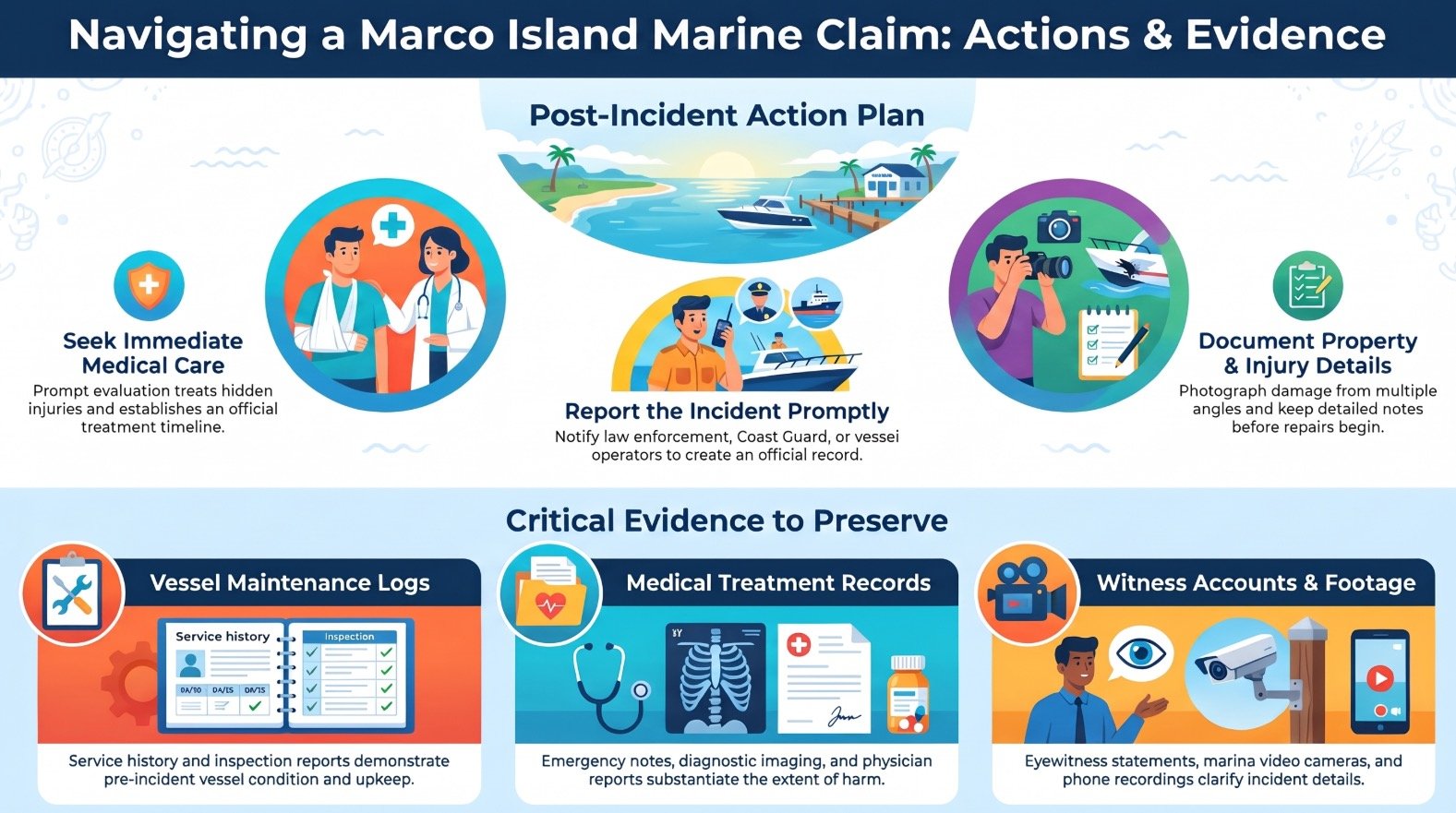
After a boat or marine injury, the injured person should seek prompt medical care, even if symptoms initially appear minor. Report the incident to the appropriate authorities or property owner, and record essential details as soon as possible. Photographs, witness information, medical records, and related expenses can help document the claim.
Seek Medical Care
Prompt medical evaluation is essential after a boating or marine incident in Marco Island, even if symptoms initially seem minor. Seek prompt medical care from an appropriate provider, such as an emergency department or urgent care clinic, based on the injury’s severity. Some conditions, including head trauma, internal injuries, and complications from immersion, may not be immediately apparent. Timely assessment helps clinicians identify concerns, recommend appropriate treatment, and reduce the risk of avoidable complications. The injured person should describe how the incident occurred, report all symptoms, and follow medical instructions, including referrals and follow-up appointments. Consistent care also creates a clear record of symptoms and treatment timelines. Prompt attention can support recovery and help ensure others receive accurate information about the person’s needs.
Report The Incident
When a boating or marine injury occurs in Marco Island, report it promptly to the appropriate authority, such as law enforcement, the Coast Guard, or the vessel operator, depending on the circumstances. Prompt reporting can help officials address immediate safety concerns, determine whether assistance is needed, and establish an official account of what occurred. The appropriate agency may depend on the location, severity, and nature of the incident. Notify a vessel operator when an injury involves a commercial boat, rental craft, or organized excursion. Notify the agency as soon as practical, and follow any instructions from responding officials. Timely communication supports a coordinated response and helps protect other passengers, crew members, and people nearby. Reporting does not replace appropriate medical care.
Document Your Claim
Keep a clear record of the Marco Island boating or marine injury, including the date, location, vessel involved, and circumstances surrounding the incident. A detailed account can help clarify what happened and support an accurate claim. The injured person should note weather conditions, visible hazards, witness names, and any statements made by those involved. Photograph Property Damage from several angles before repairs begin, and capture identifying details, such as vessel markings or damaged equipment. Preserve Repair Receipts, estimates, invoices, and proof of payment to document expenses and the work performed. Also organize and retain medical records and correspondence with insurers. These records may help the people evaluating the claim and help ensure losses are presented accurately. Original files should remain unaltered, with copies stored securely for future reference.
Critical Evidence in a Marco Island Property Claim Boat & Marine Claims Injury Case
A strong Marco Island boat or marine injury claim may depend on preserving evidence that clarifies how the incident occurred and the resulting harm. Crucial evidence includes: 1. incident-scene documentation and vessel maintenance records; 2. medical records documenting treatment and injuries; and 3. witness statements and available video accounts.
Incident Scene Documentation
What is documented at the scene can shape how a Marco Island boat or marine injury claim is evaluated. Clear records help establish the sequence of events and preserve details that may otherwise be lost. Photographing Vessel Damage from several angles can show the location, extent, and apparent pattern of impact. Images should also capture nearby vessels, equipment, shoreline features, and any visible hazards, with dates and context recorded when possible. Preserving Scene Conditions may involve noting weather, water conditions, lighting, visibility, and the positions of relevant objects before they are moved. Witness names and contact details, along with concise accounts of what they observed, can support a reliable timeline. Prompt, accurate documentation serves injured people and others seeking a fair review, while avoiding assumptions about responsibility or cause.
Vessel Maintenance Records
Beyond documenting the incident scene, vessel maintenance records can clarify a boat’s condition before a Marco Island marine claim. A complete service history may show whether the owner followed recommended maintenance schedules and addressed known mechanical concerns. Inspection logs can identify recurring defects, safety issues, or repairs completed before the incident. These records may help determine whether a failure resulted from an unexpected event, inadequate upkeep, or an unresolved problem. Relevant documents include repair invoices, mechanic reports, parts receipts, and safety equipment check records. Preserving these materials allows insurers, investigators, and legal representatives to assess the vessel’s condition using verifiable information. Organized maintenance evidence can also support fair consideration of affected parties and help clarify responsibilities without relying solely on recollection or assumptions.
Medical Treatment Evidence
Prompt medical records can help establish the nature, severity, and timing of injuries sustained in a Marco Island boating incident. Emergency department notes, diagnostic imaging, prescriptions, and follow-up records may show how symptoms developed and what care was required. A clear Treatment Timeline can link reported injuries to the incident and identify any delays, gaps, or treatment changes that may require explanation. Physician Documentation is particularly important because clinicians record examination findings, diagnoses, restrictions, and recommendations based on their professional assessments. Consistent appointment attendance and adherence to treatment plans can also show the injured person’s efforts to recover. These records may support a fair evaluation of medical needs, related expenses, and lasting limitations. Careful organization can help claim reviewers understand the evidence while respecting the patient’s privacy and dignity.
Witness And Video Accounts
Medical records can establish the injuries and care involved, while witness statements and video may clarify how a Marco Island boating incident occurred. Independent accounts can help explain vessel movements, weather, visibility, warnings, and actions taken before or after a collision. Eyewitness credibility depends on factors such as the person’s vantage point, ability to observe events, consistency, and possible bias. Investigators may compare separate accounts with physical evidence and the timeline of events.
Photographs, marina cameras, onboard recordings, and mobile phone footage may preserve details that witnesses later forget. Video authentication helps establish when and where a recording was made and whether it has been altered. Preserving original files and documenting who collected them can support reliable review. These materials may help insurers, legal representatives, and decision-makers assess responsibility and evaluate a claim while supporting fair outcomes for everyone affected.
Don’t Wait. Call Our Florida Personal Injury Lawyers Now!
Long-Term Effects of Marco Island Property Claim Boat & Marine Claims Injuries
Boat and marine injuries may cause chronic pain and reduced mobility that persist long after the initial incident. Some individuals also experience lasting neurological effects, including changes in memory, sensation, or coordination. These conditions can create significant emotional and financial strain for injured people and their families.
Chronic Pain And Mobility
Chronic pain and reduced mobility can persist long after a boating or marine-related injury, limiting a person’s ability to work, travel, and manage daily activities. These lasting effects may follow fractures, joint damage, soft-tissue injuries, or repeated strain during an accident. Chronic Pain can disrupt sleep, concentration, and routine tasks, while Mobility Limitations may make walking, lifting, climbing, or returning to work difficult. The level of impact varies, and symptoms may require ongoing treatment, rehabilitation, medication, or assistive devices. Consistent medical records can help document the injury’s course, treatment needs, and effects on daily function. For people who serve others through work or caregiving, persistent pain may also restrict their capacity to meet responsibilities. A careful assessment can clarify long-term needs and related losses.
Lasting Neurological Effects
When a boating or marine-related injury affects the brain, spinal cord, or nerves, neurological symptoms may continue well beyond the initial accident. Damage from a collision, fall, or propeller incident can interfere with memory, attention, balance, coordination, and communication. Neurocognitive changes may emerge gradually, making careful medical assessment important even when early symptoms appear mild. Nerve injuries can also cause weakness, numbness, tingling, or persistent sensitivity to touch and temperature. Disruptions in sensory processing may affect how a person interprets movement, sound, or visual information, complicating routine tasks and safe navigation. Recovery may require ongoing neurological care, rehabilitation, and adjustments to daily activities. Accurate records of symptoms, diagnostic findings, and treatment can help clarify the injury’s course and support informed decisions about care and legal claims.
Emotional And Financial Strain
Beyond neurological symptoms, a serious boating injury can create lasting emotional and financial strain for the injured person and their family. Persistent pain, reduced independence, and uncertainty about recovery may contribute to anxiety, depression, or changes in family relationships. Access to counseling and reliable support can help injured people build emotional resilience as they adapt to new limitations. Financial pressures may continue long after emergency treatment ends. Lost income, rehabilitation costs, medication, and home modifications can disrupt Household budgeting and threaten a family’s stability. Caregivers may also reduce work hours to provide assistance, adding further strain. Keeping detailed records of expenses, medical needs, and lost wages can support informed planning. Legal guidance can help families understand available claim options and pursue compensation for documented harm, so they can focus on recovery and necessary care.
Proving Liability in Marco Island Property Claim Boat & Marine Claims Injury Cases
Proving liability in a Marco Island boat or marine injury claim requires evidence that identifies who was responsible and how that conduct caused the harm. Investigators may examine vessel logs, photographs, maintenance records, witness accounts, and applicable boating rules. This evidence can clarify whether an operator acted carelessly, a vessel owner failed to maintain safe equipment, or another party contributed to the incident.
Negligence standards require showing that a responsible party owed a duty of care, breached that duty, and caused a foreseeable injury. The analysis may also consider whether unsafe navigation, inadequate warnings, defective equipment, or hazardous conditions played a role. Prompt documentation helps preserve details that could otherwise be lost.
In some cases, several people or entities share responsibility. Liability allocation evaluates each party’s conduct and its connection to the harm. A careful assessment supports fair treatment of injured people and helps establish an accurate account of events. Qualified legal guidance can help organize evidence and explain how these principles apply to a specific claim.
Dealing With Insurance Companies After a Marco Island Property Claim Boat & Marine Claims Injury
After a Marco Island boating injury, insurance companies may contact the injured person to gather information and evaluate a claim. Their representatives may request statements, medical records, photographs, or incident details. Careful, accurate communication can help preserve the injured person’s interests while allowing the insurer to review relevant facts. A person should avoid guessing, minimizing symptoms, or signing broad releases without understanding their effect. Counsel can help organize records, respond to requests, and address questions without mischaracterizing the injury or circumstances.
Policy interpretation may determine whether a boat owner’s, operator’s, or another party’s insurance applies. Policy language, exclusions, and limits can affect available benefits, and coverage disputes may arise when an insurer questions responsibility or the scope of protection. A lawyer can examine the applicable terms and communicate with insurers on the injured person’s behalf. This support can also help protect family members and others affected by the incident while keeping discussions focused on accurate information and fair claim consideration.
What to Expect During a Marco Island Property Claim Boat & Marine Claims Injury Claim Process
A Marco Island boat or marine injury claim typically begins with an initial review of the incident, the reported losses, and applicable insurance coverage. Evidence collection and insurer negotiations follow, with the strength of the documentation often shaping the available options. The process may conclude with a settlement or proceed to litigation if the parties cannot reach an agreement.
Initial Claim Review
During an initial claim review, a Marco Island boat and marine claims lawyer examines how the incident occurred, the resulting injuries or property damage, and the available insurance coverage. This assessment clarifies the claim’s scope and identifies issues that may affect a fair resolution. A Coverage review considers relevant limits, exclusions, deductibles, and notice requirements. Through policy interpretation, counsel explains how the contract may apply to the reported loss and whether additional coverage questions require attention. The lawyer may also discuss potential responsibility, the client’s immediate concerns, and practical goals for resolving the matter. This early guidance can help injured people and property owners make informed decisions while preserving their ability to pursue appropriate compensation. The review establishes a clear framework for next steps without promising a particular outcome.
Evidence Collection
Because evidence can become harder to obtain over time, a Marco Island boat and marine claims lawyer may begin collecting relevant records soon after a property loss or injury. This work may include photographs of the vessel, damage, and accident location, along with repair estimates, maintenance records, purchase documents, and witness contact information. For an injury, medical records and a clear timeline can help document the harm and its connection to the incident. Evidence Preservation may require keeping damaged parts, avoiding unnecessary repairs, and recording who handles physical items. When technical inspection is needed, Surveyor Selection should reflect the vessel’s type and the questions requiring assessment. Prompt, organized collection can help protect the interests of owners, passengers, and others affected, while providing a reliable factual record for evaluating the claim process.
Insurer Negotiations
Once the evidence is organized, insurer negotiations can begin with a clearer account of the loss and supporting documentation. The insurer may review policy terms, repair estimates, medical records, and statements before responding to a claim. A claimant’s representative can present the documented losses, explain how the incident affected the claimant, and address requests for additional information. Coverage disputes may arise over policy exclusions, the cause of damage, or the extent of responsibility. Careful review of the insurer’s position helps identify which issues require clarification and what evidence may resolve them. A settlement strategy should reflect the policy, documented losses, and the claimant’s needs, while maintaining accurate communication. Prompt, organized responses can help keep discussions focused and support fair consideration of the claim without overstating its value or scope.
Settlement or Litigation
After negotiations, a Marco Island boat or marine claim may resolve through settlement or proceed to litigation if the parties cannot agree on coverage, responsibility, or the value of the losses. A settlement can provide compensation without a trial, but the claimant should review its terms carefully, including releases and payment deadlines. Settlement Timing depends on the investigation, medical recovery, repair estimates, and the insurer’s response. If discussions fail, litigation lets a court evaluate evidence and decide disputed issues. Litigation Strategy may include organizing records, obtaining expert opinions, and preparing witnesses to explain the incident and resulting harm. Throughout either path, accurate documentation and timely communication can support a fair outcome. A lawyer can explain your options and help you consider how each decision may affect your recovery and your ability to serve others.
Compensation for Marco Island Property Claim Boat & Marine Claims Injury Damages
Compensation for a Marco Island boat or marine claim may cover documented property losses, medical expenses, lost income, and other damages supported by the facts of the incident. The available recovery depends on the applicable insurance policy, the cause of the loss, and evidence establishing its extent. For vessel or equipment damage, Repair estimates, invoices, photographs, and ownership records can help substantiate the amount claimed. A careful review of policy terms is also important because deductibles, coverage limits, and policy exclusions may affect payment.
When an incident causes injury, claimants may seek reimbursement for reasonable treatment costs and income lost during recovery. Medical provider and employer records can help verify these requests. In some cases, compensation may also address necessary transportation or other expenses directly connected to the event. A lawyer can organize supporting documentation, communicate with insurers, and identify disputed issues. This process can help guarantee that claims are presented accurately and that available benefits are considered under the policy and applicable law.
Economic vs. Non-Economic Damages in Marco Island Property Claim Boat & Marine Claims Cases
Economic damages in Marco Island boat and marine claims may include repair costs, replacement expenses, lost income, and other documented financial losses. Non-economic losses can involve physical pain, emotional distress, or reduced quality of life resulting from the incident. Establishing both categories requires clear evidence, such as invoices, expert assessments, medical records, and credible testimony.
Economic Damage Types
When a boat or marine property claim arises in Marco Island, the losses may include both measurable financial costs and personal harm that is harder to quantify. Economic damages cover documented expenses and financial losses linked to the incident. Repair costs may include labor, replacement parts, haul-out fees, and necessary inspections to restore a vessel or marine equipment. If repairs cannot return property to its prior condition, diminished value may also be relevant. Other recoverable expenses can include temporary vessel rental, towing, storage, debris removal, and reasonable mitigation measures that prevent further damage. A business owner may also document lost income when damage interrupts charter operations or other marine services. Receipts, repair estimates, invoices, and financial records help substantiate these claims. Careful documentation supports a fair assessment and helps protect resources used to serve customers and the community.
Non-Economic Losses
Beyond documented financial costs, a boat or marine property claim may include non-economic losses that reflect personal harm rather than direct expenses. These losses may arise when damage disrupts a person’s ability to use a vessel, enjoy coastal activities, or maintain valued routines. Emotional distress can include anxiety, frustration, or ongoing concern associated with the incident and its effects. Loss of enjoyment may describe diminished pleasure in boating, fishing, or time spent with family on the water. Unlike repair bills or replacement costs, these harms do not have a straightforward market price. Their significance depends on the circumstances and how they affect the affected person’s daily life. In Marco Island claims, recognizing non-economic harm helps distinguish personal consequences from measurable financial losses and supports a fuller understanding of the claim.
Proving Your Damages
A strong Marco Island boat or marine property claim depends on evidence that connects the incident to each claimed loss. Economic damages may include vessel repairs, replacement parts, towing, storage, and reasonable costs incurred to prevent further damage. Repair estimates, invoices, photographs, inspection reports, and proof of payment can help establish the amount and necessity of these expenses. Records should also distinguish damage caused by the incident from preexisting wear or unrelated maintenance.
Depreciation disputes may arise when an insurer reduces payment based on age, condition, or claimed betterment. Documented valuation and a clear explanation of the vessel’s condition before the loss may help address those disagreements. Non-economic losses, when legally available, require separate support and should not be confused with property costs. Organized, accurate documentation allows insurers and decision-makers to evaluate each claimed loss fairly and efficiently.
Don’t Wait. Call Our Florida Personal Injury Lawyers Now!
When a Marco Island Property Claim Boat & Marine Claims Injury Case Goes to Trial vs. Settlement
The decision to resolve a Marco Island boat or marine injury claim through settlement or trial depends on the evidence, the extent of the losses, and the parties’ willingness to accept risk. Settlement may provide a more predictable resolution and avoid the time and expense of a courtroom proceeding. It can also allow an injured person to receive compensation sooner, supporting recovery and family responsibilities. However, an offer may not adequately reflect documented losses or the injury’s impact.
When negotiations do not produce an acceptable agreement, trial may give both sides an opportunity to present evidence and ask a jury to decide the outcome. Trial preparation can include organizing records, preparing witnesses, and developing a clear account of how the incident caused harm. During jury selection, attorneys question prospective jurors to identify potential conflicts and assess impartiality. A trial involves uncertainty, and no one can guarantee the outcome. The choice should reflect the claim’s evidence, practical needs, and informed legal advice.
Florida Laws That May Affect Your Marco Island Property Claim Boat & Marine Claims Case
Whether a Marco Island boat or marine injury claim settles or goes to trial, Florida law can shape how courts assign responsibility and what compensation may be available. The applicable rules depend on whether the dispute concerns bodily injury, vessel damage, or a homeowner’s or marina’s property coverage. Several legal principles may guide the review:
Florida law and the claim’s specific facts can shape responsibility and available compensation in Marco Island marine disputes.
- Florida’s comparative negligence law may reduce an injured person’s recovery when that person shares responsibility. Evidence about navigation, warnings, maintenance, and safety practices can help establish each party’s role.
- Florida’s Hurricane Deductible Rules may affect covered property losses after a qualifying storm. Policy language, the storm’s classification, and the insured property’s location can influence how a deductible applies.
- Florida’s Property Insurance Notice Requirements may require timely notice and supporting information for a property claim. Prompt reporting and organized records can help insurers and claimants assess damage fairly.
These rules support careful evaluation and responsible communication among claimants, insurers, and others involved. Policy terms and case facts remain significant.
The Statute of Limitations for Marco Island Property Claim Boat & Marine Claims Injury Cases
Because filing deadlines can determine whether a claim may proceed, identify the time limit for a Marco Island boat or marine injury case early. Florida law generally allows two years to bring a negligence action for an injury occurring on or after March 24, 2023. For earlier incidents, a different deadline may apply, so the date of the accident matters. Claims involving wrongful death, government entities, or federal maritime law may follow distinct procedures and shorter notice requirements. The applicable rules can depend on where the incident occurred, the vessel’s activity, and the parties involved.
Filing deadlines may also be affected by when an injury is discovered or by the age or legal capacity of the injured person. These limitation exceptions are narrow and should not be assumed to extend time automatically. Records, witness accounts, and medical documentation can become harder to obtain over time. Promptly identifying the governing deadline helps preserve an injured person’s ability to seek accountability and support recovery.
How a Marco Island Property Claim Boat & Marine Claims Lawyer Can Help You
When a boating injury or vessel-related loss occurs, a Marco Island boat and marine claims lawyer can help identify the applicable law, assess potential claims, and explain the steps available to pursue compensation. Counsel can organize the facts so injured people, families, and others affected can make informed decisions while protecting their interests.
A lawyer may assist by:
- Reviewing accident reports, photographs, repair estimates, medical records, and witness accounts to clarify how the incident occurred and document resulting losses.
- Conducting a Policy review to assess relevant terms, exclusions, notice requirements, and available benefits. This analysis can help identify coverage disputes and support a clear response to an insurer’s position.
- Counsel can communicate with insurers and opposing parties, prepare claim materials, and evaluate settlement proposals against documented damages and applicable legal standards.
Through careful investigation and practical guidance, counsel can help clients pursue fair treatment while reducing avoidable errors. This support may also help families and community members focus on recovery and responsibilities without losing sight of the claim’s financial and legal implications.
When to Contact a Marco Island Property Claim Boat & Marine Claims Lawyer
Prompt legal guidance can be important after a boating accident, vessel damage, or dispute over marine insurance coverage. A vessel owner may contact a Marco Island property claim boat and marine claims lawyer as soon as damage, injury, theft, or a coverage concern arises. Early advice can help preserve relevant records, such as photographs, repair estimates, witness details, and communications with the insurer, while events remain clear.
Contact may be especially appropriate when an insurer delays a decision, requests extensive documentation, offers an incomplete payment, or denies a claim. A Policy review can clarify notice requirements, exclusions, deductibles, and the evidence needed to support a claim. Attention to coverage deadlines is also important because policy terms and applicable filing periods may limit the time available to respond or pursue relief.
Prompt consultation helps owners make informed choices and coordinate next steps responsibly, especially when vessel damage affects safe operation, passengers, employees, or others who depend on the boat.
Why You Need an Experienced Marco Island Property Claim Boat & Marine Claims Lawyer
An experienced Marco Island property claim boat and marine claims lawyer can help vessel owners assess coverage, organize supporting evidence, and respond to insurer requests. This guidance can be especially valuable when a damaged vessel affects a family’s livelihood, a community service, or safe access to local waters. Counsel can explain Policy interpretation, including how exclusions, deductibles, notice requirements, and repair provisions may apply to the reported loss.
Marine claims may involve storm damage, collisions, theft, or equipment failures, each requiring clear documentation and timely communication. A lawyer can help preserve photographs, maintenance records, repair estimates, and witness accounts, then present them in an organized claim file. When Coverage disputes arise over causation, valuation, or the scope of repairs, experienced legal support can clarify the issues and help owners evaluate the insurer’s position. This assistance helps vessel owners make informed decisions while protecting the resources needed to restore their boats and keep serving others safely.
How to Choose the Right Marco Island Property Claim Boat & Marine Claims Lawyer for Your Case
Choosing the right Marco Island property claim boat and marine claims lawyer requires careful attention to the attorney’s experience with vessel losses, insurance disputes, and local maritime conditions. A careful review can help claimants protect their property and maintain the resources needed to support family, employees, or others who depend on them.
Prospective clients should review an attorney’s credentials, including licensing, relevant training, and experience handling boat damage, marina incidents, and disputed coverage. They can ask how the lawyer investigates a loss, documents repair costs, communicates with insurers, and identifies deadlines that may affect a claim. Experience with local waterways and storm-related damage may also inform case strategy.
Before hiring counsel, claimants should discuss fee structures, billing practices, and potential case expenses in writing. They should clarify who will handle routine communications and how often they will receive progress updates. A lawyer who clearly explains risks, options, and next steps can help clients make informed decisions while pursuing a fair resolution.
About The Law Offices of Anidjar & Levine
After evaluating a lawyer’s experience and approach, claimants may also want to understand the firm representing them. The Law Offices of Anidjar & Levine handles injury and insurance matters, including disputes involving boats and other marine property. Its attorneys can review claim documents, assess reported losses, and explain available options to clients seeking a fair resolution.
Firm history may help claimants understand how a practice developed and the kinds of cases it has addressed. The firm represents people facing the practical effects of accidents and property damage, and its work may involve communicating with insurers, gathering evidence, and pursuing compensation when a claim is disputed. Each case depends on its facts, policy terms, and applicable law.
The firm’s attorney philosophy emphasizes client communication and case-specific guidance. For people who value service to others, that approach may be relevant when choosing counsel, although experience and results should be assessed individually. Prospective clients can ask about fees, timelines, responsibilities, and the firm’s plan for a marine claim before deciding whether representation suits their needs.
Frequently Asked Questions
Does Boat Insurance Cover Damage Caused by Hurricanes or Named Storms?
Boat insurance may cover hurricane or named-storm damage, but coverage depends on the policy’s terms, exclusions, and navigation limits. Some policies exclude named storms or restrict coverage during specified periods, while others apply separate Hurricane deductibles that increase the owner’s share of a covered loss. Owners should review storm preparation requirements, storage conditions, and reporting deadlines before hurricane season. A qualified claims professional can clarify policy language and explain options to support affected boaters.
Are Dock, Lift, and Seawall Damages Covered Under a Boat Insurance Policy?
Dock, lift, and seawall damage may be covered, but coverage depends on the policy, ownership, and cause of loss. Dock and seawall coverage is often limited or excluded under boat policies, particularly when structures are fixed to land; homeowners or separate marine coverage may apply. Boat lift protection may require a specific endorsement. Insurers also commonly exclude wear, corrosion, poor maintenance, or certain storm damage. Policyholders should review limits, exclusions, and claim requirements promptly.
Can I Dispute a Surveyor’s Valuation of My Damaged Vessel?
Yes, a vessel owner can dispute a surveyor’s valuation when the assessment appears inaccurate or incomplete. The owner should review the report, gather repair estimates, photographs, maintenance records, and comparable vessel listings, then submit a written explanation to the insurer. The policy may provide an appraisal process for resolving disagreements, with each side selecting an appraiser. A qualified marine claims professional can help ensure fair treatment and support an evidence-based resolution for all parties.
What Should I Do if My Boat Sustains Damage While Stored at a Marina?
When a boat is damaged at a marina, the owner should promptly photograph the damage, document its discovery, and notify marina management and the insurer in writing. The owner should preserve relevant records, including the storage agreement, service documents, and communications, and avoid authorizing repairs before the insurer assesses the loss. Marina security responsibilities and disputes over the storage agreement may affect liability, so an independent surveyor or qualified attorney can help evaluate the evidence and protect the owner’s interests.
Does a Marine Insurance Policy Cover Salvage, Towing, or Wreck Removal Costs?
Marine insurance may cover salvage, towing, and wreck removal, but coverage depends on the policy’s terms, exclusions, and limits. Salvage Expense Coverage may reimburse reasonable costs to protect the vessel or prevent further damage, while emergency towing may require a separate provision. Wreck Removal Limits can cap payment for removing a sunken or abandoned boat, and some policies exclude pollution-related expenses. The insured should review the declarations and contact the insurer promptly after an incident.
—————————
A boat or marine incident on Marco Island can lead to significant property damage, injuries, and disputes with insurers. Promptly document the incident and understand your legal rights to help protect your claim. The Law Offices of Anidjar and Levine can review the circumstances, explain your options, and pursue compensation when the evidence supports it. If you are dealing with a marine-related claim, consider seeking qualified legal guidance promptly, as deadlines and policy requirements may affect the outcome. Learn more from a Marco Island Personal Injury Lawyer.