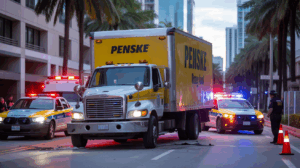
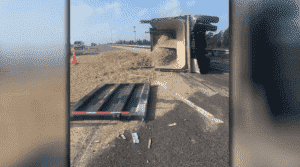
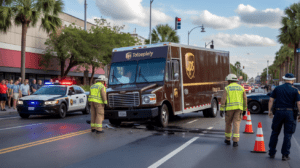
The Law Offices of Anidjar and Levine investigates Florida truck accident companies and brands cases by identifying every potentially responsible party, including drivers, carriers, employers, brokers, owners, maintenance providers, and manufacturers. The investigation may examine electronic logging data, hiring records, dispatch communications, inspection histories, cargo practices, crash evidence, and insurance coverage. Injured victims may pursue compensation for medical expenses, lost income, property damage, rehabilitation, pain, disability, or future care. Prompt legal action can help preserve evidence and protect important deadlines. For additional guidance, consult a Florida Personal Injury Lawyer.
Main Takeaways
- Investigate trucking companies, drivers, vehicle owners, maintenance providers, manufacturers, and brands that may share responsibility for a Florida crash.
- Identify applicable insurance policies, corporate relationships, exclusions, and potential sources of financial recovery.
- Promptly preserve driver logs, vehicle data, maintenance records, dispatch communications, photographs, witness accounts, and surveillance footage.
- Pursue compensation for medical expenses, lost income, rehabilitation, property damage, pain, disability, and future care needs.
- Evaluate wrongful-death claims, negligent training or supervision, employer responsibility, and Florida deadlines for filing a civil action.
How We Can Help With Your Florida Truck Accident Companies & Brands Injury Claim
When a collision involves a commercial truck, determining liability may require examining the conduct of the driver, trucking company, vehicle owner, maintenance provider, and other responsible parties. A legal team can investigate the incident, identify applicable insurance coverage, and explain potential recovery options without adding burdens to an injured person or family.
Representation may include communicating with insurers, reviewing crash reports, consulting qualified experts, and evaluating medical records, lost income, property damage, and other losses. In fatal incidents, counsel can address Wrongful Death Claims by helping eligible relatives understand available remedies and procedural requirements.


Preserving Evidence remains crucial. Attorneys may seek vehicle data, driver logs, inspection records, maintenance histories, dispatch communications, photographs, witness accounts, and surveillance footage before relevant materials disappear. They can also coordinate with medical professionals to document the injury’s effect on daily life and future needs. Through careful preparation, the legal process can protect a claimant’s interests while supporting a fair, well-documented resolution.
Understanding Florida Truck Accident Companies & Brands Injury Cases
OUR CONSULTATIONSARE FREE
START YOUR FREE CASE REVIEW

Understanding a Florida truck accident injury case requires examining more than the collision itself, because liability may depend on the trucking company’s operations, the vehicle’s ownership, maintenance practices, and the conduct of other companies or contractors involved in transportation. A careful review may identify multiple responsible parties, including carriers, brokers, leasing entities, manufacturers, or maintenance providers. Records such as contracts, inspection reports, electronic logging data, dispatch communications, and personnel files can clarify control and responsibility. Early preservation of evidence is critical because relevant materials may be overwritten, altered, or discarded under routine business procedures. Counsel may also evaluate driver negligence patterns through prior safety violations, disciplinary records, training history, and compliance documentation, while avoiding assumptions based solely on a company’s brand or reputation. Insurance coverage disputes can further complicate recovery when several policies, exclusions, and corporate relationships apply. A thorough case assessment helps protect injured individuals and supports informed, fair resolution for families and communities affected by commercial transportation crashes.
Don’t Wait. Call Our Florida Personal Injury Lawyers Now!
Common Causes of Florida Truck Accident Companies & Brands
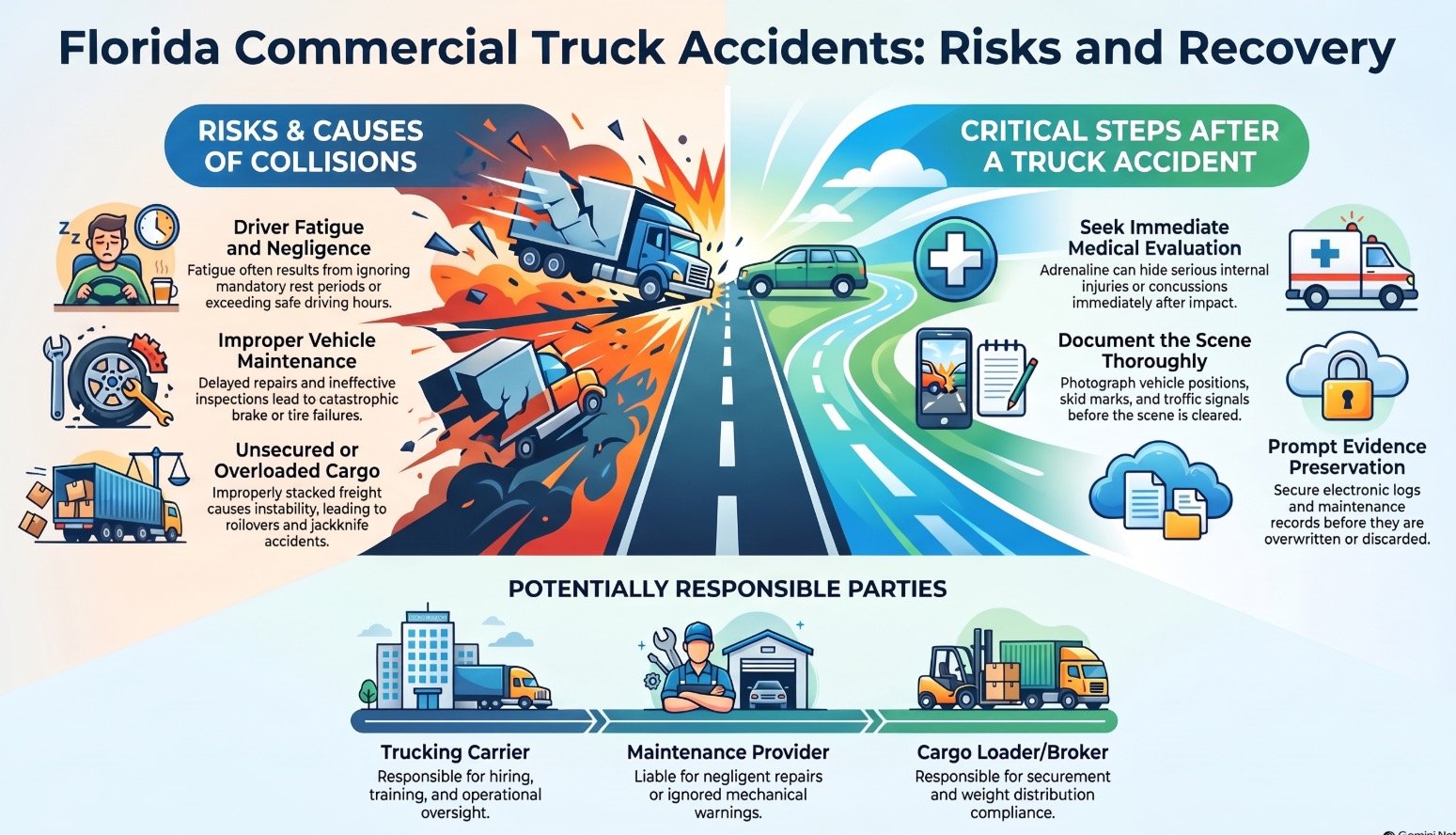
Truck accidents involving major companies and brands may result from driver fatigue, negligence, or other unsafe conduct. Improper vehicle maintenance and overloaded or unsecured cargo can also compromise operational safety and increase crash risks. Defective truck parts can also cause accidents, especially when inspection, repair, or manufacturer responsibilities are not properly addressed.
Driver Fatigue And Negligence


Driver fatigue and negligence significantly contribute to commercial truck accidents in Florida, especially when drivers operate vehicles beyond safe limits or fail to follow required rest periods. Fatigue laws limit driving hours, require breaks, and mandate recordkeeping, yet violations can occur when schedules, pressure, or inadequate supervision encourage unsafe conduct. Fatigued drivers can experience impaired judgment, slower reactions, and reduced awareness, while distracted driving may further increase collision risks. A careful investigation may examine electronic logging data, dispatch communications, employment records, witness accounts, and available video. Early evidence preservation can help clarify whether a driver, carrier, or other responsible party breached a legal duty. These findings may become especially important during insurance disputes, where carriers and insurers may challenge liability, causation, or the extent of a person’s injuries.
Improper Vehicle Maintenance
Mechanical defects can create serious hazards even when a commercial driver follows required hours-of-service rules. Inadequate inspections, delayed repairs, and ineffective maintenance programs may leave trucks with failed brakes, worn tires, defective wheel-handling components, or malfunctioning lights. These conditions can reduce control and increase stopping distances, placing motorists and pedestrians at substantial risk.
A trucking company may be responsible when it ignores manufacturer recommendations, overlooks inspection findings, or permits a vehicle to operate despite known problems. Maintenance contractors and repair facilities may also face scrutiny if negligent work contributes to a collision. Investigators may examine service invoices, inspection reports, repair histories, and training records to determine whether personnel recognized and addressed safety concerns. Negligent hiring can further compound liability when companies select maintenance workers without verifying competence or relevant experience. Careful review helps injured individuals and their families identify responsible parties.
Overloaded Or Unsecured Cargo
Improperly loaded or unsecured cargo can shift during transit, fall from a vehicle, or cause a truck to become unstable, increasing the risk of rollovers, jackknifing, and collisions. Cargo shifting may occur when freight is stacked improperly, overloaded, or inadequately secured for roadway conditions. Correct weight distribution is crucial because excessive weight on one axle can impair handling, braking, and overall stability. A tie-down failure may allow materials to move or escape, creating hazards for surrounding motorists and pedestrians. Federal and state safety rules generally require appropriate securement devices, inspection procedures, and load limits. A damaged or insufficient trailer restraint can also leave freight vulnerable during sudden stops or turns. Identifying these conditions may help injured individuals understand how preventable loading practices contributed to an accident and protect others from similar harm.
Defective Truck Parts
When a vital truck component fails, the resulting loss of control can lead to collisions, rollovers, or jackknife accidents even when the vehicle is operated appropriately. Defective brakes, tires, guidance systems, suspension components, and coupling devices may create dangers for truck occupants and other road users. Establishing responsibility requires examining maintenance records, inspection reports, recall notices, purchase documents, and the vehicle’s physical condition. A qualified brake failure investigation can determine whether a design flaw, manufacturing defect, inadequate warning, or improper installation contributed to the incident. Product liability standards may allow claims against manufacturers, distributors, repair facilities, or other responsible entities when unsafe parts cause foreseeable harm. Preserving failed components and obtaining independent engineering analysis can help clarify causation. Prompt legal assistance also supports affected families and promotes safer equipment throughout Florida’s transportation industry.
Legal Rights of Florida Truck Accident Companies & Brands Injury Victims
Florida truck accident injury victims may have legal rights against the trucking companies, carriers, manufacturers, or brands whose conduct contributed to the collision. Depending on the evidence, an injured person may pursue compensation through an insurance claim or civil action. Potential recovery can address medical expenses, lost income, rehabilitation, property damage, and pain-related losses.
Rights may include:
- Holding an employer responsible for negligent training, supervision, or workplace policies that failed to protect the public.
- Seeking compensation from carriers or brands when insurance coverage applies and responsibility can be established.
- Requesting records that help evaluate safety compliance, maintenance, driver qualifications, and corporate oversight.
A victim may also have rights involving wrongful death, reduced earning capacity, or future care needs. Time limits can restrict when a claim may be filed, and evidence may disappear if it is not preserved promptly. A qualified Florida truck accident attorney can investigate involved parties, coordinate with insurers, protect relevant records, and pursue a fair resolution while supporting the victim’s recovery and ability to serve family and community.
Why Do Florida Truck Accident Company & Brand Injuries Happen?
Truck accident injuries involving companies and brands often result from multiple failures in hiring, training, supervision, maintenance, or operational oversight, not a single mistake. Commercial carriers may place unqualified drivers on demanding routes, permit excessive hours, or fail to address fatigue and distracted driving. Inadequate inspections can leave brakes, tires, alternative systems, or cargo securement equipment unsafe. Poor scheduling and production pressures may also encourage speeding, rushed loading, or other unsafe decisions.
Companies can contribute to collisions by neglecting roadway planning, vehicle tracking, or effective safety policies. Defective equipment, improper loading, and inadequate communication between dispatchers and drivers may increase stopping distances or cause cargo to shift. Roadside hazards, unclear markings, and signage violations can further confuse motorists and truck operators. A resulting Workplace injury may affect employees, passengers, pedestrians, or other road users. These incidents often reflect preventable organizational choices and require careful examination of records, training practices, maintenance histories, and operational controls to identify contributing failures and responsible parties.
What Should You Do After a Florida Truck Accident Companies & Brands Injury?
After a Florida truck accident injury, the injured person should seek immediate medical care, even if symptoms seem minor at first. Document the accident scene thoroughly, including photographs, witness information, vehicle damage, and relevant reports. Consulting a truck accident lawyer can help protect legal rights and guide the injured person through potential claims.
Seek Immediate Medical Care
When a collision involving a commercial vehicle causes an injury, the affected person should obtain immediate medical care, even if symptoms initially appear minor. Adrenaline can temporarily conceal pain, while conditions such as concussions, internal injuries, and soft-tissue damage may worsen without treatment. A prompt evaluation allows medical professionals to identify concerns, establish appropriate care, and provide guidance about activity restrictions or warning signs.
The injured person should accurately describe all symptoms, disclose relevant health information, and follow prescribed treatment recommendations. Maintain medications and documentation carefully, including prescriptions, discharge instructions, and records of symptom changes. Attend follow-up doctor visits as scheduled, because ongoing evaluation can reveal delayed complications and support recovery. Consistent medical care also helps show the injury’s progression and the need for treatment to those assisting the affected person.
Document the Accident Scene
Preserving evidence at the collision scene can support an accurate account of how the commercial vehicle accident occurred. If conditions permit, an injured person or a trusted companion should photograph vehicle positions, visible damage, traffic signals, lane markings, debris, skid marks, weather conditions, and nearby signs. Photo documentation essentials include wide scene views, close images of impact points, and photographs taken before vehicles are moved. Personal injuries and damaged belongings should also be documented when appropriate. Collecting witness statements can preserve names, telephone numbers, and brief descriptions of what each person observed. Notes should record the approximate time, location, road conditions, and any statements made by drivers or responding personnel. Gather evidence safely, without interfering with emergency operations or risking additional harm to anyone present.
Contact a Truck Accident Lawyer
A Florida truck accident lawyer can help an injured person protect legal rights and evaluate potential claims against the truck driver, trucking company, vehicle owner, insurer, or other responsible parties. Prompt consultation allows counsel to identify deadlines, preserve evidence, and coordinate communications while facts remain available. The injured person should provide medical records, photographs, police reports, insurance information, and a detailed account of events. Interviewing witnesses promptly may preserve reliable recollections before memories fade. Counsel can also request maintenance records, driver logs, electronic data, surveillance footage, and company policies that may clarify responsibility. Preserving communications with insurers, employers, medical providers, and opposing parties helps prevent misunderstandings and creates an organized record. A lawyer may handle insurer contacts, assess damages, and pursue appropriate compensation through negotiation or litigation.
Critical Evidence in a Florida Truck Accident Companies & Brands Injury Case
Critical evidence can establish whether a trucking company, driver, or other party contributed to the Florida collision and resulting injuries.
Relevant materials may include:
- Truck company records and driver qualification files
- Electronic logging data
- Crash scene documentation
Promptly preserving these records is essential because they may clarify compliance, driver conduct, vehicle operation, and the circumstances of the crash.
Truck Company Records
Truck company records can provide decisive evidence in a Florida truck accident case by revealing how a carrier hired, trained, supervised, and managed the driver involved. Dispatch communications, delivery schedules, time records, maintenance files, electronic logging data, and safety policies may show whether operational pressure, inadequate oversight, or neglected maintenance contributed to the collision. Vehicle inspection reports can document recurring defects, unresolved repairs, or warnings that preceded the event. Internal incident reports may preserve the company’s initial account and identify corrective actions taken afterward. Prompt preservation requests are important because electronic information and routine business records can be altered, overwritten, or discarded. Witness statement collection can supplement these materials by clarifying company practices, vehicle condition, and communications before the crash, helping injured individuals and their families pursue accountability.
Driver Qualification Files
When a commercial driver’s qualifications are disputed, the driver qualification file may provide key evidence about whether the trucking company complied with hiring and safety requirements. Federal regulations generally require carriers to maintain records concerning an applicant’s driving experience, prior employment, licensing, medical certification, and safety history. These materials can reveal whether management conducted appropriate employment eligibility checks before placing a driver behind the wheel.
The file may also document the driver training history, including orientation, skills instruction, evaluations, and required remedial measures. Missing, incomplete, or inconsistent records can raise questions about supervision and hiring practices. Conversely, thorough documentation may clarify what the company knew and what actions it took.
A careful review can help establish accountability while supporting an injured person’s effort to obtain fair treatment and necessary compensation after a Florida truck collision.
Electronic Logging Data
Beyond the driver qualification file, electronic logging data may show how a commercial driver operated before a Florida collision. These records can identify driving hours, rest periods, duty-status changes, and possible violations of federal hours-of-service requirements. When records indicate insufficient rest or unexplained edits, they may support an investigation into Fatigue and negligence. Preservation requests can help prevent the loss or alteration of data stored in onboard systems, fleet platforms, or mobile applications. Attorneys may compare log entries with dispatch instructions, fuel transactions, delivery schedules, and communication records to assess whether the driver or carrier promoted unsafe practices. This information can guide Insurance claim strategies by clarifying responsibility, challenging inaccurate accounts, and supporting a carefully documented demand for compensation. Proper review also serves injured individuals seeking accountability.
Crash Scene Documentation
Although crash conditions can change quickly, prompt documentation may preserve key evidence in a Florida truck accident injury case. Investigators should photograph vehicle positions, roadway defects, skid marks, debris, traffic controls, weather conditions, and visible injuries before cleanup or repairs alter the scene. Measurements and photographs can help clarify impact points, sightlines, and possible driver actions. Gather witness statements promptly because recollections may fade, and independent accounts can identify events that physical evidence does not reveal. Surveillance footage review may locate recordings from nearby businesses, transportation systems, residences, or vehicle cameras, although retention periods can be limited. Preserve records with organized notes, time-stamped files, and secure storage. Careful documentation supports insurers, courts, and injured families seeking an accurate, fair evaluation of responsibility and damages.
Don’t Wait. Call Our Florida Personal Injury Lawyers Now!
Long-Term Effects of Florida Truck Accident Companies & Brands Injuries
Long-term injuries from Florida truck accidents may cause chronic pain, permanent disability, or reduced physical function. Survivors may also experience emotional and psychological trauma, including anxiety, depression, or post-traumatic stress. These consequences can create lasting financial and lifestyle disruptions through medical expenses, lost income, and reduced independence.
Chronic Pain And Disability
Chronic pain and disability can become long-lasting consequences of injuries sustained in Florida truck accidents, affecting mobility, employment, and daily independence. Victims may require ongoing treatment, assistive devices, rehabilitation, or modifications to their homes and vehicles. Documented limitations can support claims for medical expenses, lost earning capacity, replacement services, and other damages associated with catastrophic harm. Accident documentation, including medical records, imaging results, employment information, and treatment histories, helps establish the injury’s duration and functional impact. A lawyer may also evaluate whether a Wrongful death claim applies when permanent injuries ultimately result in death. Careful attention to Florida’s venue procedure can help ensure that filings occur in the proper court and within applicable deadlines. Legal guidance may connect injured individuals with resources that promote safety, dignity, and continued independence.
Emotional And Psychological Trauma
Emotional and psychological trauma may persist after a Florida truck accident, affecting concentration, sleep, relationships, and the ability to return to work or ordinary activities. A survivor may experience Anxiety After Crash events, heightened alertness, irritability, or persistent fear when traveling near commercial vehicles. Some individuals develop depression, panic symptoms, or post-traumatic stress that requires professional evaluation and consistent treatment. A Traumatic Brain Injury can intensify these concerns by producing memory problems, mood changes, headaches, and difficulty regulating emotions. Family members may notice behavioral changes before the injured person recognizes them, making patience and supportive communication important. Counseling, medical care, and documented follow-up can help identify lasting conditions and guide recovery. Compassionate assistance from trusted professionals may also help survivors understand their rights and pursue appropriate support.
Financial And Lifestyle Disruptions
The effects of a Florida truck accident may extend beyond physical recovery and emotional distress, creating significant financial and lifestyle disruptions for the injured person and the household. Medical treatment costs may include emergency care, surgery, rehabilitation, prescriptions, transportation, and future services. Lost wages can compound these expenses when injuries prevent a person from returning to the same occupation or maintaining regular hours. Families may also face home modifications, childcare needs, and transportation changes. Work disruption planning can help identify leave options, modified duties, benefit applications, and documentation needed to support financial stability. Daily activities, social participation, and caregiving responsibilities may require long-term adjustments. Careful recordkeeping and informed legal guidance can help households evaluate available compensation while preserving dignity, independence, and access to necessary support throughout recovery.
Proving Liability in Florida Truck Accident Companies & Brands Injury Cases
When a commercial truck causes a collision, establishing liability requires evidence showing who acted negligently and how that conduct contributed to the resulting injuries. A careful investigation may examine driver conduct, vehicle maintenance, cargo loading, dispatch records, employment relationships, and compliance with federal and Florida safety requirements. Collision photographs, electronic logging data, inspection reports, witness statements, and medical documentation can help establish the sequence of events and the extent of harm.
Liability may involve a driver, trucking company, maintenance contractor, cargo handler, manufacturer, or multiple parties. Establishing responsibility often requires proving causation between a specific safety failure and the collision or injury. Comparative negligence also may affect recovery if an injured person is alleged to share responsibility. Evidence should accordingly address every contributing factor rather than focus solely on the immediate impact. Attorneys serving injured individuals can coordinate qualified investigators and experts to preserve records, interpret technical evidence, identify responsible entities, and present a fact-based claim that supports accountability and fair legal relief.
Dealing With Insurance Companies After a Florida Truck Accident Companies & Brands Injury
Insurance companies often begin evaluating a Florida truck accident claim soon after the collision, sometimes before the injured person understands the full extent of the losses. Adjusters may request recorded statements, medical authorizations, or other information while emphasizing efficiency and cooperation. An injured individual should provide accurate facts but avoid speculation, minimizing symptoms, or accepting responsibility before reviewing the circumstances with qualified counsel.
Commercial trucking claims may involve several insurers, including a carrier’s liability insurer, a motor carrier’s insurer, and coverage connected to cargo or maintenance contractors. Their interests can differ from those of the injured person, even when representatives appear helpful. A carefully documented settlement strategy considers medical treatment, lost income, property damage, future needs, and applicable policy limits.
A Claim denial may rely on disputed liability, alleged gaps in treatment, or assertions that injuries predated the crash. Counsel can examine policy language, preserve evidence, challenge unsupported positions, and communicate professionally on the claimant’s behalf. Prompt, measured responses help protect rights while supporting a fair resolution.
What to Expect During a Florida Truck Accident Companies & Brands Injury Claim Process
A Florida truck accident injury claim generally begins with an assessment of liability, damages, and available insurance coverage. The process then involves gathering evidence, negotiating with insurers, and evaluating whether a fair settlement is possible. If negotiations fail, the injured party may proceed to trial, where the evidence and applicable law will determine the outcome.
Initial Claim Assessment
The initial claim assessment establishes the facts, parties, and potential sources of liability involved in a Florida truck accident injury claim. At this stage, a legal professional evaluates the reported collision, identifies the injured parties, and determines whether the trucking company, driver, manufacturer, maintenance provider, or another entity may be responsible. The assessment also considers applicable deadlines, available insurance coverage, medical consequences, and the client’s immediate needs. If a fatality occurred, the review may address Wrongful Death Claims and the rights of surviving family members. The representative may explain possible claim values, anticipated procedures, and communication expectations without promising a particular result. When an insurer has already rejected responsibility, Insurance Denial Letters can be reviewed to clarify stated defenses and determine an appropriate response. This careful evaluation supports informed, service-oriented representation.
Evidence Gathering Process
Following the initial claim assessment, the evidence-gathering process focuses on preserving and organizing information that may establish how the Florida truck accident occurred and who may be responsible. Investigators may obtain crash reports, photographs, medical records, vehicle data, and trucking-company documents concerning maintenance, training, scheduling, and compliance. Witness statement collection can clarify traffic conditions, driver conduct, and events immediately before impact. Promptly preserving video evidence is also important because dashboard cameras, surveillance systems, and nearby business recordings may be overwritten quickly. Physical evidence, including vehicle damage, roadway conditions, cargo placement, and debris patterns, may be documented before changes occur. Relevant communications and employment records can help identify responsible companies or brands. This organized approach supports accurate fact-finding and protects the interests of injured individuals and their families.
Insurance Company Negotiations
Insurance company negotiations begin once sufficient evidence establishes the accident circumstances, injuries, and potentially responsible companies or brands. A lawyer may communicate with insurers for the truck driver, carrier, manufacturer, maintenance provider, or other involved entities. Early discussions typically address liability, medical documentation, lost income, property damage, and continuing treatment needs. A policy language review can identify exclusions, endorsements, additional insured provisions, and duties that affect available protection. A coverage limits analysis may determine whether multiple policies could respond to the claim and whether commercial coverage differs from individual coverage. Insurers may request recorded statements, authorizations, or additional records, but you should evaluate each request carefully before responding. Clear, organized communication helps protect the injured person’s interests and supports an informed claim evaluation without prematurely resolving disputed issues.
Settlement Or Trial
When liability, damages, and available coverage have been evaluated, a Florida truck accident injury claim may proceed through settlement negotiations or civil trial. During insurance negotiation, the parties exchange documented demands, medical records, employment information, and evidence supporting fault and losses. A settlement can provide a predictable resolution without the expense, delay, and uncertainty of trial, but acceptance should reflect the claimant’s long-term needs and applicable legal rights. If negotiations fail, the injured person may file a lawsuit, participate in discovery, and present testimony, records, and expert opinions before a judge or jury. Careful evidence preservation remains critical, including securing photographs, vehicle data, driver logs, inspection records, and witness accounts. Throughout either path, qualified legal guidance helps protect the claimant’s interests and promotes a fair outcome for affected families and communities.
Compensation for Florida Truck Accident Companies & Brands Injury Damages
Companies and brands affected by a Florida truck accident may pursue compensation for injury-related damages when another party’s negligence caused the collision. A claim may address losses connected to employee injuries, interrupted operations, damaged commercial property, and harm to business relationships, subject to applicable Florida law and available proof. Counsel can help identify responsible parties, including drivers, carriers, maintenance providers, and insurers, while preserving evidence before it disappears. Relevant materials may include vehicle data, inspection records, delivery documentation, photographs, medical records, and witness statements. Early investigation can clarify liability and support settlement leverage during negotiations. A company may also need assistance responding to an insurer that delays payment, misrepresents policy terms, or otherwise engages in Insurance bad faith. Legal representatives can communicate with adjusters, protect privileged information, and present a documented demand. Each matter requires careful evaluation of causation, contractual obligations, coverage limits, and procedural deadlines. Prompt action helps affected organizations serve employees, customers, and communities responsibly while pursuing lawful recovery.
Don’t Wait. Call Our Florida Personal Injury Lawyers Now!
Economic vs Non-Economic Damages in Florida Truck Accident Companies & Brands Cases
Economic damages may cover measurable losses such as medical expenses, lost income, property damage, and future financial needs. Non-economic losses, including pain, emotional distress, and reduced quality of life, require careful assessment because they lack a fixed monetary value. Proving either category typically depends on medical records, financial documentation, expert testimony, and evidence connecting the losses to the truck accident.
Economic Damages Explained
A truck accident claim in Florida may involve both economic and non-economic damages, each addressing a different form of harm caused by the collision. Economic damages represent measurable financial losses supported by records, invoices, and other objective evidence. They may include emergency treatment, hospitalization, rehabilitation, prescription costs, medical equipment, and future healthcare expenses linked to accident-related injuries. Lost income can also qualify, including wages missed during recovery, diminished earning capacity, and future wage calculations when limitations affect a person’s ability to work. Property damage, transportation expenses, and necessary household assistance may be recoverable when adequately proven. Medical bill documentation, employment records, expert testimony, and receipts help establish the amount and necessity of these losses. Careful documentation helps counsel present an accurate claim and support fair compensation for affected individuals.
Non-Economic Losses Assessed
Beyond documented financial losses, a Florida truck accident claim may account for non-economic harm that lacks a precise dollar value. Such losses can include physical pain, emotional distress, mental anguish, disfigurement, disability, loss of enjoyment of life, and diminished companionship. Their assessment generally reflects the injury’s severity, duration, effect on daily activities, and impact on family relationships. In a Wrongful Death matter, eligible survivors may seek compensation for grief, loss of guidance, and loss of the decedent’s companionship and protection. Non-economic recovery is distinct from medical expenses, lost income, and other measurable financial damages. Punitive Damages are also separate and may apply only when legally sufficient evidence shows intentional misconduct or gross negligence. Each case requires careful consideration of the person’s lived experience and continuing needs.
Proving Truck Accident Damages
In Florida truck accident cases involving trucking companies, carriers, or vehicle manufacturers, proving damages requires reliable evidence connecting the collision to both financial losses and personal harm. Economic damages may include emergency care, rehabilitation, medication, lost wages, reduced earning capacity, property damage, and future medical needs. Bills, employment records, expert projections, and receipts help establish these amounts. Non-economic damages address pain, emotional distress, disability, disfigurement, loss of enjoyment, and diminished quality of life. Medical record review can document injury severity, treatment progression, and prognosis while supporting a clear causation analysis. Witness testimony, photographs, and accident reconstruction may further link the crash to the harm. Comparative negligence must also be evaluated because an assigned percentage of fault can reduce recoverable damages under Florida law, requiring careful evidence and fair advocacy throughout the claim.
When a Florida Truck Accident Companies & Brands Injury Case Goes to Trial vs Settlement
Truck accident injury cases in Florida may resolve through settlement negotiations or proceed to trial, depending on the evidence, liability disputes, damages, and the parties’ willingness to reach a fair agreement. Settlement can provide a predictable resolution, reduce litigation expenses, and allow an injured person to receive compensation sooner. Negotiations may occur before filing or during discovery, often after medical treatment and damages become clearer.
Trial may become necessary when a trucking company, insurer, or other defendant disputes responsibility, challenges the injury evidence, or offers inadequate compensation. Counsel prepares witnesses, documents, expert testimony, and persuasive arguments for presentation to a judge or jury. During the Jury Selection Process, a voir dire strategy helps identify impartial jurors and address potential biases relevant to commercial trucking claims. A trial carries uncertainty, delay, and additional stress, but it may produce a more complete award when settlement discussions fail. Careful case evaluation supports decisions that protect the injured person’s interests and promote accountability.
Florida Laws That May Affect Your Florida Truck Accident Companies & Brands Case
Florida truck accident claims are governed by state laws that can affect liability, available damages, filing deadlines, and the evidence required to establish negligence. Florida’s Comparative Negligence rules may reduce an injured person’s recovery when that person contributed to the crash. Liability can also involve trucking companies, vehicle owners, maintenance providers, manufacturers, or employers, depending on agency relationships and documented conduct.
Relevant considerations include:
- Commercial-driver licensing, hours-of-service, inspection, and maintenance requirements may help establish whether safety duties were breached.
- Evidence such as electronic logging data, dispatch records, camera footage, maintenance files, and witness statements can clarify responsibility.
- Statute Deadlines and notice requirements may apply differently to private defendants, governmental entities, and claims involving specialized legal theories.
Florida’s no-fault automobile insurance system generally does not replace a negligence claim when truck-crash injuries meet applicable serious-injury thresholds. Damage evaluation may include medical expenses, lost income, reduced earning capacity, and non-economic losses. Attorneys serving injured individuals can assess governing laws, preserve evidence, identify responsible parties, and pursue accountability through settlement or litigation.
The Statute of Limitations for Florida Truck Accident Companies & Brands Injury Cases
A strict statute of limitations governs how long an injured person has to file a Florida truck accident lawsuit, and missing that deadline can permanently bar recovery. In many Florida personal injury cases, the general period is two years from the accident date, although statutory exceptions may alter the filing period. Claims involving a government vehicle, wrongful death, or delayed discovery can involve different requirements and shorter deadlines. Determining the correct limitations period requires careful attention to the parties, accident circumstances, and applicable Florida law.
Time also affects Negligence Standards and evidence preservation. Records such as driver logs, inspection reports, electronic data, maintenance files, photographs, and medical documentation may become difficult to obtain as months pass. Prompt identification of potentially responsible companies, carriers, manufacturers, and insurers supports accurate evaluation of available claims. A timely filing does not eliminate the need to satisfy procedural requirements, establish causation, and document damages. Each case consequently warrants early review so that legal rights and relevant evidence receive appropriate protection.
How a Florida Truck Accident Companies & Brands Lawyer Can Help You
When a collision involves a commercial vehicle, legal counsel can identify responsible parties, preserve critical evidence, and evaluate the full scope of available claims. A Florida truck accident lawyer may investigate driver qualifications, maintenance records, loading practices, dispatch instructions, and company safety policies. This review can reveal whether a carrier, broker, manufacturer, contractor, or another entity contributed to the harm.
Counsel can also protect an injured person from Insurance claim pitfalls by analyzing coverage, documenting losses, and addressing unfair settlement tactics. Effective evidence preservation may include securing electronic logging data, surveillance footage, vehicle inspection records, photographs, medical documentation, and witness statements before information disappears.
Legal representation can assist by:
- Coordinating communications with insurers and responsible businesses
- Calculating medical costs, lost income, rehabilitation needs, and future impacts
- Presenting a clear claim that supports accountability and fair compensation
Through careful preparation, counsel helps injured individuals and their families pursue remedies while serving their communities and protecting public safety. The process also reduces administrative burdens during recovery and promotes informed decisions based on documented facts.
When to Contact a Florida Truck Accident Companies & Brands Lawyer
Prompt legal guidance is often crucial after a commercial truck collision, particularly when injuries, contested liability, or significant property damage are involved. You may contact a Florida truck accident Companies & Brands Lawyer as soon as practicable, even before an insurance statement is provided. Early consultation can help preserve evidence, identify responsible parties, and clarify immediate obligations without disrupting medical care.
Contact becomes especially appropriate when a trucking company, insurer, or representative requests a recorded statement, vehicle inspection, medical authorization, or settlement agreement. It may also be warranted when injuries develop later, treatment continues, wages are lost, or liability remains disputed. Clear Client communication helps ensure that important updates, documents, and questions are addressed consistently.
Legal counsel can also explain settlement timelines, including the factors that may affect negotiations and case progress. Individuals serving injured families and communities often benefit from timely guidance, since prompt attention supports informed decisions while relevant records, witness accounts, and physical evidence remain available.
Why You Need an Experienced Florida Truck Accident Companies & Brands Lawyer
Because commercial truck collisions often involve multiple parties and extensive records, experienced legal counsel can be key to developing a thorough claim. A knowledgeable Florida truck accident lawyer can identify potentially responsible carriers, drivers, maintenance providers, manufacturers, and insurers, and preserve evidence before it disappears. Counsel can interpret federal and state safety requirements, review electronic logs, inspect vehicle histories, and evaluate whether negligent hiring, training, loading, or supervision contributed to the collision.
Legal guidance also helps injured individuals and families understand Insurance claim timelines, required notices, and procedural deadlines that may affect recovery. Careful damages documentation can establish medical expenses, lost income, rehabilitation needs, property losses, and other legally recognized harm. An experienced attorney can coordinate communication with insurers, challenge incomplete investigations, and present evidence coherently. This support allows clients, caregivers, and community advocates to focus on safety, recovery, and service while the legal process is handled with diligence, accountability, and respect for every affected person.
How to Choose the Right Florida Truck Accident Companies & Brands Lawyer for Your Case
Selecting the right Florida truck accident lawyer requires careful consideration of the attorney’s experience, investigative resources, and record of handling complicated commercial vehicle claims. A qualified professional should understand federal trucking regulations, Florida negligence law, insurance practices, and the evidence needed to establish responsibility.
Prospective clients may review the lawyer’s background with collisions involving carriers, drivers, manufacturers, and other commercial entities. They should also ask how the attorney preserves electronic logs, maintenance records, camera footage, medical documentation, and witness accounts before evidence disappears. Clear Client communication is equally important. The lawyer should explain developments, answer questions promptly, and present realistic assessments without creating false expectations.
During an initial consultation, the attorney should describe a practical case strategy tailored to the injuries, available evidence, and potential defendants. Discuss fee arrangements, litigation experience, and anticipated responsibilities in writing. Selecting counsel who demonstrates preparation, integrity, and a commitment to serving injured people can support informed decisions throughout the legal process.
About The Law Offices of Anidjar & Levine
The Law Offices of Anidjar & Levine represents individuals injured in serious truck collisions throughout Florida. Its attorneys assist clients with claims involving commercial carriers, delivery companies, and other businesses whose operations may contribute to a crash. The firm evaluates collision evidence, insurance coverage, medical documentation, and potential liability to help injured people understand their legal options.
The practice emphasizes attentive communication and individualized case preparation. Attorneys may coordinate with investigators, medical professionals, and other Local legal resources when developing a claim. This approach can help preserve important evidence and clarify the financial effects of an injury, including treatment costs, lost income, and continuing care needs.
Client testimonials may offer insight into the firm’s communication, diligence, and service, although each matter depends on its facts. The firm’s work generally focuses on pursuing fair compensation through negotiation or litigation when appropriate. Individuals considering representation can review the firm’s qualifications and discuss their circumstances during a confidential consultation.

Frequently Asked Questions
What Types of Commercial Trucks and Trucking Companies Operate in Florida?
Florida’s commercial trucking industry includes tractor-trailers, box trucks, tankers, dump trucks, flatbeds, refrigerated vehicles, concrete mixers, tow trucks, and specialized heavy-haul equipment. Companies range from national carriers and regional fleets to privately operated businesses, construction firms, agricultural haulers, waste services, and delivery providers. A Common Carrier transports goods for customers under established arrangements, while Logistics Contractors coordinate shipments, routing, warehousing, and carrier services across Florida’s ports, highways, and communities.
Can Truck Accident Victims Access a Company’s Safety or Maintenance Records?
Truck accident victims may access a company’s safety and maintenance records through the Discovery Process in a claim or lawsuit. Their representatives can issue evidence requests for inspection reports, driver qualification files, repair histories, electronic logs, and Compliance Records. Courts may protect confidential business information, but relevant materials generally must be preserved and disclosed. Internal Audits can reveal recurring defects, policy violations, or corrective actions, supporting evaluation of responsibility and damages.
How Are Uninsured or Underinsured Truck Accidents Handled in Florida?
In Florida, uninsured or underinsured truck accidents are generally pursued through the at-fault parties’ liability insurance, followed by the injured person’s applicable Uninsured coverage. If the commercial policy is inadequate, recovery may depend on underinsured limits, policy terms, and whether coverage applies to the vehicle and driver. Claims require evidence of fault, injuries, damages, and available insurance. Legal review can help identify responsible parties and preserve benefits for affected individuals.
Can Family Members Pursue Claims After a Fatal Florida Truck Accident?
Yes. Family members may pursue claims after a fatal Florida truck accident, typically through the decedent’s personal representative under Florida’s Wrongful Death Act. Eligible wrongful heirs can seek compensation for lost support, services, medical and funeral expenses, and emotional losses, depending on their relationship and circumstances. Separately, survival statutes may preserve claims the decedent could have brought before death. Strict deadlines and evidence requirements apply, so prompt legal guidance is crucial.
Are Truck Accident Settlements Taxable Under Florida or Federal Law?
Truck accident settlements are often not taxable, but taxability depends on what the payment compensates. Under federal law, amounts for physical Personal Injury and related medical damages generally receive favorable Tax Treatment, while punitive damages, interest, and certain emotional-distress payments may be taxable. Florida has no individual income tax, although federal rules still apply. IRS Reporting requirements vary, and Settlement Forms should be reviewed with qualified counsel or a tax professional before distribution.
—————————
Truck accidents involving companies and commercial brands can create complex liability issues, serious injuries, and significant financial losses. Victims may face multiple insurers, corporate defendants, and disputes involving driver conduct, vehicle maintenance, or federal safety requirements. An experienced Florida truck accident lawyer can investigate the collision, identify responsible parties, preserve critical evidence, and pursue appropriate compensation. The Law Offices of Anidjar and Levine provide informed legal guidance, helping injured individuals protect their rights and make decisions based on the full circumstances of their claims. For additional assistance, consult a Florida Personal Injury Lawyer.