




If your loved one is losing weight, dehydrated, or suffering repeated infections in a Fort Lauderdale nursing home, you should act immediately. Get medical care right away and request a full evaluation, including lab work, weight trends, and a swallowing assessment. Carefully document everything with photos, written notes, and copies of care plans, meal logs, and medication lists. The Law Offices of Anidjar and Levine can help preserve critical records, coordinate expert reviews, and pursue accountability and compensation.
To learn more about your options, speak with a Fort Lauderdale Nursing Home Abuse and Neglect Lawyer today.
Key Takeaways
- Get your loved one to an ER immediately for dehydration, infections, electrolyte imbalances, and rapid stabilization of weight loss.
- Request full medical workup: weight trends, swallowing safety, medication review, and screening for pneumonia, UTIs, and sepsis.
- Preserve evidence with dated photos, daily symptom and intake logs, and copies of care plans, meal records, weights, labs, and medications.
- Report concerns in writing to the administrator and the director of nursing, and demand an urgent care plan that includes a meeting with a dietitian and speech therapy referrals.
- A Fort Lauderdale malnutrition lawyer can pursue claims for neglect, document damages, and file complaints with Florida AHCA and related agencies.

How We Can Help With Your Fort Lauderdale Nursing Home Malnutrition Claim
Take action as soon as you suspect malnutrition in a Fort Lauderdale nursing home—we’ll step in quickly to protect your loved one and your claim.
Act fast if you suspect nursing home malnutrition in Fort Lauderdale—we’ll move quickly to protect your loved one and your claim.
You’ll get a focused plan: we listen, confirm immediate safety needs, and help you push for prompt medical care, including a documented nutrition assessment and monitoring.
You can count on us to gather records, meal logs, weight charts, care plans, and staffing notes, then preserve evidence before it disappears.
We interview witnesses, coordinate with appropriate clinicians, and track expenses and harm so your case reflects the full impact on your loved one’s health and dignity.
You’ll also receive steady guidance for family advocacy.
We handle communications with the facility and insurers, shield you from intimidation, and demand accountability.
If settlement talks don’t deliver justice, you’re ready to file and fight for meaningful change.
Understanding Fort Lauderdale Nursing Home Malnutrition Cases
When malnutrition develops in a Fort Lauderdale nursing home, it’s rarely “just aging”—it often points to missed meals, poor monitoring, dehydration, medication side effects, or inadequate staffing. You can serve your loved one best by recognizing it as a safety issue, not a personal failing or an unavoidable decline.



In these cases, you’ll typically focus on whether the facility identified risk factors, created an appropriate care plan, and followed it consistently. You can look for measurable signs such as weight loss, low lab values, skin breakdown, weakness, confusion, or recurrent infections.
You’ll also want to see documentation that matches reality—meal intake logs, hydration notes, and timely provider follow-ups.
Accountability often turns on systems: effective staff training, clear delegation, and routine dietary audits that catch gaps early. When you understand how these records and practices fit in concert, you’re better prepared to advocate firmly, compassionately, and fast.
Common Causes of Fort Lauderdale Nursing Home Malnutrition
You’ll often see malnutrition start with inadequate meal planning that fails to meet a resident’s dietary needs.
It also happens when staff miss meal assistance, leaving residents who can’t feed themselves without enough food or fluids.
Add medication side effects and chronic understaffing that leads to neglect, and you’ve got clear warning signs you can act on.
Inadequate Meal Planning
Although nursing homes must provide balanced, resident-specific nutrition, inadequate meal planning still leaves many Fort Lauderdale residents underfed or missing essential nutrients. When staff recycle the same dishes, ignore menu variety, or overlook cultural preferences, you’ll see residents lose interest, eat less, and decline. You can serve families well by watching for patterns: repeated trays, limited protein options, and diets that don’t align with medical needs such as diabetes, renal disease, or swallowing disorders. You can also ask whether a registered dietitian reviews menus and adjusts portions for weight changes.
| Planning gap | Harm you may notice |
|---|---|
| Repetitive menus | Reduced intake, weight loss |
| One-size portions | Fatigue, weakness |
| Ignored diet orders | Blood sugar swings, dehydration |
Missed Meal Assistance
Too often, Fort Lauderdale nursing home residents don’t get the hands-on help they need to finish meals—staff rush trays in and out, skip feeding assistance, or miss cueing for residents with dementia, tremors, vision loss, or swallowing limits—so food sits untouched, calories drop fast, and malnutrition follows even with a “proper” menu.


If you’re serving a loved one, watch for skipped setup (opened cartons, cut meats, accessible utensils) and delayed meal times that leave food cold or residents too tired to eat.
Ask caregivers to provide steady feeding cues, pace bites, offer sips, and stay present until the meal’s done. Request documented intake, not assumptions.
When assistance falls through, you can advocate for staffing, individualized dining plans, and respectful support that protects dignity and nourishment daily.

Medication Side Effects
Medication side effects often sabotage a Fort Lauderdale nursing home resident’s nutrition long before anyone labels it “malnutrition.” Sedatives, opioids, and antipsychotics can dull appetite and alertness; antidepressants and antibiotics may trigger nausea, dry mouth, or taste changes; and diuretics or laxatives can cause dehydration and electrolyte imbalance that makes eating feel miserable.


If you’re advocating for a loved one, watch for appetite suppression after new prescriptions or dose changes. Ask the care team to review drug interactions, especially with blood pressure meds, diabetes drugs, and pain regimens that can spike fatigue or upset the stomach. Request medication timing that supports meals, hydration plans, and alternatives with fewer GI effects. Track weight, intake, and symptoms daily so you can spot patterns and push for prompt adjustments that protect dignity and health.
Understaffing And Neglect
Side effects can suppress appetite, but staffing failures often determine whether anyone notices the decline or steps in. When staffing ratios fall short, you’ll see trays left out of reach, unopened supplements, and missed weight checks. Understaffing also fuels caregiver burnout, so even compassionate aides may rush past cues like dry lips, fatigue, or pocketed food.
| Red flag you can spot | How does it lead to malnutrition |
|---|---|
| Meals served late or cold | Residents eat less, lose interest |
| Call lights ignored | No help cutting food or sipping fluids |
| Skipped documentation | Weight loss goes unreported |
If you’re devoted to protecting elders, track patterns, ask who assists at meals, and document concerns. Neglect often hides in routine, but you can bring it to light.
Legal Rights of Fort Lauderdale Nursing Home Malnutrition Victims
When a Fort Lauderdale nursing home lets malnutrition happen, you don’t have to accept excuses—you have legal rights to demand answers and accountability. You can insist on safe care, adequate nutrition, and dignity, even when the facility hides behind paperwork or blames aging.
You also have the right to transparency about care planning and monitoring, while protecting Resident privacy. If unsafe Staffing ratios contributed to missed meals, poor hydration checks, or ignored weight loss, you can challenge those failures through complaints, investigations, and civil claims.
Your rights matter because your loved one’s life matters. You can seek justice that restores what neglect tried to steal:
- The comfort of knowing someone is watching every meal and medication.
- The relief of stopping harm before it becomes irreversible.
- The moral peace of standing up for other residents who can’t speak.
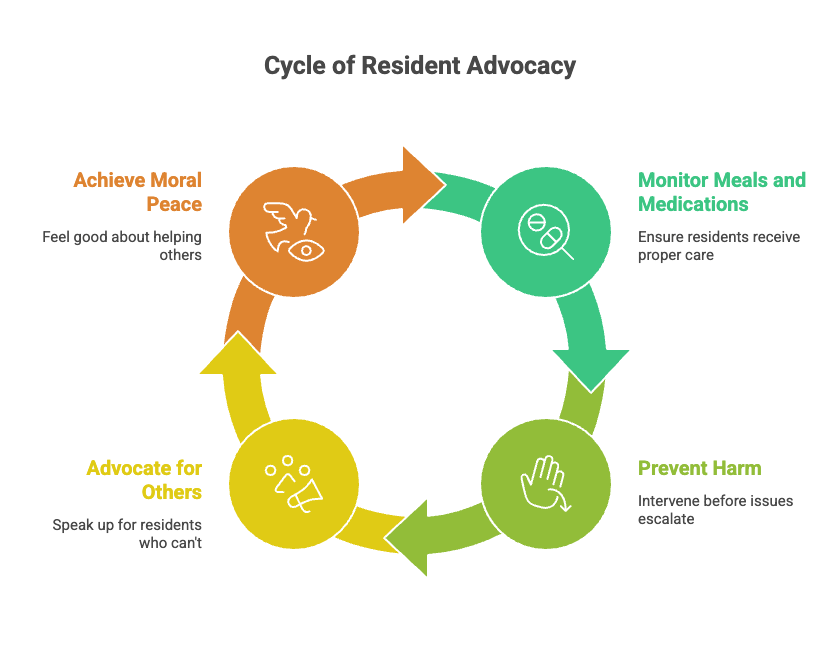
Holding a facility accountable can help protect the whole community.
Steps to Take After a Fort Lauderdale Nursing Home Malnutrition
Get your loved one immediate medical care to stabilize them and confirm malnutrition with proper testing.
Document the warning signs and preserve evidence, including photos, weight logs, meal records, and staff communications.
Report the neglect to the appropriate authorities and consult a Fort Lauderdale nursing home malnutrition lawyer to protect your rights and pursue accountability.
Seek Immediate Medical Care
Even if the nursing home claims your loved one is “fine,” you should seek medical care right away, because malnutrition can trigger rapid dehydration, dangerous infections, pressure sores, organ strain, and worsening confusion.
Take them to an ER or urgent care where clinicians can perform emergency triage and stabilize fluids, electrolytes, and blood sugar. Ask for a full medical evaluation, including weight trends, swallowing safety, medication review, and screening for pneumonia, UTIs, and sepsis.
Request referrals to a dietitian and speech therapist so a safe plan can start immediately. If hospitalization is needed, insist on clear discharge instructions and follow-up appointments.
Your prompt action protects their dignity, prevents setbacks, and gives the care team a chance to begin nutritional rehabilitation quickly and safely.
Document Signs And Evidence
After your loved one’s medical needs are addressed, start building a clear record of what happened and how quickly their condition changed. Take dated photos of weight loss, sores, signs of dehydration, and untouched meal trays.
Keep a daily log of symptoms, mood changes, fatigue, and any swallowing or dental issues you notice.
Ask for copies of care plans, dietary orders, medication lists, lab results, and hydration notes. Do consistent weight tracking and compare it to admission baselines and prior checkups.
Practice meal monitoring by noting portion sizes, assistance provided, missed snacks, and how long food sits out. Save receipts for supplements you purchase and write down staff names and shift times when concerns arise. If you can, bring a trusted visitor so your observations are witnessed and consistent.

Report And Consult Counsel
Once you’ve gathered initial documentation, report your concerns to the nursing home administrator and director of nursing in writing and request an immediate care-plan meeting to address nutrition, hydration, and supervision. Ask for updated weight logs, lab results, supplement orders, and who’s responsible each shift.
Request dietary audits and insist the plan reflects religious, cultural, or medical needs so you can advocate with compassion and clarity.
Next, file a complaint with Florida’s Agency for Health Care Administration and, if urgent, contact local law enforcement or adult protective services. If you face billing disputes tied to supplements, feeding assistance, or hospital transfers, keep invoices and communications.
Then consult counsel promptly. A Fort Lauderdale nursing home malnutrition lawyer can preserve records, interview witnesses, and pursue corrective action or compensation while your loved one gets safer care.
How a Fort Lauderdale Nursing Home Malnutrition Lawyer Can Help You
When malnutrition in a Fort Lauderdale nursing home harms someone you love, a nursing home malnutrition lawyer can step in quickly to protect your rights and start building your claim. You won’t have to face administrators alone or guess what records matter. Your lawyer gathers charts, weight logs, care plans, and witness statements, then preserves evidence before it disappears.
You also get guidance that reflects service and compassion through nutrition advocacy and family counseling, so your loved one’s dignity stays at the center of every decision.
You can expect help that addresses what your heart is carrying:
- Clear answers when you feel powerless and unheard.
- Firm communication with the facility so you’re not intimidated.
- A focused plan to seek accountability and resources for safer care.
Your attorney can coordinate with medical professionals, document neglect, calculate damages, and handle negotiations or litigation, freeing you to support your loved one day by day.
Long-Term Effects of Fort Lauderdale Nursing Home Malnutrition Injuries
When you or your loved one suffers malnutrition in a Fort Lauderdale nursing home, the damage can last long after weight loss shows up. You can face chronic organ dysfunction along with cognitive and mobility decline that makes daily life harder and recovery slower.
You’re also at higher risk for serious infections and even increased mortality, so you can’t afford to ignore the warning signs.
Chronic Organ Dysfunction
Although malnutrition in a Fort Lauderdale nursing home can look like “just” weight loss at first, it can quietly damage organs and leave your loved one with chronic dysfunction that doesn’t fully reverse.
When protein, calories, and micronutrients run low, you may see declining organ function as the body cannibalizes muscle, weakens the heart, and strains the kidneys and liver.
A metabolic imbalance can trigger electrolyte shifts, dehydration, and low albumin, raising the risk of edema, pressure injuries, and infections that further tax already stressed systems.
You can serve your loved one best by documenting labs, weights, intake notes, and hospitalizations, then demanding a thorough medical workup and a corrective nutrition plan.
If the facility ignored clear red flags, you can pursue accountability and resources for ongoing care.
Cognitive And Mobility Decline
Chronic organ dysfunction from malnutrition often goes hand in hand with changes you can see day to day—your loved one may think less clearly and move with less stability. You might notice memory lapses, slower speech, or trouble following routines they once managed. Weak muscles and poor balance can cause gait changes, shuffling, or sudden fatigue that limits safe transfers. When you serve them with patience, document patterns, ask staff for nutrition and therapy updates, and request timely medical evaluation. These steps protect dignity and help you advocate effectively.
| Sign you notice | What it can mean |
|---|---|
| Confusion | Poor nourishment affecting cognition |
| Memory lapses | Worsening nutrient deficits |
| Gait changes | Muscle loss and imbalance |
| Frequent falls | Unsafe mobility support |
| Withdrawal | Low energy and depression |
Heightened Infection And Mortality
Because malnutrition weakens the immune system and slows healing, it can turn routine colds, skin tears, and urinary infections into serious, fast-moving illnesses that put your loved one’s life at risk.
When a facility fails to provide enough calories, protein, and fluids, sores open, lungs struggle to clear mucus, and bacteria spread.
You can serve your loved one by watching for fevers, confusion, foul-smelling urine, new coughs, or wounds that won’t close.
Ask staff for weight logs, lab results, and care plans, then compare them to rising infection rates on the unit. If infections repeat, demand a physician review and a dietitian consult.
Persistent malnutrition also skews mortality statistics, because preventable sepsis and pneumonia become more common.
Acting early can save a life.
Proving Liability in Fort Lauderdale Nursing Home Malnutrition Cases
When malnutrition harms a nursing home resident in Fort Lauderdale, you can’t just show they lost weight—you must connect that decline to the facility’s failures. You do that by proving duty, breach, causation, and harm through clear, compassionate advocacy focused on the resident’s dignity.
Start with evidence preservation: request charting, meal logs, intake/output records, care plans, weight trends, lab results, photos, and staffing schedules. Compare what the resident needed—assistance eating, swallow precautions, supplements, hydration monitoring—to what staff actually provided.
Document missed meals, untreated dental pain, medication side effects, or ignored diet orders. Use witness statements from family, aides, and roommates to show patterns of neglect and delayed interventions.
Then rely on expert testimony from physicians, dietitians, and nursing standards experts to explain how the failures caused clinical decline, not inevitable aging. Build a timeline that ties each lapse to measurable deterioration and prevents blame-shifting.
Compensation for Fort Lauderdale Nursing Home Malnutrition Damages
Accountability means securing compensation that accurately reflects what malnutrition has taken from your loved one and what it will cost to stabilize their health. You can pursue financial compensation that covers both immediate crisis care and the long road back to strength, while honoring their dignity and protecting other residents from harm.
| Damage category | What it can include |
|---|---|
| Medical stabilization | Hospitalization, IV fluids, wound care |
| Ongoing recovery | Nutrition therapy, rehab, follow-up visits |
| Human losses | Pain, suffering, loss of enjoyment |
| Accountability extras | Punitive damages for reckless neglect |
You’ll document expenses, project future care needs, and connect the decline to missed meals, dehydration, or ignored weight loss. You can also seek reimbursement for out-of-pocket costs you should never have carried.
When a facility cuts corners for profit, punitive damages can push real change and affirm that serving elders requires vigilance, staffing, and compassion.
The Statute of Limitations for Fort Lauderdale Nursing Home Malnutrition Cases
Even if you have strong evidence that a facility let your loved one waste away, Florida’s statute of limitations can still cut off your right to file a nursing home malnutrition lawsuit in Fort Lauderdale if you wait too long. You’ll want to act with purpose, because time limits can run while you’re focused on getting your loved one safe, stabilized, and treated with dignity.
In many cases, the clock starts when you knew or should’ve known about the injury and its cause, but Statute nuances can change that timeline. Events like concealment, delayed discovery, or the resident’s incapacity may affect when the period begins or pauses.
Wrongful death claims can follow different rules and shorter windows.
To protect your mission of caring for someone vulnerable, track records, photos, weight logs, and hospital notes early. Confirm filing deadlines promptly so your compassion doesn’t get blocked by procedure.
Why You Need an Experienced Fort Lauderdale Nursing Home Malnutrition Lawyer
Because nursing home malnutrition cases turn on fast-moving medical evidence and strict regulatory rules, you need an experienced Fort Lauderdale lawyer who can act immediately to protect your claim. You can’t afford delays while records disappear, weights change, and staff narratives harden.
Your lawyer secures charts, lab results, diet logs, and facility policies, then works with clinicians to explain how deficits caused harm.
You also need steady nutrition advocacy that keeps your loved one’s dignity at the forefront. A seasoned attorney steers through family dynamics with compassion, so relatives stay aligned and focused on safety.
They push for better care coordination—dietitian consults, swallow evaluations, hydration plans—while your case moves forward. Most importantly, you get a disciplined legal strategy grounded in Florida nursing home regulations, staffing standards, and proof of causation. That experience helps you hold the facility accountable and prevent the same neglect from hurting someone else.
How to Choose the Right Fort Lauderdale Nursing Home Malnutrition Lawyer for Your Case
When you’re choosing a Fort Lauderdale nursing home malnutrition lawyer, focus on who can quickly prove neglect with medical detail and Florida nursing home rules. You want someone who reviews weight charts, lab results, swallow assessments, and care plans, then connects them to staffing records and regulatory violations.
Ask how they run client interviews, including what they’ll request from you and what they’ll obtain from the facility. Confirm they work with qualified medical experts and know how to preserve evidence before it disappears.
You should also ask how they communicate, how often you’ll get updates, and who handles your day-to-day questions.
Compare fee structures in writing, including costs, contingency percentages, and what happens if the case doesn’t win. Finally, choose a lawyer who treats your loved one’s dignity as a mission and pushes for safer care for others, too.
About the Law Offices of Anidjar and Levine
Focused on protecting vulnerable residents, the Law Offices of Anidjar and Levine handle Fort Lauderdale nursing home malnutrition claims by building evidence-driven cases that tie medical decline to lapses in care.
You get a team that listens first, then acts—securing records, photos, care plans, and facility policies to show where supervision, hydration, or feeding failed.
You’ll see their commitment in client testimonials that highlight responsive communication and steady guidance during stressful decisions.
When you work with the firm, you’re not just pursuing compensation—you’re helping prevent the next resident from being overlooked.
Their firm’s history reflects years of advocating for injured Floridians and holding negligent institutions accountable.
You can expect clear updates, practical next steps, and respectful coordination with medical providers and family caregivers.
If a facility cuts corners, you’ll have advocates who press for answers and pursue the justice your loved one merits and needs.
Frequently Asked Questions
Can Medicaid or Medicare Affect My Ability to Sue a Nursing Home?
No, Medicare or Medicaid usually won’t stop you from suing a nursing home, but they can shape the details.
You’ll need to take into account Medicaid eligibility rules and any potential liens or reimbursement claims if benefits are paid for care.
You must also watch lawsuit timing, because deadlines can run while you’re focused on recovery and advocacy.
Document harm, report concerns, and consult counsel to protect residents and pursue accountability.
Can I File a Claim if My Loved One Had Dementia or Communication Difficulties?
Yes, you can file a claim even if your loved one had dementia or communication difficulties. You’ll rely on medical records, staff notes, and witness accounts to show what happened despite communication barriers.
You can request a capacity assessment to document decision-making limits and support your role as a representative. If Medicare or Medicaid paid for care, you can still sue, but you may need to address reimbursement or lien issues properly.
What if the Facility Falsified Weight Records or Meal Intake Charts?
If the facility falsified weight records or meal intake charts, you can still pursue a claim, and those altered records may strengthen it.
You should request complete charts, care plans, and audit trails, and compare them with lab results, photos, and witness statements.
Report suspected tampering to state regulators.
An attorney can subpoena originals and depose staff.
Facilities face Legal consequences, and you help protect other residents by holding them accountable.
Can I Pursue a Claim if My Loved One Was Transferred to a Hospital?
Yes, you can pursue a claim even if your loved one was transferred to a hospital. The transfer doesn’t erase earlier neglect; it can support causation and damages.
You’ll review the facility’s transfer protocol, timing, and communications, as well as any gaps in nutrition documentation. You’ll also consider hospital liability if the hospital worsened harm after admission.
Gather records, witness statements, and billing notes to protect others, too.
Do I Need Expert Witnesses to Prove Malnutrition in a Nursing Home Case?
Yes, you’ll usually need expert witnesses, though not always.
You can strengthen your case with medical testimony from a physician, dietitian, or wound-care nurse who links weight loss, lab results, dehydration, or pressure injuries to inadequate care.
Experts also explain accepted nutrition standards and whether the facility’s charts, meal logs, and assessments met them.
When you’re advocating for your loved one, clear expert opinions help you serve truth and protect others, too.
—————-
You don’t have to face a Fort Lauderdale nursing home malnutrition case alone.
If your loved one’s weight loss, dehydration, or untreated medical needs point to neglect, you can take action and demand accountability.
Preserve records, report concerns, and speak with a lawyer who knows Florida nursing home laws and how to build a strong claim.
A Fort Lauderdale Nursing Home Abuse and Neglect Lawyer at the Law Offices of Anidjar and Levine can help you pursue damages and protect your family’s rights.


We Can Help.