




If your loved one falls in a Fort Lauderdale nursing home, you can protect them and strengthen your claim by getting prompt medical care, requesting an incident report, and preserving photos, witness names, and any available surveillance footage. You’re entitled to review care plans, fall-risk assessments, and staffing and medication records without fear of retaliation.
A Fort Lauderdale Nursing Home Abuse and Neglect Lawyer from the Law Offices of Anidjar and Levine can move quickly to secure critical evidence before it’s lost and pursue compensation for medical expenses, rehabilitation, and increased care needs. Keep reading to learn what to do next.
Key Takeaways
- Get immediate medical care after a fall, especially if you take blood thinners, have dementia, have a head injury, or experience new pain, to protect your health and records.
- Notify the charge nurse and confirm an incident report was filed; request copies of records, care plans, and fall-risk assessments.
- Preserve evidence fast: photos of hazards and injuries, witness names, call-bell logs, medication records, and surveillance footage before it’s overwritten.
- Track a timeline of symptoms, vitals, medication changes, therapy needs, and communications to show how the fall affected mobility, cognition, and recovery.
- A Fort Lauderdale nursing home fall lawyer can investigate negligence, handle insurers and deadlines, and pursue compensation while preventing retaliation.
How We Can Help With Your Fort Lauderdale Nursing Home Fall Claim
If a nursing home fall has injured your loved one in Fort Lauderdale, we can step in quickly to protect their rights and start building a strong claim.
You’ll get a team that listens, acts fast, and keeps your loved one’s dignity at the center of every decision.
We gather records, preserve evidence from the facility, and coordinate with medical providers so you’re not left chasing answers.
You can lean on us to handle calls, deadlines, and paperwork while you focus on care and support.
We prepare you for family meetings with the facility, help you ask the right questions, and push for safer practices going forward.
When the other side resists, you won’t face insurance disputes alone—we negotiate firmly, document losses, and demand fair accountability.
If a settlement offer falls short, you’ll have clear options and steady guidance.
You’ll serve your loved one best with strong advocacy by your side.
Understanding Fort Lauderdale Nursing Home Fall Cases



Nursing home fall claims in Fort Lauderdale often come down to whether the facility failed to prevent a predictable risk and whether that failure caused your loved one’s injuries. You’ll focus on duty, breach, causation, and damages, then connect the records to what should’ve happened under accepted care standards and policies, including staff training.
| What you do | Why it matters |
|---|---|
| Request incident, care, and staffing records | You pinpoint gaps and timelines |
| Document injuries, bills, and care changes | You show real-life impact and costs |
| Keep a communication log and speak up | Family advocacy strengthens accountability |
You can serve your loved one by gathering names, dates, and photos, and by asking clear questions in writing. You’ll also want to preserve witnesses and prior complaints. When a facility’s paperwork doesn’t match what you observed, that inconsistency can support your case. Your steady, respectful involvement helps protect other residents, too.

Common Causes of Fort Lauderdale Nursing Home Falls
You’ll often see nursing home falls start with medication side effects that cause dizziness or confusion, especially when no one monitors changes closely.
When staff supervision is inadequate, residents may attempt to walk unassisted and fall on slippery floors, cluttered walkways, or wet bathroom floors.
Poor lighting, missing handrails, and loose grab bars also make routine movements dangerous.
Medication Side Effects
Managing multiple prescriptions can quietly increase the risk of falls in a Fort Lauderdale nursing home. If you’re caring for an older adult, you’ll want to watch for dizziness, low blood pressure, drowsiness, confusion, blurred vision, and sudden weakness after medication changes.
These adverse reactions can show up fast, especially with sedatives, antidepressants, blood pressure drugs, and diabetes medications. Drug interactions may intensify effects, making a resident unsteady even when they seem “fine.”
You can serve them well by asking for regular medication reviews, requesting clear start and stop dates, and tracking symptoms in a simple log. Encourage hydration and slow position changes when appropriate, and report new balance issues promptly.
When medication management falls short, injuries can follow quickly.
Inadequate Staff Supervision
Even when a resident’s medications stay stable, falls can happen when staff don’t supervise closely enough.
If you serve in a nursing home, you know residents rely on timely help with transfers, toileting, and walking to meals. When staff ratios run lean, call lights get missed, and high-risk residents try to move alone.
You can reduce harm by matching assignments to acuity, rounding with purpose, and documenting changes the moment you notice them. Strong supervision protocols also mean consistent handoffs, clear mobility plans, and alarms checked and responded to right away.
If management ignores repeated understaffing or skips training, you may see preventable injuries. You can advocate for safer coverage and insist on follow-through daily.
Slippery Floors And Clutter


Too often, nursing home falls start with something as ordinary as a damp hallway, a freshly mopped tile, or clutter left in a walking path. When you’re caring for residents, you can’t treat wet surfaces as minor housekeeping issues—they’re immediate safety risks.
Spills, condensation near entrances, and poorly dried floors demand prompt attention, clear warning signs, and quick follow-up cleaning.
Clutter creates the same danger. Wheelchairs left askew, loose cords, overfilled carts, and boxes in corridors become trip hazards that can send a fragile resident to the ER. You can protect dignity by keeping routes clear, storing equipment where it belongs, and doing frequent walk-throughs.
If a facility ignores these basics and someone gets hurt, you may need legal help to hold them accountable.
Poor Lighting And Handrails


In many Fort Lauderdale nursing homes, poor lighting and missing or unstable handrails turn routine walks to the bathroom or dining room into high-risk moments. When you’re caring for an older adult, you know a single misstep can change everything.
Dim corridors hide uneven flooring, thresholds, and stray equipment, so residents can’t judge distance or footing. Without steady support, they reach for walls, furniture, or another resident, increasing the chance of a cascade fall.
Missing railings on ramps, hallways, and near beds leave people without guidance during transfers, especially at night or after medication. You can help by reporting burned-out bulbs, requesting brighter night-lights, and insisting on secure, continuous rails. Your vigilance protects dignity, independence, and safety.
Legal Rights of Fort Lauderdale Nursing Home Fall Victims
Although a fall can feel like “just an accident,” Florida law gives you clear rights when a Fort Lauderdale nursing home fails to keep a resident safe. You can insist on dignity, transparency, and accountability so your loved one’s care reflects the compassion you value. When the facility cuts corners, you can demand answers and pursue recovery for harm caused by neglect or unsafe conditions.
- You’re entitled to safe supervision, fall-risk screening, and reasonable precautions.
- You can review records and care plans, including documentation of Patient consent.
- You can request explanations for staffing, training, and how hazards are corrected.
- You can rely on Facility audits and inspection findings to highlight risk patterns.
- You can seek compensation for medical bills, pain, disability, and related losses.
You also have the right to be free from retaliation when you speak up. By asserting these protections, you help raise the standard of care for every resident.
Steps to Take After a Fort Lauderdale Nursing Home Fall
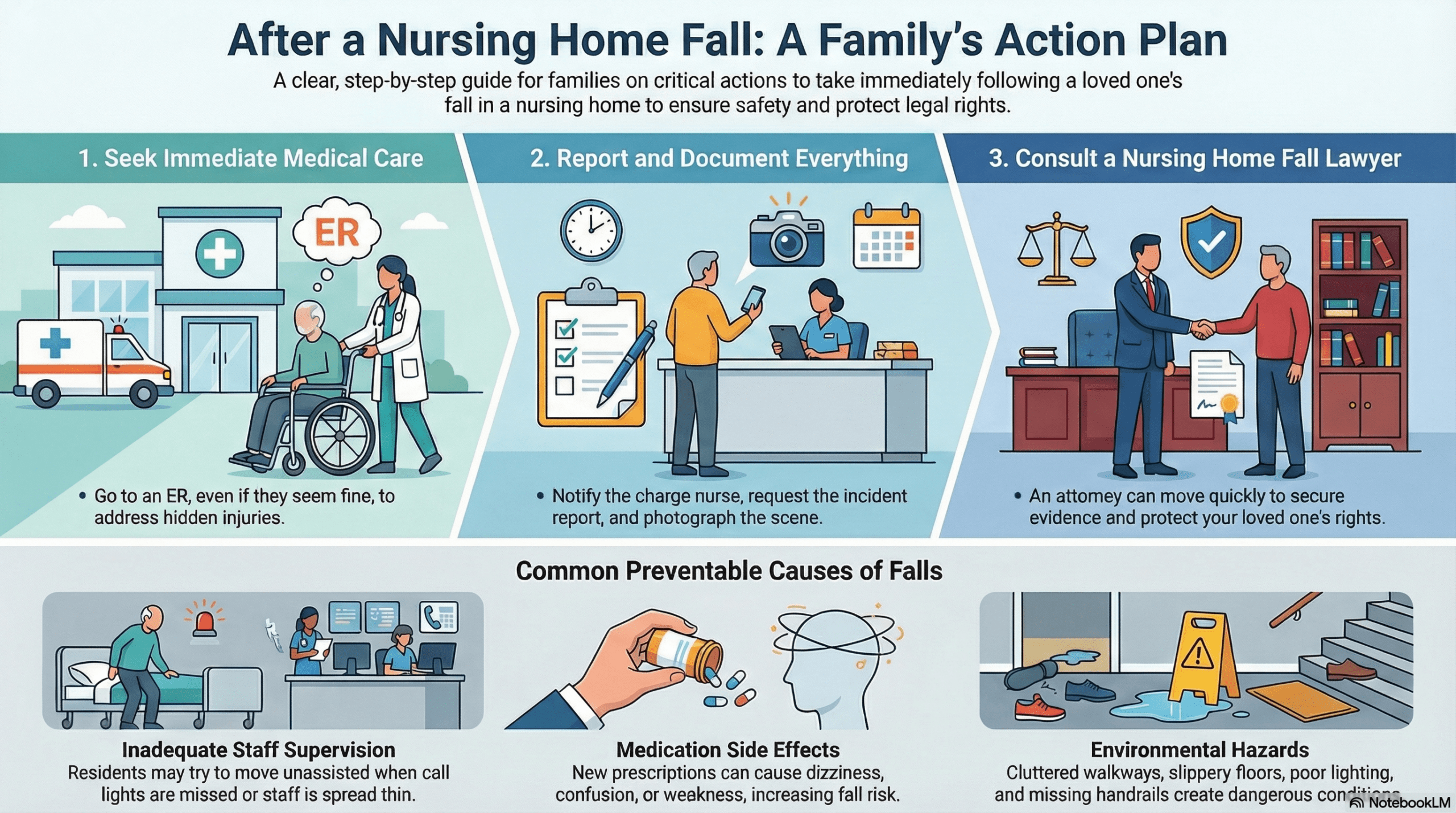
After a Fort Lauderdale nursing home fall, you should get medical care right away to treat injuries and create a clear record.
You’ll also want to report the incident to staff and document everything you can, including photos, witness names, and the facility’s written report.
Then you can consult a nursing home fall lawyer to protect your rights and pursue compensation.
Seek Immediate Medical Care
Often, the most important step after a nursing home fall is getting medical care right away, even if the resident seems “fine.” Ask staff to call 911 or arrange prompt transport to an ER or urgent care, because injuries like head trauma, internal bleeding, fractures, and infections can show delayed symptoms.
Insist on an emergency evaluation and don’t accept “wait and see” when you’re advocating for someone’s well-being. Request that the facility follow its transfer protocols, including safe transport, medication lists, and baseline essential signs, so that clinicians receive accurate information quickly.
If the resident uses blood thinners, has dementia, or reports pain, treat it as urgent. Stay calm, speak kindly, and keep the resident reassured; your steady presence can reduce fear and help staff act quickly.
Report And Document Fall
Once you’ve ensured the resident receives prompt medical attention, start building a clear record of what happened by reporting and documenting the fall right away. Notify the charge nurse and request an incident report, then ask for a copy or confirmation that it was filed. Write down the date, time, exact location, and what the staff said they observed.
Take photos of hazards like wet floors, poor lighting, clutter, or missing handrails, and note footwear, mobility aids, and bed or wheelchair settings. Collect witness statements from staff, visitors, and other residents while memories are fresh. Create incident timelines that track symptoms, essential signs, medication changes, and follow-up care. Keep all discharge papers, emails, and call notes in one folder. Your steady documentation helps protect the resident and improves future safety.
Consult A Fall Lawyer
When you loop in a Fort Lauderdale nursing home fall lawyer early, you’ll preserve evidence, protect the resident’s rights, and avoid costly missteps. You can focus on compassion and care while your lawyer secures records, incident reports, surveillance footage, and witness statements before they disappear.
Schedule a legal consultation promptly, even if the facility seems cooperative. Your attorney will run a case evaluation to spot negligence, understaffing, poor training, unsafe flooring, or missed fall-risk protocols. You’ll also learn what damages may apply, including medical costs, rehab, pain, and future care needs. If you’re advocating for someone who can’t speak up, a lawyer can handle insurer calls and facility pushback, so you don’t get pressured into quick, unfair settlements. You’ll protect dignity and accountability for others, too.
How a Fort Lauderdale Nursing Home Fall Lawyer Can Help You
Because nursing home falls can trigger serious injuries and complicated liability questions, a Fort Lauderdale nursing home fall lawyer helps you take control of the process from day one. You’ll protect your loved one’s dignity while you pursue answers, accountability, and safer care for others in the community.
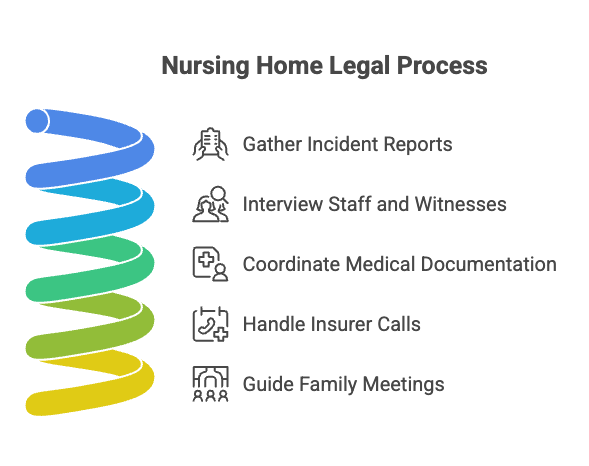
A lawyer can step in quickly to:
- gather incident reports, charts, and surveillance before they disappear
- Interview staff and witnesses to clarify what really happened
- Coordinate medical documentation and expert review to prove negligence
- handle insurer calls and deadlines so you don’t get pressured into less
- guide family meetings and financial planning around care costs and recovery
You’ll also get help reporting concerns to regulators and requesting facility policy changes to support better standards, not just compensation.
With a clear plan, you can focus on being present, advocating respectfully, and keeping your family unified through each decision ahead.
Long-Term Effects of Fort Lauderdale Nursing Home Fall Injuries
After a nursing home fall in Fort Lauderdale, you might face long-term mobility limits and worsening balance that reduce your independence.
You can also experience cognitive changes, anxiety, depression, or fear of falling that affects your daily routines.
On top of that, secondary injuries—like pressure sores, infections, or complications from surgery—can create ongoing medical needs and costs.
Chronic Mobility And Balance Decline
Although a fall may look like a one-time event, it can trigger chronic declines in mobility and balance that last for months or even become permanent. You may notice slower steps, a wider stance, or hesitation at thresholds and turns.
Pain, weakness, and fear of reinjury can cause you to move less, which quickly deconditions muscles and worsens steadiness.
To serve your loved one well, you’ll want a clear rehab plan: consistent gait training, strength work, and safe practice with transfers. You can ask staff to document walking distance, fatigue, and near-falls, then adjust goals weekly.
When progress stalls, request a therapy re-evaluation and review medication side effects. Proper footwear, clutter-free pathways, and correctly fitted assistive devices help prevent setbacks and protect independence for daily care tasks.
Cognitive And Emotional Impacts
Even when your loved one’s bruises fade, a serious nursing home fall can reshape how they think and feel for the long haul. You may notice memory loss, slower processing, or trouble following familiar routines. Emotional shifts can appear, too—mood swings, anxiety, or withdrawal—especially when they feel unsafe or embarrassed. Your steady presence helps them regain confidence and dignity.
| What you notice | Why it matters | How can you serve |
|---|---|---|
| Forgetting names | Signals cognitive strain | Track changes, share with staff |
| Confusion at meals | Disrupts daily function | Simplify choices, offer cues |
| Irritability | May mask fear | Respond calmly, validate feelings |
| Sleep changes | Worsens thinking | Ask about routines, reduce noise |
Complications From Secondary Injuries
Recovery can feel like a moving target when a fall triggers secondary injuries that don’t show up right away.
You might see swelling, skin breakdown, or worsening pain days later, and those changes can signal deeper problems. A small wound can become infected, especially if mobility is limited or hygiene support is inconsistent.
If you suffered a broken bone, you may face fracture complications like delayed healing, blood clots, nerve damage, or reduced range of motion.
Medication changes and bed rest can also cause dehydration, pneumonia, or pressure ulcers. You serve your loved one best by documenting symptoms, requesting timely imaging, and insisting on follow-up care.
When a facility ignores warning signs, you can seek accountability and the resources needed for safer, steadier recovery.
Proving Liability in Fort Lauderdale Nursing Home Fall Cases
When a loved one suffers a fall in a Fort Lauderdale nursing home, proving liability starts with showing the facility failed to meet its duty of care. You’ll gather records that reveal what staff knew, what they did, and what they skipped—care plans, fall-risk assessments, incident reports, staffing schedules, and maintenance logs.
You’ll also document hazards such as wet floors, poor lighting, broken handrails, or missed toileting assistance, and tie them to the moment of the fall.
You strengthen the case by testing witness credibility and preserving statements early, before memories shift. You can request surveillance footage, call-bell logs, and medication records to confirm timelines and supervision.
With expert testimony, you connect the facility’s choices to accepted nursing standards, showing how reasonable precautions would’ve prevented the fall. By building a clear chain—duty, breach, causation, and harm—you honor your loved one and help protect other residents.
Compensation for Fort Lauderdale Nursing Home Fall Damages
Proving liability sets the foundation for the next step: pursuing compensation that matches what the fall has cost your loved one and your family. You can seek repayment for medical bills, rehabilitation, medications, mobility aids, and future care plans tied to fractures, head injuries, or setbacks in daily functioning. If the fall forces a higher level of supervision, you can also pursue the added nursing home costs or transfer expenses.
You’ll often face insurance disputes that downplay injuries or blame your loved one’s age or condition. Stay focused on documentation: incident reports, care logs, photographs, and expert opinions that connect negligence to harm. Beyond financial loss, you can pursue emotional damages for pain, fear, loss of dignity, and reduced enjoyment of life. If your loved one can’t speak for themselves, you can advocate with compassion and clarity, ensuring the claim reflects the real impact on your family and their wellbeing.
The Statute of Limitations for Fort Lauderdale Nursing Home Fall Cases
Even if you’re still sorting out medical care and safety concerns after a nursing home fall, you can’t ignore Florida’s filing deadlines. When you act quickly, you protect your loved one’s chance to be heard and you help others by pushing safer care.
| Claim type | Usual deadline | Notes |
|---|---|---|
| Negligence injury | 2 years | Often applies to falls |
| Wrongful death | 2 years | Runs from the date of death |
| Medical negligence | 2 years | Statute nuances can change the start date |
| Fraud/concealment | Extended | Possible filing exceptions |
| Notice/preservation | ASAP | Request records, incident reports |
You should track when you learned crucial facts, because discovery rules and concealed neglect can shift the clock. You’ll also want to preserve evidence early, since facilities may overwrite videos or rotate staff. If you’re serving an older adult, set a firm calendar reminder and gather records now, so you don’t miss a deadline that can end the case.
Why You Need an Experienced Fort Lauderdale Nursing Home Fall Lawyer
You also need someone who understands how facilities operate and where negligence hides. Your lawyer can spot red flags like poor staff training, unsafe transfer practices, missed fall-risk assessments, understaffing, and ignored care plans. They’ll work with medical and nursing experts to connect the fall to preventable failures and to document the full impact—pain, decline, and added care needs.
Most importantly, you’ll have a guide who speaks for the resident when they can’t, presses for accountability, and pushes for changes that help protect others in the facility, too.
How to Choose the Right Fort Lauderdale Nursing Home Fall Lawyer for Your Case
Because a nursing home fall case can turn on small details—charting gaps, staffing logs, and ignored care plans—choosing the right Fort Lauderdale nursing home fall lawyer means looking beyond flashy ads and focusing on proven elder-neglect experience, access to medical and nursing experts, and a track record of holding facilities accountable in Broward County.
Start with attorney interviews and come prepared: ask how they preserve records quickly, work with geriatric and wound-care experts, and spot violations of fall-risk protocols.
You should also ask who’ll handle your case day to day and how often you’ll get updates, because your loved one merits steady attention.
Compare fee structures in writing, including contingency percentages, costs advanced, and what happens if there’s no recovery.
Look for a lawyer who explains options plainly, treats your family with dignity, and fights for safer care, not just a settlement amount.
About the Law Offices of Anidjar and Levine
Finding the right nursing home fall lawyer means looking for a team that can move fast on records, collaborate with the right medical experts, and take on a facility that won’t admit fault—qualities the Law Offices of Anidjar and Levine aim to bring to each case.
You get a team that treats your loved one’s safety as a community responsibility, not just a file number.
You’ll see that focus in the firm’s history: years of representing injured Floridians and building practical systems for quick investigation, clear communication, and trial readiness.
When you call, you can expect prompt updates, help gathering incident reports, care plans, and surveillance footage, and guidance on next steps.
You can also learn from client testimonials that highlight responsiveness and respect during stressful moments. If you’re serving an older family member, you want advocates who’ll shoulder the legal burden so you can focus on care and dignity.

Frequently Asked Questions
What Documents Should Families Request From the Nursing Home After a Fall?
Request the fall’s incident reports, nursing notes, witness statements, and any photos or videos. Ask for updated care plans, physician orders, and hospital transfer records.
Get medication logs and administration records to see timing, dosages, and possible side effects.
Request essential-sign flowsheets, mobility and fall-risk assessments, staffing schedules, and call-light response logs. Ask for prior fall history and corrective-action documentation to advocate clearly and compassionately for safer care.
Can We Switch Nursing Homes While a Fall Claim Is Pending?
Yes, you can switch nursing homes while a fall claim is pending, and you often should if safety demands it.
You’ll handle relocation logistics by securing a new bed, arranging transport, and transferring medications and care plans.
You’ll support continuity planning by requesting complete medical records, incident reports, and therapy notes, and by coordinating with the new facility’s staff.
You won’t lose your claim if you document everything and keep follow-up care consistent.
Will Filing a Claim Affect My Loved One’s Medicaid or Medicare Benefits?
Filing a claim usually won’t affect your loved one’s Medicare, and it typically doesn’t change Medicaid coverage, but the settlement can impact medicaid eligibility.
If your loved one receives needs-based benefits, you’ll need to plan for how proceeds are handled, including any asset spenddown requirements and lien reimbursements.
You should coordinate with an attorney and a benefits professional to protect care, follow reporting rules, and keep support focused on their well-being.
How Are Settlement Funds Distributed if the Resident Has a Legal Guardian?
If the resident has a legal guardian, you’ll typically route the settlement through the guardianship court, and you’ll need guardian consent for crucial decisions.
The judge may review settlement allocation to confirm it serves the resident’s best interests.
You may place funds into a restricted account, pay approved medical bills, and set aside funds for future care costs.
You’ll also document fees and expenses, then provide clear accounting to protect everyone involved.
Can We Pursue a Claim if the Resident Had Dementia or Memory Loss?
Yes, you can often pursue a claim even if the resident had dementia or memory loss.
You’ll rely on medical records, witnesses, and a capacity assessment to show what the resident could understand and when.
If the resident couldn’t make decisions, you can act through a substitute decision maker, like a guardian or health care surrogate.
You’ll focus on proving neglect or unsafe conditions and advocating for dignity and safety.
————————
If you or a loved one suffered a fall in a Fort Lauderdale nursing home, you don’t have to handle the aftermath alone.
You can protect your rights, gather evidence, and pursue compensation for medical care, pain, and ongoing support.
Acting quickly matters because deadlines can limit your claim. With the Law Offices of Anidjar and Levine, you’ll have a strong advocate dedicated to accountability and results, and you can learn more about your options by speaking with a Fort Lauderdale Nursing Home Abuse and Neglect Lawyer.


We Can Help.