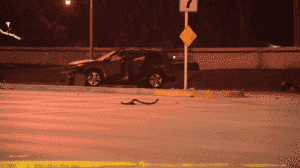
A Coconut Creek car accident impaired and distracted driving lawyer can investigate whether intoxication, medication, fatigue, or phone use contributed to a collision. The Law Offices of Anidjar and Levine can review police reports, witness accounts, available phone records, toxicology evidence, vehicle damage, and medical documentation. Florida injury claims may seek compensation for medical care, rehabilitation, lost income, reduced earning capacity, and effects on daily life. Learn more about a Coconut Creek Personal Injury Lawyer, evidence preservation, liability, potential damages, and what to consider when choosing legal representation.
Main Takeaways
- A Coconut Creek car accident lawyer can assess whether impaired or distracted driving caused the collision and injuries.
- Evidence may include crash reports, witness accounts, photographs, video, vehicle data, and phone records.
- Preserve relevant evidence promptly, including nearby camera footage, medical records, receipts, and collision-related communications.
- Compensation may cover medical care, rehabilitation, lost income, reduced earning capacity, pain, and effects on daily life.
- Review deadlines and insurer communications with legal guidance; avoid speculation about fault and protect sensitive information.
How We Can Help With Your Coconut Creek Car Accident Impaired & Distracted Driving Injury Claim
When an impaired or distracted driver causes a crash in Coconut Creek, injured people may face medical expenses, lost income, and lasting physical harm. Support can help them manage practical demands while focusing on recovery. A legal team may review available records, organize relevant documents, and explain options in clear terms, allowing clients to make informed decisions without unnecessary pressure.
Early guidance can also help preserve important information and identify deadlines that may affect a claim. The Claim timeline depends on factors such as treatment progress, record collection, and communication with insurers. Counsel can track these steps, provide updates, and explain what may happen next. Consistent attorney communication gives clients a reliable point of contact for questions and concerns.


A careful, service-oriented approach recognizes that each person’s needs differ. Legal professionals can coordinate routine case tasks, respond to inquiries, and help clients understand required forms and requests. This practical assistance may reduce avoidable stress and support a more organized path forward while injured people attend to their health and family responsibilities.
Don’t Wait. Call Our Florida Personal Injury Lawyers Now!
Understanding Coconut Creek Car Accident Impaired & Distracted Driving Injury Cases
OUR CONSULTATIONSARE FREE
START YOUR FREE CASE REVIEW

Impaired and distracted driving cases in Coconut Creek involve distinct legal and factual questions about how a collision occurred and who may be responsible. A claim generally requires evidence connecting a driver’s conduct to the crash and resulting injuries. Relevant records may include police reports, witness statements, medical documentation, and available electronic or photographic evidence. Each item must be assessed for reliability and consistency with the broader account.
Case timelines vary based on injury severity, treatment progress, evidence collection, and insurer discussions. Florida filing deadlines may also affect whether a claim can proceed, making timely review important. A claim’s value and scope depend on documented losses, including medical expenses, lost income, and other effects supported by evidence.


Recovery challenges may continue after initial treatment, particularly when symptoms affect work, mobility, or daily responsibilities. Careful documentation helps clarify these effects and supports informed decisions. A thorough, respectful process can help injured people and their families pursue accountability while allowing them to focus on treatment and recovery.
Common Causes of Coconut Creek Car Accident Impaired & Distracted Driving
Common causes of impaired and distracted driving include alcohol or drug use, texting behind the wheel, and other phone-related distractions. Fatigue and drowsy driving can also reduce alertness, slow reaction times, and impair a driver’s judgment. Identifying the circumstances behind a crash can help clarify how a driver’s conduct contributed to the collision.
Alcohol and Drug Use
Alcohol and drug use can impair judgment, slow reaction time, and reduce a driver’s ability to control a vehicle, increasing the risk of a serious crash in Coconut Creek. Impaired judgment may lead a driver to misjudge speed, follow too closely, or make unsafe turns. Drug impairment can also affect coordination, perception, and alertness, whether caused by illegal substances, prescription medication, or over-the-counter products. Combining drugs with alcohol may intensify these effects and make driving especially dangerous. Drivers are responsible for understanding how substances and medications affect their ability to operate a vehicle safely. When a suspected impaired driver causes a collision, injured people may face medical costs, lost income, and lasting harm. Careful investigation can help establish what occurred and support accountability for those affected by the crash.
Texting Behind the Wheel
When drivers read or send text messages, their attention shifts from the road, and even a brief distraction can delay braking or prevent them from noticing nearby vehicles and pedestrians. In Coconut Creek, texting behind the wheel can endanger passengers, cyclists, and others who depend on drivers to remain attentive. A collision may cause serious injuries, disrupt daily life, and strain affected families financially.
Florida law restricts texting while driving, and texting penalties may apply when a driver violates those rules. Legal consequences, however, cannot undo the harm a crash causes. Public prevention campaigns encourage drivers to silence notifications, put devices out of reach, and send messages only after reaching a safe location. These practical steps support safer roads and help protect the broader community from preventable collisions.
Phone-Related Distractions
Texting is one form of phone-related distraction, but drivers may also lose focus while checking notifications, using navigation apps, or making calls. Each task can divert attention from traffic, even for only a few seconds. A driver who looks down to read an alert may miss a changing signal, a pedestrian entering a crosswalk, or another vehicle slowing ahead. Navigation adjustments can also require visual and mental attention, particularly on unfamiliar roads. Hands-free limitations matter because voice commands and speakerphone calls do not eliminate cognitive distraction or ensure a driver stays alert to hazards. Drivers can reduce avoidable interruptions by setting a route before departure and reviewing notification settings to silence nonessential alerts. These precautions support safer travel and help protect passengers, pedestrians, and other road users.
Fatigue and Drowsy Driving
Fatigue can impair a driver’s judgment, reaction time, and ability to maintain attention, increasing the risk of a serious crash. Sleep deprivation may cause motorists to miss traffic signals, drift from their lanes, or respond too slowly to changing road conditions. Circadian disruption, including overnight work or irregular sleep schedules, can make it difficult to remain alert during a trip. Drowsy driving may also produce brief periods of sleep without the driver’s awareness, leaving little opportunity to avoid a collision. In Coconut Creek, these risks can affect passengers, pedestrians, and other road users. Drivers can reduce danger by resting before traveling, taking breaks on longer trips, and arranging another ride when they feel sleepy. When fatigue contributes to a crash, careful investigation can help establish its role and support accountability for those harmed.
Legal Rights of Coconut Creek Car Accident Impaired & Distracted Driving Injury Victims
Impaired and distracted driving can cause serious crashes in Coconut Creek, and injured victims may have legal rights to pursue compensation from those responsible. Florida law may allow an injured person to seek damages when another driver’s negligence caused the collision. A claim can address documented losses while supporting the victim’s recovery and family responsibilities.
Injured victims of impaired or distracted driving may seek compensation for documented losses when another driver’s negligence caused the crash.
Potential rights and protections may include:
- Seeking payment for medical care, rehabilitation, and related expenses.
- Claiming compensation for lost income and reduced earning capacity.
- Pursuing damages for pain, suffering, and effects on daily life.
- Requesting access to relevant crash records and evidence.
- Protecting Victim privacy when sharing sensitive personal information.
An attorney can assess available evidence, explain deadlines, and communicate with insurers on the injured person’s behalf. Each claim depends on its facts, and comparative fault may affect recovery under Florida law. Prompt, careful documentation can help preserve a clear account of losses. Respectful legal guidance also helps families make informed decisions without losing sight of community prevention and safer roads for all Coconut Creek residents.
Why Do Coconut Creek Car Accident Impaired & Distracted Driving Injuries Happen?
Coconut Creek car accidents involving impaired or distracted drivers often happen when alcohol, drugs, fatigue, or competing demands reduce a person’s ability to notice hazards and respond safely. Alcohol and drugs can slow reaction time, impair judgment, and weaken coordination. Fatigue may produce similar effects, while texting, navigation systems, conversations, or other in-car tasks can divert attention from traffic.
These risks increase when drivers speed, follow too closely, miss signals, or fail to yield. A momentary lapse may prevent a driver from recognizing a pedestrian, cyclist, stopped vehicle, or changing traffic pattern. Roadway design can also affect crash risk. Poor visibility, confusing intersections, inadequate lighting, or limited sight distance may leave less time to identify danger and respond.
Vehicle maintenance is another relevant factor. Worn tires, defective brakes, or malfunctioning lights can make it harder to avoid a collision or reduce its severity. When unsafe driving and other hazards coincide, people nearby may suffer preventable injuries.
What Should You Do After a Coconut Creek Car Accident Involving Impaired & Distracted Driving?
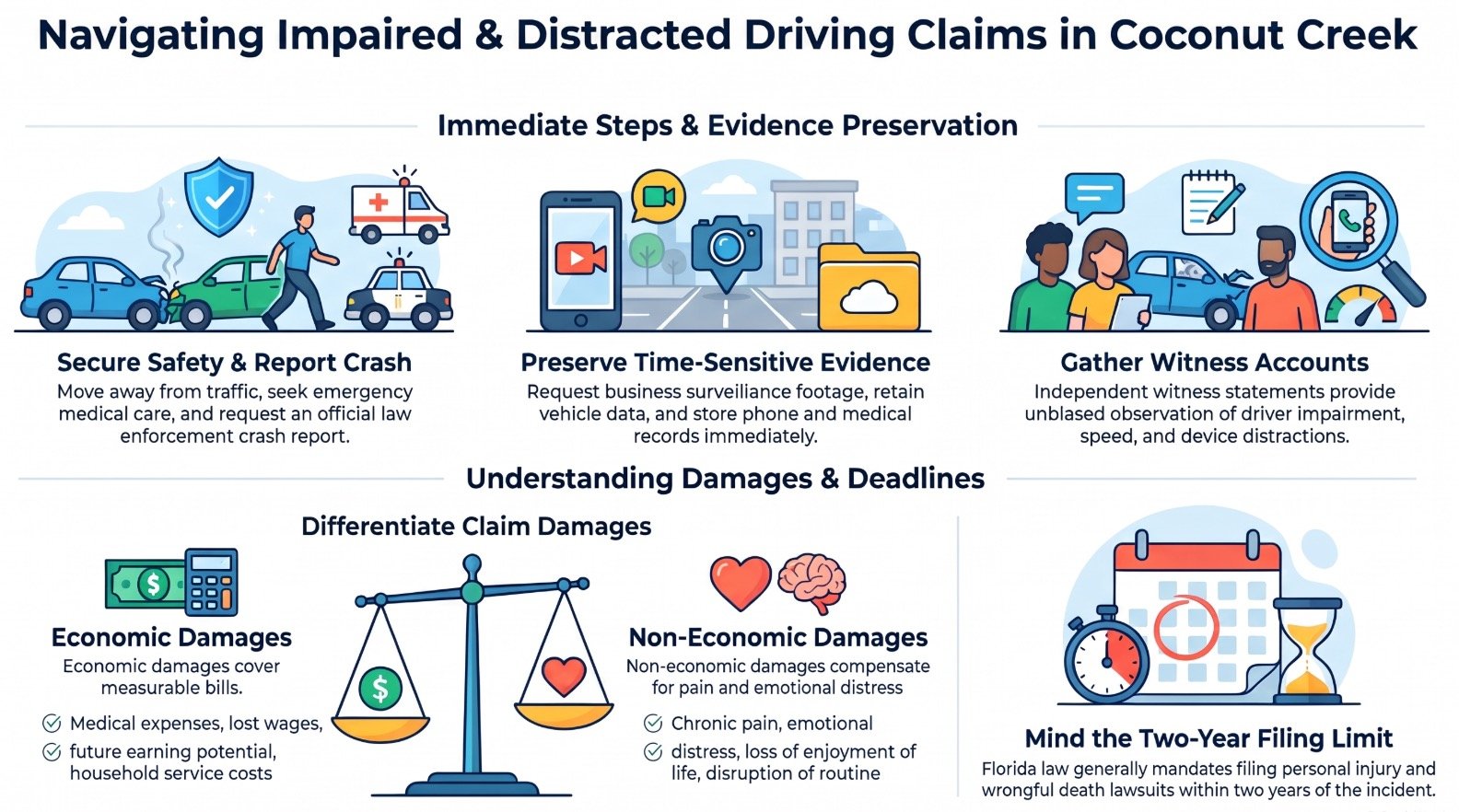
After a Coconut Creek crash involving suspected impaired or distracted driving, injured people should first move to safety and check for injuries, seeking emergency medical care when needed. Report the crash to law enforcement, and those involved should provide accurate information without speculating about fault. Preserve photos, witness details, medical records, and other relevant evidence to help document what occurred.
Check for Injuries
Anyone involved in a Coconut Creek car accident should check for injuries before addressing property damage or exchanging information. If vehicles or traffic create immediate danger, those involved should move to safety when they can do so without worsening an injury. They should check responsiveness by speaking clearly to anyone who appears hurt and observing whether the person responds normally. A person who is unconscious, confused, bleeding heavily, or having difficulty breathing needs urgent medical attention. Bystanders should avoid moving an injured person unless an immediate hazard makes movement necessary, since a neck or back injury may not be obvious. If someone is hurt, a nearby person should contact emergency medical services and follow the dispatcher’s instructions. Even when injuries seem minor, prompt professional evaluation can identify conditions that are not immediately apparent.
Report the Crash
Once immediate safety and medical needs have been addressed, the crash should be reported to law enforcement, particularly when someone is injured or impaired or distracted driving may have contributed. If the vehicles create a hazard, occupants should move to safety when it is possible to do so without worsening an injury or entering traffic. A caller should provide the dispatcher with the location, the number of people involved, and any urgent medical concerns. Officers can assess the scene, arrange assistance, and prepare an official report. Those involved should cooperate with responding officers and provide accurate, factual answers without speculation. When circumstances permit, drivers should exchange information, including names, contact details, insurance information, and vehicle registration. If someone needs help, a witness may call emergency services and stay nearby until responders arrive.
Preserve Evidence
When it is safe to do so, preserving evidence can help document how a Coconut Creek crash occurred and whether impairment or distraction may have contributed. Photographs of vehicle damage, road conditions, traffic signals, and visible injuries can provide a useful record. Collect witness names and contact information when possible, and share relevant details with responding officers.
Surveillance footage from nearby businesses, homes, or traffic cameras may be overwritten quickly, so prompt requests to preserve recordings can matter. Vehicle downloads, including event data and available infotainment or phone connection records, may also help establish speed, braking, or device use. Do not repair or discard the vehicles before you consider documentation. Retain medical records, receipts, and communications about the collision. Careful preservation can support a reliable investigation and help protect the interests of everyone affected.
Don’t Wait. Call Our Florida Personal Injury Lawyers Now!
Critical Evidence in a Coconut Creek Car Accident Impaired & Distracted Driving Injury Case
Evidence can help establish whether impairment or distraction contributed to a Coconut Creek crash and document the resulting injuries. Relevant records may include the police crash report, witness accounts, phone records, and medical documentation.
Each source can help clarify how the collision occurred and support an injury claim.
- Police crash reports: May include observations, statements, citations, and scene details.
- Witness statements: Can provide independent accounts of the driver’s conduct and the collision.
- Phone records: May help indicate whether a driver was using a device near the time of the crash.
- Medical documentation: Can link reported injuries to the collision and show treatment needs.
- Scene evidence: Photographs, video, and vehicle damage may help corroborate other evidence.
Police Crash Reports
How can a police crash report clarify what happened in an impaired or distracted driving collision? A responding officer may document the crash location, vehicle positions, road conditions, observed damage, and statements made at the scene. The report may also record signs of impairment, suspected phone use, citations, or tests conducted, although these observations do not alone establish legal fault. For an injured person seeking accountability and support, the report can provide an early framework for investigating the collision and preserving relevant records.
Accessing the report may require a request through the law enforcement agency that investigated the crash. A careful review can identify filing errors, missing details, or inconsistencies that may need clarification. Because reports can contain mistakes or incomplete conclusions, consider them alongside medical records, photographs, and other available evidence.
Witness Statements
Witness statements can clarify how an impaired or distracted driving collision unfolded, particularly when accounts differ or the physical evidence is incomplete. People who saw the crash may describe a driver’s movements, apparent attention, speed, or behavior before impact. Their observations can help establish the sequence of events and identify details that require further investigation. Witness credibility depends on factors such as vantage point, visibility, attention, and the ability to recall events accurately. Statement consistency also matters, especially when an account aligns with physical evidence or other independent observations. Differences do not automatically make a witness unreliable; stress and viewing conditions can affect recollection. Promptly recording contact information and preserving each account may help prevent important details from fading. Careful, respectful interviews can support a fair assessment of responsibility and the injured person’s needs.
Phone Records
Phone records may help establish whether a driver was using a device shortly before or during a Coconut Creek collision. Call logs, text activity, and data sessions can provide a timeline for investigators to compare with witness accounts and other evidence. Carrier subpoenas may be necessary to obtain relevant records, since providers generally require proper legal process before releasing subscriber information. The scope and timing of a request matter because retention periods vary, and records may not reveal the content of communications. Metadata analysis can help identify when a device connected to a network or exchanged data, but it must be interpreted carefully and in context. Promptly preserving relevant information can support a fair investigation and help clarify whether distraction contributed to the crash. Records alone do not establish fault.
Medical Documentation
Medical documentation can establish the nature, timing, and extent of injuries after an impaired or distracted driving collision in Coconut Creek. Emergency department records, diagnostic imaging, physician assessments, and therapy notes may show how symptoms developed and what care was required. A consistent Treatment chronology can connect reported pain and functional limits to the collision, while identifying gaps or changes that may need explanation. Prompt evaluation is important, even when injuries initially appear minor, because delayed symptoms should be assessed and recorded by qualified providers. Provider coordination can help ensure treating professionals receive relevant history, test results, and follow-up information. These records may also document restrictions, recovery progress, and recommendations for future care. Accurate, complete documentation supports informed decisions and helps those affected pursue appropriate compensation while maintaining continuity of care.
Long-Term Effects of Coconut Creek Car Accident Impaired & Distracted Driving Injuries
Impaired and distracted driving injuries can cause chronic pain and mobility limitations that persist long after initial treatment. Some survivors also experience lasting cognitive or emotional effects, including difficulties with concentration, memory, or mood. Ongoing care and reduced ability to work may create substantial financial strain for injured individuals and their families.
Chronic Pain and Mobility
Why can injuries from a Coconut Creek car accident continue to affect daily life long after the crash? Damage to the spine, joints, muscles, or nerves may persist after initial treatment, causing chronic pain and limiting movement. These lasting effects can make walking, driving, working, or completing household tasks difficult. Symptom severity and duration vary, so ongoing medical assessment can help identify appropriate care and document changes in function.
Pain management may include prescribed treatment, physical therapy, and other clinician-directed approaches intended to reduce symptoms and support daily activity. When injuries affect balance or strength, mobility aids such as canes, walkers, or wheelchairs may help a person move more safely and maintain independence. Consistent rehabilitation can support gradual progress, while practical adjustments at home or work may reduce strain. Legal guidance may help injured people pursue compensation for continuing care and related losses.
Cognitive and Emotional Effects
After a Coconut Creek car accident, cognitive or emotional effects may persist even after visible injuries begin to recover. A person may experience difficulty concentrating, remembering details, or making decisions, particularly after a head injury or traumatic event. Post-traumatic stress can involve intrusive memories, heightened alertness, or avoidance of reminders associated with the collision. Mood changes, including anxiety, irritability, or sadness, may also affect relationships and daily responsibilities. These effects can interfere with work, caregiving, and participation in community life, even when physical recovery appears complete. Medical and mental health professionals can assess symptoms, recommend appropriate treatment, and monitor progress over time. Family members and colleagues may provide practical support while respecting the injured person’s needs. Prompt attention to persistent changes can help clarify care options and support a steadier recovery.
Lasting Financial Strain
Although some Coconut Creek car accident injuries improve with treatment, impaired or distracted driving collisions can create financial strain that continues for months or years. Medical appointments, rehabilitation, prescriptions, and reduced work hours may place lasting pressure on an injured person and the household. Some people also need transportation, home assistance, or ongoing care, adding expenses after initial recovery. Household Budgeting can help families prioritize necessary costs, track bills, and prepare for changing needs while income remains limited. Credit Management is also important, since missed payments or reliance on high-interest borrowing may affect financial stability long after the crash. Careful records of expenses, income losses, and treatment can clarify the injury’s economic impact. When appropriate, legal guidance may help an injured person understand potential options for seeking compensation and protecting the household’s future.
Proving Liability in Coconut Creek Car Accident Impaired & Distracted Driving Injury Cases
Proving liability in an impaired or distracted driving crash in Coconut Creek requires evidence that the driver’s conduct caused the collision and resulting injuries. Investigators may examine the crash scene, vehicle damage, traffic signals, and witness accounts to establish how the event occurred. Police reports, citations, and available video can help document suspected impairment or distraction, though each item must be evaluated alongside other evidence.
Negligence standards require showing that the driver failed to use reasonable care and that this failure caused harm. Evidence may include toxicology results, field sobriety observations, phone records, or testimony about the driver’s actions before impact. Medical records and expert assessments can connect the collision to specific injuries and describe their effects.
The injured person’s conduct may also be considered under comparative fault rules. A careful review of all relevant facts helps determine whether another party contributed to the crash and how responsibility may be allocated. Establishing these details supports a fair assessment of accountability and helps injured people pursue appropriate remedies.
Dealing With Insurance Companies After a Coconut Creek Car Accident Impaired & Distracted Driving Injury
Insurance companies may contact an injured person soon after an impaired or distracted driving crash in Coconut Creek to gather information and assess a claim. Their representatives may request recorded statements, medical authorizations, or collision details. An injured person can respond carefully, provide accurate basic information, and avoid guessing about facts or minimizing symptoms. Prompt medical attention and consistent documentation can help preserve a clear account of injuries and expenses.
Effective Insurer communication strategies include keeping copies of correspondence, noting calls, and directing questions through a designated representative when appropriate. Before signing releases or accepting a settlement, the injured person should understand what rights may be affected. Adjuster negotiation tactics can include disputing the severity of injuries, questioning treatment, or proposing an early payment before the full impact is known. A measured response helps protect the person’s interests while allowing the insurer to review relevant records. Clear, respectful communication can also support fair consideration of the losses and help families focus on recovery and daily responsibilities.
What to Expect During a Coconut Creek Car Accident Impaired & Distracted Driving Injury Claim Process
A Coconut Creek impaired or distracted driving injury claim typically begins with an assessment of the collision, injuries, and available insurance coverage. Evidence gathering then helps establish liability and document losses, while settlement negotiations may resolve the claim without going to court. If the parties cannot reach an agreement, trial preparation may include organizing records, consulting experts, and preparing witnesses.
Initial Claim Assessment
During the initial assessment, a Coconut Creek car accident lawyer reviews how impaired or distracted driving may have contributed to the collision and evaluates the injured person’s potential claim. The lawyer considers the reported circumstances, the nature of the injuries, and how the incident has affected the person’s ability to work and manage daily responsibilities. This early review helps determine Claim viability and identify the legal issues that may shape the matter. A coverage review may clarify which insurance policies could apply, available limits, and potential obstacles to compensation. The lawyer also explains the general claims process, likely decisions ahead, and the information the client may need to provide. This guidance allows the injured person to make informed choices while preserving time and attention for recovery and family responsibilities. No outcome is guaranteed.
Evidence Gathering
Once the initial review identifies the issues that may affect a claim, evidence gathering helps establish how the collision occurred and the extent of the resulting injuries. Counsel may obtain police reports, witness statements, photographs, and vehicle damage records to document relevant details. In suspected impaired or distracted driving cases, records concerning alcohol use, phone activity, or citations may also help clarify the driver’s conduct, subject to applicable legal procedures. Evidence preservation is important because physical records and digital information can be lost or overwritten. Surveillance footage from nearby businesses, traffic cameras, or vehicles may capture events before or after impact, but it is often kept for only a limited time. Medical records and treatment documentation help explain injuries and care needs. Careful collection lets the claim be evaluated using reliable, organized information.
Settlement Negotiations
After organizing the evidence, settlement negotiations may begin with the insurer’s review of liability, injuries, and financial losses. The injured person’s representative may prepare a written demand explaining how impaired or distracted driving contributed to the collision and documenting resulting medical costs, lost income, and other damages. Demand planning also considers ongoing treatment, future needs, and the evidence supporting the requested amount. The insurer may respond with questions, a counteroffer, or a denial, and discussions can require several exchanges. A negotiation strategy should remain grounded in documented facts while accounting for the injured person’s recovery and financial circumstances. Review any proposed agreement carefully, including its release terms and effect on future claims. If both sides reach acceptable terms, the settlement is finalized through written documents and payment procedures.
Trial Preparation
If settlement negotiations do not resolve an impaired or distracted driving injury claim, the case may proceed toward trial. Preparation typically includes reviewing medical records, crash reports, witness statements, and evidence of phone use or impairment. The legal team may consult qualified experts to explain how the collision occurred, the injuries sustained, and their effect on daily life. The injured person may be asked to provide testimony and should review relevant facts with counsel before appearing in court. During jury selection, attorneys question prospective jurors to identify potential bias and assess whether they can evaluate the evidence fairly. The courtroom presentation then organizes testimony and exhibits into a clear account of responsibility and damages. Careful preparation helps the court consider the claim on reliable evidence and supports an informed decision.
Compensation for Coconut Creek Car Accident Impaired & Distracted Driving Injury Damages
When impaired or distracted driving causes a Coconut Creek car accident, injured people may seek compensation for losses tied to the crash. A claim may address the practical effects of injuries on a person’s daily responsibilities, independence, and ability to contribute to the household. Medical records, witness accounts, and other reliable evidence can help establish how the collision caused those effects and what support may be needed.
Loss of household services may include reasonable costs for assistance with tasks the injured person previously performed, such as cleaning, meal preparation, or caregiving. Documentation of these needs can help clarify the claim’s scope. In cases involving especially wrongful conduct, Punitive damages eligibility may also be considered under applicable Florida law. These damages are distinct from compensation intended to address the injured person’s losses and require evidence that meets legal standards. Each claim depends on its facts, the available proof, and the rules that apply. Careful evaluation can support a fair resolution and accountability.
Don’t Wait. Call Our Florida Personal Injury Lawyers Now!
Economic vs. Non-Economic Damages in Coconut Creek Car Accident Impaired & Distracted Driving Cases
Economic damages may cover measurable losses from an impaired or distracted driving crash, including medical expenses, lost income, and vehicle repair costs. Non-economic damages address less quantifiable harm, such as pain, emotional distress, and reduced quality of life. Comparing these damage types helps clarify how compensation may reflect both financial losses and personal harm.
Economic Damages
After an impaired or distracted driving crash in Coconut Creek, damages may include both measurable financial losses and less tangible personal harm. Economic damages address documented costs and income losses caused by the collision. They may include ambulance charges, emergency treatment, hospital care, medication, rehabilitation, and reasonable future medical expenses. Repair or replacement costs for a damaged vehicle and other personal property may also qualify.
An injured person may seek compensation for wages lost during recovery and for reduced future income when lasting injuries limit the ability to work. Courts may assess lost earning capacity through employment history, medical evidence, and expert analysis. Household services, such as cleaning, cooking, or childcare that the injured person can no longer perform, may also represent a financial loss. Records, receipts, and professional evaluations help substantiate these claims.
Non-Economic Damages
Alongside documented expenses and income losses, a Coconut Creek car accident claim may include non-economic damages for the personal effects of impaired or distracted driving injuries. These damages address harm that does not come with a bill or predictable dollar amount. They may cover physical pain, emotional distress, anxiety, and the disruption of ordinary routines after a collision. A person recovering from serious injuries may also experience loss of enjoyment when pain or limited mobility prevents participation in family activities, community service, hobbies, or other meaningful pursuits. The effects can extend to relationships and daily independence. Evidence such as treatment records, personal accounts, and testimony from people familiar with the injured person’s life may help explain these losses. Careful documentation can present the individual’s experience accurately and respectfully.
Comparing Damage Types
A Coconut Creek car accident claim involving impaired or distracted driving may include both economic and non-economic damages, which address different forms of harm. Economic damages cover measurable financial losses, including medical bills, rehabilitation costs, lost income, and expenses to repair or replace a vehicle. Records, receipts, and professional assessments can help establish these amounts. Vehicle deformation and paint transfer may also provide evidence about the collision’s mechanics, although they do not independently determine compensation.
Non-economic damages address losses without a precise market value, such as pain, emotional distress, reduced mobility, and diminished enjoyment of daily activities. These effects may influence a person’s ability to care for family or contribute to the community. Each category requires evidence connecting the harm to the crash. A careful evaluation distinguishes documented expenses from personal impacts and supports a fair assessment of the injured person’s needs.
When a Coconut Creek Car Accident Impaired & Distracted Driving Injury Case Goes to Trial vs. Settlement
When an impaired or distracted driving claim in Coconut Creek cannot be resolved through negotiations, the injured person may need to pursue the case at trial. A settlement can provide compensation without a courtroom proceeding, often allowing the parties to resolve the dispute with greater privacy and predictability. The injured person generally considers whether the proposed amount addresses documented losses, future care needs, and the effects of the injury.
At trial, each side presents evidence and arguments to a judge or jury. Records, witness accounts, and courtroom testimony may help explain how the crash occurred and how it affected the injured person. The process can take longer and involves uncertainty because the outcome rests with the decision-maker. Jury deliberations follow the presentation of evidence and closing arguments.
Choosing between settlement and trial depends on the facts, available evidence, and the injured person’s priorities. A careful review can help clarify the risks, potential benefits, and practical demands of each path while supporting an informed decision.
Florida Laws That May Affect Your Coconut Creek Car Accident Impaired & Distracted Driving Case
Florida law can shape how an impaired or distracted driving claim is evaluated, including who may be held responsible and how compensation is calculated. Florida DUI statutes prohibit driving while impaired and may support evidence that a driver acted negligently. However, a criminal charge or conviction does not automatically establish civil liability; the injured person must still prove the claim.
Several rules may affect how responsibility and damages are assessed:
- Florida’s comparative negligence law may reduce recovery when an injured person shares fault.
- Texting while driving is generally prohibited, subject to statutory exceptions.
- Distracted driving penalties may apply to drivers who violate Florida’s texting restrictions.
- A driver’s impairment evidence, including test results and witness accounts, may inform the civil case.
- In limited circumstances, an employer or vehicle owner may face responsibility, depending on the facts.
These laws can help protect people harmed on Coconut Creek roads and support accountability. A careful review of police reports, medical records, and other evidence can clarify how the rules apply to a particular collision.
The Statute of Limitations for Coconut Creek Car Accident Impaired & Distracted Driving Injury Cases
Strict filing deadlines apply to impaired and distracted driving injury claims arising from Coconut Creek car accidents. Under Florida law, an injured person generally has two years from the crash date to file a negligence lawsuit. Missing this deadline can prevent recovery, even when another driver’s impairment or inattention caused serious harm. Prompt attention to timing also helps preserve evidence and supports an orderly process for those seeking accountability.
Some claims involve injuries that are not immediately apparent. The Discovery rule may affect when a limitations period begins in certain cases, but it does not automatically extend the deadline for every accident claim. Separate wrongful death deadlines apply when a crash results in a fatality; Florida generally requires a wrongful death action to be filed within two years of the date of death. Exceptions and procedural details may change how a deadline applies. Because timing depends on the facts and claim type, affected families and injured people should verify the applicable filing period without delay.
How a Coconut Creek Car Accident Impaired & Distracted Driving Lawyer Can Help You
After an impaired or distracted driving crash, a lawyer can help an injured person understand the claim process and protect important evidence. Counsel can review the facts, explain legal options, and coordinate communications with insurers. Attorney-client communication should remain clear and timely, allowing the injured person to make informed decisions while focusing on recovery and family responsibilities.
A lawyer can clarify options, preserve evidence, and coordinate insurer communications while you focus on recovery.
A lawyer may also help by:
- Gathering police reports, witness accounts, and relevant photographs.
- Seeking available phone, vehicle, or surveillance records.
- Reviewing medical documentation and related expenses.
- Identifying potentially responsible parties and applicable insurance coverage.
- Developing a case strategy based on evidence, losses, and the client’s goals.
These steps can support a careful presentation of the claim and help prevent avoidable disputes about how the collision occurred or the harm it caused. Counsel may negotiate with insurers and explain proposed resolutions, while keeping the client’s interests central. By organizing evidence and addressing procedural requirements, a lawyer can help an injured person pursue accountability and protect the resources needed for recovery.
When to Contact a Coconut Creek Car Accident Impaired & Distracted Driving Lawyer
Contacting a Coconut Creek impaired and distracted driving lawyer promptly can help preserve evidence and clarify the steps involved in a potential claim. Early attorney consultation may be appropriate once immediate medical needs are addressed and the injured person can communicate safely. Photographs, witness details, vehicle information, and medical care records may become harder to obtain as time passes. A lawyer can explain which information may be relevant and how to avoid overlooking important deadlines.
A consultation may also help a person understand available options before responding to an insurer or signing documents related to the collision. The injured person should gather any existing reports and correspondence, while avoiding speculation about fault or the extent of injuries. Ask about legal fee structures at the outset, including how fees are calculated and whether costs are separate. If injuries worsen or new information emerges, seeking guidance promptly may help the person make informed decisions while protecting the ability to pursue a claim.
Why You Need an Experienced Coconut Creek Car Accident Impaired & Distracted Driving Lawyer
When a collision involves suspected impaired or distracted driving, an experienced Coconut Creek car accident lawyer can help evaluate the evidence and explain how it may affect a claim. These cases can involve police reports, witness accounts, phone records, and medical documentation. Counsel can identify relevant information, preserve evidence, and address gaps that may weaken an injured person’s account. Prompt attention may also help prevent important records from being lost.
Local counsel can offer knowledge of Broward County procedures and the practical steps involved in pursuing a claim. An attorney can communicate with insurers, assess claimed losses, and organize documentation to support compensation requests. A sound case strategy considers both immediate needs and the longer-term effects of injuries, including treatment costs and lost income.
Legal guidance can also reduce the burden on people focused on recovery or supporting family members. By explaining available options and deadlines, an experienced lawyer helps clients make informed decisions while pursuing accountability and fair treatment after a serious crash.
How to Choose the Right Coconut Creek Car Accident Impaired & Distracted Driving Lawyer for Your Case
Choosing the right Coconut Creek car accident lawyer for an impaired or distracted driving case requires more than comparing advertisements or promises. A careful review can help an injured person find counsel prepared to pursue accountability while treating everyone involved with respect.
Relevant experience matters. The lawyer should understand Florida traffic laws, insurance procedures, and the evidence often needed in cases involving suspected intoxication or driver distraction. Attorney credentials, including licensing, disciplinary history, and focused experience with injury claims, offer useful points for evaluation. A prospective client can ask how the lawyer would investigate the crash, preserve available records, and address disputes about fault.
Client communication should also be considered. The lawyer should explain options in clear terms, respond within reasonable timeframes, and identify who will handle questions throughout the claim. Prospective clients may compare fee arrangements and request written explanations before making a decision. A suitable choice aligns with the injured person’s needs and supports a fair, evidence-based resolution.
About The Law Offices of Anidjar & Levine
The Law Offices of Anidjar & Levine represents people injured in car accidents, including crashes involving suspected impaired or distracted driving. The firm helps clients address medical needs, insurance communications, and questions about potential legal claims. Its work may include investigating a collision, gathering evidence, and explaining the steps to seek compensation.
Firm history reflects a practice focused on representing injured people and helping them understand their options after serious events. For Coconut Creek residents, that support can include reviewing crash details, identifying responsible parties, and communicating with insurers on a client’s behalf. Each matter depends on its facts, and no particular result can be guaranteed.
Attorney values include clear communication, careful preparation, and attention to the circumstances affecting each client. These principles can help people make informed decisions while managing the practical demands that follow a collision. The firm’s role is to provide legal guidance and pursue a claim consistent with the evidence and applicable law.

Frequently Asked Questions
Can I Recover Damages if I Was a Passenger in an Impaired-Driving Crash?
A passenger may recover damages after an impaired-driving crash if another party’s negligence caused the injuries. Potential compensation can include medical expenses, lost income, and pain and suffering. Passenger rights generally allow claims against the impaired driver and, in some cases, other responsible parties. Comparative negligence may reduce recovery if the passenger’s own conduct contributed to the harm. Evidence, insurance coverage, and applicable deadlines affect the claim, so prompt legal guidance can help protect available options.
What Happens if the At-Fault Driver Was Uninsured or Underinsured?
If the at-fault driver lacks insurance or carries insufficient coverage, an injured passenger may seek compensation through their own policy or another applicable household policy. Uninsured motorist coverage may help pay eligible losses when the responsible driver has no insurance. Underinsured driver claims may apply when available liability limits cannot cover the full damages. Policy terms, coverage limits, and Florida law affect eligibility, so prompt review of insurance documents and claim deadlines is important.
Can a Bar or Restaurant Be Liable for Serving an Impaired Driver?
A bar or restaurant may be liable for serving an impaired driver when state law permits a claim, and the evidence meets required standards. Dram shop liability generally depends on proving negligent alcohol service, such as serving someone visibly intoxicated or a minor, and showing that the service contributed to the crash and resulting harm. Because laws and deadlines vary, injured people should preserve records and promptly seek advice from a qualified attorney.
Will My Immigration Status Affect My Ability to File a Claim?
Immigration status generally does not prevent an injured person from filing a car accident claim. The claim concerns responsibility for the collision and resulting losses, not the claimant’s citizenship. An attorney can explain applicable immigration protections and discuss status confidentiality before requesting sensitive information. The injured person should preserve medical records, accident reports, and other relevant evidence. Because circumstances and legal procedures vary, qualified counsel can assess the claim and help protect the person’s rights.
Can I Pursue a Claim if the Impaired Driver Was Also Charged Criminally?
Yes. A person injured by an impaired driver may pursue a civil claim even when that driver faces criminal charges. Criminal charges and civil claims are separate proceedings, with different purposes and standards of proof. DUI case evidence, such as test results and witness accounts, may support a civil case, but does not guarantee recovery. Injury compensation depends on proving liability and damages, including medical costs, lost income, and other documented losses.
—————————
Impaired and distracted driving crashes can cause serious injuries, lasting expenses, and difficult questions about legal responsibility. Promptly documenting the collision, preserving available evidence, and understanding applicable deadlines can help protect an injured person’s claim. The Law Offices of Anidjar and Levine can review the circumstances, explain legal options, and pursue compensation when the evidence supports it. Anyone injured in a Coconut Creek crash may benefit from legal guidance from a Coconut Creek Personal Injury Lawyer before deciding whether to settle or pursue a claim.