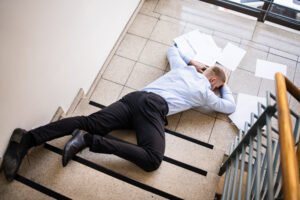
The Law Offices of Anidjar and Levine can assess whether wet pavement, poor drainage, uneven surfaces, inadequate lighting, or debris contributed to an outdoor or parking lot injury in Tampa. The review may identify who owned, controlled, or maintained the area and whether that party knew or reasonably should have discovered the hazard. Photographs, witness accounts, incident reports, maintenance records, and medical documentation may help evaluate responsibility and losses. The sections below explain evidence, legal considerations, and steps after a fall. For related legal help, visit our Tampa Personal Injury Lawyer page.
Main Takeaways
- A Tampa slip-and-fall lawyer can assess injuries, potential liability, and losses after a fall on outdoor property or in a parking lot.
- Responsibility may depend on who owned, controlled, or maintained the area and whether they knew or should have discovered the hazard.
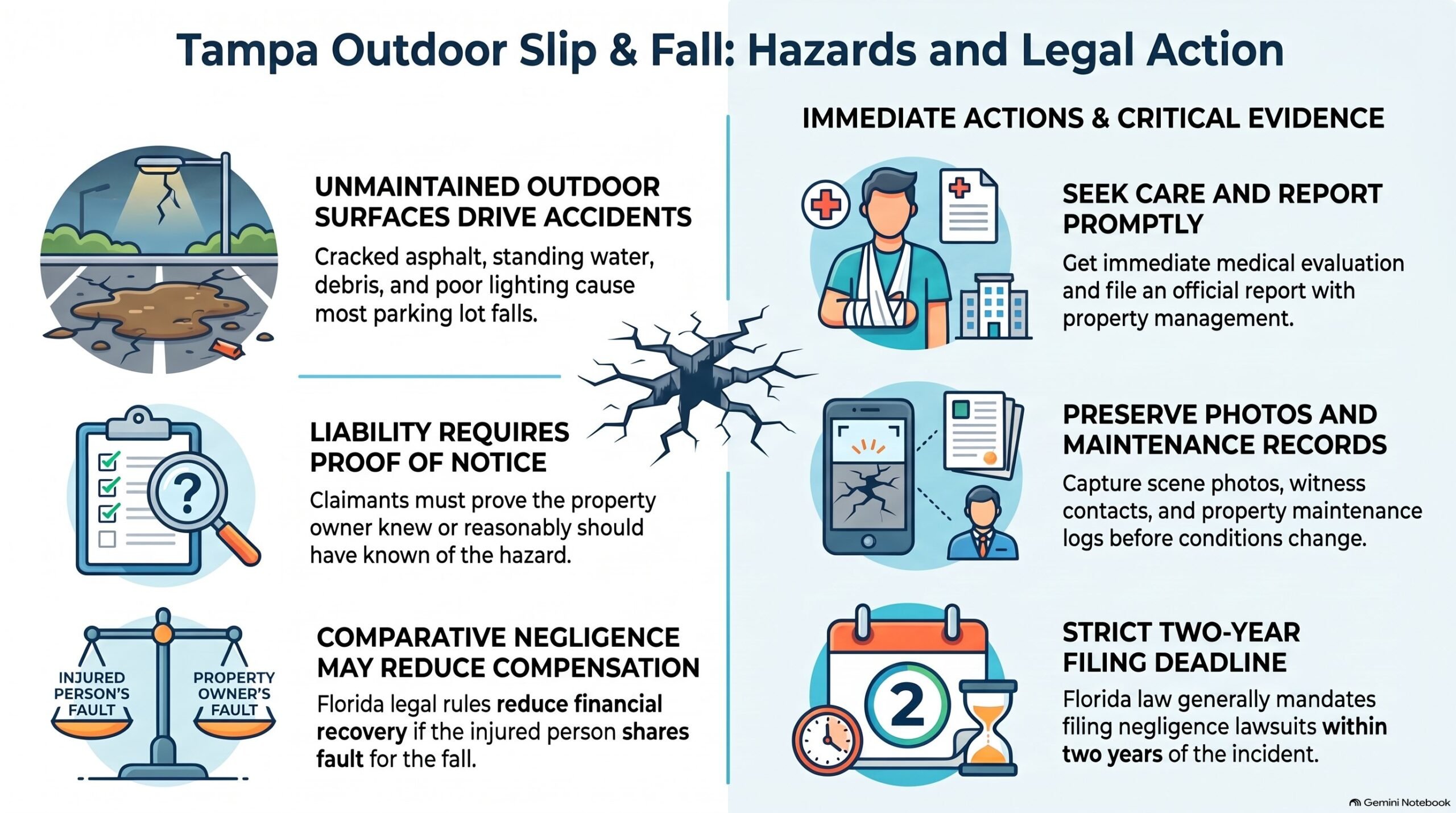
- Common hazards include standing water, poor drainage, cracked pavement, potholes, debris, uneven surfaces, and inadequate lighting.
- Preserve photos, incident reports, witness details, medical records, and maintenance information to help document the fall and unsafe condition.
- Florida’s comparative-fault rules and filing deadlines may affect recovery, so prompt legal review can help evaluate options.


How We Can Help With Your Tampa Slip & Fall Outdoor & Parking Lot Injury Claim
Outdoor and parking lot falls can result from hazards such as uneven pavement, poor lighting, standing water, or uncleared debris. When an injury disrupts daily life, a legal team can help the injured person pursue a claim with care and purpose. Its role may begin with a Claim assessment that organizes available records, identifies relevant evidence, and clarifies the losses requiring attention.
Counsel can communicate with property owners, insurers, and other involved parties, reducing the burden on someone focused on recovery. This support may include gathering incident reports, photographs, witness accounts, and medical documentation. A thoughtful legal strategy can then guide decisions about negotiations, deadlines, and appropriate next steps, while remaining responsive to the client’s circumstances.
Throughout the process, the team can explain options clearly and provide timely updates. By handling procedural tasks and evaluating responses, counsel helps protect the client’s ability to seek fair consideration. The objective is practical assistance grounded in diligent preparation, respectful service, and careful attention to each individual’s needs.
OUR CONSULTATIONSARE FREE
START YOUR FREE CASE REVIEW

Understanding Tampa Slip & Fall Outdoor & Parking Lot Injury Cases
When a fall occurs on a Tampa sidewalk, driveway, or parking lot, the circumstances surrounding the hazard can shape how an injury claim is evaluated. The central questions often include who controlled the area, what reasonable steps were taken to inspect and maintain it, and whether the condition could have been addressed before someone was hurt. Tampa property owner duties may depend on the visitor’s reason for entering the property and the owner’s knowledge of the condition. Evidence can help establish how long a hazard existed, whether warnings were provided, and how the incident occurred. Photographs, incident reports, witness accounts, and medical records may clarify these issues. A careful review also considers whether the injured person’s actions affected the event, without diminishing the importance of responsible property management. Effective outdoor hazard prevention supports safer access for customers, residents, and visitors. Understanding these factors helps injured people pursue accountability while encouraging practices that protect the wider community.
Common Causes of Tampa Slip & Fall Outdoor & Parking Lot
Outdoor slip-and-fall hazards in Tampa parking lots often include wet or uneven pavement, which can make walking surfaces unstable. Poor drainage may leave puddles, while inadequate lighting can prevent visitors from seeing hazards after dark. Debris and obstructed walkways also create risks when property conditions aren’t addressed promptly.
Wet or Uneven Pavement
Wet or uneven pavement can create serious fall hazards in Tampa’s parking lots, walkways, and other outdoor areas. Cracked asphalt, raised concrete, loose paving stones, and abrupt changes in level may catch a pedestrian’s foot or disrupt balance. Worn surfaces can also reduce surface traction, particularly when shoes encounter smooth or deteriorated materials. Property owners and managers responsible for public-facing spaces should arrange regular pavement inspections to identify defects before they cause injuries. Prompt repairs, clear warnings, and temporary barriers can help protect visitors while maintenance is underway. Inspection should include pedestrian routes, parking spaces, entrances, and connections between surfaces, where damage may be less noticeable. When a fall occurs, photographs, incident reports, and witness information may help document the condition and support a careful review of responsibility.
Poor Drainage and Puddles
Poor drainage can leave standing water across Tampa parking lots, sidewalks, and building entrances, creating slippery conditions for pedestrians. Puddles may form when drains are blocked by leaves, sediment, or litter, or when pavement slopes direct runoff toward walkways. During heavy rain, inadequate stormwater design can allow water to collect in areas used by customers, residents, and visitors. Property owners and managers can reduce these hazards through regular drainage maintenance, prompt debris removal, and timely repairs to damaged or obstructed systems. They should also inspect known pooling areas after storms and provide a safe route around standing water until it clears. When a puddle remains because a drainage problem has been ignored, pedestrians may face an avoidable fall risk. Clear inspection records can help demonstrate whether reasonable care was taken.
Inadequate Outdoor Lighting
After dark, inadequate lighting can make hazards in Tampa parking lots, walkways, and building entrances difficult to see. Lighting failures may result from burned-out bulbs, damaged fixtures, poor placement, or delayed maintenance. Uneven illumination can hide changes in pavement height, steps, curbs, and other surface conditions. These risks are especially significant near entrances and parking areas used by visitors, customers, and employees after sunset. Property owners and managers are generally expected to take reasonable steps to inspect outdoor lighting and address known problems. Promptly replacing failed bulbs, repairing fixtures, and evaluating whether light reaches pedestrian routes can help reduce preventable falls. Clear records of inspections and repairs may also help establish whether reasonable care was taken. A person injured in a poorly lit area may seek legal guidance about available options.
Debris and Obstructed Walkways
When debris or other objects obstruct outdoor walkways, pedestrians may trip or lose their footing in Tampa parking lots and public entrances. Loose gravel can shift beneath a person’s shoes, while discarded packaging, broken containers, and maintenance materials may conceal uneven pavement or narrow a walking route. These hazards often arise near construction areas, loading zones, landscaping beds, and waste receptacles. Property owners and businesses can reduce risks by regularly inspecting walkways, promptly removing debris, and clearly marking areas that must remain clear. Staff members should report hazards without delay and arrange safe alternate routes when necessary. A person injured by an obstruction may need to document the location, conditions, and available warnings. Such details can help clarify how the hazard developed and whether reasonable precautions were taken.
Don’t Wait. Call Our Florida Personal Injury Lawyers Now!


Legal Rights of Tampa Slip & Fall Outdoor & Parking Lot Injury Victims
Tampa residents and visitors injured by unsafe outdoor walkways or parking lots may have the right to seek compensation if a property owner or other responsible party failed to address a hazardous condition. Property ownership and control can help determine who owed a duty of care, while premises standards require reasonable measures to protect lawful visitors. A claim may address documented losses when evidence establishes responsibility and a connection between the unsafe condition and the injury.
Potential rights may include:
- Seeking payment for reasonable medical expenses, lost income, and other legally recognized damages.
- Preserving photographs, incident reports, witness details, and treatment records relevant to the claim.
- Consulting a qualified attorney to evaluate responsibility, deadlines, and available legal options.
Florida law may limit recovery when an injured person shares responsibility, and filing deadlines can affect the ability to pursue a case. Prompt, accurate documentation can support a fair review. Legal guidance may also help injured people understand their options while allowing property operators to address concerns responsibly.
Why Do Tampa Slip & Fall Outdoor & Parking Lot Injuries Happen?
Outdoor and parking lot slip-and-fall injuries often result from hazards caused by weather, inadequate maintenance, or unsafe design. In Tampa, frequent rain can slick pavement, create standing water, and conceal uneven surfaces. Tampa weather patterns may also contribute to algae growth, erosion, and debris accumulation, particularly in shaded areas or near drainage systems. These conditions can make walkways and parking areas hazardous for visitors.
Maintenance failures are another common cause. Maintenance schedules that do not account for storms, heavy foot traffic, or recurring drainage problems may allow hazards to persist. Cracked pavement, potholes, loose pavers, broken curbs, and faded parking lines can affect footing and visibility. Poor lighting may further obscure changes in elevation or surface defects after dark.
Unsafe design can compound these risks. Inadequate slopes, blocked drains, and poorly placed landscaping may direct water onto walking routes or limit clear sightlines. When owners or managers fail to address foreseeable conditions, preventable falls may occur and cause serious injuries.
What Should You Do After a Tampa Slip & Fall Outdoor & Parking Lot Injury?
After a Tampa slip and fall outdoors or in a parking lot, the injured person should seek prompt medical care, even if the injury initially appears minor. They should document the scene with photographs and, when possible, gather relevant witness information. The incident should also be reported to the property owner or manager, and a record should be kept of when and to whom it was reported.
Get Medical Care
Even when a slip and fall in an outdoor area or parking lot appears minor, prompt medical care should be a priority. Some injuries, including head trauma, fractures, or soft-tissue damage, may not produce immediate symptoms. A qualified medical professional can assess the person’s condition, identify concerns, and recommend appropriate care. Emergency evaluation is warranted when symptoms are severe, worsening, or involve loss of consciousness, confusion, significant bleeding, or difficulty moving. For less urgent concerns, a timely appointment can still help prevent complications and support recovery. The injured person should follow the clinician’s instructions, attend recommended appointments, and report new or persistent symptoms. Consistent follow-up helps ensure that changes in the condition receive attention and that care remains appropriate. Prioritizing health also enables the person to return to daily responsibilities safely.
Document the Scene
If it is safe, the injured person should document the scene as soon as possible, before conditions change or hazards are removed. Photographs and video can show the precise location of the fall, the walking surface, and any visible hazard, such as standing water, loose debris, uneven pavement, or inadequate lighting. Images should include both close views and wider angles that establish the surroundings. The injured person may also record the time, address, and details about weather conditions, including rain or recent wet weather that could have affected the surface. If witnesses are present, their names and contact information may help preserve useful observations. Scene preservation matters because prompt, accurate documentation can help others understand what happened. The injured person should avoid moving objects or entering unsafe areas to gather evidence.
Report the Incident
Once the immediate danger has passed, the injured person should report the fall promptly to the property owner, manager, or another responsible representative. Prompt reporting gives the business an opportunity to document the event and address a hazard that could injure someone else. The injured person should describe where and when the fall occurred, explain the condition involved, and state whether medical attention is needed. A written report may help preserve an accurate account, so the person should request a copy or note the recipient’s name and the time of the conversation. If anyone saw the fall or the conditions beforehand, the injured person should collect witness details, including names and contact information, when possible. Keep the account factual and avoid guesses about fault or the cause of the incident.
Don’t Wait. Call Our Florida Personal Injury Lawyers Now!
Critical Evidence in a Tampa Slip & Fall Outdoor & Parking Lot Injury Case
Evidence can help establish how a fall occurred, whether the hazard was addressed, and the extent of the resulting injuries.
Essential materials may include:
- Photographs of the hazard and surrounding area
- Incident reports, relevant records, and witness statements
- Medical documentation of injuries and treatment
Preserving these materials promptly can support a clearer assessment of a Tampa slip-and-fall claim.
Photographs of the Hazard
Photographs can preserve details of an outdoor or parking lot hazard that may change or disappear before it is inspected. Images taken soon after a fall may show the condition as it appeared at the time, helping clarify what a visitor encountered. Hazard closeups can document cracks, uneven pavement, loose materials, standing water, or debris. Wider views can place the condition in context, showing nearby walkways, curbs, entrances, and the route a person might reasonably take. Lighting conditions should also be recorded because shadows, glare, and limited visibility may affect how noticeable a hazard was. Multiple angles and distances can provide a more complete visual record. When possible, take photographs without altering the scene, while respecting the injured person’s safety and the needs of others using the property.
Incident Reports and Records
Incident reports and related records can help establish how an outdoor or parking lot fall was documented and addressed. A property owner or business may prepare a report describing the location, reported conditions, and steps taken after an injury. Maintenance logs, inspection checklists, cleaning schedules, and repair requests may also show whether the area was monitored or whether a hazard had been identified. These materials can help clarify incident timelines, including when the condition was noticed, reported, or corrected. Record retention practices matter because routine deletion or loss may limit access to useful evidence. Promptly requesting the preservation of relevant records can reduce that risk. Careful review may also reveal inconsistencies or gaps in documentation. Collectively, these records can support a clearer assessment of how the property was managed and what response followed.
Witness Statements
When an outdoor or parking lot fall occurs, witness statements can help establish how the hazard appeared and what happened before and after the injury. People nearby may describe standing water, uneven pavement, poor lighting, or other conditions, and whether employees had notice of the danger. Their observations can also clarify the sequence of events without relying solely on later recollections.
Witness credibility depends on factors such as the person’s opportunity to observe, consistency, and independence from the parties. A witness who saw the area shortly before the fall may provide useful context about when a hazard developed or whether it remained unaddressed. Contact information and prompt notes can help preserve statements while memories are fresh. A lawyer can respectfully gather accounts, document relevant details, and assess how each statement may support a fair investigation.
Medical Documentation
Witness accounts can help explain how a fall occurred, while medical documentation records the injuries and treatment that followed. Prompt evaluation can connect reported symptoms to the incident and help identify conditions requiring care. Records from emergency departments, physicians, physical therapists, and other providers may establish a clear Treatment timeline, including when symptoms began, what treatment was recommended, and whether recovery progressed or complications developed. Diagnostic imaging, such as X-rays or scans, may document fractures or other injuries that are not apparent from the outside. Consistent follow-up records can also show how the injury affected mobility, work, and daily responsibilities. Accurate documentation supports a reliable account of the harm and helps reviewers assess the claim’s scope. Patients should preserve bills, discharge instructions, test results, and appointment records for reference.
Long-Term Effects of Tampa Slip & Fall Outdoor & Parking Lot Injuries
Outdoor and parking lot falls can lead to chronic pain and reduced mobility that persist long after the initial injury. Soft tissue damage may also cause lasting limitations, even when symptoms are not immediately apparent. These effects can create emotional strain and ongoing financial burdens through treatment costs and lost income.
Chronic Pain and Mobility
A fall on a Tampa sidewalk, parking lot, or other outdoor surface can cause injuries that continue to affect a person long after the initial treatment. Chronic pain may make routine tasks, work duties, and community activities difficult, limiting a person’s ability to remain independent and support others. Pain flare patterns can vary with walking distance, prolonged standing, weather, or daily demands, making symptoms difficult to predict. Some people reduce activity to avoid discomfort, but decreased movement can further limit their mobility and confidence. Treatment plans can include rehabilitation, pain management, and practical adjustments to daily routines. Adaptive mobility tools, such as canes or supportive devices, may help a person move more safely and participate in necessary activities. Documenting symptoms, mobility limits, and care needs can clarify the injury’s continuing effects for treatment providers and legal review.
Lasting Soft Tissue Damage
Chronic pain and reduced mobility may also reflect lasting damage to muscles, tendons, or ligaments after a slip and fall. In outdoor areas and parking lots, an abrupt impact or a twisting motion can strain these tissues beyond their normal capacity. Some injuries mend gradually, while others leave persistent weakness, stiffness, or limited function that affects routine movement.
Scar Tissue Formation may occur as damaged tissue repairs itself. Although scar tissue supports recovery, it can restrict flexibility or cause discomfort when the affected area moves. Nerve Sensitivity may also develop, making ordinary pressure or activity painful. A careful medical assessment can identify the injury’s extent and guide appropriate treatment, such as supervised rehabilitation. Clear documentation of symptoms and functional changes helps healthcare providers monitor recovery and supports an accurate understanding of the injury’s lasting effects.
Emotional and Financial Strain
When injuries from a Tampa slip and fall in an outdoor area or parking lot persist, their effects may extend beyond physical discomfort. Ongoing pain or limited mobility can interfere with work, caregiving, and ordinary household responsibilities. Reduced earnings, medical bills, transportation costs, and rehabilitation expenses may disrupt household budgets, particularly when recovery takes longer than expected. These pressures can also affect family members who provide practical support or assume additional duties. Over time, uncertainty about recovery and changes in household roles may contribute to relationship stress. Injured people may feel isolated when they cannot participate in community activities or serve others as they once did. Recognizing these broader consequences can help families document needs, seek appropriate support, and consider how a claim may address lasting financial and personal effects.
Proving Liability in Tampa Slip & Fall Outdoor & Parking Lot Injury Cases
Proving liability in a Tampa outdoor or parking lot slip and fall case requires evidence that the property owner or responsible party failed to address a dangerous condition with reasonable care. The injured person must generally show that a hazard, such as uneven pavement, standing water, or poor lighting, caused the fall and resulting harm.
Evidence may include photographs, incident reports, maintenance records, witness statements, and medical documentation. These materials can help establish how the condition developed, how long it existed, and whether reasonable inspections or repairs could have prevented the injury. Notice requirements matter: a claim may depend on showing that the responsible party knew about the hazard or should have discovered it through reasonable care.
Premises control is also important because responsibility may rest with an owner, tenant, property manager, or another party that maintained the area. Identifying who controlled the location and had authority to correct the danger helps clarify potential responsibility and supports a careful, evidence-based evaluation of the claim.
Dealing With Insurance Companies After a Tampa Slip & Fall Outdoor & Parking Lot Injury
After a Tampa outdoor or parking lot slip and fall, an insurer may investigate the hazard, review available evidence, and assess whether its policyholder bears responsibility. The injured person may be asked to describe the incident, explain the injuries, and provide supporting records. Careful, accurate communication can prevent misunderstandings while keeping the focus on recovery and other responsibilities.
Adjuster communication should remain factual and measured. An adjuster may request photographs, medical information, or details about the property’s condition. Before providing documents or answering questions, the injured person can clarify what is being requested and retain copies of relevant materials. Recorded statements warrant particular care because wording, timing, or incomplete recollections may affect how an account is interpreted. The person may ask about the purpose of a request and consider obtaining legal guidance before responding.
Insurers may evaluate claims according to policy terms and available evidence. Prompt, organized responses can support a clear account without requiring the injured person to speculate about fault or minimize symptoms.
What to Expect During a Tampa Slip & Fall Outdoor & Parking Lot Injury Claim Process
A Tampa outdoor or parking lot slip-and-fall claim typically begins with an evaluation of the circumstances, injuries, and potential liability. The process then involves gathering evidence and negotiating with the insurer based on the documented facts and losses. If negotiations do not produce an acceptable resolution, the claim may proceed to settlement through further discussions or to trial.
Initial Case Evaluation
How a Tampa slip and fall claim begins can shape the evidence available and the decisions that follow. During an initial evaluation, counsel reviews how the outdoor or parking lot incident occurred, the reported injuries, and the practical effects on daily responsibilities. The purpose is to determine whether the circumstances support a claim and what issues require further attention.
A Premises ownership review identifies the person or entity responsible for the area and considers whether another party managed or maintained it. A notice timeline assessment examines when the hazard may have arisen, how long it may have remained, and whether the responsible party knew or reasonably should have known about it. Counsel also considers applicable deadlines, potential defenses, and the client’s goals. This early assessment helps clarify options and supports informed decisions while recognizing the importance of fair accountability and community safety.
Evidence Collection
What evidence can establish the conditions that caused an outdoor or parking lot fall? Photographs of the area may document standing water, uneven pavement, poor lighting, debris, or missing warnings. Medical records can link the fall to reported injuries, while witness statements may describe conditions before and after the incident. Maintenance logs, inspection records, and incident reports can show how the property was monitored and whether hazards were reported.
Preserve evidence promptly because weather, repairs, cleaning, or routine activity may change the scene. A lawyer may request surveillance footage before it is overwritten and seek relevant property records. The injured person can help by keeping clothing and footwear, recording observations, and identifying witnesses. Careful collection creates a clearer account of the conditions and supports a fair review of what occurred.
Insurance Negotiations
Once the evidence is gathered, insurance negotiations typically begin with a review of the claim and the circumstances of the fall. The insurer may examine photographs, incident reports, medical records, and statements to assess responsibility and the documented impact of the injury. An adjuster may request additional information or question whether the property owner knew about a hazard. These Adjuster tactics can influence how a claim is valued, so responses should remain accurate, consistent, and supported by records. The injured person’s representative can explain how unsafe conditions affected daily activities and any continuing care needs. Clear documentation and a careful account of the incident may provide settlement leverage during discussions. Patience is important, since insurers may take time to investigate, request clarification, and evaluate the available evidence before responding.
Settlement Or Trial
After negotiations, a Tampa slip-and-fall claim may resolve through a settlement or proceed to trial if the parties cannot agree on fair compensation. A settlement can provide payment without a court decision, but you should review its terms carefully before accepting. The agreement typically releases the responsible party from further liability for the incident. If the claim proceeds to trial, each side presents evidence about the hazard, notice, injuries, and resulting losses. Courtroom Procedures include witness testimony, document review, and legal arguments before a judge or jury. The claimant must establish the required elements of negligence, while the defense may challenge liability or damages. After closing arguments, Jury Deliberations determine disputed facts and, when applicable, compensation. Trial outcomes are uncertain, so preparation and informed decisions remain important throughout the process.
Compensation for Tampa Slip & Fall Outdoor & Parking Lot Injury Damages
Compensation for an outdoor or parking lot slip and fall in Tampa may cover medical expenses, lost income, reduced earning capacity, and pain and suffering. The value of a claim depends on the injuries, treatment needs, and evidence connecting the hazardous condition to the fall. Records such as medical reports, bills, incident documentation, and photographs can help establish the nature and extent of the harm.
Recoverable medical expenses may include emergency treatment, rehabilitation, medication, and future care when ongoing support is medically necessary. Lost wages may reflect time away from work during recovery, while reduced earning capacity may apply if lasting limitations affect future employment. A claim may also address physical discomfort, emotional distress, and disruption to daily activities, including responsibilities undertaken to support family or community.
A Tampa attorney can assess available documentation, identify potentially responsible parties, and present a supported demand to an insurer or court. Compensation is not guaranteed; outcomes depend on the facts, applicable law, and strength of the evidence. Prompt legal guidance can help preserve records and clarify available options.
Economic vs Non-Economic Damages in Tampa Slip & Fall Outdoor & Parking Lot Cases
In Tampa outdoor and parking lot slip-and-fall cases, damages may include both economic losses, such as medical expenses and lost income, and non-economic harm, such as pain and reduced quality of life. These categories reflect different effects of an injury and require distinct forms of support. Clear records and other evidence can help establish the extent and value of the losses claimed.
Economic Damages
Economic damages in a Tampa outdoor or parking lot slip-and-fall case are measurable financial losses caused by the injury, such as medical expenses, rehabilitation costs, and lost income. These losses may include emergency treatment, diagnostic testing, medication, follow-up visits, and necessary medical equipment. Records such as invoices, receipts, and treatment summaries can help document expenses and connect them to the fall. Lost income may cover wages missed while the injured person recovers, including time away from work for appointments or treatment. When injuries limit the ability to perform prior duties or reduce future work opportunities, evidence may also support a claim for reduced earning capacity. Pay records, employer statements, and professional assessments can help establish the amount. Careful documentation allows a claim to account for financial burdens and support a fair recovery.
Non-Economic Damages
When a Tampa outdoor or parking lot slip and fall causes lasting physical or emotional effects, non-economic damages may address losses that do not have a direct price tag. These damages can reflect pain, discomfort, and changes to daily life that follow an injury. Emotional distress may include anxiety, fear of another fall, or difficulty coping with ongoing symptoms. Lost enjoyment can arise when a person can no longer participate in hobbies, family activities, or community service that previously brought meaning and connection. Unlike medical bills or missed wages, these effects do not have a fixed monetary value. Their significance depends on how the injury affects the individual’s routine, relationships, and well-being. Non-economic damages may be considered alongside economic losses when evaluating the broader impact of a Tampa premises injury.
Proving Your Losses
After identifying the ways an injury has affected daily life, the next step is to support each claimed loss with reliable evidence. Economic damages may include medical bills, prescription costs, lost wages, and future treatment expenses. Records such as invoices, pay statements, tax documents, and medical opinions can establish these amounts. Loss documentation should also connect the expenses to the fall and show how they affect the injured person’s responsibilities, including work or service to others.
Non-economic damages address pain, emotional distress, reduced mobility, and loss of enjoyment. Personal accounts, treatment notes, and statements from people familiar with the person’s daily life may help explain these effects. Damage valuation considers the nature, duration, and practical impact of the harm. Clear, consistent evidence allows insurers or a court to assess both categories fairly and distinguish supported losses from estimates.
Don’t Wait. Call Our Florida Personal Injury Lawyers Now!
When a Tampa Slip & Fall Outdoor & Parking Lot Injury Case Goes to Trial vs Settlement
In a Tampa outdoor or parking lot slip-and-fall case, the decision to settle or proceed to trial depends on the strength of the evidence, the extent of the injuries, and the parties’ willingness to accept risk. Settlement may provide a more predictable resolution and reduce the time and expense of litigation. It can also allow injured people to focus on recovery while avoiding the uncertainty of a jury’s decision. A trial may be considered when the parties disagree about responsibility or the value of the losses, or when settlement offers do not fairly address the evidence.
If the case proceeds, preparation may include Jury selection, presentation of records and photographs, and courtroom testimony from the injured person, witnesses, and qualified professionals. The process can require patience and careful attention. Counsel can explain likely outcomes, compare an offer with the risks of trial, and help the client make an informed choice. The goal is a fair resolution that supports recovery and recognizes the effects of the injury.
Florida Laws That May Affect Your Tampa Slip & Fall Outdoor & Parking Lot Case
Florida law sets specific rules for proving liability in outdoor and parking lot slip-and-fall cases, including requirements for showing that a property owner knew or should have known about a dangerous condition. These Florida Premises Standards guide how evidence of hazards, inspections, and maintenance may be evaluated. The applicable duties can vary with the property’s use and the circumstances surrounding the fall.
Important legal considerations may include:
- Whether a spill, uneven surface, poor lighting, or other hazard existed long enough to provide notice.
- Whether reasonable inspection, repair, or warning measures could have reduced the risk.
- Whether the injured person’s conduct contributed to the incident under Comparative Negligence Rules.
When fault is shared, a person’s recoverable damages may be reduced according to that person’s share of responsibility. Evidence such as photographs, incident reports, witness accounts, and maintenance records can help clarify how the hazard arose and whether reasonable precautions were taken. Careful analysis supports fair outcomes and helps property owners and visitors understand their responsibilities.
The Statute of Limitations for Tampa Slip & Fall Outdoor & Parking Lot Injury Cases
Evidence of notice, maintenance, and fault can shape a Tampa slip-and-fall claim, but deadlines also affect whether the injured person may pursue compensation. Florida law generally gives an injured person two years from the date of a negligence-based accident to file a personal injury lawsuit. This Filing deadline applies to many outdoor and parking lot falls, including incidents involving uneven pavement, poor lighting, or neglected hazards. Missing the deadline can bar recovery, even when the evidence supports the claim.
Some cases raise questions about when an injury or its cause became reasonably apparent. The discovery rule may affect the timing of certain claims, but it does not automatically extend the deadline for an ordinary slip-and-fall case. Different rules may apply when a government entity owns or maintains the property, or when the injured person is a minor. Because exceptions are fact-specific, prompt attention to dates and applicable requirements helps protect the injured person’s ability to seek accountability and compensation.
How a Tampa Slip & Fall Outdoor & Parking Lot Lawyer Can Help You
When a fall occurs on a Tampa sidewalk, walkway, or parking lot, a lawyer can investigate the hazard and determine whether the property owner or another responsible party failed to take reasonable steps to address it. A careful Case Assessment may include reviewing maintenance records, incident reports, photographs, and witness accounts. This work can clarify how the condition developed and whether it was known or reasonably discoverable.
A thorough review of records, photographs, and witness accounts can help show how a Tampa fall hazard developed and whether it was reasonably discoverable.
A lawyer may also coordinate evidence gathering and explain the available legal options. A sound Legal Strategy can support an injured person’s interests while promoting accountability and safer public spaces.
Depending on the facts, counsel may:
- Identify responsible parties, including owners, managers, or maintenance contractors.
- Organize medical documentation and evidence linking the hazard to the injury.
- Communicate with insurers and evaluate settlement proposals against documented losses.
When to Contact a Tampa Slip & Fall Outdoor & Parking Lot Lawyer
Prompt legal guidance may be important after an outdoor or parking lot fall, particularly if a dangerous condition caused serious injuries or the responsible party is unclear. You may contact counsel soon after receiving necessary medical care, while incident details remain available. Early consultation can help clarify relevant deadlines, identify records to preserve, and explain what information may be useful, such as photographs, witness names, incident reports, and medical documentation.
Timely contact may be especially appropriate when a property owner disputes responsibility, an insurer requests a recorded statement, or injuries affect a person’s ability to work or manage daily needs. A lawyer can also explain how Florida law may apply to the circumstances without promising a particular result. Before choosing counsel, individuals may review lawyer credentials, including licensure, relevant practice experience, and disciplinary history. Prompt, informed communication can help people understand available options and make careful decisions while protecting their interests and maintaining accurate records.
Why You Need an Experienced Tampa Slip & Fall Outdoor & Parking Lot Lawyer
An experienced Tampa slip and fall lawyer can help assess whether a hazardous outdoor or parking lot condition may support a claim under Florida law. These cases can involve uneven pavement, poor lighting, standing water, or other hazards that require careful investigation. A lawyer can arrange a timely Premises inspection, document relevant conditions, and seek available records before evidence is altered or lost.
An informed liability assessment also considers who controlled the property, what the responsible party knew or should have known, and whether reasonable steps were taken to address the danger. Florida’s comparative negligence rules may affect recovery, making accurate documentation of the incident and resulting injuries important. Counsel can communicate with insurers, organize medical and property evidence, and explain procedural requirements while the injured person focuses on recovery and daily responsibilities. This support can help ensure a fair process and promote accountability, especially when unsafe conditions may put other visitors at risk. It also helps clarify the strengths and limits of a potential claim.
How to Choose the Right Tampa Slip & Fall Outdoor & Parking Lot Lawyer for Your Case
Choosing the right Tampa slip and fall lawyer for an outdoor or parking lot case requires more than reviewing general experience. A careful evaluation can help an injured person find counsel prepared to investigate hazards, preserve evidence, and pursue a fair resolution. Relevant experience includes handling falls involving uneven pavement, poor lighting, drainage problems, or unsafe walkways, as well as familiarity with Florida premises liability law.
Verify lawyer credentials through the Florida Bar, and prospective clients can ask about comparable cases, trial experience, and the lawyer’s role in each matter. Clear communication also matters. The lawyer should explain the legal process, identify possible challenges, and provide timely updates without promising a particular outcome.
Discuss fee arrangements before representation begins, including how fees and case costs are calculated and when payment may be required. A written agreement helps prevent misunderstandings. By comparing qualifications, communication practices, and terms, an injured person can make an informed choice and focus on recovery while seeking accountability.
About The Law Offices of Anidjar & Levine
The Law Offices of Anidjar & Levine represents people injured in slip-and-fall incidents, including falls on outdoor walkways and in parking lots.
The firm assists clients seeking accountability when unsafe property conditions cause harm.
Its legal team reviews the circumstances of a fall, identifies potentially responsible parties, and explains available options so injured people can make informed decisions.
Firm history reflects a practice focused on representing individuals and families after serious injuries.
The firm handles claims involving hazards such as uneven pavement, poor lighting, standing water, and neglected maintenance.
Each matter requires careful attention to evidence, applicable deadlines, and the effects an injury may have on a person’s daily life.
The firm’s attorney values include preparation, clear communication, and respect for clients’ concerns.
Its attorneys work to understand each client’s needs and pursue a fair resolution based on the facts.
By providing guidance throughout the claims process, the firm helps clients protect their interests and move forward with greater clarity.
Frequently Asked Questions
Can I File a Claim if I Fell in a Privately Owned Parking Garage?
A person may file a claim after falling in a privately owned parking garage if unsafe conditions contributed to the injury. Garage owner liability may depend on whether the owner knew, or reasonably should have known, of the hazard and failed to address it or provide adequate warning. Premises inspection records can help establish that issue. The injured person should preserve evidence, document medical treatment, and seek advice promptly because deadlines apply.
Does a Property Owner Have to Provide Warning Signs During Rainy Weather?
A property owner is not automatically required to post warning signs whenever it rains. However, the owner may need to take reasonable steps to address foreseeable hazards, such as wet floors, standing water, or slippery walkways. Depending on the circumstances, those steps may include placing warning signs, using floor mats, or promptly removing water. A person injured in a fall may have a claim if the owner knew, or reasonably should have known, of the danger and failed to respond appropriately.
Can I Recover Damages if I Fell While Walking My Dog?
A person may recover damages after falling while walking a dog if another party’s negligence caused the injury. Liability may depend on whether a property owner knew or should have known about a dangerous condition and failed to address it or warn others. Leash-related trip hazards may affect responsibility, depending on the circumstances. Document dog-walking injuries promptly, seek medical care, and preserve evidence for review by a qualified attorney.
What Happens if a Parking Lot Hazard Was Created by a Contractor?
When a contractor creates a parking lot hazard, Contractor liability may arise if the contractor’s careless work caused the fall. The property owner may also be responsible if it knew, or reasonably should have known, about the danger and failed to address it. Responsibility depends on the contract, the parties’ conduct, and available evidence. Photographs, incident reports, witness accounts, and maintenance records can help establish how the hazard developed and whether negligent maintenance contributed.
Can I Pursue a Claim if I Slipped on Debris Left by Another Visitor?
A claim may be possible if a visitor’s debris caused a fall and the property owner knew, or reasonably should have known, about the danger but failed to address it. The central issue is Hazard Notice: evidence may show how long the debris remained, whether staff inspected the area, and whether warnings or cleanup were provided. Medical records, photographs, witness accounts, and prompt reporting can help establish responsibility and document resulting losses.
—————————
Outdoor and parking lot falls can cause serious injuries, and liability often depends on the property owner’s notice of a dangerous condition and response to it.
Prompt documentation and legal guidance can help preserve evidence, clarify available options, and support a claim for appropriate compensation.
The Law Offices of Anidjar and Levine can review the circumstances, explain the applicable process, and represent injured people seeking accountability after a Tampa slip and fall.
A Tampa Personal Injury Lawyer can help.