The Law Offices of Anidjar and Levine help injured rideshare passengers, drivers, pedestrians, and motorists in Gainesville pursue compensation after crashes involving Uber, Lyft, and other app-based services.
Our team preserves app data, reviews driver status, gathers medical records, interviews witnesses, and handles insurer communications.
Because Florida no-fault rules and rideshare coverage can overlap, we build claims around liability, injuries, lost income, pain, and future care.
Learn more about how a Gainesville Car Accident Lawyer can help protect your rights after a Gainesville rideshare accident.
Main Takeaways
- A Gainesville rideshare accident injury lawyer can protect your rights and manage insurer or rideshare company communications.
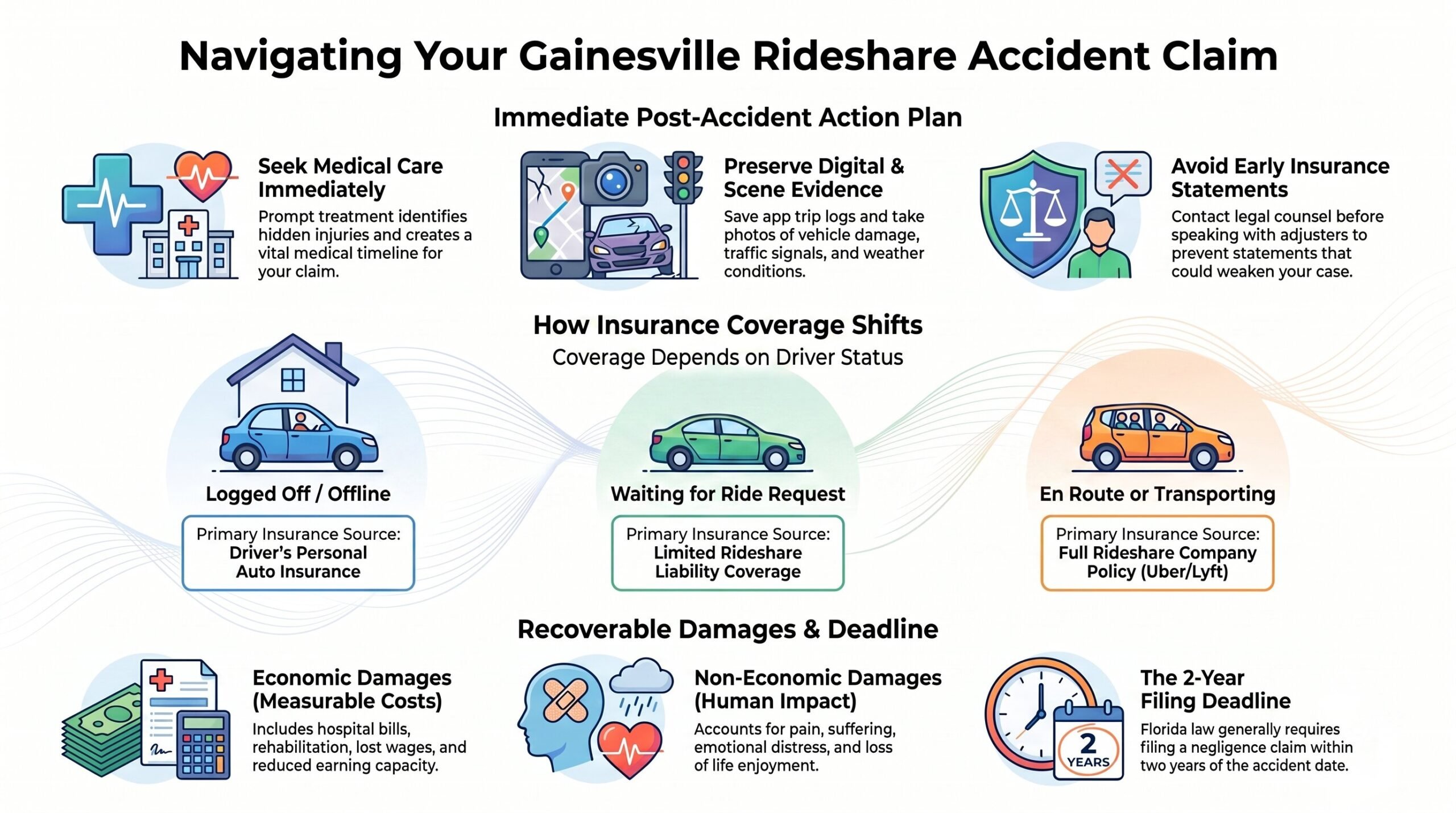
- Coverage may depend on whether the driver was offline, waiting for a ride, en route, or transporting a passenger.
- Seek medical care promptly, follow treatment instructions, and document symptoms, bills, missed work, and recovery limitations.
- Preserve app data, trip details, photos, witness information, police reports, and driver communications before evidence disappears.
- Compensation may include medical expenses, lost income, future care, pain, suffering, disability, and out-of-pocket crash costs.


How We Can Help With Your Gainesville Rideshare Accident Injury Claim
After a rideshare crash disrupts your life, we can help you understand your rights, identify every available insurance policy, and build a claim that reflects the full extent of your losses. We gather records, interview witnesses, preserve app data, and document medical needs so your claim is organized from the start. Because you may be focused on recovery, family, or serving others in your community, we handle communication with insurers and protect you from statements that could weaken your case.
We also review no-fault coverage, liability coverage, and any rideshare company policy that may apply. If insurers raise disputes, delay payment, or issue claim denials, we respond with evidence and clear legal arguments. Our goal is to pursue fair compensation for medical bills, lost income, pain, and future care while keeping you informed. You don’t have to manage this process alone after injury.
OUR CONSULTATIONSARE FREE
START YOUR FREE CASE REVIEW

Understanding Gainesville Rideshare Accident Injury Cases
When a rideshare accident occurs in Gainesville, the legal issues can be more complex than in a typical car crash. We help you understand how the driver’s status, the rideshare company’s role, and available insurance coverage may affect your claim. These cases often require careful review because coverage can change depending on whether the driver was logged into the app, waiting for a request, or transporting a passenger.
We focus on Liability standards that determine who may be legally responsible for your injuries and losses. This can include the rideshare driver, another motorist, or an insurance provider with contractual duties. We also address evidence requirements early, since records from the app, trip data, medical documentation, witness statements, and police reports can shape the strength of your claim.
Our role is to guide you with care, protect your rights, and pursue accountability that supports your recovery and continued service to others.
Common Causes of Gainesville Rideshare Accident
We often see Gainesville rideshare accidents caused by distracted drivers, driver fatigue, unsafe pickup stops, and speeding or aggressive driving. These risks can place you in danger before, during, or after a ride, especially when drivers rush to accept trips or steer through traffic. We’ll examine these common causes so you can better understand how negligence may affect your injury claim.
Distracted Rideshare Drivers
Because rideshare drivers depend on their phones to accept trips, follow GPS directions, and communicate with passengers, distraction is a serious risk in rideshare accidents in Gainesville. We recognize these drivers must balance service with safety, yet app distraction can pull their eyes, hands, and attention from the road. A brief glance at a ride request, map update, text, or passenger message may create enough delay to miss a pedestrian, cyclist, or stopped vehicle.
We encourage every driver to treat cyber traffic safety as part of caring for the community. When a rideshare crash harms you, we review phone use, app records, trip data, and witness accounts to determine whether distraction contributed to the collision. This evidence can help protect your rights and support accountability.
Driver Fatigue
Although rideshare work often offers flexible hours, long shifts and late-night driving can leave drivers dangerously fatigued on Gainesville roads. We’re aware many drivers want to support passengers, meet family needs, and serve the community, but fatigue reduces reaction time, judgment, and attention. A tired driver may drift out of their lane, brake late, miss signals, or fail to recognize changing traffic conditions.
Night driving increases these risks because reduced visibility and the disruption of natural sleep cycles can compound exhaustion. When we review a crash, we look for signs of fatigue, including trip histories, work patterns, app activity, and dashcam footage showing delayed responses or drowsy behavior. If fatigue contributed to your injuries, we can help identify responsible parties and pursue the compensation you need to recover with dignity.
Unsafe Pickup Stops
When a rideshare driver stops in an unsafe location, a routine pickup can quickly become a serious traffic hazard. We often see this near hospitals, campuses, restaurants, and event venues, where riders look for help, and drivers feel pressure to stop. Unsafe pickup stops can occur during “curbside” waiting areas, causing sudden stops and unclear traffic control. When vehicles pause in travel lanes, block sightlines, or stop too close to intersections, everyone nearby faces added risk.
Rideshare unsafe pickup stops can lead to rear-end impacts, crosswalk hazards, and pedestrian injuries. We believe safe service means choosing lawful, visible pickup points and protecting passengers, pedestrians, and other drivers. If you were injured due to an unsafe stop, we can help you understand your options.
Speeding And Aggressive Driving
Rideshare drivers may speed or drive aggressively as they try to reach more passengers, respond to app prompts, or make up time in Gainesville traffic. When they do, they place you, pedestrians, cyclists, and other motorists at serious risk. Aggressive lane changes, close following, sudden braking, and unsafe passing can leave little time for anyone to react safely. These traffic violations may also show that a driver ignored basic duties of care while transporting a passenger or sharing the road.
We review crash reports, app records, witness statements, and roadway evidence to identify reckless conduct. By examining speed, route choices, and driver behavior, we can explain how aggressive driving contributed to your injuries. Our goal is to serve you with careful guidance and pursue accountability.


Legal Rights of Gainesville Rideshare Accident Injury Victims
After a rideshare crash in Gainesville, injured passengers, drivers, pedestrians, and other motorists have the right to pursue compensation from the parties responsible for their losses. We help you understand those rights, protect your claim, and serve your family’s needs with careful guidance.
Under Florida no-fault rules, your own insurance may provide initial medical benefits, but serious injuries can allow claims against negligent drivers, rideshare companies, or other liable parties. Proving negligence means showing that someone owed a duty of care, breached that duty, and caused measurable harm.
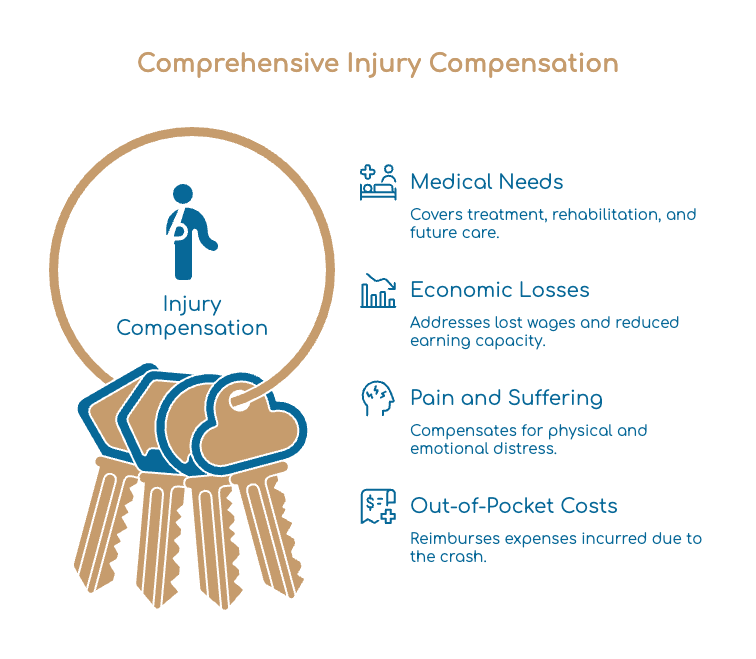
Your rights may include compensation for:
- Medical treatment, rehabilitation, and future care needs
- Lost wages, reduced earning capacity, and household support
- Pain, suffering, disability, and loss of enjoyment
- Out-of-pocket costs tied to the crash
We’ll work to preserve evidence, communicate with insurers, and pursue fair recovery while you focus on recovery, stability, and serving those who depend on you.
Why Do Gainesville Rideshare Accident Injuries Happen?
Understanding your legal rights also requires knowing why these crashes occur, because the cause often determines who may be held liable. We often see rideshare injuries arise from driver distraction, rushed pickups, unsafe lane changes, fatigue, or unfamiliarity with Gainesville roads. App-based work can place pressure on drivers to accept trips quickly, route notifications, and serve passengers while moving through congested areas near campus, hospitals, restaurants, and downtown corridors.
We also consider how outside factors contribute. Traffic law changes may affect right-of-way duties, rideshare pickup rules, or roadway design expectations, and drivers must stay informed. Poor vehicle maintenance, impaired driving, and careless third-party motorists can also create serious harm for passengers, pedestrians, cyclists, and other drivers.
When crashes result in medical treatment, insurance billing disputes may complicate responsibility determinations and delay resolution. By identifying each cause, we help protect your interests while promoting safer transportation for everyone.
What Should You Do After a Gainesville Rideshare Accident Injury?
After a Gainesville rideshare accident injury, we recommend that you act quickly to protect your health and your claim. We’ll start by focusing on medical care, clear documentation of the crash, and the importance of preserving evidence. Then, we’ll explain when you should contact a lawyer and how legal guidance can help you avoid costly mistakes.
Seek Medical Care
If you’ve been injured in a Gainesville rideshare accident, seek medical care as soon as possible, even if your symptoms seem minor at first. We encourage you to protect your health, because prompt treatment can identify hidden injuries and support your recovery. A careful Pain assessment helps medical providers understand what you’re experiencing, where it hurts, and whether your condition may worsen.
We should follow all discharge instructions, attend follow-up appointments, and ask questions when symptoms change. Keep a symptom timeline for your doctors, noting pain, dizziness, numbness, sleep issues, or mobility limits. Accurate reporting updates help your care team adjust treatment and reduce avoidable complications. By putting health first, we serve our families, workplaces, and community with greater stability.
Document The Crash
Once we’ve addressed immediate medical needs, we should preserve the facts of the rideshare crash before evidence disappears. Scene safety first: move to a secure location if possible, check on others, and avoid obstructing responders. Then, we photograph vehicle positions, damage, skid marks, traffic signals, road conditions, visible injuries, and rideshare app details, including trip status and driver information.
We should record the time, location, weather, and any statements made by drivers or passengers. Witness statement collection matters because neutral observations can clarify how the collision occurred. We can ask witnesses for names, phone numbers, and brief accounts, without pressure or argument. When we document carefully, we support truth, accountability, and fair service to everyone affected by the crash and in any subsequent claims process.
Contact A Lawyer
Before speaking with insurers or rideshare representatives, we should contact a Gainesville rideshare accident injury lawyer who can protect our rights and guide the next steps. Legal counsel can help us gather evidence, preserve app data, identify witnesses, and secure records before they disappear. We should also document injuries carefully, including medical visits, symptoms, work limits, and daily challenges, because accurate records support accountability and fair recovery.
A lawyer can review the rideshare company’s coverage, the driver’s status, and any third-party fault to build a focused insurance strategy. With guidance, we can avoid statements that weaken the claim and respond to requests properly. Counsel can also negotiate damages for medical costs, lost income, pain, and future needs while we focus on recovery and serving our families.
Critical Evidence in a Gainesville Rideshare Accident Injury Case
We help you identify and preserve the evidence that can strengthen a Gainesville rideshare accident injury claim, because early documentation often shapes the outcome. Essential evidence may include:
- App data records
- Driver communication logs
- Vehicle damage photos
- Medical treatment documentation
We use these materials to connect the crash to your injuries, assess liability, and challenge incomplete or disputed accounts.
App Data Records
App data records can provide decisive evidence in a Gainesville rideshare accident injury case because they may show who was using the platform, when the ride request occurred, where the vehicle traveled, and what the driver’s status was at the time of the crash. We use app usage logs to clarify whether the driver was waiting, en route, or transporting you, which affects insurance coverage and accountability.
Trip timestamp data can also confirm pickup times, route progress, speed patterns, and the sequence of events leading up to impact. When we preserve this information early, we help protect your claim from missing or altered records. For those committed to serving injured people with care, these records offer a factual foundation, allowing us to pursue justice with accuracy and purpose.
Driver Communication Logs
When a rideshare collision occurs, driver communication logs can reveal vital details about distraction, timing, and the driver’s actions before the crash. We review messages, in-app chats, and call histories to determine whether the driver was focused on safely transporting you. Phone call timing may show whether the driver accepted, placed, or received a call near the moment of impact. These records can also clarify platform instructions, route changes, or contact with a rider before the collision.
We also compare logs with statements from drivers, passengers, and witnesses. Rider report discrepancies can expose gaps between what was reported and what actually happened. By preserving and analyzing these communications, we help protect your claim and support accountability for safer service.
Vehicle Damage Photos
After a Gainesville rideshare crash, vehicle damage photos can provide crucial proof of how the impact occurred and how severe the collision was. We encourage you to document every visible angle, including crushed panels, broken glass, deployed airbags, skid marks, and final vehicle positions. These images can help us connect the physical damage to witness accounts, police findings, and rideshare records.
We also focus on preserving captured evidence, because photos may lose value if they’re altered, deleted, or taken without context. When possible, we help protect original files and support preservation of metadata, including time, date, and location details. Careful photo documentation allows us to serve your case with accuracy, integrity, and a stronger foundation for accountability.
Medical Treatment Documentation
Because medical records often become the strongest link between a Gainesville rideshare crash and the injuries it caused, we treat medical treatment documentation as crucial evidence from the start. We help you gather emergency records, imaging results, physician notes, prescriptions, therapy plans, and follow-up instructions to show what happened, when care began, and how injuries affected daily service, work, and family duties.
Clear records can explain diagnostic delays, especially when symptoms developed after adrenaline had faded or when experts needed more time to confirm an injury. We also review treatment compliance, because insurers often argue that missed appointments or gaps reduced the value of a claim. By organizing documentation early, we support your credibility, protect your recovery, and present a clear account of the care your injuries required.
Long-Term Effects of Gainesville Rideshare Accident Injuries
We often see rideshare accident injuries create lasting challenges, including chronic pain, reduced mobility, and permanent disability. As you manage medical treatment and daily limitations, we also consider how emotional trauma can affect your recovery, work, and quality of life. These long-term effects matter because they can substantially influence the value and direction of your injury claim.
Chronic Pain Complications
When pain persists long after a rideshare crash, it can disrupt nearly every part of an injured person’s daily life. We recognize how chronic pain can affect sleep, concentration, work duties, caregiving, and emotional resilience. You may need consistent medical oversight, careful pain management, and thoughtful treatment alternatives when initial therapies fail to provide relief.
We help you connect the physical consequences of the crash to clear records, including doctor referrals, diagnostic findings, prescriptions, and ongoing care plans. Strong insurance documentation matters because insurers often question conditions that continue beyond the expected recovery period. We work to present your experience accurately, support your pursuit of necessary care, and protect the value of your claim. Chronic pain merits a serious response, not dismissal or delay.
Mobility And Disability
After a serious rideshare crash, limited mobility can change how you walk, work, travel, and manage basic daily tasks. We recognize that serving others often requires reliability, movement, and physical independence. When injuries affect standing, lifting, driving, or using stairs, your responsibilities may become harder to fulfill.
We help evaluate how fractures, spinal injuries, nerve damage, or joint trauma may create lasting limitations. Medical records, therapy notes, and a long-term impairment prognosis can show whether you’ll need assistive devices, modified duties, or ongoing care.
Accessibility accommodations may also be necessary at home, at work, at school, or in places of service. We consider ramps, transportation support, ergonomic equipment, and schedule adjustments when building a claim that reflects your future needs and protects your ability to live with dignity.
Emotional Trauma Impacts
Physical limitations often appear first, but emotional trauma can become just as disruptive over time. After a Gainesville rideshare crash, you may face anxiety, sleep disruption, panic while riding, or fear of busy intersections. We recognize that these symptoms can affect work, family duties, and your ability to serve others with patience and steadiness.
That’s why post-crash support must address more than medical appointments and vehicle damage. We help you document emotional harm through treatment records, personal journals, and statements from those who see your daily struggles. Victim counseling can also provide practical tools for recovery while documenting the continuing impact. When we build your claim, we account for trauma with the same care we give physical injuries, because lasting recovery requires both stability and dignity.
Proving Liability in Gainesville Rideshare Accident Injury Cases
Because rideshare crashes often involve several parties and overlapping insurance policies, proving liability requires a careful review of the facts, the driver’s app status, and the conduct of everyone involved. We examine whether the rideshare driver accepted a trip, transported a passenger, or drove while logged off, because each detail affects responsibility.
We also evaluate police reports, witness accounts, vehicle damage, phone records, traffic cameras, and app data to identify negligent conduct. Comparative negligence may reduce compensation if you share fault, so we work to show how another driver’s actions caused your injuries. In some cases, Uber liability may depend on the driver’s status and whether company policies, background checks, or platform rules played a role.
When we build your case, we focus on truth, service, and accountability. Our goal is to help you move forward while ensuring responsible parties answer for the harm they caused.
Dealing With Insurance Companies After a Gainesville Rideshare Accident Injury
When an insurance company contacts you after a rideshare accident, its goal is usually to limit what it pays, not to protect your recovery. We help you respond carefully because adjusters may request recorded statements, broad medical releases, or quick settlements before the full extent of the harm is known. You don’t need to face those pressures alone.
We focus on Liability proof and evidence preservation from the start. That includes protecting app records, driver information, witness details, medical documentation, photographs, and communications with Uber, Lyft, or other insurers. These materials can show who was responsible and prevent important facts from being overlooked or disputed.
Our role is to communicate with insurers, guard your rights, and pursue compensation that reflects your injuries and losses. We understand many clients want to recover, serve their families, and return to helping others. We work to reduce that burden while protecting your claim.
What to Expect During a Gainesville Rideshare Accident Injury Claim Process
We guide you through each stage of a Gainesville rideshare accident injury claim, starting with reporting the accident and preserving crucial evidence. We investigate driver liability, review rideshare app records, and handle insurance communications so you don’t have to manage conflicting claims alone. We then pursue fair compensation for injuries through careful documentation, strategic negotiation, and focused advocacy.
Reporting The Accident
After a Gainesville rideshare crash, prompt and accurate reporting helps protect the injury claim from the start. We help you notify law enforcement, the rideshare company, and the proper insurance carriers without delay. A police report creates an official record, while the app report can preserve trip details, driver information, and timestamps. We encourage you to share only factual information and avoid statements that speculate about fault or injuries.
We also help gather materials that support a complete report, including Witness statements, photographs, medical documentation, and available dashcam footage. When you report the crash clearly, you serve everyone involved by promoting accountability and preserving reliable evidence. Careful reporting helps prevent disputes and positions your claim for fair review. We remain prepared to guide each step.
Investigating Driver Liability
Because liability often depends on details that aren’t obvious at the scene, we begin by examining the rideshare driver’s actions, app status, and compliance with traffic laws. We review whether the driver was accepting a ride, transporting you, or waiting for a request, since each period can affect responsibility. We also evaluate speeding, distraction, fatigue, unsafe turns, and failure to yield.
To serve your recovery with care, we secure time-sensitive evidence before it disappears. Independent testimony gathering helps us identify what nearby drivers, passengers, pedestrians, or workers observed. Witness statement preservation also protects accurate recollections before memories fade. We compare those accounts with crash reports, photographs, vehicle damage, road conditions, and digital records to build a clear liability picture that supports your claim and accountability.
Handling Insurance Communications
During the insurance phase, rideshare accident claims often involve several carriers, including the driver’s personal insurer, the rideshare company’s policy, and any coverage connected to other at-fault parties. We manage these communications so you can focus on recovery and serving those who rely on you. Insurers may request statements, records, or broad authorizations, and we review each request before you respond.
Our liability investigation helps us address inconsistent accounts, coverage disputes, and premature allegations of fault. We also protect sensitive contacts through witness protection practices, ensuring witnesses aren’t pressured or misquoted. At the same time, we maintain documentation of damages, including treatment records, wage information, and proof of expenses. This organized approach supports a sound Negotiation strategy later, without discussing settlement demands before the record is ready for review.
Negotiating Injury Compensation
Once the claim file is developed, we begin negotiations with a clear presentation of liability, insurance coverage, and the full scope of your damages. We use the pre-suit investigation to show how the crash affected your health, work, family duties, and ability to serve others. Our Settlement strategy identifies available rideshare policies, personal auto coverage, uninsured motorists benefits, and any coverage gaps that may limit recovery.
We evaluate medical costs, lost income, future care needs, pain, and practical losses related to your daily responsibilities. When insurers undervalue the claim, we respond with evidence, not speculation. We keep you informed, explain each offer, and help you weigh risk against fairness. If negotiations fail, we prepare the claim for litigation with disciplined advocacy.
Compensation for Gainesville Rideshare Accident Injury Damages
After a rideshare crash in Gainesville, compensation can address the financial and personal losses that follow a serious injury. We help you pursue recovery that reflects the full effect of the crash, not only the costs that appear immediately. When you serve your family, workplace, or community, an injury can disrupt responsibilities others depend on, and we take those disruptions seriously.
Insurance paperwork, proving negligence, and identifying the correct coverage can be difficult when rideshare companies, drivers, and insurers dispute responsibility. We gather records, review trip status, preserve evidence, and present your claim in a clear, organized manner. We also account for how the injury affects your daily function, independence, and ability to care for others.
Our role is to protect your claim from undervaluation. We negotiate with insurers, carefully document losses, and prepare for litigation when necessary, so your demand accurately reflects the harm caused by the rideshare collision.
Economic vs Non-Economic Damages in Gainesville Rideshare Accident Cases
We help you distinguish economic damages, such as medical bills and lost income, from non-economic damages, including pain, suffering, and emotional distress. In Gainesville rideshare accident cases, we identify how each category affects your claim and the compensation you may pursue. We also focus on proving your losses with clear evidence, because strong documentation can greatly influence the value of your case.
Economic Damages Explained
When a rideshare crash disrupts your health and finances, economic damages represent the measurable financial losses tied to the accident. We identify these losses through records, receipts, and documentation that show what the crash has cost you.
Medical evidence helps confirm hospital bills, rehabilitation expenses, prescriptions, follow-up care, and projected future treatment. We also review lost wages, reduced earning capacity, transportation costs, and property damage.
Insurance coverage often determines which policies may pay these losses, including the rideshare company’s policy, the driver’s policy, or other available sources. Witness statements can support the account of how the crash occurred and why expenses became necessary. While pain assessment may appear in medical records, we use it here only to connect treatment needs with documented financial costs and recovery-related expenses.
Non-Economic Damages Explained
Financial records can show part of the harm caused by a Gainesville rideshare accident, but they don’t capture the full impact on your daily life. Non-economic damages address harms that don’t come with invoices, including pain, emotional distress, anxiety, loss of enjoyment, and strain on family relationships. We consider how these injuries affect your ability to serve others, maintain routines, and participate in community life with dignity.
These losses matter because recovery should reflect the human consequences of a crash, not only the measurable costs. Punitive damages may also arise in limited cases involving especially reckless conduct, but they serve a different purpose than compensation. Because claim timelines can affect your rights, we encourage prompt action while focusing carefully on the personal impact of your injuries.
Proving Your Losses
Although every rideshare accident claim is different, proving your losses starts with connecting each injury to clear evidence. We help you organize economic damages, such as medical bills, lost wages, rehabilitation costs, and future care needs, through careful medical documentation and financial records. We also support your claim for non-economic damages by showing how pain, limited mobility, and emotional strain affect your daily responsibilities, relationships, and ability to serve others.
Evidence preservation matters from the beginning. We gather photographs, witness statements, app data, treatment notes, and employment records before crucial details disappear. Strong proof can reduce the risk of insurance denial and strengthen payout negotiation with rideshare insurers. When we present your losses clearly, we help protect your claim’s value and pursue compensation that reflects your full recovery needs.
When a Gainesville Rideshare Accident Injury Case Goes to Trial vs Settlement
After a rideshare crash in Gainesville, we evaluate whether settlement or trial offers the strongest path to fair compensation based on the evidence, liability disputes, insurance coverage, and the full extent of your injuries. We begin with a focused Negotiation Strategy, presenting medical records, wage loss documentation, witness statements, and accident details in a clear demand package.
Settlement can provide resolution without the delay and strain of trial, especially when the insurer accepts responsibility and values your losses fairly. If the company minimizes your injuries, disputes fault, or ignores your long-term care needs, we are prepared to proceed further. Trial Readiness strengthens every stage of the case because insurers know we’re prepared to present your story before a judge or jury.
We keep you informed, explain each offer, and weigh risks with practical care. Our goal is to serve your recovery by pursuing the path that best protects your dignity, stability, and future.
Florida Laws That May Affect Your Gainesville Rideshare Accident Case
Because Florida law can shape every stage of a Gainesville rideshare accident case, we examine the rules that affect fault, insurance coverage, deadlines, and available compensation from the start. When you serve others through safe travel, one careless driver can disrupt your work, family, and community responsibilities.
Key laws may influence your claim:
- Florida comparative negligence can reduce compensation if you share fault for the crash.
- Rideshare insurance depends on whether the driver was offline, waiting for a ride request, or transporting a passenger.
- Vicarious liability may apply in limited circumstances, depending on control, employment status, and the nature of the negligent conduct.
- Florida no-fault rules may require use of personal injury protection before pursuing certain damages.
We review police reports, app data, insurance positions, and witness accounts to apply these rules carefully. By understanding the legal framework early, we protect your ability to recover damages and continue serving those who depend on you.
The Statute of Limitations for Gainesville Rideshare Accident Injury Cases
Florida’s filing deadlines can determine whether you have the right to bring a Gainesville rideshare accident injury claim at all. In most Florida negligence cases, we must file within two years from the crash date. If the collision caused a death, the Wrongful death deadline is generally two years from the date of death, and missing it can bar the family’s claim.
These limits also affect companion claims, including claims for medical expenses, lost wages, reduced earning capacity, and other losses arising from the same incident. Because rideshare cases may involve a driver, a transportation network company, insurers, or other responsible parties, we should treat time as a central factor in every settlement strategy.
Waiting can make records harder to obtain, witnesses less available, and coverage disputes more difficult to resolve. When we meet the deadline, we preserve the opportunity to pursue accountability and support those who rely on your recovery.
How a Gainesville Rideshare Accident Injury Lawyer Can Help You
When a rideshare crash leaves you with injuries, financial strain, and unanswered questions, we can step in to manage the legal process and protect your claim from the start. We focus on proving liability, documenting losses, and positioning your case for fair compensation while you concentrate on recovery and the people who rely on you.
- We investigate the crash, secure records, and identify every responsible party.
- We communicate with insurers, rideshare companies, and opposing representatives.
- We calculate medical costs, lost income, reduced earning capacity, and future needs.
- We apply Injury settlement strategies that reflect your service, responsibilities, and long-term stability.
We also track Florida rideshare deadlines, preserve vital evidence, and challenge efforts to minimize your injuries. By handling negotiations and preparing for litigation when needed, we help you pursue a result that supports your health, your household, and your ability to keep serving others with confidence.
When to Contact a Gainesville Rideshare Accident Injury Lawyer
After a rideshare collision, you should contact a Gainesville rideshare accident injury lawyer as soon as you receive medical attention and report the crash. Early contact helps us identify deadlines, protect your account of events, and guide the next steps with care and purpose. When you serve family, students, patients, or community members, you need a clear plan that lets you focus on restoration and responsibilities.
You should reach out before speaking in detail with insurance adjusters or accepting any settlement. We can help Preserve Evidence, including app data, driver information, photographs, witness names, medical records, and communications with the rideshare company. Timing matters because a Florida statute may limit how long you have to bring a claim. If injuries worsen, medical bills grow, or the rideshare platform disputes coverage, prompt legal guidance can prevent avoidable harm. Contacting counsel early helps protect your rights while you care for others and recover safely.
Why You Need an Experienced Gainesville Rideshare Accident Injury Lawyer
Because rideshare claims often involve multiple insurers, app-based records, and shifting coverage positions, you need an experienced Gainesville rideshare accident injury lawyer who understands how to manage these issues from the start. We help you protect your health, your financial stability, and your ability to keep serving your family and community.
An experienced Gainesville rideshare accident injury lawyer can help protect your health, finances, and future from the start.
We act quickly because Evidence preservation can determine whether pivotal trip data, driver status, messages, witness details, and crash scene information remain available. Without prompt action, important proof may be lost, disputed, or misinterpreted.
We also handle insurance negotiation with a clear strategy. Rideshare companies, personal auto carriers, and commercial insurers may each try to limit responsibility. We identify the available coverage, present the claim with supporting documentation, and push back against unfair positions.
When you work with us, we focus on accountability, preparation, and practical guidance, so you can move forward with confidence.
How to Choose the Right Gainesville Rideshare Accident Injury Lawyer for Your Case
Choosing the right Gainesville rideshare accident injury lawyer starts with finding a firm that understands both serious injury claims and the unique structure of rideshare cases. We should seek legal guidance to identify all liable parties, review app records, evaluate insurance coverage, and protect your ability to recover fair compensation.
You merit counsel that treats your case with care and purpose. Strong Client communication matters because you need updates, clear answers, and practical direction while you focus on recovery and supporting those who depend on you. We should also examine the fee structure before moving forward, so you understand costs, contingency terms, and what happens if the case does not result in compensation.
Ask about prior rideshare case experience, negotiation strategies, trial readiness, and the resources available to investigate your crash. The right lawyer will combine compassion, discipline, and effective advocacy from the beginning.
About The Law Offices of Anidjar & Levine
When you’re recovering from a rideshare accident in Gainesville, The Law Offices of Anidjar & Levine can handle the legal work while you focus on your well-being.
We serve clients by listening carefully, identifying urgent needs, and protecting their right to pursue compensation with diligence and respect.
Our Client intake process begins with a focused case evaluation, where we review what happened, who may be responsible, and what losses you’ve suffered.
We help organize injury documentation, medical records, wage information, and other proof that supports your claim.
We also explain the claim timeline, so you know what to expect as your case moves forward.
Our team builds a legal strategy based on evidence preservation, rideshare insurance issues, and the full impact of your injuries.
We provide communication support with insurers and involved parties, evaluate settlement options, and prepare each case as if it may proceed further.
Frequently Asked Questions
Can Tourists File Rideshare Accident Claims in Gainesville?
Yes, tourists can file rideshare accident claims in Gainesville. We help you understand Tourist eligibility under Florida statute, including claims against drivers, rideshare companies, or insurers. You don’t need Florida residency to seek compensation for injuries, medical costs, lost income, or related losses. We focus on protecting your rights while you serve your recovery, your family, and those depending on your care after the accident.
Do Uber and Lyft Cover Accidents Involving Uninsured Drivers?
Yes, Uber Lyft may cover accidents involving uninsured drivers, but coverage depends on the driver’s app status and applicable Florida exceptions. We help you determine whether uninsured coverage applies during a trip, while waiting for a ride request, or when using the platform outside of a ride request. You should report the crash promptly, preserve records, and seek medical care. We can guide your claim with care, protecting your rights while supporting accountable recovery efforts.
Can I Sue if My Rideshare Driver Assaulted Me?
Yes, you can sue if your rideshare driver assaulted you. We help you evaluate claims against the driver, and possibly the rideshare company, depending on rideshare liability rules, background checks, and complaint history. We also consider your self-defense rights if you resisted harm. You may seek damages for injuries, trauma, lost income, and related care. Act promptly, report the assault, preserve evidence, and protect others.
What if My Child Was Injured in a Rideshare Accident?
If your child was injured in a rideshare accident, we’d help you protect their rights immediately. You may pursue medical benefits for treatment, therapy, and future care, as well as child compensation for pain, disability, and lasting impact. We’d gather records, identify responsible parties, and deal with insurers while you focus on your child’s recovery. Acting quickly preserves evidence and helps secure resources your family needs after serious harm.
Are Gainesville Rideshare Accident Consultations Free?
Yes, consultations are typically free. We review your situation, answer who pays, explain consultation costs, and discuss attorney fees before you make decisions. You shouldn’t face uncertainty while caring for an injured child or serving your family’s needs. We evaluate rideshare insurance issues, driver responsibility, and potential claims with professionalism. If we accept your case, we usually work on a contingency basis, meaning we’re paid only if we recover compensation.
—————————
If you were injured in a Gainesville rideshare accident, we’re ready to help you pursue the compensation you may be owed.
Our team can investigate the crash, identify liable parties, handle insurance communications, and protect your rights at every stage.
You don’t have to face Uber, Lyft, or insurers alone.
Contact The Law Offices of Anidjar and Levine today for a free consultation, or speak with a Gainesville Car Accident Lawyer to review your case and explain your legal options.