A West Palm Beach comparative negligence injury lawyer helps protect a claim when multiple parties may share fault for an accident. Counsel from The Law Offices of Anidjar and Levine gathers medical records, photographs, witness statements, and other evidence to prove liability, challenge insurers’ efforts to shift blame, and accurately measure damages. Florida’s comparative negligence rules can reduce compensation based on assigned responsibility, so careful claim preparation is crucial. For more information, see the West Palm Beach Car Accident Lawyer. The sections below explain how legal guidance, evidence, and timing can affect the outcome.
Main Takeaways
- A West Palm Beach comparative negligence injury lawyer evaluates fault percentages and explains how shared responsibility can reduce total compensation.
- You may still recover damages for medical bills, lost wages, property damage, and pain and suffering even if partially at fault.
- Strong claims rely on prompt medical care, scene photos, witness statements, police reports, and preserved physical evidence.
- An attorney gathers records, organizes medical documentation, and may use experts or surveillance evidence to prove liability and causation.
- Lawyers also handle insurer communications, challenge blame-shifting tactics, address liens, and guide you through settlement timing and claim decisions.


How We Can Help With Your West Palm Beach Comparative Negligence Injury Claim
In the aftermath of an accident, a comparative negligence injury claim often turns on the ability to present clear evidence, challenge unfair fault assessments, and protect the injured party’s right to compensation. Effective legal support focuses on service, preparation, and careful advocacy for those facing physical, financial, and practical burdens.
Counsel assists by gathering records, preserving witness statements, reviewing photographs, and organizing medical documentation to support a complete presentation of the claim. Attention is also given to communications with insurers, so injured individuals can devote greater energy to recovery and family responsibilities.
The legal team evaluates damages, addresses medical liens, and works to reduce avoidable financial strain whenever possible. It also provides guidance on settlement timelines, helping clients make informed choices without unnecessary pressure.
Throughout the process, representation remains centered on accountability, fairness, and respectful treatment. This approach helps protect compensation opportunities while offering reliable guidance to people who seek to care for others, even in difficult circumstances.
OUR CONSULTATIONSARE FREE
START YOUR FREE CASE REVIEW

Understanding West Palm Beach Comparative Negligence Injury Cases
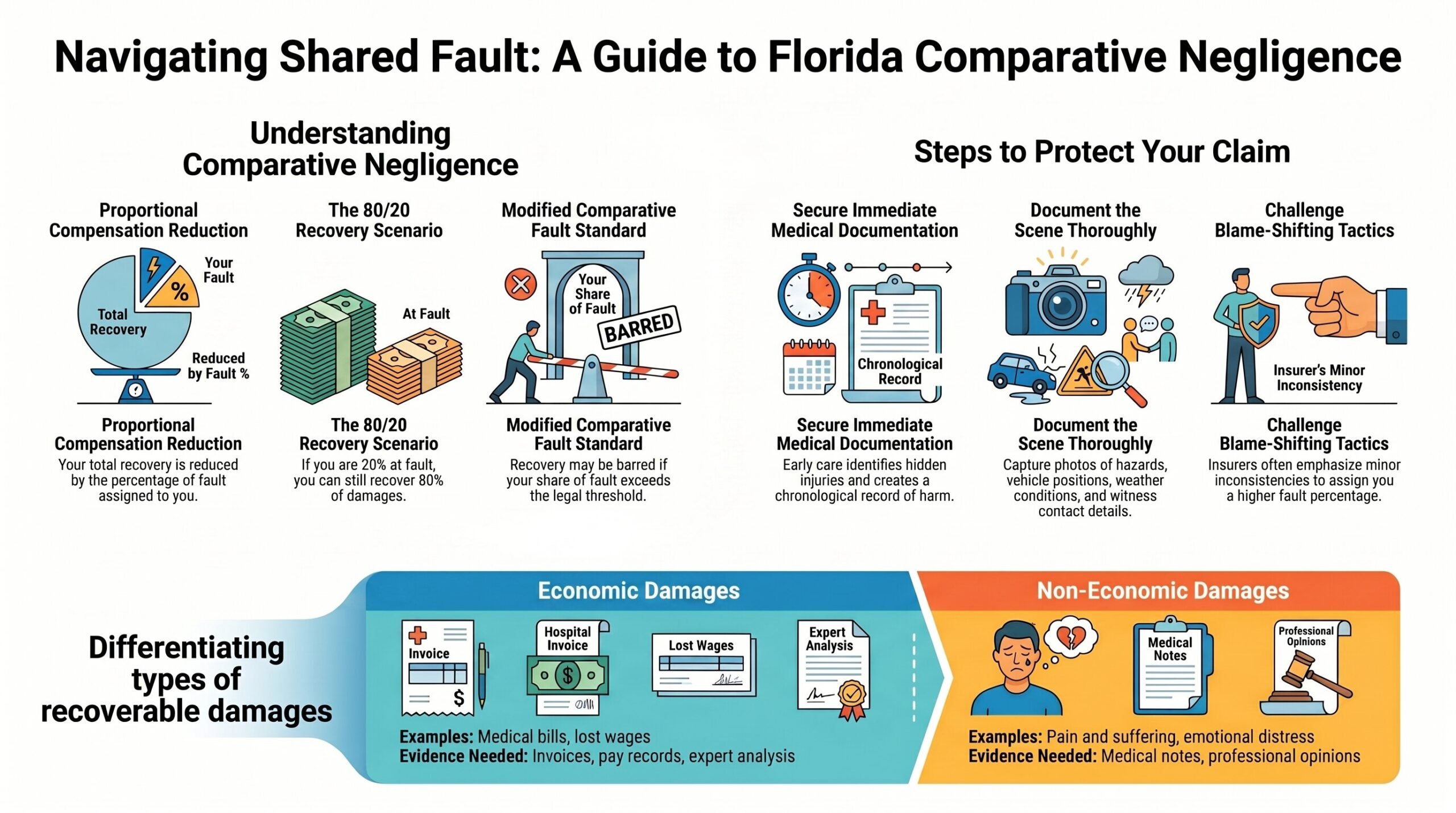
A clear understanding of West Palm Beach comparative negligence injury cases helps explain how liability and compensation are evaluated after an accident. Under comparative negligence, each party’s conduct is examined to determine whether it contributed to the harm, and damages may be reduced in proportion to that party’s responsibility.
Comparative negligence in West Palm Beach injury cases measures each party’s role in an accident and adjusts compensation accordingly.
Courts, insurers, and attorneys review evidence such as statements, records, photographs, and expert opinions when assigning fault. This process often results in apportionment percentages that reflect how much responsibility is assigned to each person or entity involved.
For individuals focused on serving others, this framework can promote fairness by recognizing shared responsibility while preserving access to recovery. A claimant who is partially at fault may still pursue compensation, although the final amount generally reflects the assigned share of fault.
Because these cases often involve careful factual analysis and legal judgment, a disciplined presentation of evidence is crucial to protect the integrity of the claim and support an equitable outcome.
Common Causes of West Palm Beach Comparative Negligence
Common causes of comparative negligence in West Palm Beach often arise when more than one party contributes to an injury-causing event.
These matters frequently involve distracted driving incidents, unsafe property conditions, pedestrian right-of-way errors, and shared fault traffic collisions.
Each scenario may require a careful evaluation of conduct, timing, and legal responsibility before fault is apportioned.
Distracted Driving Incidents
Often arising within seconds of diverted attention, distracted driving incidents remain a significant source of comparative negligence disputes in West Palm Beach injury claims. Courts and insurers often examine whether a driver engaged in mobile distraction, adjusted in car tech, ate, or interacted with passengers before a collision occurred.
Because Florida applies comparative negligence principles, fault may be shared when more than one party failed to use reasonable care. A distracted driver may bear substantial responsibility, yet investigators also consider speeding, abrupt lane changes, poor signaling, or the failure of others involved to maintain awareness.
Evidence such as phone records, dashboard data, witness statements, and surveillance footage can clarify how attention lapses contributed to harm. Careful legal evaluation helps injured individuals pursue accountability while promoting safer conduct that protects families, neighbors, and the broader community.
Unsafe Property Conditions
Liability questions in West Palm Beach injury claims also arise beyond the roadway, particularly when unsafe property conditions contribute to a preventable incident. Property owners, managers, and occupiers may share responsibility when dangerous premises expose visitors, tenants, or workers to unreasonable harm. Common examples include broken stairs, poor lighting, loose handrails, wet floors, uneven walkways, and unmarked hazards.
In many cases, code violations or maintenance neglect create conditions that increase the likelihood of falls and related injuries.
Comparative negligence issues may still arise if an injured person ignored warnings, entered a restricted area, or failed to exercise ordinary care. Even so, a careful investigation can help clarify each party’s role.
That process supports accountability, promotes safer environments, and helps injured individuals pursue fair recovery while encouraging property owners to better protect others.
Pedestrian Right-Of-Way Errors
At intersections, crosswalks, parking lot exits, and mid-block crossings, pedestrian right-of-way errors frequently play a significant role in West Palm Beach comparative negligence claims.
Liability may be reduced when an injured pedestrian crosses outside designated areas, ignores Pedestrian signals, or enters traffic unexpectedly. Similar concerns arise when visibility is limited, sidewalks are obstructed, or a person assumes approaching drivers will stop without adequate time or distance.
Crosswalk markings and signal timing often become central evidence in evaluating whether reasonable care was exercised by everyone involved. Investigators may review surveillance footage, witness statements, roadway design, and lighting conditions to determine how fault should be allocated.
A careful legal assessment helps families, caregivers, and other concerned advocates understand how pedestrian conduct may affect compensation after a serious injury.
Shared Fault Traffic Collisions
In many West Palm Beach traffic collisions, comparative negligence arises when more than one driver contributes to the crash through separate but related acts of carelessness. One motorist may speed through an intersection while another turns without yielding, creating a chain of preventable harm.
In these cases, courts and insurers examine witness statements, vehicle damage, traffic footage, and roadway conditions to identify each party’s role. Florida law permits shared liability, meaning compensation may reflect the percentage of fault assigned to every participant.
These apportionment rules are intended to encourage fairness while recognizing that responsibility is not always exclusive. For those seeking to help injured neighbors recover, understanding shared fault collisions supports informed decisions, careful documentation, and a more responsible approach to protecting community safety after serious roadway accidents.


Legal Rights of West Palm Beach Comparative Negligence Injury Victims
Understanding these rights is crucial for West Palm Beach injury victims because Florida’s comparative negligence rules may reduce compensation without eliminating the ability to recover damages in many cases.
Injured individuals retain the right to pursue payment for medical costs, lost income, property damage, and pain and suffering, even when partial fault is assigned. Their recovery generally reflects the percentage of responsibility attributed to each party.
Even with partial fault, injured victims may still recover damages, with compensation adjusted to reflect each party’s share of responsibility.
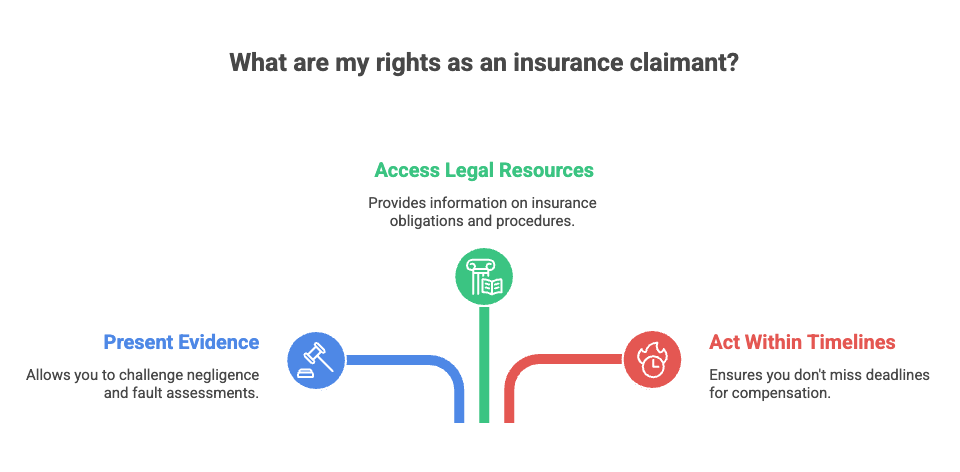
Key rights often include:
- The right to present evidence showing another party’s negligence and challenge unfair fault assessments.
- The right to access Legal resources that explain insurance obligations, settlement options, and court procedures.
- The right to act within applicable Claim timelines, which can affect whether compensation remains available.
These protections help victims make informed decisions while honoring duties to families and communities.
Prompt documentation, careful communication with insurers, and professional legal guidance can support a fair evaluation of losses.
A lawyer may also protect victims during negotiations and litigation.
Why Do West Palm Beach Comparative Negligence Injuries Happen?
Comparative negligence injuries in West Palm Beach when two or more parties contribute to the same accident through separate acts of carelessness. These incidents often arise in busy settings where drivers, property owners, pedestrians, or businesses fail to use reasonable caution. A collision may involve a distracted motorist and a speeding driver, while a slip may stem from poor maintenance and a visitor’s inattention.
Local conditions also increase shared-fault risks. Heavy traffic, tourism, and urban construction create crowded spaces where visibility, timing, and safe judgment become more difficult. In addition, weather hazards such as sudden rain, slick pavement, and reduced sightlines can combine with human error to produce preventable harm.
Comparative negligence injuries thus arise not from a single isolated mistake, but from overlapping decisions that place others at risk. Understanding these causes helps community-minded individuals recognize how accountability can be shared while safety remains a collective responsibility for everyone involved.
What Should You Do After a West Palm Beach Comparative Negligence Injury?
After a West Palm Beach comparative negligence injury, prompt medical care is crucial to protect both health and the record of the harm suffered.
It is also important to document the accident scene thoroughly, including visible injuries, property damage, and any conditions that may have contributed to the incident.
Legal guidance from an attorney can then help assess fault, preserve evidence, and protect the injured party’s right to pursue compensation.
Seek Immediate Medical Care
In the moments following an injury, prompt medical care should be treated as a priority, even when the harm appears minor at first. Early examination helps identify hidden complications, supports recovery, and protects the well-being of everyone who may depend on the injured person’s ability to serve and assist others.
A physician, urgent care provider, or emergency department can assess symptoms, recommend urgent treatment, and create a clear plan for follow-up care. If travel is difficult, a telehealth evaluation may offer timely guidance while arrangements are made for an in-person assessment. Medical professionals can also monitor delayed symptoms such as concussion signs, internal injuries, or worsening pain.
Consistent treatment demonstrates a responsible response to injury, reduces the risk of preventable complications, and promotes safer, more effective recuperation over the coming days and weeks.
Document The Accident Scene
Preserve the scene as carefully as safety allows, because accurate documentation can become pivotal when fault is later disputed under Florida’s comparative negligence rules.
A person should gather photographic documentation of vehicle positions, visible injuries, road conditions, traffic signals, weather, debris, and any hazards that may have contributed to the event.
If possible, helpful records also include scene measurements, skid marks, evidence of property damage, and witness locations.
Time-stamped images and brief notes can help clarify how the incident unfolded and may prevent important details from fading.
Names, contact information, and insurance details should be collected respectfully and accurately.
When public servants respond, a person should note the badge numbers and request the report number.
Careful documentation supports accountability, protects everyone involved, and promotes a fair understanding of what occurred.
Speak With An Attorney
Once the accident scene has been documented, speaking with an attorney can help protect a person’s interests when questions of shared fault arise. Legal counsel may review statements, photographs, medical records, and insurance communications to assess how comparative negligence could affect recovery. This guidance can also help an injured person avoid missteps that may unintentionally weaken a claim.
During an Initial consultation, an attorney often explains available options, likely challenges, and the evidence needed to support a fair outcome. A clear discussion of the Fee structure is also important because it allows families to plan responsibly while seeking justice.
By obtaining timely legal advice, a person is better positioned to act with integrity, preserve important rights, and pursue compensation in ways that support accountability, restoration, and the well-being of others.
Critical Evidence in a West Palm Beach Comparative Negligence Injury Case
In a West Palm Beach comparative negligence injury case, the strength of the claim often depends on whether the available evidence clearly establishes fault, damages, and the degree of each party’s responsibility.
Crucial categories frequently include: 1. police reports and citations, 2. medical records and documentation, and 3. witness statements, surveillance footage, and photographic evidence.
When properly preserved and presented, these materials can materially influence liability findings and the allocation of damages.
Police Reports And Citations
Among the most important early pieces of evidence, police reports and traffic citations often shape how comparative negligence is evaluated in a West Palm Beach injury case. Officers document scene conditions, statements, vehicle positions, and visible damage, creating a timely record that insurers and courts review closely. Adherence to police procedures can affect the report’s completeness and reliability.
Traffic citations may influence settlement discussions, but they do not automatically determine fault. Citation disputes sometimes arise when a driver contests the officer’s observations, the stated violation, or whether contributing conduct by another party was overlooked.
In service to fair outcomes, careful review of diagrams, witness names, and narrative details may reveal inconsistencies or omissions. Those findings can strengthen a clearer account of shared responsibility under Florida comparative negligence principles in later proceedings.
Medical Records Documentation
Medical record documentation provides a direct, chronological account of the injury, treatment, and reported symptoms, making it central to the evaluation of comparative negligence in a West Palm Beach injury case. These records help establish when pain began, how conditions progressed, and whether medical findings align with the claimed event.
Consistent entries can clarify disputed timelines and reduce uncertainty about causation, severity, and functional limitations.
Providers’ notes, imaging results, prescriptions, and discharge instructions often reveal whether the injured person followed treatment recommendations in good faith. Electronic records strengthen this analysis by preserving timestamps, updates, and communications across facilities.
When maintained in accordance with accepted documentation standards, medical files support fair allocation of responsibility and promote informed decisions that protect both injured individuals and the broader community they serve.
Witness Statements Credibility
Why do witness statements so often shape the outcome of a comparative negligence dispute in West Palm Beach? They often provide the clearest account of timing, conduct, and surrounding conditions when parties offer conflicting versions.
Courts, insurers, and counsel examine eyewitness reliability by considering vantage point, memory, consistency, bias, and whether the witness had distractions or personal ties.
Credibility analysis also serves a broader purpose, helping decision makers allocate fault fairly and protect injured people seeking accountability.
A careful attorney compares each statement with physical facts, prior remarks, and deposition testimony to identify weaknesses or support accuracy. When inconsistencies arise, impeachment techniques may reduce the weight given to a statement without entirely dismissing truthful observations.
Strong, credible witness evidence can consequently influence settlement evaluations, trial strategy, and percentage findings under Florida comparative negligence rules.
Surveillance And Photo Evidence
Photographs, video footage, and surveillance records often carry comparable weight to witness testimony in a West Palm Beach comparative negligence case because they can capture events, conditions, and post-accident conduct in a form that appears less filtered by memory.
These materials may show vehicle positions, lighting, warning signs, injuries, or physical activity after the event.
Attorneys often examine timestamps, camera angles, and metadata analysis to test authenticity and context.
Surveillance can strengthen or weaken a claim when it reveals inconsistencies between reported limitations and observed conduct.
At the same time, privacy concerns may arise if recordings were obtained from homes, businesses, or social media sources.
A careful legal review helps determine whether the evidence is admissible, complete, and fair, supporting a more accurate allocation of responsibility while protecting all parties and the broader community.
Long-Term Effects of West Palm Beach Comparative Negligence Injuries
Comparative negligence injuries in West Palm Beach may produce consequences that extend well beyond the initial accident and recovery period.
These effects often include lasting physical limitations and ongoing emotional distress, both of which can alter a person’s daily functioning and overall quality of life.
Over time, the financial impact may also intensify due to ongoing medical care, reduced earning capacity, and other persistent expenses.
Lasting Physical Limitations
In the aftermath of a serious accident, lasting physical limitations can alter nearly every aspect of an injured person’s daily life, from mobility and endurance to the ability to work and manage routine tasks independently.
Some individuals require mobility aids, adaptive equipment, or home modifications to complete basic activities safely. Others face reduced strength, chronic pain, limited range of motion, or impaired balance that restricts employment, caregiving, and community involvement. These limitations often demand continuing medical care, physical therapy, and assistance from family members or professional providers.
In comparative negligence cases, such long-term impairments may materially affect the value of a claim, particularly when they reduce earning capacity and independence. Careful documentation of functional losses helps guarantee that those responsible understand the ongoing practical burdens created by the injury.
Ongoing Emotional Distress
Enduring emotional distress often remains long after visible injuries have begun to recover, affecting an injured person’s stability, judgment, and ability to function in daily life.
Many individuals experience anxiety, irritability, sleep disruption, or persistent fear related to the event and its aftermath. These reactions can strain relationships, reduce participation in community activities, and interfere with caregiving responsibilities.
In comparative negligence cases, such psychological effects may be relevant when evaluating the full scope of harm. Careful documentation from qualified professionals can help demonstrate how symptoms develop and continue over time.
Therapeutic interventions may include counseling, trauma-informed care, and structured coping strategies tailored to the person’s needs. Support groups can also provide understanding, encouragement, and practical guidance, helping injured individuals recover confidence, resilience, and a healthier sense of daily balance.
Financial Impact Over Time
Beyond the psychological effects of a serious accident, the financial impact often continues for months or years, reshaping nearly every aspect of an injured person’s life. Medical expenses may persist through follow-up care, rehabilitation, medication, and adaptive equipment, while reduced earning capacity can limit household stability and future opportunities.
In comparative negligence cases, partial fault may reduce compensation, leaving families to absorb significant losses. Responsible advocates often examine projected costs with care, including Inflation adjustments, long-term treatment needs, and Retirement planning disruptions.
When injuries prevent consistent employment, debt may rise, savings may erode, and vital caregiving responsibilities may become harder to sustain. A thorough legal evaluation helps identify present and future damages, promoting outcomes that better protect injured individuals and the relatives, communities, and causes that depend on their continued service.
Proving Liability in West Palm Beach Comparative Negligence Injury Cases
Establishing liability in a West Palm Beach comparative negligence injury case requires a careful analysis of how the accident occurred, which parties owed a duty of care, and whether any breach of that duty directly caused the claimant’s injuries.
Liability depends on showing duty, breach, and a direct link between each party’s conduct and the claimant’s injuries.
Courts and legal advocates often review police reports, photographs, surveillance footage, medical records, and witness statements to identify the sequence of events and the conduct of each person involved.
Because Florida applies comparative negligence principles, the evidence must also show whether the injured person shared responsibility. This affects liability apportionment and can reduce recoverable damages in proportion to each party’s fault.
A thorough presentation may include expert testimony, accident reconstruction, and documentation of hazardous conditions, especially when service to community safety is at stake.
Clear proof of causation remains crucial, since a claimant must connect the breach to actual harm rather than speculation. Careful preparation supports accountability, encourages safer conduct, and helps injured individuals pursue fair legal outcomes under Florida law.
Dealing With Insurance Companies After a West Palm Beach Comparative Negligence Injury
Many injury claims become more difficult once insurance companies evaluate whether the injured party bears a share of fault under Florida’s comparative negligence rules. Adjusters often review statements, medical records, photographs, and accident reports with close attention to any fact that could reduce payment.
Their claim tactics may include requesting broad authorizations, emphasizing minor inconsistencies, or framing ordinary conduct as unreasonable under the circumstances.
A careful, service-minded response helps protect the integrity of the claim while preserving respectful communication. Written records, organized evidence, and measured statements can limit misunderstandings and prevent unnecessary concessions. It is also helpful to monitor insurer timelines because delays may affect access to information and create pressure on injured people who are focused on recuperating and supporting their families.
Professional guidance often strengthens these efforts by identifying unfair valuation methods and addressing attempts to assign disproportionate fault. Clear advocacy serves both accountability and the broader goal of fair recovery for those harmed.
What to Expect During a West Palm Beach Comparative Negligence Injury Claim Process
A West Palm Beach comparative negligence injury claim typically begins with filing the claim and presenting initial evidence of the incident and resulting damages.
The process then focuses on proving shared fault, as each party’s conduct may be examined to determine how liability should be assigned under Florida law.
From there, the matter usually proceeds through insurance negotiations and may conclude in either a settlement agreement or a trial if resolution cannot be reached.
Filing Your Injury Claim
At the outset, filing an injury claim in a West Palm Beach comparative negligence case typically begins with a careful review of the accident, the injuries involved, and the available evidence supporting liability and damages. Counsel generally organizes medical records, incident reports, witness information, and insurance details while monitoring nuances of the statute and the filing timeline.
Once preliminary documentation is assembled, a formal claim may be submitted to the appropriate insurer or, when necessary, filed in court within applicable deadlines. This stage often includes calculating losses, preserving records, and responding to requests for additional information.
A service-minded approach values accuracy, patience, and respect for all parties because orderly claims handling can support fair outcomes and reduce unnecessary conflict. Early guidance also helps protect procedural rights and keeps the matter moving efficiently forward.
Proving Shared Fault
Establishing shared fault in a West Palm Beach comparative negligence injury claim usually requires a structured examination of how each party’s conduct contributed to the incident and the resulting harm.
Attorneys and fact finders review accident reports, medical records, photographs, witness statements, and expert analyses to determine whether actions or omissions increased the risk. This process helps clarify comparative fault under Florida law.
The injured person generally carries a burden of proof requirement to present credible evidence of another party’s negligence and the extent of damages. The opposing side may then argue that the injured person also acted carelessly, such as by ignoring warnings or failing to act reasonably.
Careful documentation, consistent testimony, and timely collection of evidence often determine how responsibility is divided, which directly affects the damages available after litigation.
Insurance Negotiation Steps
Navigating insurance negotiation in a West Palm Beach comparative negligence injury claim typically begins after the injured party has reached a clearer point of medical stability and the supporting evidence has been assembled.
Counsel commonly prepares a demand package outlining liability, damages, treatment history, wage loss, and the effect of shared fault.
The insurer then evaluates records, statements, and applicable coverage, including Policy limits, before presenting a response.
Negotiations often involve documented counteroffers, clarification of disputed facts, and careful review of medical expenses and future needs.
Settlement timing may depend on ongoing treatment, receipt of complete records, and the insurer’s internal evaluation process.
Throughout this stage, effective representation emphasizes accuracy, patience, and respectful communication, helping protect resources and support a fair outcome that can benefit the injured person and those who rely upon them.
Settlement Or Trial
In many West Palm Beach comparative negligence injury claims, the question of settlement or trial arises once negotiations no longer produce meaningful progress and the available evidence has clarified the strengths and weaknesses of each side’s position.
Counsel evaluates liability disputes, medical proof, witness credibility, and projected damages before advising whether continued settlement negotiations may better protect the injured person’s interests and broader family needs.
If resolution remains unavailable, preparation shifts toward trial strategy, including discovery review, expert coordination, motion practice, and jury presentation.
A trial may offer a fuller opportunity to explain shared fault and seek fair compensation, yet it also carries uncertainty, delay, and added expense.
Settlement can provide faster closure and resources for recovery, caregiving, and service to loved ones.
The proper path depends on facts, risks, and long-term goals.
Compensation for West Palm Beach Comparative Negligence Injury Damages
Recovering compensation for West Palm Beach comparative negligence injury damages depends on how the evidence allocates fault and documents the full extent of the losses. In Florida, compensation may be reduced when an injured person shares responsibility, making careful proof crucial to a fair outcome.
Comparative thresholds can influence whether recovery is limited, while damage apportionment determines how much each party’s conduct affects the final award.
A disciplined claim presentation often includes accident reports, witness statements, medical records, photographs, and expert analysis. These materials help establish causation, identify responsible parties, and support a reliable valuation of the claim.
Legal counsel may also address insurer arguments that overstate the claimant’s role in causing harm. By organizing evidence clearly and advocating from a position of service, counsel helps protect accountability and promotes results that reflect both the facts and the community’s interest in responsible conduct. This process strengthens confidence in the civil justice system.
Economic vs Non-Economic Damages in West Palm Beach Comparative Negligence Cases
In West Palm Beach comparative negligence cases, damages are generally divided into economic losses, such as medical bills and lost income, and non-economic losses, such as pain and suffering.
Economic damages are typically calculated from objective financial records, while non-economic damages require a more careful valuation based on the nature and extent of the injury’s personal effects.
Any compensation awarded may then be reduced in proportion to the claimant’s share of fault under Florida comparative negligence principles.
Economic Damages Explained
Under Florida comparative negligence law, economic damages are the measurable financial losses resulting from an injury, including medical bills, rehabilitation costs, lost wages, reduced earning capacity, and other out-of-pocket expenses.
In West Palm Beach cases, these damages are typically proven through invoices, pay records, repair estimates, and expert analysis. They may also include future treatment costs when reliable evidence shows continuing need.
Because Florida applies comparative negligence, a claimant’s percentage of fault can reduce the amount recoverable. Even so, careful documentation helps guarantee valid losses are recognized and presented accurately.
Economic damages can also include property damage, transportation expenses, household services replacement, and other direct costs incurred as a result of the incident. For those focused on helping others recover with dignity, understanding these categories supports informed decisions and responsible advocacy after injury.
Non-Economic Loss Valuation
Fairness often becomes the central concern when valuing non-economic losses, because these damages address harm that does not appear on a bill or wage statement. In West Palm Beach injury matters, these losses may include physical pain, emotional suffering, loss of enjoyment, and changes to daily function or relationships.
A careful pain valuation often depends on medical records, treatment history, professional opinions, and testimony describing how the injury affects ordinary routines. Courts and insurers may also consider the duration and severity, as well as whether limitations interfere with service, caregiving, or community involvement.
Because no fixed invoice exists, non-economic loss valuation requires judgment guided by evidence and consistency. The aim is to recognize diminished quality of life in a respectful, disciplined manner, helping injured people access resources that support recovery, stability, dignity, and continued contribution to others.
Fault Impact On Recovery
When comparative negligence applies, fault directly affects the amount an injured person may recover for both economic and non-economic damages in a West Palm Beach injury case.
Medical bills, lost income, future care costs, pain, suffering, and diminished quality of life may all be reduced under comparative apportionment when the claimant shares responsibility for the event. A person found 20 percent at fault, for example, may generally recover 80 percent of proven damages.
This principle encourages careful evaluation of conduct while preserving support for those harmed. Evidence related to fault mitigation, such as timely medical treatment or reasonable efforts to limit losses, can also influence the final award.
Accurate documentation, credible testimony, and a disciplined legal strategy help guarantee recovery reflects actual harm and the fair allocation of responsibility.
When a West Palm Beach Comparative Negligence Injury Case Goes to Trial vs Settlement
In many West Palm Beach comparative negligence injury claims, the decision to proceed to trial or resolve the matter through settlement depends on the strength of the evidence, the degree of disputed fault, and the amount of damages at issue.
Whether a West Palm Beach comparative negligence claim settles or goes to trial often turns on evidence, disputed fault, and damages.
When liability is clear and losses are well documented, settlement timing often becomes the central strategic question.
A negotiated resolution may conserve resources, reduce delay, and provide injured people with needed financial support sooner.
However, a case may move toward trial when insurers minimize damages, challenge credibility, or assign unfair blame.
In those circumstances, jury dynamics can materially influence risk assessment because jurors may weigh shared fault and witness testimony differently.
Trial may also become necessary when settlement offers fail to reflect medical costs, lost income, and long-term harm.
Careful evaluation of records, expert opinions, and community standards helps determine whether settlement or trial better serves accountability, recovery, and the broader goal of protecting others from preventable misconduct.
Florida Laws That May Affect Your West Palm Beach Comparative Negligence Case
Several Florida laws can shape the outcome of a West Palm Beach comparative negligence case by influencing how fault is allocated, what damages remain recoverable, and how deadlines affect the right to sue. Florida comparative statutes require courts and insurers to examine each party’s conduct carefully and then assign a percentage of responsibility that directly affects compensation under damages-reduction principles.
Key legal rules often include:
- Modified comparative fault standards, which may bar recovery when a claimant’s share of fault exceeds the legal threshold.
- Evidence and insurance rules, which can affect what proof is admitted and how settlement positions are evaluated.
- Damage limitations tied to medical evidence, prior conditions, and mitigation efforts, which may narrow recoverable losses.
These laws matter because they encourage fairness, accountability, and careful stewardship of resources for injured people and the broader community. A disciplined legal review helps identify obligations, preserve strong evidence, and present a claim in a manner grounded in service and responsibility.
The Statute of Limitations for West Palm Beach Comparative Negligence Injury Cases
Time limits also shape West Palm Beach comparative negligence injury claims, because even a well-supported case may be lost if it is not filed within the period established by Florida law. These filing deadlines can determine whether an injured person may seek accountability and the resources needed to continue caring for family members, neighbors, and others who depend on them.
In many negligence matters, Florida law sets a specific statute of limitations, and courts usually dismiss claims filed after that window closes. Limited exceptions may apply, including discovery tolling in rare situations where an injury or its cause could not reasonably be identified earlier.
Different rules may govern claims involving government entities, wrongful death, or injured minors, which can shorten or extend the available time. Because comparative negligence cases often involve disputed facts, prompt action helps preserve records, witness memories, and evidence that may clarify each party’s share of responsibility. Respecting these deadlines protects the opportunity to pursue a lawful recovery.
How a West Palm Beach Comparative Negligence Injury Lawyer Can Help You
Guiding a comparative negligence claim often requires careful legal analysis, strategic evidence gathering, and a clear presentation of how fault should be allocated under Florida law. A West Palm Beach comparative negligence injury lawyer helps by evaluating records, identifying responsible parties, and applying Comparative principles to support a fair outcome for all involved.
Such representation also strengthens a claim through organized advocacy and disciplined communication. By clarifying Fault allocation, counsel helps insurers, opposing parties, and courts understand how each action contributed to the injury and resulting losses.
Effective assistance often includes:
- Investigating accident reports, witness statements, photographs, and medical documentation.
- Challenging exaggerated blame assertions that could reduce recoverable damages.
- Presenting damages in a structured manner that reflects medical costs, lost income, and ongoing care.
This guidance can reduce confusion, protect the injured person’s interests, and promote a resolution that reflects accountability, service, and respect for the circumstances of everyone affected.
When to Contact a West Palm Beach Comparative Negligence Injury Lawyer
In the aftermath of an accident, contacting a West Palm Beach comparative negligence injury lawyer is often advisable as soon as questions arise about shared fault, disputed facts, or insurance efforts to assign disproportionate blame.
Prompt action may also be appropriate when injuries worsen, witnesses become difficult to locate, or photographs, reports, and electronic data could be lost. An early consultation can help preserve crucial information and clarify whether communications with insurers may affect a future claim.
Timely legal guidance is especially important when multiple parties are involved, when a person is unsure how comparative negligence rules apply, or when settlement pressure begins before medical treatment is complete.
Attention to filing deadlines matters as well, because claims are governed by strict time limits and limited statute exceptions may apply in uncommon circumstances. For individuals focused on protecting family stability and acting responsibly toward others, contacting counsel promptly can support informed decisions, careful documentation, and a more orderly response to uncertainty after a serious incident.
Why You Need an Experienced West Palm Beach Comparative Negligence Injury Lawyer
Why does experience matter so much in a comparative negligence case? In West Palm Beach injury claims, even a small shift in fault can markedly affect financial recovery. An experienced comparative negligence injury lawyer understands how insurers and defense counsel assign comparative percentages and how evidence can be organized to challenge unfair blame. That knowledge helps protect resources that may be needed for medical care, family stability, and continued service to others.
Experience also strengthens legal strategy from the beginning of a case through negotiation or trial. A seasoned lawyer can identify facts that support a clear narrative, preserve witness testimony, address conflicting reports, and present damages in a persuasive manner. This disciplined approach reduces preventable errors and improves the ability to counter tactics designed to minimize responsibility.
In matters where fault is shared, knowledgeable representation provides structure, credibility, and informed advocacy, all of which can materially influence the final outcome for an injured person.
How to Choose the Right West Palm Beach Comparative Negligence Injury Lawyer for Your Case
Selecting the right West Palm Beach comparative negligence injury lawyer requires careful attention to credentials, case experience, and the ability to manage fault-related disputes with precision. A prudent evaluation begins with a review of prior results in negligence cases, courtroom readiness, and knowledge of Florida injury law. Lawyers who communicate clearly and act with integrity often provide steadier guidance during difficult circumstances.
Prospective clients should also examine how a lawyer approaches Client interviews, because careful listening often shapes stronger evidence gathering and more accurate fault analysis. Attention should be given to responsiveness, professional reputation, and willingness to explain legal strategy in plain terms. Attorney fees should be discussed early, including contingency arrangements, litigation costs, and billing expectations, so families can plan responsibly as they pursue justice.
A well-chosen lawyer should demonstrate compassion for injured people, respect for community well-being, and the discipline needed to advocate effectively when comparative negligence threatens to reduce compensation.
About The Law Offices of Anidjar & Levine
After weighing the qualities that define effective legal representation, attention turns to The Law Offices of Anidjar & Levine and the role the firm may serve in comparative negligence injury claims in West Palm Beach.
The firm presents itself as a resource for injured people seeking accountable guidance, careful case preparation, and responsive communication during a difficult period.
Its firm history reflects sustained work in personal injury matters, including cases where fault is shared among multiple parties.
In that setting, a law firm’s value often lies in its ability to investigate facts, explain Florida negligence principles, and pursue fair compensation without losing sight of the client’s broader needs.
The firm also emphasizes accessibility and service, qualities that may matter to families trying to protect both recovery and stability.
Client testimonials commonly highlight attentiveness, professionalism, and a willingness to shoulder legal burdens so injured individuals can focus on recuperation and supporting others in their communities with dignity.
Frequently Asked Questions
Can I Switch Lawyers During My Comparative Negligence Case?
Yes, a client may generally change counsel during a comparative negligence case, provided the shift does not prejudice important deadlines or court obligations.
The departing lawyer may assert a lien or raise a fee dispute, depending on the fee agreement and work completed.
Careful review of substitution procedures, case status, and records transfer helps protect the client’s interests and supports continued service to others affected by the underlying injury and claim.
Will My Case Details Remain Confidential?
Yes, case details generally remain confidential through the attorney-client relationship, which protects private communications made for legal advice. A professional legal representative is also expected to safeguard records and sensitive information, reducing common privacy concerns.
Certain facts may still appear in court filings, discovery, or settlement discussions when required. Careful counsel helps clients understand what stays private, what may be disclosed, and how to preserve confidentiality while serving justice.
Do Comparative Negligence Claims Affect My Taxes?
Yes, comparative negligence claims can affect taxes, but the outcome depends on what the recovery covers.
Settlement taxation often excludes compensation for physical injuries, while amounts for lost wages, interest, or punitive damages may be taxable.
Deductible expenses, including certain previously claimed medical costs, can also affect reporting obligations.
Careful recordkeeping serves all parties well, and professional tax guidance helps assure accurate treatment of each settlement component.
Can I Pursue a Claim if I’m Visiting From Another State?
Yes, an out-of-state visitor may usually pursue a claim in the state where the injury occurred.
The crucial issues involve jurisdictional hurdles, insurance claims, and statutes of limitations, which can vary by state and affect deadlines, filing requirements, and available recovery.
A careful review of the accident location, the parties involved, and applicable law helps protect the visitor’s rights and supports an orderly process that serves all affected individuals fairly well.
What if the At-Fault Party Declares Bankruptcy?
If the at-fault party declares bankruptcy, recovery may still be possible. Bankruptcy protection can pause collection efforts, yet insurance proceeds often remain available to satisfy injury claims.
Whether a claim discharge applies depends on the type of debt, timing, and court rulings. An injured person is generally best served by prompt legal review, because deadlines continue to matter, and careful action can preserve rights while respecting the bankruptcy process and affected parties.
—————————
Comparative negligence claims in West Palm Beach require careful factual analysis, clear evidence, and a precise understanding of Florida law.
Injured parties may still recover compensation even when partial fault is alleged, but the outcome often depends on how liability is presented and challenged.
The Law Offices of Anidjar and Levine assist clients by evaluating responsibility, protecting legal rights, and pursuing fair recovery.
For those seeking help after a crash, a West Palm Beach Car Accident Lawyer can provide timely legal guidance that may strengthen a claim and help avoid costly mistakes during the process.