A West Palm Beach blind spot car accident injury lawyer helps protect an injured person’s claim by preserving crucial evidence, coordinating with insurers and medical providers, and evaluating both current and future losses. The Law Offices of Anidjar and Levine can help prevent damaging statements, address disputed fault, and guide settlement timing so a claim is not resolved too early. Legal support also helps document medical care, lost income, and property damage while the injured person focuses on recovery. For more information, visit West Palm Beach Car Accident Lawyer. The sections below explain each step clearly.
Main Takeaways
- A West Palm Beach blind spot accident lawyer investigates fault, preserves evidence, and handles insurer communications while you focus on medical recovery.
- Key evidence includes crash reports, photos, video, vehicle damage, witness statements, and medical records linking the collision to your injuries.
- Blind-spot crashes often result from unsafe lane changes, missed mirror or shoulder checks, distractions, heavy traffic, or overreliance on warning sensors.
- Early legal help can prevent harmful insurer statements, protect deadlines, and stop critical footage or electronic vehicle data from being lost.
- An attorney can calculate current and future losses, negotiate settlement demands, and litigate if the insurer disputes fault or undervalues injuries.


How We Can Help With Your West Palm Beach Blind Spot Car Accident Injury Claim
After a blind spot collision in West Palm Beach, injured individuals often face immediate medical, financial, and legal concerns that can be difficult to manage without experienced guidance. A dedicated legal team can support them by coordinating communication, organizing records, and protecting their right to pursue fair compensation while they focus on recovery and caring for loved ones.
Effective representation often begins with Evidence preservation, including photographs, vehicle data, witness information, and medical documentation. Counsel may also manage insurer contact, assess losses, and present a clear claim that reflects current and future needs.
Careful attention to Settlement timing is equally important because resolving a claim too early can leave critical expenses uncovered. By guiding each step with discipline and respect, legal advocates help clients make informed decisions, avoid preventable mistakes, and move forward with greater stability. This structured assistance serves not only the injured person but also the family and community that depend on their well-being.
OUR CONSULTATIONSARE FREE
START YOUR FREE CASE REVIEW

Understanding West Palm Beach Blind Spot Car Accident Injury Cases
In the context of West Palm Beach traffic injury litigation, blind spot car accident cases often turn on a careful review of how the collision occurred, which driver had the duty to observe surrounding traffic, and whether reasonable steps were taken to avoid harm.
These claims usually depend on objective evidence, including vehicle damage, roadway markings, witness statements, and electronic data when available. Courts and insurers often examine driver awareness before lane changes, merges, or passing movements because liability may rest on whether a reasonably attentive person would have recognized another vehicle’s presence.
In some matters, sensor technology, side mirror design, and warning systems may also be evaluated, not to excuse negligence, but to clarify what information was available to the driver at the time. Medical records and expert opinions are likewise important, since they connect the collision to documented injuries and future care needs. A careful, service-minded legal approach helps injured people pursue accountability, fair compensation, and support for recovery.
Common Causes of West Palm Beach Blind Spot Car Accidents
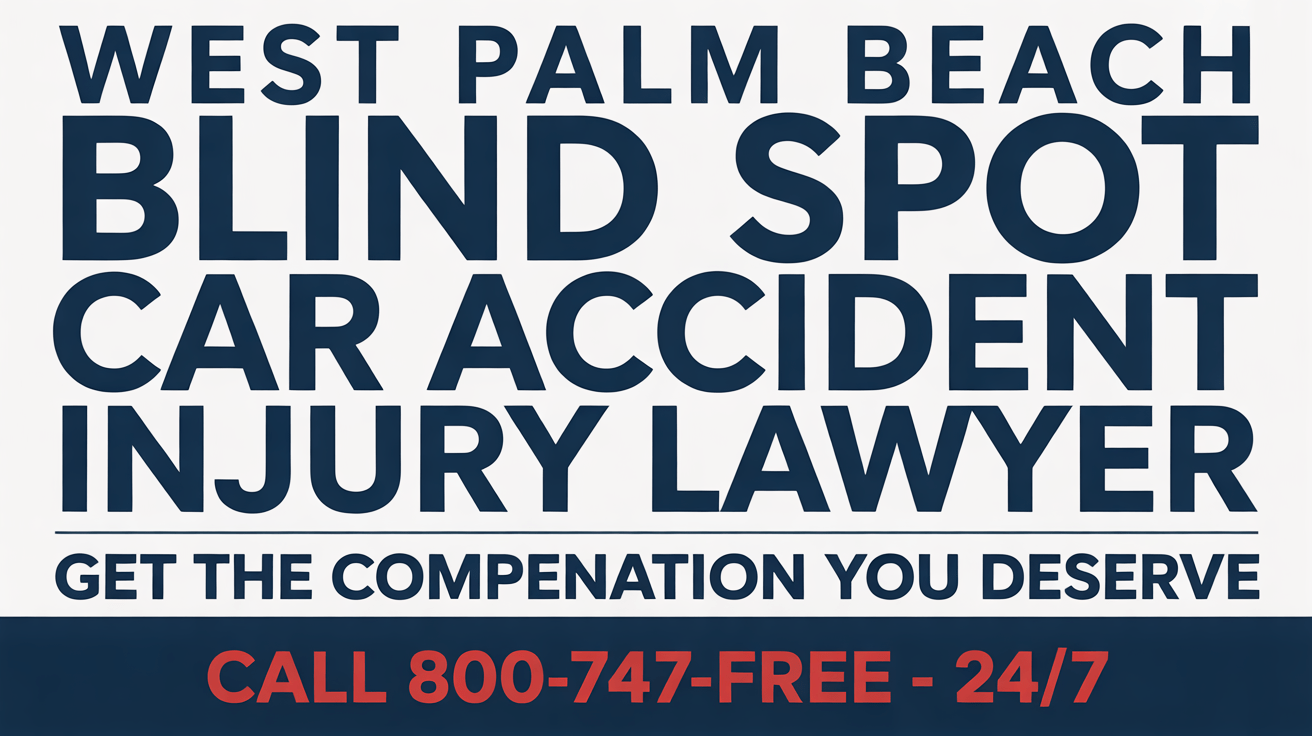
Several common factors contribute to blind-spot car accidents in West Palm Beach, often occurring during routine driving maneuvers.
Improper lane changes, failure to check mirrors, and driver distraction frequently increase the risk of overlooking nearby vehicles. Heavy traffic conditions can further limit visibility and reduce reaction time, making these accidents more likely.
Improper Lane Changes
Triggering many blind-spot collisions, improper lane changes occur when a driver moves laterally without adequately checking adjacent lanes, mirrors, or the surrounding traffic conditions. In busy West Palm Beach traffic, a careless lane change can endanger nearby motorists, passengers, cyclists, and pedestrians who depend on prudent roadway conduct.
This conduct often involves poor judgment of speed, unsafe spacing, poor mirror use, an omitted shoulder check, or excessive reliance on sensors. When drivers shift lanes abruptly, they may sideswipe another vehicle or force evasive action that causes secondary impacts.
Responsible roadway behavior requires patience, signaling, and deliberate observation before movement begins. By understanding how improper lane changes create preventable harm, injured people and their advocates are better equipped to identify negligent conduct and pursue accountability that supports recovery, safety, and service to the wider community.
Failure To Check Mirrors
Overlooking mirrors before changing lanes or merging remains a frequent cause of blind spot crashes in West Palm Beach. When motorists fail to confirm surrounding traffic, they may move into occupied lanes and place nearby drivers, passengers, cyclists, and motorcyclists at serious risk. Proper mirror use helps identify approaching vehicles, yet mirror blindspots can still conceal hazards that require additional caution.
Responsible driving calls for consistent scanning habits before every lateral movement. Drivers who neglect shoulder checks may miss a vehicle traveling alongside them or rapidly approaching from behind. In service to community safety, careful mirror adjustment, deliberate observation, and timely verification of adjacent lanes can prevent avoidable harm.
These simple practices support safer roads, protect vulnerable travelers, and reflect the duty each driver owes to others throughout West Palm Beach every day.
Driver Distraction
Diverted attention frequently contributes to blind-spot collisions in West Palm Beach, particularly when a driver attempts to change lanes while focused on a phone, navigation system, passengers, or other in-vehicle activities. Even a brief lapse can prevent recognition of a nearby vehicle, motorcycle, or bicyclist traveling alongside the car.
Common distractions include smartphone use, adjusting dashboard controls, reaching for objects, and eating, which take a hand off the wheel and eyes off surrounding traffic. When attention shifts inward, a driver may neglect shoulder checks, misjudge spacing, or drift into another lane without warning.
Careful driving protects not only the occupants of one vehicle but everyone sharing the road. For those committed to community safety, minimizing distractions remains a practical and responsible step toward preventing avoidable harm and protecting vulnerable road users.
Heavy Traffic Conditions
In periods of heavy traffic, blind-spot collisions in West Palm Beach become more likely because drivers must navigate limited space, frequent lane changes, and constantly shifting vehicle positions. During rush hour, motorists often focus on the vehicle ahead and fail to monitor adjacent lanes with sufficient care. This reduced awareness can place smaller vehicles, motorcycles, and pedestrians at greater risk.
Lane congestion also limits safe maneuvering room, leaving little time to correct an unsafe merge or drifting movement. When traffic repeatedly slows and accelerates, drivers may make hurried decisions without fully checking mirrors or over-the-shoulder views.
In service to community safety, it is important to recognize that heavy traffic demands patience, disciplined observation, and consistent signaling. These precautions help reduce preventable blind-spot crashes and protect everyone who shares local roads.


Legal Rights of West Palm Beach Blind Spot Car Accident Injury Victims
Protecting the rights of injured motorists after a blind spot collision often requires a clear understanding of Florida law and the insurance process.
Victims in West Palm Beach may pursue compensation for medical expenses, lost income, property damage, and other documented losses.
In West Palm Beach, injured motorists may seek compensation for medical bills, lost wages, property damage, and other documented losses.
Florida’s statutory protections can support access to benefits and civil remedies, while comparative negligence may affect the final recovery if fault is shared.
- Insurance claims: Prompt notice, accurate records, and careful communication may preserve important benefits under applicable coverage.
- Evidence preservation: Photographs, witness statements, medical evaluations, and repair estimates can strengthen a claim and help establish the extent of harm.
- Legal advocacy: Counsel may assist with negotiations, deadlines, and litigation strategy so injured individuals can focus on recuperating and serving their families and communities.
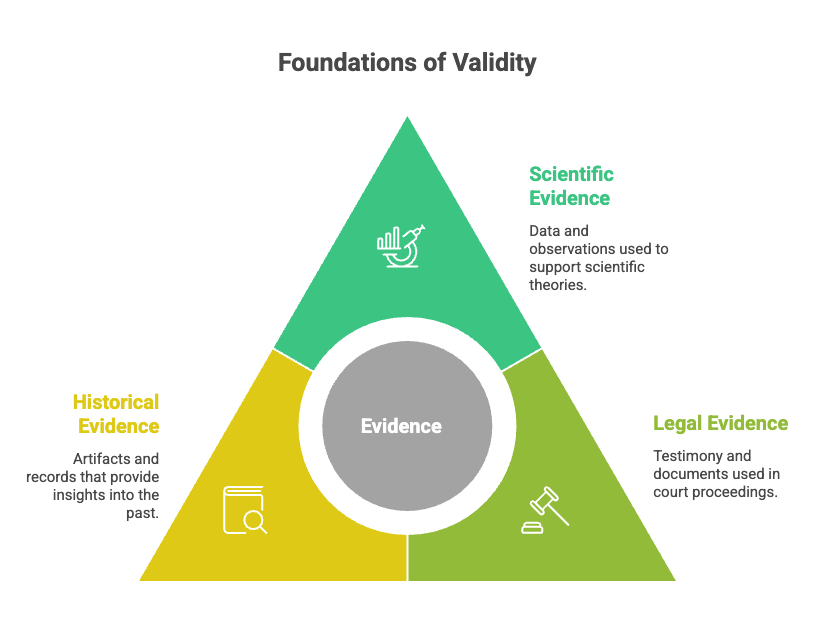
When insurers dispute fault or minimize injuries, timely legal review may help protect rights, encourage accountability, and promote fair resolution under Florida law for all parties involved.
Why Do West Palm Beach Blind Spot Car Accident Injuries Happen?
Blind spot car accident injuries in West Palm Beach often happen when a driver changes lanes, merges, or turns without fully detecting a nearby vehicle, motorcycle, bicycle, or pedestrian occupying an area that is difficult to see through mirrors alone.
These collisions frequently arise from divided attention, heavy traffic, and assumptions that another road user is farther away than reality allows.
Several contributing factors increase the likelihood of harm. Larger vehicles create wider hidden zones, and poor vehicle design can limit sightlines despite mirror adjustments.
Speed differences between cars and smaller road users also narrow the reaction time. In some cases, fatigue, distraction, or failure to check over the shoulder compounds the danger. In others, limited driver education leaves motorists without a clear understanding of how blind spots affect passing, merging, and turning decisions.
Weather, lighting, and roadway congestion can further reduce visibility. A community-minded perspective recognizes that safer habits protect not only drivers but every person sharing West Palm Beach roads.
What Should You Do After a West Palm Beach Blind Spot Car Accident Injury?
After a West Palm Beach blind spot car accident injury, prompt action can protect both health and legal interests.
Priority is generally given to obtaining immediate medical care and preserving evidence at the crash scene, including photographs, witness statements, and official reports.
Early contact with a car accident lawyer may also help guarantee that liability issues, insurance communications, and potential claims are handled appropriately.
Seek Immediate Medical Care
In the hours following a West Palm Beach blind spot car accident, obtaining immediate medical care should be treated as a priority, even when injuries appear minor at first. Prompt evaluation protects health, supports recovery, and helps identify internal injuries, concussions, or soft tissue damage that may worsen without timely attention.
An emergency assessment creates a clear record of symptoms, diagnoses, and recommended treatment, which can later clarify the extent of harm suffered. Following all medical advice, attending follow-up visits, and reporting new symptoms demonstrate a responsible commitment to recuperation and to the well-being of family members who may depend on that recovery.
Medical documentation may also assist with insurance notification by linking the collision to the reported injuries. Early care serves both personal safety and the broader duty of protecting others from preventable complications.
Gather Crash Scene Evidence
Once urgent medical needs have been addressed, attention should turn to preserving evidence at the crash scene whenever conditions allow. Helpful documentation can protect everyone involved and support an accurate understanding of how the blind spot collision occurred. This often includes photograph preservation of vehicle damage, debris patterns, skid marks, traffic signals, lane markings, weather conditions, and visible injuries.
If it can be done safely, identifying responding officers and obtaining the report number may also be useful. A careful exchange of names, contact details, insurance information, and vehicle descriptions should follow. In addition, witness canvassing can help locate impartial observers before they leave the area.
Notes about statements made by drivers or witnesses, the time, and roadway conditions may later assist those working to serve the injured and promote accountability.
Contact A Car Accident Lawyer
Consulting a car accident lawyer promptly can help protect an injured person’s legal and financial interests following a West Palm Beach blind spot collision.
Early legal guidance may preserve evidence, clarify insurance obligations, and prevent statements that could weaken a valid claim.
An attorney can evaluate liability, estimate damages, and manage communications with insurers while the injured person focuses on recovery and supporting loved ones.
Legal counsel may also provide post-accident counseling by explaining procedural steps, documenting losses, and preparing a strong demand.
If the insurer disputes fault or minimizes injuries, the lawyer can address those tactics through informed settlement negotiation.
Prompt representation often improves organization, strengthens advocacy, and helps guarantee that compensation reflects medical needs, lost income, property damage, and the broader impact of the crash.
Critical Evidence in a West Palm Beach Blind Spot Car Accident Injury Case
Establishing liability in a West Palm Beach blind spot car accident injury case often depends on clear, well-preserved evidence that shows how the collision occurred and who failed to act with reasonable care.
The evidentiary record commonly includes the following:
- Police crash reports and eyewitness statements, which can provide an initial account of lane changes, positions, and observed driver conduct.
- Dashcam and video footage may capture vehicle movements, traffic conditions, and the moments immediately before impact.
- Vehicle damage analysis can help illustrate the angle of contact, the force of impact, and whether blind-spot maneuvering likely contributed to the crash.
Police Crash Reports
In the aftermath of a blind-spot collision, the police crash report often serves as foundational evidence in a West Palm Beach injury claim. Prepared in accordance with established police procedures, it may record the officer’s observations, roadway conditions, vehicle positions, witness identities, and any citations issued at the scene.
For those seeking to protect and support injured people, the report can help clarify how the collision occurred and whether a driver failed to check surrounding lanes before merging. It may also document statements that later become important when memories fade. Attention to report timelines matters because prompt review can reveal errors, omissions, or disputed details that should be addressed early.
In many cases, this report helps attorneys, insurers, and courts evaluate responsibility and damages with greater confidence.
Dashcam And Video Footage
While a police crash report can outline the basic facts of a blind spot collision, dashcam and video footage may provide a more direct record of the moments before impact. Such recordings can show lane changes, turn signals, traffic flow, weather, and driver reactions with greater clarity than later recollections.
In a West Palm Beach injury case, attorneys may seek video from dashcams, nearby businesses, residences, or traffic cameras. Prompt footage preservation is often crucial because many systems automatically overwrite data within days. Lawyers may also address dashcam authenticity by confirming time stamps, chain of custody, and whether the recording was altered.
When reviewed carefully, reliable footage can help establish sequence, visibility, and timing, allowing injured individuals and their families to pursue accountability and support others harmed by negligent driving.
Vehicle Damage Analysis
Reveal the damage pattern on each vehicle, and a clearer picture of the blind spot collision often begins to emerge. Investigators compare scrape marks, dent depth, paint transfer, and impact height to determine how the vehicles moved before and during contact. This analysis can show whether a driver merged improperly, drifted out of a lane, or attempted to avoid harm too late.
Repair estimates may also help document force, point of impact, and the likely sequence of events. A thorough structural assessment can identify hidden frame damage, wheel misalignment, or side panel intrusion that supports the physical narrative of the crash.
When carefully preserved and reviewed, vehicle damage evidence serves injured people by grounding a claim in objective facts, helping counsel present a reliable account and pursue accountability with fairness, accuracy, and integrity.
Eyewitness Statements
How can a blind spot collision be understood with greater confidence when the drivers offer conflicting accounts? Eyewitness statements often provide needed perspective, especially when neutral observers describe vehicle positions, turn signals, lane changes, speed, and timing. Their observations can help reconstruct how the collision unfolded and whether a driver failed to check surrounding traffic before moving.
Even so, careful evaluation remains crucial. Investigators and attorneys consider witness credibility by reviewing vantage point, attentiveness, consistency, and possible bias. They also assess memory reliability because stress, distance, lighting, and the passage of time can affect recall.
Promptly recorded statements usually carry greater value than later recollections. When compared with physical evidence, photographs, and electronic data, eyewitness testimony can support a clearer, service-minded pursuit of accountability and fair recovery.
Long-Term Effects of West Palm Beach Blind Spot Car Accident Injuries
Blind spot car accident injuries in West Palm Beach may produce lasting consequences that extend well beyond the initial period of medical treatment.
Many injured individuals face chronic pain challenges and emotional trauma effects that can disrupt daily functioning, personal stability, and overall quality of life. In more serious cases, these conditions may also reduce work capacity, creating ongoing financial and occupational hardship.
Chronic Pain Challenges
Persistence often defines the most difficult aspect of recovery after a West Palm Beach blind spot car accident, particularly when pain continues long after the initial injuries appear to have stabilized.
Chronic discomfort may arise from nerve damage, soft tissue trauma, spinal strain, or joint injury, limiting mobility and reducing daily function.
Effective pain management often requires coordinated medical care, rehabilitative therapy, and consistent monitoring of symptoms over time.
Injured individuals may need lifestyle adjustments involving work duties, household responsibilities, physical activity, and sleep routines.
These changes can affect a person’s ability to support family members, assist others, and participate in community service.
When chronic pain interferes with earning capacity or independence, the long-term burden becomes substantial.
Careful documentation helps demonstrate how persistent symptoms influence treatment needs and future recovery planning.
Emotional Trauma Effects
In the months following a West Palm Beach blind spot car accident, emotional trauma may remain a serious and often overlooked consequence of physical injury. Survivors may experience post-traumatic stress, persistent anxiety, fear while traveling, and difficulty trusting ordinary surroundings. These reactions can affect relationships, daily routines, and a person’s sense of safety, even after visible injuries have mended.
Sleep disturbances are also common, including insomnia, nightmares, and sudden waking. Ongoing fatigue may intensify irritability, sadness, and emotional withdrawal, making compassionate support especially important.
Counseling, trauma-informed care, and consistent encouragement from family, faith communities, and caregivers may help restore stability over time. Careful documentation of these psychological effects can also clarify the full extent of harm and the need for meaningful recovery resources.
Reduced Work Capacity
Many individuals who suffer injuries in a West Palm Beach blind spot car accident face lasting limitations that reduce their ability to work at the same pace, for the same hours, or in the same role as before.
Chronic pain, mobility restrictions, cognitive strain, and ongoing treatment can interfere with concentration, stamina, and attendance. These effects often lead to reduced productivity and make physically demanding or highly focused tasks difficult to sustain.
For those devoted to supporting their families and serving others through their work, diminished job performance can create serious financial and personal consequences. A lower earning capacity may affect promotions, benefits, retirement planning, and long-term stability.
Careful medical documentation, vocational evaluation, and legal guidance can help clarify the full impact of these losses and support a fair recovery process after injury.
Proving Liability in West Palm Beach Blind Spot Car Accident Injury Cases
Establishing liability in a West Palm Beach blind spot car accident injury case requires a careful review of how the crash occurred, what each driver could reasonably see, and whether a traffic law or duty of care was violated. Investigators often examine lane positions, vehicle damage, surveillance footage, witness credibility, and tire marks to reconstruct events and identify unsafe lane changes or failures to signal.
Liability may rest with a driver who moved into another lane without first ensuring it was clear, but each case depends on specific facts. Police reports, photographs, electronic vehicle data, and testimony from accident reconstruction professionals can help clarify speed, timing, and visibility.
Road design, weather, and traffic congestion may also affect whether a driver acted reasonably under the circumstances.
When evidence is carefully preserved and analyzed, injured people and their families are better positioned to understand responsibility, pursue accountability, and seek the support needed to restore stability after a serious collision.
Dealing With Insurance Companies After a West Palm Beach Blind Spot Car Accident Injury
Navigating insurance communications after a West Palm Beach blind-spot car accident injury requires caution, organization, and a clear understanding of how insurers evaluate claims.
Injured individuals are often best served by keeping detailed records of medical care, repair estimates, lost income, and all correspondence, since consistent documentation can protect credibility and support fair treatment.
Insurance adjusters may request statements or broad authorizations that appear routine, yet careful review remains crucial before responding. Clear, accurate facts usually serve a claimant better than speculation or unnecessary detail.
Attention to claim deadlines is equally important because delayed notice or missing documents may weaken available options.
In many situations, policy negotiation involves examining coverage limits, exclusions, and valuation methods while maintaining a respectful, service-minded approach toward all parties.
Thoughtful guidance can help families pursue accountability, preserve financial stability, and remain focused on recovery and the well-being of those who depend on their care each day.
What to Expect During a West Palm Beach Blind Spot Car Accident Injury Claim Process
A West Palm Beach blind spot car accident injury claim generally begins with the initial filing, followed by an investigation into fault and the collection of supporting evidence.
The process also typically includes ongoing medical treatment, as the care timeline can affect both the value and direction of the claim.
Depending on the insurer’s response and the strength of the evidence, the matter may conclude through settlement negotiations or proceed into litigation.
Initial Claim Filing
At the outset, the initial claim filing in a West Palm Beach blind-spot car accident case typically involves notifying the appropriate insurance carriers, gathering basic accident documentation, and identifying the parties involved.
This stage often includes submitting initial paperwork, confirming policy information, and organizing records to support efficient communication.
A service-minded approach values accuracy, timeliness, and respect for everyone affected.
During filing, claimants are generally asked to provide contact details, the date and location of the collision, vehicle information, and a brief description of reported injuries or losses.
Deadline awareness remains important because missed reporting windows can delay claim handling. Many individuals also benefit from keeping copies of all submissions and correspondence, which helps maintain order and encourages a more responsive, well-documented claims process overall.
Fault And Evidence
During the fault and evidence stage, insurers and legal representatives typically examine how the blind spot collision occurred and whether each driver acted with reasonable care under the circumstances.
They often review police reports, vehicle damage, traffic camera footage, and statements from everyone involved. Particular attention may be given to lane changes, signal use, speed, and following distance at the time of impact.
In West Palm Beach claims, witness credibility can materially influence how competing accounts are weighed. Adjusters and attorneys may also consider weather conditions, roadway design, visibility, and potential distractions that affect driver judgment.
A careful review of this evidence helps identify responsibility in a manner that supports fairness, accountability, and informed decision-making for all parties. This stage often shapes negotiation strategy and the overall direction of the claim process.
Medical Treatment Timeline
Once liability and supporting evidence have been assessed, attention often shifts to the injured person’s medical treatment timeline and how that record may affect a West Palm Beach blind spot car accident claim. Prompt evaluation usually begins with emergency care or an urgent appointment, followed by diagnostic testing, consultant referrals, and documented symptoms.
As recovery progresses, providers often establish follow-up schedules to monitor pain, mobility, and functional limits. Consistent attendance can help show that the person is acting responsibly and seeking recovery in good faith.
Records may include therapy notes, imaging results, work restrictions, and medication tracking, each of which can clarify how injuries have affected daily service, family support, and community responsibilities. A clear, organized treatment history often helps others understand the full scope and duration of harm.
Settlement Or Litigation
In many West Palm Beach blind-spot car accident claims, the case proceeds with settlement discussions first, with litigation remaining an option if liability, damages, or insurance valuation cannot be resolved fairly. Counsel typically gathers records, evaluates losses, and presents a demand supported by evidence.
Settlement Timing often depends on medical stability, available coverage, and the insurer’s willingness to negotiate in good faith.
If negotiations stall, a lawsuit may be filed to protect the injured person’s rights and encourage fuller disclosure. During litigation, both sides exchange evidence, take depositions, and assess witness credibility.
A thoughtful Trial Strategy helps clarify disputed facts, measure future damages, and prepare for mediation or trial. Throughout either path, careful communication and disciplined documentation can support a fair outcome that promotes accountability, recovery, and community well-being.
Compensation for West Palm Beach Blind Spot Car Accident Injury Damages
Securing compensation after a blind-spot car accident often requires a careful assessment of every loss associated with the crash. In West Palm Beach cases, this process commonly begins with thorough documentation, including medical records, repair estimates, wage information, and professional opinions. Careful loss valuation helps identify the full impact of the collision, while pain quantification may support a more complete picture of injury-related hardship.
A detached legal review often examines how the accident disrupted daily responsibilities, family support, and the injured person’s ability to continue serving others through work or community involvement. Attorneys may gather witness statements, photographs, expert analyses, and treatment histories to directly link the crash to the claimed harm. Insurance carriers frequently challenge the scope of damages, making organized evidence especially important.
When claims are prepared with precision, they are better positioned for meaningful negotiation or court presentation. A disciplined approach can protect injured individuals from undervaluation and promote fair financial recovery.
Economic vs Non-Economic Damages in West Palm Beach Blind Spot Car Accident Cases
In West Palm Beach blind spot car accident cases, damages are generally divided into economic losses and non-economic harm, each serving a distinct role in a claim for compensation.
Economic damages often include medical expenses, lost income, and other measurable financial costs, while non-economic damages may address pain and suffering, emotional distress, and loss of enjoyment of life.
Establishing the value of either category typically requires supporting evidence, including billing records, employment documentation, medical evaluations, and other evidence linking the losses to the collision.
Economic Damage Categories
Several categories of economic damages may arise in a West Palm Beach blind spot car accident case, each tied to measurable financial loss. These damages often include emergency treatment, hospital bills, rehabilitation expenses, prescription costs, and future medical care supported by records or expert opinion.
Lost wages may also be recoverable when injuries prevent a person from working, attending appointments, or returning to a prior role.
Property loss is another important category, covering vehicle repair costs, replacement value when a car is totaled, and damage to personal items inside the vehicle.
Additional losses may include transportation expenses, household services necessitated by the injury, and reduced earning capacity when long-term limitations affect future employment.
Careful documentation helps present these losses clearly and supports fair financial recovery under Florida law.
Non-Economic Loss Examples
Many losses after a West Palm Beach blind-spot collision do not appear on bills or receipts, yet they may constitute a substantial part of a personal injury claim. These non-economic harms reflect the human impact of an injury and the ways daily life can change after a serious crash.
Examples often include pain and suffering, emotional distress, anxiety, inconvenience, and loss of enjoyment of ordinary activities. An injured person may also experience sleep disruption, humiliation from visible scarring, or strain within close family relationships.
In some cases, spouses may face loss of companionship, guidance, or affection when injuries alter the injured person’s ability to participate fully at home. Recognizing these losses can help families seek accountability and support care, stability, and dignity during recovery after a preventable collision.
Proving Damage Value
Establishing the value of damages in a West Palm Beach blind spot car accident case requires more than listing injuries or submitting a stack of bills. It involves linking each loss to the collision through records, testimony, and credible analysis that reflects the claimant’s true needs.
Economic damages often include medical costs, rehabilitation expenses, lost income, and reduced earning capacity. Non-economic damages address pain, emotional distress, disability, and diminished quality of life.
Courts and insurers may examine the apportionment of damages when prior conditions or multiple parties affect responsibility. In more complex matters, expert valuation may be used to assess future treatment needs, vocational limitations, and long-term personal impact.
Careful proof supports fair compensation, helping injured individuals secure resources needed for recovery while preserving accountability and encouraging safer conduct on West Palm Beach roadways.
When a West Palm Beach Blind Spot Car Accident Injury Case Goes to Trial vs Settlement
Determining whether a West Palm Beach blind spot car accident injury case proceeds to trial or resolves through settlement depends on the strength of the evidence, the extent of the injuries, and the parties’ willingness to negotiate in good faith.
In many claims, settlement negotiation is preferred because it can reduce delays, control costs, and provide injured people with resources sooner, allowing them to focus on recovery and support for loved ones.
A case may move toward a jury trial when liability is disputed, damages are minimized, or an insurer refuses to offer fair compensation.
Trial preparation often requires witness testimony, medical records, accident reconstruction, and clear proof of how the collision affected daily life and future care needs.
Although a trial can involve more time and uncertainty, it may be necessary when responsible parties do not act reasonably.
Careful evaluation of risks, evidence, and community impact helps determine which path best serves the injured person’s interests and long-term well-being.
Florida Laws That May Affect Your West Palm Beach Blind Spot Car Accident Case
Beyond questions of settlement or trial, the outcome of a West Palm Beach blind-spot car accident case may also be shaped by several Florida laws governing insurance coverage, fault, filing deadlines, and the recovery of damages.
Florida’s no-fault system often requires injured people to first seek benefits through personal injury protection, regardless of who caused the crash. Comparative negligence rules may then reduce compensation if an injured person is found partly responsible, making factual investigation especially important.
Florida law can shape blind-spot accident claims through no-fault insurance, comparative negligence, and compensation deadlines.
- Insurance laws can affect payment for medical care, lost income, and vehicle damage after a blind spot collision.
- Fault rules may consider lane changes, signaling, Driver education, and whether Safety technology was available or properly used.
- Damage laws can influence what compensation may be pursued for hardship, treatment needs, and the effect on a family’s ability to serve and support others.
These legal standards often shape strategy, evidence gathering, and expectations throughout the claim process.
The Statute of Limitations for West Palm Beach Blind Spot Car Accident Injury Cases
In Florida, the time allowed to file a lawsuit can directly affect a West Palm Beach blind-spot car accident injury claim, regardless of how clear the fault may appear. Missing applicable filing deadlines may prevent an injured person from seeking compensation through the court system, even when medical records and witness statements support the case.
Because limitation periods can vary by claim type, careful attention to the nuances of the statute is crucial. A personal injury action may be governed by one deadline, while a wrongful death claim or a claim involving a government entity may be governed by different rules and notice requirements. Certain facts, such as delayed discovery of injuries or the age of the injured person, may also affect how the law is applied.
Prompt action helps preserve evidence, protects the integrity of witness testimony, and supports responsible planning for medical and financial needs. For families focused on service and recovery, understanding these timing rules remains an important part of protecting legal rights.
How a West Palm Beach Blind Spot Car Accident Injury Lawyer Can Help You
After a blind-spot collision in West Palm Beach, legal representation can play a central role in protecting an injured person’s claim and coordinating the steps needed to pursue compensation. A lawyer may evaluate fault, gather records, and communicate with insurers so the injured person can focus on recuperation and continued service to family, work, and community.
- Investigating the crash: Counsel may obtain reports, witness statements, camera footage, and repair data to determine whether unsafe lane changes, poor driver training, or limits in vehicle technology contributed to the collision.
- Documenting losses: Counsel may assemble medical evidence, wage information, and expert opinions to present a clear account of physical, financial, and personal harm.
- Advocating for fair recovery: Counsel may handle negotiations, address disputed liability, and prepare a case for litigation if necessary, aiming to secure resources that support treatment, stability, and the injured person’s ability to keep serving others well.
When to Contact a West Palm Beach Blind Spot Car Accident Injury Lawyer
Early-stage legal guidance is often advisable when a blind spot collision results in injury, disputed fault, or significant property damage. Immediate consultation may also be appropriate when insurers request statements, medical treatment is ongoing, or witnesses must be identified quickly. Prompt action can help preserve records, photographs, electronic data, and repair estimates that may support a fair recovery.
Contact may also be warranted when injuries initially appear minor but worsen over time, making documentation more important. Claim timing matters because Florida deadlines, notice requirements, and insurance procedures can affect the path forward.
Families focused on protecting a loved one and maintaining stability often benefit from learning their options before speaking extensively with adjusters.
A lawyer may be contacted after a hospital visit, after receiving a liability denial, or after discovering that multiple vehicles were involved. In each situation, timely guidance can help injured people make informed decisions while continuing to care responsibly for themselves and others.
Why You Need an Experienced West Palm Beach Blind Spot Car Accident Injury Lawyer
For victims of blind-spot collisions, experienced legal representation can be vital because these cases often involve contested liability, conflicting witness accounts, and insurers’ efforts to minimize the value of a claim.
An attorney with Experienced counsel can investigate lane changes, vehicle positioning, road design, and driver conduct to build a clear account of what occurred. This support helps protect injured people and the families who depend on them.
In West Palm Beach, Local know-how also matters. Familiarity with regional traffic patterns, dangerous intersections, nearby medical providers, and local court procedures can strengthen a claim and improve case preparation. Skilled legal advocacy can preserve evidence, coordinate expert analysis, calculate present and future losses, and manage communications with insurers.
By addressing these tasks with care and discipline, counsel allows injured individuals to focus on treatment, stability, and service to others while a structured claim advances toward fair compensation and meaningful accountability under Florida law.
How to Choose the Right West Palm Beach Blind Spot Car Accident Injury Lawyer for Your Case
Selecting the right West Palm Beach blind spot car accident injury lawyer requires careful attention to experience, case focus, and professional judgment. An informed choice begins with reviewing the attorney’s track record in handling collision claims involving lane changes, visibility failures, and serious injuries. Consistent results, clear communication, and knowledge of Florida procedures often indicate dependable representation.
Prospective clients should compare firms by conducting client interviews, assessing attorney availability, and evaluating responsiveness to urgent concerns. A lawyer who listens carefully, explains options plainly, and respects the client’s goals may be better equipped to serve both legal and practical needs.
It is also important to examine fee structures, including contingency terms, litigation costs, and how expenses are explained before representation begins.
Strong legal counsel should demonstrate preparation, integrity, and a willingness to investigate thoroughly. By selecting a lawyer with relevant experience and a service-centered approach, injured individuals can pursue accountability while protecting their recovery, financial stability, and peace of mind after a crash.
About The Law Offices of Anidjar & Levine
With a client-focused approach and substantial experience in personal injury litigation, The Law Offices of Anidjar & Levine represents individuals injured in West Palm Beach blind spot car accidents and other serious motor vehicle collisions.
The firm assists clients with case evaluation, insurance communications, evidence gathering, and litigation strategy, while maintaining steady communication throughout the legal process.
The office emphasizes responsive service and practical guidance, recognizing that injured people often need dependable advocacy during difficult periods.
Its Office history reflects a commitment to representing accident victims across Florida with diligence and professionalism.
Attorneys and staff work to pursue compensation for medical expenses, lost income, property damage, and other related losses under applicable law.
Client testimonials frequently describe accessible support, timely updates, and careful attention to individual concerns.
For those seeking legal representation grounded in service, accountability, and informed advocacy, The Law Offices of Anidjar & Levine offers a structured, experienced option in West Palm Beach for injured drivers and passengers.
Frequently Asked Questions
Can Dashboard Camera Footage Help Prove a Blind Spot Accident Claim?
Yes, dashboard camera footage can help prove a blind spot accident claim by showing vehicle positions, lane changes, signaling, speed, and driver reactions before impact.
Through careful analysis of footage, dashcam evidence may clarify whether a driver failed to check a blind spot or merged unsafely.
It can also support witness accounts, challenge inaccurate statements, and assist insurers, attorneys, and courts in determining fault while serving the interests of injured parties.
Are Rental Car Accidents in Blind Spot Crashes Handled Differently?
Yes, they can be handled differently because rental liability and insurance coverage often involve added contracts, company policies, and multiple insurers.
A careful review is usually needed to determine whether the driver’s policy, the rental company’s coverage, or a credit card benefit applies.
The fault in the blind spot crash is still analyzed under standard negligence principles.
Prompt reporting and thorough documentation help protect all parties and support fair, service-minded claim resolution.
Can Poor Road Design Contribute to a Blind Spot Collision Claim?
Yes, poor road design can contribute to a blind spot collision claim when it creates unreasonable driving hazards.
Factors such as inadequate signage, obstructed sightlines, confusing lane markings, or unsafe merge areas may support an argument that roadway conditions helped cause the crash.
A careful investigation may identify whether a public entity, contractor, or property owner failed in a duty to maintain safer conditions for those using the road.
What if the Other Driver Was in a Company Vehicle?
If the other driver was operating a company vehicle, the claim may extend beyond the individual driver to the employer.
Under vicarious liability, an employer can be responsible for negligent acts committed within the scope of employment. Employer liability may also arise from negligent hiring, training, or supervision.
A careful investigation helps identify all responsible parties, supporting a fuller recovery and promoting accountability for those affected by the collision.
Do Blind Spot Warning Systems Affect Liability in Accident Cases?
Yes, blind-spot warning systems can affect liability, but they rarely decide a case on their own.
Courts and insurers still focus on driver awareness, safe lane changes, and overall conduct.
A system alert may support a claim that a hazard was detectable, while sensor reliability may be called into question if weather, damage, or malfunction interfered.
Liability usually turns on whether a reasonably careful driver acted responsibly to protect others on the road.
—————————
Blind-spot collisions can cause serious injuries, disputed liability, and significant financial loss.
Victims in West Palm Beach benefit from understanding their legal options and acting promptly to protect important evidence and deadlines.
With informed legal guidance, they may pursue compensation for medical expenses, lost income, and other damages caused by another driver’s negligence.
The West Palm Beach Car Accident Lawyer at The Law Offices of Anidjar and Levine represents injured individuals with focused advocacy and practical support throughout the claims process and litigation.