Law Offices of Anidjar and Levine helps victims protect evidence, document injuries, and build a claim that reflects the full impact of a side-impact crash. Legal counsel can gather witness statements, review police and medical records, carefully address insurer requests, and pursue compensation for treatment costs, lost income, property damage, and pain and suffering.
Prompt guidance from a Fort Myers Car Accident Lawyer also helps prevent missed deadlines, harmful statements, and undervalued settlements. The sections below explain these issues in greater detail.
Main Takeaways
- Get immediate medical care after a Fort Myers T-bone crash and follow all treatment recommendations to protect your health and document injuries.
- Preserve evidence by photographing the scene, vehicle damage, signals, skid marks, and collecting witness names, officer details, and crash location information.
- A Fort Myers T-bone accident lawyer can handle insurers, organize records, and protect you from harmful recorded statements or broad authorization requests.
- Proving liability often requires reviewing police reports, traffic signals, vehicle damage, witness accounts, surveillance footage, and sometimes accident reconstruction experts.
- Compensation may include medical expenses, lost income, property damage, pain, and long-term limitations caused by serious side-impact injuries.


How We Can Help With Your Fort Myers T-Bone Car Accident Injury Claim
After a Fort Myers T-bone collision, effective legal representation can play a central role in protecting an injured person’s right to compensation. A law firm can provide steady guidance from the outset, helping families focus on recovery while important claim tasks are managed with care. This support often begins with preserving records, gathering witness information, and coordinating documentation tied to Emergency response efforts and immediate medical treatment.
Counsel can also communicate with insurers, organize evidence of losses, and present a clear demand that reflects the full impact of the crash. Through careful Insurance negotiation, attorneys work to reduce delays, challenge unfair tactics, and seek a result that honors the injured person’s needs and future stability. When service to others matters, this kind of representation offers practical help and dependable advocacy. It allows injured people to make informed decisions, protect their financial well-being, and move forward with greater confidence and security.
OUR CONSULTATIONSARE FREE
START YOUR FREE CASE REVIEW

Understanding Fort Myers T-Bone Car Accident Injury Cases
In Fort Myers, T-bone car accident injury cases often involve complex questions of fault, causation, and damages because these collisions commonly occur at intersections where drivers owe strict duties to observe signals, yield the right of way, and maintain proper lookout. Careful case evaluation serves injured people and their families by determining whether a legal breach directly caused physical harm, financial loss, and ongoing limitations.
These matters frequently require a close review of police reports, witness statements, medical records, vehicle damage, and evidence at the scene. Attorneys and experts may examine injury biomechanics to connect the direction and force of impact with specific trauma, including head, neck, chest, or spinal injuries.
They may also assess intersection design, visibility conditions, signal timing, and lane configuration to understand how the collision environment affected perception and response. A thorough understanding of these issues helps support truthful claims, encourages accountability, and promotes resources that may assist recovery, rehabilitation, and long-term community well-being after serious crashes.
Common Causes of Fort Myers T-Bone Car Accidents
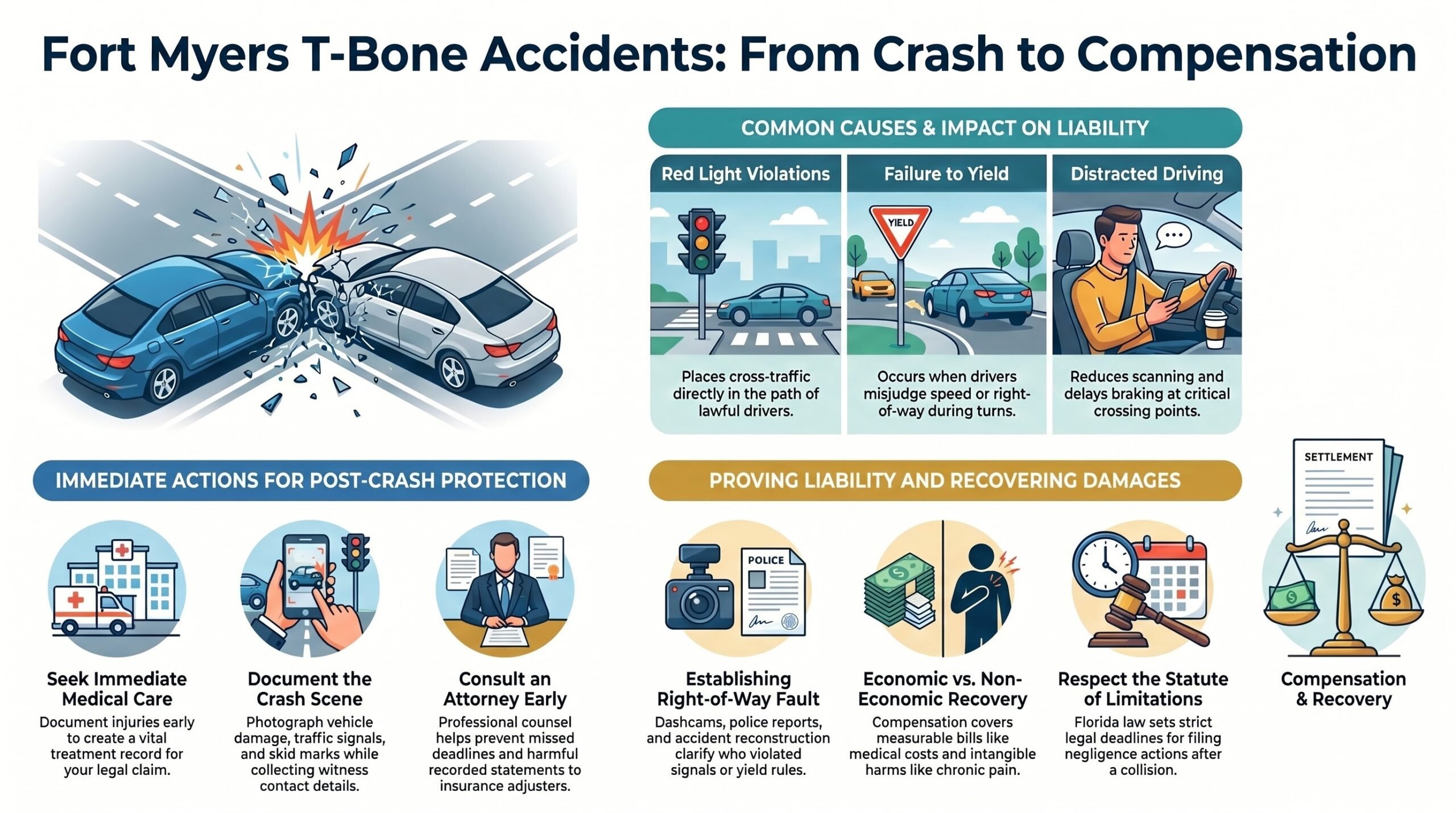
Several recurring factors are often associated with Fort Myers T-bone collisions, particularly at intersections where split-second decisions can produce severe consequences. Common causes include red-light violations, failure to yield the right of way, distracted driving, and impaired-driver negligence. A clear understanding of these causes helps explain how liability may arise and why these accidents frequently result in serious injury.
Red Light Violations
Triggering many of Fort Myers’ most serious T-bone collisions, red light violations place cross-traffic directly in the path of a vehicle that has the legal right of way. These crashes often occur at busy intersections where speed, distraction, impatience, or impaired judgment prevent a driver from stopping safely when the signal changes.
Because side-impact protection is limited compared with front and rear crash structures, occupants frequently suffer severe injuries. Public safety efforts, including traffic cameras and targeted pedestrian enforcement, are intended to deter dangerous signal violations and encourage safer driving habits. Evidence from witness statements, intersection timing data, vehicle damage, and surveillance footage can help clarify how the violation occurred. Careful accountability supports injured people, promotes community protection, and reinforces the shared duty to approach every intersection with caution and respect.
Failure To Yield
Failure to yield is another frequent cause of Fort Myers T-bone collisions, particularly at intersections where one driver misjudges right-of-way rules or the speed of approaching traffic. These crashes often occur when motorists turn left, enter from side streets, or proceed after stop signs without allowing sufficient space for others.
Even with clear intersection signage, a moment of poor judgment can place families, pedestrians, and fellow drivers at serious risk. Communities committed to protecting others benefit when motorists approach intersections with patience, caution, and respect for shared roadway duties. Stronger driver education can reinforce obligations to yield, improve decision-making, and reduce preventable harm. When a driver fails to yield, the resulting side-impact collision may cause severe injuries, significant property damage, and lasting burdens for those working to support and care for loved ones.
Distracted Driving Errors
Distracted driving contributes significantly to Fort Myers T-bone collisions, especially at intersections where drivers must quickly read traffic signals, gauge oncoming traffic, and respond to changing conditions. When attention shifts even briefly, a driver may enter a crossing without noticing another vehicle’s lawful path. Common distractions include smartphone distraction, adjusting navigation, reaching for objects, and inattentive eating during routine travel. These behaviors reduce scanning, delay braking, and impair sound judgment at moments requiring careful awareness.
In service-minded communities, roadway safety depends on each driver protecting others through consistent focus and responsible conduct. A motorist who looks away from the road for only a few seconds can cause serious side-impact injuries to occupants, pedestrians, and cyclists. Careful driving habits help preserve public safety and prevent avoidable intersection tragedies for everyone.
Impaired Driver Negligence
Impaired driving remains a serious cause of Fort Myers T-bone collisions, particularly at intersections where safe passage depends on clear judgment, timely perception, and proper reaction. Alcohol, illegal drugs, and certain medications can slow decision-making, distort distance assessment, and reduce the ability to yield or stop safely. When a driver enters an intersection while impaired, the risk of a violent side-impact crash rises substantially, often leaving occupants with severe injuries.
In civil claims, evidence of impaired driving may include toxicology results, arrest records, witness observations, and surveillance footage. This evidence can shape liability analysis and influence jury perceptions regarding recklessness and preventable harm. A careful legal review helps injured individuals and families pursue accountability, support recovery, and encourage safer conduct throughout the Fort Myers community overall.


Legal Rights of Fort Myers T-Bone Car Accident Injury Victims
Accountability often begins with a clear understanding of the legal rights available after a serious side-impact collision. In Fort Myers, injured occupants may pursue compensation for medical costs, lost income, pain, and other harms when another party’s negligence caused the crash. These rights can extend to claims against drivers, employers, vehicle owners, or other responsible entities. Timely Insurance notice may affect access to benefits, while filing deadlines and Statute exceptions can influence whether a claim remains viable under Florida law.
Understanding your legal rights after a Fort Myers side-impact collision can be essential to preserving compensation and holding negligent parties accountable.
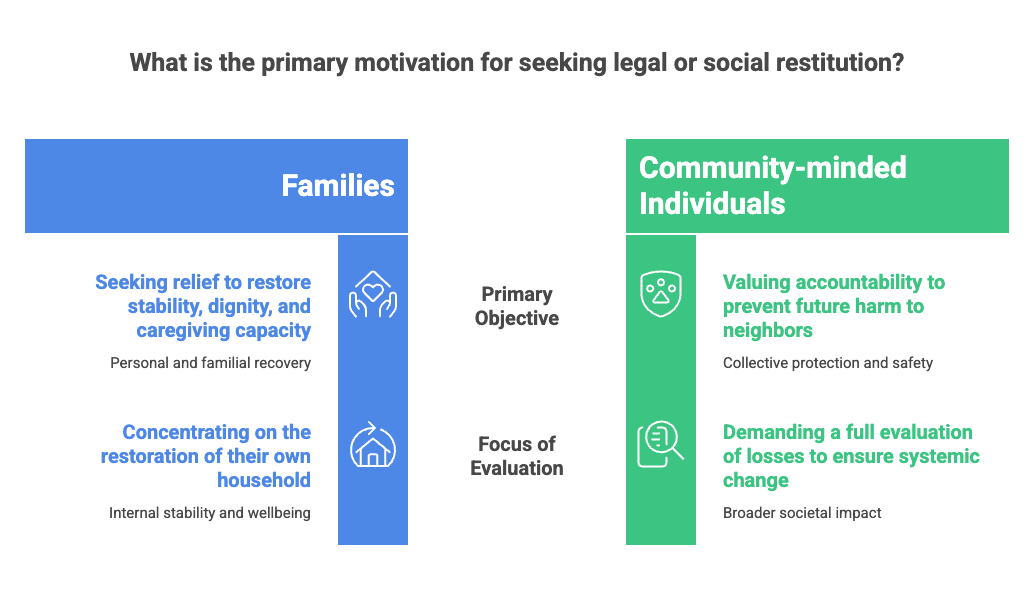
- Families may seek relief that helps restore stability, dignity, and the ability to care for others.
- Victims often have the right to demand a full evaluation of current losses and future needs.
- Community-minded individuals may value accountability because it can protect neighbors from similar preventable harm.
A careful legal review can clarify comparative fault issues, available insurance coverage, and recoverable damages, allowing injured people to understand their options with confidence and purpose.
Steps to Take After a Fort Myers T-Bone Car Accident Injury
After a Fort Myers T-bone car accident injury, prompt medical evaluation is vital to protect both health and any future claim. It is also important to document the crash scene thoroughly, including vehicle damage, visible injuries, and any surrounding road conditions or traffic signals. Once immediate concerns are addressed, contacting a car accident lawyer can help guarantee that evidence is preserved and legal options are properly assessed.
Seek Immediate Medical Care
Prioritize a prompt medical evaluation, even when injuries appear minor, because T-bone collisions often cause internal trauma, head injuries, and soft tissue damage that may not be immediately obvious. Accepting Emergency transport from paramedics can protect health and guarantee rapid assessment by qualified professionals. Immediate care also creates a clear treatment record, which may become important when addressing the full impact of the collision.
Those assisting an injured person should encourage honest reporting of symptoms, including dizziness, pain, numbness, confusion, or restricted movement. Physicians may recommend imaging, medication, consultant referrals, or observation based on the mechanism of injury. Care should not end after the first visit. Follow-up appointments help monitor delayed symptoms, support recovery, and demonstrate a responsible commitment to well-being, service, and long-term safety for everyone involved afterward.
Document The Crash Scene
Capture the crash scene as thoroughly as conditions allow, because early documentation can preserve important facts before vehicles are moved, debris is cleared, or roadway conditions change. If it is safe to do so, a person should begin photographing evidence from several angles, including vehicle damage, skid marks, traffic signals, lane positions, visible injuries, and weather conditions. Clear images can support an accurate understanding of how the collision occurred.
Helpful documentation also includes the time, location, road layout, and names of responding officers. When possible, respectful collection of witness statements may identify details that drivers overlook in the immediate aftermath. Notes should remain factual, brief, and organized. By carefully preserving these observations, an injured person may better assist medical providers, insurers, and others working to address needs, protect well-being, and support an informed recovery process.
Contact A Car Accident Lawyer
Once immediate medical needs are addressed and the crash scene has been documented, contacting a car accident lawyer can help protect a person’s legal and financial interests. Counsel may evaluate liability, preserve evidence, and manage communications with insurers so the injured person can focus on recovery and family responsibilities.
A lawyer may also identify losses that are often overlooked, including future care costs, lost income, pain and suffering, and property damage. When medical treatment raises concerns about avoidable errors, counsel can determine whether related issues, such as medical malpractice, should be examined separately. Early legal guidance helps prevent missed deadlines, harmful statements, and undervalued settlements.
By pursuing fair compensation with diligence and integrity, an attorney supports accountability and helps secure resources needed for restoration, stability, and continued service to others.
How a Fort Myers T-Bone Car Accident Injury Lawyer Can Help You
A Fort Myers T-bone car accident injury lawyer provides case-specific guidance that can help an injured person protect legal rights, document losses, and pursue compensation from the responsible party. Counsel often begins by preserving evidence, securing witness statements, coordinating vehicle forensics analysis, and reviewing insurance communications for inconsistencies.
The attorney may also connect families with practical support, including post-crash counseling, so recovery efforts can proceed with dignity and stability.
- Clear direction can relieve uncertainty, allowing injured people to focus on caring for loved ones and meeting daily responsibilities.
- Thorough preparation can expose negligence, giving a harmed person a fair opportunity to seek accountability and financial relief.
- Steady advocacy can reduce pressure from insurers, helping families feel heard, respected, and better equipped to make informed decisions.
Long-Term Effects of Fort Myers T-Bone Car Accident Injuries
T-bone collision injuries may produce consequences that extend well beyond the initial recovery period. Many individuals experience chronic pain, lasting emotional trauma, and a reduced ability to manage routine daily activities without assistance or limitation. These long-term effects often influence medical needs, employment stability, and overall quality of life for an extended period.
Chronic Pain Challenges
Many Fort Myers T-bone accident victims experience chronic pain that continues long after fractures, soft tissue injuries, or spinal trauma appear to have mended. Lingering discomfort may stem from nerve damage, joint instability, scar tissue, or altered movement patterns that place ongoing stress on the body. Some individuals face neuropathic flare-ups, reduced mobility, disrupted sleep, and difficulty completing work, caregiving, or community responsibilities.
Effective care often requires coordinated treatment, including medical evaluation, physical therapy, medication management, and practical pain coping strategies tailored to daily demands. Consistent documentation of symptoms and functional limits can help families, caregivers, and advocates understand the full burden of these injuries. When chronic pain is recognized early and addressed responsibly, injured people are better positioned to preserve independence, maintain service to others, and pursue meaningful long-term recovery with dignity.
Lasting Emotional Trauma
Aftermath often extends beyond visible injuries, affecting emotional recovery in ways that can persist for months or years after a Fort Myers T-bone collision. Survivors may experience fear, vigilance, sleep disturbance, and post-traumatic symptoms that arise unexpectedly during ordinary routines or when traveling through similar intersections.
Such trauma can strain relationships, alter a person’s sense of safety, and complicate the healing environment for loved ones seeking to provide steady care. Professional support may include trauma-informed therapy, structured coping strategies, and family counseling designed to strengthen communication and reduce isolation.
Early recognition is often important, because unaddressed emotional harm may deepen over time and interfere with compassionate caregiving within the household. A careful legal evaluation may also consider these enduring psychological consequences when evaluating the full impact of a serious collision.
Reduced Daily Function
Over time, serious injuries from a Fort Myers T-bone collision may substantially reduce a person’s ability to manage ordinary daily tasks without assistance. Activities once handled independently, such as bathing, cooking, driving, or caring for family members, may become difficult or unsafe. Reduced mobility often limits a person’s ability to move through the home, attend appointments, or return to prior routines consistently.
These limitations can also affect employment, volunteer service, and community involvement, leading to diminished productivity and greater dependence on others. For individuals committed to supporting loved ones or serving their communities, this loss of function may alter identity and purpose. In many cases, long-term medical care, rehabilitation, and household support become necessary, placing added strain on caregivers while underscoring the lasting consequences of a severe side-impact crash.
Proving Liability in Fort Myers T-Bone Car Accident Injury Cases
Establishing liability in a Fort Myers T-bone car accident injury case requires a careful review of how the collision occurred and which driver failed to yield the right of way. Courts and investigators examine traffic signals, skid marks, vehicle damage, and road conditions to identify the sequence of events. Witness credibility can be highly important when accounts differ, especially at busy intersections where several drivers or pedestrians observed the impact.
Accident reconstruction may also help clarify speed, point of impact, and each vehicle’s path before contact. Police reports, surveillance footage, and electronic vehicle data often provide objective support for the injured person’s claim. In many cases, liability turns on whether one driver ignored a red light, stopped improperly, or entered the intersection without sufficient clearance.
A thorough presentation of evidence serves the broader goal of accountability, helping injured people pursue relief while encouraging safer driving practices throughout the Fort Myers community for all residents.
Dealing With Insurance Companies After a Fort Myers T-Bone Car Accident Injury
Once liability evidence begins to take shape, attention often turns to the insurance process, where injured parties must present their claims carefully and respond to company inquiries with caution. Adjusters may request recorded statements, medical authorizations, or broad access to personal information, yet careful documentation and measured communication often protect the integrity of the claim.
Those assisting injured people in Fort Myers often emphasize organized records, accurate medical updates, and prompt notice of losses. Insurers may employ negotiation tactics designed to limit payouts, question treatment needs, or shift blame between drivers. A premature settlement can leave families carrying costs that should have been addressed. Consistent reporting, preserved receipts, and clear descriptions of daily limitations may strengthen credibility.
When a claim denial occurs, the reasons given should be reviewed closely for missing documents, disputed facts, or unsupported conclusions. Thoughtful advocacy helps injured individuals serve their households well, protect financial stability, and seek fair consideration without unnecessary conflict or avoidable misunderstanding.
What to Expect During a Fort Myers T-Bone Car Accident Injury Claim Process
A Fort Myers T-bone car accident injury claim typically begins with the initial filing, followed by an insurance investigation into fault, damages, and policy coverage. The process often includes a careful review of medical records, treatment history, and other evidence used to establish the extent of the injuries and their connection to the crash. Depending on the strength of the evidence and the insurer’s response, the matter may conclude through settlement negotiations or proceed to a lawsuit.
Initial Claim Filing
At the outset of a Fort Myers T-bone car accident injury claim, the injured party typically reports the collision to the applicable insurance carrier and submits basic information about the crash, the involved drivers, and the resulting injuries. This early notice helps preserve rights and supports an orderly process focused on accountability and care.
Initial filing often includes contact details, policy numbers, medical providers, photographs, and the police report. Accurate records are important because inconsistencies can delay progress or weaken the presentation of losses. Attention to claim deadlines is also vital, since missed time limits may affect available benefits or legal options. Many injured individuals also keep copies of bills, repair estimates, wage information, and correspondence. Organized documentation allows those assisting the injured party to respond efficiently while maintaining a service-minded, responsible approach.
Insurance Investigation Steps
Expect the insurance investigation to begin with a careful review of the crash report, policy information, photographs, medical records, and statements from the involved parties and any witnesses. Adjusters then compare timelines, roadway details, vehicle positions, and coverage terms to identify disputed facts and confirm available benefits.
They may inspect the vehicles, request recordings of interviews, and evaluate whether traffic signals, visibility, speed, or right-of-way issues contributed to the collision. In more intricate cases, insurers may consult forensic reconstruction experts to clarify impact angles and sequence of events.
Internal claims auditing may also occur to make certain procedures are followed and documentation remains complete. Throughout this stage, prompt cooperation, accurate records, and respectful communication often help support an orderly process that serves all parties and promotes a fair, timely claim evaluation.
Medical Evidence Review
Once insurers and parties have gathered the basic facts of the collision, attention often turns to the medical evidence supporting the injury claim. This stage focuses on documenting how the T-bone impact affected the injured person’s body, function, and daily responsibilities. Adjusters and counsel typically examine medical records, physician notes, emergency evaluations, therapy reports, and prescription histories for consistency and timing.
An imaging review may also be conducted to assess X-rays, CT scans, or MRIs for fractures, disc injuries, or soft-tissue damage. Providers may be asked to clarify prognosis, treatment needs, and whether preexisting conditions were aggravated by the crash. Careful review helps make certain that those seeking accountability can present a clear picture of harm, promote appropriate care, and support a claim grounded in objective findings and service to others.
Settlement Or Lawsuit
Evaluate the options carefully, because many Fort Myers T-bone collision claims resolve through settlement discussions, while others proceed into formal litigation when liability, damages, or insurance limits remain disputed.
Attorneys generally assess medical records, crash reports, witness statements, and policy terms before recommending a course of action. A negotiated resolution may shorten the settlement timeline and reduce stress for injured people and their families. However, an insurer may undervalue losses or deny fault, making a lawsuit necessary to pursue fair compensation.
Litigation can involve discovery, depositions, motions, mediation, and possibly trial, all of which affect scheduling and lawsuit costs. Careful guidance helps claimants make informed choices that protect recovery and future stability. Each case turns on the strength of the evidence, available coverage, and whether the opposing side acts reasonably during negotiations and pretrial proceedings.
Compensation for Fort Myers T-Bone Car Accident Injury Damages
Accountability often begins with a clear assessment of the losses caused by a T-bone collision. In Fort Myers cases, compensation may address immediate treatment costs, rehabilitation, prescription expenses, transportation to appointments, property loss, and necessary household support during recovery. A careful review also considers medical liens, which can affect the net amount an injured person ultimately receives after a claim resolves.
A thorough claim evaluation may also account for diminished work capacity, lost employment time, and future earnings when injuries result in lasting limitations. Supporting records, expert opinions, and consistent documentation help establish the connection between the crash and each claimed loss. This process serves not only the injured person, but also family members who depend on stability and continued care.
By identifying the full financial impact early, legal counsel can pursue compensation that reflects the practical burdens created by the collision and promotes a more secure recovery path for those affected throughout the claims process.
Economic vs Non-Economic Damages in Fort Myers T-Bone Car Accident Cases
In Fort Myers T-bone car accident cases, damages are generally divided into economic and non-economic categories, each addressing a different type of loss. Economic damages typically include measurable financial harm, such as medical expenses, lost income, and property damage, while non-economic losses concern pain and suffering, emotional distress, and reduced quality of life. Establishing the value of either category often depends on records, expert opinions, and other evidence that supports the extent and impact of the injury.
Economic Damages Explained
Clarity is essential when distinguishing the types of compensation that may arise after a Fort Myers T-bone collision. Economic damages refer to measurable financial losses caused by the crash. These commonly include emergency care, hospitalization, rehabilitation, prescriptions, property repair, and other out-of-pocket costs directly tied to treatment and recovery.
Proper proof often determines the strength of an economic damages claim. Records such as medical billing, receipts, repair estimates, tax returns, and wage documentation help show what the injured person has already lost and may continue to lose. When injuries limit employment, compensation may also address reduced earning capacity and future medical needs, as supported by a professional evaluation. A careful review of these losses helps families, caregivers, and advocates pursue resources that protect stability and promote responsible recovery after a serious collision.
Non-Economic Losses Overview
Financial losses describe only part of the harm caused by a Fort Myers T-bone collision. Non-economic losses address the human impact that follows serious injury, including physical pain, emotional distress, inconvenience, and the reduced ability to participate in daily routines. They recognize that recovery often affects relationships, sleep, confidence, and overall enjoyment of life.
In service-minded communities, these losses matter because an injured person’s well-being influences family stability, caregiving, and the ability to contribute to others. Non-economic damages may also reflect lasting discomfort, anxiety while traveling, scarring, or diminished independence.
Although pain valuation is a recognized concept in injury law, non-economic losses are not limited to a single experience. Instead, they represent the broader personal consequences that a collision can impose long after immediate medical needs have begun to stabilize.
Proving Damage Value
Accuracy governs how damage value is established after a Fort Myers T-bone collision, because compensation must be tied to credible proof rather than assumption. Economic damages are usually shown through medical bills, wage records, repair invoices, and expert damage appraisal findings. Non-economic damages require different forms of support, including treatment notes, testimony from family members, and evidence showing how pain, impairment, or emotional distress affects daily service to others.
Courts and insurers often compare past expenses with projected needs to reasonably estimate future losses. Physicians, vocational experts, and financial professionals may explain ongoing care needs, reduced earning capacity, and expected limitations. Consistent documentation strengthens credibility and helps connect each claimed loss to the collision itself. A careful presentation of evidence promotes fair compensation, protects community-minded victims, and supports informed resolution without speculation.
When a Fort Myers T-Bone Car Accident Injury Case Goes to Trial vs Settlement
Determining whether a Fort Myers T-bone car accident injury case proceeds to trial or resolves through settlement depends on several case-specific factors, including the strength of the evidence, the extent of the injuries, disputed liability, and the willingness of the insurance company to offer fair compensation. In many claims, settlement negotiations are pursued first because they can provide timely financial recovery and reduce the strain placed on injured people and their families.
However, jury trials may become necessary when insurers deny responsibility, minimize medical harm, or refuse to recognize the full impact of lost income, pain, and ongoing care needs. A case may also move toward trial when witness accounts conflict or accident reconstruction evidence requires closer examination.
Careful preparation often strengthens both trial readiness and settlement opportunities. By organizing records, expert opinions, and testimony, legal counsel can advocate for a result that reflects accountability and supports the injured person’s recovery, stability, and ability to continue serving others in daily life.
The Statute of Limitations for Fort Myers T-Bone Car Accident Injury Cases
In Fort Myers T-bone car accident injury cases, the statute of limitations sets a strict legal deadline for filing a claim, and missing that deadline can prevent an injured person from pursuing compensation in court. Florida law generally provides a limited period to bring a negligence action, so injured individuals and those assisting them should act with care and attention.
Although the rule may appear straightforward, nuances of the statute can affect how the deadline is calculated in a particular case. The date of the collision usually matters most, yet certain circumstances may alter the timeline. Courts may recognize limited filing exceptions, such as situations involving delayed discovery in rare contexts, a legally incapacitated person, or a defendant who cannot be located for service.
Claims involving wrongful death or government entities may also follow different timing rules and procedural requirements. Careful attention to deadlines supports accountability, protects access to justice, and helps injured people preserve the opportunity to seek meaningful recovery lawfully.
When to Contact a Fort Myers T-Bone Car Accident Injury Lawyer
Soon after a Fort Myers T-bone collision, contacting a car accident injury lawyer is often advisable, especially when injuries require medical treatment, fault is disputed, or an insurance carrier seeks a statement or quick settlement. Early contact can help preserve records, identify witnesses, and guide injured people toward orderly next steps that protect their ability to care for themselves and others.
Prompt legal consultation may also be important when symptoms appear days later, a loved one was harmed, or a crash involved a commercial vehicle, government entity, or uninsured driver. Counsel may be appropriate before signing releases, accepting payments, or discussing social media posts related to the incident.
Timing matters because deadlines can affect recovery, and unusual circumstances may involve statute exceptions that require prompt review. In some cases, families also benefit from guidance on supportive resources, including post-crash counseling, while legal issues are evaluated with care, professionalism, and attention to the well-being of everyone involved.
Why You Need an Experienced Fort Myers T-Bone Car Accident Injury Lawyer
Why does experience matter so much after a Fort Myers T-bone collision? An experienced lawyer understands how these crashes often cause severe injuries, disputed liability, and lasting financial strain. Careful legal guidance helps injured people protect their health, support their families, and pursue accountability in ways that serve everyone affected.
A seasoned Fort Myers T-bone car accident injury lawyer brings Local know-how to each stage of the claim. That knowledge includes dangerous intersections, local court expectations, insurance tactics, and the evidence needed to prove fault. Experience also strengthens Settlement strategies, because insurers respond differently when presented with organized records, credible damage calculations, and a clear trial posture.
Skilled counsel can coordinate medical documentation, witness statements, and crash analysis while preventing avoidable mistakes. This level of preparation often improves outcomes and reduces unnecessary delays. In serious side-impact cases, experience is not simply helpful; it is a practical safeguard for fairness, stability, recovery, and long-term peace of mind.
How to Choose the Right Fort Myers T-Bone Car Accident Injury Lawyer for Your Case
How should an injured person evaluate legal representation after a serious side-impact collision? A careful selection process begins with reviewing the lawyer’s experience handling T-bone crashes, catastrophic injuries, and disputed liability. Attention should also be given to courtroom readiness, negotiation skill, and knowledge of Florida insurance issues, because these factors often shape the outcome of a claim.
Client interviews offer an important opportunity to assess professionalism, responsiveness, and respect for the injured person’s goals. During those meetings, it is wise to ask how evidence will be preserved, how medical records will be organized, and who will manage communication throughout the case. Fee structures should be explained clearly, including contingency percentages, litigation costs, and any responsibilities if recovery is unsuccessful.
An injured person should also consider whether the attorney demonstrates patience, transparency, and a service-minded commitment to protecting both the client’s interests and the well-being of loved ones during recovery.
About The Law Offices of Anidjar & Levine
For injured motorists seeking dependable legal support after a side-impact collision, The Law Offices of Anidjar & Levine is a Florida personal injury firm that represents individuals and families in complicated auto accident claims.
The firm assists clients in Fort Myers by addressing medical costs, lost income, property damage, and other consequences that often follow serious crashes.
Its attorneys and staff approach each matter with close attention, timely communication, and respect for the client’s circumstances.
This service-centered approach reflects the firm’s history of advocating for injured people across Florida and helping families regain stability after sudden harm.
The firm’s work is also grounded in legal ethics, including honest guidance, careful case preparation, and diligent representation through negotiation or litigation.
By combining practical support with focused advocacy, The Law Offices of Anidjar & Levine offers resources that can help accident victims pursue accountability and seek compensation while they concentrate on recovery, family responsibilities, and long-term well-being after collision trauma.
Frequently Asked Questions
Can Passengers File Claims After a Fort Myers T-Bone Car Accident?
Yes, passengers can file claims after a T-bone car accident when another party’s negligence caused harm. Their passenger claims may seek compensation through applicable insurance policies, including personal injury protection and bodily injury coverage. In some cases, health insurers or auto carriers may assert subrogation rights against a recovery. Careful documentation, prompt medical evaluation, and informed legal guidance help protect the passenger’s interests while supporting an orderly claims process.
How Do Dashcams Affect Fort Myers T-Bone Accident Injury Claims?
Dashcams can strongly affect T-bone accident injury claims by providing objective evidence of vehicle speed, traffic signals, lane position, and driver conduct. Dashcam footage often helps insurers, attorneys, and courts assess fault more accurately and resolve disputes more efficiently. It may also strengthen efforts to secure fair compensation for those harmed. However, privacy concerns can arise, especially when recordings capture conversations, passengers, or individuals outside the vehicles involved in collisions.
Can Road Design Defects Contribute to T-Bone Car Accidents?
Yes, road design defects can contribute to T-bone car accidents by creating confusion, limiting visibility, or increasing decision time at intersections. Poor signage may prevent drivers from recognizing right-of-way rules, while lane narrowing can force abrupt steering actions that elevate collision risk. A careful review of intersection layout, traffic control devices, and sightlines often helps determine whether roadway conditions played a meaningful role in causing the crash and resulting injuries.
What if the At-Fault Driver Was Uninsured or Underinsured?
If the at-fault driver was uninsured or underinsured, recovery may still be available through uninsured motorist coverage, subject to insurance limits and policy terms. A careful review can determine whether policy stacking increases available benefits across applicable vehicles or policies. Counsel may also assess arbitration clauses that govern dispute resolution with the insurer. Prompt notice, thorough documentation, and service-minded advocacy help protect the injured person’s financial and medical interests after a serious collision.
Are Child Injuries in T-Bone Accidents Handled Differently Legally?
Yes, child injuries in T-bone accidents are often handled differently legally. Courts typically apply added scrutiny to settlements because minors cannot independently waive rights or approve agreements. Child compensation may require judicial approval, structured arrangements, or guardianship oversight to protect long-term interests. Medical decision-making usually rests with a parent or legal guardian, although disputes, severe injuries, or insurance issues can prompt court involvement to safeguard the child’s welfare.
—————————
A Fort Myers T-bone car accident can leave victims facing serious injuries, financial pressure, and difficult legal questions.
With knowledgeable legal guidance from the Law Offices of Anidjar & Levine, injured parties can better understand their rights, preserve vital evidence, and pursue fair compensation.
Working with a Fort Myers Car Accident Lawyer can provide focused support throughout each stage of the claims process.
This experience with these cases helps clients move forward with greater confidence while protecting their interests against insurers and other responsible parties.