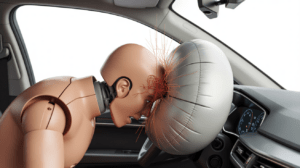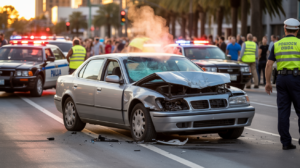
The Law Offices of Anidjar and Levine can investigate whether defective parts, poor maintenance, or improper repairs contributed to a crash and injuries. The investigation may involve preserving the vehicle, reviewing service records, examining electronic data, and consulting qualified experts. Potential claims may address responsibility among drivers, repair providers, manufacturers, or other parties. Compensation may include documented medical costs, lost income, and pain. The sections below explain how these cases are assessed and what steps may help protect a claim. For additional guidance, you can also consult a Tampa Personal Injury Lawyer.
Main Takeaways
- A Tampa vehicle-failure lawyer can investigate whether defective brakes, tires, steering, lighting, or repairs contributed to a crash.
- Potentially responsible parties may include drivers, repair shops, vehicle or parts manufacturers, and maintenance providers.
- Evidence may include vehicle inspections, maintenance records, photographs, witness accounts, diagnostic codes, and event data.
- Preserve the vehicle and failed parts; avoid repairs or disposal until you document and inspect the evidence.
- Compensation may cover medical expenses, lost income, pain, and lasting limitations when evidence links the failure to the harm.
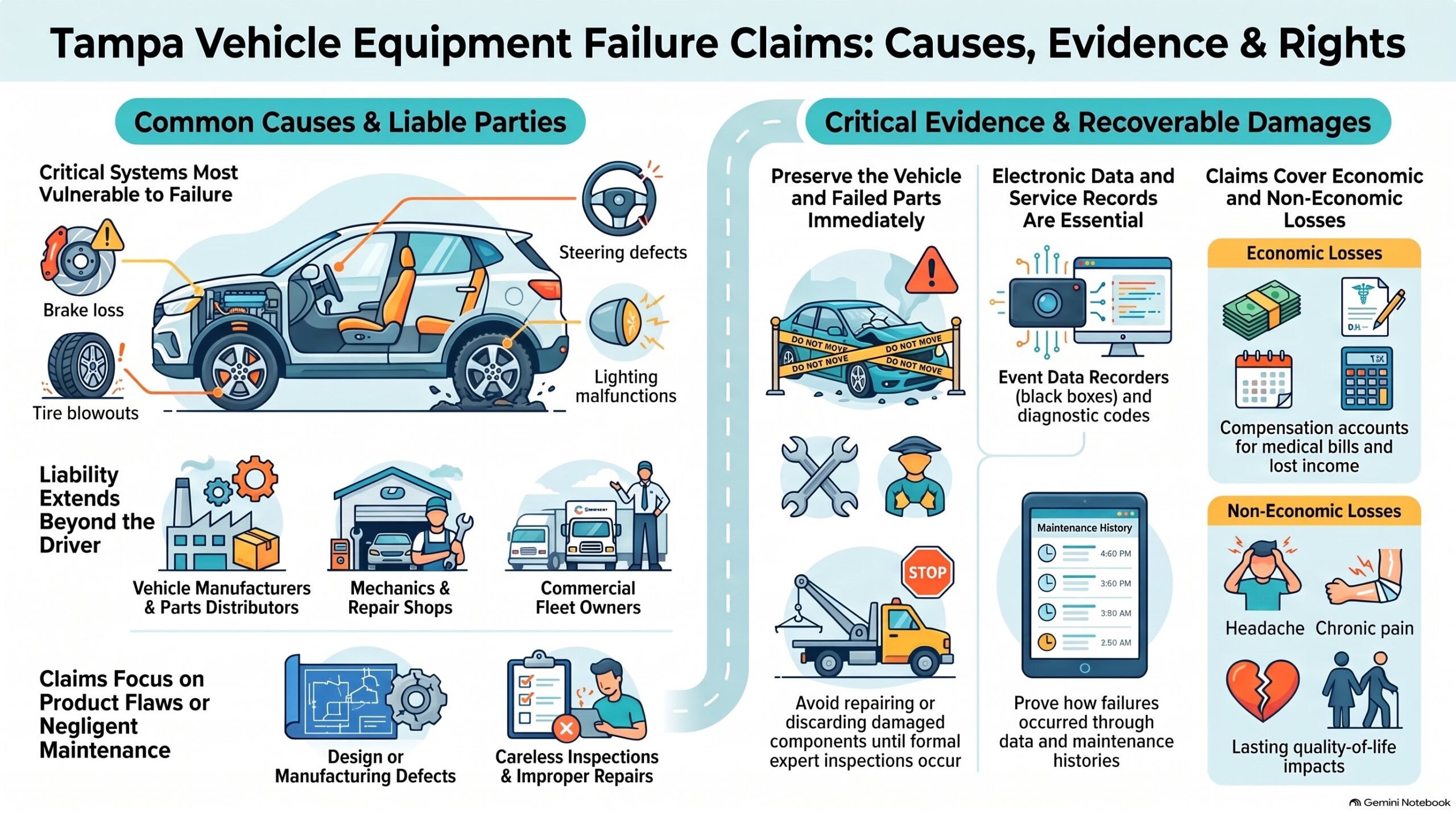
Vehicle Equipment Failure Claims Infographic


How We Can Help With Your Tampa Car Accident Vehicle & Equipment Failures Injury Claim
A vehicle or equipment failure can turn an ordinary drive into a serious collision, leaving injured people to manage medical care, insurance claims, and questions about fault. A focused legal response can ease that burden while helping protect a person’s interests. Counsel can review available records, organize repair and maintenance documentation, and identify information needed to assess the claim. This work may include communicating with insurers, tracking deadlines, and evaluating whether a settlement offer accounts for documented losses.
A thoughtful Claim Strategy is shaped by the facts, the available evidence, and the injured person’s priorities. Attorney Advocacy can help ensure concerns are presented clearly and that requests for compensation are supported by reliable documentation. Counsel may also coordinate with qualified professionals when technical or medical input is needed. Throughout the process, clear updates and careful preparation can help clients make informed decisions. The goal is practical support, respectful service, and a fair resolution based on the claim’s circumstances.
OUR CONSULTATIONSARE FREE
START YOUR FREE CASE REVIEW

Understanding Tampa Car Accident Vehicle & Equipment Failures Injury Cases
When a vehicle or its equipment fails in Tampa, determining how that failure contributed to a collision is central to understanding a potential injury claim. The inquiry considers whether the failure played a meaningful role in causing the crash and resulting harm. Medical records, repair documents, photographs, and witness accounts may help establish the sequence of events and the injuries sustained.
A claim may involve Product Liability when a defective vehicle or component is alleged to have caused injury. Responsibility can depend on the product’s design, manufacture, or warnings, as well as the evidence connecting the alleged defect to the incident. Vehicle Recalls may provide relevant context, but a recall alone does not establish liability or prove that a specific defect caused a collision.
These cases can require careful review of technical and medical evidence. A clear assessment helps injured people and their families understand their options, supports fair consideration of their losses, preserves accurate records, and respects the needs of everyone affected.
Common Causes of Tampa Car Accident Vehicle & Equipment Failures
Vehicle and equipment failures can contribute to Tampa car accidents when critical components malfunction or are poorly maintained. Common causes include brake system failures, tire blowouts, steering defects, and lighting malfunctions that reduce a driver’s ability to control or see a vehicle. Identifying the specific failure can help clarify how an accident occurred and who may be responsible.
Brake System Failures
Brake system failures can prevent a driver from slowing or stopping in time to avoid a collision. Common causes include worn brake pads, damaged rotors, defective components, and inadequate maintenance. Brake fade may occur when repeated or prolonged braking reduces the system’s ability to respond effectively. Hydraulic leaks can also lower brake fluid pressure, making it harder to stop or causing the brakes to fail. Warning signs may include a soft pedal, unusual noises, vibration, or a dashboard alert. Drivers who notice these symptoms should arrange prompt inspection and avoid operating an unsafe vehicle. When a crash follows a brake defect, maintenance records, inspection reports, and vehicle data may help establish what happened. Identifying the cause can support accountability and help injured people pursue appropriate compensation for their losses.
Tire Blowouts
Tire blowouts can cause a driver to lose control, particularly at highway speeds or in heavy traffic. A sudden loss of air may make a vehicle pull sharply, destabilize its path, or leave little time to avoid nearby traffic. These incidents can result from worn or damaged tires, road hazards, overloading, or inadequate maintenance. Incorrect Tire pressure can increase heat and stress within a tire, raising the risk of failure during travel. In other cases, tread separation occurs when layers within the tire detach, potentially causing abrupt handling changes and debris on the roadway. Investigators may examine tire condition, maintenance records, vehicle loading, and manufacturing history to identify contributing factors. Understanding how a blowout occurred can help clarify responsibility and support those affected as they seek appropriate assistance after a serious collision.
Steering Defects
When a steering system fails, a driver may be unable to control the vehicle’s direction or respond safely to changing traffic conditions. Defects may involve worn or broken linkages, damaged steering components, or a faulty Steering column. A power steering failure can also make turning unexpectedly difficult, particularly at low speeds, reducing a driver’s ability to navigate around hazards. Poor maintenance, manufacturing flaws, or improper repairs may contribute to these problems. Warning signs can include unusual looseness, vibration, resistance, or noises while turning, though some defects arise without clear notice. If a steering failure causes a collision, investigators may examine the vehicle, maintenance records, and repair history to identify its source. Establishing whether a defect or another factor contributed can help clarify responsibility and support efforts to protect affected people.
Lighting Malfunctions
Beyond guiding defects, lighting malfunctions can make it harder for drivers to see hazards or for other motorists to recognize a vehicle’s position and movement. Burned-out headlights, dim bulbs, misaligned beams, and damaged taillights can reduce visibility, especially at night or in heavy rain. A failed brake light or turn signal can also prevent nearby drivers from anticipating a vehicle’s actions, increasing the risk of a collision. Headlight visibility standards set requirements for lighting performance, but defects can result from poor repairs, aging components, electrical faults, or inadequate maintenance. Dashboard warning indicators may alert a driver to certain failures, though not every lighting problem triggers a warning. When a crash follows a suspected malfunction, inspection and maintenance records can help clarify whether a defect, repair, or missed warning contributed to the incident.


Legal Rights of Tampa Car Accident Vehicle & Equipment Failures Injury Victims
Vehicle or equipment failures can leave Tampa car accident victims with legal claims against parties whose negligence contributed to the crash or resulting injuries. Legal rights may allow an injured person to seek compensation for medical expenses, lost income, pain, and other documented losses. Depending on the evidence, responsibility may involve a driver, repair provider, vehicle or parts manufacturer, or another party. Victim protections include access to legal counsel and the opportunity to preserve relevant records and pursue a claim within Florida’s deadlines.
A careful review can help protect the injured person’s interests and support those who depend on them.
Potentially recoverable losses may include:
- Treatment costs needed to restore health and dignity.
- Income lost while the victim focuses on recovery and family responsibilities.
- Compensation for lasting pain, limitations, or reduced quality of life.
Claims require evidence linking a responsible party’s conduct to the harm. Medical records, repair documents, photographs, and witness accounts may help establish that connection. Prompt legal guidance can clarify your options, preserve important evidence, and help you make informed decisions without sacrificing your well-being.
Don’t Wait. Call Our Florida Personal Injury Lawyers Now!
Why Do Tampa Car Accident Vehicle & Equipment Failures Injuries Happen?
Tampa car accident injuries caused by vehicle or equipment failures often occur when a vital component is defective, poorly maintained, or improperly repaired. A sudden tire blowout, brake failure, steering problem, or airbag malfunction can prevent a driver from controlling a vehicle or protecting its occupants. These failures may lead to collisions that injure drivers, passengers, pedestrians, and others on the road.
Some incidents stem from Manufacturing Defects, which arise when a vehicle or part deviates from its intended specifications during production. Design Flaws can also make a component unsafe even when it is manufactured correctly. In other cases, inadequate inspections, delayed maintenance, or careless repairs may allow a known problem to persist. Heavy traffic, wet pavement, and high speeds can increase the danger when a component fails, but they may not be the underlying cause. Identifying how the failure occurred can clarify why a crash happened and how preventable hazards affect the broader community.
What Should You Do After a Tampa Car Accident Vehicle & Equipment Failure Injury?
After a Tampa crash involving a vehicle or equipment failure, injured individuals should seek prompt medical care, even if symptoms initially seem minor. They should document the suspected failure, the crash scene, and any visible injuries, while preserving damaged parts, photographs, and related records. These steps can help protect health and retain evidence relevant to determining how the failure contributed to the collision.
Seek Medical Care
Because some injuries caused by vehicle or equipment failures may not be immediately apparent, anyone involved in a Tampa car accident should seek prompt medical care, even if symptoms seem minor. A timely assessment can identify conditions that may worsen without treatment and help prevent avoidable complications. Emergency care is appropriate for severe pain, breathing difficulties, confusion, bleeding, or other urgent symptoms. For less apparent concerns, a prompt appointment with a physician can establish an initial evaluation and guide follow-up care. Patients should describe the collision, the force of impact, and every symptom, including changes that develop later. Medical providers may recommend imaging, treatment, or referrals to specialists based on the findings. Following professional instructions and attending scheduled appointments supports recovery and creates a clear record of care. Prioritizing health also helps injured people remain available to support those who depend on them.
Document the Failure
When a suspected vehicle or equipment failure may have contributed to a Tampa car accident, documenting the condition can help preserve important evidence. Note what appeared to malfunction, when the problem began, and how it affected the vehicle’s operation. Specific observations may help explain the sequence of events without requiring technical conclusions.
Failure documentation should also include the vehicle’s make, model, year, and identification number, along with the equipment involved, if known. The person can record warning lights, unusual sounds, steering or braking problems, and any changes noticed before the collision. Dates, times, and witness names may clarify the reported timeline.
Promptly reporting the defect to the vehicle owner, rental company, employer, or manufacturer may create a useful record. Reports should remain factual and avoid speculation about the cause.
Preserve Evidence
Documenting a suspected vehicle or equipment failure is only one part of protecting the available evidence. After a Tampa crash, the injured person or a representative should avoid repairing, discarding, or altering the vehicle and any failed component until they are inspected. Photographs, repair records, maintenance histories, and electronic data may help clarify what happened and who may be responsible. Evidence Preservation also includes keeping damaged clothing, safety equipment, and relevant communications in a secure location.
Because vehicles may be repaired or salvaged quickly, prompt written notice can be important. An attorney may send Spoliation Notices to owners, insurers, repair facilities, or other parties, requesting that they preserve relevant property and records. Careful preservation supports a fair investigation and helps protect the interests of everyone affected by the collision.
Critical Evidence in a Tampa Car Accident Vehicle & Equipment Failures Injury Case
Establishing whether a vehicle or equipment failure caused a crash requires evidence that can preserve crucial facts before they disappear.
Essential records and observations may include:
- Inspection, maintenance, and repair records that reveal overlooked defects or unresolved warnings.
- Electronic vehicle data that may clarify what happened in the moments before impact.
- Photographs and witness statements that preserve damage, conditions, and accounts that might otherwise be lost.
Vehicle Inspection Records
How can vehicle inspection records help explain a crash involving equipment failure? These documents may show whether a vehicle was examined before the collision and whether required safety checks were completed. Inspection schedules can establish when reviews were due, while compliance documentation may identify the standards applied and any defects noted. For an injured person and those supporting their recovery, records can help clarify whether a dangerous condition was visible during an inspection or whether required procedures were overlooked. They may also identify the responsible vehicle owner, operator, or inspection provider. Investigators can compare dated reports with crash evidence to assess whether a defect likely contributed to the incident. Preserving these records promptly matters because a business or agency may hold them, and they could be altered, lost, or routinely discarded. They do not, by themselves, prove fault.
Maintenance and Repair History
When a vehicle or component fails, maintenance and repair history can help explain whether the problem was known, addressed, or allowed to persist before a Tampa crash. Records may include service invoices, work orders, parts receipts, and communications between owners, repair shops, or fleet managers. These documents can show when a defect was reported, what repairs were performed, and whether a recommended fix was completed. Maintenance schedules may also help establish whether inspections or routine servicing were overdue. In a serious injury case, this history can help evaluate whether a driver, vehicle owner, employer, or repair provider acted reasonably to protect others on the road. Preserving original records and obtaining copies from relevant businesses can help clarify the timeline and support a careful review of the vehicle’s condition before the collision.
Electronic Data Evidence
Electronic data can help show what happened before, during, and after a Tampa vehicle failure crash. A vehicle’s Event Data Recorder may capture speed, braking, throttle use, seat belt status, and other information surrounding a collision. Often called a Black Box, this system can help clarify whether a component failed, how the driver responded, or when a safety feature activated. Other electronic sources may include diagnostic codes, onboard computer records, and data from connected vehicle systems. These records can be overwritten, lost, or altered if a vehicle continues operating or is repaired, so timely preservation is important. Qualified professionals can retrieve and interpret the information while accounting for system limits and reliability. Careful review may help establish responsibility and support a fair claim for injured people and their families.
Photos and Witness Statements
Photographs and witness statements can preserve important evidence after a Tampa crash involving vehicle or equipment failure. Images may document damaged components, tire marks, roadway conditions, warning lights, and vehicle positions before repairs or cleanup alter the scene. Photo metadata, including timestamps and location information, may help establish when and where images were created, but investigators should retain the original files to support verification.
Witnesses may describe unusual sounds, sudden braking, visible smoke, or a component failure immediately before impact. Their observations can help clarify events that vehicle data alone may not explain. Investigators should record contact details and statements promptly while memories remain fresh. Witness credibility depends on factors such as opportunity to observe, consistency, and impartiality. Careful preservation of these materials can assist a fair assessment and support those affected by the crash.
Long-Term Effects of Tampa Car Accident Vehicle & Equipment Failures Injuries
Vehicle and equipment failures can cause injuries that lead to chronic pain, reduced mobility, or lasting psychological effects. These conditions may interfere with daily activities and require continued treatment. Ongoing medical expenses can add to the long-term financial impact of a Tampa car accident.
Chronic Pain and Mobility
Chronic pain and reduced mobility can persist long after a Tampa car accident caused by defective vehicles or failed equipment. Spinal, joint, or nerve injuries may limit walking, lifting, and other daily activities. The severity and duration of these effects depend on the injuries and the person’s response to treatment.
Care may include physical therapy, medication, and other forms of Pain management tailored to medical needs. When movement remains restricted, mobility aids such as canes, walkers, or wheelchairs may support safe participation in daily routines. Ongoing medical assessments can help providers adjust treatment and document changes in function. With appropriate support, injured individuals may preserve independence and continue contributing to family and community life, even when recovery is gradual or long-term.
Lasting Psychological Effects
Physical injuries are not the only lasting consequences of a Tampa car accident involving vehicle or equipment failure. Survivors may experience anxiety, depression, sleep disruption, or fear of driving, particularly when a sudden mechanical failure made the collision feel unpredictable. Post-traumatic stress can also develop, causing intrusive memories, heightened alertness, and distress around reminders of the crash. These effects may interfere with work, family responsibilities, and a person’s ability to support others. Psychological symptoms can persist even after visible injuries have healed, and their severity differs from one survivor to another. Recognizing these changes is an important step toward emotional recovery. Support from qualified mental health professionals, trusted family members, and community networks may help survivors regain confidence and rebuild daily routines. Acknowledging psychological harm can also clarify the collision’s full impact.
Ongoing Medical Expenses
When a Tampa car accident caused by vehicle or equipment failure results in serious injuries, medical care may continue long after the initial treatment. A person may need follow-up visits, rehabilitation, additional procedures, or assistive devices to address lasting physical limitations. These needs can affect the ability to work and maintain daily responsibilities, while creating substantial financial pressure.
Future treatment costs may include specialist appointments, diagnostic testing, physical therapy, and care for complications that develop over time. Prescription expenses can also accumulate when medication is required to manage pain, prevent infection, or support recovery. Careful documentation of medical recommendations, bills, and expected treatment helps clarify an injury’s long-term impact. A thorough assessment can support a claim that accounts for continuing needs, so injured people can focus on recovery and their responsibilities to family and community.
Don’t Wait. Call Our Florida Personal Injury Lawyers Now!
Proving Liability in Tampa Car Accident Vehicle & Equipment Failures Injury Cases
Proving liability in a Tampa car accident involving vehicle or equipment failure requires evidence that identifies the defect, establishes how it contributed to the crash, and shows which parties may be legally responsible. Investigators may examine the vehicle, preserve damaged components, review maintenance records, and document the crash scene. Photographs, repair histories, recall notices, and witness accounts can help establish when the failure occurred and whether it was preventable.
Product liability may apply when a vehicle or component was defectively designed, manufactured, or marketed. Depending on the evidence, responsibility may also involve a repair shop, maintenance provider, or other party whose work contributed to the failure. Expert testimony can explain how a component malfunctioned, whether reasonable inspection would have revealed a problem, and how the defect affected vehicle control. A careful investigation can help injured people pursue accountability while supporting safer roads for the wider community. Liability depends on the facts and applicable law, so preserve evidence promptly.
Dealing With Insurance Companies After a Tampa Car Accident Vehicle & Equipment Failures Injury
After a Tampa car accident involving vehicle or equipment failure, insurance companies may investigate the crash while evaluating claims for injuries and property damage. Adjusters may review repair records, maintenance histories, photographs, and statements from witnesses. Their investigation can help clarify whether a defective component, inadequate maintenance, or another factor contributed to the harm.
An injured person should provide accurate information but avoid guessing about technical causes or the full extent of injuries before medical evaluation. Recorded Statements requested by an insurer may be used to assess or challenge a claim, so the person may benefit from understanding the request and its potential consequences before responding. Preserve medical records and repair documentation, and keep communications factual and consistent.
Settlement Offers may arrive before treatment is complete or all losses are known. Careful review can help determine whether an offer accounts for medical expenses, lost income, property damage, and continuing needs. A qualified attorney can explain your options and help protect your interests while discussions continue.
What to Expect During a Tampa Car Accident Vehicle & Equipment Failures Injury Claim Process
A vehicle or equipment failure injury claim typically begins with an evaluation of the circumstances, injuries, and potential liability. Evidence collection then helps establish how the failure occurred, while negotiations address the insurer’s position and the claim’s value. The process concludes with a resolution, which may provide compensation through a settlement or, when necessary, a court decision.
Initial Case Evaluation
During an initial case evaluation, a Tampa car accident lawyer reviews how a vehicle or equipment failure may have contributed to the collision and resulting injuries. This Case Screening helps determine whether the circumstances support a potential claim and whether legal representation may assist the injured person. The lawyer discusses the collision, the reported injuries, medical care, and the effects on daily responsibilities. A Claim Assessment considers how liability, available insurance coverage, and applicable deadlines may affect the matter. The evaluation also clarifies the client’s priorities, including recovery needs and concerns about supporting family or returning to work. The lawyer explains possible next steps, the general claims process, and the information needed to make informed decisions. No outcome is guaranteed, and the initial review provides a practical basis for deciding how to proceed.
Evidence Collection
Once the initial evaluation identifies a potential claim, evidence collection helps clarify how a vehicle or equipment failure may have contributed to the crash and resulting injuries. Counsel may seek police reports, photographs, witness statements, repair records, maintenance histories, and available electronic vehicle data. Prompt preservation requests can help prevent the vehicle, defective component, or relevant records from being altered or discarded. Maintaining a documented chain of custody helps show where physical items were stored, who handled them, and whether their condition remained reliable. Expert analysis may examine a failed part, vehicle systems, crash dynamics, or maintenance practices to assess possible causes. Medical records and employment documentation can also help describe the injuries and their effects. Careful, organized collection supports a clearer factual account and helps responsible parties understand the harm caused.
Claim Negotiations
After the evidence has been gathered and the injuries are better understood, claim negotiations may begin with the at-fault party’s insurer. The insurer reviews the submitted records and may question how a vehicle or equipment failure contributed to the collision. A carefully prepared Demand strategy should connect the available evidence to the injured person’s losses and explain why the claim is supported. The insurer may respond with questions, request additional documentation, or present an initial offer. Negotiations can involve several exchanges, and each response should be assessed against the documented facts rather than pressure to settle quickly. Settlement timing depends on the completeness of medical information, the insurer’s review, and the parties’ willingness to discuss the evidence. Clear, measured communication can help keep discussions focused and protect the integrity of the claim.
Resolution And Compensation
When negotiations conclude, a Tampa car accident claim may be resolved through a settlement or, if the parties cannot agree, a lawsuit. A settlement can provide payment without a trial, while litigation may require evidence, testimony, and a court decision. Settlement timelines depend on the severity of injuries, completion of medical treatment, investigation findings, and insurer responses. Claims involving defective vehicle parts or equipment failures may require technical analysis to establish responsibility and support the requested amount.
Compensation may cover medical expenses, lost income, reduced future earning capacity, property damage, and pain and suffering, when supported by evidence and applicable law. Before funds are issued, liens, case costs, and attorney fees may affect how compensation is distributed. A claimant should review any release carefully because signing generally ends the claim against the settling party. Clear records and informed decisions help preserve resources for recovery and future needs.
Compensation for Tampa Car Accident Vehicle & Equipment Failure Injury Damages
Vehicle or equipment failures may cause a Tampa car accident and leave injured people facing significant financial and personal losses. Compensation may help address the effects of injuries and support recovery while recognizing the practical burdens on families and caregivers. The amount available depends on the evidence, the injuries, and the losses connected to the crash.
Recoverable damages may include medical expenses, rehabilitation costs, and necessary future treatment. A claim may also include lost wages when injuries prevent a person from working, as well as diminished earning capacity if lasting limitations affect future employment. Records such as medical reports, pay statements, and professional assessments can help establish these losses.
Vehicle inspection findings, maintenance records, and witness accounts may help show how a defective component or equipment failure contributed to the collision. An attorney can investigate potential responsibility, document damages, and communicate with insurers. Careful preparation helps ensure the injured person’s needs and the impact on those who depend on them receive appropriate consideration.
Economic vs Non-Economic Damages in Tampa Car Accident Vehicle & Equipment Failures Cases
In Tampa vehicle and equipment failure cases, economic losses may include medical expenses, lost income, and repair costs. Non-economic harm can involve pain, emotional distress, and reduced quality of life. Establishing both categories typically requires records and other evidence connecting the losses to the crash.
Economic Losses
After a Tampa car accident involving a vehicle or equipment failure, economic losses may include medical expenses, lost income, repair costs, and other measurable financial harm. Documented bills and receipts can help establish the value of these expenses. Medical costs may cover emergency treatment, follow-up care, medication, rehabilitation, and necessary medical equipment. Lost wages may include income missed during recovery, supported by employer records and pay statements. If an injury limits the ability to perform prior work or reduces future earning opportunities, reduced earning capacity may also be considered. Vehicle repair or replacement expenses, rental costs, and property damage can add to the documented losses. Careful recordkeeping helps clarify the financial effects of a crash and supports a fair assessment of compensation. These records can also help insurers and decision-makers evaluate claims.
Non-Economic Harm
Beyond financial losses, a Tampa car accident involving vehicle or equipment failure may cause non-economic harm, including physical pain, emotional distress, and reduced enjoyment of daily activities. These effects can disrupt a person’s ability to care for family, contribute at work, or participate in community life. Emotional distress may include fear, anxiety, or difficulty sleeping after a collision, while physical pain can continue beyond the initial injuries. Lost enjoyment may arise when someone can no longer pursue hobbies, maintain relationships, or complete ordinary routines as before. Unlike medical bills or lost wages, these harms do not have a direct price tag, yet they can substantially affect well-being. Recognizing their impact helps present a fuller account of how a preventable vehicle or equipment failure changed an injured person’s life and capacity to serve others.
Proving Damages
When a vehicle or equipment failure causes a Tampa car accident, proving damages requires evidence linking the collision to the claimed losses. Economic damages may include medical expenses, rehabilitation costs, lost wages, reduced earning capacity, and property damage. Bills, pay records, repair estimates, and expert assessments can support these amounts. Careful Damage Documentation helps show how the failure and resulting injuries affected the person’s finances. Non-economic damages address harm without a fixed price, such as pain, emotional distress, and loss of normal activities. Medical records, personal accounts, and testimony from people familiar with the injured person’s daily life may help establish these effects. Loss Valuation considers the available evidence, the duration and severity of harm, and any future needs. Accurate, organized proof helps present a fair claim and supports informed resolution.
When a Tampa Car Accident Vehicle & Equipment Failures Injury Case Goes to Trial vs Settlement
In Tampa vehicle and equipment failure injury cases, settlement may resolve a claim without a trial, but litigation may be necessary when the parties dispute fault, the cause of the failure, or the extent of the resulting injuries. A settlement can provide compensation sooner and avoid the uncertainty, expense, and demands of courtroom proceedings. Any proposed resolution should account for documented losses and the injured person’s needs, rather than simply ending the dispute quickly.
When negotiations do not produce a fair agreement, a case may proceed to trial. Trial preparation can involve reviewing maintenance records, examining the damaged vehicle or equipment, consulting qualified experts, and organizing medical and financial evidence. This work can clarify how the failure occurred and how it affected the person’s life. Thorough preparation may also strengthen settlement leverage by demonstrating that the claim is supported by credible evidence.
The decision to settle or proceed depends on the evidence, available offers, and trial risks. Careful evaluation helps injured people pursue accountability while protecting their ability to meet ongoing needs.
Florida Laws That May Affect Your Tampa Car Accident Vehicle & Equipment Failures Case
Florida law can shape how a Tampa vehicle or equipment failure injury claim is investigated, assigned liability, and valued. Florida liability rules may allow claims against drivers, vehicle owners, manufacturers, repair shops, or businesses responsible for maintenance, depending on the evidence. Product liability principles may apply when a defective component contributed to a crash, while negligence standards may govern careless repairs or inspections.
Comparative negligence can also affect recovery. If an injured person shares responsibility, the assigned percentage of fault may reduce compensation under applicable law. Careful investigation helps distinguish a genuine equipment defect from driver error or inadequate maintenance.
These legal questions matter to families and communities seeking accountability and safer roads:
- A failed brake system may leave a driver unable to protect passengers or other road users.
- A defective tire can turn an ordinary trip into a serious collision.
- Neglected repairs may expose workers, families, and neighbors to preventable harm.
Records, expert analysis, and witness accounts can clarify how the failure occurred and who may be responsible.
Don’t Wait. Call Our Florida Personal Injury Lawyers Now!
The Statute of Limitations for Tampa Car Accident Vehicle & Equipment Failures Injury Cases
Identifying who may be responsible for a vehicle or equipment failure is only part of a Tampa injury claim; filing deadlines can also determine whether a lawsuit may proceed. Florida law generally sets a two-year deadline for filing a negligence lawsuit arising from an accident. The period usually begins on the date of the injury, so delays can affect a person’s ability to seek compensation for medical costs, lost income, and other losses.
Filing deadlines may differ when a claim involves a government entity, a fatal injury, or another special circumstance. Product-related claims may also raise distinct timing questions, particularly when a defect is discovered later, or the responsible party is not immediately apparent. Discovery rules can affect when a claim accrues, but they do not automatically extend every deadline. Preserving records and documenting when the failure and resulting harm became known may matter. Missing an applicable deadline can bar a lawsuit, regardless of the seriousness of the injury or the evidence supporting responsibility.
How a Tampa Car Accident Vehicle & Equipment Failures Lawyer Can Help You
A Tampa car accident vehicle and equipment failures lawyer can investigate the cause of a malfunction and identify the parties whose conduct or products may have contributed to the crash. The lawyer may preserve damaged components, review maintenance records, and consult qualified experts to assess whether a defect or negligent repair played a role. This work can help clarify complicated evidence while respecting the needs of injured people and their families.
Counsel may also coordinate communications with insurers and responsible parties, organize medical and financial documentation, and provide claim guidance about available legal options. Local representation can offer practical knowledge of Tampa procedures and help clients pursue accountability without losing sight of their recovery.
- A careful investigation may help prevent another family from facing a similar loss.
- Clear explanations can ease uncertainty while injured people focus on treatment.
- Pursuing fair compensation may support household stability and future care.
The lawyer can evaluate potential claims against drivers, repair facilities, manufacturers, or other entities, then present supporting evidence through negotiation or litigation as appropriate.
When to Contact a Tampa Car Accident Vehicle & Equipment Failures Lawyer
Prompt legal guidance may be appropriate when a crash involves suspected brake, tire, handling, airbag, or other vehicle equipment failure, particularly if the cause is unclear or injuries are serious. A person who believes a defect contributed to a collision may seek Prompt legal consultation soon after receiving necessary medical care. Early contact can help clarify immediate steps while the vehicle, damaged parts, and relevant records remain available for review.
Consultation may also be useful when an insurer disputes the cause of the crash, requests a statement, or proposes a settlement before the equipment issue is understood. Families assisting an injured person can ask about attorney availability and arrange a discussion on that person’s behalf, subject to appropriate consent. If a vehicle may be inspected or repaired, the owner should preserve it when reasonably possible and document its condition before changes occur. Timely advice can help protect information relevant to the claim and support a careful, informed response to questions from insurers or other parties.
Why You Need an Experienced Tampa Car Accident Vehicle & Equipment Failures Lawyer
When a vehicle or equipment defect may have contributed to a crash, an experienced Tampa car accident lawyer can help assess the evidence and identify the parties who may be responsible. This work may involve examining vehicle components, maintenance records, crash reports, and relevant safety notices before important evidence is lost or altered.
An attorney familiar with these cases can coordinate with qualified experts to determine whether a design flaw, manufacturing error, or inadequate warning played a role. The investigation may also reveal whether prior complaints or defect recalls could have alerted a manufacturer or supplier to a safety concern. Establishing Manufacturer accountability can help clarify how the failure occurred and which parties may owe compensation.
Legal guidance can also help injured people and their families understand available options while they focus on recovery and daily responsibilities. By organizing evidence and presenting a clear account of the defect’s effects, counsel can support a fair claim and encourage safer practices that protect other road users.
How to Choose the Right Tampa Car Accident Vehicle & Equipment Failures Lawyer for Your Case
Selecting the right Tampa car accident vehicle and equipment failure lawyer requires careful attention to the attorney’s experience with product defect claims, access to qualified experts, and ability to investigate complex evidence. A careful review helps identify counsel equipped to pursue accountability and protect the interests of injured people and their families.
Attorney credentials can provide useful insight. Prospective clients may examine licensing, relevant case experience, professional standing, and familiarity with vehicle systems, manufacturing defects, and safety standards. They can also ask how the attorney preserves damaged components, obtains maintenance records, and coordinates independent inspections before evidence is lost.
A clear fee structure is equally important. The lawyer should explain how fees and case expenses are handled, when payment is due, and whether costs may be owed if the claim does not succeed. During an initial consultation, clients can assess whether the attorney communicates clearly, answers questions directly, and outlines realistic next steps. Selecting counsel with sound investigative resources and transparent practices can support a thorough claim and informed decisions throughout the legal process.
About The Law Offices of Anidjar & Levine
The Law Offices of Anidjar & Levine represents people injured in car accidents in Tampa and throughout Florida.
The firm handles claims involving vehicle and equipment failures, including matters that may require investigation of defective parts, maintenance records, or safety standards.
Its work may include gathering evidence, consulting qualified professionals, communicating with insurers, and pursuing compensation under applicable law.
Each case depends on its facts, and no particular result can be guaranteed.
Firm History provides context for the practice’s development and its continued work on behalf of injured individuals and families.
The firm’s attorneys address the legal and practical concerns that can follow a serious collision, helping clients understand available options and the steps involved in a claim.
Attorney Values include careful preparation, clear communication, and attention to each client’s circumstances.
These principles support a service-oriented approach that respects the challenges people face after an accident.
By explaining legal processes and answering questions, the firm aims to help clients make informed decisions as their claims proceed.
Frequently Asked Questions
Can a Vehicle Recall Affect My Tampa Car Accident Claim?
A vehicle recall can affect a Tampa car accident claim if a defect covered by the recall contributed to the crash or injuries. A recall notice may help establish that the manufacturer knew of a safety problem, but it does not prove liability by itself. Evidence must connect the defect to the collision and resulting harm. An investigation can also determine whether manufacturer liability, driver conduct, or both contributed.
Who May Be Responsible for a Defective Replacement Part?
Responsibility for a defective replacement part may rest with the part’s manufacturer, the installer, the parts distributor, or the vehicle maker, depending on who supplied, selected, or improperly installed it. Parts manufacturer liability may apply when a design flaw, manufacturing defect, or inadequate warning contributed to a crash. Replacement part warranties may identify coverage and responsible parties, but they do not determine legal fault. Maintenance records, invoices, and expert inspection can help establish responsibility and protect affected road users.
Can a Mechanic Be Liable for Faulty Vehicle Repairs?
A mechanic can be liable for faulty vehicle repairs when substandard work, improper installation, or failure to identify a known safety issue causes a foreseeable crash or injury. Mechanic negligence generally requires evidence that the repair fell below reasonable professional standards and contributed to the harm. Repair documentation, including invoices, inspection records, and communications, may help establish what work was performed. Liability depends on the facts, applicable law, and proof connecting the repair to the resulting loss.
Should I Preserve a Vehicle After a Suspected Equipment Failure?
Yes. Preserving a crash-damaged vehicle can help determine whether a mechanical defect or faulty repair contributed to the collision. Do not repair, alter, or sell the vehicle before qualified experts can inspect it, unless immediate action is necessary for safety or storage. Documenting suspected malfunctions through photographs, service records, warning messages, and witness accounts can preserve relevant evidence. A prompt legal consultation can clarify preservation duties and help prevent evidence from being lost.
Can a Passenger Bring a Claim After a Vehicle Defect Causes a Crash?
Yes, a passenger may bring a claim when a vehicle defect causes a crash and resulting injuries. Passenger Injury Claims may involve the vehicle manufacturer, a parts maker, or another responsible party, depending on the evidence. Product Liability Rights can allow recovery for medical expenses, lost income, and other legally recognized losses. The passenger should preserve relevant records and avoid altering the vehicle, so qualified professionals can assess the suspected defect.
—————————
Vehicle and equipment failures can leave Tampa accident victims facing serious injuries, disputed liability, and costly losses.
A careful investigation may identify whether a defective part, negligent maintenance, or another party contributed to the crash.
The Law Offices of Anidjar and Levine can review the evidence, explain your options, and help protect your claim.
A Tampa Personal Injury Lawyer can provide prompt legal guidance, which matters because evidence can be lost and deadlines may apply. Each case depends on its specific facts and circumstances.