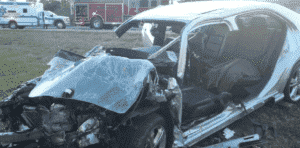
1.0 Introduction: The Airbag Paradox in Modern Tort Law
Airbags represent a central paradox in modern automotive safety and tort law. Since their widespread adoption, they have saved countless lives, yet when defective, they transform from a protective shield into a source of catastrophic injury.
Learn More: Tampa Airbag Injury Lawyer
This case study provides a strategic analysis for legal professionals navigating the complexities of airbag injury litigation in Tampa. It will focus on the critical frameworks for establishing liability against negligent parties and securing just compensation for the victims harmed by these failed safety devices.
The core challenge in these cases is their intricacy. They are not simple negligence claims; they are complex product liability actions leveled against a range of powerful entities, including global vehicle manufacturers, parts suppliers, and other parties whose actions contributed to the incident. Proving that a safety device malfunctioned and directly caused a specific injury requires a sophisticated blend of legal acumen, technical investigation, and compelling evidence.
A successful outcome for a client hinges on a deep, analytical understanding of the technical failures that lead to malfunction, the full spectrum of physical and psychological injuries a victim can suffer, and the precise legal strategies required to hold corporations accountable. This analysis therefore begins with a deconstruction of the common modes of airbag failure—the foundational step in building an irrefutable product liability claim.


2.0 The Anatomy of Airbag Malfunction: A Taxonomy of Defects
Understanding the specific modes of airbag failure is a strategic imperative. Pinpointing the exact mechanism of malfunction—whether it is a faulty sensor, an overly aggressive propellant, or a fundamental design flaw—is the foundational step in constructing a viable product liability claim against a manufacturer or supplier. Each category of defect presents a unique pathway to establishing negligence and causation.
Defective Deployment Systems
Flawed design and sensor malfunctions are frequent culprits in airbag-related injuries. Inadequate testing during the manufacturing process, corporate cost-cutting measures that compromise safety standards, and improper sensor calibration can all lead to catastrophic failures. Sensors must be meticulously calibrated to detect impact severity, direction, and timing to function correctly. When they are not, they may fail to deploy in a serious crash or deploy unnecessarily in a minor one, transforming the airbag from a safety feature into a dangerous hazard. These failures are prime examples of manufacturer negligence that can be proven through expert analysis and internal documentation.
Aberrations in Inflation Force
Excessive Force
An airbag that deploys with overly aggressive force can inflict devastating trauma. When manufacturers calibrate deployment systems incorrectly, the rapid inflation strikes occupants with an impact capable of causing facial fractures, severe chest trauma, and cervical spine injuries. The danger is compounded by the interaction with seatbelts, which can create a crushing effect between the two restraint systems. The pediatric risks associated with excessive force are particularly high, as children’s smaller bodies are unable to withstand the violent deployment forces that an adult might otherwise survive. A notorious real-world example of this defect involves the widespread recall of Takata airbags, which were found to deploy with excessive force and expel metal shrapnel, leading to catastrophic injuries and fatalities.
Delayed or Failed Deployment
In contrast to excessive force, the scenario where an airbag deploys too late or fails to deploy at all is equally dangerous. In these cases, occupants are left without the essential protection needed to prevent serious injury in a collision. Post-crash investigations often reveal that sensor malfunctions, wiring defects, or other manufacturing flaws prevented timely deployment. These failures compound the injuries that a seatbelt alone cannot prevent, particularly in high-speed impacts, leaving victims with severe or fatal trauma that a functioning system would have mitigated.
Chemical and Propellant Hazards
The chemical propellants that enable an airbag’s rapid inflation—typically substances like sodium azide or ammonium nitrate—introduce another layer of risk. During deployment, these chemicals generate intense heat and caustic gases. If the airbag fabric tears or the system malfunctions, these substances can come into direct contact with a victim’s skin, causing severe first- and second-degree chemical burns, painful blisters, and persistent skin irritation. The release of these gases can also cause significant respiratory injuries. Children and the elderly are especially vulnerable to these chemical hazards.
This technical deconstruction of airbag defects is not an academic exercise; it is the essential predicate for the next critical phase of litigation: meticulously documenting the full spectrum of human harm these failures inflict.
3.0 The Spectrum of Client Harm: Documenting Physical and Psychological Damages
Quantifying the full extent of a client’s injuries—both the immediate, visible trauma and the long-term, often invisible wounds—is critical for building a compelling damages model. A comprehensive compensation package must account for every aspect of the harm done. Merely addressing the initial medical bills is insufficient; a successful strategy documents the complete and enduring impact of the incident on the client’s life.
Acute and Long-Term Physical Trauma
The physical injuries caused by defective airbags are often severe and can have lifelong consequences. A thorough damages assessment must catalog the entire range of trauma.
- Immediate Injuries: Common acute injuries include severe facial fractures, deep lacerations from the airbag or shrapnel, significant eye trauma, and blunt force chest trauma.
- Chronic Pain and Scarring: The long-term effects can be debilitating. Many victims suffer from neuropathic pain resulting from nerve damage. Furthermore, chemical or friction burns can lead to permanent, disfiguring scars like keloid formations, which not only require costly surgical intervention but also form a powerful basis for significant non-economic damages related to long-term psychological distress and loss of quality of life.
- Sensory Impairment: The explosive force of an airbag deployment can cause permanent vision and hearing loss. The sound generated can exceed 170 decibels—a quantifiable fact that serves as irrefutable evidence to counter defense arguments that attempt to downplay the violence of the event—and a concussive blast capable of rupturing eardrums, damaging delicate inner-ear structures, and resulting in permanent tinnitus or complete auditory trauma.
The Invisible Wounds: Psychological Trauma
The psychological aftermath of a violent airbag deployment is often as debilitating as the physical injuries. The sudden, explosive event combined with the trauma of the crash can leave deep mental scars. It is essential to document conditions such as:
- Post-Traumatic Stress Disorder (PTSD)
- Chronic anxiety, particularly related to driving
- Depression and sleep disruption
- A persistent and overwhelming fear of driving or being a passenger in a vehicle
These psychological injuries are not secondary concerns; they require professional treatment, including therapy and counseling, and must be factored prominently into any settlement calculation or demand for damages.
Once the full spectrum of client harm has been rigorously documented, this comprehensive damages model becomes the anchor for the next strategic imperative: establishing an unbreakable chain of liability that links the manufacturer’s defects directly to these devastating outcomes.
4.0 Establishing Liability: A Multi-Pronged Approach in Product Liability
Establishing liability in airbag injury cases demands a multi-faceted investigation that often extends beyond identifying the at-fault driver of the collision. The focus is frequently a product liability claim, which requires a meticulous investigation to prove that the airbag itself was defective and that this defect was the direct cause of the client’s injuries. This necessitates a multi-pronged approach to identify every responsible party in the chain of commerce.
Identifying All Liable Parties
A thorough investigation will uncover all potential defendants, ensuring that every negligent entity is held accountable.
- Vehicle & Airbag Manufacturers: These parties are primarily liable for design flaws, manufacturing defects that deviate from the intended design, and a failure to warn consumers about known risks.
- Airbag Suppliers & Distributors: Companies that supply components for the final airbag assembly can be held liable if their specific parts were defective.
- Installation Technicians: If an airbag was replaced or serviced improperly, the technician or repair shop that performed the work may bear liability for a subsequent malfunction.
- Negligent Drivers: The driver who caused the initial collision remains a liable party for the accident itself, and their negligence is often a concurrent cause of the victim’s injuries.
The Crucial Role of Evidence and Expert Testimony
Building a robust case against these parties is an evidence-driven process. The following elements are indispensable:
- Immediate Evidence Preservation: It is critical to secure evidence immediately following an accident. This includes photographing all vehicle damage from multiple angles, preserving the deployed airbag’s position, gathering witness statements while memories are fresh, and obtaining the vehicle’s complete maintenance records to preemptively counter potential defense claims of improper vehicle care or third-party modification.
- Expert Witness Coordination: Expert testimony is crucial for establishing causation. Automotive engineers are retained to analyze crash data recordings and vehicle inspection reports, including factors such as airbag longevity, expected lifespan, and the occupant’s precise positioning at the moment of impact, to rule out misuse and isolate the product defect as the proximate cause of injury. Concurrently, medical professionals are needed to draw a clear and irrefutable line connecting the specific airbag defect to the client’s unique injuries.
- Manufacturer Documentation: A key strategy involves gathering any manufacturer recall information related to the airbag model in question. Such documentation can be powerful evidence demonstrating the manufacturer had prior knowledge of the defect, strengthening claims for negligence and potentially punitive damages.
With liability rigorously established through this evidentiary framework, the strategic focus pivots from proving fault to quantifying the consequences: calculating and securing full and fair compensation for the client.


5.0 Maximizing Client Recovery: A Framework for Comprehensive Compensation
The primary objective of litigation is to secure a financial recovery that addresses the full scope of the victim’s losses. This includes not only immediate out-of-pocket expenses but also future medical needs, lost professional opportunities, and the profound non-economic damages associated with such a traumatic event. The legal strategy must be oriented around a comprehensive framework that accounts for every category of harm.
Categorizing Economic and Non-Economic Damages
To maximize client recovery, a claim must meticulously itemize all compensable damages available under the law. This includes:
- Medical Expenses: This category covers all costs associated with treatment, including emergency services, surgeries, rehabilitation, physical therapy, psychological counseling for trauma, and any anticipated ongoing or long-term care needs.
- Lost Wages and Earning Capacity: Compensation must be pursued for all income lost during the recovery period as well as for any future diminished earning potential if the injuries prevent the client from returning to their previous line of work.
- Pain and Suffering: This accounts for the significant non-economic damages, including the physical discomfort, emotional trauma, psychological distress, and the overall reduction in the client’s quality of life resulting from the defective airbag deployment.
- Property Damage: This includes the costs associated with repairing or replacing the client’s vehicle and any other personal property damaged in the collision.
- Punitive Damages: In cases where a product recall or other evidence indicates the manufacturer had prior knowledge of a dangerous defect but failed to act, punitive damages may be sought. These are intended not to compensate the victim but to punish the at-fault party for egregious negligence and deter future misconduct.
Navigating Settlement Negotiations
Legal counsel’s role is to seize control of all communications and negotiations with insurance companies and manufacturers. This involves developing a strategic approach based on the fully documented damages model and protecting the client from pressure to accept inadequate or premature settlement offers that fail to cover the true, long-term cost of their injuries.
However, securing this recovery is not merely a matter of negotiation; it is contingent upon strict adherence to procedural imperatives that preserve the client’s fundamental right to seek justice in court.
6.0 Procedural Imperatives: The Statute of Limitations and Client Counsel
Even the most compelling and well-documented airbag injury case can be lost due to simple procedural errors. For legal professionals, managing critical deadlines and providing clear, actionable guidance to clients from the very beginning are non-negotiable components of successful representation. Failure to do so can irrevocably harm a client’s ability to seek justice.
Florida’s Statute of Limitations
It is imperative to communicate clearly that Florida law imposes a strict time limit on filing personal injury claims. Generally, an injured party has four years from the date of the accident to file a lawsuit. This deadline, known as the statute of limitations, is unforgiving. Missing it, even by a single day, typically results in the complete and permanent loss of the right to pursue compensation, regardless of the severity of the injuries or the clarity of the defendant’s liability. It is also crucial to advise clients that certain circumstances can shorten this period, making it vital that they do not delay in seeking legal counsel.
Essential Post-Accident Directives for Clients
To protect their health and preserve their legal rights, injury victims must be instructed to take several critical steps immediately following an accident involving an airbag deployment.
- Seek Immediate Medical Attention: The client’s first priority must be their health. Seeking a professional medical evaluation right away not only initiates necessary treatment but also creates a vital medical record that formally links their injuries to the accident.
- Document the Accident Scene: If possible, the client should photograph the vehicle damage, the position of the deployed airbags, and any visible injuries. Collecting contact information from all involved parties and witnesses is also essential for the subsequent investigation.
- Contact an Experienced Legal Professional: Early consultation with a qualified attorney is key. This ensures that crucial evidence is preserved, that all communications with insurance companies are handled strategically, and that the client’s legal rights are protected from the outset.
Adherence to these procedural and advisory steps is foundational to the attorney-client relationship. It establishes a strong basis for the case and sets the stage for a successful legal outcome.
7.0 Conclusion: Key Strategic Takeaways for Litigating Airbag Injury Claims
Litigating defective airbag injury claims is a demanding and specialized field of law. It requires a multi-disciplinary approach that seamlessly integrates technical automotive knowledge with sophisticated legal strategy and a deep understanding of the human cost of product failure. Success is not accidental; it is the result of meticulous preparation, aggressive advocacy, and an unwavering focus on the client’s comprehensive recovery.
For legal practitioners handling these complex cases, three strategic takeaways are paramount:
- Master the Technical Details: A deep understanding of specific failure modes—from excessive inflation force and chemical propellant hazards to sensor malfunctions and design flaws—is essential to deconstructing the defense and proving manufacturer liability.
- Document the Full Spectrum of Harm: Maximum recovery can only be achieved by building a damages model based on a comprehensive assessment of all injuries. This must include not only acute physical trauma but also chronic pain, permanent sensory loss, disfiguring scars, and long-term psychological conditions like PTSD.
- Act with Urgency: The right to recovery is perishable. Strict adherence to Florida’s four-year statute of limitations and the immediate preservation of physical evidence are paramount to protecting a client’s case from being lost on procedural grounds before it can ever be argued on its merits.
Ultimately, holding negligent manufacturers accountable for the harm caused by their defective safety devices requires experienced and dedicated legal counsel. It is through this rigorous and strategic approach that justice is secured for those whose trust in a life-saving technology was so dangerously betrayed.