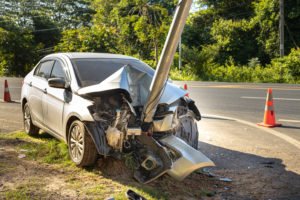
If speeding or another traffic violation contributed to your St. Petersburg crash, The Law Offices of Anidjar and Levine can help you understand how the evidence may affect an injury claim. We review crash reports, witness accounts, photographs, video, and medical records to assess liability and document your losses. A citation alone doesn’t determine fault, and compensation isn’t guaranteed. We can explain your options, address insurer communications, and help preserve important evidence. Learn more about working with a St. Petersburg Personal Injury Lawyer. The sections below outline what to keep in mind after a collision and how legal support may help.
Main Takeaways
- Speeding, tailgating, unsafe passing, and red-light violations may contribute to St. Petersburg crashes, but do not automatically establish fault.
- A St. Petersburg car accident lawyer can assess how traffic violations, road conditions, and Florida law may affect a claim.
- After a crash, call 911 for injuries or serious hazards, seek medical care, and report the collision as required.
- Preserve photos, witness details, police report information, and relevant video or vehicle data before evidence disappears.
- Notify your insurer promptly, track deadlines, and consider legal advice before accepting a settlement or assuming fault.
How We Can Help With Your St. Petersburg Car Accident Traffic Violations & Speeding Injury Claim
When a traffic violation or speeding causes a crash, we can help you pursue compensation for your injuries and related losses. We know seeking support after a collision can be difficult, especially when you’re managing medical care and other responsibilities. Our team will listen carefully, answer your questions, and explain your options clearly.
During an Initial case evaluation, we’ll review the information you provide, identify important concerns, and discuss how the crash has affected your health, work, and daily life. We’ll keep your priorities at the center of our work and communicate with you as your claim progresses.
We’ll develop a claim strategy tailored to your circumstances, handle communications with insurers, and organize the records needed to present your losses. Our role is to reduce your burden while pursuing a fair outcome. You can focus on recuperating and the people who depend on you while we handle the legal work with care, diligence, and respect.
Understanding St. Petersburg Car Accident Traffic Violations & Speeding Injury Cases


To understand how traffic violations and speeding contribute to a St. Petersburg car accident, we examine how a driver’s conduct affects others on the road. When a driver violates a traffic rule or travels too fast for conditions, that conduct may create a hazard and contribute to a collision. However, an injured person’s claim depends on the available evidence, the crash circumstances, and how the law applies.
OUR CONSULTATIONSARE FREE
START YOUR FREE CASE REVIEW

We can help you assess whether a traffic violation played a role, while considering relevant conditions such as Intersection design and roadway maintenance. These factors may affect how a crash occurred, but they don’t automatically establish fault. We’ll review records, witness accounts, and other evidence to clarify what happened and identify who may be responsible. A careful assessment can also help us explain your options and pursue fair compensation. By understanding the facts, we can support your recovery and help protect those affected.
Don’t Wait. Call Our Florida Personal Injury Lawyers Now!
Common Causes of St. Petersburg Car Accident Traffic Violations & Speeding
We often see St. Petersburg crashes caused by speeding and aggressive driving, which can reduce a driver’s ability to react safely. Distracted driving, failure to yield, and running red lights also put motorists and others at risk. Understanding how these violations contribute to collisions can help us identify what happened and who may be responsible.
Speeding and Aggressive Driving


Speeding and aggressive driving can turn routine trips through St. Petersburg into dangerous situations for everyone sharing the road. When drivers exceed posted limits, they have less time to respond to traffic, pedestrians, and changing road conditions. Speed Thresholds reflect legal limits, but a speed that is lawful may still be unsafe in heavy traffic, poor weather, or near work zones.
Aggressive Actions, including tailgating, unsafe passing, and abrupt lane changes, can increase collision risk and leave others little time to react. These choices may also lead to citations or support a claim that a driver acted negligently. If you’ve been injured, we can help you understand how evidence, such as crash reports and witness accounts, may clarify what happened. By pursuing accountability, we can protect your interests and support safer roads for our community.
Distracted Driving
When drivers divert their attention from the road, even briefly, they may miss traffic signals, pedestrians, or slowing vehicles. In St. Petersburg, common distractions include texting, adjusting navigation, eating, and reaching for items inside a vehicle. These actions take a driver’s eyes, hands, or focus away from safe driving. Hands-free technology can reduce manual handling, but it doesn’t eliminate risk. A phone conversation may still create Cognitive Distraction, making it harder to notice changing conditions or respond promptly. We encourage drivers to put devices aside, set directions before traveling, and stay focused on the road. If a distracted driver causes a crash, we can help you understand how the conduct may relate to a traffic violation and what evidence may support your compensation claim.
Failure to Yield
Failure to yield occurs when a driver doesn’t give another road user the right-of-way required by law, often at intersections, crosswalks, or when entering traffic. These incidents can endanger drivers, pedestrians, cyclists, and passengers who depend on others to follow the law. Understanding right-of-way rules helps us recognize when a driver must wait, such as when turning across oncoming traffic or leaving a driveway. Yield Sign Violations may occur when a driver ignores a sign or proceeds without checking for approaching road users. In St. Petersburg, heavy traffic and busy intersections can make these decisions especially consequential. If a collision occurs, we can review the circumstances, determine whether a driver failed to yield, and help you understand your options. Promptly document the scene and seek medical care to protect your safety and support any later claim.
Running Red Lights
Running a red light can cause a serious collision, particularly at busy St. Petersburg intersections where drivers, pedestrians, and cyclists share limited space. A driver may enter after the signal changes because of distraction, impatience, speeding, or an attempt to beat a yellow light. Poor visibility and unfamiliar roads can also affect a driver’s judgment, but they don’t excuse unsafe conduct.
We can help you understand how evidence may clarify what happened, including witness accounts, traffic camera footage, vehicle damage, and intersection signal timing. If you’ve been injured, prompt investigation may preserve important information and help establish responsibility. Florida law can impose red light penalties, and a violation may also support a claim after a crash. We’ll explain your options, address questions about fault, and help you pursue fair compensation while keeping your recovery in focus.
Legal Rights of St. Petersburg Car Accident Traffic Violations & Speeding Injury Victims
If a traffic violation or speeding driver caused your crash, you may be able to seek compensation for your injuries and related losses. We can help you understand your Victim rights and the Legal protections available under Florida law. You may pursue a claim against a responsible driver and, when appropriate, seek payment through applicable insurance coverage. Evidence and deadlines matter, so we encourage you to preserve records and get informed advice promptly.
If a speeding driver caused your crash, preserve evidence and seek informed advice about your rights and potential compensation.
Your recovery may support both your well-being and the people who depend on you. A claim may address:
- Medical care and rehabilitation that help you regain strength.
- Lost income when injuries keep you from supporting your household.
- Pain, emotional distress, and changes to daily life.
- Future needs that could affect your ability to serve family and community.
We’ll explain your options, help you evaluate a settlement, and protect your interests during discussions with insurers. You don’t have to handle the process alone. Each case depends on its facts, and compensation isn’t guaranteed.
Why Do St. Petersburg Car Accident Traffic Violations & Speeding Injuries Happen?
Why do traffic violations and speeding cause car accident injuries in St. Petersburg? Drivers who exceed speed limits have less time to notice hazards, respond safely, and stop before impact. Higher speeds also increase the force of a collision, which can make injuries more severe for drivers, passengers, pedestrians, and cyclists. When someone runs a red light, follows too closely, or changes lanes without checking, other road users may have little opportunity to avoid a crash.
Several conditions can contribute to these dangerous choices and outcomes. Road design, including busy intersections, limited sightlines, and confusing lane changes, may create challenges that require careful driving. Weather conditions such as heavy rain can reduce visibility and make pavement slippery, extending stopping distances. Congestion, distraction, fatigue, and impaired judgment can further undermine safe decisions. We can help our community by recognizing how these factors interact and encouraging patient, attentive driving. When drivers follow traffic laws and adjust their speed to conditions, they protect everyone who shares St. Petersburg’s roads.
What Should You Do After a St. Petersburg Car Accident Traffic Violations & Speeding Injury?
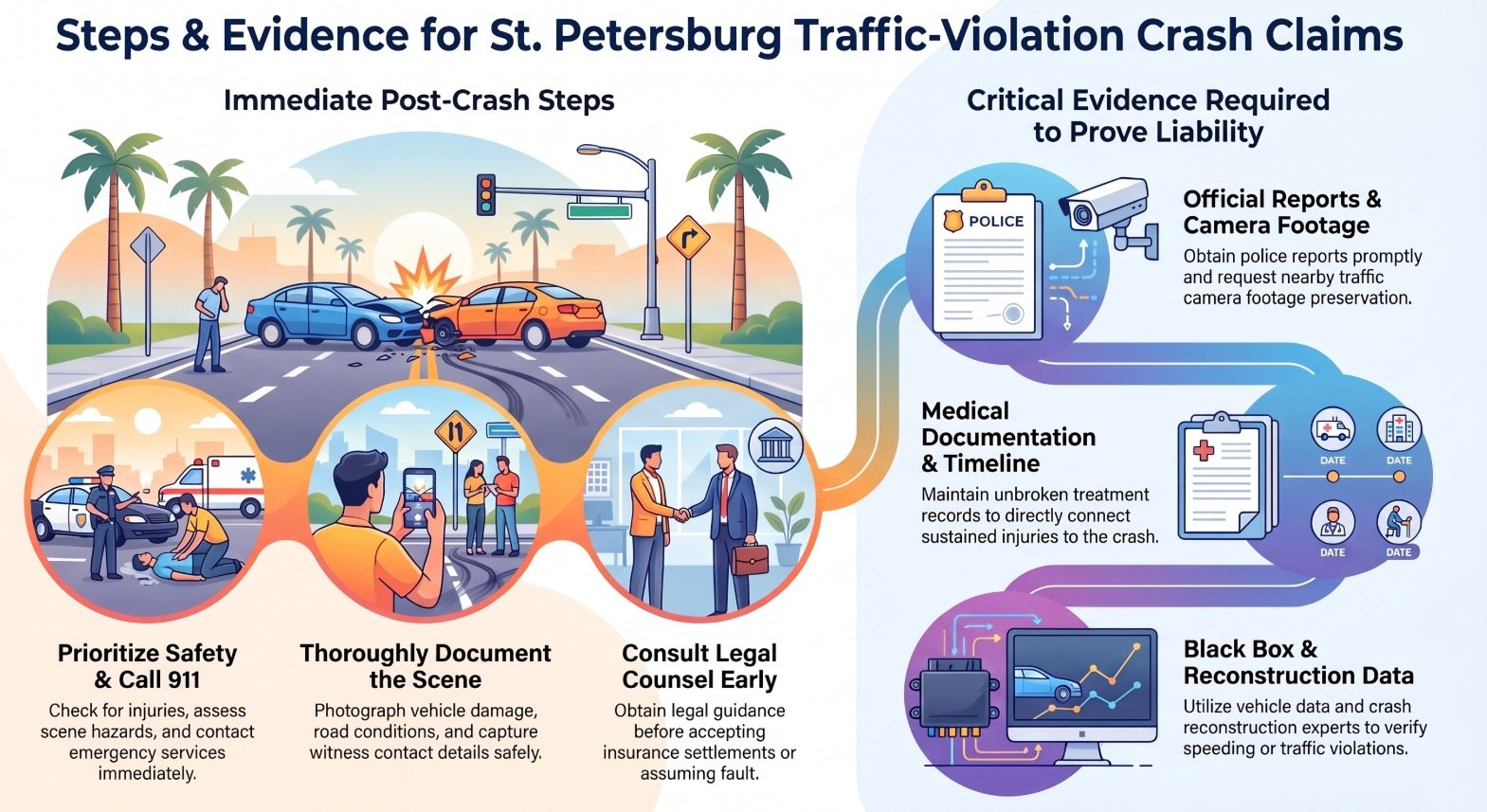
After a crash, we should first check for injuries and call 911 if anyone needs medical help. Document the scene by photographing vehicle damage, road conditions, and any visible traffic violations, and collect witness and driver information. Once we address immediate needs, we can contact a lawyer to discuss our options and protect our interests.
Check for Injuries
Check for injuries as soon as the crash stops, but don’t move anyone with a head, neck, or back injury unless there’s an immediate danger, such as fire. First, consider Emergency scene safety: watch for traffic, smoke, leaking fuel, or other hazards before approaching anyone. If the area is unsafe, move to a protected location and call 911. Check whether each person responds and breathes normally. Ask about pain, but don’t assume someone is unharmed because they can speak or walk. Injury warning signs may include confusion, dizziness, severe bleeding, difficulty breathing, numbness, or worsening pain. Call emergency services for any serious concern, and follow the dispatcher’s instructions. If someone is unconscious or struggling to breathe, tell the dispatcher immediately. Stay with injured people, offer calm reassurance, and avoid giving them food or drink.
Document the Scene
Once everyone is safe, document the crash scene without entering traffic or delaying medical care. If you can do so safely, use your phone to Photograph vehicle positions before anyone moves a car. Capture each vehicle from several angles, along with license plates, visible damage, traffic signals, signs, and nearby landmarks. Preserve roadway conditions by photographing skid marks, debris, fluid spills, potholes, and weather or lighting conditions that may have contributed to the collision. Take wide shots to show the scene’s layout and closer images to record specific details. Ask willing witnesses for their names and contact information, and note what they observed in their own words. Keep your notes factual and include the time and location. These careful records can help clarify what happened and support an accurate account for everyone involved.
Contact a Lawyer
If a traffic violation or speeding may have caused your St. Petersburg crash, contact a lawyer promptly after addressing urgent medical needs. We can help you understand your options, protect important evidence, and pursue accountability while you focus on recovery. Share the crash report, photographs, witness details, medical records, and insurer communications so we can assess the circumstances. Avoid guessing about fault or accepting a settlement before you understand the full extent of your injuries and losses. During a Free Consultation, ask how the lawyer will investigate the alleged violation, communicate with you, and handle deadlines. Review Lawyer Credentials, including experience with injury claims involving speeding or other traffic offenses. We can also explain potential fees and next steps, helping you make an informed decision and preserve your ability to seek compensation.
Critical Evidence in a St. Petersburg Car Accident Traffic Violations & Speeding Injury Case
We’ll help you identify evidence showing how a speeding or traffic violation caused your injuries and supports your claim.
- Police crash reports can document the scene and officers’ findings.
- Traffic camera footage may capture the moments before impact.
- Witness statements can preserve accounts of what happened.
- Medical records can connect your injuries to the crash.
Together, these records can help us present a clearer account of your losses and the harm you’ve endured.
Police Crash Reports
How can we establish what happened after a crash involving speeding or another traffic violation? We can begin with the police crash report, which records the responding officer’s observations, statements from drivers and witnesses, roadway conditions, and any citations issued. Although the report can provide a useful starting point, it isn’t a final determination of fault. We’ll compare its details with other available evidence and identify gaps or inconsistencies that may affect your claim.
Report retrieval matters because prompt access helps us preserve important information and assess the case accurately. If the report contains incorrect names, vehicle details, or other factual errors, we can explain how to request corrections from the appropriate agency. We’ll also help you understand how the report may support efforts to protect your rights and pursue fair compensation while serving your family’s needs.
Traffic Camera Footage
Traffic camera footage can help show how a crash involving speeding or another traffic violation unfolded. Cameras near an intersection or roadway may capture a vehicle’s speed, traffic signal, lane position, or movements before impact. We can review available recordings to identify details that support your account and help clarify how the collision occurred.
Because agencies and businesses may erase recordings quickly, prompt preservation of camera footage matters. We can help identify likely camera locations and request that relevant footage be retained before it disappears. We also assess whether surveillance video authentication is needed to establish that a recording is genuine and accurately reflects the scene. Footage can support a careful investigation and strengthen efforts to seek fair compensation. By preserving this evidence, we can help protect your interests and pursue accountability for those affected.
Witness Statements
What did other drivers, passengers, or pedestrians see before the collision? Their observations may help us understand how a speeding or traffic violation caused the crash. We can identify witnesses, ask focused questions, and document their accounts while details remain clear. A witness may describe a vehicle’s speed, lane changes, signal use, or the driver’s actions just before impact. We’ll assess Witness credibility by considering the person’s vantage point, attention, neutrality, and ability to recall events. We’ll also compare accounts for statement inconsistencies, which may reflect limited visibility, stress, or differing perspectives rather than dishonesty. By carefully evaluating each statement alongside available evidence, we can present a reliable account and help protect your interests. Respectful, thorough interviews also honor witnesses’ time and support a fair review of what happened.
Medical Records
When a speeding or traffic-violation crash causes injury, medical records can help establish the harm and its connection to the collision. We can use emergency department notes, diagnostic images, physician assessments, and therapy records to document your symptoms, diagnoses, and care. Prompt evaluation matters because treatment gaps may raise questions about whether the crash caused or worsened an injury. We’ll help you maintain a complete treatment timeline, including appointments, referrals, prescriptions, and symptom changes. Careful Medical record organization can make it easier to identify consistent findings and explain how injuries affected your daily activities. Tell each provider about the collision and report symptoms accurately; clear documentation supports appropriate care and your claim. We can also review records for missing information and request corrections when needed.
Don’t Wait. Call Our Florida Personal Injury Lawyers Now!
Long-Term Effects of St. Petersburg Car Accident Traffic Violations & Speeding Injuries
When a traffic violation or speeding crash causes serious injuries, we should consider how chronic pain and reduced mobility may affect your daily life. We can also assess lasting financial burdens, including ongoing treatment costs and lost income. Emotional and psychological effects may also persist, shaping your recovery long after the collision.
Chronic Pain And Mobility
After a St. Petersburg crash caused by speeding or another traffic violation, chronic pain can continue long after visible injuries recover. We recognize how persistent discomfort may disrupt sleep, limit concentration, and make ordinary routines difficult. Stiffness, nerve pain, or reduced strength can also restrict walking, driving, and caring for family members. We encourage you to follow your treatment plan and report changes in symptoms to your medical providers. Pain management may include medication, physical therapy, or other approaches selected for your needs. When movement remains limited, mobility aids such as braces, canes, or walkers may help you stay safer and more independent. We can help you document how these lasting effects influence daily life and explain their connection to the collision as you consider your legal options.
Lasting Financial Burdens
Serious injuries from speeding or other traffic violations can create financial burdens that continue long after a St. Petersburg crash. We recognize that recovery may require ongoing treatment, rehabilitation, medication, and help with daily tasks. These costs can accumulate while injuries limit your ability to work or reduce your income. Household Budget Strain may follow when families use savings to cover medical bills, transportation, and necessary expenses. Some people also face reduced earning capacity or must change careers, affecting their long-term financial security. Retirement Savings Depletion can occur when you withdraw funds early to meet immediate needs, potentially weakening plans for later years. We can help you document these losses and consider how they may affect your future. By pursuing accountability, we seek resources that support your recovery and help protect your household’s stability.
Emotional And Psychological Effects
The financial strain of a St. Petersburg crash can compound emotional harm, especially when traffic violations or speeding cause serious injuries. Anxiety after crashes may make it difficult to drive, sleep, concentrate, or return to familiar routines. Some people experience post-traumatic stress, including intrusive memories, heightened alertness, or distress when they encounter reminders of the collision. These effects can persist long after physical injuries begin to recover and may affect work, relationships, and daily responsibilities.
We can help you understand how documented psychological injuries may relate to your accident claim. Consider speaking with a qualified mental health professional and keeping records of symptoms, treatment, and changes in daily life. With appropriate support, you can focus on recovery while we explain your legal options and help protect your interests. You don’t have to face these challenges alone.
Proving Liability in St. Petersburg Car Accident Traffic Violations & Speeding Injury Cases
When a driver speeds or violates a traffic law in St. Petersburg, we must connect that conduct to the collision and your injuries. A citation can support your claim, but it doesn’t automatically establish fault. We examine the circumstances, identify applicable traffic rules, and determine how the driver’s actions contributed to the crash.
We gather evidence such as police reports, photographs, witness statements, road conditions, and available video. Black Box Data may reveal vehicle speed, braking, or other details shortly before impact. When the facts require deeper analysis, Accident Reconstruction can help explain the sequence of events and whether a traffic violation caused or worsened the collision.
We also review medical records and other documentation to show how the crash affected your health and daily life. By building a clear, evidence-based account, we can pursue accountability while respecting everyone affected. A careful investigation helps us present your experience accurately and show why responsible driving matters to our community’s safety.
Dealing With Insurance Companies After a St. Petersburg Car Accident Traffic Violations & Speeding Injury
After a St. Petersburg crash involving a traffic violation or speeding, you may face calls from insurance companies while managing injuries and supporting your family. We help you communicate carefully and protect your interests without losing sight of your recovery. An insurer’s adjuster may request a recorded statement, medical records, or collision details. Before responding, we can explain what information is relevant and help you avoid speculation or statements that could be misunderstood.
Keep adjuster communication accurate, documented, and focused on the facts. Keep copies of messages, bills, repair estimates, and correspondence, and refer questions about fault or injuries to us when appropriate. We can assess the insurer’s position against available evidence and explain how a traffic citation or speeding allegation may affect discussions.
During settlement negotiations, we present supported losses and respond to offers with clear reasoning. We’ll help you evaluate proposed terms, including whether they account for ongoing care, before you decide how to proceed.
What to Expect During a St. Petersburg Car Accident Traffic Violations & Speeding Injury Claim Process
We’ll start by reporting the crash and gathering evidence, including photographs, witness details, and medical records. Next, we’ll explain how to file your injury claim and document losses linked to the traffic violation or speeding. We’ll then guide you through negotiations or other steps to resolve the case.
Reporting The Accident
Reporting a crash promptly helps preserve evidence and creates an official record. In St. Petersburg, call 911 when anyone is injured, traffic is blocked, or the collision may involve a serious violation. For less urgent crashes, follow Florida’s reporting requirements and contact law enforcement as soon as practical. Give officers accurate information and request the report number before you leave.
We can help you understand what to report and how the official record may affect your injury claim. Notify your insurer promptly, but keep your account factual and avoid guessing about fault or injury details. Insurer notification requirements can vary by policy, so review your terms and ask us about unclear requests. Filing deadlines may apply to insurance notices, injury claims, and legal actions. We’ll help you track those dates and take timely steps.
Gathering Evidence
When a traffic violation or speeding may have caused your crash, we gather evidence to establish what happened and connect the conduct to your injuries. We review the police report, witness accounts, photographs, and available traffic or surveillance footage. We also examine vehicle damage, road conditions, skid marks, and any citations or test results that may clarify how the collision occurred.
Evidence preservation matters because video, electronic records, and physical evidence can disappear or change. We may promptly request that relevant footage and vehicle data be retained. When appropriate, digital forensics can help recover or analyze information from vehicle systems, phones, or other devices, subject to applicable privacy rules. We compare these findings with your medical records and documented losses. This careful process helps us assess the facts and protect your interests while you focus on recovery.
Filing The Claim
After evaluating the evidence, we can prepare and file a claim against the parties responsible for a speeding or traffic-related crash. We’ll identify the appropriate insurer, document how the collision occurred, and explain how the driver’s conduct caused your injuries. Prompt action matters because Claim Deadlines may limit how long you have to pursue compensation. We’ll review applicable filing periods and take steps to protect your rights.
During Demand Preparation, we’ll organize supporting records, including medical bills, treatment information, wage documentation, and evidence of ongoing losses. We’ll also describe how your injuries affect your daily responsibilities and ability to serve your family and community. You can help by providing accurate information and keeping us updated about treatment. We’ll submit the claim with clear documentation and monitor communications, keeping you informed as the process proceeds.
Resolving The Case
Once we’ve submitted your claim, we’ll review the insurer’s response and assess any settlement offer against your documented losses. We’ll explain how the offer compares with your medical expenses, lost income, property damage, and other supported losses, so you can make an informed decision.
During Settlement negotiations, we’ll present evidence, address disputes about fault or the severity of your injuries, and keep you updated on meaningful developments. You’ll decide whether to accept an offer; we’ll provide clear guidance without pressuring you to settle before you understand the consequences.
If the insurer won’t offer fair compensation, we may pursue court resolution. We’ll prepare your case, meet filing deadlines, and explain each step, including possible hearings or trial. Throughout the process, we’ll protect your interests and help you focus on recovery and your responsibilities to those who depend on you.
Compensation for St. Petersburg Car Accident Traffic Violations & Speeding Injury Damages
A driver’s traffic violation or speeding may support a compensation claim if it caused a crash and injuries. We can help you identify the losses connected to the collision and pursue a recovery that reflects your needs. Depending on the evidence, compensation may address medical treatment, rehabilitation, and Future care when injuries require ongoing support. It may also cover lost income or reduced earning capacity, as well as the impact the injuries have on daily activities and relationships.
We’ll review crash reports, witness accounts, medical records, and other evidence to connect the violation to your injuries. A speeding citation can be relevant, but it doesn’t automatically establish liability or guarantee compensation. We’ll assess the facts and explain the options available under Florida law. In cases involving especially reckless conduct, punitive damages may be available to punish wrongdoing and deter similar behavior. We’ll work to protect your interests while keeping your recovery and well-being at the center of the claim.
Don’t Wait. Call Our Florida Personal Injury Lawyers Now!
Economic vs. Non-Economic Damages in St. Petersburg Car Accident Traffic Violations & Speeding Cases
We’ll distinguish economic damages, such as medical bills, lost income, and vehicle repair costs, from non-economic losses like pain and emotional distress. In speeding-related crash claims, you’ll need clear evidence to support each category. We’ll explain how records, expert assessments, and other documentation can help establish the value of your damages.
Economic Damage Examples
When a traffic violation or speeding causes a car accident in St. Petersburg, we can help you identify the financial losses that may qualify as economic damages. These are measurable costs tied directly to the collision, supported by bills, receipts, estimates, or other records.
Vehicle repair costs may include parts, labor, towing, and necessary rental transportation while your car is unavailable. If the vehicle is declared a total loss, we can review its pre-crash market value and applicable insurance payments. Even after repairs, a damaged vehicle may lose market value. This diminished resale value can represent a separate financial loss, depending on the evidence and circumstances.
Other economic damages may include reasonable medical expenses, prescription costs, and documented lost income. We can help organize these records and assess how the at-fault driver’s conduct affected your finances.
Non-Economic Losses
Beyond bills and lost income, a speeding or traffic-violation crash can cause losses without a receipt. These non-economic damages reflect how an injury affects your comfort, relationships, and daily life. Pain and suffering may include physical discomfort, emotional distress, anxiety, or disruption to your sleep and routine. A serious collision can also limit your ability to care for family members, participate in community responsibilities, or enjoy activities that once mattered to you. Loss of enjoyment describes the reduced ability to take part in those meaningful parts of life. Unlike medical expenses or missed wages, these harms don’t have a fixed price. We can help you understand how Florida law treats non-economic losses and how they differ from measurable financial damages in a St. Petersburg traffic-violation or speeding case.
Proving Your Damages
Showing that a traffic violation or speeding caused a crash is only part of a car accident claim; we also need to document the losses the collision caused. We help you distinguish economic damages, such as medical bills, lost income, and repair costs, from non-economic damages, including pain, emotional distress, and reduced enjoyment of life.
Thorough Damage documentation can support both categories. Keep invoices, pay records, treatment notes, and photographs, and follow your providers’ recommendations. We can also gather witness accounts and records showing how your injuries affect daily responsibilities and relationships.
When evidence needs clarification, expert testimony from medical or financial professionals can explain future care needs, diminished earning capacity, or the connection between your injuries and the crash. By presenting organized, credible proof, we can help insurers or a jury assess the full impact of your losses and pursue fair compensation.
When a St. Petersburg Car Accident Traffic Violations & Speeding Injury Case Goes to Trial vs. Settlement
A speeding or traffic-violation crash claim may settle through negotiation or proceed to trial, depending on the evidence, the severity of the injuries, and whether the parties can agree on responsibility and compensation. We’ll review available records, witness accounts, and medical information to assess your case’s strengths and needs.
During settlement negotiations, we present the evidence and explain how the crash affected your health, work, and daily responsibilities. A fair resolution may provide compensation sooner and avoid the uncertainty of a courtroom, but you decide whether an offer meets your needs. We’ll explain its terms and potential trade-offs before you respond.
If the parties can’t reach an acceptable agreement, we may take the case to trial. Trial preparation includes organizing evidence, preparing witnesses, and developing a clear account of how the violation caused harm. We’ll keep you informed, explain each step, and advocate for a result that recognizes your losses and supports your recovery.
Florida Laws That May Affect Your St. Petersburg Car Accident Traffic Violations & Speeding Case
Florida law can shape how we prove fault, meet filing deadlines, and pursue compensation after a speeding or traffic-violation crash in St. Petersburg. We’ll examine the rules that may affect your claim and your ability to support injured people who depend on you.
- Florida speed limits set the lawful maximum speeds, but conditions may require drivers to slow down. Evidence of excessive speed can help show negligence.
- Traffic citations may support a claim, though they don’t automatically decide who caused the collision. We’ll assess reports, witness accounts, and available records.
- Under comparative negligence, your compensation may be reduced if your own conduct contributed to the crash. Florida’s modified system may bar recovery when your share of fault exceeds 50 percent.
- Florida’s no-fault insurance rules generally require injured drivers to seek initial benefits through personal injury protection coverage. Serious injuries may let you file a claim against the at-fault driver.
We’ll explain how these laws apply to your circumstances, so you can make informed decisions while protecting your family’s needs and pursuing accountability.
The Statute of Limitations for St. Petersburg Car Accident Traffic Violations & Speeding Injury Cases
Even when traffic citations and other evidence support your claim, filing deadlines can determine whether you may pursue compensation after a St. Petersburg crash. Florida law generally gives an injured person two years to file a negligence lawsuit, including a claim arising from a speeding-related collision. The Limitations deadline usually runs from the date of the crash, so waiting can put your right to seek damages at risk.
A separate deadline may apply if the collision caused a death. Florida generally requires a wrongful death lawsuit within two years of the date of death. These periods can depend on the facts, and limited tolling exceptions may pause or affect the deadline in specific circumstances. Don’t assume that ongoing treatment, settlement discussions, or a traffic case automatically extends the time to sue.
We can help you understand which deadline may apply and what information matters. Acting promptly protects your ability to seek accountability and resources for your recovery and the people who depend on you.
How a St. Petersburg Car Accident Traffic Violations & Speeding Lawyer Can Help You
When a traffic violation or speeding contributed to your crash, we can investigate the evidence and explain how it may support your injury claim. We review police reports, witness accounts, photographs, and available video to assess how the other driver’s conduct caused harm. We also help you understand how a citation relates to your civil claim, since a ticket alone doesn’t establish liability.
Our work may include:
- Preserving evidence before it disappears and helping protect your account of what happened.
- Identifying witnesses whose statements could bring clarity and accountability.
- Calculating medical expenses, lost income, and other losses that affect your family.
- Coordinating with insurers so you can focus on recovery and caring for those who depend on you.
If you received a citation, we can discuss Ticket defense and license protection separately from your injury claim. We’ll explain your options, organize the facts, and pursue a fair resolution grounded in evidence. Our guidance can help you make informed decisions while supporting your responsibilities at home and in the community.
When to Contact a St. Petersburg Car Accident Traffic Violations & Speeding Lawyer
Early legal guidance can help protect the evidence and clarify your options after a crash involving speeding or another traffic violation. Contact us as soon as you’re able, especially if anyone is injured, an officer issued a citation, or another driver disputes what happened. Early attorney consultation gives us time to identify important deadlines and preserve records before they become difficult to obtain.
We can review the crash report, photographs, witness details, and any citation you received. If you’re facing a court date or have insurance questions, don’t wait until the last moment to seek guidance. A prompt conversation can help you understand citation defense options and how a traffic charge may relate to your injury claim.
If you’re focused on caring for family, coworkers, or others affected by the collision, we can help you understand the next steps while you manage those responsibilities. Reach out promptly and bring any documents you have so we can clearly discuss your situation.
Why You Need an Experienced St. Petersburg Car Accident Traffic Violations & Speeding Lawyer
An experienced St. Petersburg car accident traffic violations and speeding lawyer can help you understand how a citation may affect your claim, driving record, and ability to serve your family and community. We’ll examine the circumstances of the crash, review available evidence, and explain how traffic allegations may influence questions of fault. This careful assessment helps you make informed decisions while protecting your interests.
Attorney experience matters when deadlines, insurance communications, and legal procedures demand prompt attention. We can identify relevant records, assess witness accounts, and address inconsistencies before they weaken your position. Our case strategy should reflect the facts, your priorities, and the practical consequences of each available option. We’ll also communicate clearly, so you know what to expect and can focus on your recovery and responsibilities.
How to Choose the Right St. Petersburg Car Accident Traffic Violations & Speeding Lawyer for Your Case
Choosing the right St. Petersburg lawyer begins with understanding what your case requires. Look for counsel who regularly handles traffic violations and speeding matters connected to car accidents, rather than relying on broad claims of experience. Ask about similar cases, courtroom experience, and familiarity with Florida traffic procedures. Attorney credentials matter, but so does a lawyer’s ability to explain how a citation may affect your accident claim and driving record.
We should also consider communication style. During an initial conversation, notice whether the lawyer listens carefully, answers questions directly, and explains possible next steps in terms we comprehend. Ask who will handle routine updates and how promptly the legal team responds. Clear communication helps us make informed decisions while managing recovery and daily responsibilities.
Before choosing, discuss fees, expected timelines, and potential outcomes without assuming any result is guaranteed. By comparing relevant experience, practical guidance, and responsiveness, we can choose representation that aligns with our needs and priorities.
About The Law Offices of Anidjar & Levine
When a car accident raises questions about fault, injuries, or insurance, The Law Offices of Anidjar & Levine represents people seeking guidance through the claims process. We work with injured individuals and families in St. Petersburg, helping them understand their options after a collision involving alleged traffic violations or speeding.
Our firm’s history reflects a commitment to representing people facing difficult circumstances. We listen to each client’s concerns, explain the steps involved, and pursue a response grounded in the facts and applicable law. We understand that an accident can affect health, work, and family responsibilities, so we aim to communicate clearly and respectfully.
Our attorney values include preparation, accountability, and service to others. We investigate the circumstances of a crash, review available records, and address questions about insurance and responsibility. Every case has its own details, and we don’t promise a particular outcome. Instead, we provide practical guidance and work to protect your interests while you focus on recovery and your family’s needs.
Frequently Asked Questions
Can a Speeding Ticket Affect My Florida Driver’s License or Insurance Rates?
Yes, a speeding ticket can affect your Florida driver’s license and insurance rates. We can help you understand whether the violation adds Florida license points, since the number depends on the circumstances and severity. Accumulated points may lead to license suspension. Your insurer may also review the ticket when setting your rates, potentially causing insurance premium increases. We recommend checking your citation and policy promptly, then addressing deadlines or options to protect your driving record.
What Happens if I Receive a Traffic Citation After a Crash?
If you receive a traffic citation after a crash, you must respond by the deadline or risk additional penalties, such as license suspension. We can help you review the charge, understand your options, and meet post-crash citation deadlines. A citation may affect your driving record and insurance, but it doesn’t automatically decide who’s liable for injuries or damage. The citation’s impact on civil claims depends on the evidence and applicable law, so preserve records and seek guidance promptly.
Can I Contest a Speeding Ticket if the Officer Used Radar?
Yes, we can contest a speeding ticket even when an officer used radar. We should examine the device’s records, including maintenance and device calibration, and assess whether the officer followed required procedures. Radar accuracy may also depend on proper operation, traffic conditions, and the officer’s training. We can review the citation and available evidence with you, identify potential defenses, and explain the process so you can make an informed decision about challenging the charge.
Do Passengers Have to Testify in a Traffic-Violation Injury Case?
Passengers don’t automatically have to testify in a traffic-violation injury case. We’ll help you determine whether a passenger has been subpoenaed, because a valid subpoena generally requires that person to appear and answer relevant questions truthfully. Passenger testimony may clarify how the collision occurred, but its weight depends on the witness’s credibility, consistency, and firsthand knowledge. We can explain your obligations, protect your rights, and help make certain the process serves everyone involved fairly.
Can a Traffic Citation Be Dismissed if the Officer Misses Court?
Yes, a traffic citation may be dismissed if the officer doesn’t appear, but dismissal isn’t automatic. We’ll review the court’s procedures, whether the officer received proper notice, and any reason for the absence. Officer subpoena requirements can affect whether the hearing proceeds. The judge may grant hearing continuances, reschedule the matter, or rule based on the evidence presented. We can help you understand your options and protect your rights while respecting the court process.
—————————
If a traffic violation or speeding driver caused your injuries, we can help you understand your options and pursue compensation. We’ll review the evidence, explain how Florida law may affect your claim, and handle communications with insurers while you focus on recovery. Acting promptly can help preserve important records and witness accounts. Contact The Law Offices of Anidjar and Levine to discuss your accident and learn how our team can support your next steps. Visit our St. Petersburg Personal Injury Lawyer page to learn more.