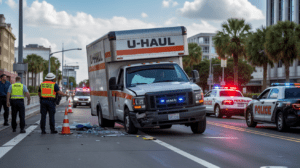
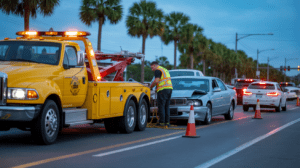
The Law Offices of Anidjar and Levine, a Florida truck accident claims and liability lawyer, investigates crashes, preserves vital evidence, and identifies potentially responsible drivers, carriers, owners, maintenance providers, and insurers. Counsel evaluates negligence, federal safety violations, causation, and documented damages, including medical expenses, lost income, disability, and future care. The lawyer also communicates with insurers and protects clients from premature statements or settlements. Prompt legal guidance helps preserve vehicle data, logs, surveillance, and witness accounts. Learn more from a Florida Personal Injury Lawyer about available protections and case strategies.
Main Takeaways
- A Florida truck accident lawyer can identify responsible parties, protect legal rights, and pursue compensation for injuries and losses.
- Liability may involve truck drivers, motor carriers, vehicle owners, maintenance providers, manufacturers, or insurers.
- Attorneys examine FMCSA compliance, driver logs, electronic data, maintenance records, crash reports, and other evidence.
- Prompt evidence preservation helps protect vehicle data, surveillance footage, witness accounts, photographs, and accident-scene documentation.
- Medical records, employment documents, treatment history, and expert opinions help prove causation, damages, and long-term limitations.
How We Can Help With Your Florida Truck Accident Claims & Liability Injury Claim
When a commercial truck accident causes injuries, an experienced Florida truck accident lawyer can help protect the injured person’s legal rights and pursue appropriate compensation. The lawyer may clearly evaluate available legal remedies while allowing the injured person to focus on medical care and recovery.
Services can include communicating with insurers, reviewing relevant records, and preserving evidence before it becomes unavailable. Counsel may examine police reports, medical documentation, vehicle maintenance materials, driver qualifications, and photographs to clarify the circumstances surrounding the incident. This work supports informed decisions without requiring the injured person to manage every administrative demand alone.


A lawyer can also explain Insurance coverage options and identify the parties or policies that may warrant review. Through organized investigation and case development, counsel can present documented losses and supporting evidence coherently. The legal team may handle negotiations, respond to insurer communications, and prepare appropriate filings when resolution efforts do not adequately address the client’s needs.
Understanding Florida Truck Accident Claims & Liability Injury Cases
OUR CONSULTATIONSARE FREE
START YOUR FREE CASE REVIEW

Florida truck accident claims and liability cases require a careful examination of how the crash occurred, who contributed to it, and which insurance policies may apply. These injury cases often involve drivers, motor carriers, vehicle owners, maintenance providers, and insurers, and you must evaluate each party’s responsibilities separately. Federal and state requirements, including FMCSA regulations, may establish duties concerning qualifications, hours, inspections, and safety compliance.
A claim generally depends on proving negligence, legal responsibility, causation, and the full extent of resulting harm. Medical records, employment information, repair estimates, witness accounts, electronic logs, and other post-accident documentation can help connect the collision to documented losses. Early evidentiary preservation is crucial because vehicle data, surveillance recordings, and business records may otherwise disappear or become difficult to obtain.


A qualified attorney can organize the evidence, identify applicable coverage, and communicate with involved parties while protecting the injured person’s interests. During settlement negotiations, a carefully supported demand may address medical expenses, lost income, ongoing care, and other legally recognized damages.
Don’t Wait. Call Our Florida Personal Injury Lawyers Now!
Common Causes of Florida Truck Accident Claims & Liability
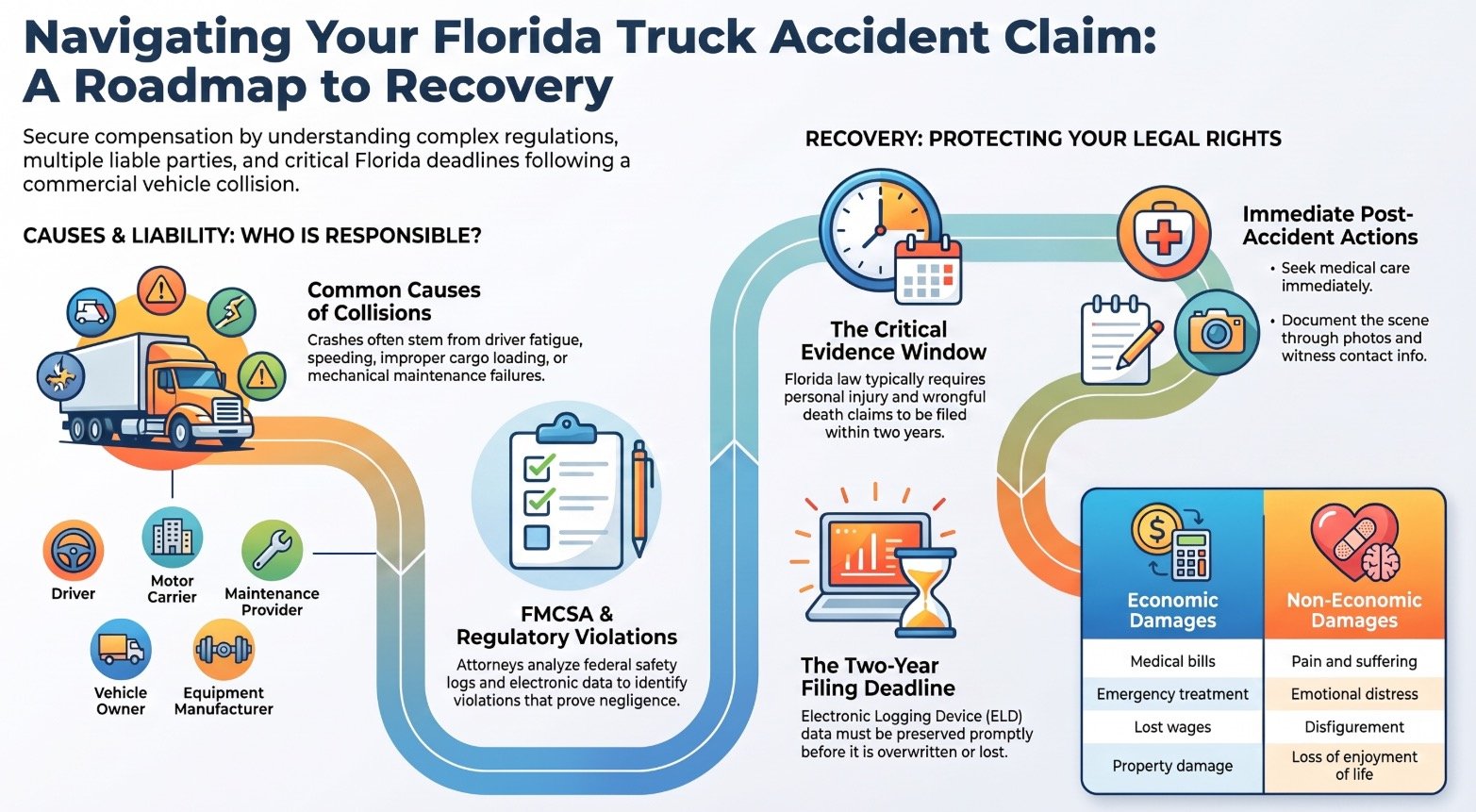
Florida truck accident claims commonly arise from driver fatigue, speeding, reckless driving, improper cargo loading, and vehicle maintenance failures. Each factor can impair a truck’s safe operation, increase collision risks, or worsen the resulting injuries and property damage. Determining the responsible parties requires examining driver conduct, trucking company practices, loading procedures, and maintenance records.
Driver Fatigue
Driver fatigue is a major cause of commercial truck accidents in Florida, especially during extended trips, overnight operations, and schedules that leave insufficient time to rest. Fatigued drivers may experience impaired judgment, delayed reactions, reduced attention, and brief episodes of unintended sleep. Federal hours-of-service rules require adequate rest, but violations, demanding delivery deadlines, and inaccurate driving logs can increase collision risks. Trucking companies may share responsibility when they pressure drivers to exceed lawful limits, ignore warning signs, or fail to maintain effective safety procedures. After a crash, investigators may review electronic logging data, dispatch records, employment policies, and witness accounts. Victims may seek compensation for medical care, lost income, and ongoing support. In fatal cases, surviving relatives may pursue a wrongful death claim. Uninsured motorist coverage may provide additional protection when applicable.
Speeding And Reckless Driving
Speeding and reckless driving are common causes of Florida truck accidents because large commercial vehicles require greater stopping distances and more time to operate safely. Excessive speed can prevent a truck driver from responding appropriately to sudden traffic changes, construction zones, or disabled vehicles. Aggressive actions, including tailgating, abrupt braking, and unsafe passing, may increase the severity of a collision and endanger motorists, passengers, and pedestrians. Weather-related hazards further amplify these risks when rain, wind, or reduced visibility requires slower, more deliberate operation. Lane change errors can occur when a driver changes lanes without adequately checking blind spots or signaling, potentially forcing nearby vehicles into dangerous maneuvers. Investigating speed, vehicle position, traffic conditions, and driver conduct can help identify responsibility and support injured individuals seeking appropriate compensation after a crash.
Improper Cargo Loading
Improper cargo loading is another significant cause of Florida truck accidents, particularly when freight is unevenly distributed, inadequately secured, or loaded beyond legal weight limits. These conditions can shift a trailer’s center of gravity, reduce maneuvering control, increase stopping distances, and cause rollovers or cargo spills. Responsibility may involve the driver, freight handler, motor carrier, or shipping company, depending on who selected, loaded, and inspected the materials. Investigators may examine bills of lading, weight measurements, photographs, and cargo inspection records to determine whether required procedures were followed. Shipping company policies can also reveal whether employees received appropriate loading instructions and supervision. When improperly secured freight contributes to a collision, affected individuals may pursue compensation for medical expenses, lost income, property damage, and other legally recognized losses.
Vehicle Maintenance Failures
Vehicle maintenance failures can make a commercial truck unsafe to operate and substantially increase the risk of a serious collision. Carriers and truck operators have a responsibility to inspect, repair, and service vehicles according to manufacturer recommendations and applicable safety regulations. Neglected braking systems may delay stopping or cause a total loss of control, creating potential brake-failure negligence claims. Worn tires, improper inflation, defective retreads, and inadequate inspections are major causes of tire blowouts that can lead to rollovers, jackknifing, or multi-vehicle crashes. Other hazards may include broken steering components, malfunctioning lights, and damaged suspension systems. Maintenance records, inspection reports, repair invoices, and electronic logs can help establish whether a dangerous condition was known or reasonably discoverable. Identifying responsible parties may assist injured individuals and families in pursuing appropriate remedies.
Legal Rights of Florida Truck Accident Claims & Liability Injury Victims
When a commercial truck accident causes injury, victims may have the right to pursue compensation from the parties whose negligence contributed to the collision. Florida law may permit recovery for medical expenses, lost income, reduced earning capacity, pain, emotional distress, and other legally recognized losses. Rights can extend to claims against a trucking company, driver, insurer, or another responsible entity, depending on the evidence and applicable law.
- A seriously injured person is entitled to access to medical care without bearing an unfair financial burden.
- Families may seek support when injuries disrupt income, independence, or long-term plans.
- A careful legal claim can help preserve accountability and protect a victim’s future.
Proving Damages requires organized medical records, employment documentation, expert opinions, and evidence describing daily limitations. Evidence Preservation should begin promptly because vehicle data, driver records, photographs, witness accounts, and surveillance footage may disappear. Victims generally should avoid recorded insurer statements, settlement agreements, or social-media disclosures before understanding their legal rights. A qualified Florida attorney can investigate, identify responsible parties, and pursue a timely claim.
Why Do Florida Truck Accident Claims & Liability Injuries Happen?
Florida truck accident injuries often arise from preventable failures involving drivers, trucking companies, vehicles, or roadway conditions. Driver fatigue, distraction, impairment, speeding, and inadequate training can reduce reaction time and judgment. Federal and state safety rules limit driving hours and require qualified operators, yet violations may occur when schedules, compensation, or supervision encourage unsafe behavior.
Trucking companies may also neglect vehicle inspections, maintenance, cargo securement, or proper hiring procedures. Brake defects, tire failures, overloaded trailers, and improperly balanced cargo can make a collision more likely or more severe. Roadway hazards, including poor lighting, construction zones, standing water, and inadequate signage, may further contribute to injuries.
After a crash, disputes can be intensified by insurance company tactics, such as minimizing damages or shifting blame. Accurate records, electronic logs, maintenance files, witness accounts, and other evidence can clarify responsibility. Strong evidence-preservation habits among responsible parties and their representatives help ensure injured individuals receive a fair evaluation of their claims.
What Should You Do After a Florida Truck Accident Claims & Liability Injury?
After a Florida truck accident injury, the injured party should seek immediate medical care, even when symptoms initially appear minor. Documenting the accident scene, including vehicle damage, road conditions, and witness information, can help preserve important evidence. Contacting a truck accident lawyer promptly may also protect the individual’s legal rights and support an informed liability claim.
Seek Immediate Medical Care
Seek immediate medical care after a Florida truck accident, even if the injured person believes the condition is minor. A qualified medical professional can identify hidden injuries, develop an appropriate treatment plan, and explain which symptoms require urgent attention. Delayed conditions may include concussion, internal bleeding, spinal trauma, or soft-tissue damage that becomes more severe over time. An Emergency symptoms checklist may include difficulty breathing, chest pain, severe headache, confusion, weakness, numbness, uncontrolled bleeding, or loss of consciousness. Emergency services should be contacted when any such symptom appears. Prompt evaluation also helps avoid insurance delays by creating an objective medical record that connects injuries to the collision. The injured person should follow all treatment instructions, attend recommended appointments, and report worsening symptoms immediately to healthcare providers.
Document The Accident Scene
Once medical needs have been addressed, documenting the truck accident scene can help preserve evidence relevant to injury claims and liability disputes. If safety permits, photographs should show vehicle positions, roadway conditions, traffic controls, property damage, visible injuries, and relevant weather or lighting conditions. Vehicle documentation, including license plates, company markings, and identifying information, may help establish the involved parties and equipment. Gather witness statements with names and contact details while accounts are fresh, without pressuring anyone to assign blame. Retain copies of the crash report, towing records, receipts, and treatment records to track medical expenses and related losses. Save and review insurance communications carefully, including messages, forms, and recorded-statement requests. Accurate, organized documentation can support a fair evaluation and help those affected.
Contact A Truck Accident Lawyer
When should a person contact a Florida truck accident lawyer? Contact a lawyer as soon as possible after addressing medical needs, especially when injuries, disputed fault, commercial insurance, or significant property damage are involved. Early legal guidance can help preserve vehicle data, driver records, surveillance footage, and witness accounts before evidence disappears. A qualified attorney can explain the basics of the case timeline, identify responsible parties, and coordinate communications with insurers while protecting the injured person from premature statements or inadequate settlement offers. People who need immediate guidance can use a 24/7 injury hotline to discuss urgent concerns and available help. A lawyer may also recommend continued medical evaluation, careful expense documentation, and avoiding public statements about the collision. Prompt representation supports informed decisions and helps protect compensation intended to address recovery needs.
Critical Evidence in a Florida Truck Accident Claims & Liability Injury Case
Critical evidence can establish how a Florida truck accident occurred, who may be responsible, and the extent of resulting injuries. Important sources include driver logs, electronic data records, accident-scene evidence, and medical treatment documentation. Preserving this information promptly may protect a claim from disputed facts and prevent injured individuals from losing the accountability they merit.
- Driver records may reveal fatigue, excessive hours, or violations that placed others at risk.
- Electronic data and scene evidence can preserve facts that might otherwise disappear.
- Medical documentation connects the crash to pain, treatment, financial loss, and lasting harm.
Truck Driver Logs
Truck driver logs can provide vital evidence in a Florida truck accident claim by showing whether the driver complied with federal hours-of-service requirements before the collision. These records may establish driving periods, rest breaks, duty changes, and the timing of required off-duty intervals. Comparing the entries with delivery documents, dispatch communications, fuel receipts, and witness accounts can reveal inconsistencies or possible FMCSA violations. A driver who exceeded allowable hours may have experienced fatigue, impaired judgment, or delayed reactions, strengthening arguments concerning negligence and liability. The logs may also clarify whether a trucking schedule placed unreasonable demands on the driver or encouraged unsafe conduct. Preserving these records promptly is important because they can help injured individuals, families, and advocates present an accurate account while seeking accountability and appropriate support.
Electronic Data Records
Electronic data records can provide important evidence in a Florida truck accident claim by documenting the vehicle’s speed, braking, location, and operation before the collision. Information from electronic control modules, telematics systems, onboard cameras, and GPS devices may help establish what occurred and identify inconsistencies in a driver’s account. Attorneys may preserve these records promptly because data can be overwritten, altered, or lost through routine maintenance. Surveillance video and dashcam footage can supplement electronic records by showing traffic conditions and vehicle movements. Similarly, witness statements can clarify timing and observed conduct, while a police report may summarize initial findings. When carefully authenticated, these sources can assist in evaluating negligence, causation, and damages. Preserving accurate evidence also supports a fair claim process and helps protect the interests of injured individuals and families.
Accident Scene Evidence
When a collision occurs, accident scene evidence can help establish how the crash happened and which parties may bear legal responsibility. Photographs and video can preserve vehicle positions, roadway conditions, traffic controls, debris patterns, skid marks, and visibility concerns before the scene changes. Witness statements may clarify vehicle movements, driver conduct, timing, and surrounding circumstances that physical evidence alone cannot show. Damage documentation should include photographs of every affected vehicle, cargo, nearby property, and relevant road features, supported by consistent descriptions of the observed condition. Investigators may also obtain crash reports, dispatch records, surveillance footage, and scene measurements. Prompt preservation is important because weather, traffic, repairs, and cleanup can alter or destroy evidence. A careful record may assist injured parties, families, and communities seeking accountability.
Medical Treatment Documentation
Although accident scene evidence can help explain how a collision occurred, medical treatment documentation can establish the nature, timing, and extent of injuries claimed after a Florida truck accident. Records should include emergency evaluations, diagnostic imaging, physician notes, prescriptions, therapy reports, work restrictions, and billing statements. Consistent documentation can connect symptoms to the collision and demonstrate whether treatment followed medical recommendations. Gaps, delayed care, or inconsistent histories may invite challenges concerning causation, severity, or preexisting conditions. A complete file also supports Insurance denial responses and negotiation tactics by providing objective evidence rather than unsupported assertions. Evidence preservation tips include requesting certified records, retaining receipts, recording symptom changes, and maintaining appointment histories. Counsel may also coordinate witness statement collection to compare observed limitations with medical findings and protect the injured person’s credibility.
Don’t Wait. Call Our Florida Personal Injury Lawyers Now!
Long-Term Effects of Florida Truck Accident Claims & Liability Injuries
Long-term injuries from Florida truck accidents may involve chronic pain, reduced mobility, permanent disability, and ongoing medical needs. Emotional and psychological trauma, including anxiety, depression, and post-traumatic stress, can also affect recovery and daily functioning. These conditions may create lasting financial and lifestyle changes through lost income, increased expenses, and diminished independence.
Chronic Pain and Disability
Chronic pain and disability can profoundly affect a truck accident victim’s mobility, employment, independence, and overall quality of life. Persistent injuries may require surgeries, rehabilitation, assistive devices, or workplace accommodations, while reduced earning capacity can create continuing financial pressure. A careful legal evaluation should address both present limitations and reasonably foreseeable medical needs, including treatment, medication, physical therapy, and personal assistance. Evidence preservation is crucial because medical records, diagnostic images, employment documentation, and accident-related materials can establish the injury’s progression and lasting impact. Consistent medical documentation helps connect symptoms to the collision and demonstrates compliance with recommended care. Witness statements may clarify functional limitations observed at home or work. During insurance communication, accurate, restrained descriptions are important, since premature statements can undermine a claim. Legal guidance can help protect long-term interests.
Emotional and Psychological Trauma
Emotional and psychological trauma after a Florida truck accident may affect a victim’s sleep, concentration, relationships, employment, and ability to resume ordinary activities. Symptoms can include anxiety, depression, intrusive memories, heightened alertness, and fear of driving or traveling near commercial vehicles. Some conditions emerge gradually, making prompt evaluation by qualified mental-health professionals important. Treatment records may help document diagnosis, symptoms, and whether the trauma relates to the collision. A legal team may also examine evidentiary timelines, including when symptoms began, how treatment progressed, and whether earlier records reveal other causes. Witness statements can describe changes in behavior, mood, daily functioning, and participation in previously routine activities. Careful documentation helps present the victim’s experience accurately while supporting appropriate recovery and accountability without overstating psychological harm or assuming uniform outcomes.
Financial and Lifestyle Changes
A Florida truck accident can produce lasting financial and lifestyle changes that extend well beyond initial medical expenses. Injuries may reduce earning capacity, interrupt employment, or require ongoing treatment, rehabilitation, medication, and transportation. These costs can strain household resources long after a survivor receives an insurance payment or settlement.
Families often adjust budgets as they prioritize necessary care, modify savings plans, or seek help with everyday expenses. When a survivor cannot work or manage previous responsibilities, relatives may assume caregiving duties, creating additional financial and emotional pressures. Home life changes may include accessibility renovations, altered routines, transportation limitations, and reduced participation in family or community activities. Accurate documentation of these effects can help demonstrate future losses. Legal guidance may help affected individuals pursue compensation that supports stability, dignity, and continued service to others.
Proving Liability in Florida Truck Accident Claims & Liability Injury Cases
Proving liability in Florida truck accident claims requires establishing that the truck driver, trucking company, vehicle owner, manufacturer, or another responsible party caused the collision through negligence or a legal violation. A careful investigation may examine driver qualifications, hours-of-service compliance, training, vehicle maintenance, loading procedures, roadway conditions, and electronic logging data. Evidence preservation is crucial because inspection reports, onboard recordings, dispatch records, and physical evidence can be lost or altered over time. Witness statements may clarify traffic movements, driver conduct, and conditions immediately before impact. Medical records document the nature, duration, and treatment of injuries, helping connect them to the crash and establish damages. Photographs, accident reports, expert analysis, and employment records may further identify responsible parties. Although insurance negotiation is addressed separately, liability findings provide the factual foundation for evaluating a claim. Attorneys serving injured people can organize this evidence, address disputed facts, and pursue accountability under Florida law.
Dealing With Insurance Companies After a Florida Truck Accident Claims & Liability Injury
After a Florida truck accident, insurance companies may contact injured individuals or their representatives to obtain statements, evaluate damages, and assess potential responsibility. Their representatives may appear helpful, but early communications can affect how injuries, medical needs, and responsibility are characterized. An injured person generally should avoid recorded statements, broad authorizations, or signed releases without understanding the consequences. Counsel can manage communications, preserve relevant evidence, and identify coverage available through the trucking company, driver, and other potentially accountable parties.
Insurance adjusters may question treatment gaps, prior conditions, lost income, or the necessity of services. Complete, consistent documentation can help address those concerns while protecting the injured person’s interests. Effective settlement negotiation tactics may include presenting organized medical records, calculating past and anticipated losses, and explaining liability evidence without overstating the claim. If an insurer delays, undervalues, or improperly investigates a valid claim, counsel may examine insurance bad faith defenses and available remedies. Professional guidance helps ensure communications remain accurate, respectful, and focused on fair compensation.
What to Expect During a Florida Truck Accident Claims & Liability Injury Claim Process
A Florida truck accident injury claim typically begins with an initial case evaluation to assess damages, insurance coverage, and potential legal issues. The process may then involve collecting evidence and investigating liability, including driver conduct, vehicle maintenance, and trucking company practices. Depending on the findings, the claim may conclude through settlement negotiations or proceed to trial.
Initial Case Evaluation
During the initial case evaluation, a Florida truck accident attorney examines the collision, injuries, financial losses, and potentially responsible parties to determine whether a viable claim exists. The attorney may discuss medical treatment, employment disruptions, insurance coverage, and the client’s immediate concerns. This meeting also helps clarify potential liability involving the truck driver, carrier, contractor, manufacturer, or other entities. Clients may receive guidance on preserving evidence, communicating with insurers, and protecting their legal interests while treatment continues. Reviewing insurance documentation can help identify available policies, coverage limits, and claim requirements. The attorney may explain applicable deadlines, potential damages, and the anticipated process without promising a specific outcome. A careful evaluation allows the legal team to offer informed, service-focused guidance and determine the most appropriate next steps for the injured person and family.
Evidence Collection Process
When a Florida truck accident claim is opened, counsel typically begins preserving and collecting evidence that may establish how the collision occurred, who was responsible, and the extent of the resulting losses. This process may include securing photographs, vehicle damage images, traffic-camera recordings, witness contact information, and available electronic data from involved vehicles. Medical records document diagnoses, treatment, functional limitations, and anticipated long-term recovery needs. Employment records and other financial documentation may help demonstrate lost income and related expenses. Counsel may also request relevant communications, repair estimates, and insurance policy information before evidence is lost or altered. Organized documentation supports clear communication with insurers, helps address Insurance disputes, and informs a reasonable settlement strategy. Throughout the process, counsel generally works to protect the claimant’s interests while reducing avoidable burdens on injured individuals and their families.
Liability Investigation Steps
Liability investigations build on the preserved evidence by examining how the collision occurred and which parties may bear legal responsibility. Investigators review the crash report, vehicle damage, photographs, medical records, and roadway conditions to identify contributing factors. They may analyze driver logs, dispatch records, maintenance documents, inspection histories, and training materials for regulatory or safety violations. Eyewitness testimony can clarify traffic movements, driver behavior, visibility, and events immediately before impact. Investigators may also request surveillance footage from nearby businesses, residences, traffic cameras, or vehicles equipped with recording systems. The inquiry can extend to the trucking company, vehicle owner, maintenance providers, cargo handlers, and other potentially responsible entities. Each source is compared for consistency, helping establish a careful factual account and protect the injured person’s interests.
Settlement Or Trial
Settlement or trial represents the stage at which the injured person’s truck accident claim may resolve through negotiated compensation or proceed to a formal court decision. During settlement discussions, counsel evaluates medical records, lost income, future care needs, liability evidence, and available insurance coverage. Negotiation tactics may include presenting a well-supported demand, challenging disputed facts, and judging whether an offer fairly reflects the person’s losses. If negotiations fail, the case may proceed through discovery, pretrial motions, and trial. The injured person may testify about the collision, treatment, limitations, and daily consequences. Counsel also prepares witnesses and addresses jury expectations, including the need for credible evidence and a clear explanation of responsibility. A court determines liability and damages based on admissible evidence, while settlement decisions remain subject to the injured person’s informed approval.
Don’t Wait. Call Our Florida Personal Injury Lawyers Now!
Compensation for Florida Truck Accident Claims & Liability Injury Damages
Compensation in Florida truck accident claims may cover medical expenses, lost income, property damage, pain and suffering, and other crash-related losses. The recoverable amount depends on evidence establishing liability, injury severity, treatment needs, and the collision’s impact on the injured person’s daily life.
A careful claim review may include medical records, employment documentation, repair estimates, crash reports, photographs, and witness testimony. Evidence can also clarify whether a trucking company, driver, maintenance provider, or another responsible party contributed to the incident. Insurance company tactics may include disputing fault, minimizing injuries, requesting broad medical authorizations, or offering payment before the long-term consequences are understood.
A qualified legal professional can help preserve evidence, communicate with insurers, identify all potentially responsible parties, and seek compensation consistent with the documented harm. Prompt attention may also protect important deadlines and support a fair resolution for individuals and families affected by a serious truck collision.
Economic vs Non-Economic Damages in Florida Truck Accident Claims & Liability Cases
Florida truck accident claims may include economic damages, such as medical expenses, lost income, and property damage, as well as non-economic damages for pain, suffering, and diminished quality of life. Economic losses are generally supported by financial records, while non-economic losses require assessing the accident’s broader personal effects. Calculating total compensation involves evaluating both categories and considering the severity, duration, and future consequences of the injuries.
Economic Damages Explained
When another party’s negligence causes a truck accident, the injured person may pursue economic and non-economic damages under Florida law. Economic damages compensate measurable financial losses resulting from the collision. They may include emergency treatment, hospitalization, medication, rehabilitation, medical equipment, and future healthcare needs. Lost wages, reduced earning capacity, property damage, and necessary household services may also qualify with reliable documentation. In a Wrongful Death case, recoverable economic losses can include funeral expenses, medical costs incurred before death, and certain lost financial support, depending on the circumstances and claim eligibility. Early evidence preservation, including medical records, pay statements, repair estimates, and expert evaluations, can strengthen valuation. Because insurers may assess liability and settlement timelines differently, thorough financial documentation helps ensure that every substantiated loss is presented accurately.
Non-Economic Damages Explained
Non-economic damages address the personal effects of a truck accident that do not have a fixed dollar value, including pain and suffering, emotional distress, disability, disfigurement, and diminished enjoyment of life. These losses may affect a survivor’s independence, relationships, confidence, and ability to participate in ordinary activities. Florida claims typically require evidence linking those effects to the collision and showing they persist. Medical documentation can record symptoms, treatment recommendations, functional limitations, and psychological consequences, while testimony from family members, coworkers, or care providers may add context. Evidence preservation remains important because records, photographs, journals, and other materials can support credibility. During Insurance negotiation, representatives may dispute the seriousness or duration of non-economic harm. Legal counsel may consequently evaluate proposed Settlement amounts carefully and present the survivor’s experience with accuracy, dignity, and compassion.
Calculating Total Compensation
Because truck accident losses often extend beyond immediate medical bills, calculating total compensation requires separately assessing economic and non-economic damages. Economic damages may include emergency treatment, future medical care, rehabilitation, lost income, reduced earning capacity, property damage, and necessary household assistance. Bills, wage records, repair estimates, and a consistent medical documentation timeline help establish these measurable losses.
Non-economic damages address less tangible harm, including physical pain, emotional distress, disfigurement, loss of enjoyment, and diminished quality of life. Their value depends on the severity, duration, and documented impact of the injuries. During insurance settlement negotiation, insurers may challenge causation, future treatment, or claimed limitations. A complete demand should connect evidence to each category, account for comparative fault when applicable, and present a reasoned valuation that supports fair recovery for affected individuals and families.
When a Florida Truck Accident Claims & Liability Injury Case Goes to Trial vs Settlement
A Florida truck accident injury case may be resolved through settlement negotiations or proceed to trial, depending on the strength of the evidence, the parties’ willingness to negotiate, and the extent of the claimed damages. During Evidence Gathering, counsel may collect crash reports, electronic logging data, vehicle maintenance records, photographs, medical records, and witness statements. This material helps establish the Liability Burden and identifies potentially responsible parties.
Insurance Negotiation often begins before litigation, allowing the injured person and insurers to evaluate responsibility and losses without courtroom expense or delay. A settlement may provide greater certainty, but its terms should reflect documented medical needs, lost income, and other recoverable harm. Damages Proof remains important whether discussions continue or a judge or jury evaluates the claim.
A trial may become necessary when insurers dispute fault, minimize injuries, or offer inadequate compensation. Counsel can present witnesses, expert opinions, and records to support the client’s interests and pursue a fair resolution through a structured legal process.
Florida Laws That May Affect Your Florida Truck Accident Claims & Liability Case
When evaluating a Florida truck accident claim, attorneys must consider state laws governing negligence, comparative fault, insurance coverage, and the time allowed to file suit. These rules influence responsibility, available compensation, and the evidence required to support an injured person’s recovery.
Florida’s modified comparative negligence framework may reduce damages when a claimant shares responsibility. Counsel thus examines driver conduct, trucking-company supervision, maintenance records, roadway conditions, and compliance with state and federal safety requirements. Insurance coverage can involve commercial policies, excess coverage, cargo-related provisions, and multiple potentially responsible parties. Careful policy review helps identify resources for medical care, lost income, rehabilitation, and other documented losses.
Careful fault analysis and insurance review can help identify responsible parties and protect compensation for an injured person’s recovery.
- A thorough investigation can protect families facing overwhelming medical expenses.
- Accurate fault analysis may help preserve compensation for long-term recovery.
- Professional advocacy can hold negligent carriers accountable while supporting safer roads.
Attorneys also assess statutes and regulations affecting trucking operations, including licensing, vehicle weight, inspection, and hours-of-service requirements. Applying these laws responsibly helps serve injured clients and promote accountability without relying on speculation.
The Statute of Limitations for Florida Truck Accident Claims & Liability Injury Cases
Florida truck accident claims are also governed by strict filing deadlines that can determine whether an injured person may pursue compensation in court. In Florida, the general deadline for a negligence-based personal injury claim is typically two years from the accident date. Wrongful death actions generally must also be filed within two years, although specific circumstances may alter these periods. Claims involving government vehicles or agencies can require shorter notice deadlines and additional procedural steps.
Timely action helps preserve evidence, including vehicle data, maintenance records, driver logs, photographs, and witness recollections. Delay may allow important evidence to disappear while an insurance investigation develops without the injured person’s full documentation. Comparative negligence may reduce recovery if an injured party is assigned a share of responsibility, making accurate records particularly important. The settlement timeline does not extend the statutory deadline; negotiations or insurer communications ordinarily do not preserve a claim after limitations expire. Prompt attention helps protect the interests of those seeking fair compensation.
How a Florida Truck Accident Claims & Liability Lawyer Can Help You
Because truck accident cases often involve multiple parties and extensive evidence, legal counsel can provide structured guidance from the initial investigation through resolution. A Florida truck accident claims and liability lawyer may identify responsible drivers, motor carriers, maintenance providers, manufacturers, and other entities. Counsel can coordinate Evidence preservation by securing photographs, electronic logging data, vehicle inspection records, employment files, and available surveillance before essential information disappears.
Legal representation may also support:
- Protecting injured individuals and families from confusing claims processes while pursuing accountability.
- Evaluating medical records, lost income, property damage, and future care needs to present a complete demand.
- Conducting insurance negotiations with multiple carriers, challenging inadequate offers, and seeking compensation supported by documented losses.
A lawyer can communicate with insurers and opposing parties, manage procedural requirements, consult qualified experts, and assess liability under Florida law. This organized approach helps preserve the client’s interests, reduce administrative burdens, and promote a resolution that reflects the accident’s human and financial consequences. Counsel may also explain settlement terms and litigation risks in clear language.
When to Contact a Florida Truck Accident Claims & Liability Lawyer
Prompt legal guidance may be appropriate as soon as a truck crash causes significant injury, death, disputed fault, or substantial property damage. Early contact can help preserve relevant records, identify involved parties, and clarify immediate responsibilities while evidence remains available. You may also consult a lawyer if injuries require ongoing treatment, income is interrupted, or drivers, carriers, insurers, or other entities contest liability.
Contact is particularly important before recorded statements, releases, or settlement discussions are completed. Professional assistance can help organize Medical Expense Documentation, including bills, treatment records, prescriptions, and related transportation costs. It may also help a claimant understand insurance company deadlines and respond without unintentionally limiting potential recovery.
Families should seek guidance promptly after a fatal collision, especially when dependents, estate issues, or funeral expenses are involved. A consultation can provide direction regarding communications, documentation, and claim procedures while allowing injured people and their families to focus on recovery and essential personal responsibilities.
Why You Need an Experienced Florida Truck Accident Claims & Liability Lawyer
An experienced Florida truck accident claims and liability lawyer can evaluate the collision more broadly than a typical vehicle accident review. Commercial trucking cases may involve the driver, carrier, owner, maintenance providers, brokers, manufacturers, and insurers. Identifying each responsible party requires timely investigation of logs, inspection records, cargo information, electronic data, and company policies.
Experienced counsel can also identify Insurance documentation errors that may obscure coverage, misstate losses, or improperly shift responsibility. A lawyer can preserve evidence before it disappears, organize medical and financial documentation, and assess how the collision affected the injured person’s ability to work and serve family or community responsibilities. During discussions with insurers, informed settlement negotiation tactics help address undervalued claims, unsupported denials, and pressure to settle prematurely. Legal guidance can provide an orderly process that protects the claimant’s interests while pursuing accountability and fair compensation. This support lets families focus on recovery while qualified advocates handle complex liability issues.
How to Choose the Right Florida Truck Accident Claims & Liability Lawyer for Your Case
Choosing the right Florida truck accident claims and liability lawyer requires careful consideration of experience, investigative resources, communication practices, and results in comparable cases. A qualified attorney should understand federal motor carrier regulations, Florida liability law, electronic logging data, maintenance records, and the multiple parties that may share responsibility.
Prospective clients should ask how the lawyer evaluates evidence, communicates case developments, and addresses urgent medical and financial concerns. Effective Client communication includes clear explanations, timely responses, and realistic assessments rather than unsupported promises. Reviews, professional credentials, and demonstrated experience with serious truck collision claims can help evaluate competence.
The fee agreement also merits careful review. A contingency fee arrangement generally permits representation without upfront attorney fees, but the agreement should explain the percentage, case expenses, and potential obligations if recovery is unsuccessful. The lawyer should have adequate personnel and resources to investigate thoroughly, negotiate effectively, and, when necessary, present a well-supported case in court while protecting the client’s interests throughout the process.

About The Law Offices of Anidjar & Levine
For individuals evaluating legal representation after a serious truck collision, the Law Offices of Anidjar & Levine helps investigate liability, document damages, and pursue compensation under Florida law. The firm represents injured people and families seeking accountability, applying focused preparation to cases involving commercial drivers, trucking companies, insurers, and defective equipment.
Its attorneys may review crash reports, electronic logs, maintenance records, witness statements, medical documentation, and available roadway evidence. These materials can help establish how a collision occurred and which parties may bear legal responsibility. Understanding Truck accident statistics can also provide useful context regarding roadway risks, driver fatigue, vehicle size, and recurring safety concerns.
Clients and community advocates may benefit from practical liability investigation tips, including preserving photographs, obtaining medical care, recording expenses, and avoiding premature statements to insurers. The firm’s approach centers on clear communication, thorough case development, and service to individuals facing significant physical, financial, and emotional consequences after a truck crash.
Frequently Asked Questions
Can I Still File a Claim if the Truck Driver Fled the Accident Scene?
A claim may remain possible if a truck driver fled the accident scene, although identifying the driver and proving liability can become more difficult. The injured person should promptly seek medical care, preserve photographs and witness information, and obtain a police report. Negligence evidence may include vehicle damage, surveillance footage, electronic records, and testimony. Report the claim quickly, and have an attorney evaluate applicable statute deadlines and potential claims against the driver, carrier, or insurer.
What Happens if the Truck Involved Was Owned by a Government Agency?
When a government agency owns the truck, the injured person may face sovereign immunity, which can restrict lawsuits against public entities. A sovereign immunity overview shows that Florida permits claims only under specific government liability exceptions, often requiring compliance with notice procedures, filing deadlines, and statutory damage limits. Liability may depend on negligent driving, maintenance, or supervision. Prompt investigation and careful documentation help protect the public interest while preserving available legal remedies for those harmed.
Can Family Members Pursue a Wrongful Death Claim After a Fatal Truck Accident?
Family members may pursue a wrongful death claim after a fatal truck accident, but eligibility depends on state law, the decedent’s relationship, and the individual’s financial or emotional losses. In Florida, the personal representative generally files the wrongful-death action for eligible survivors, including a spouse, children, or parents in qualifying circumstances. Family standing may require documentation of dependency, medical expenses, lost support, and other damages. Prompt legal guidance helps preserve evidence and meet deadlines.
Are Trucking Companies Required to Preserve Electronic Logging Device Data?
Yes. Federal e-log regulations generally require motor carriers to retain electronic logging device records for six months, including duty-status information and supporting documentation. After receiving notice of a reasonably anticipated claim, a company should preserve potentially relevant data beyond ordinary retention periods. Failure to secure records may constitute spoliation of evidence, allowing courts to impose sanctions or draw adverse inferences. Prompt preservation requests help protect accurate information for affected families and investigators.
Can I Recover Damages if I Was Partially at Fault for the Crash?
A person may recover damages after a crash even when partially at fault, depending on Florida’s Comparative Negligence rules and the circumstances involved. The court generally assigns each party a percentage of responsibility, then applies a Damages Reduction reflecting the injured person’s share of fault. Evidence such as medical records, vehicle data, witness statements, and accident reconstruction can influence that allocation. Prompt legal evaluation helps protect available compensation and serve affected families responsibly.
—————————
Florida truck accident claims and liability cases require prompt investigation, careful evidence preservation, and informed legal strategy. Victims may face significant medical expenses, lost income, and lasting physical or emotional consequences while trucking companies and insurers pursue their own interests. An experienced Florida truck accident claims and liability lawyer can evaluate responsibility, protect legal rights, and pursue appropriate compensation. The Law Offices of Anidjar and Levine provide knowledgeable guidance tailored to each case, helping injured individuals make informed decisions throughout the claims process. Learn more from a Florida Personal Injury Lawyer.