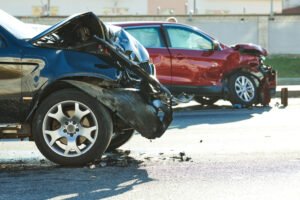
If a West Palm Beach intersection design contributed to your accident, you may be able to file a lawsuit against government entities responsible for roadway design and maintenance, though sovereign immunity laws create significant procedural hurdles.
Florida law allows claims against municipalities, counties, and state agencies when dangerous road conditions cause accidents, but strict notice requirements, damage caps, and limited waiver of immunity complicate these cases.
A West Palm Beach car accident lawyer experienced in premises liability and government claims can investigate whether roadway defects contributed to your accident and navigate the complex legal procedures required to pursue compensation from public entities.
Common Intersection Design Defects That Cause Accidents
Overgrown vegetation, buildings constructed too close to roadways, hills, curves, and poor intersection geometry all contribute to sight distance problems. When drivers cannot see approaching vehicles until they’re already in the intersection, rear-end collisions and T-bone crashes become inevitable.
Confusing lane configurations force drivers to make last-second decisions about proper positioning, leading to sideswipe accidents and vehicles turning from incorrect lanes. Intersections where through lanes suddenly become turn-only lanes without adequate warning can cause accidents.
Malfunctioning traffic signals create dangerous conditions when lights remain stuck on one color, cycle too quickly through phases, or fail entirely, leaving intersections without proper control. Signal timing problems can also cause collision risks.


Sovereign Immunity and Limited Government Liability
The Florida Tort Claims Act allows personal injury claims against government entities for negligent or wrongful acts committed by government employees within the scope of their employment, but subjects these claims to special requirements and limitations.
Government entities cannot be held liable for discretionary decisions involving planning, policy, and judgment calls about resource allocation. Courts distinguish between planning-level decisions protected by sovereign immunity and operational-level implementation failures that do create liability.
Government liability exists for operational negligence in maintaining roadways after design decisions are made. Failing to repair known hazards, neglecting routine maintenance, allowing vegetation to obstruct sight lines, and not replacing damaged signs constitute operational failures that can support claims.
Notice Requirements and Claim Filing Procedures
Florida law imposes strict notice requirements for claims against government entities. These requirements create substantial procedural obstacles that bar many otherwise valid claims when victims fail to comply with technical filing rules.
Claims against counties and municipalities require written notice within three years of the accident for property damage claims or injury claims. However, practical considerations make filing notice much sooner advisable because evidence deteriorates and memories fade.
The notice must include specific information about the accident circumstances, the nature of injuries, and the amount of compensation sought.
The Presentment Requirement
Before filing lawsuits against government entities, claimants must present claims to the appropriate agency and allow time for administrative review. This presentment gives government entities the opportunity to investigate claims and potentially settle before litigation begins.
Different government levels have different notice requirements and claim procedures. State agencies follow procedures established in the Florida Tort Claims Act, while municipalities and counties may have additional local requirements.
Proving Government Negligence in Roadway Design Cases
West Palm Beach intersection design lawsuits must show an unreasonably dangerous condition, that the government entity had actual or constructive notice of the hazard, and that the dangerous condition caused the accident and resulting injuries.
Traffic engineering experts play critical roles in proving defective intersection design. These experts analyze intersection geometry, sight distances, traffic volumes, accident history, and compliance with accepted engineering standards.
Accident history at the intersection provides powerful evidence of dangerous conditions. Multiple crashes with similar patterns over months or years demonstrate that the intersection creates predictable hazards rather than isolated incidents.


Damage Caps on Claims Against Government Entities
Florida law caps compensation amounts available from government entities even when liability is clearly established. These statutory limits restrict recovery significantly compared to claims against private defendants without similar protections.
Counties and municipalities face similar damage caps, though specific amounts may vary based on local ordinances and whether entities have purchased additional liability insurance beyond minimum requirements. These caps create particular hardship in catastrophic injury cases where actual damages far exceed statutory limits.
Combining Government and Private Defendant Claims
Many intersection design defect cases involve both government entity liability for dangerous conditions and individual driver liability for failing to exercise reasonable care despite those conditions. Pursuing claims against multiple defendants maximizes available compensation when no single defendant carries sufficient insurance to fully compensate for serious injuries.
Driver negligence and intersection design defects often contribute concurrently to accidents. A driver who runs a red light bears primary responsibility, but inadequate signal visibility or confusing lane configurations may share causation.
Government entities sometimes argue that driver negligence represents the sole cause of accidents regardless of design defects, claiming that careful drivers could navigate even dangerous intersections safely. This defense strategy attempts to avoid government liability by placing full blame on individual drivers.
Get Help Filing a Lawsuit for a West Palm Beach Intersection Design Accident
Contact a West Palm Beach car accident lawyer today if you believe dangerous intersection design contributed to your accident. Our attorneys understand government liability law, notice requirements for claims against public entities, and how to prove roadway design defects caused preventable crashes.
We identify all responsible parties, including both government entities and private drivers, pursue compensation from all available sources, and fight to overcome sovereign immunity defenses. See if you’re eligible to file a lawsuit because of an intersection design flaw in West Palm Beach.