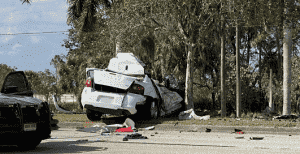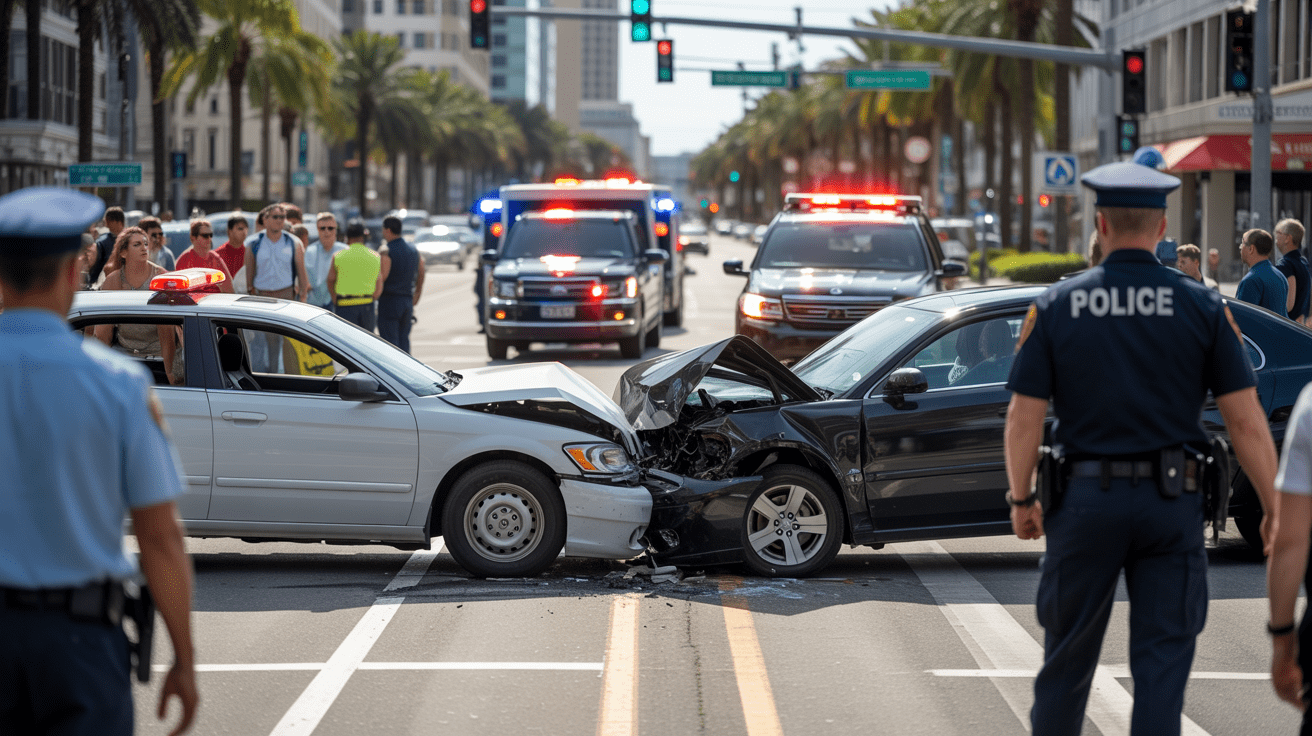
Intersection accidents in Tampa represent a particularly complex and significant category of personal injury litigation.
Learn More: Tampa Intersection Accident Injury Lawyer
These cases are frequently complicated by factors such as disputed right-of-way, conflicting witness statements, and intricate traffic patterns that demand a sophisticated legal approach. Establishing fault requires a meticulous deconstruction of the moments leading up to the collision, often in the absence of clear or universally agreed-upon evidence.
This analysis deconstructs the primary causes of these accidents, details the framework for proving liability under Florida law, and outlines effective strategies for case management and client representation to secure full compensation for the injured.
1.0 Analyzing Common Patterns of Negligence in Intersection Collisions
A thorough understanding of the common causes of intersection accidents is foundational to building a compelling negligence claim. Liability in these matters hinges on proving that one party breached their duty of care, and this breach directly resulted in the collision and subsequent injuries. This section will dissect the four most prevalent negligent behaviors observed in Tampa intersection accidents, evaluating how each one directly contributes to collisions and establishes a basis for liability.
Distracted Driving A momentary lapse in attention at a critical junction point is a frequent and devastating cause of intersection accidents. Analysis of case patterns reveals that cellphone use is a leading distraction, but the high density of commercial billboards along Tampa’s major corridors also contributes to visual diversions. From a legal standpoint, these distractions constitute a clear breach of the driver’s duty of care. Proving distracted driving often requires obtaining cell phone records through subpoenas to demonstrate activity at the time of the collision or leveraging deposition testimony to corner a defendant into admitting their inattention.
Failure to Yield Right-of-Way Violations of right-of-way rules are a primary catalyst for intersection collisions, manifesting in scenarios such as improper left turns, proceeding out of turn at four-way stops, and ignoring pedestrian crosswalks. These scenarios often create a strong presumption of negligence, as the statutory duty to yield is unambiguous. The primary litigation challenge is typically not the law itself, but refuting a defendant’s inevitable claims of misjudged speed or an obstructed view, which requires meticulous evidence gathering and often expert accident reconstruction.
Disregard for Traffic Signals (Running Red Lights) Running a red light is a reckless and flagrant form of negligence that demonstrates a willful disregard for established traffic safety protocols. This behavior is particularly dangerous as it often results in high-impact, T-bone collisions with catastrophic injuries. Legally, this act constitutes an unambiguous violation that creates a powerful, often irrefutable, presumption of fault, shifting the defensive burden almost entirely onto the negligent driver to justify their actions.
Improper Left Turns Executing a left turn across lanes of oncoming traffic demands precise judgment, and errors in this maneuver are a consistent cause of serious accidents. Common errors include misjudging the speed and distance of approaching vehicles, rushing to complete a turn on a yellow light, or ignoring protected turn signals. These actions demonstrate a failure to exercise reasonable care, as the turning driver has a heightened responsibility to ensure the maneuver can be completed safely without impeding oncoming traffic that possesses the right-of-way.
This analysis of common negligent acts provides the foundation for understanding fault; the next step involves the methodical process of proving that fault in a legal setting.


2.0 The Legal Framework for Establishing Liability
Establishing liability is an exercise in adversarial proof. It demands a methodical reconstruction of events designed to preempt and dismantle the inevitable defense arguments, transforming a plausible theory of negligence into an irrefutable case for compensation. The strategic importance of the evidence-gathering and case-building phase cannot be overstated, as it transforms an allegation of fault into a legally compelling demand.
The following methodologies are essential components of proving liability in a Tampa intersection accident claim:
1. Comprehensive Evidence Collection A factual narrative of the incident must be constructed from a wide array of evidence. The official police report serves as a foundational—though often contestable—piece of evidence. While its preliminary fault determinations are inadmissible hearsay in court, they heavily influence an insurer’s initial liability assessment and provide critical leverage during early settlement negotiations. Witness statements are critical for corroborating the client’s account, while objective evidence like traffic camera footage can be dispositive. Finally, accident scene photographs create an unchangeable record of vehicle positions, skid marks, and road conditions, foreclosing subsequent disputes over the physical facts.
2. Expert Accident Reconstruction In cases with disputed liability, conflicting witness statements, or complex dynamics, the role of an accident reconstruction specialist is invaluable. These experts apply principles of physics and engineering to analyze physical evidence—such as vehicle speeds, impact angles, and crush damage—to recreate the event sequence. Their objective, expert testimony can definitively establish which driver violated traffic laws or acted negligently, converting complex physical data into a clear and persuasive conclusion for insurance adjusters, a mediator, or a jury.
3. Application of Florida’s Comparative Negligence Doctrine Florida operates under a “comparative negligence” system, a doctrine with significant strategic implications. This principle allows a victim to recover damages even if partially at fault, with the total award reduced by their assigned percentage of fault. For example, a claimant found to be 20% at fault recovers 80% of their total damages. Consequently, a key element of litigation strategy is to present evidence and arguments designed to preemptively counter and aggressively minimize any allocation of fault to the client, thereby maximizing their financial recovery.
2.1 Special Liability Scenario: Hit-and-Run Incidents
A particularly challenging situation arises when the at-fault driver flees the scene. In these hit-and-run incidents, the first and most critical action is to file a police report immediately to officially document the crime. While law enforcement investigates, the victim’s legal recourse for compensation shifts. The primary source for recovery in such cases becomes the victim’s own uninsured motorist (UM) coverage on their auto insurance policy. This coverage is specifically designed to provide compensation when the negligent driver is unidentified or uninsured.
Having established the framework for proving liability, the focus shifts to the legal rights of the victim and the process of quantifying their losses for a comprehensive compensation claim.
3.0 Victim’s Rights and the Quantification of Damages
Once liability is established, the legal focus shifts to ensuring the victim receives full and fair compensation as protected under Florida law. A successful claim must translate the victim’s physical, psychological, and financial suffering into a comprehensive and meticulously documented damages claim that can withstand adversarial scrutiny. This section evaluates the full spectrum of recoverable damages, moving beyond immediate costs to account for the profound and often permanent consequences that intersection accidents inflict.
The following categories represent the primary types of damages recoverable in a Tampa intersection accident claim:
- Economic Damages
- Medical Expenses: This category encompasses all documented costs for emergency treatment, hospitalization, surgical procedures, rehabilitation, and any projected future medical care.
- Lost Wages and Diminished Earning Capacity: Compensation covers both income lost during the immediate recovery period and the long-term impact on a victim’s ability to earn a living, often requiring vocational expert testimony in cases of permanent disability.
- Property Damage: This includes the full, documented costs associated with the repair or replacement of the victim’s vehicle and other personal property.
- Non-Economic Damages
- Pain and Suffering: Quantifying pain and suffering is a central challenge in personal injury litigation. Success requires weaving a compelling narrative through lay testimony from the victim, family, and colleagues, supplemented by expert medical testimony, to translate subjective suffering into a tangible damages award that can withstand judicial scrutiny.
- Emotional and Psychological Trauma: The psychological impact of a severe accident, including post-traumatic stress disorder (PTSD), anxiety, and driving phobias, can be debilitating. Proving these “invisible” injuries requires expert diagnosis and testimony to establish their severity and their direct causal link to the defendant’s negligence.
The long-term consequences of a severe intersection accident often create the greatest burdens. Victims may be left with chronic pain and permanent disabilities that diminish their quality of life and create lifelong financial drains from required medical management. The psychological trauma can devastate a person’s daily functioning and independence. When combined, the accumulating financial burden from ongoing medical costs and lost earning capacity can lead to severe and lasting economic devastation for the victim and their family.
Understanding the full scope of these damages is essential before proceeding with the procedural steps required to manage the claim and secure a just recovery.
4.0 Strategic Case Management and Procedural Imperatives
Effective legal representation in intersection accident cases extends beyond liability arguments to include meticulous case management and strict adherence to procedural deadlines. A successful outcome depends on a series of critical post-accident actions, a clear understanding of statutory limitations, and the strategic handling of insurance negotiations. This section outlines the essential framework for managing a claim from the moment of impact through to its resolution.
Clients must be advised to take the following critical steps immediately following an accident to protect their legal and financial interests:
1. Document the Accident Scene Immediate documentation of the scene creates an objective and unchangeable record of the conditions at the time of the collision. Photographs of vehicle positions, traffic signals, road conditions, and property damage are invaluable for foreclosing future disputes about the physical facts of the incident.
2. Seek Immediate Medical Attention Prompt medical evaluation is strategically crucial. It not only addresses the victim’s health but also creates a direct evidentiary link between the accident and the injuries sustained. Insurance companies frequently exploit gaps or delays in treatment to argue that a claimant’s injuries are not causally related to the accident. Immediate medical records effectively neutralize this common defense tactic.
3. Engage a Legal Professional Early legal consultation allows for the immediate preservation of evidence, such as securing traffic camera footage before it is erased. Critically, counsel takes control of all communications with insurance companies, protecting the victim from tactics like recorded statements designed to elicit contradictory information that could undermine the claim. This allows the injured party to focus entirely on recovery.
A critical procedural hurdle in any personal injury case is the statute of limitations. In Florida, the statute of limitations imposes strict deadlines for filing a lawsuit:
- Personal Injury Claims: A lawsuit must be filed within four years from the date of the accident.
- Wrongful Death Claims: A lawsuit must be filed within two years from the date of the decedent’s death.
Failure to file within these deadlines will result in the court dismissing the case, permanently barring recovery. While narrow exceptions (tolling) may apply, such as for an injured minor, strict adherence to these deadlines is paramount.
Throughout the claims process, legal counsel serves as a crucial advocate in insurance negotiations. The attorney’s function is to shield the client from common insurance company strategies—including lowball offers, exploiting gaps in medical treatment, and disputing causation—designed to minimize or deny valid claims. By handling all communications and negotiating assertively, counsel works to secure a fair settlement. While most cases are resolved through negotiation, litigation is a necessary tool if an insurer refuses to engage in good faith. The timeline for resolution can vary significantly, from months to over a year, depending on injury severity and liability disputes.
These procedural and strategic actions form the backbone of a successful claim, leading toward the final objective of securing justice for the client.


5.0 Conclusion: Key Strategic Takeaways for Legal Professionals
The successful litigation of Tampa intersection accident claims requires a methodical, multi-faceted strategy that addresses complex issues of causation, liability, and damages. The key strategic imperatives are clear: a swift and thorough investigation to preserve critical evidence and seize control of the narrative; a comprehensive approach to damage quantification that translates both immediate costs and profound long-term effects into a compelling claim; and assertive representation during insurance negotiations to counter and defeat standard defense tactics. By deconstructing negligent behaviors and systematically building an evidence-based case, legal professionals can effectively navigate Florida’s comparative negligence framework. Ultimately, a disciplined, adversarial strategy is paramount to achieving justice and full compensation for victims of negligent drivingThe successful litigation of Tampa intersection accident claims requires a methodical, multi-faceted strategy that addresses complex issues of causation, liability, and damages.ne.com/areas-we-serve/tampa-fl/car-accident-lawyer/intersection-accident-injury/”>Tampa Intersection Accident Injury Lawyer
These cases are frequently complicated by factors such as disputed right-of-way, conflicting witness statements, and intricate traffic patterns that demand a sophisticated legal approach. Establishing fault requires a meticulous deconstruction of the moments leading up to the collision, often in the absence of clear or universally agreed-upon evidence.
This analysis deconstructs the primary causes of these accidents, details the framework for proving liability under Florida law, and outlines effective strategies for case management and client representation to secure full compensation for the injured.
1.0 Analyzing Common Patterns of Negligence in Intersection Collisions
A thorough understanding of the common causes of intersection accidents is foundational to building a compelling negligence claim. Liability in these matters hinges on proving that one party breached their duty of care, and this breach directly resulted in the collision and subsequent injuries. This section will dissect the four most prevalent negligent behaviors observed in Tampa intersection accidents, evaluating how each one directly contributes to collisions and establishes a basis for liability.
Distracted Driving A momentary lapse in attention at a critical junction point is a frequent and devastating cause of intersection accidents. Analysis of case patterns reveals that cellphone use is a leading distraction, but the high density of commercial billboards along Tampa’s major corridors also contributes to visual diversions. From a legal standpoint, these distractions constitute a clear breach of the driver’s duty of care. Proving distracted driving often requires obtaining cell phone records through subpoenas to demonstrate activity at the time of the collision or leveraging deposition testimony to corner a defendant into admitting their inattention.
Failure to Yield Right-of-Way Violations of right-of-way rules are a primary catalyst for intersection collisions, manifesting in scenarios such as improper left turns, proceeding out of turn at four-way stops, and ignoring pedestrian crosswalks. These scenarios often create a strong presumption of negligence, as the statutory duty to yield is unambiguous. The primary litigation challenge is typically not the law itself, but refuting a defendant’s inevitable claims of misjudged speed or an obstructed view, which requires meticulous evidence gathering and often expert accident reconstruction.
Disregard for Traffic Signals (Running Red Lights) Running a red light is a reckless and flagrant form of negligence that demonstrates a willful disregard for established traffic safety protocols. This behavior is particularly dangerous as it often results in high-impact, T-bone collisions with catastrophic injuries. Legally, this act constitutes an unambiguous violation that creates a powerful, often irrefutable, presumption of fault, shifting the defensive burden almost entirely onto the negligent driver to justify their actions.
Improper Left Turns Executing a left turn across lanes of oncoming traffic demands precise judgment, and errors in this maneuver are a consistent cause of serious accidents. Common errors include misjudging the speed and distance of approaching vehicles, rushing to complete a turn on a yellow light, or ignoring protected turn signals. These actions demonstrate a failure to exercise reasonable care, as the turning driver has a heightened responsibility to ensure the maneuver can be completed safely without impeding oncoming traffic that possesses the right-of-way.
This analysis of common negligent acts provides the foundation for understanding fault; the next step involves the methodical process of proving that fault in a legal setting.
2.0 The Legal Framework for Establishing Liability
Establishing liability is an exercise in adversarial proof. It demands a methodical reconstruction of events designed to preempt and dismantle the inevitable defense arguments, transforming a plausible theory of negligence into an irrefutable case for compensation. The strategic importance of the evidence-gathering and case-building phase cannot be overstated, as it transforms an allegation of fault into a legally compelling demand.
The following methodologies are essential components of proving liability in a Tampa intersection accident claim:
1. Comprehensive Evidence Collection A factual narrative of the incident must be constructed from a wide array of evidence. The official police report serves as a foundational—though often contestable—piece of evidence. While its preliminary fault determinations are inadmissible hearsay in court, they heavily influence an insurer’s initial liability assessment and provide critical leverage during early settlement negotiations. Witness statements are critical for corroborating the client’s account, while objective evidence like traffic camera footage can be dispositive. Finally, accident scene photographs create an unchangeable record of vehicle positions, skid marks, and road conditions, foreclosing subsequent disputes over the physical facts.
2. Expert Accident Reconstruction In cases with disputed liability, conflicting witness statements, or complex dynamics, the role of an accident reconstruction specialist is invaluable. These experts apply principles of physics and engineering to analyze physical evidence—such as vehicle speeds, impact angles, and crush damage—to recreate the event sequence. Their objective, expert testimony can definitively establish which driver violated traffic laws or acted negligently, converting complex physical data into a clear and persuasive conclusion for insurance adjusters, a mediator, or a jury.
3. Application of Florida’s Comparative Negligence Doctrine Florida operates under a “comparative negligence” system, a doctrine with significant strategic implications. This principle allows a victim to recover damages even if partially at fault, with the total award reduced by their assigned percentage of fault. For example, a claimant found to be 20% at fault recovers 80% of their total damages. Consequently, a key element of litigation strategy is to present evidence and arguments designed to preemptively counter and aggressively minimize any allocation of fault to the client, thereby maximizing their financial recovery.
2.1 Special Liability Scenario: Hit-and-Run Incidents
A particularly challenging situation arises when the at-fault driver flees the scene. In these hit-and-run incidents, the first and most critical action is to file a police report immediately to officially document the crime. While law enforcement investigates, the victim’s legal recourse for compensation shifts. The primary source for recovery in such cases becomes the victim’s own uninsured motorist (UM) coverage on their auto insurance policy. This coverage is specifically designed to provide compensation when the negligent driver is unidentified or uninsured.
Having established the framework for proving liability, the focus shifts to the legal rights of the victim and the process of quantifying their losses for a comprehensive compensation claim.
3.0 Victim’s Rights and the Quantification of Damages
Once liability is established, the legal focus shifts to ensuring the victim receives full and fair compensation as protected under Florida law. A successful claim must translate the victim’s physical, psychological, and financial suffering into a comprehensive and meticulously documented damages claim that can withstand adversarial scrutiny. This section evaluates the full spectrum of recoverable damages, moving beyond immediate costs to account for the profound and often permanent consequences that intersection accidents inflict.
The following categories represent the primary types of damages recoverable in a Tampa intersection accident claim:
- Economic Damages
- Medical Expenses: This category encompasses all documented costs for emergency treatment, hospitalization, surgical procedures, rehabilitation, and any projected future medical care.
- Lost Wages and Diminished Earning Capacity: Compensation covers both income lost during the immediate recovery period and the long-term impact on a victim’s ability to earn a living, often requiring vocational expert testimony in cases of permanent disability.
- Property Damage: This includes the full, documented costs associated with the repair or replacement of the victim’s vehicle and other personal property.
- Non-Economic Damages
- Pain and Suffering: Quantifying pain and suffering is a central challenge in personal injury litigation. Success requires weaving a compelling narrative through lay testimony from the victim, family, and colleagues, supplemented by expert medical testimony, to translate subjective suffering into a tangible damages award that can withstand judicial scrutiny.
- Emotional and Psychological Trauma: The psychological impact of a severe accident, including post-traumatic stress disorder (PTSD), anxiety, and driving phobias, can be debilitating. Proving these “invisible” injuries requires expert diagnosis and testimony to establish their severity and their direct causal link to the defendant’s negligence.
The long-term consequences of a severe intersection accident often create the greatest burdens. Victims may be left with chronic pain and permanent disabilities that diminish their quality of life and create lifelong financial drains from required medical management. The psychological trauma can devastate a person’s daily functioning and independence. When combined, the accumulating financial burden from ongoing medical costs and lost earning capacity can lead to severe and lasting economic devastation for the victim and their family.
Understanding the full scope of these damages is essential before proceeding with the procedural steps required to manage the claim and secure a just recovery.
4.0 Strategic Case Management and Procedural Imperatives
Effective legal representation in intersection accident cases extends beyond liability arguments to include meticulous case management and strict adherence to procedural deadlines. A successful outcome depends on a series of critical post-accident actions, a clear understanding of statutory limitations, and the strategic handling of insurance negotiations. This section outlines the essential framework for managing a claim from the moment of impact through to its resolution.
Clients must be advised to take the following critical steps immediately following an accident to protect their legal and financial interests:
1. Document the Accident Scene Immediate documentation of the scene creates an objective and unchangeable record of the conditions at the time of the collision. Photographs of vehicle positions, traffic signals, road conditions, and property damage are invaluable for foreclosing future disputes about the physical facts of the incident.
2. Seek Immediate Medical Attention Prompt medical evaluation is strategically crucial. It not only addresses the victim’s health but also creates a direct evidentiary link between the accident and the injuries sustained. Insurance companies frequently exploit gaps or delays in treatment to argue that a claimant’s injuries are not causally related to the accident. Immediate medical records effectively neutralize this common defense tactic.
3. Engage a Legal Professional Early legal consultation allows for the immediate preservation of evidence, such as securing traffic camera footage before it is erased. Critically, counsel takes control of all communications with insurance companies, protecting the victim from tactics like recorded statements designed to elicit contradictory information that could undermine the claim. This allows the injured party to focus entirely on recovery.
A critical procedural hurdle in any personal injury case is the statute of limitations. In Florida, the statute of limitations imposes strict deadlines for filing a lawsuit:
- Personal Injury Claims: A lawsuit must be filed within four years from the date of the accident.
- Wrongful Death Claims: A lawsuit must be filed within two years from the date of the decedent’s death.
Failure to file within these deadlines will result in the court dismissing the case, permanently barring recovery. While narrow exceptions (tolling) may apply, such as for an injured minor, strict adherence to these deadlines is paramount.
Throughout the claims process, legal counsel serves as a crucial advocate in insurance negotiations. The attorney’s function is to shield the client from common insurance company strategies—including lowball offers, exploiting gaps in medical treatment, and disputing causation—designed to minimize or deny valid claims. By handling all communications and negotiating assertively, counsel works to secure a fair settlement. While most cases are resolved through negotiation, litigation is a necessary tool if an insurer refuses to engage in good faith. The timeline for resolution can vary significantly, from months to over a year, depending on injury severity and liability disputes.
These procedural and strategic actions form the backbone of a successful claim, leading toward the final objective of securing justice for the client.
5.0 Conclusion: Key Strategic Takeaways for Legal Professionals
The successful litigation of Tampa intersection accident claims requires a methodical, multi-faceted strategy that addresses complex issues of causation, liability, and damages. The key strategic imperatives are clear: a swift and thorough investigation to preserve critical evidence and seize control of the narrative; a comprehensive approach to damage quantification that translates both immediate costs and profound long-term effects into a compelling claim; and assertive representation during insurance negotiations to counter and defeat standard defense tactics. By deconstructing negligent behaviors and systematically building an evidence-based case, legal professionals can effectively navigate Florida’s comparative negligence framework. Ultimately, a disciplined, adversarial strategy is paramount to achieving justice and full compensation for victims of negligent driving.