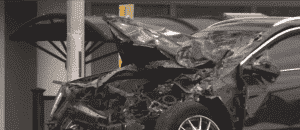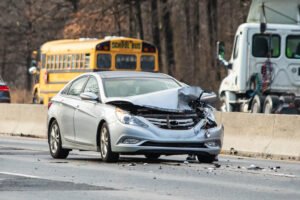
The Law Offices of Anidjar and Levine can investigate how a Coral Springs car accident occurred and identify drivers, vehicle owners, employers, or other parties who may share responsibility. A lawyer may review police reports, photographs, witness accounts, medical records, and vehicle data to assess liability and document injuries. Florida comparative negligence rules may reduce compensation based on an injured person’s share of fault. Learn more from a Coral Springs Personal Injury Lawyer.
Main Takeaways
- A Coral Springs car accident lawyer investigates who caused the crash and whether multiple drivers or other parties share responsibility.
- Police reports, witness statements, photographs, medical records, and vehicle data can help establish fault and connect negligence to injuries.
- Potentially responsible parties may include drivers, vehicle owners, employers, or entities responsible for vehicle maintenance.
- Florida comparative negligence may reduce compensation based on an injured person’s share of fault, subject to applicable law.
- A lawyer can organize evidence, manage communications with insurers, review settlement offers, and identify available insurance coverage.


How We Can Help With Your Coral Springs Car Accident At-Fault Parties Injury Claim
After a car accident in Coral Springs, determining who caused the crash can be vital to pursuing compensation for resulting injuries. A legal team can support injured people by organizing claim tasks, explaining available options, and helping them make informed decisions during a difficult period. This support lets clients focus on medical care and daily responsibilities while their claim receives careful attention.
The process may include reviewing relevant documents, requesting records, communicating with insurers, and identifying information needed to evaluate the claim. A clear Case Timeline helps track important events, deadlines, and next steps. Consistent client communication ensures clients understand progress, can raise concerns, and receive timely answers as circumstances change.
Attorneys can also prepare and submit claim materials, respond to requests, and assess settlement proposals based on documented losses. When disputes arise, they can explain potential paths forward and represent the client’s interests. Their role is to provide steady guidance and attentive service throughout the claim process.
OUR CONSULTATIONSARE FREE
START YOUR FREE CASE REVIEW

Understanding Coral Springs Car Accident At-Fault Parties Injury Cases
Understanding which parties may be responsible for a Coral Springs car accident is key to evaluating an injury claim. Responsibility may rest with one driver, several drivers, or another party whose conduct contributed to the collision. Identifying each potentially responsible party helps ensure injured people and their families can pursue appropriate support and that relevant evidence is considered.
In multi-vehicle collisions, the sequence of events and each participant’s actions may affect how fault is assigned. A careful review can distinguish between direct responsibility and circumstances that may reduce or increase a party’s share. Comparative negligence may apply when an injured person also contributed to the accident. Under this principle, the person’s recovery may be reduced according to the percentage of fault assigned, subject to applicable Florida law.
Determining responsibility requires examining available records, witness accounts, and other reliable information. A precise assessment can clarify possible sources of compensation and support fair treatment for everyone affected by the crash.
Common Causes of Coral Springs Car Accident At-Fault Parties
Common causes of car accidents in Coral Springs include distracted driving, speeding, reckless driving, and impaired driving. A driver may also be at fault for failing to yield when traffic laws or road conditions require it. Identifying the cause helps clarify how an at-fault party’s conduct may have contributed to a collision.
Distracted Driving
Distracted driving is a frequent cause of preventable car accidents in Coral Springs, particularly when a driver looks away from the road, handles a phone, or shifts attention to another task. Phone notifications can divert a driver’s eyes and thoughts from surrounding traffic, even when they check a message briefly. Dashboard screen distractions, including navigation adjustments and entertainment controls, may also reduce awareness of nearby vehicles, pedestrians, and changing signals. These lapses can delay responses and put other road users at risk. Drivers must maintain attention and use available technology safely, such as setting directions before travel or silencing notifications. When a collision occurs, evidence of distraction may help establish how the crash happened and who may be responsible. A careful review can support injured people seeking fair compensation.
Speeding and Reckless Driving
When drivers exceed safe speeds or disregard traffic laws, they can cause serious collisions on Coral Springs roads. Speeding reduces the time available to respond to traffic, pedestrians, and changing road conditions, while increasing crash impact force. Reckless actions such as unsafe passing, tailgating, or ignoring signals may also place other road users at risk. Investigators can review witness accounts, roadway evidence, vehicle data, and citations to determine how a driver’s conduct contributed to a collision. Vehicle speed calibration may be relevant when evaluating whether a speed-measuring device produced reliable evidence. Florida law may impose reckless driving penalties, and a driver’s conduct may also affect civil liability. Careful fact-finding can help injured people pursue accountability and support safer travel for the wider Coral Springs community.
Impaired Driving
Impaired driving can cause serious collisions in Coral Springs by weakening a driver’s judgment, coordination, and ability to respond to road conditions. Alcohol, cannabis, prescription medications, and other substances may affect perception, reaction time, and decision-making, even when a driver does not recognize the degree of impairment. These effects can place passengers, pedestrians, and other motorists at risk.
Law enforcement may use DUI checkpoints and other enforcement measures to identify suspected impaired drivers. Ignition interlocks, which require a breath sample before a vehicle starts, may also help prevent repeat offenses when required by law. After a collision, investigators may examine police reports, witness accounts, toxicology results, and available video to determine whether impairment contributed. Establishing the cause can help affected people understand their options and support efforts to protect others from similar harm.
Failure to Yield
Failure to yield can cause serious collisions in Coral Springs when a driver disregards another road user’s right of way. These crashes may occur when motorists turn left across oncoming traffic, enter a roadway without checking for approaching vehicles, or fail to give pedestrians time to cross. Intersection rules establish which road users must proceed first, while yield signage alerts drivers to slow down and allow others to pass when required. A driver who ignores these duties may be considered at fault, depending on the circumstances and available evidence. Investigators may review traffic signals, vehicle damage, witness accounts, and roadway conditions to determine how the collision happened. Careful assessment can help identify responsible parties and clarify whether a failure to yield contributed to injuries or property damage. All road users benefit when drivers act attentively and respect right-of-way protections.
Don’t Wait. Call Our Florida Personal Injury Lawyers Now!


Legal Rights of Coral Springs Car Accident At-Fault Parties Injury Victims
Even a driver found at fault in a Coral Springs car accident retains legal rights after suffering injuries. Fault does not automatically eliminate access to medical care, insurance benefits, or fair consideration of another party’s responsibility.
Understanding these protections can help injured drivers make informed decisions while respecting everyone affected by the collision.
- Seek available benefits. Florida’s no-fault system may provide personal injury protection benefits, subject to policy terms and legal requirements. An at-fault driver may also have coverage through health insurance or other applicable policies.
- Assess shared responsibility. Comparative negligence rules may affect recovery when another person’s conduct contributed to the crash. A careful review of evidence can clarify how responsibility is allocated and whether a claim remains available.
- Review coverage options. If an uninsured motorist contributed to the collision, applicable uninsured motorist coverage may offer another potential source of compensation. Review policy limits and exclusions promptly.
Legal guidance can help preserve your rights, explain your obligations, and support a fair process for everyone involved.
Why Do Injuries Happen in Coral Springs Car Accident At-Fault Cases?
At-fault drivers in Coral Springs can suffer injuries for the same reasons as other people involved in a collision: the force of impact can cause harm regardless of who caused the crash. Injury severity depends on factors such as vehicle speed, impact direction, seat belt use, and the driver’s position at the moment of impact. A collision may cause bruising, fractures, head trauma, or back and neck injuries, even when a driver’s actions contributed to the crash.
Crashes can result from distracted driving, speeding, impaired judgment, unsafe turns, or following too closely. Poor visibility during heavy rain or at night may make it harder to identify vehicles, pedestrians, or changing traffic conditions. Road hazards, including debris, uneven pavement, and obstructed lanes, can also contribute to a collision or worsen its effects. Mechanical problems, such as faulty brakes or worn tires, may reduce a driver’s ability to respond safely. These circumstances can affect everyone involved and underscore the importance of attentive, cautious driving.
What Should You Do After a Coral Springs Car Accident Involving At-Fault Parties and Injuries?
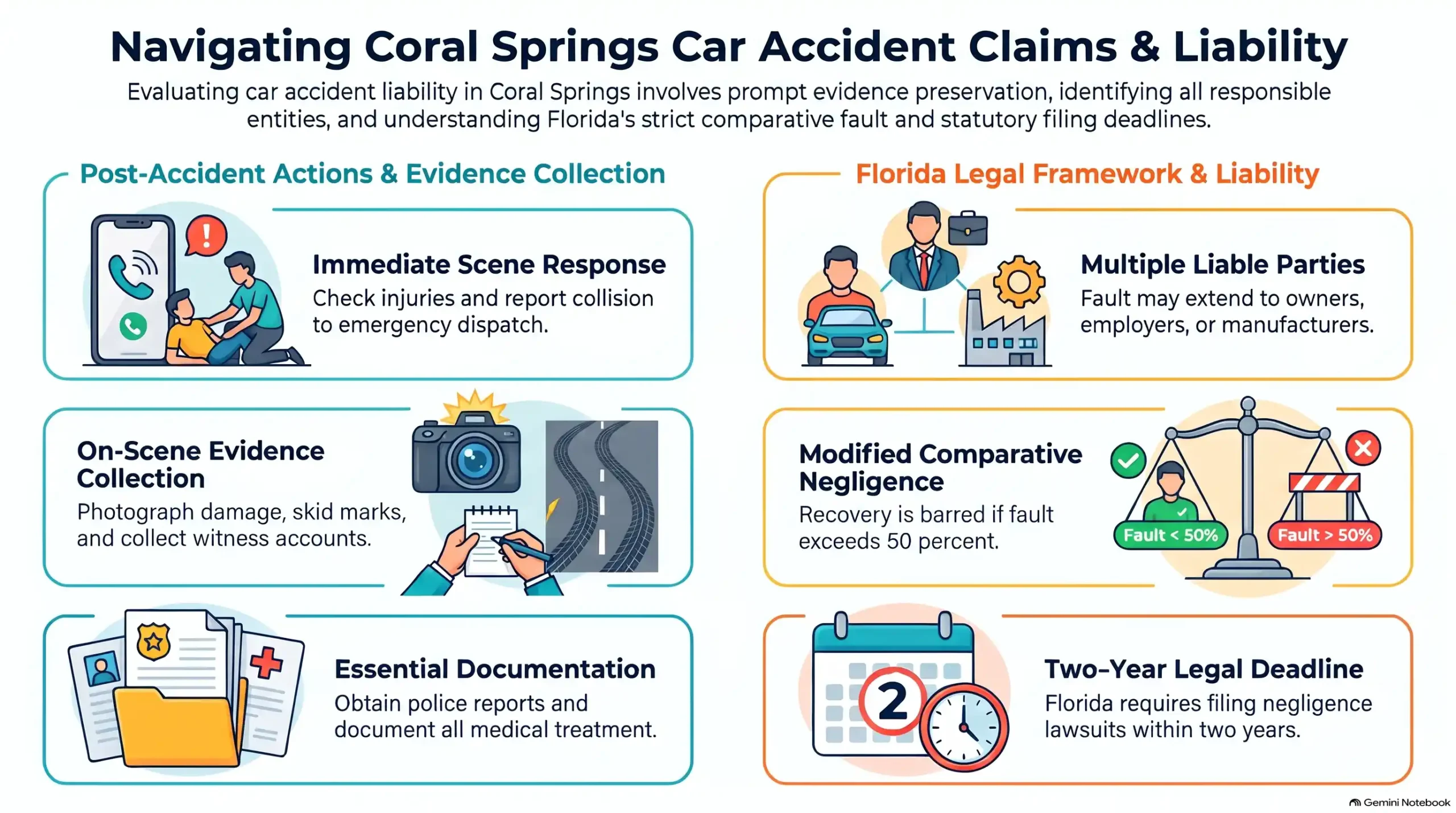
After a Coral Springs crash involving injuries, those at the scene should first check for injuries and request emergency medical assistance when needed. They should report the collision to law enforcement and provide accurate information about what occurred. If it is safe, they should preserve evidence by photographing the scene and vehicle damage, and by collecting relevant contact details.
Check for Injuries
Check for injuries immediately, but do not move anyone with a serious injury unless there is immediate danger, such as fire or oncoming traffic. A calm, careful assessment can help protect everyone involved. If someone is unconscious, struggling to breathe, bleeding heavily, or reporting severe pain, call 911 and follow the dispatcher’s instructions. Avoid giving injured people food, drink, or medication, and keep them as still and comfortable as possible while waiting for help. For less visible concerns, ask each person to describe symptoms and note where discomfort occurs. Initial Symptom Tracking can help preserve an accurate account of what was felt and when. Because some conditions develop gradually, monitor for Delayed Injury Signs, including headache, dizziness, stiffness, or increasing pain, and seek prompt medical evaluation if symptoms appear.
Report the Crash
When injuries occur in a Coral Springs crash, report the collision promptly to law enforcement. A driver or another responsible person should contact Emergency dispatch, provide the location, describe any injuries, and explain whether traffic is blocked or hazards remain. Accurate, calm information helps responders determine which services are needed and reach the scene efficiently. If someone can’t call, a passenger or nearby witness may report it when safe to do so. Those involved should follow dispatchers’ instructions and avoid interfering with emergency personnel. Officers can assess the scene, address immediate safety concerns, and prepare an official crash report. Leave roadway clearance to responders when vehicles or debris create danger. Reporting promptly supports injured people, other road users, and an orderly response.
Preserve Evidence
Preserve evidence at the scene when it is safe, especially if anyone is injured or fault is disputed. Photographs can document vehicle positions, damage, road conditions, traffic signs, and visible injuries before anything changes. An able witness may record names and contact details, while avoiding interference with emergency responders or hazardous areas. Evidence preservation also includes retaining the police report, medical records, repair estimates, and communications related to the collision. When practical, keep damaged clothing and personal property in their original condition. Digital backups of photographs, videos, and documents can reduce the risk of accidental loss; files should retain their original dates and details. These careful steps may help clarify how the crash occurred and support fair consideration of everyone affected.
Don’t Wait. Call Our Florida Personal Injury Lawyers Now!
Critical Evidence in a Coral Springs Car Accident At-Fault Parties Injury Case
Reliable evidence can help establish how a Coral Springs collision occurred, who may be responsible, and the extent of resulting injuries.
Essential sources include:
- Police reports and witness statements that document the incident and independent observations.
- Crash-scene photographs that preserve vehicle damage, road conditions, and other relevant details.
- Medical records that connect injuries to the collision and document treatment and recovery.
Police Reports
A police report can provide an important early account of a Coral Springs car accident and help clarify how the collision occurred. It may document the date, location, vehicles involved, road conditions, and responding officer’s initial observations. These details can help an injured person, insurer, or legal representative assess the circumstances and identify issues requiring further review.
Report Accuracy matters because an initial account may omit details or contain errors. Review available information carefully and note factual concerns for appropriate follow-up. The report is not necessarily a final determination of fault, and you may consider its conclusions alongside other evidence.
Record Access may require a request through the relevant law enforcement agency. Promptly obtaining and preserving the report can support an orderly claim review and help those involved pursue a fair resolution.
Witness Statements
Beyond the initial account documented in a police report, witness statements can provide an independent perspective on how a Coral Springs car accident occurred. People who saw the collision may describe vehicle movements, traffic signals, roadway conditions, or events immediately before impact. Their observations can clarify disputed details and identify actions that may have contributed to the crash.
Witness credibility depends on factors such as a person’s opportunity to observe, ability to recall events, and impartiality. Investigators may also assess statement consistency by comparing accounts with one another and with other available evidence. Differences do not necessarily make a witness unreliable, since stress and viewing angles can affect recollection. Promptly recording contact information and preserving each account can support a fair review. Careful consideration of witness evidence may help establish responsibility and strengthen an injured person’s claim.
Crash Scene Photos
Photographs taken at a Coral Springs crash scene can preserve details that may change or disappear as vehicles are moved and road conditions shift. Images may show vehicle positions, skid marks, debris, traffic signals, lane markings, and visible damage. These details can help clarify how a collision occurred and which parties may have contributed to it.
Useful photographs include wide views of the entire scene and closer images of specific evidence. Camera angles should capture relevant details without obscuring distances or perspective. Timestamp accuracy can help establish when images were taken and compare them with other available evidence. Preserve photographs in their original form, and store copies securely. When safely possible, documenting the scene promptly may support a fair assessment of responsibility and help protect the interests of everyone affected by the crash.
Medical Records
While crash scene photographs can document how a collision occurred, medical records help establish the injuries that followed and the care they required. Emergency department reports, diagnostic images, physician notes, and treatment plans can connect reported symptoms to the collision and show how those conditions affected daily activities. Consistent provider documentation can also clarify when symptoms began, whether patients followed treatment recommendations, and what future care may be needed. Gaps or conflicting entries can raise questions about an injury’s cause or severity, so records should be reviewed carefully and accurately. Organized medical records help present a clear timeline of treatment, expenses, and recovery. With the injured person’s authorization, relevant records can help insurers, attorneys, and other decision-makers assess responsibility and damages while supporting a fair resolution for everyone affected.
Long-Term Effects of Coral Springs Car Accident At-Fault Parties Injuries
Injuries caused by a car accident may have lasting effects that extend well beyond the initial recovery period. Some people experience chronic pain and mobility limitations that interfere with daily activities and work. Emotional trauma may also persist, affecting well-being and requiring ongoing support.
Chronic Pain
Chronic pain can persist long after a Coral Springs car accident, even when the initial injuries appear to have recovered. Ongoing discomfort may follow damage to muscles, joints, nerves, or other tissues, and its severity can vary over time. Pain flare-ups may occur without warning or intensify after routine activities, making symptoms difficult to predict. Sleep disruption is also common, as discomfort can interfere with falling asleep or staying asleep. Poor rest may then affect concentration, mood, and a person’s ability to meet work or family responsibilities. Medical evaluation can help identify the source of persistent pain and guide appropriate treatment. Keeping consistent records of symptoms, appointments, and related expenses may also help clarify the injury’s lasting effects when assessing an at-fault party’s responsibility.
Mobility Limitations
Mobility limitations may continue long after a Coral Springs car accident, particularly when injuries affect the spine, joints, muscles, or nerves. These impairments can make walking, standing, lifting, or using stairs difficult, disrupting work, household responsibilities, and community participation. The extent of limitation depends on the injury and how it responds to treatment. Some people regain function through rehabilitation, while others require ongoing assistance or changes to daily routines.
A careful assessment can identify practical needs and support planning for safer, more independent movement. Adaptive equipment, such as braces, mobility aids, or modified household features, may help injured individuals perform necessary tasks. Accessible transportation can also support medical appointments, employment, and service to family or community. When another party’s negligence caused the collision, documentation of mobility-related expenses and functional restrictions may help establish the injury’s lasting impact in a legal claim.
Emotional Trauma
Emotional trauma may persist long after a Coral Springs car accident, affecting sleep, concentration, relationships, and a person’s ability to travel or return to familiar activities. Survivors may experience anxiety, low mood, or distressing memories that interfere with daily responsibilities and their capacity to support others. Emotional triggers, such as traffic noise, intersections, or riding in a vehicle, can intensify these reactions. Effects may develop gradually, so don’t dismiss changes in behavior or social engagement.
Professional counseling can help survivors identify coping strategies and address symptoms in a structured, supportive setting. Family members and caregivers may assist by listening without judgment and respecting each person’s recovery pace. When emotional harm follows a collision, documenting symptoms, treatment, and how they affect everyday life may help clarify the injury’s lasting impact.
Proving Liability in Coral Springs Car Accident At-Fault Parties Injury Cases
Proving liability in a Coral Springs car accident case requires evidence that another party acted negligently and that their conduct caused the crash and the resulting injuries. A thorough investigation can identify who owed a duty of care, how they breached it, and whether that breach caused harm. Relevant evidence may include police reports, photographs of vehicle damage, road conditions, witness statements, and medical records documenting injuries.
Traffic camera footage may clarify vehicle movements, signal changes, and the sequence of events. Vehicle black boxes can preserve information about speed, braking, and other actions immediately before impact. Investigators may also examine phone records, maintenance histories, and accident reconstruction findings when appropriate. Preserve evidence promptly because recordings can be overwritten and physical conditions may change.
Multiple parties may share responsibility, including drivers, vehicle owners, employers, or other entities. Establishing each party’s role helps support a fair assessment of accountability and the harm caused.
Dealing With Insurance Companies After a Coral Springs Car Accident At-Fault Parties Injury
After a Coral Springs car accident, insurance companies may contact injured parties to investigate the crash and evaluate claims. Their representatives may request statements, documents, or authorization to review medical records. Injured people can respond accurately while limiting discussion to information relevant to the collision and resulting harm. They should avoid guessing about events or minimizing symptoms, since incomplete statements may later be used to challenge a claim.
An insurer’s interests may differ from an injured person’s, even when the adjuster communicates courteously. Review a proposed settlement carefully before accepting it, especially if treatment is ongoing or future losses remain uncertain. The available policy limits can affect potential recovery, but they do not necessarily reflect the full value of documented injuries. A Claim denial may be based on disputed fault, coverage questions, or insufficient evidence. Organized records and clear communication can help address those concerns. Legal guidance may help protect your rights and pursue fair treatment.
What to Expect During a Coral Springs Car Accident At-Fault Parties Injury Claim Process
The claim process typically begins with an initial case review to assess the collision, injuries, and available evidence. The investigation then identifies potentially at-fault parties and gathers records to support the injury claim. Once the claim is prepared, it may resolve through settlement or proceed to trial if the parties cannot agree.
Initial Case Review
During an initial case review, a Coral Springs car accident lawyer evaluates how the crash occurred, the injuries involved, and which parties may bear legal responsibility. The review also helps determine what information is available and what further documentation may be needed to assess the claim.
The Intake timeline may include an initial conversation, collecting relevant records, and follow-up questions about treatment, missed work, and the collision’s effects. A review checklist can include the police report, photographs, medical records, insurance correspondence, and witness information. These materials help counsel understand the client’s circumstances and identify gaps requiring attention. The lawyer may explain the general claims process, potential deadlines, and practical next steps, while clarifying that outcomes depend on the evidence. This organized assessment allows the injured person to make informed decisions and focus on recovery and other responsibilities.
Identifying At-Fault Parties
Determining who may be legally responsible for a Coral Springs car accident requires examining how the collision occurred and everyone’s conduct. Investigators may consider whether a driver failed to follow traffic laws, drove while impaired, or acted carelessly in another way. Responsibility may also extend beyond the driver. Vehicle Ownership can matter when an owner permitted an unsafe or unqualified driver to use the car, subject to applicable law. Employer Liability may arise when a worker causes a crash while performing job duties, depending on the circumstances and employment relationship. In some collisions, a vehicle defect, unsafe roadway condition, or multiple drivers’ actions may contribute to the event. Identifying each potentially responsible party clarifies available paths to accountability and supports a fair resolution for those affected.
Building Your Injury Claim
Once you identify potentially responsible parties, building an injury claim involves documenting the crash, showing how each party’s conduct contributed to it, and proving the resulting losses. Claim documentation may include the police report, photographs, witness statements, medical records, and repair estimates. These materials help clarify the sequence of events and support a careful assessment of responsibility. The injured person’s treatment records can also connect the collision to specific injuries and explain ongoing care needs. Records of missed work, reduced earning capacity, and out-of-pocket expenses may establish financial effects. Recovery planning helps organize medical follow-up, daily support needs, and expected future costs. A lawyer may gather evidence, request relevant records, and review applicable insurance coverage. Clear, consistent information allows the claim to present the person’s losses accurately and responsibly.
Settlement Or Trial
After assessing the evidence and losses, an injury claim may proceed toward settlement or trial. Settlement negotiation allows the parties to discuss compensation for medical expenses, lost income, property damage, and other documented harm. The insurer may make an offer, which you can review against the evidence and the injured person’s needs. Do not accept a resolution without understanding its terms and the rights it may release.
If negotiations do not produce a fair agreement, the claim may proceed to court. Trial preparation can include organizing records, identifying witnesses, consulting qualified experts, and developing a clear presentation of fault and losses. The court then considers the evidence and applicable law before reaching a decision. In either case, careful preparation and accurate information support a responsible claim and informed decisions.
Compensation for Coral Springs Car Accident At-Fault Parties Injury Damages
What compensation may be available to people injured in a Coral Springs car accident caused by another party? The answer depends on the evidence, the injuries, and the applicable law. A person may seek payment for necessary medical care, future treatment, lost income, and reduced ability to work. Compensation may also address physical pain, emotional distress, and the effects of lasting limitations on daily activities and family responsibilities.
A claim generally requires proof that another party’s negligence caused the collision and resulting harm. Records, witness statements, and professional assessments can help establish the extent of the injury and support a fair evaluation. In cases involving especially reckless or intentional conduct, Florida law may permit punitive damages. If a crash causes a death, eligible relatives may pursue a Wrongful death claim for losses recognized by law.
An attorney can assess potential recovery, identify responsible parties, and help guarantee that an injured person’s interests are represented throughout negotiations or court proceedings.
Economic vs Non-Economic Damages in Coral Springs Car Accident At-Fault Parties Cases
In Coral Springs car accident cases, economic losses may include medical expenses, lost income, and other measurable costs. Non-economic damages address harms such as pain, emotional distress, and reduced quality of life. To establish either category, you need evidence that links the losses to the crash and supports their value.
Economic Losses
Economic losses are the measurable financial costs caused by a car accident, including medical bills, lost income, and vehicle repairs. In Coral Springs, an injured person may seek compensation for reasonable expenses linked to the collision, supported by records such as invoices, treatment statements, and repair estimates. Lost wages may include income missed during recovery, while diminished earning capacity may apply when lasting injuries limit a person’s ability to work or earn at the previous level. Other recoverable costs may include prescription medication, rehabilitation, transportation to medical appointments, and replacement services the injuries made necessary. Careful accounting shows how the at-fault party’s conduct created specific financial consequences. Claimants can preserve receipts, employment records, and provider documentation to substantiate losses and help insurers or courts evaluate the requested amount.
Non-Economic Harm
Beyond documented financial costs, a Coral Springs car accident may cause non-economic harm that is harder to measure but may still be compensable. These losses reflect how an injury affects a person’s daily life, emotional well-being, and relationships. Physical pain, anxiety, sleep disruption, and lasting limitations may interfere with ordinary activities and personal responsibilities. Loss of enjoyment can arise when someone can no longer take part in hobbies, community service, or family routines that previously provided meaning. Relationship strain may develop when injuries change household roles, reduce shared activities, or add stress to loved ones. Unlike medical bills or lost wages, these harms do not have a direct price tag. Recognizing them shows that recovery may involve more than restoring financial stability after a collision. Each person’s circumstances differ.
Proving Damages
After identifying how a collision affects daily life, the next step is to determine which losses can be recovered as damages. Economic damages include measurable expenses and financial losses, such as medical bills, rehabilitation costs, lost wages, and reduced future earning capacity. Damage documentation may include invoices, treatment records, employer statements, and receipts. Non-economic damages address less tangible effects, including pain, emotional distress, and diminished ability to enjoy ordinary activities. These harms require evidence connecting the collision to the reported impact, such as consistent medical notes and credible witness accounts. Valuation methods consider the nature, duration, and severity of each loss, along with available evidence and applicable legal standards. Careful, accurate records help insurers and courts assess a claim fairly, while enabling injured people to pursue compensation that reflects both financial costs and personal consequences.
Don’t Wait. Call Our Florida Personal Injury Lawyers Now!
When a Coral Springs Car Accident At-Fault Parties Injury Case Goes to Trial vs Settlement
Whether a Coral Springs car accident injury case settles or goes to trial depends on the evidence, the parties’ positions, and the claim’s potential value. Settlement may resolve a dispute sooner and reduce the uncertainty, expense, and demands of a courtroom proceeding. It can also allow injured people to focus on recovery while preserving resources for their families and communities. However, an offer may not fairly address documented losses or future needs, so careful evaluation is critical.
Settlement timing depends on the development of the medical record, the exchange of relevant information, and the parties’ willingness to negotiate. A case may proceed to trial when liability or damages remain disputed, negotiations stall, or available offers are inadequate. Trial preparation includes organizing records, identifying witnesses, reviewing evidence, and preparing clear testimony. These steps can also strengthen negotiations, even when no trial occurs. The decision should reflect the claim’s circumstances, the risks of litigation, and the injured person’s informed priorities.
Florida Laws That May Affect Your Coral Springs Car Accident At-Fault Parties Case
Florida law can shape how a Coral Springs car accident claim is evaluated, including who may be held responsible and what compensation may be available. Several rules can guide an injured person, a family, or another affected party seeking a fair resolution while protecting everyone’s interests.
- No-fault coverage: Florida generally requires drivers to carry personal injury protection. This coverage may pay certain medical expenses and lost income regardless of fault, subject to policy limits and eligibility requirements. Serious injuries may allow a claim beyond those benefits.
- Comparative negligence: A person’s share of responsibility can reduce recoverable damages. Florida’s modified comparative negligence rule generally bars recovery when that person is more than 50 percent at fault, with exceptions for certain claims.
- Evidence and responsibility: Police reports, witness accounts, vehicle records, and medical documentation can help establish how a collision occurred. Liability may involve multiple drivers or other parties, depending on the evidence and applicable duties.
Understanding these rules can help claimants assess options and pursue accountability with accurate information.
The Statute of Limitations for Coral Springs Car Accident At-Fault Parties Injury Cases
The statute of limitations sets a deadline to file a lawsuit for injuries caused by a Coral Springs car accident. Under Florida law, an injured person generally has two years from the accident date to bring a negligence claim. Missing this deadline may prevent recovery in court, regardless of the injury’s seriousness or the other party’s conduct.
The applicable period can depend on the claim and the circumstances. Deadline exceptions may apply in limited situations, such as when a legal disability affects the injured person or a defendant cannot be located. These rules are fact-specific, and you should not assume an exception without careful review.
Timely filing procedures also matter. A lawsuit must be filed in the appropriate court, identify the responsible parties, and satisfy applicable service requirements. Claims involving government entities may require notice under separate rules and shorter time limits. Prompt attention to deadlines helps preserve your ability to seek compensation and support those who depend on you.
How a Coral Springs Car Accident At-Fault Parties Lawyer Can Help You
A Coral Springs car accident lawyer can help an injured person assess potential claims, preserve important evidence, and manage communications with insurers and other parties. During a consultation, an attorney can explain legal options and clarify how a claim may affect the injured person and those who depend on them. The lawyer’s work may include:
A Coral Springs car accident lawyer can explain legal options, preserve evidence, and help manage communications with insurers after a crash.
- Conducting a liability assessment by reviewing reports, witness accounts, photographs, and other records to identify potentially responsible parties and evaluate disputed facts.
- Organizing medical documentation, repair estimates, and related records to present a clear account of the collision’s effects and support a claim for appropriate compensation.
- Communicating with insurers and opposing parties, reviewing proposed settlements, and explaining the consequences of accepting or rejecting an offer.
This assistance can reduce avoidable misunderstandings and help an injured person make informed decisions. By handling legal issues carefully, counsel can also protect the interests of family members and others affected by the crash while pursuing a fair resolution based on the available evidence and applicable law.
When to Contact a Coral Springs Car Accident At-Fault Parties Lawyer
After a car accident in Coral Springs, contacting a lawyer promptly may help preserve evidence and clarify who could be legally responsible. An early consultation can help when several drivers, vehicle owners, employers, or other parties may have contributed to the collision. A lawyer can review available information while details are fresh and explain appropriate next steps.
Contact should not depend on certainty about fault or the full extent of an injury. People may seek guidance after receiving medical care, when an insurer requests a statement, or when questions arise about deadlines and documentation. Timely advice can help individuals make informed decisions while protecting their ability to pursue a claim.
Attorney Availability may vary, so contacting a law office soon can help you determine whether a lawyer can review your situation and discuss next steps. Those involved in a crash should prioritize safety and necessary treatment, keep relevant records, and seek legal guidance when they have questions about responsibility or the claims process.
Why You Need an Experienced Coral Springs Car Accident At-Fault Parties Lawyer
Determining which parties may be legally responsible for a Coral Springs car accident can involve more than reviewing the drivers’ accounts. Depending on how the collision occurred, evidence may point to a vehicle owner, employer, maintenance provider, or manufacturer. An experienced lawyer can identify relevant relationships and assess whether each party’s conduct contributed to the harm.
Attorney experience matters when records, witness statements, vehicle data, and insurance positions must be examined jointly. A lawyer familiar with these claims can preserve useful evidence, recognize gaps in an investigation, and explain how Florida liability rules may apply. This work can help protect an injured person’s ability to seek fair compensation while allowing them to focus on recovery and responsibilities to family or community.
A sound case strategy also considers the full scope of losses, potential coverage sources, and likely disputes over fault. Careful preparation supports clear negotiations and, when necessary, a well-supported court presentation.
How to Choose the Right Coral Springs Car Accident At-Fault Parties Lawyer for Your Case
Choosing the right Coral Springs car accident lawyer requires evaluating more than experience with injury claims. A careful review can help an injured person select counsel prepared to identify responsible parties and pursue a fair resolution. Attorney credentials offer a useful starting point. Prospective clients can confirm Florida licensure, examine relevant experience, and ask whether the lawyer has handled cases involving disputed fault, multiple drivers, or commercial vehicles. They may also consider the lawyer’s approach to investigation, evidence preservation, and coordination with medical providers.
Client communication is equally important. A lawyer should explain the process clearly, answer reasonable questions, and provide updates as the claim develops. During an initial consultation, the injured person can ask who will manage the case, how decisions will be discussed, and what information is needed. A thoughtful choice considers both legal skill and a commitment to serving the client’s needs. Comparing these factors can support informed decisions without relying solely on advertising or promises of a particular outcome.
About The Law Offices of Anidjar & Levine
The Law Offices of Anidjar & Levine represents people injured in car accidents, including crashes in Coral Springs.
The firm helps clients understand their legal options and pursue compensation from parties responsible for a collision.
Its attorneys may investigate how a crash occurred, identify potentially liable parties, gather supporting evidence, and communicate with insurers on a client’s behalf.
Each matter depends on its facts, and outcomes cannot be guaranteed.
The firm’s history provides context for its work representing injured people and their families.
The attorneys handle personal injury matters, including vehicle collision claims, and can explain the steps involved in seeking recovery.
Their role includes helping clients assess documentation, deadlines, and possible sources of compensation while keeping them informed about case progress.
Community involvement reflects a commitment to serving people beyond individual claims.
For Coral Springs residents, clear information and responsive legal guidance can make difficult decisions more manageable after a serious accident.
Frequently Asked Questions
Can Multiple Drivers Share Fault for a Coral Springs Car Accident?
Yes, multiple drivers can share fault for a Coral Springs car accident when each driver’s conduct contributes to the collision. Under Florida’s Comparative Fault system, responsibility may be divided according to each party’s share of negligence, which can affect compensation. This Shared Negligence analysis considers evidence such as traffic laws, witness accounts, and crash reports. A careful review can help establish accountability and support fair treatment for everyone affected by the accident.
Can a Vehicle Owner Be Liable if Someone Else Caused the Crash?
A vehicle owner may still be liable even if someone else caused the crash, depending on the circumstances. Owner Liability may arise if the owner negligently entrusted the vehicle to someone known to be unlicensed, impaired, or unsafe to drive. Florida law may also impose responsibility in certain situations involving vehicle ownership and permission to use the car. Each claim depends on the evidence, applicable law, and the relationship between the owner and driver.
Are Employers Responsible for Crashes Caused by Employees Driving for Work?
Employers may be responsible when employees cause crashes while performing work duties. Employer liability generally depends on whether the employee was acting within the scope of employment, such as making deliveries, traveling between job sites, or completing assigned tasks. Courts consider the trip’s purpose and circumstances, including whether the employee substantially deviated for personal reasons. The employee may also remain personally liable, and insurance coverage may affect the compensation available.
Can a Manufacturer Be Liable for a Defective Vehicle Part That Contributed to a Collision?
A manufacturer may be liable when a defective vehicle part contributes to a collision and causes injury or property damage. Product liability claims can involve a design flaw, a manufacturing defect, or inadequate warnings about a known risk. Evidence of component failure, maintenance records, and expert inspection may help establish whether the defect existed and caused harm. Liability depends on the facts, applicable law, and available evidence in each case.
What Happens if an At-Fault Driver Is Uninsured or Cannot Be Identified?
When an at-fault driver is uninsured or unidentified, an injured person may seek compensation through their own Uninsured Driver Coverage, if the policy includes it. This coverage can help pay eligible medical expenses and other losses, subject to policy limits and requirements. Hit-and-run claims generally require prompt reporting to law enforcement and the insurer. Preserving witness details, photographs, and medical records can support review, while available remedies depend on the circumstances and applicable law.
—————————
Determining who caused a Coral Springs car accident may require a careful review of the evidence, insurance coverage, and applicable Florida law.
Injured people may have limited time to protect their rights and seek compensation for documented losses.
The Law Offices of Anidjar and Levine can assess your situation, explain your legal options, and communicate with insurers.
Learn more about working with a Coral Springs Personal Injury Lawyer.
A timely consultation can help clarify next steps and preserve important evidence while a claim is evaluated.