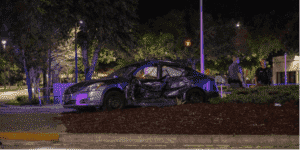
A Naples car accident road and highway conditions lawyer at The Law Offices of Anidjar and Levine can investigate whether poor maintenance, construction hazards, drainage problems, or unclear signs contributed to a collision. The lawyer may identify responsible drivers, contractors, property owners, or public agencies while reviewing roadway records, witness accounts, medical documentation, and insurance coverage. Because claims involving public roads may have special notice rules and strict deadlines, timely action matters. Learn more about working with a Naples Personal Injury Lawyer. The following sections explain potential claims, evidence, legal options, and how counsel may assist.
Main Takeaways
- A Naples car accident lawyer can investigate whether poor maintenance, construction hazards, drainage failures, or other road conditions contributed to a crash.
- Potentially responsible parties may include drivers, contractors, property owners, or government agencies that controlled or maintained the roadway.
- Evidence may include scene photographs, witness accounts, maintenance logs, construction records, weather reports, and vehicle or medical records.
- Public-road claims may involve government immunity rules, special notice requirements, and strict filing deadlines.
- A lawyer can assess liability and losses, communicate with insurers, preserve evidence, and explain settlement or litigation options.
How We Can Help With Your Naples Car Accident Road & Highway Conditions Injury Claim
When unsafe road or highway conditions contribute to a crash in Naples, an injured person may have a claim against a responsible driver, government agency, contractor, or other party. A lawyer can help identify potential sources of responsibility and explain the steps available to pursue compensation. This support may include reviewing relevant records, organizing medical and financial documentation, and communicating with insurers or other representatives on the injured person’s behalf.
A thoughtful Claim strategy is shaped by the facts, applicable deadlines, and the client’s needs. Counsel can assess the evidence, clarify the losses claimed, and prepare a clear case presentation. If settlement negotiation is appropriate, the lawyer can evaluate proposed terms and advocate for a resolution that reflects documented harm. When an agreement cannot be reached, counsel may explain litigation options and guide the client through each stage. Throughout the process, careful communication helps clients make informed decisions while preserving their ability to seek fair treatment and accountability.
Don’t Wait. Call Our Florida Personal Injury Lawyers Now!
Understanding Naples Car Accident Road & Highway Conditions Injury Cases


Understanding a Naples car accident involving unsafe road or highway conditions begins with determining how the hazard contributed to the collision and resulting injuries. A careful review may establish whether the condition played a substantial role, how the crash unfolded, and which parties may bear responsibility. Relevant evidence can include photographs, roadway records, witness accounts, medical documentation, and reports from responding agencies.
OUR CONSULTATIONSARE FREE
START YOUR FREE CASE REVIEW

In some cases, crash reconstruction helps clarify vehicle movements, impact points, and the connection between roadway conditions and injuries. Investigators may also review maintenance records, inspection practices, and notice of the hazard, while avoiding assumptions until they assess the evidence. The analysis can identify whether a public entity, contractor, property owner, or another party had a duty related to the condition.
Insurance coverage is another important consideration because applicable policies and limits can affect available recovery. A thorough, evidence-based evaluation supports informed decisions and helps injured people pursue accountability while protecting the interests of others affected by the collision.
Common Causes of Naples Car Accident Road & Highway Conditions


Road and highway conditions in Naples can contribute to collisions when maintenance is inadequate, or construction zones create unexpected hazards. Heavy traffic congestion may increase the risk of sudden stops and rear-end crashes, while rain and other dangerous weather conditions can reduce visibility and traction. Identifying these contributing factors can help clarify how a collision occurred.
Poor Road Maintenance
Poor road maintenance can turn an ordinary drive in Naples into a serious hazard. Cracked pavement, uneven surfaces, and potholes may cause drivers to lose control, damage tires, or swerve into nearby traffic. Pavement deterioration worsens when repairs are delayed, making defects hard to see at night or in heavy rain. Drainage failures may allow water to collect on roadways, increasing the risk of hydroplaning and reducing stopping distance. These conditions can endanger drivers, passengers, cyclists, and pedestrians, particularly on busy routes. Public agencies and other responsible parties may have duties to inspect roads, address known hazards, and provide adequate warnings while repairs are pending. When a crash follows an unsafe road condition, records of maintenance requests, inspections, and repair work may help clarify how the hazard developed and whether it was addressed.
Construction Zone Hazards
Construction zones can create sudden hazards for Naples drivers when traffic patterns change, or work areas aren’t clearly marked. Lane closures may require motorists to merge near barriers, equipment, or workers, leaving little room to respond when signs are missing or confusing. Temporary signals and detours can also direct vehicles through unfamiliar routes, increasing the risk of abrupt maneuvers. Uneven pavement, loose gravel, and abrupt changes in road height may affect steering and braking, particularly when warnings are inadequate. Poor lighting or obstructed sightlines can make these conditions harder to identify in time. Contractors and public agencies must maintain safe work areas and provide clear warnings. When a construction-related crash occurs, documenting the location, signage, and road conditions may help clarify how the hazard contributed to the incident.
Heavy Traffic Congestion
Heavy traffic congestion can increase crash risks for Naples drivers by reducing following distances and limiting reaction time. During peak travel periods, vehicles may slow or stop with little warning, particularly near busy intersections, shopping areas, and highway entrances. Stop-and-go collisions often occur when a driver fails to notice a sudden slowdown or follows another vehicle too closely. Bottleneck risks also arise where lanes merge, traffic signals restrict movement, or road capacity narrows. These conditions can create abrupt speed changes and encourage unsafe lane changes as drivers seek a faster route. Attentive motorists who leave adequate space and signal before changing lanes can help protect passengers and nearby road users. When a crash occurs, careful documentation can support a clearer account of how congestion contributed.
Dangerous Weather Conditions
When rain, fog, or strong winds affect Naples roads, drivers may have less control and reduced visibility, increasing collision risk. Heavy rainfall can leave standing water on streets and highways, creating Hydroplaning Risks when tires lose contact with the pavement. Drivers who travel too quickly for wet conditions may be unable to brake or maneuver safely. Fog and heavy rain also create Visibility Hazards, making it harder to see traffic signals, lane markings, pedestrians, and stopped vehicles. Strong winds can push cars across lanes, especially near open stretches or when larger vehicles pass. These conditions can develop quickly, so drivers should reduce speed, increase following distance, and use headlights appropriately. Careful driving helps protect passengers, other motorists, and road users who rely on safe passage through Naples. When crashes occur, weather and road conditions may be relevant to determining responsibility.
Legal Rights of Naples Car Accident Road & Highway Conditions Injury Victims
Road and highway hazards in Naples, including unsafe work zones, poor maintenance, and inadequate warnings, may contribute to serious car accidents. People injured in these crashes may have legal rights to pursue compensation when another party’s negligence contributed to their harm. Potentially responsible parties may include drivers, contractors, property owners, or public agencies, depending on the circumstances and applicable law.
- An injured person may seek damages for medical expenses, lost income, reduced earning capacity, and pain and suffering.
- Comparative negligence may reduce compensation if the injured person shares responsibility, but it does not necessarily bar recovery.
- Claims involving public agencies may be subject to government immunity rules, notice requirements, and strict filing deadlines.
Prompt medical care and careful documentation can help preserve relevant evidence and clarify the extent of losses. A lawyer can assess liability, identify applicable deadlines, and explain available options. Timely guidance may also help injured people protect their families’ financial stability while pursuing a fair resolution under Florida law.
Why Do Naples Car Accident Road & Highway Conditions Injuries Happen?
Why do road and highway conditions contribute to car accident injuries in Naples? Hazards such as uneven pavement, potholes, loose debris, and faded lane markings can disrupt vehicle control, especially at higher speeds. Standing water from heavy rain may reduce tire traction, while poor drainage can create dangerous pooling on roadways. Work zones and sudden lane changes can also increase collision risk when warnings are unclear, or drivers have little time to respond.
These conditions can affect people traveling to work, caring for family members, or providing services in the community. Driver fatigue may further reduce attention and reaction time, making it harder to recognize hazards or adjust speed. Vehicle defects, including worn tires or faulty brakes, can compound the danger when road surfaces are damaged or visibility is limited. In some collisions, several factors contribute at once. Identifying how roadway, driver, and vehicle conditions interact helps explain why injuries occur and how risks may be reduced.
What Should You Do After a Naples Car Accident Road & Highway Conditions Injury?
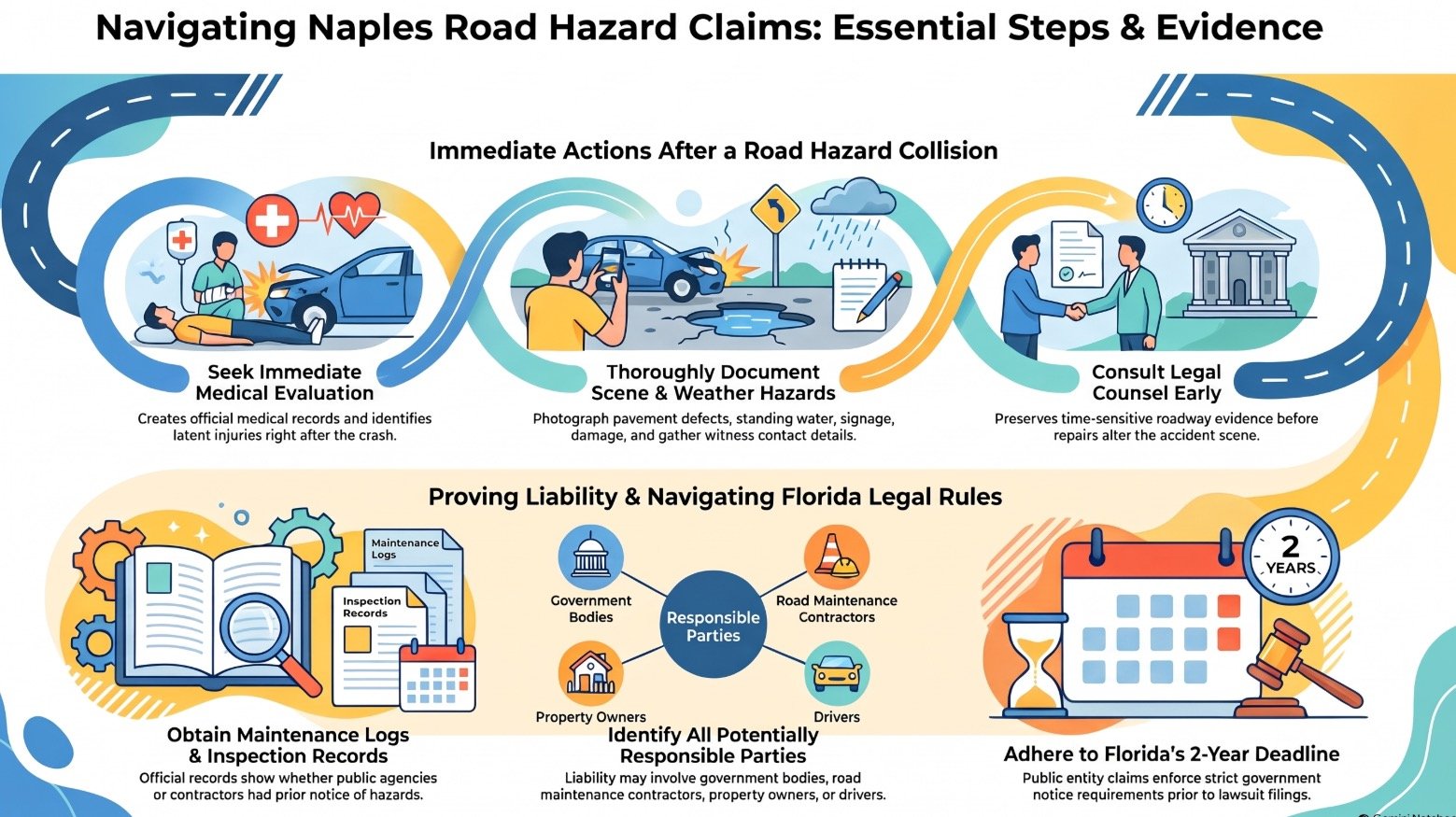
After a road or highway conditions injury, the injured person should seek prompt medical attention, even if symptoms initially appear minor. They should document relevant road conditions with photos and notes and preserve any available records. A Naples car accident lawyer can assess the circumstances and explain potential legal options.
Seek Medical Attention
Even when a collision on a Naples road or highway appears minor, anyone involved should seek prompt medical attention. Some injuries may not cause immediate pain, and a timely examination can identify conditions that require treatment. Medical care also creates a clear record of reported symptoms and clinical findings, which may assist providers coordinating recovery.
The injured person should describe the collision and all symptoms accurately, including discomfort that seems mild or develops later. Following the clinician’s instructions and attending follow-up appointments can help monitor progress and address complications. A symptom journal may help track pain, mobility changes, sleep disruption, and other effects between visits. If symptoms worsen or new concerns arise, the person should contact a medical professional promptly. Seeking care supports the injured person’s health and helps guarantee that family members, caregivers, and treatment providers can respond to changing needs.
Document the Road Conditions
When it is safe, documenting road and weather conditions can preserve details about factors that may have contributed to a Naples car accident. Photographs or video can show pavement damage, standing water, debris, construction barriers, traffic signs, and the positions of vehicles. Take images from several angles without entering traffic or disturbing the scene. A Weather timeline can record when rain, fog, or other conditions began and changed, using approximate times and available weather reports. A visibility assessment should note lighting, glare, obstructions, and how far drivers could see. The injured person or a trusted companion can also write down the location, time, and relevant observations. Witness names and contact details may help preserve independent accounts. Keeping original files and notes organized supports accurate review and may assist others affected by the collision.
Contact a Naples Lawyer
A Naples car accident lawyer can help an injured person understand how road and weather conditions may affect a claim and what steps to take next. After a collision, prompt legal guidance can help preserve evidence, clarify reporting duties, and identify applicable deadlines. The injured person should provide the lawyer with photographs, witness details, medical records, and available information about rain, visibility, pavement, or roadway hazards. These details can help establish how conditions contributed to the crash and whether another party may be responsible.
Before choosing counsel, the injured person can ask about attorney availability, relevant experience, and communication practices. A Free case review may provide an opportunity to discuss the circumstances, possible next steps, and questions without an initial consultation fee. Timely contact can support an informed, careful response.
Critical Evidence in a Naples Car Accident Road & Highway Conditions Injury Case
Evidence can help establish how roadway conditions contributed to a Naples crash and the resulting injuries. Essential sources include: 1. crash-scene photographs, 2. roadway maintenance records and witness statements, and 3. medical and vehicle repair records. Collectively, these materials may clarify the hazard, its condition, and the harm sustained.
Crash Scene Photographs
Photographs taken at a Naples crash scene can preserve details that may soon disappear, including vehicle positions, road damage, debris, traffic signs, and weather-related hazards. These images can help establish how roadway conditions contributed to a collision and clarify what drivers could see before impact. When safe, drivers, passengers, or witnesses may document the scene from several angles without entering traffic or disturbing evidence. Close views can show tire marks, potholes, standing water, or damaged signs, while wider images provide context about lanes and sightlines. Original files should be preserved because Photo metadata may record when and where an image was captured. Image authentication can help confirm that photographs are genuine and unaltered. Clear, reliable documentation may support a fair investigation and help protect the interests of injured people and the wider community.
Roadway Maintenance Records
When a crash may involve a hazardous road condition, roadway maintenance records can help show what public agencies or contractors knew and what steps they took to address it. These documents may include maintenance logs, inspection schedules, repair requests, work orders, and records of completed repairs. They can show whether someone reported a pothole, damaged sign, drainage problem, or other roadway defect before the collision and whether someone responded. The timing and completeness of the records may help clarify whether inspections were conducted regularly and whether repairs were delayed or inadequate. Preserving these materials promptly can be important because routine retention policies may lead to their deletion. A careful review can help establish responsibility, support a fair evaluation of an injured person’s claim, and encourage safer conditions for other road users.
Witness Statements
Alongside roadway maintenance records, witness statements can help clarify how a hazardous road condition contributed to a Naples car accident. Independent observers may describe standing water, obscured signs, loose debris, uneven pavement, or other conditions they noticed before or after a collision. Their accounts can help establish what was visible, how traffic responded, and whether a driver had a reasonable opportunity to react. Witness Credibility depends on factors such as the observer’s vantage point, attention, potential bias, and ability to recall events accurately. Statement Consistency also matters; details that remain stable across interviews may strengthen an account, while unexplained differences may require careful review. Investigators can compare statements with scene photographs and roadway records to assess the evidence fairly. A thorough, respectful process can help identify responsible parties and support safer roads for the community.
Medical and Repair Records
Medical and repair records can help show how road or highway conditions contributed to a Naples car accident and the resulting injuries. Medical records document diagnoses, treatment dates, symptoms, and changes in a person’s condition. These details can connect injuries to the collision and help explain their effects on daily activities. Organizing medical records, including chronological records, discharge instructions, and billing statements, can make the evidence easier to review.
Vehicle repair records may also clarify the crash circumstances. Repair estimate documentation can identify damage locations, describe needed work, and provide photographs or inspection findings. When considered alongside scene evidence and witness accounts, these materials may help show how a pothole, debris, poor drainage, or another roadway hazard affected the vehicle. Accurate, complete records can support a careful evaluation of injuries, losses, and responsibility, while helping decision-makers assess the claim fairly.
Don’t Wait. Call Our Florida Personal Injury Lawyers Now!
Long-Term Effects of Naples Car Accident Road & Highway Conditions Injuries
Injuries caused by unsafe road or highway conditions can have lasting consequences, including chronic pain that limits mobility and daily activities. Some individuals also experience persistent cognitive effects, such as difficulties with memory or concentration. These conditions may require ongoing treatment, creating medical expenses long after the initial collision.
Chronic Pain And Mobility
After a Naples car accident, chronic pain and limited mobility can persist long after visible injuries have recovered. Back, joint, or soft-tissue damage may make walking, lifting, driving, and completing routine tasks difficult. Ongoing symptoms can require continued medical evaluation and a coordinated treatment plan. Pain management may include prescribed medication, physical therapy, and other clinician-directed care intended to reduce discomfort and support function. When movement remains restricted, mobility aids such as canes, walkers, or braces may help a person manage daily activities more safely. Recovery can involve repeated appointments, home adjustments, and assistance from family or caregivers. These long-term needs may affect employment, independence, and household responsibilities. Clear medical records can document symptoms, treatment, functional limitations, and the continuing support required after the collision.
Lasting Cognitive Effects
A Naples car accident can cause lasting cognitive effects when a collision damages the brain or disrupts its normal function. Even when physical injuries improve, changes in thinking may continue to affect daily responsibilities and relationships. Memory difficulties can make it harder to retain instructions, recall appointments, or manage familiar tasks. Executive dysfunction may interfere with planning, decision-making, attention, and the ability to complete activities in sequence. These challenges can affect a person’s independence, work, and participation in family or community life. Symptoms may not be immediately apparent, and their severity can vary over time. A careful medical assessment can help identify cognitive changes and guide appropriate support. Clear documentation of how these limitations affect ordinary activities can also help others understand the injury’s lasting impact and the assistance the person may need.
Ongoing Medical Expenses
When road or highway conditions contribute to a Naples car accident, the resulting injuries may require medical care long after the initial treatment ends. Ongoing expenses can include follow-up visits, prescription medication, physical therapy, assistive devices, and procedures to address complications. Some people also need periodic evaluations to monitor lasting injuries or adjust treatment plans as their needs change.
Estimating these costs requires attention to both current medical recommendations and likely Future treatment. A qualified provider may document anticipated care, its expected duration, and associated costs. This information can clarify the financial impact of an injury, including medical inflation, which may increase the cost of care over time. Accurate records and careful planning can support efforts to seek compensation for reasonable future expenses while preserving access to necessary treatment and recovery services.
Proving Liability in Naples Car Accident Road & Highway Conditions Injury Cases
Road and highway conditions can complicate liability in a Naples car accident case, especially when hazards such as poor drainage, damaged pavement, inadequate signage, or obstructed visibility contribute to a crash. Establishing responsibility requires evidence showing how the dangerous condition arose, who controlled the roadway, and whether reasonable steps could have prevented the collision. Photographs, witness accounts, crash reports, maintenance records, and expert assessments may help clarify these issues.
Negligence standards generally require proof that a responsible party owed a duty of care, breached it, and caused the injuries. Depending on the facts, responsibility may involve another driver, a property owner, a contractor, or a public agency. Government immunity and special notice deadlines can affect claims involving public roads, so identifying the correct defendant promptly is important. A thorough investigation supports a fair assessment of responsibility and helps injured people pursue accountability while protecting the safety of others who use Naples roads.
Dealing With Insurance Companies After a Naples Car Accident Road & Highway Conditions Injury
After a Naples car accident involving a roadway hazard, insurance companies may question how the condition contributed to the crash and who bears responsibility. Clear, consistent information can help injured people address these inquiries while protecting their interests. Claim Documentation should include photographs of the hazard, vehicle damage, and injuries, along with medical records, repair estimates, witness details, and reports from responding authorities. Records showing when and where the roadway condition was observed may also help explain its role in the collision.
Adjuster Communications should remain factual and measured. An injured person may be asked to provide a recorded statement or sign a medical authorization. Before responding, the person should understand what is being requested and how the information could be used. Incomplete recollections or broad releases may create avoidable complications. Promptly share relevant evidence, keep copies of correspondence, and note each contact to support an accurate review. Legal guidance can clarify coverage questions and ensure communications reflect the documented facts.
What to Expect During a Naples Car Accident Road & Highway Conditions Injury Claim Process
A Naples car accident injury claim typically begins with an initial case evaluation to assess the circumstances, potential liability, and available legal options. Evidence collection then helps establish how road or highway conditions contributed to the collision and document the resulting damages. The claim may proceed to settlement negotiations or, if no resolution is reached, trial.
Initial Case Evaluation
How does an initial case evaluation begin after a Naples car accident involving hazardous road or highway conditions? During an Initial consultation, an attorney typically asks the injured person to explain the collision, resulting injuries, treatment, and roadway concerns. The discussion also clarifies the person’s goals, immediate needs, and willingness to pursue a claim. The attorney may explain relevant legal principles, potential responsible parties, deadlines, and the general steps involved in seeking compensation. A preliminary case valuation considers the apparent severity of the injuries, available information about losses, and possible legal obstacles. It is not a guarantee of recovery or a final calculation; the assessment may change as the matter develops. This early review helps the injured person make informed decisions and understand how pursuing accountability may support safer roads for others.
Evidence Collection
Because roadway conditions can change quickly, evidence collection in a Naples car accident claim often begins promptly. Counsel may gather photographs and video of the scene, road surface, traffic signs, lighting, drainage, and nearby construction. Witness contact information and statements can help document what was visible before conditions changed. Police reports, maintenance records, inspection logs, and available roadway plans may also be requested from relevant agencies or property owners. Evidence preservation is important because repairs, weather, or routine maintenance can alter the scene and make later review more difficult. When appropriate, qualified professionals may conduct expert analysis of roadway design, surface conditions, visibility, or vehicle damage. Medical records and other claim documents may be organized as well. Careful collection creates a reliable factual record to evaluate the incident and guide next steps.
Liability and Damages
Once the available evidence has been reviewed, liability and damages are assessed to determine who may be responsible and what losses the injured person can claim. In a Naples road or highway crash, responsibility may involve a driver, a vehicle owner, or a public entity responsible for roadway maintenance. The assessment considers traffic laws, road conditions, notice of hazards, and each party’s conduct. Comparative negligence may reduce an injured person’s recovery if that person’s actions contributed to the collision. Damages may include medical expenses, lost income, property damage, and documented effects on daily activities. Future treatment needs and reduced earning capacity may also be evaluated. Punitive damages may be considered in limited cases involving particularly wrongful conduct. Careful documentation helps clarify the claim’s factual and financial basis.
Settlement or Trial
After assessing liability and damages, a Naples car accident claim may proceed toward settlement or trial. During settlement discussions, the parties review evidence, medical expenses, lost income, and the effects of the injuries. A written offer may resolve the claim if both sides agree on fair compensation. If negotiations fail, the case may go to court, where each side presents evidence and arguments. The judge or jury then evaluates responsibility and damages. Jury Deliberations follow the presentation of evidence and closing arguments, with jurors considering the facts under the court’s instructions. A verdict may award compensation or find that no damages are owed. After judgment, Appeal Options may be available under applicable rules, though deadlines and grounds are limited. Careful guidance helps injured people make informed decisions throughout the process.
Compensation for Naples Car Accident Road & Highway Conditions Injury Damages
Unsafe road or highway conditions can cause serious crashes in Naples, and injured people may be entitled to compensation when another party’s negligence contributed to the hazard or failed to address it. Potentially responsible parties may include government agencies, contractors, property owners, or drivers, depending on who controlled the roadway and what caused the danger. A claim may seek payment for losses supported by evidence, such as medical records, repair estimates, and proof of missed work. Damage valuation considers the severity of the injuries, the treatment required, the effect on daily activities, and the strength of the evidence linking the hazard to the crash. Compensation limits may apply under Florida law, insurance policies, or rules governing claims against public entities. Deadlines and notice requirements can also restrict recovery, particularly when a government body may be responsible. Careful investigation can identify the applicable rules and preserve records. A qualified attorney can assess liability, document losses, and pursue a fair resolution while respecting the injured person’s needs.
Economic vs Non-Economic Damages in Naples Car Accident Road & Highway Conditions Cases
In Naples car accident cases involving road or highway conditions, damages may include both measurable economic losses and non-economic harm. Economic losses can include medical expenses and lost income, while non-economic damages may cover pain, emotional distress, and a reduced quality of life. Establishing these claims generally requires evidence linking the injuries and losses to the collision.
Economic Losses
Road and highway conditions may contribute to a Naples car accident and affect the financial losses an injured person can claim. Economic losses include measurable expenses and income reductions tied to the collision. Depending on the evidence, recoverable costs may include emergency care, follow-up treatment, medication, rehabilitation, medical equipment, and transportation to appointments. Records such as bills, receipts, and treatment documentation can help establish these expenses.
You may claim lost wages when injuries prevent you from working during recovery. If those injuries limit future work or reduce available earning opportunities, diminished earning capacity may also be considered. Pay records, employer statements, and professional assessments can help document the amount and duration of these losses. A careful review of road conditions, collision circumstances, and financial records can help identify losses and support a fair claim.
Non-Economic Harm
Beyond documented expenses and lost income, a Naples car accident claim may include non-economic damages for the personal effects of injuries linked to road or highway conditions. These damages address harm that does not have a direct price, including physical discomfort, emotional distress, and disruption to ordinary routines. A person may experience persistent pain, anxiety about travel, sleep difficulties, or strain in family and community relationships. Loss of enjoyment may arise when injuries prevent participation in recreation, caregiving, volunteer work, or other meaningful activities. Unlike medical bills or wage losses, these effects are personal and may continue after treatment ends. Non-economic damages recognize that a collision can affect dignity, independence, and well-being, not only finances. Their potential value depends on the circumstances and applicable Florida law.
Proving Damages
How can an injured person establish the value of a Naples car accident claim involving road or highway conditions? A claim requires evidence connecting the collision, the responsible party’s conduct, and the resulting losses. Damage documentation may include medical records, invoices, repair estimates, wage statements, photographs, and witness accounts. These records help establish economic damages, such as treatment costs, lost income, and property damage. Medical opinions and employment records can also support future expenses, including continuing care or reduced earning capacity.
Non-economic damages address harms without a fixed price, such as pain, emotional distress, and loss of normal activities. Consistent treatment records and clear testimony may help explain their effect. A careful assessment should account for both measurable costs and personal consequences, while avoiding unsupported estimates. Organized evidence enables a fair evaluation and helps decision-makers understand the full impact on the injured person.
When a Naples Car Accident Road & Highway Conditions Injury Case Goes to Trial vs Settlement
Whether a Naples car accident claim involving dangerous road or highway conditions settles or proceeds to trial depends on the strength of the evidence, the extent of the injuries, and whether the parties can agree on responsibility and compensation. Settlement may provide a more predictable resolution and avoid the time, expense, and uncertainty of a courtroom proceeding. Negotiations can address medical costs, lost income, and other documented losses while allowing injured people to focus on recovery and family responsibilities.
A case may proceed to trial when the parties dispute how a road defect contributed to the crash, who was responsible for addressing the hazard, or what compensation is appropriate. Trial testimony from witnesses, medical providers, and qualified experts may help explain the conditions and their effects. The judge or jury evaluates the evidence, and in a jury trial, deliberations follow closing arguments. Each path requires preparation, including careful review of records and evidence. The choice depends on case-specific circumstances and the parties’ informed assessment of the available proof.
Don’t Wait. Call Our Florida Personal Injury Lawyers Now!
Florida Laws That May Affect Your Naples Car Accident Road & Highway Conditions Case
Florida law can shape a Naples road or highway conditions injury claim by determining who may be liable, what evidence matters, and how long an injured person has to bring a case. Several legal principles may guide how responsibility is evaluated and what steps are appropriate.
- Florida comparative negligence may reduce compensation when an injured person’s own conduct contributed to a crash. The factfinder assigns percentages of fault, making clear evidence about road conditions, driver actions, and warnings important.
- A property owner or public agency may face liability when a dangerous condition was known, or should have been discovered, and reasonable steps were not taken to address it. Photographs, maintenance records, and witness accounts can help clarify notice and responsibility.
- Claims involving government entities may be subject to sovereign immunity rules, including statutory limits and procedural requirements. These rules can affect whether and how a public body may be held accountable.
A careful investigation can help protect injured people’s interests and support safer roads for the wider community.
The Statute of Limitations for Naples Car Accident Road & Highway Conditions Injury Cases
Time limits can determine whether an injured person may pursue compensation after a crash caused by a dangerous road or highway condition in Naples. Florida generally requires a negligence lawsuit to be filed within two years of the accident. Missing this Filing deadline may prevent recovery, even when the roadway hazard and resulting injuries are well documented. Certain claims involving public agencies have additional requirements. A Government notice may need to be delivered within a specified period, and statutory rules can impose different deadlines depending on the responsible entity and circumstances. These notice requirements are separate from the deadline for filing a lawsuit, so satisfying one does not necessarily satisfy the other. Exceptions may apply in limited situations, including cases involving minors or delayed discovery, but they should not be assumed. Prompt attention to dates, records, and applicable notice rules helps preserve a claim and supports a fair opportunity to seek compensation for injuries caused by unsafe road conditions.
How a Naples Car Accident Road & Highway Conditions Lawyer Can Help You
When a crash results from a dangerous road or highway condition, a Naples car accident lawyer can investigate how the hazard contributed to the collision and identify the parties that may be responsible. This work may involve examining roadway records, reviewing photographs, consulting qualified experts, and preserving evidence that could otherwise be lost. An attorney with local experience can clarify how public agencies, contractors, property owners, or other drivers may share responsibility under applicable law.
A lawyer may also manage communications and pursue a claim while the injured person focuses on recovery and family responsibilities.
Typical assistance includes:
- Gathering crash reports, maintenance records, witness accounts, and medical documentation.
- Evaluating the harm and identifying potentially responsible parties and available insurance coverage.
- Negotiating with insurers or presenting evidence in court when they won’t offer a fair resolution.
A contingency fee structure may allow representation without upfront legal fees, with payment generally tied to recovery. Counsel can clearly explain the arrangement and its terms.
When to Contact a Naples Car Accident Road & Highway Conditions Lawyer
Prompt legal guidance may help preserve evidence and clarify responsibility after a crash involving a dangerous road or highway condition. Consider contacting a lawyer soon after receiving medical attention, especially if a roadway defect, missing warning, or unsafe work zone may have contributed to the collision. Early consultation can help identify time-sensitive records, such as photographs, witness accounts, maintenance logs, and traffic-control plans, before they become difficult to obtain.
The timing of consultation also matters when insurers request statements or propose a settlement. A claimant may seek legal advice before signing releases or making decisions that could affect a future claim. The attorney can explain relevant deadlines and outline practical next steps without delaying urgent medical care.
Attorney selection should reflect the crash circumstances and the need for careful, responsible communication with public agencies, insurers, and other affected parties. A prompt discussion helps the injured person understand their options and make informed choices while preserving evidence that may help determine responsibility.
Why You Need an Experienced Naples Car Accident Road & Highway Conditions Lawyer
An experienced Naples car accident lawyer can help determine whether a dangerous road or highway condition contributed to a collision and identify the parties that may be responsible. These cases may involve public agencies, contractors, property owners, or other drivers, each with distinct duties. An attorney’s experience can clarify how roadway design, maintenance, construction, drainage, or missing warnings may have affected safety. A lawyer can preserve relevant evidence, review crash reports, examine photographs, and consult qualified professionals to assess the cause and extent of harm.
Local knowledge also matters. Familiarity with Naples roads, traffic patterns, construction practices, and applicable procedures can help counsel evaluate conditions in context and identify records that may otherwise be overlooked. By investigating carefully and explaining available options, a lawyer can support injured people seeking accountability and fair compensation. This work may also help communities address hazards, reduce future risks, and protect other road users from preventable harm.
How to Choose the Right Naples Car Accident Road & Highway Conditions Lawyer for Your Case
Choosing the right Naples car accident road and highway conditions lawyer requires carefully evaluating the attorney’s experience, investigative approach, and ability to handle claims involving multiple potentially responsible parties. A qualified attorney should understand how roadway design, maintenance, signage, and construction practices may contribute to a collision. This knowledge can help identify relevant evidence and determine whether a public agency, contractor, or another party may share responsibility.
Review attorney credentials alongside experience with road-condition claims, trial preparation, and insurer negotiations. Prospective clients can ask how the lawyer investigates a crash, preserves records, and coordinates with engineers or other experts. A clear communication style also matters. The attorney should explain legal options, expected timelines, and potential challenges in language the client can understand, while providing reasonable updates.
For individuals seeking accountability and safer roads, careful selection supports informed decisions. A lawyer’s approach should reflect diligence, respect for the injured person’s needs, and a commitment to pursuing a fair resolution based on the evidence.
About The Law Offices of Anidjar & Levine
With offices serving clients across Florida, The Law Offices of Anidjar & Levine represents people injured in car accidents, including collisions in Naples. The firm assists clients seeking answers after crashes involving unsafe road conditions, negligent drivers, or other contributing factors. Its attorneys review evidence, explain legal options, and communicate with insurers while pursuing fact-based compensation.
Firm history reflects a practice focused on representing injured people and their families. The firm’s work may include investigating how roadway design, maintenance, traffic controls, or visibility affected a collision. Each matter requires careful review, since responsibility and available damages depend on the circumstances and applicable law.
Community involvement is also part of the firm’s public presence. Through outreach and service initiatives, the lawyers support efforts intended to help individuals and families across Florida. For Naples residents, the firm offers legal guidance designed to clarify the claims process and help clients make informed decisions during recovery. Its approach emphasizes preparation, communication, and attention to each client’s concerns.

Frequently Asked Questions
Can I Pursue a Claim if a Road Defect Caused My Crash?
A person may pursue a claim if a dangerous road defect caused a crash, but recovery depends on evidence and applicable law. Proving Road Defects may require documenting the hazard, showing that a responsible public agency or other party knew or should have known about it, and establishing that the condition contributed to the injuries. Filing Injury Claims against government entities can involve strict notice deadlines and special procedures, so prompt legal guidance can help protect the claim.
Who Is Responsible for Maintaining Roads in Naples?
Responsibility for maintaining roads in Naples depends on ownership and classification. Municipal road ownership generally places upkeep duties on the City of Naples or Collier County, depending on the road’s location and designation. State highway jurisdiction rests with the Florida Department of Transportation for state roads and highways. Private roads may be maintained by property owners or associations. Identifying the responsible agency can help residents report hazards and clarify accountability after a crash.
Can Road Construction Companies Be Liable for Unsafe Work Zones?
Road construction companies can be liable for unsafe work zones when their negligence creates a foreseeable hazard and causes injury. They may be responsible for inadequate Work Zone Signage, poorly maintained barriers, or improperly placed Construction Equipment. Liability depends on the facts, including the company’s duties, the roadway conditions, and whether other parties contributed. Injured people should preserve relevant evidence and seek prompt legal guidance to clarify responsibility and protect their rights.
What if Poor Road Lighting Contributed to My Accident?
Poor road lighting may support a claim if it contributed to the collision and a responsible party failed to maintain or adequately warn about the hazard. Investigators can assess visibility-related crash evidence, including photographs, witness accounts, vehicle data, and roadway conditions. Documentation of a lighting malfunction, such as repair records and inspection reports, may help establish notice and responsibility. A careful review can identify contributing parties and preserve evidence that may assist affected people.
Can I Report a Dangerous Road Condition After a Collision?
Yes. A person may report a dangerous road condition after a collision to the responsible city, county, or state transportation agency, and should provide the location, date, and a clear description. Reporting Procedures may include an online form, telephone contact, or written notice. Evidence Preservation is important: retain photographs, witness details, repair records, and any confirmation of the report. Prompt reporting can help authorities investigate and address hazards that could endanger others.
—————————
Road and highway conditions can contribute to serious car accidents in Naples. If another party’s negligence played a role, injured people may have legal options. Prompt medical care, careful documentation, and timely legal guidance can help protect a claim. The Law Offices of Anidjar and Levine can review the circumstances, explain potential rights, and identify practical next steps. Learn more from a Naples Personal Injury Lawyer. Each case depends on its facts, so victims should seek advice promptly and avoid assuming that responsibility is clear.