The Law Offices of Anidjar and Levine assist injured victims in West Palm Beach, steering failure car accidents by preserving vehicle data, repair records, scene evidence, and medical documentation before it is lost. Counsel can investigate whether defective parts, missed maintenance, or ignored recalls caused the crash, then pursue compensation for medical expenses, lost income, property damage, pain and suffering, and future care needs. Early legal help also manages insurer contact and filing deadlines, with additional guidance available from a West Palm Beach Car Accident Lawyer.
Main Takeaways
- A West Palm Beach steering failure lawyer can pursue compensation for medical bills, lost wages, property damage, pain and suffering, and future care.
- Liability may involve a manufacturer defect, negligent maintenance, ignored warning signs, or unsafe repairs by a driver or service provider.
- After the crash, get medical care, photograph the scene and steering components, and preserve towing, storage, and repair records.
- Early legal help can secure electronic vehicle data, recall notices, inspection histories, and witness testimony before insurers or repairs erase the evidence.
- An attorney can handle insurer communications, avoid harmful recorded statements, meet filing deadlines, and build a strong personal injury claim.


How We Can Help With Your West Palm Beach Steering Failure Car Accident Injury Claim
Find your way through the aftermath of a steering failure collision with a strategy grounded in careful investigation, documented evidence, and a clear assessment of liability. Legal counsel can support injured people by organizing records, preserving vital proof, and building a claim that reflects the full impact of the crash on daily responsibilities and service to others.
A focused approach often begins with Vehicle inspections, maintenance histories, repair invoices, and witness statements. These materials can help identify whether defective parts, negligent repairs, or ignored warning signs contributed to the collision. Counsel may also coordinate with qualified experts, communicate with insurers, calculate losses, and manage filing deadlines so families can concentrate on recovery and caregiving.
During Settlement negotiation, the objective remains practical and disciplined: pursue fair compensation without unnecessary delay, while preparing each case as though trial may become necessary. This steady direction helps claimants make informed decisions and protects their interests at every stage.
OUR CONSULTATIONSARE FREE
START YOUR FREE CASE REVIEW

Understanding West Palm Beach Steering Failure Car Accident Injury Cases
In the context of West Palm Beach steering-failure car accident injury cases, a clear understanding of how these collisions occur is crucial for evaluating liability and damages. These claims often require careful review of vehicle behavior, driver response, roadway conditions, and resulting injuries, so that injured people and their families may receive fair assistance and informed guidance.
A detached legal analysis typically examines whether the loss of steering control created a sudden inability to avoid impact, protect passengers, or respond safely to traffic patterns. Evidence may include inspection records, electronic data, witness accounts, medical findings, and expert evaluations regarding autonomous steering features or manual handling limitations.
Courts and insurers also consider how driver education, reasonable maintenance awareness, and post-collision conduct affect the overall claim. In service-oriented representation, the goal is not only compensation but also accountability, practical support, and a clearer path toward recovery for those harmed by preventable steering-related crashes in the West Palm Beach area.
Common Causes of West Palm Beach Steering Failure in Car Accidents
Several mechanical and maintenance-related issues are frequently linked to steering failure accidents in West Palm Beach.
Common causes include power steering fluid leaks, worn steering components, tire blowouts or other tire failures, and poor vehicle maintenance that allows dangerous conditions to go unaddressed.
Identifying these contributing factors is important when evaluating how a loss of steering control occurred and whether it could have been prevented.
Power Steering Fluid Leaks
Among the most frequent steering system defects, power steering fluid leaks can markedly reduce a vehicle’s responsiveness and make steering effort sudden and unpredictable. When hydraulic pressure drops, drivers may struggle to turn, especially during low-speed maneuvers or emergency corrections, increasing the risk of collisions that harm others.
Leaks often develop from damaged hoses, cracked seals, loose fittings, or a compromised reservoir. In some cases, fluid contamination worsens deterioration within the power steering system and interferes with proper lubrication and pressure delivery. Warning signs may include whining noises, stiff steering, visible puddles, or a burning odor after fluid reaches hot engine components.
Prompt inspection and repair help protect passengers, pedestrians, and neighboring motorists. Careful maintenance also supports safer roads by reducing preventable steering failures that can place entire communities at unnecessary risk daily.
Worn Steering Components
Guidance-component wear can gradually undermine a vehicle’s handling, turning ordinary driving conditions into situations where directional control becomes delayed, loose, or erratic. As parts age, small amounts of play may develop in steering bushings, joints, and linkage connections, reducing the driver’s ability to respond safely and protect others on the road.
Worn tie rods can further compromise steering precision, especially during turns, lane changes, or sudden movements. In many cases, the warning signs include vibration, wandering, clunking noises, or a steering wheel that feels unusually slack.
If these symptoms are ignored, component failure may occur with little notice, increasing the risk of a crash. Careful inspections, timely replacement of degraded parts, and consistent maintenance help preserve safe operation and support the broader responsibility of roadway safety for everyone.
Tire Blowouts And Failure
Helming problems are not always rooted in the steering assembly itself, as tire blowouts and other tire failures can abruptly disrupt a vehicle’s direction and stability. When a tire suddenly loses pressure, the affected wheel may pull sharply, reducing driver control and increasing the risk of rollover or collision, especially at highway speeds.
Common tire-related steering incidents may arise from road debris, manufacturing defects, overloaded vehicles, or hidden structural weakness. A Sidewall Rupture can cause an immediate loss of balance, while Heat Damage may weaken internal components, causing the tire to fail without warning.
In service to injured people and their families, it is important to recognize how these events can mimic guidance malfunction. Careful investigation often helps determine whether tire failure, rather than the steering mechanism, caused the crash.
Poor Vehicle Maintenance
Neglecting routine vehicle maintenance can quietly set the stage for guidance failure by allowing worn or damaged parts to go unnoticed until control is compromised. When inspections are delayed, vital steering components, including tie rods, ball joints, and power steering systems, may deteriorate without warning. Fluid leaks, loose connections, and uneven wear can gradually reduce responsiveness, placing drivers, passengers, and others at risk.
Poor maintenance may also involve illegal modifications that strain factory-designed steering systems or create instability during ordinary travel. In some cases, improper storage exposes vehicles to moisture, corrosion, and dry rot, weakening parts that support safe handling.
By recognizing these preventable conditions, responsible parties can better protect their communities, reduce avoidable collisions, and uphold a duty of care that values every person sharing the road.


Legal Rights of West Palm Beach Steering Failure Car Accident Injury Victims
Protecting their interests after a guidance failure collision, injured victims in West Palm Beach generally have the legal right to pursue compensation when another party’s negligence, a defective vehicle component, or improper maintenance contributed to the crash.
Florida law may allow recovery for medical expenses, lost income, property damage, pain and suffering, and future care needs.
Claims may involve drivers, repair shops, manufacturers, or other responsible entities.
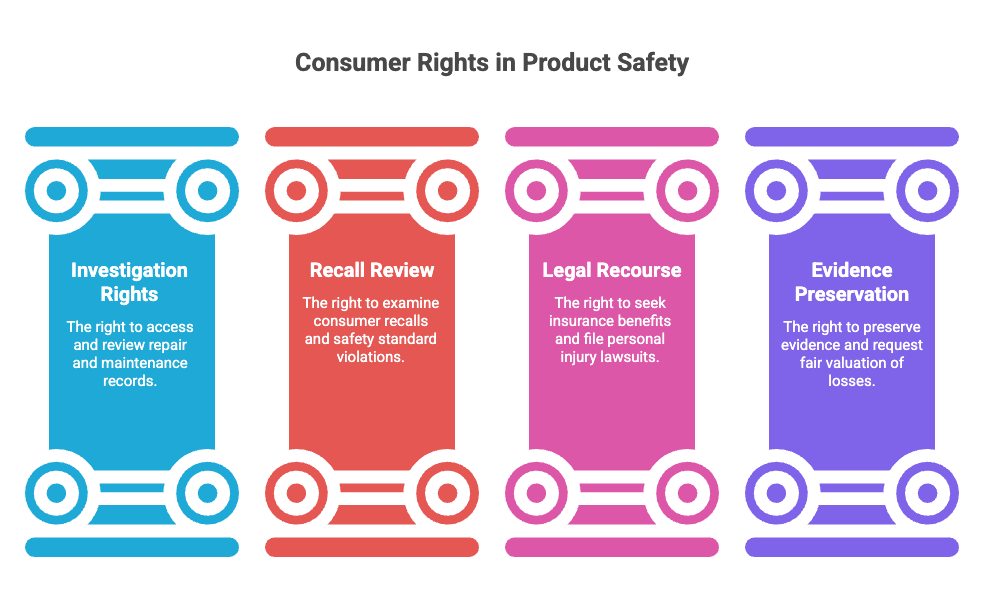
Helpful legal protections often include:
- The right to investigate repair records, inspection histories, and maintenance practices
- The right to review Consumer recalls and evidence of ignored Safety standards
- The right to seek insurance benefits and, when appropriate, file a personal injury lawsuit
- The right to preserve evidence and request fair valuation of long-term losses
Why Do West Palm Beach Steering Failure Car Accident Injuries Happen?
Even when legal rights are clear, guidance failure injuries in West Palm Beach often arise from a combination of mechanical defects, poor vehicle maintenance, and sudden roadway circumstances that leave little time for a driver to respond. Worn tie rods, failing power steering systems, defective tires, and misaligned suspension components can all reduce control and increase the risk of a crash for everyone nearby.
In many cases, preventable neglect plays a central role. Missed inspections, delayed repairs, and unnoticed recalls may allow dangerous conditions to worsen over time. Heavy rain, potholes, debris, and other road hazards can quickly magnify a guidance problem, turning a manageable issue into a serious collision. Driver distraction may also contribute by delaying recognition of warning signs such as vibration, pulling, stiffness, or unusual guidance noise.
When these factors overlap, innocent motorists, passengers, cyclists, and pedestrians may suffer avoidable harm, underscoring the importance of attentive care, responsible maintenance, and safer roadway conditions throughout the community.
What Should You Do After a West Palm Beach Steering Failure Car Accident Injury?
After a West Palm Beach steering failure car accident injury, the injured person should seek immediate medical care, both to protect health and to assess the extent of the harm.
It is also important to preserve crash evidence, including photographs, vehicle damage, repair records, and any witness information that may clarify how the guidance failure occurred.
Prompt consultation with a lawyer can help protect legal rights, assess liability, and support a properly documented claim for compensation.
Seek Immediate Medical Care
Seek prompt medical attention because injuries from a West Palm Beach wheel-control failure car accident may not be immediately apparent despite limited pain at the scene. A timely emergency evaluation can identify internal trauma, concussions, spinal damage, or soft tissue injuries before symptoms worsen and interfere with daily responsibilities and care for others.
Medical professionals can document symptoms, begin treatment, and recommend follow-up care tailored to the person’s condition. Pain monitoring is equally important in the hours and days after the collision, since stiffness, headaches, numbness, and dizziness may develop later.
Prompt care also helps protect long-term health by reducing complications and supporting a safer recovery. When individuals seek appropriate treatment without delay, they put themselves in a stronger position to recover fully and continue to serve their families, workplaces, and communities responsibly.
Preserve Crash Evidence
Crash-scene evidence should be preserved as soon as circumstances allow, because a helm-failure accident may leave only fleeting physical evidence and disputed accounts of how the collision occurred.
If safety permits, those present should preserve photos of vehicle positions, roadway markings, skid patterns, guardrails, traffic signals, weather conditions, and any visible steering components. They should also document time, location, witness names, and officer information.
When possible, a responsible person may collect debris, including broken linkage parts, tire fragments, or fluid residue, without disturbing dangerous conditions or interfering with emergency responders. Towing and storage details should be recorded so the vehicle remains available for inspection.
Clothing, personal items, and damaged child restraints may also hold useful information. Careful preservation supports accurate reconstruction and helps others understand what happened and why.
Consult A Lawyer
Consulting a lawyer promptly can help protect an injured person’s rights when a West Palm Beach steering malfunction collision raises questions about vehicle defects, maintenance history, driver conduct, and insurance responsibility. Through a timely legal consultation, counsel may evaluate potential claims, identify liable parties, and help preserve records that support a fair recovery.
An attorney may also communicate with insurers, obtain inspection reports, and review repair invoices, recall notices, and electronic vehicle data. This guidance can reduce costly mistakes and allow the injured person to focus on recuperating and helping loved ones.
Many firms offer contingency agreements, which means fees are typically collected only if compensation is recovered. Early representation can strengthen negotiations, support informed decisions, and promote accountability for those whose negligence or defective products caused preventable harm and losses.
Critical Evidence in a West Palm Beach Steering Failure Car Accident Injury Case
Establishing liability in a West Palm Beach steering failure car accident injury case often depends on clear, well-preserved evidence that shows how and why the steering system failed.
Chief categories of proof commonly include:
- Vehicle maintenance records
- Steering system inspection findings
- Accident scene documentation
- Expert mechanical testimony
Together, these forms of evidence can help support causation, identify responsible parties, and strengthen the overall injury claim.
Vehicle Maintenance Records
Vehicle-maintenance records often provide a clear timeline of a vehicle’s condition before a helm failure collision in West Palm Beach. These documents can show whether the owner acted responsibly and whether a service provider identified recurring complaints.
Maintenance logs, repair invoices, dealership records, and warranty paperwork may reveal overdue service, repeated visits, or unresolved handling concerns. In a case focused on helping injured people secure fair accountability, such records can clarify who knew about developing problems and when that knowledge existed.
They may also support or challenge statements made by drivers, owners, fleet operators, or repair businesses after the crash. When preserved promptly, complete records strengthen factual analysis and assist counsel, insurers, and courts in evaluating causation, credibility, and the reasonableness of prior vehicle care. They also guide settlement discussions.
Steering System Inspection
Beyond maintenance records, a direct inspection of the guidance system can provide more specific evidence of why a loss-of-control collision occurred in West Palm Beach. Qualified evaluators may examine linkages, tie rods, the rack, hoses, and mounting points for fractures, looseness, or fluid loss. They may also assess wheel alignment to determine whether abnormal wear, pulling, or vibration signaled a developing defect before impact.
A careful inspection can further reveal component corrosion, failed seals, damaged bushings, or prior improper repairs that compromised safe operation. These findings may help clarify whether a manufacturer defect, negligent service, or ignored warning signs contributed to the event.
For families seeking accountability and safer roads for others, this evidence can support a clearer understanding of causation and strengthen an injury claim with objective, service-minded documentation.
Accident Scene Documentation
Accident-scene documentation often provides the earliest and most reliable record of how a suspected guidance failure unfolded in West Palm Beach. Prompt collection of images, video, and written observations can preserve conditions before vehicles are moved, debris is cleared, or weather alters visible marks.
In these cases, photographic cataloging may capture tire paths, curb contact, fluid trails, roadway defects, warning lights, and helm position. Timestamp verification helps establish sequence, supports witness recollections, and aligns police notes with emergency response records.
Documentation of vehicle resting positions, intersection controls, lane markings, and nearby surveillance sources can clarify whether sudden loss of directional control occurred.
Because many individuals seek accountability to protect others from similar harm, careful scene preservation serves both the injured person and the broader community by safeguarding accurate, objective evidence for later review.
Expert Mechanical Testimony
Clarifying whether a steering failure resulted from wear, poor repair, a defective component, or crash-related damage often requires expert mechanical testimony. In these cases, Mechanical forensics helps identify how the wheel-control system failed and whether that failure existed before impact. A qualified expert may inspect the steering column, linkage, power steering components, maintenance history, and repair records to form reliable opinions.
Courts and insurers often examine Expert qualifications closely because testimony must be credible, relevant, and grounded in accepted methods. Strong mechanical analysis can help families, injured drivers, and community members pursue accountability and safer roads.
When findings connect the failure to negligence or a defective part, expert testimony may become central to proving causation, allocating fault, and supporting a claim for fair compensation after a serious West Palm Beach collision.
Long-Term Effects of West Palm Beach Steering Failure Car Accident Injuries
Guidance failure car accident injuries may produce long-term consequences that extend well beyond the initial recovery period.
Many injured individuals experience chronic pain complications and lasting mobility limitations, which can affect daily functioning, employment, and overall independence.
In addition, emotional trauma effects may persist for months or years, creating ongoing challenges that warrant careful medical and legal attention.
Chronic Pain Complications
Persistence of pain is one of the most disruptive long-term consequences of injuries caused by a helm malfunction collision. Chronic pain may continue long after fractures, soft tissue trauma, or nerve damage appear to stabilize, affecting concentration, sleep, and emotional well-being.
In many cases, pain comorbidity develops as persistent discomfort contributes to headaches, anxiety, depression, and fatigue, creating added burdens for injured individuals and the families who support them.
These complications often require coordinated medical care, including pain management, counseling, and careful monitoring of medication use. A service-minded community benefits when injured people receive timely evaluation, consistent treatment, and compassionate advocacy.
Legal guidance may help document the full extent of suffering, future care needs, and related losses, supporting efforts to secure resources that promote dignity, stability, and meaningful recovery over time.
Lasting Mobility Limitations
Adapting to reduced mobility is often one of the most significant long-term challenges after injuries caused by a directional-control-failure collision. Survivors may face difficulty walking, standing, climbing stairs, or completing routine tasks that once seemed ordinary. These limitations can alter employment options, household responsibilities, and the ability to participate in community service or care for loved ones.
Medical providers often recommend rehabilitation, Assistive devices, and Home modifications to improve safety and preserve independence. Even with consistent treatment, some individuals experience permanent restrictions in balance, strength, or range of motion. Wheelchairs, braces, walkers, ramps, and accessible bathrooms may become necessary for daily function.
When mobility remains impaired, long-term support planning becomes crucial, helping families coordinate practical care while protecting dignity, stability, and quality of life over time.
Emotional Trauma Effects
Beyond the physical limits that may remain after a directional-control failure collision, many injured individuals also experience lasting psychological harm that affects daily life in less visible but equally serious ways. Survivors may develop post-traumatic stress, recurring anxiety, disrupted sleep, and a persistent fear of traveling in vehicles. These symptoms can interfere with employment, concentration, and participation in family or community responsibilities.
Emotional injuries often extend beyond the individual and create relationship strain within households that are already adapting to medical needs and financial pressure. Loved ones may observe irritability, withdrawal, or depression without fully understanding the cause.
In service-oriented communities, recognizing these effects matters because proper counseling, medical support, and legal advocacy can help injured people regain stability, dignity, and a stronger sense of safety over time.
Proving Liability in West Palm Beach Steering Failure Car Accident Injury Cases
Establishing liability in a West Palm Beach steering malfunction car accident injury case requires a careful review of how the malfunction occurred and whether another party’s negligence contributed to the crash. Evidence may point to manufacturer negligence, such as a defective steering column, a faulty power steering component, or inadequate safety testing before the vehicle reached the public.
Liability may also involve driver negligence if a motorist ignored warning signs, failed to maintain the vehicle, or continued driving despite known steering problems. Investigators often examine maintenance records, recall notices, repair invoices, inspection reports, and event data to determine what happened.
Witness statements, crash scene photographs, and expert mechanical analysis can further clarify whether the steering failure was sudden or preventable.
A thorough liability evaluation helps injured individuals and families seek accountability while protecting community safety. By identifying responsible parties with care and accuracy, legal advocates support recovery and encourage safer conduct among manufacturers, owners, and operators.
Dealing With Insurance Companies After a West Palm Beach Steering Failure Car Accident Injury
Guiding insurance claims after a West Palm Beach steering malfunction car accident injury often requires prompt, careful action, because insurers may question both the cause of the crash and the extent of the resulting harm.
Early documentation can protect injured people and those supporting them, especially by preserving repair records, photographs, witness statements, and medical evaluations that link injuries to the incident.
Insurance representatives may request recorded statements or broad medical authorizations soon after the collision. A measured response helps prevent misunderstandings that could reduce compensation or unfairly shift blame.
Effective claim negotiation often depends on organized evidence, consistent treatment records, and clear communication regarding losses, limitations, and future care needs. When an insurer delays, undervalues, or misrepresents coverage, such conduct may raise concerns about bad faith. Careful review of policy terms, correspondence, and deadlines can support accountability.
What to Expect During a West Palm Beach Steering Failure Car Accident Injury Claim Process
A West Palm Beach steering failure car accident injury claim generally begins with the initial claim filing, followed by a liability investigation that examines vehicle defects, maintenance records, and the surrounding facts of the crash.
The process also typically includes a careful review of medical evidence to assess the nature of the injuries, the scope of treatment, and the extent of related damages.
Depending on the strength of the evidence and the parties’ positions, the claim may proceed toward settlement negotiations or litigation.
Initial Claim Filing
Prompt reporting to the insurer and gathering the first round of supporting records usually mark the beginning of a West Palm Beach-directed failure car accident injury claim. During this stage, the injured person or counsel typically submits basic incident details, insurance information, medical treatment updates, and initial loss documentation to properly open the file.
Attention to Filing deadlines is crucial because missed dates can weaken or bar recovery. Early Evidence preservation also serves the broader goal of protecting truthful facts for all involved. Helpful materials often include photographs, repair estimates, medical records, witness contact information, and any notices regarding suspected steering problems.
Clear, organized communication supports adjusters, healthcare providers, and families trying to respond responsibly. A careful initial filing creates structure, reduces avoidable delays, and helps the claim proceed in an orderly manner.
Liability Investigation Steps
During the liability investigation stage, insurers, attorneys, and other involved parties generally examine how the steering malfunction occurred and whether negligence, a product defect, poor maintenance, or another contributing factor played a role. They often collect repair records, vehicle data, witness statements, and crash reports to build a clear timeline.
In many cases, forensic testing and sensor diagnostics help identify whether the failure stemmed from worn parts, electronic issues, or improper service. Investigators may also review a manufacturer’s recall history, technical bulletins, and prior complaints involving the same model.
When multiple actors may share responsibility, the inquiry focuses on the apportionment of liability among drivers, repair shops, parts suppliers, and manufacturers. This structured process is intended to promote accountability, protect community safety, and support a fair resolution for all parties involved thereafter.
Medical Evidence Review
In this phase, medical evidence becomes a central component of the injury claim because it helps link the guidance-failure collision to the claimant’s physical condition, symptoms, and projected recovery needs. Records are reviewed carefully, including emergency evaluations, physician notes, specialist consultations, prescriptions, and rehabilitation updates.
Medical imaging, such as X-rays, CT scans, and MRIs, may help confirm traumatic injuries and rule out unrelated conditions. Providers’ observations regarding pain levels, mobility limits, and functional restrictions can clarify how the event affected daily responsibilities and the ability to serve family, work, and community.
Treatment timelines are also examined to show whether care was timely, consistent, and medically necessary. When documentation is complete and organized, it provides a clearer understanding of current harm, ongoing needs, and anticipated recovery challenges.
Settlement And Litigation
Once medical records help define the nature and extent of the injuries, attention often turns to settlement discussions and, when necessary, litigation. Counsel typically evaluates liability, insurance coverage, repair history, and expert findings before presenting a demand. Effective Settlement strategies focus on fair compensation for treatment costs, lost income, future care, and the broader impact on the injured person’s ability to serve family and community.
If insurers dispute fault or undervalue damages, a lawsuit may be filed. During this phase, parties exchange evidence, question witnesses, and consult technical experts regarding the steering failure. Litigation timelines vary based on court schedules, discovery disputes, and the progress of negotiations.
Even after filing, many claims resolve through mediation or renewed talks. When trial becomes necessary, careful preparation supports a clear, persuasive presentation of the injured party’s losses.
Compensation for West Palm Beach Steering Failure Car Accident Injury Damages
Accountability often begins with a careful assessment of the full extent of a victim’s losses following a control-failure collision in West Palm Beach. Compensation may depend on how the steering defect occurred, who had responsibility for the vehicle, and whether Product liability principles apply to a manufacturer, distributor, or repair facility. A thorough claim review helps families pursue relief in a way that honors both safety and community well-being.
Florida’s Comparative negligence rules may also affect recovery when multiple parties share fault, including another driver, a maintenance provider, or the injured person. In these cases, evidence such as inspection records, recall notices, black box data, and expert analysis can shape the value of a claim.
Compensation efforts often focus on building a complete, well-supported demand that reflects the collision’s consequences and protects the injured person from unfair blame-shifting. Careful legal guidance can help victims and those assisting them pursue accountability with diligence, service, and lawful purpose.
Economic vs Non-Economic Damages in West Palm Beach Steering Failure Car Accident Cases
In West Palm Beach steering malfunction car accident cases, damages are generally divided into economic and non-economic categories, each addressing a different type of loss.
Economic damages typically include measurable financial harm, such as medical expenses, lost income, and property damage, while non-economic damages concern pain and suffering, emotional distress, and reduced quality of life.
The value of these damages often depends on records, expert opinions, and other evidence that connects the steering malfunction accident to the claimant’s losses.
Economic Damage Categories
Under Florida law, economic damages in a West Palm Beach guiding failure car accident case refer to the measurable financial losses caused by the collision, while non-economic damages address the more personal, less quantifiable harm that follows.
Economic categories commonly include emergency treatment, hospitalization, surgery, rehabilitation, medication, and future medical needs supported by expert opinion.
They also include Lost wages when injuries prevent work, as well as diminished earning capacity if long-term limitations reduce future income.
Property damage covers vehicle repair or replacement, towing, storage, and the loss of other personal items damaged in the crash.
In service-minded communities, careful documentation of these losses helps families stabilize finances and meet ongoing obligations.
Records such as invoices, pay statements, tax documents, and repair estimates often provide the foundation for a well-supported claim and recovery.
Non-Economic Losses
Resilience is often tested most severely by the losses that cannot be added to an invoice or shown on a pay stub. In West Palm Beach steering failure cases, non-economic losses address human harm that reaches beyond direct financial cost. These damages may include physical pain, emotional distress, anxiety, trauma, disfigurement, loss of companionship, and diminished quality of life.
Such losses matter because a serious collision can alter how an injured person serves family, supports a community, or participates in daily responsibilities. Non-economic damages recognize those disruptions with dignity and seriousness.
They also reflect the reality that pain valuation involves consequences that are personal, enduring, and not easily measured through receipts or wage statements. A complete claim thus considers both tangible expenses and the stronger effects of injury on ordinary living.
Proving Damage Value
Clarity is essential when proving damage value in a West Palm Beach steering failure car accident case, because the strength of compensation depends on the quality of the supporting evidence. Economic damages are typically shown through medical bills, wage records, repair estimates, and expert opinions regarding future care or diminished earning capacity. Non-economic damages require a different presentation, often relying on treatment notes, testimony, and documented changes in daily functioning.
A careful valuation also considers Comparable settlements, although each claim turns on its own facts and the seriousness of the injury. Property losses may involve Depreciation disputes, especially when insurers challenge vehicle value after a wheel-control-related collision.
A disciplined review of records, consistent timelines, and credible professional assessments help establish fair compensation and support a recovery process centered on accountability and service.
When a West Palm Beach Steering Failure Car Accident Injury Case Goes to Trial vs Settlement
Determining whether a West Palm Beach guidance failure car accident injury case proceeds to trial or ends in settlement depends on several case-specific factors, including the strength of the evidence, the extent of the injuries, disputed liability, and the willingness of the parties to negotiate in good faith.
Whether a guidance failure injury case settles or goes to trial often turns on the strength of the evidence, injury severity, disputed fault, and negotiation posture.
Cases often settle when documentation clearly shows a navigation defect, medical harm, and financial loss, allowing both sides to assess risk with greater confidence. Settlement timing may also depend on whether treatment is complete, experts have issued opinions, and insurers recognize the likely value of the claim.
A trial becomes more likely when fault is contested, product failure is denied, or the defense minimizes the injured person’s losses.
Jury dynamics can influence strategy because verdicts may vary depending on how jurors interpret technical evidence, assess witness credibility, and assess the seriousness of permanent injuries. In service-oriented representation, counsel evaluates both options carefully, seeking a result that protects the injured person while respecting time, resources, and long-term recovery needs.
Florida Laws That May Affect Your West Palm Beach Steering Failure Car Accident Case
In Florida, several legal rules may shape how a West Palm Beach guidance failure car accident case is investigated, valued, and resolved. Liability often depends on how the failure occurred, who had control of the vehicle, and whether maintenance, design, or manufacturing defects contributed to the loss of direction. Florida’s no-fault insurance structure may also affect the initial path toward medical and wage-related benefits.
- Comparative negligence may reduce recovery if the injured person shares fault.
- Product liability principles may apply when a defective steering component caused the crash.
- Maintenance records may influence whether an owner, repair shop, or fleet operator bears responsibility.
- Evidence rules can affect expert testimony, vehicle inspections, and preservation of damaged parts.
These laws matter because they help identify responsible parties and protect people seeking fair outcomes.
A careful legal review often serves injured individuals, families, and the broader community by encouraging accountability, safer driving practices, and informed decisions after a serious steering-failure collision.
The Statute of Limitations for West Palm Beach Steering Failure Car Accident Injury Cases
After a steering-failure crash in West Palm Beach, the statute of limitations can play a decisive role in whether an injury claim can proceed in court. Florida law sets strict time periods for bringing personal injury actions, and missing those filing deadlines can prevent recovery regardless of how serious the harm may be.
In cases of steering failure, timely action also helps preserve vehicle evidence, maintenance records, and witness recollections that may support a claim. Statute limits can vary depending on the facts, including whether the matter involves wrongful death, a government entity, or delayed discovery of a defect. Because courts apply these rules carefully, injured individuals and families often benefit from learning the relevant deadline as early as possible.
Prompt attention supports accountability, protects the ability to seek compensation, and helps those affected continue serving their households and communities with greater stability. Early knowledge can also reduce avoidable legal uncertainty and stress.
How a West Palm Beach Steering Failure Car Accident Injury Lawyer Can Help You
Maneuver these claims with care, as a West Palm Beach steering failure car accident injury lawyer can assist by identifying the likely source of the steering malfunction, preserving vital vehicle and repair evidence, and evaluating whether liability may rest with a negligent driver, repair facility, parts manufacturer, or another responsible party. Such representation often includes careful investigation, communication with insurers, and coordination with qualified experts who can explain how the failure occurred and to whom accountability should be served.
A lawyer may help by:
- Reviewing maintenance records, recalls, and repair invoices for warning signs.
- Examining Product Liability issues tied to defective steering components.
- Assessing whether Manufacturer Negligence contributed to the dangerous failure.
- Calculating damages so injured people can continue caring for themselves and others.
This guidance supports informed decisions, protects important evidence, and strengthens a claim through organized advocacy. It also helps families pursue fair compensation while focusing on recovery, stability, and responsible recovery.
When to Contact a West Palm Beach Steering Failure Car Accident Injury Lawyer
Prompt contact with a West Palm Beach steering failure car accident injury lawyer is often advisable when a crash involves a suspected steering malfunction, serious injuries, disputed fault, or concerns that vital vehicle evidence may be lost. Early action can help preserve inspection opportunities, repair records, electronic data, and witness accounts before conditions change or memories fade.
An urgent consultation may also be appropriate when insurers request statements, a vehicle is scheduled for disposal, or multiple parties may share responsibility, including drivers, repair shops, or manufacturers. Families focused on helping an injured loved one and protecting the public may benefit from timely legal guidance to support orderly documentation and informed decision-making.
Attention should also be given to statute deadlines, because waiting too long can limit available remedies. In cases involving hospitalization, permanent impairment, or uncertainty about the cause of the steering failure, prompt legal contact can help ensure that important facts are identified and preserved as quickly as possible.
Why You Need an Experienced West Palm Beach Steering Failure Car Accident Injury Lawyer
Because steering failure claims often involve complex mechanical evidence and multiple potentially liable parties, an experienced West Palm Beach steering failure car accident injury lawyer can provide essential guidance from the outset. Such representation helps preserve damaged components, obtain maintenance records, and identify whether Mechanical negligence, defective parts, or improper repairs contributed to the collision.
Experienced counsel also understands how to connect technical findings with the human consequences families face after a serious crash. This includes evaluating manufacturer conduct, investigating Steering recalls, and determining whether dealerships, repair shops, parts suppliers, or other entities failed in their duties.
A thorough legal approach can support accountability, encourage safer practices, and help injured people pursue resources needed for medical care, rehabilitation, and household stability.
In service of the broader community, effective advocacy does more than address a single claim. It can highlight dangerous defects, reinforce responsible industry standards, and promote roadway safety for everyone in West Palm Beach.
How to Choose the Right West Palm Beach Steering Failure Car Accident Injury Lawyer for Your Case
When selecting legal representation after a steering failure collision, several factors can help identify a lawyer prepared to handle the technical and legal demands of the case. A careful review of the attorney’s background, courtroom experience, and familiarity with vehicle defect evidence can reveal whether the lawyer is equipped to pursue meaningful results for injured people and their families.
Prospective clients may also benefit from evaluating communication practices during client interviews. Clear explanations, timely responses, and respectful attention to concerns often reflect a service-minded approach. It is also wise to examine fee structures, including contingency terms, litigation costs, and how expenses are explained in writing.
A strong lawyer should have access to qualified experts, a record of handling serious injury claims, and a commitment to pursuing accountability. Choosing counsel with skill, transparency, and compassion can help support recovery and protect the broader well-being of the community after a preventable collision.
About The Law Offices of Anidjar & Levine
After considering the qualities that often distinguish effective legal counsel in guiding failure cases, attention naturally turns to the firm itself.
The Law Offices of Anidjar & Levine is widely recognized for representing injured individuals with diligence, accessibility, and a service-centered approach that reflects respect for clients and their families.
The firm’s history reflects sustained work on behalf of accident victims throughout Florida, including those harmed in serious vehicle collisions involving steering defects.
Its attorneys and support staff emphasize responsive communication, practical guidance, and careful case preparation from the initial consultation through resolution.
This structure can be especially meaningful for people seeking to protect others in their households while pursuing fair compensation.
Client testimonials frequently describe professionalism, compassion, and consistent follow-through, offering useful insight into the firm’s day-to-day standards.
In matters involving medical expenses, lost income, and ongoing recovery needs, the firm presents itself as a steady legal resource focused on accountability and client service.
Frequently Asked Questions
Can a Steering Failure Recall Strengthen My Injury Claim?
Yes, a guidance failure recall can strengthen an injury claim when it helps show defective parts and possible manufacturer negligence. A recall may support the argument that the vehicle contained a known hazard and that the failure contributed directly to the collision and resulting harm.
It can also improve access to service records, repair notices, and expert analysis. Still, the claim usually depends on proving causation, damages, and responsible parties.
Who May Be Liable Besides the Driver After Steering Failure?
In addition to the driver, liability may extend to vehicle manufacturers, parts suppliers, maintenance providers, dealerships, or repair shops if a design defect, negligent inspection, or improper repair contributed to the crash.
In some cases, a fleet owner or employer may also bear responsibility for poor upkeep.
A careful investigation helps identify every responsible party, supporting fair compensation and better protecting others from similar harm in the future through accountability.
Will Black-Box Data Help Prove a Steering Malfunction?
Yes, black box data may help prove a steering malfunction. Investigators often review event data, speed changes, braking inputs, and sensor timestamps to determine whether a loss of directional control occurred before impact.
This information can support expert analysis, especially when paired with inspection records, recall history, and vehicle diagnostics. For those seeking accountability and protection for others, such evidence may clarify causation, strengthen claims, and help identify responsible parties with greater confidence.
Can Poor Vehicle Maintenance Reduce Compensation in Florida?
Yes, poor vehicle maintenance can reduce compensation in Florida if evidence shows faulty upkeep contributed to the crash or worsened the injuries. Under comparative fault principles, an injured person may face diminished recovery when negligent maintenance shares responsibility with another party’s conduct.
Courts and insurers examine service records, inspection history, and repair delays. Careful documentation and prompt evaluation help guarantee fault is assigned fairly, which supports just outcomes for all affected parties.
Are Rental Car Companies Responsible for Steering Defects?
Yes, rental car companies may be responsible for steering defects when evidence shows rental liability through poor inspection, ignored recalls, or unsafe maintenance practices.
Their duty is to provide reasonably safe vehicles for public use. If a company knew or should have known of a dangerous condition, corporate negligence may establish legal responsibility.
Liability depends on maintenance records, recall compliance, notice of defects, and whether the steering failure contributed to the collision.
—————————
Steering failure accidents can cause severe injuries, disputed liability, and significant financial loss.
In West Palm Beach, injured parties benefit from understanding the causes of these crashes, their legal rights, and the value of timely legal action.
A qualified attorney can investigate mechanical defects, driver negligence, and other contributing factors while pursuing full compensation.
The Law Offices of Anidjar and Levine provides focused representation designed to protect clients’ interests and support a stronger recovery process.
For help after a crash, speak with a West Palm Beach Car Accident Lawyer.