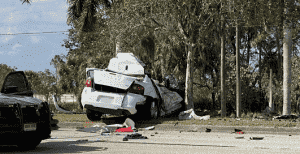
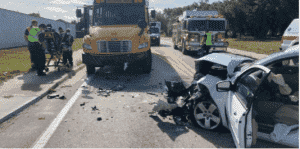
Law Offices of Anidjar and Levine helps protect crucial evidence after a steering failure crash, including the vehicle, steering components, repair records, recall notices, and onboard data, before it is lost or altered.
Counsel can investigate whether a driver, repair shop, manufacturer, or maintenance provider may be liable, while managing insurer communications and documenting medical and financial losses. This support can strengthen a claim for fair compensation and clarify the practical steps, legal issues, and recovery options that follow. Learn more from a Fort Myers Car Accident Lawyer.
Main Takeaways
- Seek immediate medical care after a steering failure crash, because hidden head, spine, or internal injuries may not appear right away.
- Preserve the vehicle without repairs or salvage, and keep steering parts, towing records, photos, and onboard data as evidence.
- A Fort Myers steering failure lawyer can investigate recalls, repair history, component defects, and expert forensics to identify why the steering failed.
- An attorney can handle insurers, document medical and financial losses, and push back against low offers or disputed fault.
- Prompt legal action helps secure witness statements, police reports, maintenance records, and deadlines needed to strengthen an injury claim.


How We Can Help With Your Fort Myers Steering Failure Car Accident Injury Claim
In the aftermath of a steering-failure collision, effective legal assistance often begins with a careful investigation into how the crash occurred and who may be responsible. Counsel can gather repair records, vehicle data, witness statements, and photographs, then preserve evidence that may support a strong claim for an injured person and the family members depending on that recovery.
From there, representation may focus on practical support that helps clients continue caring for others while their claim moves forward. An attorney can organize Medical documentation, communicate with insurers, calculate losses, and prepare a clear demand supported by records and expert input. Settlement negotiation may then proceed from a position of preparation rather than pressure.
If an insurer delays, disputes liability, or undervalues harm, counsel can respond with timely advocacy and a disciplined strategy. Throughout the process, legal guidance can reduce administrative burdens, ensure compliance with deadlines, and promote outcomes that serve the client’s well-being and future stability.
OUR CONSULTATIONSARE FREE
START YOUR FREE CASE REVIEW

Understanding Fort Myers Steering Failure Car Accident Injury Cases
At the outset, understanding a Fort Myers guidance failure car accident injury case requires close attention to both the mechanical cause of the steering loss and the legal basis for liability. These claims often require careful review of vehicle records, repair histories, inspection reports, and witness statements to determine whether negligence, product defect, or inadequate maintenance contributed to the event.
A thorough legal assessment also considers medical documentation, accident reconstruction, and the extent of physical, financial, and personal harm suffered by the injured person. Wheel recalls may be relevant when a manufacturer or distributor knew, or should have known, of a dangerous condition affecting safe vehicle operation.
Driver education can also play a supporting role by demonstrating whether a motorist received adequate instruction in recognizing warning signs and responding safely to sudden steering problems. For those committed to protecting others, understanding these cases supports accountability, promotes safer roads, and helps injured individuals pursue fair recovery with dignity and confidence.
Common Causes of Fort Myers Steering Failure Car Accident
Several mechanical and maintenance-related problems can contribute to a steering failure accident in Fort Myers. Common causes include power steering fluid leaks, worn steering components, tire and suspension issues, and defective steering system parts, each of which can reduce a driver’s ability to maintain control. Identifying the specific cause is often crucial when evaluating liability and the circumstances surrounding the crash.
Power Steering Fluid Leaks
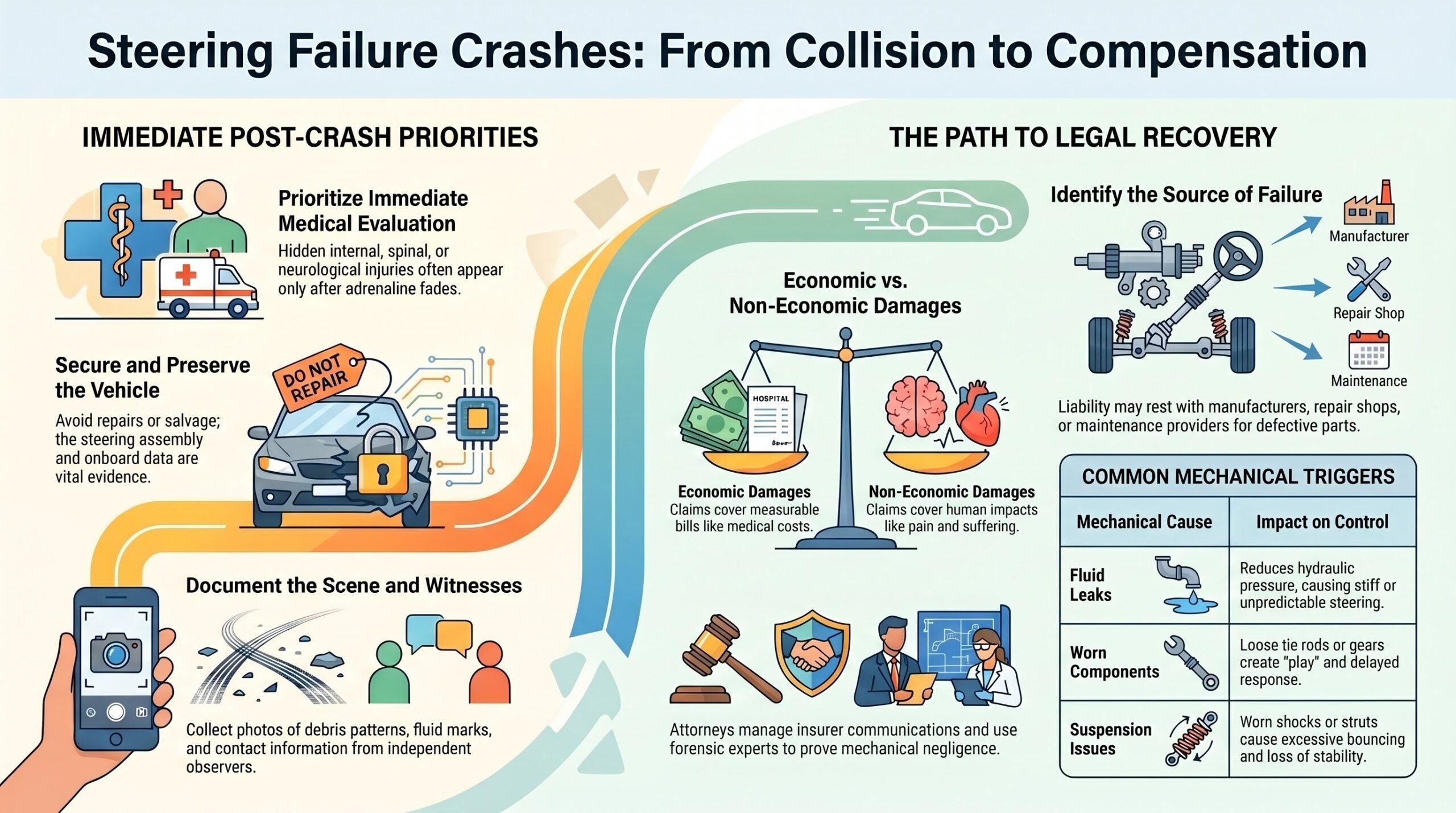
Leaking power steering fluid is a common cause of steering failure because it gradually reduces the hydraulic pressure required for smooth, responsive control. As fluid escapes from hoses, seals, or the reservoir, turning may become stiff, delayed, or unpredictable, especially during turns or sudden moves.
In Fort Myers traffic, this condition can place drivers, passengers, and nearby pedestrians at risk. Responsible vehicle care includes regular hydraulic maintenance, prompt inspection of damp spots beneath the engine area, and attention to whining noises when turning. Effective leak detection helps identify small leaks before they become serious hazards.
Service-minded motorists who address fluid leaks quickly support roadway safety for everyone. When neglected, power steering fluid loss can contribute to collisions by limiting a driver’s ability to respond accurately and promptly in emergencies.
Worn Steering Components
Many steering failures begin with worn components that slowly diminish precision and control long before a complete breakdown occurs. As links, joints, and gears age, the steering system may develop noticeable steering play, delayed response, or wandering, placing drivers and nearby motorists at risk. A worn idler arm, loose tie rod end, or deteriorated steering gear can prevent accurate directional input, especially during turns or sudden maneuvering.
Responsible vehicle owners often overlook these gradual warnings because the change happens over time. Yet service-minded communities benefit when drivers address early symptoms promptly and protect others on Fort Myers roads. Routine inspections, timely replacement of aging parts, and attention to unusual looseness can reduce the likelihood of steering failure and the serious collisions that may follow for everyone involved.
Tire And Suspension Issues
Tire-and-suspension defects can undermine directional control even when the steering mechanism itself appears intact. Uneven tread wear, low inflation, or poor tire alignment may cause a vehicle to pull, wander, or respond unpredictably during turns. These conditions can become especially hazardous on wet roads, during emergency handling, or at highway speeds.
Suspension problems also contribute to loss of control by reducing stability and tire contact with the roadway. Worn shocks, damaged struts, broken springs, and suspension corrosion may allow excessive bouncing, drifting, or body roll.
When these issues are ignored, drivers may struggle to maintain a safe path and protect passengers, pedestrians, and others nearby. Careful inspections, timely maintenance, and prompt repairs help reduce preventable collisions and support safer travel throughout Fort Myers communities each day.
Defective Steering System Parts
Compromised direction components can cause a vehicle to respond slowly, pull unexpectedly, or fail to track the driver’s intended path. Worn tie rods, faulty steering racks, damaged power steering pumps, and failing sensors may all reduce control and increase the risk of crashes for Fort Myers motorists and those they transport.
Defective parts may originate from original equipment or aftermarket components that do not meet proper safety standards. In some cases, poor installation or inadequate maintenance allows hidden defects to worsen over time. Manufacturing recalls also play an important role, because unresolved recall repairs can leave dangerous conditions on the road.
A careful legal review often examines repair records, recall notices, and product histories. This process helps injured people pursue accountability while promoting safer vehicles for the wider community and future drivers.


Legal Rights of Fort Myers Steering Failure Car Accident Injury Victims
After a guidance failure collision in Fort Myers, injured victims may have important legal rights under Florida law, including the right to pursue compensation for medical expenses, lost income, property damage, and pain and suffering when another party’s negligence or a defective vehicle component caused the crash.
These protections often support both accountability and service-minded recovery through Victim advocacy and Recovery resources for affected families.
- Victims may assert claims against negligent drivers, vehicle manufacturers, maintenance providers, or other responsible parties.
- Compensation may include current and future medical care, reduced earning capacity, rehabilitation costs, and noneconomic losses.
- Florida law may permit product liability actions when defective guidance parts, unsafe design, or inadequate warnings contributed.
- Wrongful death rights may arise when a guidance failure collision causes a fatal injury.
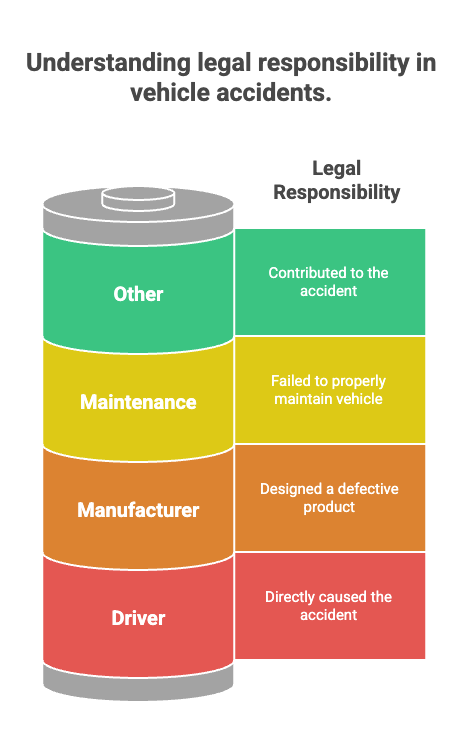
Legal representation often helps preserve evidence, evaluate insurance issues, and identify all available avenues of financial recovery while promoting dignity, stability, and community care for those harmed.
Steps to Take After a Fort Myers Steering Failure Car Accident Injury
After a Fort Myers steering-failure car accident injury, prompt medical evaluation is crucial to protect both health and the record of the harm sustained. It is also important to preserve the vehicle and any damaged parts, as this evidence may help establish whether a mechanical defect or component failure contributed to the crash. In addition, the collision should be reported and thoroughly documented, including photographs, witness information, and official reports, to support any future claim.
Seek Immediate Medical Care
In the minutes following a steering-failure collision, prompt medical evaluation should be prioritized, even when injuries do not appear severe. Shock and adrenaline may conceal internal trauma, head injuries, spinal damage, or soft tissue harm that can worsen without notice. Seeking emergency evaluation helps protect health, supports timely treatment, and creates a clear record of symptoms observed after the crash.
Medical providers may recommend imaging, pain management, consultant referrals, and follow-up monitoring to detect delayed complications. Careful adherence to instructions serves both recovery and public safety, because untreated injuries can impair judgment, mobility, and the ability to assist others. When symptoms such as dizziness, numbness, chest pain, or confusion appear, immediate attention becomes especially important. Prompt care reflects responsibility, prudence, and respect for everyone affected.
Preserve Vehicle Evidence
Preserve the vehicle and all related components in their post-collision condition whenever possible, because a steering failure claim often depends on physical evidence that can reveal whether a defect, poor repair, worn part, or other mechanical problem contributed to the crash. If the vehicle must be moved, it should be stored securely and protected from disposal, salvage, or unauthorized repairs.
Tires, steering linkage, power steering parts, alignment settings, and onboard data may all assist vehicle forensics. Families and advocates trying to protect the injured person’s interests should also consider scene preservation, including debris patterns and fluid marks, when feasible. A qualified attorney can send preservation notices to towing companies, repair shops, insurers, or other parties so that essential evidence remains available for later inspection by appropriate experts and safety professionals.
Report And Document Crash
In addition to safeguarding the vehicle and related components, a person injured in a Fort Myers steering failure crash should ensure the collision is promptly reported and carefully documented. Calling law enforcement creates an official record that may later clarify how the steering malfunction contributed to the impact and resulting injuries. Photographs of vehicle positions, road conditions, debris, and visible damage should be preserved.
Names, contact information, and witness statements should also be gathered, because independent observations can support a clear account of the event. Medical evaluations, repair estimates, towing invoices, and all communications with insurers should be organized in one place. If the vehicle is declared a total loss, the salvage documentation should also be retained. Thorough reporting and documentation help protect the injured person while supporting accountability and informed service to others.
How a Fort Myers Steering Failure Car Accident Injury Lawyer Can Help You
After a steering failure collision, a Fort Myers steering failure car accident injury lawyer can provide essential guidance by identifying the parties responsible, preserving critical evidence, and evaluating the full scope of the victim’s losses.
Through careful Client advocacy and disciplined Evidence preservation, counsel helps protect the injured person’s interests while promoting accountability and safer conduct within the community.
- The lawyer investigates maintenance records, recall notices, repair histories, and vehicle defects to determine liability.
- The lawyer communicates with insurers, manufacturers, and opposing counsel, reducing pressure on the victim and family.
- The lawyer calculates medical costs, lost income, property damage, and other recoverable losses with supporting documentation.
- The lawyer prepares a claim for negotiation or litigation, presenting facts clearly and persuasively when disputes arise.
This assistance allows injured individuals to focus on recovery and service to loved ones, while the legal team pursues fair compensation, procedural compliance, and responsible resolution with diligence throughout the claims process.
Long-Term Effects of Fort Myers Steering Failure Car Accident Injuries
Guidance failure collisions can produce long-term consequences that extend well beyond the initial emergency treatment period. Many individuals face chronic pain and reduced mobility, while others experience lasting neurological complications that affect daily functioning and independence. These injuries also often create significant emotional strain and financial hardship, particularly when ongoing medical care and lost earning capacity become lasting concerns.
Chronic Pain And Mobility
Uncertainty often defines the long-term recovery process when a steering failure crash causes serious physical injury. Many individuals continue to face persistent discomfort months or years after the collision, especially when damaged joints, muscles, or connective tissues mend incompletely. Daily routines may become difficult as chronic stiffness limits bending, lifting, walking, and sustained standing.
In many cases, treatment focuses on restoring function while reducing pain to a level that supports work, family responsibilities, and community service. Physical therapy, carefully managed medication, and adaptive strategies may help, yet some people still require mobility aids to move safely and conserve energy.
Ongoing limitations can also affect sleep, independence, and participation in meaningful activities. A careful legal evaluation may consider these enduring losses when seeking accountability and resources for long-term care and support.
Lasting Neurological Complications
Intricacy often marks the neurological consequences of a Fort Myers steering failure collision, particularly when the crash causes head trauma, spinal injury, or nerve damage. Survivors may experience persistent headaches, dizziness, sensory changes, or weakness that limits daily functioning and complicates recovery over time.
Some individuals develop neurocognitive decline, including reduced concentration, memory disruption, slowed processing, and impaired judgment. Others face autonomic dysfunction, which can disturb heart rate, blood pressure, temperature regulation, digestion, and bladder control.
Seizures, tremors, neuropathy, and coordination deficits may also emerge months after the event. Because neurological injuries can evolve gradually, careful medical monitoring often helps identify patterns, guide rehabilitation, and support safe caregiving. Thorough documentation of symptoms and treatment needs also assists those working to protect the injured person’s long-term well-being and quality of life.
Emotional And Financial Impact
Beyond the physical and neurological harm that may follow a Fort Myers steering failure collision, many injured individuals also face lasting emotional strain and significant financial pressure. Anxiety, depression, sleep disruption, and fear of travel may interfere with daily stability, relationships, and the ability to serve family members and the broader community.
These challenges often require counseling, medication, or other forms of mental health support, adding to an already difficult recovery process. At the same time, lost income, reduced earning capacity, rehabilitation expenses, and ongoing medical needs can place households under severe strain. For many families, the path toward financial recovery is slow and uncertain, especially when injuries prevent a timely return to work. Careful legal guidance may help protect resources and support long-term stability, access to treatment, and family wellbeing.
Proving Liability in Fort Myers Steering Failure Car Accident Injury Cases
Establishing liability in a Fort Myers steering failure car accident injury case requires a careful examination of how the malfunction occurred and whether another party’s negligence contributed to the crash. Attorneys often begin by securing maintenance records, repair invoices, recall notices, and vehicle inspection reports. These materials can reveal poor servicing, defective parts, or preventable equipment failure that placed others at risk.
Liability may rest with a negligent driver, a repair shop, a manufacturer, or another entity responsible for vehicle safety. To serve injured people and protect the broader community, counsel may work with engineers, mechanics, and accident reconstruction experts. Their expert testimony can clarify whether the steering system failed due to faulty design, improper installation, inadequate maintenance, or damage that was ignored before the collision.
Photographs, onboard data, witness statements, and black box information may further support the claim. A well-documented investigation helps identify accountable parties and promotes safer conduct on Fort Myers roads for everyone.
Dealing With Insurance Companies After a Fort Myers Steering Failure Car Accident Injury
Once liability has been investigated, attention often turns to the insurance process, where injured parties may face early settlement pressure, allegations of disputed fault, or attempts to minimize the role of a handling defect. Insurers may request recorded statements, broad medical authorizations, or quick acceptance of limited offers before the full impact of injuries and repair issues is understood.
A careful, service-minded approach often helps protect the injured person’s interests. Clear documentation of medical treatment, vehicle inspections, repair records, witness accounts, and communications with adjusters can strengthen insurance negotiation and reduce opportunities for mischaracterization. Attention to claim timelines is also important, because missed notice requirements or delayed submissions may create avoidable barriers.
When steering malfunction is involved, insurers may try to separate driver conduct from mechanical evidence, even when both issues are closely related. Consistent advocacy, organized records, and measured responses can support a fair evaluation of losses while preserving the dignity and practical needs of those affected.
What to Expect During a Fort Myers Steering Failure Car Accident Injury Claim Process
A Fort Myers steering failure car accident injury claim typically begins with an initial investigation into the crash, the vehicle condition, and the available evidence. The process then turns to a review of fault and liability, along with the collection of medical records and other documentation needed to support the claimed injuries and losses. Depending on the strength of the evidence and the parties’ positions, the claim may proceed toward settlement negotiations or, when necessary, litigation.
Initial Claim Investigation
At the outset, the initial claim investigation in a Fort Myers guidance failure car accident case centers on identifying how the guidance malfunction occurred, when it developed, and whether negligence by a driver, manufacturer, repair shop, or another party contributed to the crash. This stage generally involves collecting police reports, medical records, maintenance invoices, recall notices, and photographs of the vehicles and roadway.
A forensic inspection may be arranged to preserve physical evidence and document damaged steering components before repairs alter crucial conditions. Investigators often conduct witness questioning to clarify vehicle behavior, warning signs, and events immediately before impact. They may also review electronic data, service histories, and surveillance footage. Careful early investigation helps protect injured individuals, supports truthful documentation, and creates a reliable factual foundation for the claim’s progression thereafter.
Fault And Liability Review
Following the initial collection and preservation of evidence, the claim typically proceeds to a fault and liability review to determine which party or parties may be legally responsible for the guidance-failure accident. During this stage, counsel and insurers examine maintenance records, recall notices, repair history, roadway conditions, and witness accounts. They assess whether Shared Fault may apply and how Florida Comparative Negligence rules could affect recovery.
The review also considers Manufacturer Liability when a defective directional-control component, design flaw, or inadequate warning contributed to the crash. In some matters, a Third Party, such as a repair shop, parts supplier, fleet operator, or governmental entity, may share responsibility. This process aims to identify all accountable sources of compensation so that injured individuals and their families can pursue support and stability.
Medical Evidence Collection
In the next phase of the claim, medical evidence collection helps connect the guidance-failure collision to the reported injuries and the subsequent treatment. Providers may document symptoms, diagnoses, restrictions, and recovery progress through careful medical recordkeeping.
This stage often includes emergency room notes, physician evaluations, therapy reports, prescription histories, and specialist consultations. Imaging protocols, such as X-rays, CT scans, or MRI studies, may clarify whether trauma affected the spine, head, or other body systems. Consistent attendance at appointments also helps show that the injured person acted responsibly and sought appropriate care.
When records are organized and complete, they can support a clearer understanding of how the steering failure event affected daily function, work capacity, and ongoing service to family, community, and others in need over time.
Settlement And Litigation
With medical documentation assembled, the claim typically moves into settlement discussions and, when necessary, litigation, where the focus shifts to valuing losses and establishing legal responsibility for the steering-system failure that caused the collision. Attorneys generally present demand packages supported by repair records, expert findings, wage information, and treatment summaries.
Insurers may dispute causation, minimize damages, or exploit insurance pitfalls that undermine fair recovery. Careful review of policy terms and investigative evidence helps protect injured individuals and their families.
If negotiations stall, filing suit allows formal discovery, depositions, and independent analysis of vehicle defects or negligent maintenance. Courts may encourage mediation before trial, and the timing of settlement often depends on medical improvement, expert availability, and insurer conduct. Throughout this phase, disciplined advocacy can promote accountability, financial stability, and the resources needed to continue serving loved ones and community.
Compensation for Fort Myers Steering Failure Car Accident Injury Damages
Accountability becomes central when a steering failure car accident causes serious injury, because the losses often extend far beyond immediate medical treatment. In Fort Myers cases, compensation aims to restore stability for injured people and households while identifying all responsible parties. Careful review of steering liability can reveal whether a driver, repair shop, manufacturer, or parts supplier contributed to the crash through negligence or a defective component.
A disciplined claim also depends on accurate damage valuation. Attorneys often gather medical records, rehabilitation plans, employment information, expert opinions, and evidence of repairs to assess the full impact of the collision. This process helps present a clear picture of ongoing care needs, diminished earning capacity, property loss, and other legally recoverable harm.
Strong documentation may also improve negotiations with insurers that attempt to minimize responsibility. When evidence is organized and timely preserved, injured individuals are better positioned to pursue fair compensation and support long-term recovery with dignity.
Economic vs Non-Economic Damages in Fort Myers Steering Failure Car Accident Cases
In Fort Myers steering failure car accident cases, damages are generally divided into economic and non-economic categories, each addressing a different aspect of the claimant’s loss. Economic damages typically include measurable financial harms such as medical expenses, lost income, and property damage, while non-economic damages concern pain and suffering, emotional distress, and loss of enjoyment of life. Establishing the value of either category often depends on medical records, employment documentation, repair estimates, and other evidence that supports the extent and impact of the injury.
Economic Damage Categories
After a steering-system failure collision in Fort Myers, recoverable damages are generally divided into economic and non-economic categories, each serving a distinct purpose in a personal injury claim. Economic damages address measurable financial losses that can be documented through bills, records, estimates, and employer statements. In steering-system failure cases, these categories often include emergency care, hospitalization, surgery, rehabilitation, medication costs, and future medical treatment tied to the injury.
They may also include lost wages when an injured person cannot work during recovery, as well as diminished earning capacity if lasting impairments limit future employment. Property loss is another important category, covering vehicle repair or replacement and other damaged personal items. Careful documentation helps families, advocates, and legal representatives pursue compensation that supports stability, accountability, and practical recovery after a serious crash.
Non-Economic Losses Explained
While economic damages focus on measurable financial harm, non-economic damages address the human consequences of a guidance-system failure collision that do not appear on invoices or payroll records. These losses may include physical discomfort, emotional suffering, loss of companionship, diminished enjoyment of daily life, and the strain placed on family relationships after a sudden crash.
In Fort Myers steering-failure cases, non-economic harm recognizes that injured people often need more than reimbursement for medical bills. They may require patience, practical support, and grief counseling as they adapt to lasting limitations or trauma. Pain valuation is consequently concerned with how the injury changes a person’s ability to serve loved ones, participate in community life, and maintain personal dignity. This category reflects the broader impact of serious harm on both the injured person and the household.
Proving Damage Value
Accuracy becomes central when establishing the value of damages in a Fort Myers guiding failure car accident case, because compensation must reflect both documented financial loss and the less visible personal harm caused by the crash.
Economic damages are commonly proven through medical bills, wage records, repair estimates, and market valuation of the damaged vehicle. These figures help caregivers, families, and advocates understand the measurable cost of the event. Non-economic damages require a different showing.
Pain, emotional distress, disability, and reduced quality of life are often supported by treatment notes, daily observations, and expert testimony from physicians or rehabilitation experts. Courts and insurers examine how the steering malfunction affected the injured person’s ability to consistently work, support family, and participate in community life.
When a Fort Myers Steering Failure Car Accident Injury Case Goes to Trial vs Settlement
How a Fort Myers steering failure car accident injury case proceeds, whether toward settlement or trial, depends on the strength of the evidence, the seriousness of the injuries, and the willingness of the parties to contest fault and damages. Settlement timing often turns on medical clarity, expert evaluations, and insurers’ recognition of the full impact of the loss on the injured person and family.
Cases usually settle when liability is clear, damages are well documented, and both sides seek a practical resolution that conserves time and resources. Trial becomes more likely when parties dispute directional control defects, maintenance history, comparative fault, or future medical needs. Jury dynamics also matter, because testimony about vehicle failure, repair records, and life care costs may influence how community members assess responsibility.
A trial may produce a larger award, but it also brings delay, expense, and uncertainty. A careful legal strategy weighs service to the injured person, accountability, and the most reliable path toward fair financial recovery.
The Statute of Limitations for Fort Myers Steering Failure Car Accident Injury Cases
In Florida, strict filing deadlines govern directing failure car accident injury claims, and missing the applicable statute of limitations can bar recovery regardless of the severity of the injuries or the strength of the underlying evidence. For those committed to helping injured people pursue accountability, understanding these time limits is crucial.
Most negligence actions arising from steering-defect collisions must be filed within the period established by Florida law, but nuances of the statute can affect the exact deadline. Claims involving wrongful death, product liability, or government entities may follow different rules, and certain filing exceptions may extend or shorten the available time.
Evidence can also become harder to preserve over time, including damaged vehicle components, maintenance records, and electronic data. A timely review supports informed decision-making and helps protect the interests of victims, families, and the wider community. Careful attention to procedural deadlines promotes fairness, preserves important evidence, and prevents otherwise valid claims from being permanently lost.
When to Contact a Fort Myers Steering Failure Car Accident Injury Lawyer
Beyond filing deadlines, the timing of legal consultation can materially affect the strength of a steering failure car accident injury claim. Early action often helps preserve vehicle data, maintenance records, witness recollections, and roadway evidence before those materials are lost, altered, or forgotten. A prompt client consultation may also identify potentially responsible parties, including manufacturers, repair shops, parts suppliers, or other drivers.
Contact is often appropriate soon after emergency medical needs are addressed and basic accident reporting is completed. Waiting too long can complicate the claim timeline, especially when insurers request statements, damaged vehicles are repaired or discarded, or black box information is overwritten. Families focused on helping an injured loved one may benefit from timely guidance that supports careful documentation and organized communication.
A lawyer should also be contacted immediately if catastrophic injuries, disputed fault, multiple vehicles, or suspected product defects are involved. Early review can protect important facts and support a more orderly recovery process overall.
Why You Need an Experienced Fort Myers Steering Failure Car Accident Injury Lawyer
Secure legal representation from an experienced Fort Myers steering failure car accident injury lawyer can be vital when a claim involves disputed liability, complex mechanical evidence, and multiple potentially responsible parties. An experienced attorney understands how steering defects intersect with negligence law, product liability principles, and insurance tactics that may undervalue the seriousness of harm.
Such representation also benefits injured people and families seeking accountability, which may help protect others from similar failures. A seasoned lawyer can use investigative resources to obtain maintenance records, inspect damaged components, consult qualified experts, and preserve evidence before it is lost. This focused approach strengthens the claim and supports a clearer presentation of causation and damages.
Effective counsel also manages communication with insurers, identifies all available sources of compensation, and advances the matter efficiently. Client testimonials often reflect the value of steady guidance, careful preparation, and disciplined advocacy during a stressful period. Experienced legal support helps victims pursue fair recovery with confidence and purpose.
How to Choose the Right Fort Myers Steering Failure Car Accident Injury Lawyer for Your Case
When evaluating a Fort Myers steering failure car accident injury lawyer, careful attention should be given to the attorney’s experience with cases involving mechanical defects, disputed fault, and serious injury claims. A strong candidate should understand vehicle evidence, expert testimony, and the practical impact these collisions have on injured people and their families.
Client interviews can reveal whether counsel listens carefully, explains legal options clearly, and shows a sincere commitment to pursuing a result that supports recovery and stability. Review of past case results, courtroom readiness, and communication practices may also help identify dependable representation. Fee structures should be explained in plain terms, including contingency arrangements, litigation costs, and when payment may be required.
It is also wise to weigh whether the attorney has adequate staff support and resources for investigation. Choosing counsel with skill, integrity, and service-minded professionalism can help injured individuals and those who care for them move forward with greater confidence.
About The Law Offices of Anidjar & Levine
After identifying the qualities that support a sound attorney selection, attention may be directed to The Law Offices of Anidjar & Levine and the representation the firm offers in Fort Myers, guiding failure car accident cases.
The firm provides legal services focused on responsiveness, thorough case preparation, and consistent communication for injured people and their families. Its approach reflects a service-minded perspective, emphasizing practical guidance during difficult periods.
The firm history indicates a longstanding commitment to personal injury representation across Florida, with experience handling motor vehicle collision claims involving serious mechanical failures.
In navigating failure cases, the attorneys investigate vehicle defects, maintenance records, crash reports, and medical losses to build a clear claim for compensation.
Client testimonials often describe accessibility, professionalism, and consistent support, qualities many families value when seeking to protect others from financial hardship.
Through organized advocacy and careful attention to each matter, the firm aims to advance accountability and recovery for those harmed.
Frequently Asked Questions
Can Steering Failure Accidents Involve Vehicle Recalls or Manufacturer Defects?
Yes, guiding failure accidents can involve vehicle recalls or manufacturing defects, particularly when evidence indicates a dangerous design or a defective component. In such matters, manufacturer liability may arise if the company knew, or should have known, of the hazard and failed to act responsibly. Recall litigation may also follow when a recall was delayed, inadequate, or ignored, affecting public safety and the ability of injured people and families to obtain accountability.
What Evidence From the Vehicle Should Be Preserved After Steering Failure?
Essential evidence includes the steering assembly, linkage, power-steering components, onboard diagnostic data, and the vehicle’s black box. Investigators should preserve damaged tires, tire tread patterns, wheel rims, brake parts, fluid leaks, and any broken fasteners. Photographs, repair records, recall notices, and post-collision inspection reports also serve others by clarifying causation. Careful preservation supports accurate evaluation, protects public safety, and helps identify responsible parties without unnecessary disputes later.
Can Poor Road Conditions Contribute to Steering Failure Accident Claims?
Yes, poor road conditions can materially support steering failure accident claims when they worsen loss of control or obscure hazards. Investigators may examine poor signage, washed-out shoulders, potholes, standing water, and deficient maintenance to determine whether roadway defects contributed alongside mechanical problems. A careful review of crash reports, photographs, repair records, and witness accounts helps responsible parties clearly understand liability, which supports fair outcomes and better protection for others on the road.
Who Investigates Whether a Mechanic’s Negligence Caused Steering Failure?
Insurance investigators, independent accident reconstruction experts, and automotive engineers typically examine whether a mechanic’s negligence caused steering failure. Their review often includes repair records, maintenance history, damaged components, and diagnostic data. Attorneys may coordinate these findings to assess mechanic liability and determine whether a claim is supported. In many cases, expert testimony from qualified mechanics or engineers helps clarify improper repairs, missed defects, or substandard service that contributed to the failure.
Can Steering Failure Accidents Involve Commercial or Rideshare Vehicles?
Yes, steering failure accidents can involve commercial vehicles and rideshare drivers. These incidents may arise from poor maintenance, defective parts, or heavy vehicle use, all of which can endanger passengers, other motorists, and the public. Liability often depends on inspection records, service histories, and employment relationships. Careful investigation helps identify responsible parties and supports efforts to protect injured people, promote accountability, and encourage safer transportation practices for everyone involved.
—————————
Steering failure accidents in Fort Myers can cause severe injuries, disputed liability, and significant financial loss.
A clear understanding of the causes, legal options, and required post-accident steps can materially affect the outcome of a claim.
With experienced legal representation, injured parties are better positioned to preserve evidence, identify responsible parties, and pursue full compensation.
A Fort Myers Car Accident Lawyer from Law Offices of Anidjar and Levine provides focused guidance for those seeking informed, strategic advocacy after a steering-system failure collision.