The Law Offices of Anidjar and Levine helps establish vehicle value loss, injury damages, and liability through repair records, medical documentation, witness statements, photographs, and insurer communications.
Prompt medical care, careful preservation of evidence, and timely notice to insurers can strengthen both injury and diminished-value claims.
Counsel may challenge low offers, manage deadlines, and prepare persuasive demands or litigation when necessary.
The sections below explain the claim process, available damages, and when legal guidance from a Fort Myers Car Accident Lawyer may be important.
Main Takeaways
- A Fort Myers diminished value claim injury lawyer helps recover both injury damages and your vehicle’s post-repair loss in market value.
- Prompt medical care, photographs, repair records, and witness statements strengthen the evidence of injury, fault, and diminished value.
- Accurate, timely notice to insurers protects coverage rights and helps avoid disputes over delayed reporting or inconsistent documentation.
- Lawyers negotiate with adjusters, challenge low offers, and organize medical records, repair invoices, wage loss evidence, and valuation support.
- If settlement efforts fail, an attorney can prepare litigation focused on liability, causation, damages, and fair financial recovery.


How We Can Help With Your Fort Myers Diminished Value Injury Claim
In the aftermath of an accident, effective legal guidance can materially strengthen an injury claim by ensuring that every aspect of the loss is properly identified, documented, and presented. A dedicated legal team serves clients by organizing evidence, protecting communications, and coordinating the steps needed to support a fair recovery.
Their assistance often begins with careful collection of Medical documentation, wage records, repair estimates, and witness statements. They communicate with insurers, track Settlement timelines, and help prevent delays caused by incomplete submissions or inconsistent records. They also calculate losses with discipline, so current and future needs are not overlooked. When questions arise, they provide clear direction that allows injured people and their families to focus on healing and supporting one another. If negotiations become difficult, counsel can prepare a persuasive demand that reflects the full impact of the event. This structured approach promotes accuracy, accountability, and a stronger claim from the outset, while protecting dignity throughout.
OUR CONSULTATIONSARE FREE
START YOUR FREE CASE REVIEW

Understanding Fort Myers Diminished Value Injury Cases
A clear understanding of injury cases helps explain how a claim is evaluated, why evidence matters, and what issues can affect the outcome. In these matters, careful documentation often shapes the strength of a case, especially when records show the nature of harm, treatment provided, and the effect on daily responsibilities.
A detached review of injury timelines is also important because delays in reporting symptoms or obtaining care may raise questions about severity and consistency. Courts, insurers, and counsel frequently examine medical causation to determine whether the claimed condition is reasonably connected to the incident at issue. This process may include physician opinions, diagnostic findings, and treatment history. Financial losses, physical limitations, and expected recovery needs are then considered within the broader claim evaluation.
For those committed to helping others, understanding these elements supports informed decisions, encourages prompt care, and promotes a more accurate presentation of the person’s injuries and related damages overall.
Common Causes of Fort Myers Diminished Value Claims
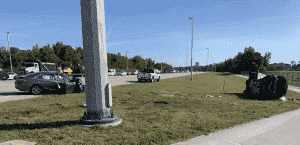
Common causes of accidents that lead to diminished value claims often include rear-end collisions, distracted driving, speeding, and other reckless conduct, as well as weather-related crashes. Each of these circumstances can produce significant vehicle damage, even when injuries appear limited or liability seems straightforward. A clear understanding of these common causes helps establish how the collision occurred and why the resulting loss in vehicle value may be legally significant.
Rear-End Collisions
Often arising from momentary inattention, rear-end collisions are among the most frequent causes of vehicle damage and diminished value claims in Fort Myers. Even at lower speeds, these crashes can produce substantial repair needs, including damage to the frame, trunk, sensors, and exterior panels, which may reduce a vehicle’s market appeal after repairs.
From a service-minded perspective, understanding contributing factors helps drivers protect passengers, pedestrians, and neighboring motorists. Heavy traffic, sudden braking, limited stopping distance, and poor weather conditions often increase the risk of rear-impact collisions. Modern bumper design may lessen visible damage, yet hidden structural issues can remain. Likewise, whiplash prevention features may reduce injury severity, but they do not eliminate losses tied to repair history. Because buyers often view rear-end damage cautiously, diminished value claims frequently follow these collisions.
Distracted Driving
Exacerbating crash risk across Fort Myers roadways, distracted driving remains a significant source of collisions that can lead to substantial vehicle damage and diminished value claims. Even brief attention shifts can prevent a driver from recognizing stopped traffic, lane changes, or pedestrians needing safe passage.
Common distractions include smartphone scrolling, navigation adjustments, eating, grooming, and conversations with passengers. Public safety advocates often warn that hands-free myths can create false confidence, because cognitive distraction may still reduce perception and reaction time. When a distracted motorist causes a crash, the impact may extend beyond repair invoices, leaving a vehicle with reduced market appeal despite quality restoration. For those committed to protecting neighbors and promoting responsible travel, understanding distraction as a preventable cause of loss helps support safer streets and more informed diminished value recovery efforts.
Speeding And Recklessness
Frequently, speeding and other reckless driving behaviors play a central role in Fort Myers collisions that produce serious vehicle damage and subsequent diminished value concerns. When drivers engage in excessive speeding, aggressive lane changes, tailgating, or road rage, they reduce reaction time and increase the force of impact.
These choices often leave families, passengers, and neighboring motorists facing avoidable harm, substantial repair costs, and a vehicle history that lowers resale value even after proper repairs. From a service-minded perspective, identifying reckless conduct can help injured people protect others by holding unsafe drivers accountable. Evidence such as crash reports, witness statements, surveillance footage, and electronic vehicle data may demonstrate how recklessness contributed to the collision. Careful documentation also supports diminished-value claims by linking severe damage to irresponsible driving.
Weather-Related Crashes
Beyond driver misconduct such as speeding and recklessness, weather-related conditions also contribute to Fort Myers collisions that result in significant vehicle damage and diminished value concerns. Heavy rain often reduces visibility, weakens traction, and lengthens stopping distances, making even cautious travel more dangerous for those trying to protect others on the road.
Seasonal storms may also cause hail damage, shattered glass, roof dents, and compromised paint, which can lower a vehicle’s market appeal after repairs. In addition, flooded roads can conceal hazards, stall engines, damage electrical systems, and cause drivers to lose control without warning. When weather contributes to a crash, the resulting repairs may not fully restore the vehicle’s prior worth. Careful documentation and informed advocacy can help affected owners pursue fair diminished value recovery and accountability afterward.


Legal Rights of Fort Myers Diminished Value Claim Injury Victims
Accountability remains a central principle in personal injury law, and injury victims in Fort Myers are entitled to pursue compensation when another party’s negligence causes harm. Florida law generally protects the right to seek damages for medical costs, lost income, pain, and diminished quality of life.
In vehicle cases, compensation may also address related financial losses affecting the vehicle’s post-repair market value.
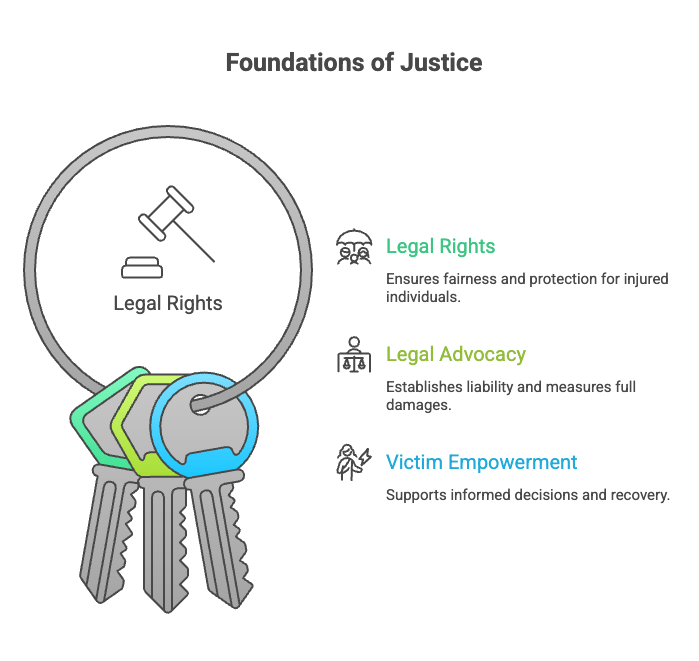
- Clear legal rights promote fairness for injured people and their families.
- Strong legal advocacy helps establish liability and measure full damages.
- Victim empowerment supports informed decisions that honor recovery and service.
These protections reflect a broader commitment to community well-being. When insurers dispute fault or undervalue losses, injury victims retain the right to present evidence, request a fair evaluation, and pursue lawful remedies. A professional legal review can clarify available claims and preserve accountability. By recognizing these rights, Fort Myers injury victims are better positioned to secure resources needed for recuperation, stability, and continued support of others.
Steps to Take After a Fort Myers Diminished Value Claims Injury
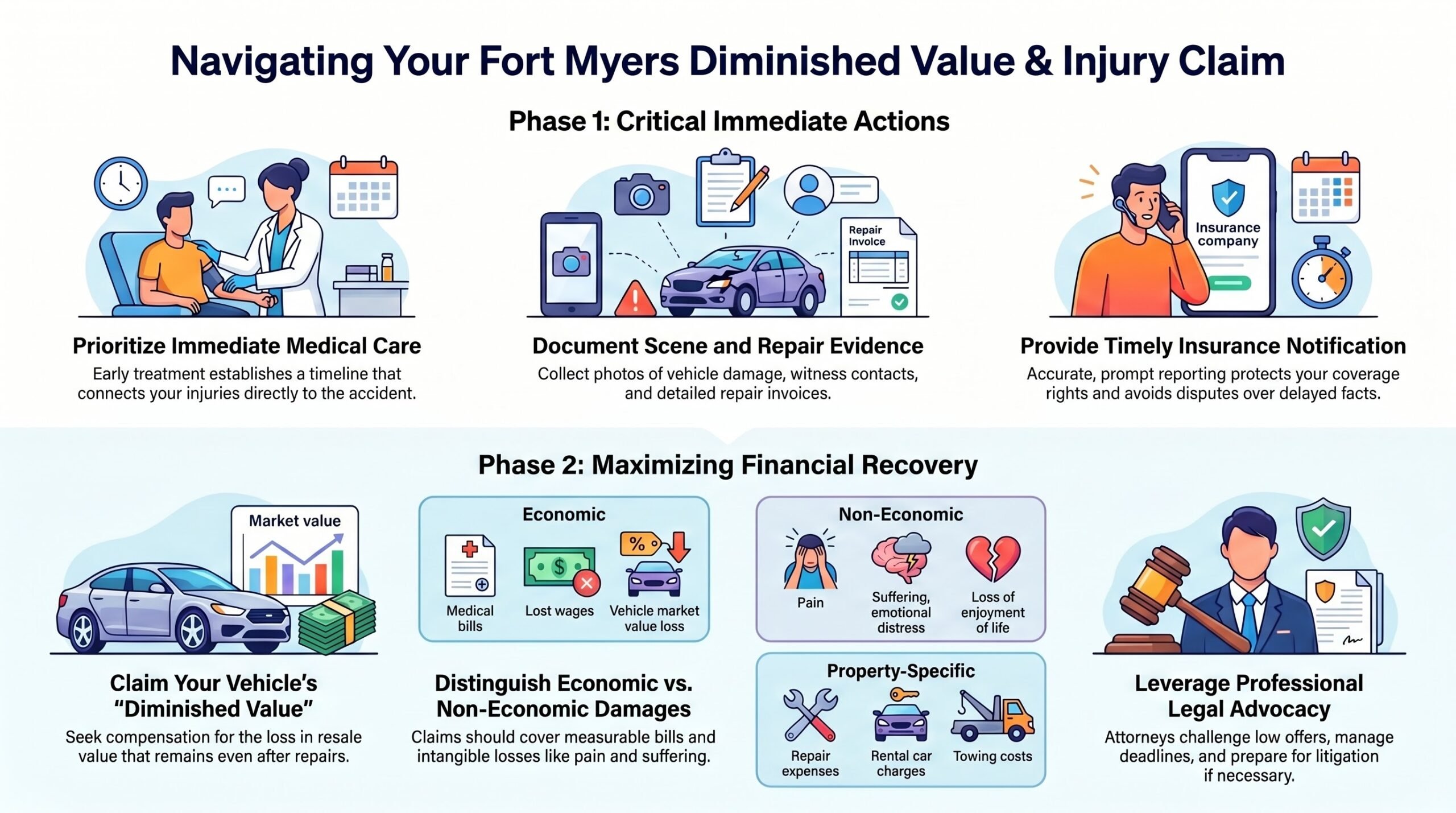
After an injury, prompt action can protect both health and a potential diminished value claim. Immediate medical care is generally the first priority, followed by careful documentation of evidence of the accident, including photographs, reports, and witness statements. The insurer should also be notified without unnecessary delay, as timely notice may affect coverage, claim handling, and the preservation of important rights.
Seek Immediate Medical Care
In the hours following an injury, prompt medical evaluation should be treated as a priority, even when symptoms appear limited or delayed. Immediate care helps identify hidden complications, supports stabilization, and protects the well-being of everyone affected by the incident.
A qualified provider can perform an emergency assessment, order appropriate testing, and begin necessary treatment before conditions worsen. Early attention also establishes a clear treatment timeline, which helps medical professionals monitor progress and adjust care appropriately. Individuals who serve others often minimize their own discomfort, yet timely care helps them continue supporting their family, coworkers, and the community. Following discharge instructions, attending follow-up visits, and reporting new symptoms without delay can reduce preventable setbacks. Prompt action reflects prudence, responsibility, and respect for long-term recovery needs after any serious event.
Document Accident Evidence
Prompt medical attention should be followed by careful preservation of accident evidence, because early documentation often shapes the strength of any later injury claim. A careful record may help protect both the injured person and others affected by the event. If circumstances allow, the scene should be documented from multiple angles, including vehicle positions, roadway conditions, traffic controls, weather, and visible injuries.
Useful steps include photographing debris, preserving skidmarks, and noting broken glass, damaged property, or obstructed views. Witness names and contact information should be collected respectfully, along with brief notes on what each person observed. Time, location, and surrounding conditions should be written down while memory remains fresh. Clothing, damaged personal items, and repair estimates may also support a later evaluation of losses and the collision’s overall impact.
Notify Insurer Promptly
Soon after a Fort Myers injury collision, the insurer should be notified so that the basic facts of the event are placed on record without unnecessary delay. Prompt notification helps preserve coverage rights, supports an orderly claim review, and reduces disputes about when notice was given.
A careful report usually includes the date, location, involved parties, vehicle information, and known injuries, while avoiding speculation about fault or medical prognosis. If a police report number exists, it should be provided. Because each policy may contain a strict insurer timeline, timely communication serves both practical and legal interests. This step also assists those seeking to protect passengers, families, and other affected persons through responsible follow-through. When uncertainty exists about what to say, legal guidance may help assure accuracy, consistency, and proper preservation of the claim.
How a Fort Myers Diminished Value Claims Lawyer Can Help You
When a vehicle loses market value after a collision, even after repairs are completed, a diminished value claim lawyer can help identify the full extent of that financial loss and pursue appropriate compensation. Counsel may review repair records, prior valuations, and comparable sales to accurately measure market impact. This guidance often benefits families seeking fair recovery, so resources remain available to serve daily responsibilities and community commitments.
A diminished value claim lawyer helps measure post-collision market loss and pursue fair compensation with clear supporting evidence.
- Clarifies the diminished value of the vehicle with supporting evidence
- Guides claimants through the claims process with organized documentation
- Addresses appraisal disputes and insurer resistance through negotiation
A lawyer may also communicate with insurers, challenge low offers, and present evidence in a clear, credible manner. By managing deadlines, records, and correspondence, counsel reduces procedural mistakes that can weaken a claim. If settlement efforts do not succeed, legal representation may prepare the matter for litigation while keeping the focus on accountability, fairness, and practical financial restoration for the vehicle owner.
Long-Term Effects of Fort Myers Diminished Value Claim Injuries
Long-term injuries often extend far beyond the initial accident, creating persistent challenges that affect daily function and overall quality of life. Chronic pain may limit routine activities, while lasting mobility loss can reduce independence and complicate both personal and professional responsibilities. In addition, the emotional trauma associated with serious injuries may continue for months or years, influencing mental health, relationships, and long-term recuperation.
Chronic Pain Challenges
Persistent pain is often among the most disruptive long-term effects of injury, affecting physical function, sleep quality, concentration, and the ability to maintain steady employment. For many individuals, chronic pain also creates emotional strain, limits participation in family responsibilities, and complicates efforts to continue serving others in daily life.
Effective pain management often requires sustained medical oversight, therapy, and careful adjustment of medications or other interventions. However, treatment barriers may arise from insurance disputes, delayed diagnoses, limited access to specialists, or financial hardship. Sleep disruption can further intensify discomfort, weaken resilience, and reduce the body’s ability to recover over time. When these challenges persist, injured individuals may need coordinated legal and medical support to secure appropriate care and preserve long-term stability, dignity, and quality of life.
Lasting Mobility Loss
Reduced mobility often develops alongside chronic pain, leaving injured individuals with lasting difficulty walking, standing, lifting, climbing stairs, or performing routine tasks without assistance. Some injuries cause muscle weakness, joint instability, nerve damage, or permanent paralysis, each of which can sharply limit independent movement and reduce participation in work, family care, and community service.
When mobility loss persists, daily life may require careful planning, home modifications, transportation support, and ongoing rehabilitation. Many individuals depend on assistive devices such as canes, walkers, wheelchairs, or braces to maintain safety and preserve as much independence as possible. Medical providers often evaluate functional capacity, future treatment needs, and whether restrictions will remain lifelong. Clear documentation of these limitations helps families, caregivers, and legal advocates pursue resources that support long-term care and practical assistance.
Emotional Trauma Impact
Many individuals who suffer serious injuries also experience emotional trauma that continues well beyond the initial medical crisis. The psychological aftermath may include anxiety, depression, sleep disruption, irritability, and persistent fear during routine activities. These effects can strain family relationships, reduce work performance, and diminish a person’s ability to participate in community service or caregiving roles. In many cases, emotional distress develops gradually, making early recognition especially important.
A careful recovery plan often addresses both physical and mental health needs. Counseling, peer support, faith-based guidance, and structured coping strategies may help injured individuals regain stability and confidence. When trauma symptoms remain untreated, they can interfere with rehabilitation and long-term independence. Compassionate legal and medical advocates often recognize that emotional harm merits serious attention alongside visible injuries and practical losses.
Proving Liability in Fort Myers Diminished Value Claims Injury Cases
Establishing liability in injury cases requires a clear showing that another party owed a duty of care, failed to meet that duty, and directly caused the resulting harm. Courts and fact finders examine records, witness statements, photographs, and incident reports to determine whether that burden has been met.
A careful presentation of evidence can help protect injured people and support fair outcomes for everyone involved. Medical records often connect the event to the physical condition, while expert testimony may explain how the conduct fell below accepted standards. In many cases, comparative negligence also becomes important because responsibility may be shared when an injured person’s own actions contributed to the event. Reliable timelines, consistent documentation, and objective analysis strengthen credibility and reduce uncertainty. When liability is proven with clear facts and responsible advocacy, communities are better served, accountability is reinforced, and those harmed are given a meaningful opportunity to pursue lawful recovery through the civil justice process.
Dealing With Insurance Companies After a Fort Myers Diminished Value Claims Injury
After an injury, communications with insurance companies often shape the course of a claim as much as the underlying facts of the incident. Insurers may request recorded statements, medical authorizations, or quick settlements, yet careful responses often protect the injured person’s interests and preserve resources for recovery and service to others.
A disciplined approach usually begins with accurate claim documentation, including medical records, repair estimates, photographs, wage information, and written notes about all insurer contacts. Clear records reduce confusion, support credibility, and help prevent important losses from being overlooked. During insurance negotiation, measured communication is often beneficial because adjusters may frame questions in ways that minimize harm or shift responsibility. Many injured people consequently benefit from guidance that keeps statements precise, respectful, and consistent with available evidence.
Timely replies matter, but speed should not replace accuracy. When communications remain organized and factual, the claim is better positioned for fair evaluation, while unnecessary disputes and pressure tactics become easier to identify and address.
What to Expect During a Fort Myers Diminished Value Injury Claim Process
An injury claim process typically begins with an initial case evaluation, during which the facts, losses, and legal issues are assessed. It then depends heavily on evidence and documentation, which support the claim and shape negotiations aimed at reaching a fair settlement. If resolution is not achieved, the matter may proceed to trial, where a structured legal process determines the outcome.
Initial Case Evaluation
At the outset of a Fort Myers injury claim, the initial case evaluation gives counsel an opportunity to assess the facts, identify potential liability, and determine the scope of damages that may be recoverable. During this stage, the attorney generally listens to the client’s account, reviews immediate concerns, and explains whether the matter appears legally viable under Florida law.
A free consultation often allows injured individuals and families to ask focused questions and learn how representation can advance accountability and fair compensation. Counsel may also outline probable case timelines, discuss communication expectations, and clarify fee arrangements. This early evaluation serves the broader goal of guiding people toward informed decisions, reducing uncertainty, and promoting a structured path forward. It establishes professional direction without creating unrealistic expectations about the claim’s final outcome.
Evidence And Documentation
Building a strong injury claim in Fort Myers generally depends on timely, organized evidence and clear documentation of the losses involved. Helpful claim preparation often begins with collecting photographic evidence of vehicle damage, road conditions, visible injuries, and any contributing hazards at the scene. Witness names, contact details, and incident reports can also support an accurate account.
Consistent medical treatment creates a reliable record of the injury’s development and its effect on daily responsibilities. Medical records, billing statements, prescription receipts, and therapy notes help show the extent of harm and the cost of care. Employment records may also document missed work or reduced duties. When these materials are carefully preserved and presented in an orderly manner, they help decision-makers understand the full impact of the incident on the injured person and their household.
Negotiation And Settlement
Navigate the negotiation phase with the understanding that most Fort Myers injury claims move through insurer review, liability analysis, and a series of settlement communications before any final resolution is reached. During this stage, counsel typically presents damages, answers insurer objections, and measures each response against documented losses and service-minded client goals. Strong records, consistent treatment history, and credible valuation opinions can improve settlement leverage while keeping discussions grounded in fairness.
Negotiations may include written demands, counteroffers, and targeted clarification of disputed facts. When direct discussions stall, mediation preparation often becomes important, allowing parties to organize evidence, define acceptable ranges, and evaluate practical solutions that support recovery and responsible decision-making. A disciplined approach helps protect legal interests, encourages respectful resolution, and positions the claim for an informed outcome without unnecessary delay.
Trial Process Overview
When settlement efforts do not resolve a Fort Myers diminished value claim tied to an injury matter, the trial process becomes the structured forum for deciding disputed facts, legal responsibility, and the amount of recoverable losses. The court begins with pretrial motions, evidence exchanges, and jury selection, each step designed to promote fairness and clarity for all involved.
At trial, both sides present testimony, records, expert opinions, and visual evidence addressing vehicle value loss and injury-related damages. Witness examination follows established rules, and courtroom decorum remains indispensable because respectful conduct supports an orderly process that serves the interests of justice. After the closing arguments, the judge instructs the jury on the law. The jury then deliberates and returns a verdict, which may determine liability, compensation, or whether additional post-trial proceedings are necessary.
Compensation for Fort Myers Diminished Value Claim Injury Damages
A claim for injury damages may include compensation for medical expenses, lost income, pain and suffering, and other losses that arise from the accident and its aftermath. In Fort Myers cases, this compensation aims to restore stability and provide resources to help injured individuals continue to care for themselves and others. Documentation often includes treatment records, wage statements, expert opinions, and repair estimates for related property damage.
When liability is established, an attorney may present evidence showing how the injury affected daily responsibilities, recovery needs, and the ability to return to work. In more serious matters, compensation may also address reduced future earnings when lasting limitations interfere with a person’s occupation or service to family and community. A careful claim evaluates both immediate consequences and continuing burdens, with attention to accuracy, fairness, and lawful support. This approach helps assure that the injured party receives meaningful assistance while pursuing accountability from the responsible party under Florida law.
Economic vs Non-Economic Damages in Fort Myers Diminished Value Claim Cases
In these cases, damages are generally divided into economic and non-economic categories, each addressing a different type of loss. Economic damages often include medical expenses, lost income, and property-related financial harm, while non-economic losses may involve pain, suffering, and reduced quality of life. Establishing the value of either category typically requires clear documentation, credible testimony, and other evidence that connects the claimed losses to the underlying incident.
Economic Damage Examples
Several forms of economic damages may arise in a Fort Myers diminished value claim, each tied to a measurable financial loss caused by the incident. These damages commonly include vehicle repair expenses, rental car charges, towing costs, and the reduction in market value that remains after proper repairs are completed. When the event also causes bodily harm, claimants may seek compensation for medical bills, rehabilitation expenses, and necessary future treatment supported by records and expert opinion.
Economic losses may also include lost wages when injuries prevent a person from working or limit regular duties. In service-minded communities, documenting these losses helps families recover resources needed to continue caring for others. Clear invoices, employment records, and repair estimates often provide the strongest foundation for proving the full amount of recoverable financial harm.
Non-Economic Losses
Distinguishing non-economic losses from measurable financial harm is essential when evaluating damages in a Fort Myers diminished value claim that also involves physical injury. These losses address human consequences that invoices and wage records cannot capture, including physical suffering, emotional distress, inconvenience, and loss of enjoyment.
In service-oriented legal advocacy, attention to these harms reflects respect for the injured person’s dignity and daily experience. Non-economic damages consider how an injury alters relationships, independence, sleep, mobility, and overall quality of life. They also recognize that pain may persist after medical treatment ends, affecting household roles and community involvement. Thoughtful pain valuation thus examines the lived impact of injury rather than limiting recovery to direct expenses alone. This distinction helps provide a fuller understanding of harm in cases involving both bodily injury and loss of vehicle value.
Proving Damage Value
Damage valuation requires a two-track analysis in Fort Myers diminished-value claim injury cases, separating objectively measurable economic losses from non-economic harm, which must be shown through credible evidence and practical context. Economic damages often include repair invoices, rental costs, loss of use, and documented market depreciation after a collision. These figures are commonly supported by sales data, expert inspections, and insurer records, especially when appraisal disagreements arise.
Non-economic damages require a different showing. They may involve pain, emotional distress, inconvenience, and reduced quality of life connected to the incident. Proof typically comes from medical records, treatment history, witness statements, and consistent personal accounts. A careful presentation helps insurers, courts, and advocates assess value fairly, promoting outcomes that respect both financial recovery and the broader human impact of preventable harm.
When a Fort Myers Diminished Value Claims Injury Case Goes to Trial vs Settlement
In many injury cases, the decision between trial and settlement depends on the strength of the evidence, the extent of the injuries, and the parties’ willingness to resolve the dispute without court intervention. Attorneys evaluate medical records, witness testimony, repair estimates, and insurer conduct before advising a path that protects the injured person’s interests.
Settlement is often preferred when liability is reasonably clear, and damages can be documented with care. A sound settlement strategy may reduce delay, expense, and uncertainty, allowing resources to be directed toward recovery and family support. Trial becomes more likely when fault is disputed, losses are minimized by the defense, or negotiations fail to reflect the claim’s full value. In that setting, jury dynamics can influence the outcome because jurors assess credibility, causation, and fairness. A well-prepared case helps decision-makers understand the harm suffered and the compensation needed to restore stability and dignity after a serious injury.

The Statute of Limitations for Fort Myers Diminished Value Claim Injury Cases
Whether a claim is resolved through settlement or prepared for trial, timing remains a controlling issue because Florida law limits how long an injured person has to file suit. In many negligence matters, filing deadlines can determine whether a court will hear the case at all, regardless of the severity of harm or the strength of supporting evidence.
For families and community-minded individuals seeking accountability, understanding the nuances of statutes is crucial. Florida limitation periods may vary based on the type of injury, the date the injury was discovered, and whether a government entity is involved. Missing the applicable deadline can bar recovery for medical costs, lost income, and other damages that might otherwise support recovery and stability. Careful recordkeeping, prompt investigation, and attention to notice requirements help preserve claims and protect the ability to pursue relief. Because limitation rules can change through legislation or court decisions, accurate, current legal analysis remains an important part of responsible case planning.
When to Contact a Fort Myers Diminished Value Claims Lawyer
Act promptly when a diminished value claim becomes disputed, undervalued, or delayed, as early legal involvement often helps preserve evidence and define the full extent of recoverable loss. This stage often arises after repair estimates, insurer communications, or market appraisals reveal a gap between the vehicle’s condition and its pre-crash value.
A prudent claimant may seek early consultation when documentation is incomplete, fault is contested, or settlement discussions begin to stall. Careful attention to claim timing is important because delayed action can complicate valuation, weaken supporting records, and create avoidable confusion about deadlines. Contact may also be appropriate when an insurer requests recorded statements, offers a quick payment, or minimizes the long-term effect of collision history on resale value. By addressing concerns promptly, individuals place themselves in a stronger position to organize records, respond accurately, and protect financial recovery. Timely action also supports fair treatment and responsible stewardship of household resources after a serious accident.
Why You Need an Experienced Fort Myers Diminished Value Claims Lawyer
Once warning signs appear in a diminished value claim, experienced legal counsel often becomes necessary to assess the loss accurately and manage the insurer’s response. Vehicle owners may face undervaluation, delayed communication, or unsupported denials, all of which can reduce fair compensation and shift burdens onto families already trying to move forward.
Seasoned representation helps document the vehicle’s reduced market value, link repair history to its resale impact, and challenge assumptions that favor the carrier. An experienced advocate understands how valuation methods are applied and where insurers may minimize legitimate losses. Strategic negotiation also becomes crucial when adjusters rely on narrow formulas or incomplete evidence. Through organized analysis and disciplined advocacy, counsel can present a stronger claim that reflects the true economic harm.
For people committed to caring for others, preserving financial stability supports wider responsibilities at home and in the community. Effective legal guidance serves that purpose by protecting resources, reducing avoidable stress, and promoting a more equitable recovery.
How to Choose the Right Fort Myers Diminished Value Claims Lawyer For Your Case
How should a vehicle owner evaluate legal representation when a diminished value claim involves disputed appraisals, insurer resistance, or questions about the full extent of financial loss? A careful review of qualifications, communication practices, and case experience can help identify counsel suited to these intricate disputes. Attention should be given to prior work with valuation evidence, negotiations with insurers, and litigation strategy when settlement efforts fail.
A prudent selection process also considers whether the attorney explains legal options clearly and sets realistic client expectations from the outset. Responsive communication, organized documentation, and a disciplined approach to deadlines reflect professional reliability. Vehicle owners may also compare fee structures to understand costs, contingency terms, and any expenses tied to appraisals or expert testimony. Reviews, referrals, and consultation discussions can further reveal whether the attorney approaches the matter with diligence, integrity, and a commitment to securing a fair financial recovery that supports the client’s broader responsibilities.
About The Law Offices of Anidjar & Levine
After considering the qualities that matter when selecting counsel for a diminished value dispute, attention may turn to the Law Offices of Anidjar & Levine and the role the firm may serve in these claims. The firm is recognized for a client-centered approach that emphasizes responsiveness, careful case preparation, and practical guidance through insurance-related disputes. In matters involving a vehicle’s reduced value after a collision, clear communication and organized advocacy can help individuals pursue fair compensation.
The Law Offices of Anidjar & Levine also presents itself as a service-minded firm, reflecting values that may resonate with people who prioritize helping others. Prospective clients often review client testimonials to better understand how the firm handles communication, accessibility, and follow-through. Community involvement may also offer insight into the firm’s broader commitment to public service. Taken together, these factors can help Fort Myers residents evaluate whether the firm aligns with their goals, expectations, and standards for legal representation.
Frequently Asked Questions
Can I File a Diminished Value Claim Without Vehicle Repairs?
Yes, a diminished value claim may sometimes be filed before vehicle repairs, though success often depends on insurer policies and available evidence. The claimant typically must show the vehicle’s pre-accident condition, the extent of damage, and the likely loss in market value. Some insurers require completed repairs to accurately assess diminished value. Careful documentation, professional appraisals, and prompt communication can help support a claim and serve all parties fairly.
Does a Leased Car Qualify for a Diminished Value Claim?
Yes, a leased car may qualify for a diminished value claim, depending on lease eligibility, state law, and the leasing company’s rights. In many cases, the lessor technically owns the vehicle, so it may control whether a claim is pursued. Title branding, accident history, and reduced market perception can still affect value. Careful review of the lease agreement and insurer correspondence helps determine who may properly assert the claim.
How Is Post-Repair Resale Stigma Measured in Florida?
Post-repair resale stigma in Florida is measured by comparing a vehicle’s value after quality repairs to the value of a similar vehicle with no accident history. Appraisers examine market perception, buyer hesitation, vehicle history reports, prior damage severity, and local sales data. Insurers may use formulas, but credible diminished value opinions often rely on expert appraisals that reflect real-world purchasing behavior and fair compensation for those seeking equitable financial recovery.
Can Aftermarket Parts Affect My Diminished Value Compensation?
Yes, aftermarket upgrades and non-original replacement parts can reduce diminished-value compensation because buyers often perceive them as less desirable than OEM components. An insurer may argue that a proper parts warranty limits any loss, yet market stigma can still remain. Compensation usually depends on repair quality, vehicle age, and documented resale impact. Careful records, expert appraisals, and service-minded advocacy help guarantee the claim reflects the vehicle’s true post-repair market position.
Will a CARFAX Report Impact My Vehicle’s Diminished Value Claim?
Yes, a Carfax report can affect a vehicle’s diminished value claim. It documents accidents, repairs, and ownership details, shaping the vehicle history that buyers and insurers review. Because market perception often declines when damage appears on a report, the recorded incident may support an argument that the vehicle is worth less after repairs. Careful documentation, honest disclosure, and professional appraisal can help guarantee the claim reflects fair compensation for all parties.
—————————
A Fort Myers diminished-value claim injury lawyer can provide vital guidance when a vehicle’s market value declines after an accident. By identifying the cause of the loss, preserving supporting evidence, and pursuing fair compensation, legal counsel helps protect the claimant’s financial interests.
An experienced Fort Myers Car Accident Lawyer offers focused representation and practical support throughout the process. Prompt legal action can strengthen a claim and improve the likelihood of recovering the full diminished value owed.