The Law Offices of Anidjar and Levine help Tampa rear-end car accident victims protect their claims, prove liability, and pursue compensation for medical care, lost income, pain, suffering, and future treatment needs.
Our Tampa Car Accident Lawyer gathers police reports, photos, witness statements, medical records, and repair estimates to connect the crash to your injuries.
We also handle insurer tactics, disputed-fault issues, prior-condition arguments, and comparative-negligence issues.
Below, we explain how these claims work and when legal help can make a difference.
Main Takeaways
- A Tampa rear-end car accident injury lawyer can help gather police reports, photos, witness statements, medical records, and repair estimates.
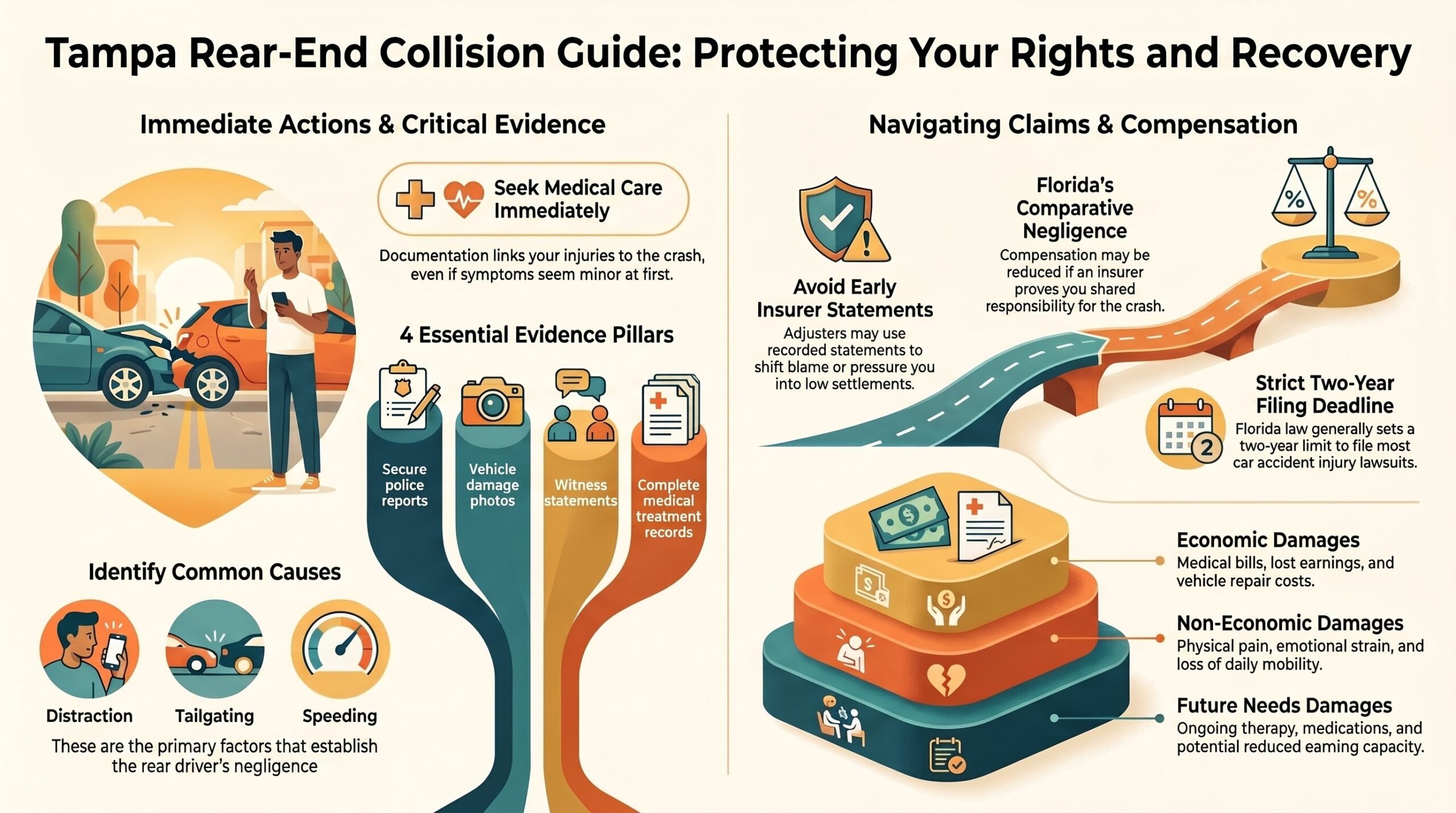
- Seek medical care immediately, document symptoms, and follow treatment plans to connect injuries to the rear-end crash.
- Florida rear-end claims often involve safe following distance, vehicle damage, traffic conditions, witness accounts, and comparative negligence.
- Compensation may include medical bills, lost income, pain and suffering, future treatment, and reduced function from lasting injuries.
- Contacting a lawyer early can help manage insurance communications, challenge denials, preserve evidence, and avoid damaging statements.


How We Can Help With Your Tampa Rear-End Car Accident Injury Claim
After a rear-end collision in Tampa, we can help you protect your claim from the start by investigating the crash, preserving essential evidence, and dealing with the insurance companies on your behalf. We gather police reports, photographs, witness statements, medical records, and repair estimates, then use them to build a clear account of what happened and why it matters.
We also help you document New vs existing injuries, so insurers can’t unfairly dismiss your pain as a prior condition. When you’re focused on caring for your family, patients, clients, or community, we handle the claim process with discipline and attention to detail.
We evaluate comparative negligence impacts, including allegations that you stopped suddenly or failed to reduce harm after the crash. We respond with evidence, not assumptions. Our goal is to pursue fair compensation while giving you the space to recover, serve others, and move forward with confidence.
OUR CONSULTATIONSARE FREE
START YOUR FREE CASE REVIEW

Understanding Tampa Rear-End Car Accident Injury Cases
To understand the value and direction of your claim, we first look at how rear-end accident cases typically arise in Tampa and how Florida law applies to them. These claims often involve medical records, vehicle damage, witness statements, and the timing of treatment. We review each detail carefully, because even a seemingly straightforward collision can raise disputed issues about injury severity, prior conditions, or the need for future care.
We also prepare you for Insurance Adjuster Tactics that may minimize your losses or pressure you into an early settlement. Our role is to protect your ability to recover fair compensation while you focus on recovery and serving those who depend on you.
Florida Comparative Negligence can also affect your recovery if an insurer claims you share responsibility. We address those arguments with evidence, clear documentation, and focused advocacy designed to support your claim from the beginning. Accurate analysis helps us build stronger legal strategies.

Common Causes of Tampa Rear-End Car Accidents
We often see Tampa rear-end crashes caused by distracted driving, tailgating, speeding, sudden traffic stops, and impaired driving. When another driver fails to maintain proper control or attention, you can suffer serious injuries even in a seemingly minor collision. We examine these common causes carefully because identifying negligence can help protect your right to compensation.
Distracted Driving
When a driver’s attention leaves the road for even a moment, a rear-end collision can occur with serious consequences. We often see distracted driving caused by phone usage, navigation systems, conversations, eating, or adjusting vehicle controls. These actions may seem minor, but they reduce the driver’s ability to notice slowing traffic, brake lights, pedestrians, and changing road conditions.
When you are injured because another driver failed to remain attentive, we help identify the source of distraction and preserve evidence that supports your claim. This may include phone records, witness statements, dash camera footage, or vehicle data. Our role is to serve you with diligence, protect your rights, and pursue accountability from those whose inattention caused preventable harm on Tampa roads and throughout nearby communities.
Tailgating And Speeding
Distraction often contributes to rear-end crashes, but aggressive driving behaviors like tailgating and speeding pose serious risks on Tampa roads. When drivers follow too closely, they reduce the space needed to react responsibly and protect others from preventable harm. We examine traffic camera footage, vehicle damage, skid marks, witness accounts, and electronic data to develop tailgating evidence showing unsafe following distance.
Speeding liability may also arise when a driver travels too fast for posted limits, weather, congestion, or road design. Higher speeds increase impact force, worsen injuries, and leave less time for careful judgment.
We help you identify how aggressive driving caused the collision, document the harm, and pursue accountability from the driver whose choices placed your safety and the safety of others at risk.
Sudden Traffic Stops
Why do sudden traffic stops lead to so many rear-end crashes on Tampa roads? We often see these collisions when congestion, lane changes, or unexpected hazards force drivers to brake without warning.
If you’re following another vehicle, you must stay alert, maintain a safe distance, and respond quickly enough to protect everyone nearby. When drivers ignore safe distances or commit traffic violations, a brief stop can have a serious impact.
We review each case by examining speed, spacing, roadway conditions, and whether the drivers followed proper rear-end protocol after the crash. That includes checking for injuries, calling law enforcement, exchanging information, and preserving evidence.
By understanding how sudden stops happen, we help you serve your family, protect your rights, and pursue accountability with confidence after a Tampa rear-end accident.
Impaired Driving
Because impaired driving slows reaction time and weakens judgment, it remains a common cause of Tampa rear-end car accidents. When a driver uses alcohol, drugs, or certain medications, we often see delayed braking, poor lane control, and unsafe following distances. These choices can harm people who are simply traveling to work, caring for family, or serving the community.
After a crash, we help you identify evidence of impairment, including alcohol test results, officer observations, witness statements, and dashboard camera footage. We also review the timing of the collision, vehicle damage, and medical records to connect the driver’s conduct to your injuries. By building a clear record, we can pursue accountability and help protect others from similar preventable harm on Tampa roads each day.


Legal Rights of Tampa Rear-End Car Accident Injury Victims
After a rear-end crash in Tampa, injured victims have the right to seek compensation when another driver’s careless conduct causes physical, financial, or emotional harm.
We help you understand those rights so you can protect your family, your recovery, and your ability to serve others.
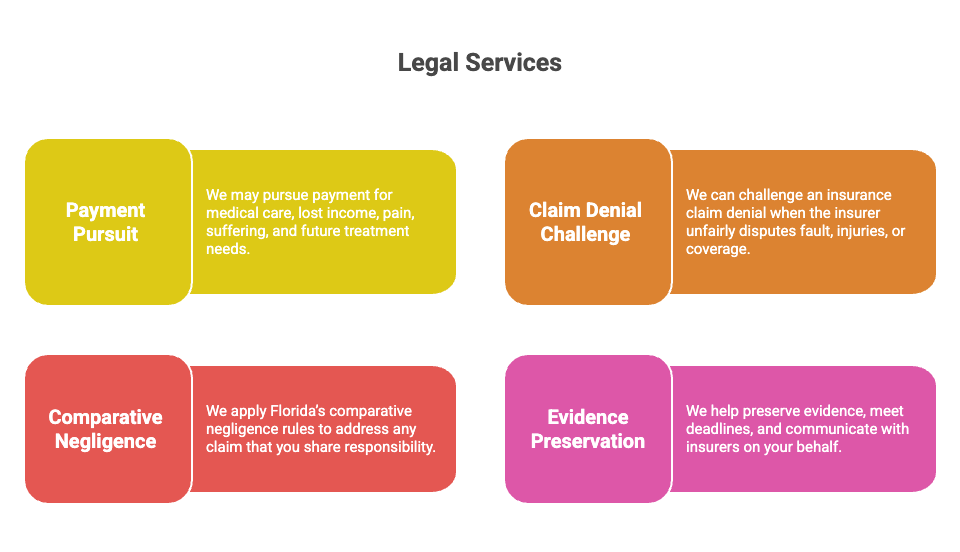
- We may pursue payment for medical care, lost income, pain, suffering, and future treatment needs.
- We can challenge an insurance claim denial when the insurer unfairly disputes fault, injuries, or coverage.
- We apply Florida’s comparative negligence rules to address any claim that you share responsibility.
- We help preserve evidence, meet deadlines, and communicate with insurers on your behalf.
You don’t have to manage the legal process alone while recovering. We stand with you, explain each option, and work to hold the responsible party accountable. By asserting your rights promptly, we can seek a fair result that supports your health, stability, and continued care for others.
Why Do Tampa Rear-End Car Accident Injuries Happen?
When traffic suddenly slows on I-275, Dale Mabry Highway, or a neighborhood road, a rear-end crash often occurs because one driver fails to maintain a safe following distance or react in time. We see these injuries arise from speeding, tailgating, impaired driving, fatigue, poor weather judgment, and unsafe lane changes. Even a low-speed impact can strain the neck, back, shoulders, or head when the body absorbs force without warning.
We also know Distracted driving myths can obscure the truth. A driver may claim a brief glance at a phone, GPS, or passenger was harmless, but seconds of inattention can prevent timely braking. Vehicle maintenance failures, such as worn brakes or bald tires, may worsen the outcome of a collision.
Comparative fault defenses may appear when insurers argue you stopped too quickly or failed to signal. We examine these claims carefully because responsibility should reflect the evidence, not assumptions that reduce fair recovery for injured Tampa residents.
What Should You Do After a Tampa Rear-End Car Accident Injury?
After a Tampa rear-end car accident, we recommend that you seek immediate medical care, even if your symptoms seem minor. We also urge you to document the crash scene, gather available evidence, and avoid making statements that could affect your claim. Once your immediate needs are addressed, we can help you contact a Tampa lawyer who understands how to protect your rights and pursue compensation.
Seek Immediate Medical Care
If you’ve been hurt in a Tampa rear-end car accident, seek medical care as soon as possible, even if your symptoms seem minor at first. We believe many people want to stay strong for their families, coworkers, or others who depend on them, but prompt care protects both their health and their ability to serve others.
A doctor can identify concussion symptoms, soft tissue injuries, nerve damage, or internal trauma that may not appear immediately. Use an Emergency symptom checklist if you notice headache, dizziness, neck pain, numbness, confusion, chest pain, or worsening discomfort.
When speaking with medical providers, be accurate in reporting crash details, including the direction of impact and the time symptoms began. We recommend following every treatment plan, because consistent care supports recovery and protects your injury claim.
Document The Crash Scene
Once you’ve addressed immediate medical needs, begin documenting the crash scene as thoroughly as your condition allows. We should preserve details that may later help explain what happened and protect everyone involved. Take Scene photos, vehicle positions; capture license plates, visible damage, skid marks, debris, and the point of impact.
Photograph Road conditions, traffic signals, lane markings, construction zones, weather, lighting, and any nearby signs. If it is safe, record a short video showing the surrounding area and traffic flow. We should also gather names, phone numbers, insurance details, and witness contact information. Avoid blocking responders or creating new hazards. If you cannot document the scene yourself, ask a trusted passenger or bystander to help. Careful records support accuracy, accountability, and fair treatment after the collision.
Contact A Tampa Lawyer
When injuries, vehicle damage, and insurance questions overlap, we should contact a Tampa rear-end car accident injury lawyer as soon as practicable. By acting early, we protect our ability to serve our families, coworkers, and community while pursuing fair compensation. A lawyer can review insurance paperwork, explain legal options, and help us avoid statements that may weaken a claim.
We should bring crash reports, medical records, photographs, repair estimates, and any witness information to the consultation. Counsel can also address case timelines, including notice requirements, treatment documentation, negotiations, and possible litigation deadlines. With informed guidance, we can focus on recovery and responsibilities while our advocate manages communications, evaluates damages, and preserves evidence needed to support a strong claim.
Critical Evidence in a Tampa Rear-End Car Accident Injury Case
We use essential evidence to show how the rear-end crash happened, how it harmed you, and why the other driver should be held accountable. As we build your Tampa injury case, we’ll focus on records and proof that connect the collision to your damages.
- Police crash reports
- Vehicle damage photos
- Witness statements
- Medical treatment records
Police Crash Reports
Although a police crash report doesn’t decide fault by itself, it often becomes crucial evidence in a Tampa rear-end car accident injury case. We use it to identify drivers, witnesses, roadway conditions, citations, and the officer’s recorded observations. When you’re focused on recovery and serving your family or community, we can review the report for accuracy and determine what details support your claim.
We also treat the report as a guide for Evidence preservation. It may point us toward nearby businesses, traffic cameras, or intersections where video surveillance footage could confirm how the crash occurred. If the report contains errors, we can help you address them with supporting documentation. Acting quickly helps protect reliable information before memories fade, records change, or important footage becomes unavailable.
Vehicle Damage Photos
Because rear-end collisions often leave important physical clues, photos of vehicle damage can help show the force, angle, and sequence of impact. We use these images to connect visible damage with your injuries, repairs, and the crash report. Clear photos of bumpers, trunk panels, taillights, frame distortion, debris, and interior damage can strengthen an insurance negotiation strategy by limiting disputes about severity.
We also compare photos from both vehicles to identify inconsistencies that may affect fault arguments or raise issues with witness credibility. If possible, you should preserve original files, timestamps, and multiple angles before repairs begin. We recognize your goal to protect your recovery while serving your family and community. Strong documentation helps us present your claim with accuracy, purpose, and respect for the truth.
Witness Statements
When a rear-end collision happens quickly, witness statements can provide independent details that photos and reports may not capture. We gather names, contact information, and timely accounts from drivers, passengers, pedestrians, and nearby workers who saw the crash unfold. These statements may clarify vehicle speed, braking, traffic signals, lane position, distractions, and the force of impact.
When we serve your claim, we preserve these accounts before memories fade or witnesses become difficult to locate. We also compare witness statements with dashcam footage, surveillance video, and video-based reconstruction to identify consistent facts. Clear statements can strengthen insurance adjuster communications, especially when the other driver disputes fault or minimizes the collision. We use this evidence carefully, presenting reliable testimony that supports accountability and a fair resolution for you.
Medical Treatment Records
After a rear-end collision, medical treatment records often become the clearest evidence linking the crash to your injuries, symptoms, diagnosis, and recovery needs. We use these records to show when pain began, how providers evaluated you, what treatment they recommended, and how your condition affected daily responsibilities. Accurate records help us serve you well by presenting facts with integrity rather than speculation.
They also support damages during Settlement Negotiations, especially when insurers question the severity or cause of your injuries. We compare medical documentation with crash reports, photographs, and Witness Interviews to build a consistent account of what happened. You can help by seeking prompt care, following treatment plans, and keeping all appointments, referrals, prescriptions, and therapy notes organized for review. This evidence often strengthens your claim.
Long-Term Effects of Tampa Rear-End Car Accident Injuries
We often see rear-end collisions cause lasting injuries that affect your daily life long after the initial crash. We may need to evaluate chronic neck pain, traumatic brain effects, and ongoing mobility issues to understand the full scope of your losses. By identifying these long-term consequences early, we can help you pursue compensation that reflects your medical needs, reduced function, and future care.
Chronic Neck Pain
Although some neck injuries seem minor at first, chronic neck pain can develop weeks or months after a Tampa rear-end car accident and interfere with nearly every part of daily life. We recognize how persistent stiffness, limited motion, and radiating shoulder pain can affect your work, caregiving, and ability to serve others. Rear impacts caused by distracted texting or an unsafe lane change may strain muscles, ligaments, discs, and joints in the cervical spine.
Without proper evaluation, these injuries can worsen and require ongoing treatment, therapy, medication, or activity restrictions. We help you connect lasting symptoms to the crash, document medical care, and pursue compensation that reflects your long-term needs. You shouldn’t carry these burdens alone when another driver’s negligence caused them, and we’re ready to help you move forward.
Traumatic Brain Effects
Even when a rear-end crash doesn’t cause a direct blow to the head, the sudden force can make the brain move inside the skull and trigger lasting symptoms. We often see headaches, dizziness, memory problems, light sensitivity, and difficulty concentrating interfere with work, caregiving, and community service. These effects may also combine with emotional trauma, including anxiety, irritability, sleep disruption, or PTSD symptoms after the crash.
We encourage you to seek prompt medical evaluation because early documentation helps connect these symptoms to the collision. Treatment may involve neurologic care, cognitive rehabilitation, counseling, and, when appropriate, chiropractic therapy for related neck strain that worsens headaches. By addressing brain-based symptoms seriously, we help restore your health, your claim, and your ability to keep serving others.
Ongoing Mobility Issues
Over time, mobility problems after a Tampa rear-end car accident can limit far more than walking or standing. We see how neck, back, hip, and leg injuries can affect your ability to work, care for family, serve your community, and maintain independence. When movement causes pain or instability, daily responsibilities become harder, and long-term treatment may include therapy, injections, assistive devices, or surgery.
We focus on Proving Damages by documenting medical records, functional limitations, missed work, and testimony from those who understand your daily challenges. Insurance Disputes often arise when insurers argue that mobility issues are exaggerated or unrelated to the collision. We build clear evidence that connects your injuries to the crash, so your claim reflects the lasting impact on your life.
Proving Liability in Tampa Rear-End Car Accident Injury Cases
In many Tampa rear-end collision cases, liability begins with the presumption that the rear driver failed to maintain a safe following distance, but that presumption still requires careful proof. We gather police reports, photographs, vehicle damage evidence, witness statements, traffic camera footage, and medical records to show how the crash occurred and how it harmed you.
We also examine whether the front driver’s conduct may affect responsibility. Sudden unsafe lane changes, broken brake lights, or abrupt stops can raise comparative negligence issues, which may reduce recovery if fault is shared. Our role is to present the facts clearly, protect your credibility, and connect the collision to your injuries.
A thorough Damages calculation also supports liability by showing the real consequences of careless driving. We document medical care, lost income, pain, mobility limits, and future needs. By building a complete record, we help you pursue accountability with dignity and purpose after a serious crash.
Dealing With Insurance Companies After a Tampa Rear-End Car Accident Injury
After a rear-end crash in Tampa, insurance companies may contact you quickly, but their early involvement doesn’t mean they’re protecting your interests. We understand that adjusters often seek recorded statements, broad medical authorizations, or quick releases before you fully understand the impact of your injuries. You serve your family and community best by protecting your health, your records, and your right to fair compensation.
We help you avoid statements that may be used to shift blame under Florida’s Comparative negligence rules. Even in rear-end collisions, insurers may argue you stopped suddenly, had prior injuries, or failed to seek proper care. These claims can reduce what you recover.
We also watch settlement timelines carefully because the pressure to resolve early may overlook ongoing treatment, lost wages, or future limitations. Before speaking with an insurer or accepting payment, let us review the offer, preserve your evidence, and advocate with the discipline your case earns.
What to Expect During a Tampa Rear-End Car Accident Injury Claim Process
We guide you through each stage of a Tampa rear-end car accident injury claim, beginning with an initial injury evaluation and prompt insurance claim filing. We also help you understand how fault, evidence, medical records, and vehicle damage can affect the strength of your claim. As the process progresses, we prepare you for settlement negotiations so you can make informed decisions with confidence.
Initial Injury Evaluation
Because rear-end crashes can cause injuries that worsen over hours or days, our first priority is identifying every symptom, treatment need, and medical record that may affect the claim. We review your pain reports, diagnostic results, therapy recommendations, and work restrictions to understand how the collision has affected your daily responsibilities and your ability to serve others.
We also help you document medical records accurately, including emergency care, follow-up visits, prescriptions, and expert referrals. Prompt evaluation supports your health and helps establish evidence of liability when injury patterns match the crash mechanics.
We encourage consistent treatment, clear communication with providers, and careful tracking of limitations. By organizing this information early, we protect the integrity of your claim and prepare for the next steps without overlooking important medical details.
Insurance Claim Filing
Once your medical needs are identified, we begin the insurance claim filing process by notifying the appropriate insurers, preserving essential evidence, and confirming the coverage available under Florida law. We help you submit required forms, track deadlines, and communicate with adjusters so you can focus on recovery and those who depend on you.
We also review billing issues because unpaid medical charges can create debt collection concerns or affect credit reporting if handled improperly. Throughout this stage, we organize treatment records, wage information, and policy documents to support a complete claim. We explain each insurer’s role, including personal injury protection and any available bodily injury coverage. By managing these steps promptly, we reduce confusion, protect your interests, and keep the claim moving forward with discipline and care.
Fault And Evidence
After the insurance claim begins, fault and evidence become central to the value and direction of a Tampa rear-end accident case. We examine how the crash occurred, who had the duty to drive safely, and whether any conduct increased the harm you suffered. Liability standards often favor the front driver in rear-end collisions, but insurers may still argue sudden stops, unsafe lane changes, or shared fault.
We help you address those claims with organized proof. Evidence preservation matters early, especially when vehicles are repaired, camera footage disappears, or witnesses become harder to reach. We gather police reports, photographs, medical records, repair estimates, and available video. We also document pain, limitations, and treatment needs so your claim reflects the full impact on your life and responsibilities.
Settlement Negotiation Process
When the evidence is ready, settlement negotiations usually begin with a clear demand that explains liability, injuries, treatment, lost income, and the full value of your damages. We prepare this demand to show why fair compensation serves not only you but the broader purpose of accountability and safer driving in Tampa. The insurer may respond with a lower offer, relying on insurance adjuster tactics that question medical care, minimize pain, or shift blame.
We respond with records, witness statements, repair photos, and careful evidence preservation to protect the strength of your claim. Throughout negotiations, we keep you informed, evaluate each offer, and advise you on whether the settlement meets your needs. If the insurer refuses fair value, we prepare to move forward, including filing a lawsuit when necessary.
Compensation for Tampa Rear-End Car Accident Injury Damages
Although every rear-end collision has different facts, injured victims in Tampa may pursue compensation for the full scope of losses the crash caused. We help you identify all responsible parties, document the impact of the collision, and present a claim that reflects your needs and legal rights. Compensation often depends on proof, timely action, and the available sources of recovery.
We also address challenges that can reduce or delay payment, including shared fault disputes and insurance coverage limits. Insurers may argue that you stopped suddenly, failed to avoid impact, or had preexisting conditions. We respond with evidence, witness statements, medical records, and accident analysis when needed.
If policy limits restrict recovery, we evaluate additional coverage, potential defendants, and other lawful options. Our goal is to protect your claim while you focus on rehabilitation, family responsibilities, and restoring stability after a serious Tampa rear-end accident.
Economic vs Non-Economic Damages in Tampa Rear-End Car Accident Cases
We separate economic damages from non-economic damages so you can understand what your rear-end accident claim may include. We calculate economic damages through records such as medical bills, wage statements, and repair estimates, while we value pain and suffering by evaluating how the injury has affected your daily life. We also focus on proving each loss with clear evidence, because strong documentation can directly affect the compensation available in your Tampa case.
Calculating Economic Damages
Because rear-end crashes often create immediate and ongoing financial strain, calculating economic damages begins by identifying every measurable loss associated with the collision. We help you gather records that show what the crash has already cost, including emergency care, follow-up treatment, rehabilitation, prescriptions, medical equipment, and transportation to appointments. Calculating medical bills also requires checking whether charges are complete, related, and supported by provider documentation.
We also review wage records, tax returns, employer statements, and work restrictions to measure lost earnings. When injuries limit your ability to serve, work, or advance in your field, we consider future lost income with input from medical and vocational professionals. By carefully documenting each financial loss, we build a claim that reflects your actual burden and supports a fair recovery under Florida law.
Valuing Pain And Suffering
Valuing pain and suffering requires a careful look at how a rear-end crash has changed your daily life, not just what appears on a bill or receipt. We consider the physical discomfort, emotional strain, sleep disruption, and limits on your ability to serve your family, workplace, and community. These non-economic damages differ from medical bills or lost wages because they measure human impact, not financial cost.
We also account for symptom duration, injury severity, and how treatment affects your routines. Comparative negligence may influence the final value if an insurer claims you shared fault for the crash. Careful evidence preservation helps protect the integrity of your claim, including records that reflect consistent pain, reduced activity, and meaningful life changes after the collision.
Proving Injury Losses
After a rear-end collision, proving injury losses requires clear documentation that separates measurable financial harm from the personal consequences that don’t appear on an invoice.
We help you gather medical bills, wage records, repair estimates, and treatment plans to accurately establish economic damages. These losses show what the crash has cost you financially and help protect your ability to meet family and community responsibilities.
We also present evidence of non-economic harm, including pain, limited mobility, anxiety, and reduced daily function. Testimony from you, doctors, coworkers, and loved ones can show how the injury changed your life.
If comparative negligence becomes an issue, we address it with facts that support your claim and reduce attempts to shift blame unfairly, persuasively, and firmly.
When a Tampa Rear-End Car Accident Injury Case Goes to Trial vs Settlement
While many Tampa rear-end car accident injury cases resolve through settlement, some require trial when the parties can’t agree on fault, injury severity, causation, or fair compensation. We prepare every case as if a jury may hear it, because strong preparation supports both trial readiness and better settlement offers.
Our negotiation strategy focuses on clear evidence, credible medical records, wage loss proof, and the real effect your injuries have on daily service to your family, work, and community.
Trials may take longer than settlement, and trial timelines can depend on court schedules, discovery, expert testimony, and motions. We explain each step so you can make informed decisions without feeling pressured. Jury verdicts can provide accountability, but they also involve uncertainty.
Settlement can offer closure and control, while a trial may be necessary when an insurer undervalues your harm. We help you weigh both paths with discipline, compassion, and purpose from start to finish.
Florida Laws That May Affect Your Tampa Rear-End Car Accident Case
Because Florida law shapes fault, insurance coverage, deadlines, and recoverable damages, we evaluate every Tampa rear-end car accident case through the rules that may control the outcome. We help you understand how these laws affect your claim, your recovery, and your ability to serve your family while recovering.
- Florida’s no-fault system generally requires you to use personal injury protection benefits first, regardless of fault.
- The No Fault Threshold may affect whether you can pursue pain, suffering, and other non-economic damages.
- Comparative Negligence can reduce compensation if an insurer claims you contributed to the crash or worsened your injuries.
- Rear-end collisions often lead to assumptions about fault, but evidence such as speed, following distance, brake lights, and sudden stops still matters.
We review police reports, medical records, vehicle damage, and witness accounts to apply these rules accurately. When insurers overstate your share of fault, we challenge those arguments with disciplined evidence.
The Statute of Limitations for Tampa Rear-End Car Accident Injury Cases
When a rear-end crash causes injuries in Tampa, Florida’s statute of limitations sets a strict deadline for filing a lawsuit. We must meet that deadline because missing it can bar your right to seek compensation in court.
For most Florida negligence claims arising from motor vehicle collisions, you generally have two years from the date of the accident to file suit. Certain circumstances may affect that period, so we encourage prompt attention after any serious injury.
Timely action also supports the people who depend on you. Medical records, witness accounts, vehicle damage evidence, and roadway details can become harder to preserve over time. Liability disputes may develop quickly, especially when another driver denies fault or questions the cause of your injuries.
Insurance coverage issues can also affect claim timing and the amount of recovery available. By understanding the filing deadline early, you protect your legal options while making informed, responsible decisions for yourself and those you serve.
How a Tampa Rear-End Car Accident Injury Lawyer Can Help You
After a rear-end collision, we can help you move from uncertainty to a structured claim strategy. We evaluate how the crash occurred, identify responsible parties, and organize the proof needed to support your recovery. Our role is to protect your interests while you focus on caring for yourself, your family, and those who depend on you.
- We review Insurance coverage, policy limits, and available benefits.
- We gather medical documentation that connects your injuries to the collision.
- We examine traffic signals, vehicle positions, and roadway conditions.
- We assess lane changes, following distance, and driver conduct.
We also communicate with insurers, respond to claim disputes, and calculate damages that may include medical costs, lost income, and long-term limitations. By building a clear record, we help present your claim accurately and purposefully. You don’t have to manage the process alone when careful legal guidance can support your path forward.
When to Contact a Tampa Rear-End Car Accident Injury Lawyer
Knowing how legal guidance can strengthen your claim also helps you decide how soon to seek that guidance. We recommend contacting us as soon as your immediate medical needs are addressed, especially if pain, missed work, vehicle damage, or unclear fault creates concern.
Early contact supports the preservation of evidence, including photographs, witness details, traffic camera footage, medical records, and repair documentation. These materials can disappear quickly, and we want you to protect the truth while you focus on recovery and caring for those who depend on you.
Strong evidence can fade quickly, so early guidance helps preserve the facts while you focus on recovery.
You should also reach out before giving recorded statements, signing releases, or accepting payment from an insurer. If the insurance company delays, undervalues, or rejects your claim, timely guidance can prepare you for Insurance denial appeals without unnecessary setbacks.
Prompt action does not mean rushing your decisions. It means giving your claim structure, protecting your rights, and helping you move forward with informed confidence.
Why You Need an Experienced Tampa Rear-End Car Accident Injury Lawyer
Because rear-end crashes can involve more than a simple traffic citation, you need counsel who understands how to investigate liability, document injuries, and challenge insurance tactics from the start. We understand how delayed pain, vehicle damage, and disputed fault can affect your recovery and your ability to serve your family, coworkers, and community.
An experienced Tampa rear-end car accident injury lawyer helps protect your claim by promptly preserving evidence, including crash reports, photos, medical records, witness statements, and available video footage. We also evaluate whether distracted driving, speeding, unsafe following distance, or commercial vehicle conduct contributed to the collision.
Insurance negotiation requires preparation, accuracy, and persistence. Insurers may minimize your injuries, question treatment, or pressure you into an early settlement. We build a clear record of your losses, communicate with adjusters, and pursue compensation that reflects your medical needs, lost income, pain, and long-term recovery.
How to Choose the Right Tampa Rear-End Car Accident Injury Lawyer for Your Case
How do you identify the right lawyer when an insurance company is already protecting its own interests? We start by looking for focused experience with rear-end collisions, including knowledge of crash dynamics, medical proof, and disputed liability. You should ask how the lawyer evaluates damages, preserves evidence, and responds when insurers delay or undervalue a claim.
Client communication should also guide your choice. We believe you deserve clear explanations, prompt answers, and regular case updates, so you can make informed decisions while caring for your family and community. Discuss the fee structure early, including contingency fees, litigation costs, and what happens if there’s no recovery.
You should also ask how the lawyer manages insurance timelines, filing deadlines, and settlement negotiations. A strong advocate will prepare every case as if a trial may become necessary, while still pursuing efficient resolution. Choose counsel who treats your recovery, dignity, and service to others as priorities.
About The Law Offices of Anidjar & Levine
The right legal team should offer more than general guidance; it should provide organized support, informed strategy, and steady advocacy from the start.
At the Law Offices of Anidjar & Levine, we help injured people in Tampa understand their rights after rear-end collisions and take practical steps toward recovery.
We handle communication with insurers, gather records, evaluate losses, and prepare claims with care.
We also review No Fault Coverage issues, explain available benefits, and address Insurance Disputes when carriers delay, deny, or undervalue valid claims.
Our role is to reduce burdens so you can focus on mending, family, and service to those who depend on you.
We believe responsive representation matters. When you contact us, we listen, answer questions, and keep your case moving with purpose.
If a fair settlement is not offered, we prepare to pursue accountability through the appropriate legal process on your behalf.

Frequently Asked Questions
Can a Rear-End Crash Affect My Car’s Resale Value?
Yes, a rear-end crash can reduce your car’s resale value, even after repairs. We help you understand diminished value by reviewing repair quality, market perception, and vehicle history. An Impact appraisal can measure the loss, while clear documentation supports your claim. If you plan to sell, trade, or continue serving others through reliable transportation, we’d encourage you to preserve records and address any loss of value promptly. This protects your financial interests.
Will My Health Insurance Cover Rear-End Accident Treatment?
Yes, your health insurance may cover rear-end accident treatment, but eligibility depends on your policy, provider network, deductibles, and coordination with your auto insurance. We help you review medical bill coverage, identify claim requirements, and preserve records needed for reimbursement or recovery. If you serve others daily, you still earn timely care. Don’t delay treatment, because documentation links your injuries to the crash and supports any claim.
Can Passengers File Claims After a Tampa Rear-End Collision?
Yes, passengers can file claims after a rear-end collision when another party’s negligence caused harm. We help you understand passengers’ rights, gather evidence of liability, and protect your rights as an injured occupant. You may seek recovery damages for medical care, lost income, pain, and related losses. We also guide you through the Florida claim timeline, so you can serve your recovery while meeting essential legal deadlines.
What if the Rear-End Crash Happened in a Rental Car?
If the rear-end crash happened in a rental car, we examine Rental coverage, liability limits, the renter’s policy, and any optional insurance purchased. We help you identify every responsible party, including the at-fault driver, the rental company, and any applicable personal auto policies. You shouldn’t assume the rental agreement controls everything. We review documents carefully, preserve evidence, and pursue fair compensation while helping you responsibly serve your family’s needs.
Are Rear-End Accident Settlements Taxable in Florida?
Usually, rear-end accident settlements in Florida aren’t taxable when they compensate you for physical injuries or medical care. We advise you to review each payment category carefully, because lost wages, interest, or punitive damages may carry tax consequences. Settlement Timing can affect reporting, and strong Medical Documentation helps show the payment relates to injury recovery. We encourage you to consult a tax professional before finalizing any settlement.
—————————
After a rear-end collision in Tampa, you shouldn’t face medical bills, lost income, and insurance pressure alone.
The Law Offices of Anidjar and Levine can evaluate your claim, protect your rights, gather evidence, and pursue the compensation you’re entitled to seek.
Our Tampa Car Accident Lawyer team is committed to guiding you through every stage with focus and diligence.
Contact us today to discuss your case and learn how we can help you move forward.