A West Palm Beach Car Accident Lawyer helps victims protect evidence, document hidden trauma, and pursue compensation for emergency care, lost income, future treatment, and pain and suffering. The Law Offices of Anidjar and Levine can assist with cases that often involve delayed symptom onset, complex imaging, and disputed causation, making early legal and medical coordination essential. Counsel can manage insurers, preserve crash and hospital records, and prepare expert-supported claims when liability is contested. The sections below explain the process, rights, and practical next steps.
Main Takeaways
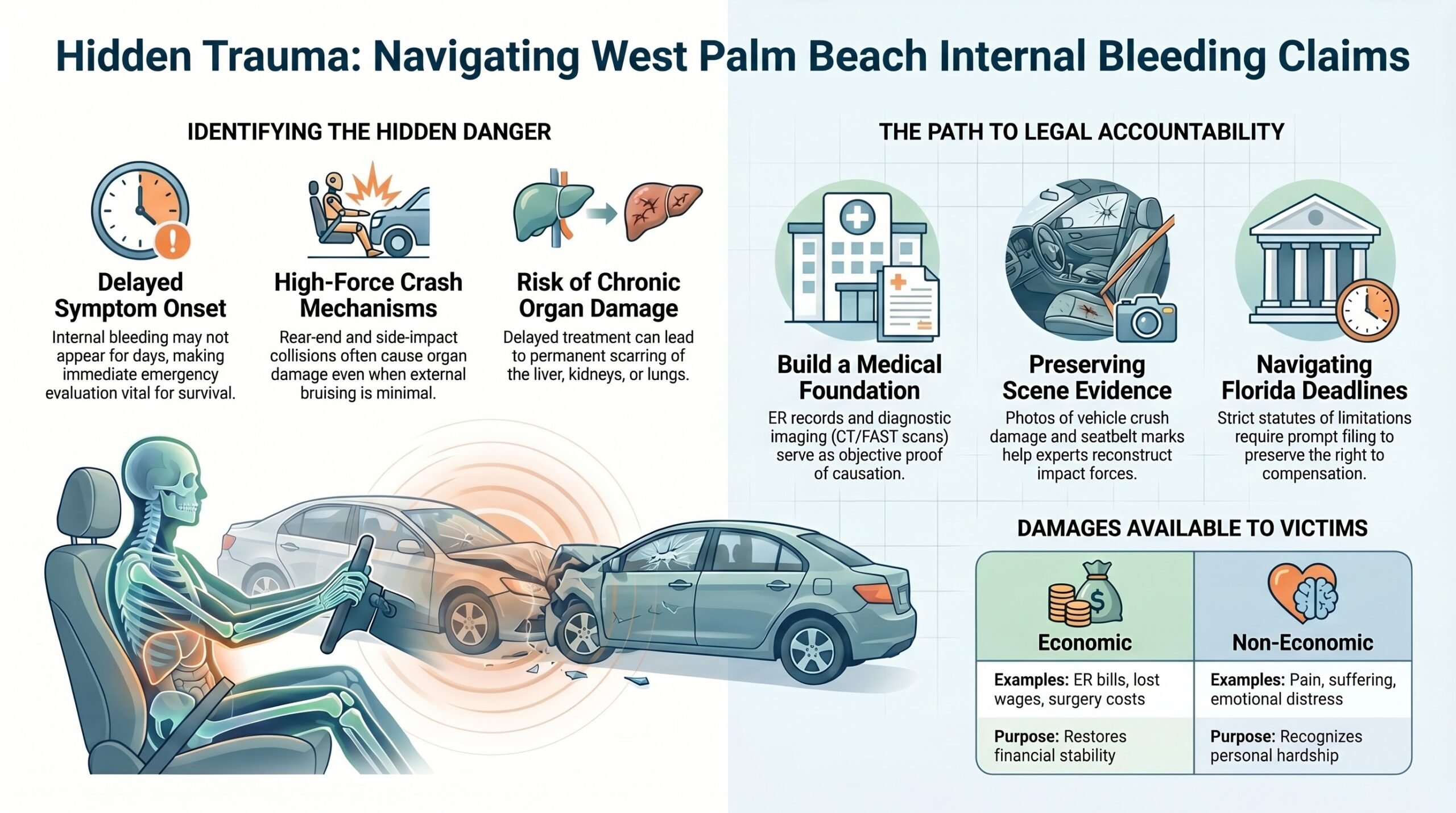
- A West Palm Beach lawyer can gather crash reports, imaging, hospital records, and witness statements to prove internal bleeding resulted from the collision.
- Internal bleeding may not appear immediately, so prompt emergency care and careful documentation are critical to protect both health and injury claims.
- Counsel can handle insurers, preserve evidence, monitor Florida deadlines, and challenge efforts to undervalue hidden trauma or delayed complications.
- Compensation may include emergency treatment, hospitalization, lost income, future medical care, pain and suffering, and wrongful death damages when applicable.
- Liability may involve negligent drivers, vehicle owners, employers, or medical providers, supported by police reports, physician opinions, and crash reconstruction evidence.


How We Can Help With Your West Palm Beach Internal Bleeding Car Accident Injury Claim
Evaluating an internal bleeding car accident claim in West Palm Beach requires a careful review of both the collision and the medical evidence. Counsel assists by gathering crash reports, photographs, witness statements, and hospital records, then organizing those materials into a clear account that supports the claim and protects the injured person’s interests.
The firm also coordinates Medical advocacy, helping clients communicate with providers, document symptoms, and show how emergency treatment, follow-up care, and limitations affect daily life. Through disciplined Recovery planning, counsel identifies immediate financial pressures, anticipates future care needs, and addresses insurance obstacles with timely, accurate submissions.
They handle insurer correspondence, monitor deadlines, and negotiate from a position grounded in evidence rather than assumption. When liability or damages are in dispute, they consult qualified experts and prepare the matter for litigation if necessary. This structured approach allows families to focus on recuperation and service to one another while the legal burden is managed with diligence.
OUR CONSULTATIONSARE FREE
START YOUR FREE CASE REVIEW

Understanding West Palm Beach Internal Bleeding Car Accident Injury Cases
Uncertainty often defines West Palm Beach internal bleeding car accident injury cases, because the most serious harm may not be visible at the scene or immediately recognized by the injured person. In many matters, symptoms emerge gradually, while blood loss continues internally and places critical organs at risk. This delayed presentation makes prompt medical evaluation indispensable, even when pain seems limited or manageable after a car accident.
These cases often involve intricate medical records, diagnostic imaging, and careful timelines showing how trauma led to internal bleeding. For families and advocates committed to serving others, understanding this process supports informed decisions and timely action. Legal review typically examines emergency treatment, hospitalization, future care needs, and the broader impact on daily functioning.
Evidence may include physician opinions, ambulance reports, witness accounts, and documentation of worsening symptoms. A clear understanding of internal bleeding claims helps injured people pursue accountability, protect their health, and secure resources that support treatment, recovery, and stability.
Common Causes of West Palm Beach Internal Bleeding in Car Accidents
Several crash mechanisms are frequently associated with internal bleeding injuries in West Palm Beach car accidents.
High-speed rear-end collisions, side-impact crash trauma, steering wheel compression, and seat belt injuries can each produce significant internal damage, even when external injuries appear limited.
A clear review of these causes helps explain how serious trauma may develop and why prompt medical evaluation is often necessary.
High-Speed Rear-End Collisions
Consider a high-speed rear-end collision, where the sudden force of impact can drive occupants forward and then violently back against the seat, placing substantial stress on internal organs and blood vessels. At highway speeds, even limited bumper damage may conceal severe trauma beneath the surface.
In these crashes, the body absorbs abrupt deceleration, and internal bleeding can begin without immediate symptoms. The liver, spleen, kidneys, and abdominal vessels may be injured by seat belt pressure, steering column contact, or the compressive force itself.
Those seeking to protect and serve others should recognize that a person who appears stable may still face a life-threatening emergency. Prompt medical evaluation supports early diagnosis, treatment, and a clearer understanding of how the collision caused hidden injuries with serious consequences for families and communities.
Side-Impact Crash Trauma
Side-impact crashes present a distinct pattern of trauma because the struck occupant is separated from the point of impact by far less vehicle structure than in many front or rear collisions. In these events, occupant kinematics often produce abrupt lateral movement, causing the torso and abdomen to absorb concentrated forces over a short interval.
This mechanism can damage the liver, spleen, kidneys, bowel, or major blood vessels, even when external bruising appears limited. Door intrusion, shattered glass, and contact with interior panels may increase the risk of internal bleeding.
Although a side curtain airbag may reduce head injury exposure, it cannot eliminate all compressive or shearing forces within the body. Those assisting injured people in West Palm Beach should recognize that delayed pain, dizziness, or weakness after a T-bone collision can signal urgent internal harm.
Steering Wheel Compression
Drive forces the chest and upper abdomen into the wheel with concentrated pressure when a front-end collision collapses space inside the driver compartment.
This mechanism can produce chest compression, rib fractures, and blunt trauma to the liver, spleen, pancreas, or major blood vessels, creating dangerous internal bleeding that may not appear immediately.
When impact also shifts the steering column rearward, the driver may absorb additional force through the sternum and lower thorax.
Even without visible wounds, injured people often need prompt evaluation because tenderness, shortness of breath, dizziness, or abdominal swelling can signal hidden hemorrhage.
Those who help families after serious crashes often encourage swift medical attention, careful monitoring, and thorough documentation.
Early recognition supports treatment, protects health, and provides a clearer understanding of the full extent of the harm caused.
Seat Belt Injuries
During a crash, a seat belt can save a life, but it can also cause significant internal injuries when collision forces are severe. Although restraints reduce fatal ejection risks, concentrated pressure across the abdomen or chest may damage organs, blood vessels, or the bowel. Bruising along the belt path can signal hidden trauma requiring prompt medical evaluation.
In service to injured people and their families, careful review of crash evidence often matters. Seatbelt forensics may help identify loading patterns, occupant movement, and whether internal bleeding was likely caused by belt compression.
Restraint biomechanics also helps explain how forces are transferred through the torso during sudden deceleration. This analysis can support timely diagnosis, informed treatment, and a clearer understanding of the harm suffered after a West Palm Beach collision for victims seeking accountability and recovery.


Legal Rights of West Palm Beach Internal Bleeding Car Accident Injury Victims
In the aftermath of a serious collision, West Palm Beach victims who suffer internal bleeding may have important legal rights under Florida law, particularly when another party’s negligence caused the crash.
These rights may include compensation for emergency care, hospitalization, lost income, future treatment, and pain and suffering, while also protecting families trying to support recovery and stability.
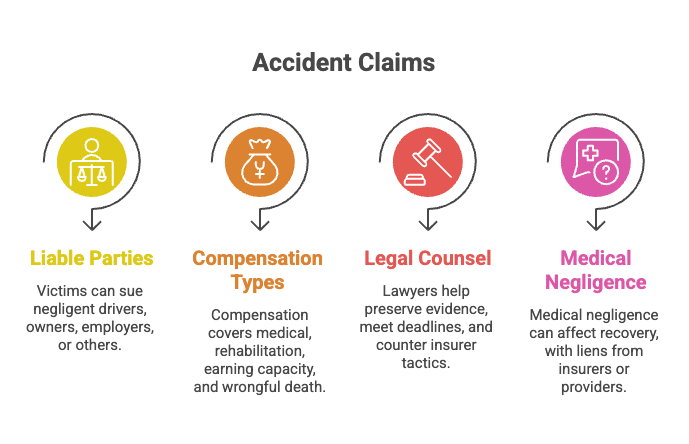
- Victims may pursue claims against negligent drivers, vehicle owners, employers, or other liable parties.
- Compensation may address medical expenses, rehabilitation needs, diminished earning capacity, and, where applicable, wrongful death damages.
- Legal counsel may help preserve evidence, meet filing deadlines, and respond to insurer tactics that undervalue hidden injuries.
- Some cases involve medical negligence during diagnosis or treatment, and recovery may be affected by statutory liens asserted by insurers or providers.
A careful legal review can help injured individuals make informed decisions, protect resources, and advance accountability in ways that support restoration, dignity, and community well-being.
Why Do West Palm Beach Internal Bleeding Car Accident Injuries Happen?
Severe crash forces can cause internal bleeding when the body strikes a steering column, dashboard, seat belt, door frame, or other hard surface, or when sudden deceleration damages organs and blood vessels without any visible wound.
The liver, spleen, kidneys, lungs, and brain are especially vulnerable because they contain delicate tissue and extensive blood supply. Pelvic fractures, broken ribs, and torn arteries may also produce hidden bleeding that worsens rapidly after impact.
These injuries happen in West Palm Beach collisions because even moderate crashes can transfer tremendous energy through the body. Older adults, children, and people with clotting disorders or blood-thinning medications may face greater danger. Non-traumatic causes can complicate the picture when a driver already has a medical condition affecting bleeding or vessel strength.
Delayed diagnosis is common because symptoms may begin subtly, and first responders or families may focus on more visible injuries while internal damage continues silently beneath the surface.
What Should You Do After a West Palm Beach Internal Bleeding Car Accident Injury?
After a West Palm Beach car accident involving suspected internal bleeding, the injured person should seek emergency medical care without delay, as prompt evaluation can be vital to survival and recovery.
It is also important to preserve crucial evidence, including photographs, medical records, and witness information, because these materials may help establish what occurred and the extent of the harm.
Contacting a lawyer as soon as practicable can further protect the injured person’s interests, particularly when insurance issues and liability questions begin to arise.
Seek Emergency Medical Care
Prompt medical attention is crucial when internal bleeding is suspected following a West Palm Beach car accident, because symptoms may be delayed while the underlying injury continues to worsen. Emergency evaluation allows physicians to identify hidden trauma, stabilize the patient, and begin treatment before complications become life-threatening.
Those assisting an injured person should contact emergency services without delay and support calm transport to a hospital. Even if pain seems manageable, dizziness, weakness, abdominal swelling, or fainting may indicate a serious condition requiring immediate imaging and observation.
After discharge, careful post-accident monitoring remains important because some symptoms may emerge later. Medical providers may also recommend telehealth follow-up to review changes, adjust care instructions, and encourage prompt return for worsening signs. Early care protects health and better equips individuals to continue serving their families and communities.
Preserve Critical Evidence
Evidence preservation plays a central role when internal bleeding is suspected following a West Palm Beach car accident, because the facts surrounding the crash and the resulting injuries may become harder to prove as time passes.
Helpful actions include photographing vehicles, visible injuries, roadway debris, skid marks, and weather conditions as soon as safely possible. Witness names, contact information, and observations should also be recorded carefully.
Damaged clothing, personal items, and vehicle components may support forensic preservation when stored without alteration. Medical records, discharge instructions, diagnostic imaging, and receipts should be organized in one secure location.
If surveillance footage may exist, prompt requests can prevent deletion. Maintaining dates, times, and a clear chain of custody for physical evidence helps protect reliability and supports those working to understand what occurred.
Contact A Lawyer
In the wake of a West Palm Beach collision involving suspected internal bleeding, contacting a lawyer can help protect a victim’s legal interests while medical treatment and documentation continue. Counsel may coordinate evidence collection, communicate with insurers, and monitor deadlines that could affect recovery.
A prompt legal review can also reduce pressure on families who are focused on care, transportation, and daily responsibilities. During a Free consultation, an attorney may assess liability, explain potential damages, and outline practical next steps that support both the injured person and those assisting them.
Clear guidance on Retainer agreements helps individuals understand the terms of representation, fees, and expectations before making decisions. By securing informed legal support early, a victim is better positioned to pursue accountability, preserve resources, and serve loved ones through a difficult period.
Critical Evidence in a West Palm Beach Internal Bleeding Car Accident Injury Case
In a West Palm Beach internal bleeding car accident injury case, the strength of the claim often depends on whether the evidence clearly connects the collision to the hidden injury and its medical consequences. The record typically gains weight through contemporaneous treatment documents, objective testing, scene-based proof, and informed medical analysis.
Crucial forms of evidence commonly include:
- Emergency room records
- Diagnostic imaging results
- Crash scene documentation
- Expert medical testimony
Emergency Room Records
Why do emergency room records carry such weight in a West Palm Beach internal bleeding car accident injury case? They often provide the earliest, most objective account of the injured person’s condition, symptoms, and urgent medical response.
These medical records can document reported pain, changes in vital signs, physician observations, and the timing of treatment decisions immediately after the collision.
For those seeking to serve and protect injured community members, emergency room documentation helps establish credibility and continuity of care. Transfer logs may show movement between facilities, trauma alerts, or escalated interventions when a patient’s condition worsened.
Admission notes, nursing entries, discharge instructions, and medication histories can also link the crash to the alleged harm. In a serious claim, careful review of these records may clarify severity, timeline, and accountability.
Diagnostic Imaging Results
Reveal the internal damage that may not appear on the surface; diagnostic imaging results often serve as some of the most persuasive evidence in a West Palm Beach internal bleeding car accident injury case.
A contrast-enhanced CT can identify active hemorrhage, organ lacerations, and abdominal or thoracic fluid, helping physicians and advocates understand the urgency and extent of harm.
A portable ultrasound may be used quickly at the bedside to detect free fluid and support immediate treatment decisions. Follow-up scans can show whether bleeding progressed, stabilized, or required surgery.
When interpreted alongside symptoms and emergency records, imaging findings help establish causation, severity, and the need for ongoing care. For those committed to protecting injured people and their families, these results provide objective, medically grounded proof that hidden trauma demanded prompt and serious attention.
Crash Scene Documentation
At the crash scene, careful documentation can preserve facts that later explain how a collision caused internal bleeding despite limited outward signs of injury. Images of vehicle crush damage, shattered glass, deployed airbags, seatbelt marks, and interior intrusion may reveal force patterns consistent with trauma. When gathered promptly, this material helps families, advocates, and investigators serve the injured person by protecting accurate facts.
Comprehensive records often include forensic photography, measurements, debris mapping, road conditions, weather, lighting, surveillance sources, and witness locations. Officers and investigators may also secure timestamp verification for photographs, emergency calls, and dash camera footage, strengthening reliability.
Skid marks, final rest positions, and damaged personal items can further connect the mechanics of impact to the severity of harm. Preserved documentation supports a clear, responsible account of what occurred.
Expert Medical Testimony
Photographs, measurements, and scene reconstruction can show how a collision occurred, but expert medical testimony is often needed to explain how that force produced internal bleeding and why the condition may not have been immediately visible. In these cases, physicians, surgeons, and forensic radiology experts help link imaging findings, surgical observations, and clinical records to the injuries at issue.
Their opinions may clarify when bleeding likely began, how it progressed, and why symptoms were delayed or subtle. Experts in trauma biomechanics may also describe how seat belt loading, side impact forces, or blunt abdominal compression can damage organs and vessels without obvious external wounds.
This testimony serves the truth by helping judges, juries, and insurers understand causation, severity, and the urgent medical needs that followed the crash for injured people.
Long-Term Effects of West Palm Beach Internal Bleeding Car Accident Injuries
Internal bleeding injuries from West Palm Beach car accidents can produce serious long-term consequences, even after the initial emergency has passed.
These effects may include chronic organ damage, persistent pain that limits daily function, and psychological harm that requires ongoing treatment and recovery.
A clear understanding of these lasting complications is crucial when evaluating the full impact of the injury.
Chronic Organ Damage
Following severe internal bleeding after a West Palm Beach car accident, chronic organ damage may develop when reduced blood flow and delayed treatment place lasting stress on vital systems. The liver, kidneys, lungs, or intestines may suffer ongoing impairment, especially when tissue oxygen loss continues beyond the initial trauma.
Over time, survivors may face organ scarring, diminished filtration, reduced respiratory capacity, or weakened digestive function. Some also experience immune dysfunction, which can complicate recovery and increase vulnerability to infection. In service-oriented communities, understanding these consequences helps families, caregivers, and advocates respond with informed support.
Medical evaluation often includes imaging, laboratory monitoring, and long-term care planning to limit further decline. Early recognition, consistent follow-up, and coordinated treatment may improve stability and preserve as much organ function as possible over time.
Lasting Pain Effects
Persistence of pain often becomes one of the most disruptive long-term consequences of internal bleeding injuries after a West Palm Beach car accident. Even after emergency treatment, damaged tissues, nerve irritation, and surgical complications may leave an individual with chronic pain that interferes with daily responsibilities and the ability to assist family or community members.
These lasting symptoms can limit lifting, walking, driving, and other routine tasks that once seemed manageable. In many cases, physicians recommend activity modification, ongoing rehabilitation, pain management, and regular monitoring to reduce further physical strain.
Service-minded individuals may find these restrictions especially challenging because persistent discomfort can reduce endurance and consistency in caring for others. When pain remains unresolved, it may also affect sleep, concentration, and overall physical function, making long-term recovery more demanding and medically complicated.
Emotional Trauma Recovery
Coping with the psychological aftermath of a serious collision may become a prolonged and often underestimated part of recovery after internal bleeding injuries. Survivors may experience anxiety, sleep disruption, irritability, and intrusive memories that affect family roles, employment, and community involvement.
Emotional trauma may also intensify physical symptoms, making thorough care especially important for those seeking to continue serving others. Mental health professionals often recommend trauma counseling to address fear, grief, and loss of confidence after a crash. Effective coping strategies may include structured therapy, support groups, mindfulness practices, and gradual reengagement with daily activities.
Close support from loved ones and careful medical follow-up can strengthen resilience over time. When emotional distress persists, early intervention may improve functioning, restore stability, and support a more complete long-term recovery.
Proving Liability in West Palm Beach Internal Bleeding Car Accident Injury Cases
Establishing liability in a West Palm Beach car accident case involving internal bleeding requires clear evidence that another party’s negligence directly caused the collision and the resulting injury.
Attorneys often build these claims through police reports, medical records, crash reconstruction, and forensic imaging that documents hidden trauma. They also examine witness credibility, since consistent statements can strengthen the connection between reckless driving and the victim’s condition.
A careful liability analysis may focus on speeding, distraction, impaired driving, failure to yield, or other traffic law violations. Medical providers help show that internal bleeding arose from the crash rather than an unrelated condition, while experts explain how the force of impact produced specific injuries.
Photographs, vehicle damage, surveillance footage, and scene measurements can further support a finding of causation. In service to injured individuals and their families, thorough proof of liability promotes accountability and helps secure resources needed for treatment, recovery, and long-term support after a serious collision.
Dealing With Insurance Companies After a West Palm Beach Internal Bleeding Car Accident Injury
Once liability and medical causation are supported by evidence, attention often shifts to the insurance process, where internal bleeding claims can become highly contested because the injury may not be immediately visible despite its severity.
Insurers often examine emergency records, imaging studies, physician opinions, and timelines for gaps they may use to minimize responsibility or dispute damages.
A careful, service-minded approach emphasizes truthful documentation, prompt communication, and protection of the injured person’s well-being. Representatives should avoid recorded statements that speculate about symptoms, recovery, or fault before the medical picture is clear.
Strong claim strategies often include organizing treatment records, preserving billing evidence, and documenting how the injury affects daily responsibilities and family support. Settlement timing also matters because internal bleeding complications can evolve after the initial collision and may alter future care needs.
By approaching insurers with organized proof, consistent messaging, and respect for the seriousness of hidden trauma, a claimant is better positioned to seek fair consideration and meaningful financial recovery.
What to Expect During a West Palm Beach Internal Bleeding Car Accident Injury Claim Process
A West Palm Beach internal bleeding car accident injury claim typically begins with immediate medical documentation, which helps establish the nature and extent of the injury from the outset.
The process generally continues through claim investigation steps, during which insurers and legal representatives review records, accident details, and other evidence relevant to liability.
As the claim progresses, evidence and fault assessments often shape the settlement negotiation timeline and influence whether a fair resolution can be reached without litigation.
Immediate Medical Documentation
Medical records often become the foundation of an internal bleeding car accident injury claim in West Palm Beach because they connect early symptoms, diagnostic findings, and treatment decisions to the collision itself.
Prompt evaluation in an emergency setting may document abdominal pain, dizziness, a drop in blood pressure, or delayed bruising before conditions worsen. Physicians may order imaging, laboratory tests, and surgical consultations, creating objective proof of injury severity and urgency.
This immediate documentation also supports timeline reconstruction, which can clarify when symptoms appeared, how quickly they progressed, and why rapid intervention was necessary.
Consistent follow-up notes, discharge instructions, medication lists, and consultant reports help preserve a clear picture of the person’s medical course. For those committed to serving injured neighbors well, thorough medical records can strengthen accountability and support informed decisions about recovery needs.
Claim Investigation Steps
In the early stage of a West Palm Beach internal bleeding car accident injury claim, the investigation typically centers on gathering and preserving evidence that explains how the collision occurred and how the injury developed.
Adjusters and legal representatives often review emergency records, imaging studies, treatment timelines, and witness accounts to understand the medical progression and claim history. They may also request photographs, vehicle data, and statements clarifying post-crash symptoms without rushing to conclusions.
This process is intended to support fair evaluation, protect vulnerable parties, and reduce errors that could delay meaningful assistance. When injuries prove fatal, a forensic autopsy may be reviewed for medical clarification.
Investigators also carefully examine inconsistencies because concerns about insurance fraud can affect communication, documentation requests, and the overall pace of the claims process for everyone involved.
Evidence And Liability
Beyond the initial investigation, evidence and liability become central to determining whether another party’s conduct caused the collision and the resulting internal bleeding injury. Attorneys and insurers review police reports, witness statements, medical findings, vehicle damage, roadway conditions, and electronic data to determine how the crash occurred and who is responsible.
When facts are disputed, forensic reconstruction may clarify speed, impact angles, braking, and driver actions before the collision. Medical records are examined closely to connect the trauma to internal bleeding and to rule out unrelated conditions.
In some cases, several parties may share fault, requiring careful apportionment of liability under applicable law. A thorough evaluation helps protect injured individuals, supports accountability, and provides families with a clearer understanding of the claim’s factual and legal foundation during a difficult period.
Settlement Negotiation Timeline
After liability and damages are sufficiently documented, settlement negotiations typically begin with a demand package that outlines the collision, the internal bleeding injury, the course of treatment, and the financial and personal losses attributable to the crash.
From there, insurers review records, evaluate exposure, and issue a response that may accept, deny, or counter the demand. These timeline phases often include evidence review, medical updates, negotiation exchanges, and possible mediation if disputes remain.
Cases of internal bleeding may require patience because the prognosis, future care needs, and permanent effects are not always immediately clear. Meaningful progress depends on complete documentation and careful advocacy focused on fair recovery.
Settlement delays can arise from disputed liability, incomplete treatment, policy limit questions, or insurer requests for additional information. If negotiations fail, filing suit may become the next step toward accountable resolution.
Compensation for West Palm Beach Internal Bleeding Car Accident Injury Damages
For victims of West Palm Beach car accidents, compensation for internal bleeding injuries often extends well beyond the initial emergency treatment, because these injuries can produce rapid complications, prolonged hospitalization, and substantial financial loss.
Compensation for internal bleeding after a West Palm Beach car accident often reflects far more than emergency treatment alone.
In many cases, a claim seeks recovery of medical costs associated with surgery, imaging, intensive monitoring, medications, rehabilitation, follow-up appointments, and future care needs. Careful documentation helps families and advocates understand the full scope of harm and support informed decisions.
Compensation may also address income disruption when recovery prevents a prompt return to work or limits future employment capacity. Because internal bleeding can worsen before stabilizing, settlement timelines may vary depending on diagnostic findings, treatment progress, and physician opinions regarding long-term prognosis.
Legal representatives often assemble hospital records, expert evaluations, billing statements, and employment information to present a complete picture of damages. This organized approach can help injured people secure resources needed to restore stability and continue serving their households and communities.
Economic vs Non-Economic Damages in West Palm Beach Internal Bleeding Car Accident Cases
In West Palm Beach internal bleeding car accident cases, damages are generally divided into economic and non-economic categories, each addressing a different type of loss.
Economic damages typically include measurable financial harm, such as medical expenses, lost income, and future treatment costs, while non-economic losses concern pain, suffering, and diminished quality of life.
Establishing the value of either category often depends on medical records, financial documentation, and persuasive evidence linking the injury to the claimed impact.
Economic Damages Explained
At the outset, economic damages refer to the measurable financial losses that arise from an internal bleeding car accident, while non-economic damages address the harder-to-quantify personal harm, such as pain, suffering, and diminished quality of life.
In these cases, economic damages typically include emergency transport, hospitalization, surgery, rehabilitation, prescriptions, and ongoing medical bills associated with diagnostic testing and follow-up care. They also include lost wages when injuries prevent a person from working during recovery.
A careful review of damages helps families and advocates understand the full financial impact of serious injuries. Records such as invoices, employment statements, insurance explanations, and treatment plans often support these claims.
Non-Economic Losses Overview
Beyond measurable bills and wage loss, non-economic damages address the human consequences of an internal bleeding car accident that do not appear on invoices or pay records. These losses reflect the injured person’s suffering, emotional distress, physical discomfort, and diminished ability to participate in family, community, and daily routines.
In West Palm Beach cases, such damages often involve Pain valuation for persistent symptoms, anxiety during recovery, sleep disruption, and reduced independence. They may also consider the strain placed on relationships, the loss of enjoyment in meaningful activities, and the broader decline in quality of life following a serious collision.
While economic damages restore financial stability, non-economic losses recognize the personal hardships that compassionate advocates seek to address, especially when injuries alter dignity, confidence, and the capacity to serve others well.
Proving Damage Value
Accuracy governs the process of proving damage value in a West Palm Beach internal bleeding car accident case, because both economic and non-economic losses must be supported by credible evidence and a clear connection to the collision.
Economic damages are usually demonstrated through medical bills, wage records, rehabilitation expenses, and projections of future treatment costs. They often include hidden costs, such as travel for care, household assistance, and reduced earning capacity.
Non-economic damages require careful valuation methods. Testimony from physicians, mental health professionals, family members, and vocational experts may help explain pain, limitations, emotional distress, and diminished quality of life.
Detailed records, consistent treatment, and persuasive documentation allow insurers, judges, and juries to measure the full human and financial impact, supporting fair recovery and responsible accountability for injured victims.
When a West Palm Beach Internal Bleeding Car Accident Injury Case Goes to Trial vs Settlement
In many West Palm Beach internal bleeding car accident claims, the decision to proceed to trial or resolve the matter through settlement depends on the strength of the medical evidence, the extent of the victim’s injuries, and the parties’ willingness to dispute liability and damages.
Settlement is often favored when records clearly connect the crash to internal injuries and future care needs. Strong documentation may improve settlement leverage, especially when insurers recognize the risk of substantial verdicts.
Clear medical records linking the crash to internal injuries can strengthen settlement leverage and encourage insurers to resolve claims fairly.
Trial becomes more likely when causation is challenged, damages are minimized, or fault remains contested. In those situations, counsel may prepare physicians, economists, and other witnesses to explain how internal bleeding can create urgent and lasting harm.
Jury dynamics also matter because jurors may respond differently to testimony about delayed symptoms, emergency surgery, and long recovery periods. A service-minded legal approach evaluates whether settlement can provide timely support or whether trial is necessary to pursue full and fair accountability.
Florida Laws That May Affect Your West Palm Beach Internal Bleeding Car Accident Case
The path a West Palm Beach internal bleeding car accident claim takes, whether toward settlement or trial, is also shaped by Florida law. Several rules can influence who pays, what evidence matters, and how injured people pursue accountability while protecting community well-being after serious crashes involving hidden trauma.
- Florida’s no-fault framework may require initial use of personal injury protection benefits for medical expenses, even when internal bleeding later proves severe.
- Comparative statutes can reduce recovery if the evidence shows the injured person shares responsibility, making careful investigation an act of fairness.
- Insurance rules, disclosure duties, and damage standards affect negotiations, especially when emergency treatment, surgery, or long-term monitoring becomes necessary.
- Medical malpractice issues may arise if delayed diagnosis worsens internal bleeding, creating separate questions about healthcare negligence alongside the collision claim.
Together, these laws shape decisions, encourage timely recovery, and help families understand how to pursue support responsibly and lawfully.
The Statute of Limitations for West Palm Beach Internal Bleeding Car Accident Injury Cases
After a West Palm Beach car accident causes internal bleeding, filing deadlines can become a decisive issue because Florida’s statute of limitations restricts how long an injured person has to bring a lawsuit. Missing those filing deadlines may prevent recovery, even when injuries are severe, and community support is urgently needed.
In many negligence actions, Florida law sets a limited period for filing suit, but the exact deadline may depend on the date of the accident, the parties involved, and whether a death occurred. Internal bleeding may not be immediately apparent, which raises questions about delayed diagnosis and discovery tolling.
Courts apply such exceptions narrowly, so prompt medical evaluation and careful recordkeeping remain important. Families seeking to protect the injured person’s well-being often benefit from understanding how insurance claims differ from civil lawsuits, because one process does not automatically extend to the other. Timely action helps preserve evidence, encourages responsible conduct, and supports fair resolution for those working to rebuild their lives.
How a West Palm Beach Internal Bleeding Car Accident Injury Lawyer Can Help You
Once filing deadlines and preservation concerns are understood, attention often turns to the practical role legal counsel can play in an internal bleeding car accident case. A West Palm Beach internal bleeding car accident injury lawyer often helps organize records, clarify losses, and present the full impact of hidden trauma with disciplined care.
- Counsel gathers hospital records, physicians’ notes, and follow-up imaging to link emergency findings to ongoing symptoms.
- Counsel documents post-discharge care, medication needs, home limitations, and transportation needs, helping decision-makers see daily burdens clearly.
- Counsel evaluates future treatment needs, including Rehabilitation planning, specialist visits, and likely complications, so recovery costs are not understated.
- Counsel communicates with insurers while considering Family support, caregiving strain, and service-oriented goals, allowing injured people to focus on healing and responsible care for others.
This assistance often promotes accountability, protects dignity, and helps families pursue resources needed for stable recovery and ongoing community participation.
When to Contact a West Palm Beach Internal Bleeding Car Accident Injury Lawyer
In many situations, contact with a West Palm Beach internal bleeding car accident injury lawyer should occur as soon as hidden injury is suspected, emergency treatment has begun, or questions arise about how the crash will affect medical care, work, and daily obligations.
Early contact is especially important when symptoms worsen after leaving the scene, hospitalization becomes necessary, or physicians order imaging, surgery, or close observation.
Prompt communication may also help when a household is trying to organize records, protect a clear medical timeline, and respond to insurer requests while a loved one remains focused on recovery. If a victim becomes unable to speak for themselves, family notification and timely outreach can support informed decision-making and preserve important information.
It is also wise to make contact when medical bills begin arriving, missed work creates pressure, or uncertainty exists about the next practical steps. Careful timing can reduce confusion and support stability during a demanding period.
Why You Need an Experienced West Palm Beach Internal Bleeding Car Accident Injury Lawyer
For victims facing the risks of internal bleeding, an experienced West Palm Beach car accident injury lawyer can provide vital guidance at a time when medical uncertainty and legal pressure often develop jointly. Internal injuries may worsen without warning, and a seasoned attorney helps preserve evidence, coordinate documentation, and protect a claim while treatment remains the priority.
Experience matters because these cases often involve delayed symptoms, disputed liability, and insurers seeking fast resolutions that may undervalue long-term harm. A knowledgeable lawyer understands how to connect emergency records, expert opinions, and future care projections into a clear demand for compensation.
This support can also help families pursue resources that strengthen recovery, including Trauma counseling and practical Financial planning for medical costs, income disruption, and household needs. By managing negotiations and legal deadlines, counsel allows victims and caregivers to focus on health, stability, and service to loved ones during a difficult period, with steadiness and dignity.
How to Choose the Right West Palm Beach Internal Bleeding Car Accident Injury Lawyer for Your Case
Selecting the right West Palm Beach internal bleeding car accident injury lawyer requires more than confirming general personal injury experience, because these claims often involve hidden trauma, rapidly changing medical evidence, and disputes over the timing and cause of symptoms.
Effective attorney selection should focus on proven handling of severe injury cases, careful review of medical records, and the ability to work with experts who explain intricate diagnoses clearly and responsibly.
A prudent evaluation also considers communication practices, responsiveness, and the lawyer’s willingness to keep injured people and their families informed at each stage.
Those seeking to serve loved ones well should look for counsel that approaches every matter with diligence, respect, and preparation for negotiation or trial.
Fee structures merit close attention, including contingency terms, litigation costs, and how expenses are explained before representation begins.
Reviews, disciplinary history, and case results may further help identify a lawyer equipped to protect both recovery and long-term stability.
About The Law Offices of Anidjar & Levine
With a focus on client service and thorough case preparation, The Law Offices of Anidjar & Levine represents injured people in West Palm Beach car accident matters involving both immediate and difficult-to-detect injuries.
The firm approaches each claim with careful attention to medical evidence, liability issues, and the practical needs of clients and families during recovery.
Its attorneys and staff emphasize responsive communication, organized case management, and guidance that helps injured individuals make informed decisions.
Firm history reflects a commitment to advocating for accident victims across Florida, while maintaining a service-centered approach rooted in respect and accountability.
Client testimonials often describe accessibility, professionalism, and steady support throughout the legal process.
In cases involving internal bleeding or related trauma, the firm works to secure resources for treatment, lost income, and long-term care concerns.
This combination of preparation, compassion, and disciplined advocacy positions the firm as a reliable legal resource for those seeking meaningful assistance after serious collisions.
Frequently Asked Questions
Can Internal Bleeding Symptoms Appear Days After a Car Accident?
Yes, internal bleeding symptoms can appear days after a car accident. Some people initially seem stable because delayed hemorrhage and occult injuries may not produce immediate warning signs.
Over time, worsening abdominal pain, dizziness, weakness, fainting, or unusual bruising can emerge and signal a serious condition. Those responsible for helping others should encourage prompt medical evaluation after any significant crash, because early detection and treatment can prevent severe complications or death.
Which Medical Tests Best Detect Internal Bleeding After a Crash?
The best tests usually include a CT scan and a Focused assessment with sonography for trauma, often called FAST. Clinicians use FAST to quickly identify free fluid in the abdomen or around the heart, especially in emergency settings.
A CT scan provides more detailed imaging and can locate active bleeding or organ injury. Blood tests and repeated physical examinations also help guide timely treatment and protect the patient from worsening harm.
Can Seat Belts Cause Internal Bleeding Injuries in Collisions?
Yes, seat belts can cause internal bleeding injuries in collisions, particularly during high-force impacts. Seatbelt compression may damage abdominal organs or blood vessels, even when the restraint prevents more severe harm.
Abdominal contusions, bruising patterns, pain, dizziness, or swelling may indicate hidden trauma that warrants prompt medical evaluation. Those assisting injured individuals should encourage immediate assessment, because early detection supports timely treatment and helps protect health, recovery, and long-term well-being.
Are Children More Vulnerable to Internal Bleeding After Car Accidents?
Yes, children are generally more vulnerable to internal bleeding after car accidents. Their smaller organs and developing bodies absorb crash forces differently, which can increase the severity of injuries.
They also have fragile skulls, thinner tissues, and less protective fat, making hidden trauma harder to detect quickly. Those who serve injured families should recognize that children may appear stable at first, while serious internal injuries progress rapidly and require immediate medical evaluation.
What Specialists Treat Internal Bleeding Caused by Car Accident Trauma?
Internal bleeding from car accident trauma is commonly treated by trauma surgeons and interventional radiologists. Emergency physicians often begin evaluation and stabilization, then coordinate with these experts to stop bleeding and protect essential organs.
General surgeons, vascular surgeons, and intensive care physicians may also assist, depending on the injury pattern. Their combined role is to deliver timely, life-preserving care that serves the patient’s immediate safety, recovery, and long-term medical needs.
—————————
Internal bleeding after a car accident can create severe medical and financial consequences, often before symptoms are fully recognized.
In West Palm Beach, injured individuals may benefit from understanding their legal options and acting promptly to protect their claims.
A qualified attorney can evaluate liability, gather evidence, and pursue fair compensation for medical care, lost income, and related damages.
The Law Offices of Anidjar and Levine provides experienced representation for those facing these serious and time-sensitive injury cases, and you can learn more by visiting our West Palm Beach Car Accident Lawyer page.