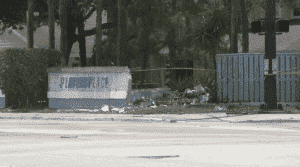
The Law Offices of Anidjar and Levine can investigate whether impairment, fatigue, phone use, or another distraction contributed to a Tamarac car accident. Evidence may include police reports, witness accounts, vehicle damage, medical records, and available device or toxicology records. Injured people may seek compensation for medical expenses, lost income, reduced earning capacity, and pain and suffering. Florida comparative negligence may affect recovery, and early insurance offers may not account for ongoing needs. Learn more about your options with a Tamarac Personal Injury Lawyer.
Main Takeaways
- A Tamarac car accident lawyer can investigate whether alcohol, drugs, fatigue, phone use, or other distractions contributed to the crash.
- Preserve photos, witness details, medical records, repair estimates, and collision-related messages as soon as it is safe.
- Police reports, toxicology results, phone records, vehicle data, and crash reconstruction may help establish how the collision occurred.
- Seek prompt medical care and report the crash to law enforcement; a police report alone does not determine fault.
- A lawyer can assess potential responsibility, document losses, and explain options for pursuing compensation.
How We Can Help With Your Tamarac Car Accident Impaired & Distracted Driving Injury Claim
When an impaired or distracted driver causes a crash in Tamarac, an injured person may face medical costs, lost income, and uncertainty about the next steps. A legal team can provide organized support while treating the injured person’s priorities with care and respect. Counsel may review available records, explain practical options, and help identify tasks that require timely attention.
Claim Preparation can include gathering medical records, documenting expenses, preserving relevant communications, and organizing information about the crash. A lawyer may also handle insurer correspondence and review proposed settlements, allowing the injured person to focus on treatment and family responsibilities. Each decision remains guided by the client’s circumstances and informed approval.


A clear Case Timeline can help track important dates, records, and communications throughout the claim. Counsel can provide updates, answer questions, and explain what information may be needed at each stage. This steady guidance supports informed choices without promising a particular result. The goal is to reduce avoidable burdens and help the injured person pursue a fair resolution.
Don’t Wait. Call Our Florida Personal Injury Lawyers Now!
Understanding Tamarac Car Accident Impaired & Distracted Driving Injury Cases
OUR CONSULTATIONSARE FREE
START YOUR FREE CASE REVIEW

Impaired and distracted driving crashes in Tamarac may involve distinct evidence and legal issues, even when the resulting injuries appear similar. A careful review can clarify how the collision occurred, who may be responsible, and what losses the injured person may seek to recover. Relevant evidence may include police reports, witness accounts, vehicle damage, medical records, and available electronic data. Crash reconstruction can help evaluate vehicle movements, impact points, and timing when the sequence of events is disputed.
The legal analysis may also consider whether roadway design, visibility, traffic controls, or other conditions contributed to the collision. These factors do not establish liability by themselves, but they may inform a complete assessment of the circumstances. Injury claims can involve medical expenses, lost income, rehabilitation needs, and lasting effects on daily life. A thorough, evidence-based approach supports fair consideration of the injured person’s needs and helps guarantee that responsible parties are held accountable under applicable law. Each case depends on its specific facts and evidence.
Common Causes of Tamarac Car Accident Impaired & Distracted Driving


Common causes of impaired and distracted driving crashes in Tamarac include alcohol or drug use, texting behind the wheel, speeding, and reckless driving. Fatigue can also impair judgment and reaction time, leading to preventable driving mistakes. Identifying the cause of a collision can help clarify how a driver’s conduct contributed to the crash.
Drunk and Drugged Driving
Alcohol and drug use can compromise judgment, reaction time, and vehicle control, increasing the risk of serious crashes on Tamarac roads. Alcohol may impair coordination and decision-making, while prescription medications, cannabis, and other substances can affect alertness or perception. Combining substances can intensify these effects, even when a driver believes they can still drive safely. Impaired driving statistics help illustrate the preventable harm associated with these choices, including injuries to passengers, pedestrians, and other motorists. DUI prevention strategies include arranging a sober ride, using public transportation, and asking a trusted person to drive. Community education and responsible hosting can also reduce the likelihood that someone will drive while impaired. After a crash, injured people may need medical care and legal guidance to understand their options and pursue appropriate compensation.
Texting Behind the Wheel
When drivers text behind the wheel, their attention shifts from the road to a phone, increasing the risk of a collision. Texting prevalence reflects how routinely some motorists use phones while driving, despite the demands of safe vehicle operation. Reading or composing a message can divert visual, manual, and mental attention, leaving less capacity to notice traffic signals, pedestrians, or changing road conditions. Even a brief glance may prevent a driver from responding promptly to an unexpected hazard. Notification distraction can also occur when an alert draws a driver’s eyes or thoughts away from the roadway, even if no message is sent. These behaviors can endanger passengers, other motorists, cyclists, and pedestrians. Limiting phone use while driving helps protect the wider Tamarac community and supports safer travel for everyone on local roads.
Speeding and Reckless Driving
Speeding and reckless driving reduce a motorist’s ability to respond safely to changing road conditions. In Tamarac, excessive speed can make it harder to stop in time, maintain control, or avoid another vehicle, pedestrian, or cyclist. Speed Limit Violations may also increase the severity of a collision, placing everyone nearby at greater risk. Reckless conduct can include tailgating, unsafe passing, sudden lane changes, or other Aggressive Actions that disregard traffic laws and the safety of others. When a crash occurs, investigators may review witness accounts, vehicle damage, roadway conditions, and available records to determine how a driver’s conduct contributed. Understanding these factors can help injured people and their families assess available options and pursue appropriate support. Careful review also helps clarify responsibility and preserve relevant evidence after a serious collision.
Drowsy Driving Mistakes
Drowsy driving can impair judgment, slow reaction time, and make it difficult for a motorist to maintain control. Common mistakes include driving after too little sleep, ignoring warning signs such as heavy eyelids or repeated yawning, and assuming caffeine can replace adequate rest. Microsleep episodes may cause a driver to lose awareness for several seconds, leaving little time to respond to traffic or road hazards. Fatigue can also affect attention and decision-making, increasing the risk of drifting between lanes or missing signals.
A disrupted circadian rhythm may make alertness especially difficult during late-night and early-morning hours. Drivers who feel tired should stop in a safe location and arrange rest or another ride rather than continue. By recognizing these risks, motorists can help protect passengers, other road users, and the wider community.
Legal Rights of Tamarac Car Accident Impaired & Distracted Driving Injury Victims
Impaired and distracted driving can leave Tamarac crash victims facing serious injuries, financial losses, and uncertainty about their legal options. Florida law allows injured people to seek compensation from a driver whose negligence caused a collision. Recoverable damages may include medical expenses, lost income, reduced earning capacity, and pain and suffering. A claim can also help families secure support for a loved one’s recovery.
Victims may need to preserve evidence and document losses while pursuing a fair resolution.
Relevant records can include:
- Medical bills and treatment notes showing the care required after the crash.
- Repair estimates and photographs capturing damage to a vehicle and personal property.
- Pay records and employer statements showing missed work and lost income.
Comparative negligence may reduce compensation if a victim shares responsibility, but it does not automatically bar recovery. In cases involving especially reckless conduct, punitive damages may be available under applicable law. Legal guidance can help victims understand deadlines, evaluate evidence, and protect their rights while they focus on recovering and supporting their families.
Why Do Tamarac Car Accident Impaired & Distracted Driving Injuries Happen?
Impaired and distracted driving injuries in Tamarac occur when a driver’s judgment, attention, or ability to react is compromised, making it harder to recognize hazards and control a vehicle. Alcohol, cannabis, certain medications, and fatigue can slow perception and decision-making. A driver may misjudge speed, drift from a lane, or fail to stop in time. Distraction creates similar risks when a person looks away from traffic, handles a phone, or focuses on passengers or navigation instead of driving.
Local conditions can increase the danger. Roadway design, including intersections, turning lanes, and access points, may require drivers to make quick decisions. Poor visibility from darkness, rain, glare, or obstructed sightlines can make hazards harder to detect. When impaired attention or judgment combines with these conditions, a driver may not respond appropriately to pedestrians, cyclists, or other vehicles. Such crashes can cause serious injuries and disrupt the lives of victims, families, and others who depend on them.
What Should You Do After a Tamarac Car Accident Impaired & Distracted Driving Injury?
After a Tamarac crash involving suspected impaired or distracted driving, injured people should first check for injuries and seek emergency medical care when needed. Report the collision to law enforcement, and provide accurate details to responding officers. Preserve photos, witness information, and other relevant records to document what happened.
Check for Injuries
Because collision injuries may not be immediately apparent, anyone involved in a Tamarac car accident should check themselves and others for signs of harm, including pain, dizziness, confusion, or difficulty breathing. A careful Emergency symptom assessment can help identify urgent needs and protect everyone at the scene. If a person is unconscious, struggling to breathe, bleeding heavily, or experiencing severe pain, another person should call 911 immediately and avoid moving them unless danger requires it. Even those who appear uninjured should be monitored for warning signs, such as a worsening headache, nausea, numbness, weakness, or unusual behavior. Shock and adrenaline can mask symptoms, so each person should remain calm and seek prompt medical evaluation when concerns arise. Reassurance and practical help can support injured individuals while professional care is arranged.
Report the Crash
When a Tamarac collision involves suspected impaired or distracted driving, report the crash promptly to law enforcement. If possible, those involved should move to a Safe location away from traffic without leaving anyone who needs urgent assistance. A caller should tell the dispatcher the crash location, the number of vehicles involved, and any known injuries or immediate hazards. The dispatcher can decide whether to send police, fire services, or medical responders.
A calm, factual report helps responders assess the scene and protect everyone affected. The person reporting should avoid confronting a suspected impaired driver and follow instructions from emergency personnel. If someone cannot make the call, a bystander or an emergency contact may notify authorities. Police can document the incident and advise those involved about required next steps before they leave.
Preserve Evidence
Once the scene is safe and authorities have been notified, preserving evidence can help document how a Tamarac crash involving suspected impaired or distracted driving occurred. Scene Documentation may include photographs of vehicle positions, road conditions, traffic signals, visible injuries, and relevant surroundings, taken only when it is safe to do so. Record witness names and contact details, along with brief notes on what each person observed. The injured person should keep medical records, repair estimates, receipts, and messages related to the collision. Damaged clothing or personal items may also help establish the impact. Evidence Preservation includes avoiding repairs or disposal of damaged property until it has been documented. A lawyer can help request available surveillance footage, vehicle data, and phone records through appropriate legal procedures, protecting information that may assist all affected parties.
Don’t Wait. Call Our Florida Personal Injury Lawyers Now!
Critical Evidence in a Tamarac Car Accident Impaired & Distracted Driving Injury Case
Establishing whether impairment or distraction contributed to a Tamarac collision requires evidence from several sources.
Important records may include:
- Police accident reports and witness statements describing the scene and driver behavior
- Phone and device records that may indicate activity near the time of impact
- Medical and toxicology evidence relevant to impairment and injury severity
Together, these materials can help clarify how the crash occurred and what injuries resulted.
Police Accident Reports
Police accident reports can provide important evidence in a Tamarac car accident case involving suspected impaired or distracted driving. Officers may record the crash location, vehicle positions, road conditions, observed injuries, and statements made at the scene. They may also document signs of impairment, such as slurred speech or the smell of alcohol, and note possible phone use or other distractions. These observations can help clarify how the collision occurred, but a report is not a final determination of fault. Report access may be available through the investigating agency, subject to its procedures and applicable privacy rules. An injured person or representative should promptly review the report for errors and preserve related records. Legal guidance can help address filing deadlines and identify how the report may support a claim for fair compensation.
Witness Statements
Witness statements can help clarify how a Tamarac car accident occurred, particularly when impaired or distracted driving is suspected. People who saw the collision may describe a driver’s speed, lane position, delayed reactions, or apparent inattention before impact. Their firsthand observations can help establish the sequence of events and identify details that may not appear in a police report. Witness credibility matters, so investigators may consider each person’s vantage point, ability to observe, consistency, and possible bias. Promptly recording contact information and preserving clear, separate accounts can reduce the risk that important details are lost or influenced by later conversations. Statements from passengers, nearby pedestrians, or other motorists may also provide context about conditions at the scene. Careful review can help injured people pursue accountability and support a reliable assessment of the harm caused.
Phone And Device Records
Beyond eyewitness accounts, phone and device records may help show whether a driver was using a device shortly before or during a Tamarac collision. Call Detail Records can identify calls and messages and their timing, but they may not show who used the device or whether a driver was actively interacting with it. App Usage Logs may provide additional information about activity involving navigation, messaging, or other applications. Investigators may compare these records with crash reports, vehicle data, and other evidence to assess whether device use contributed to the collision. Access to records may require consent, a subpoena, or other lawful process, and retention periods can vary by provider. Careful preservation and review can help clarify disputed events and support a fair assessment of responsibility and resulting harm.
Medical And Toxicology Evidence
Medical and toxicology evidence can help determine whether impairment contributed to a Tamarac car accident and clarify the injuries sustained. Medical records document diagnoses, treatment, symptoms, and recovery needs, helping establish how the collision affected each injured person. Blood Sample Analysis may identify alcohol, prescription medications, or other substances, but timing and collection procedures can affect how results are interpreted. Toxicology Expert Testimony can explain testing methods, possible substance effects, and the limits of conclusions drawn from a sample. Consider this evidence alongside crash reports, witness accounts, and available device records, not in isolation. Preserving records and test results promptly can support a careful investigation and help those harmed pursue appropriate compensation. Accurate documentation also helps medical providers and legal professionals understand the full scope of injuries and related care.
Long-Term Effects of Tamarac Car Accident Impaired & Distracted Driving Injuries
Impaired and distracted driving injuries can cause chronic pain and mobility limitations that persist long after initial treatment. Some people also experience lasting cognitive or emotional changes that affect daily activities and relationships. Ongoing care, reduced work capacity, and other related expenses may create significant financial strain.
Chronic Pain and Mobility
When a Tamarac car accident caused by impaired or distracted driving damages the spine, joints, or nerves, pain and limited mobility may persist long after initial treatment ends. Chronic symptoms can interfere with walking, lifting, driving, and completing routine tasks, limiting a person’s ability to support family or participate in community life. Treatment may include physical therapy, medication, injections, or other approaches tailored to the injury and its effects. Pain management can help reduce symptoms and preserve function, while mobility aids such as braces, canes, or walkers may improve safety and independence. Recovery often requires ongoing evaluation because needs can change over time. Medical records documenting symptoms, treatment, and functional limitations can help clarify the injury’s lasting impact and support informed decisions about care, accommodations, and available legal options.
Cognitive and Emotional Changes
Beyond pain and mobility limitations, a Tamarac car accident caused by impaired or distracted driving may lead to lasting changes in memory, concentration, mood, or behavior. These difficulties can affect a person’s ability to manage daily responsibilities, communicate clearly, and participate in family or community life. Cognitive impairment may interfere with planning, decision-making, or information processing, even when physical injuries appear to have recovered. Emotional regulation can also become more difficult, contributing to irritability, anxiety, depression, or sudden shifts in mood. Such changes may strain relationships and make it harder to provide consistent support to others. Medical evaluation can help identify the nature and extent of these effects, while appropriate treatment may support recovery and adaptation. Documenting symptoms and following professional guidance can assist with care and long-term planning.
Lasting Financial Strain
A Tamarac car accident caused by impaired or distracted driving can create financial strain that continues long after initial treatment. Ongoing rehabilitation, prescription costs, and follow-up care may add expenses as an injured person faces reduced work hours or can’t return to the same occupation. These pressures can affect the entire household, particularly when family members also provide transportation or caregiving.
A careful review of the Household budget can help identify necessary expenses and gaps caused by lost income. Debt management may become necessary when medical bills, vehicle repairs, and daily costs exceed available resources. Keeping records of treatment expenses, missed work, and related financial losses can clarify the long-term impact. For those supporting injured neighbors or relatives, practical help may include organizing bills and finding appropriate community resources without making unsupported financial promises.
Proving Liability in Tamarac Car Accident Impaired & Distracted Driving Injury Cases
Proving liability in an impaired or distracted driving crash requires evidence that the driver’s conduct caused the collision and resulting injuries. In Tamarac, relevant proof may include police reports, witness statements, photographs, traffic camera footage, and vehicle damage. Records of phone use, field sobriety testing, or toxicology results may also help establish whether distraction or impairment contributed to the crash. Each item must be assessed in context, since evidence of unsafe conduct alone does not establish responsibility for every injury.
A careful Causation Analysis connects the driver’s actions to the collision and the harm that followed. Medical records, expert opinions, and a consistent account of events can help explain that connection. Investigators may also consider road conditions, vehicle defects, and the conduct of other involved parties.
Florida’s Comparative Fault rules may affect how responsibility is allocated when more than one person contributed to a crash. Accurate documentation and a complete review of the available evidence can support a fair assessment of liability and help injured people pursue accountability.
Dealing With Insurance Companies After a Tamarac Car Accident Impaired & Distracted Driving Injury
After an impaired or distracted driving crash in Tamarac, insurers may contact injured people to investigate the claim and assess potential payment. Adjusters may request documents, ask questions, or seek recorded statements soon after the collision. Injured people can respond carefully, provide accurate information, and avoid guessing about details that remain unclear. They should also keep copies of correspondence and note the dates and names associated with insurer communications.
An insurer may review medical records, repair estimates, and available crash information when evaluating responsibility and losses. However, an early offer may not reflect the full impact of injuries or ongoing care needs. Before accepting payment or signing a release, an injured person may benefit from understanding which rights are affected. Claim denials can arise when insurers dispute fault, coverage, or the connection between an injury and the crash. Clear documentation and measured communication can help protect a fair review while allowing injured people to focus on recovery and their families.
What to Expect During a Tamarac Car Accident Impaired & Distracted Driving Injury Claim Process
A Tamarac impaired or distracted driving injury claim typically begins with an evaluation of the accident, injuries, and potential liability. We then gather evidence to support the claim and negotiate with the insurance company. Depending on the available evidence and settlement offers, the matter may resolve through settlement or proceed to litigation.
Initial Case Evaluation
How does an initial case evaluation begin after an impaired or distracted driving crash in Tamarac? During an Initial consultation, the injured person or a representative describes the collision, resulting harm, and immediate concerns. The attorney may ask about medical care, missed work, insurance communications, and the driver’s suspected impairment or distraction. This discussion helps identify urgent needs and clarify what the person hopes to accomplish.
A Case assessment then considers whether the known facts may support a claim, who may be responsible, and what legal deadlines may apply. The attorney can explain Florida’s general claim process, potential challenges, and possible avenues for compensation without promising a particular result. The evaluation also allows the person to ask questions and consider whether the proposed legal support fits their needs. No evidence-gathering steps are addressed at this stage.
Evidence Collection
What evidence can clarify the cause and impact of an impaired or distracted driving crash in Tamarac? A focused collection process can help establish what happened and document the injuries. Investigators may obtain the police report, witness statements, photographs of the scene, and vehicle damage records. Medical records can show the nature of the injuries, treatment received, and effects on daily activities.
Evidence preservation is important because physical and digital materials may be lost or altered over time. Counsel may request vehicle inspection records, phone data, and toxicology results when legally available. Nearby businesses or residents may hold surveillance footage that captures the collision or events immediately before it. Prompt requests can help secure recordings before routine deletion. Careful organization of these materials can support a clear account of the crash and its consequences while respecting the privacy and needs of those affected.
Insurance Claim Negotiations
Once the evidence is assembled, insurance negotiations can begin with a clearer account of how the crash occurred and the injuries it caused. The injured person’s representative may present medical records, repair estimates, wage information, and other documentation to support a claim against the responsible driver’s insurer. A Demand strategy should connect these materials to the losses claimed, explain how impaired or distracted driving contributed to the collision, and state the compensation sought. The insurer may review the submission, request additional information, or question the extent of liability and damages. Negotiations can involve evaluating available policy limits, which may affect the funds accessible through the driver’s coverage. Clear, timely communication keeps the process organized and lets the injured person focus on recovery while their interests are presented accurately and respectfully.
Settlement Or Litigation
After negotiations conclude, the injured person may need to decide whether to accept a settlement or pursue litigation. A settlement can provide compensation without a trial, but its terms should reflect documented injuries, treatment costs, lost income, and anticipated needs. Settlement timelines vary according to the severity of harm, insurer responses, and the availability of evidence. Review an offer carefully before accepting it, because a signed release generally ends the claim.
If the parties cannot reach a fair agreement, filing a lawsuit may allow a court to resolve disputed issues. Litigation preparation can involve gathering medical records, obtaining witness statements, consulting qualified experts, and organizing evidence about impaired or distracted driving. The process may take longer and require testimony, though many cases settle before trial. Either way, clear information can help the injured person make decisions that protect recovery and support dependents.
Don’t Wait. Call Our Florida Personal Injury Lawyers Now!
Compensation for Tamarac Car Accident Impaired & Distracted Driving Injury Damages
When impaired or distracted driving causes a crash in Tamarac, injured people may seek compensation for losses linked to the collision. A claim may address the effects of physical injuries, disruption to daily activities, and changes in a person’s ability to work or care for family members. Available recovery depends on evidence linking the driver’s conduct to the injuries and documenting their consequences.
Compensation may account for treatment already received and Future care that medical providers consider reasonably necessary. Records, professional opinions, and other supporting evidence can help establish the extent of ongoing needs. In cases involving particularly wrongful conduct, Florida law may also allow punitive damages. These damages are distinct from compensation for injury-related losses and are subject to specific legal standards.
A careful assessment can help identify the full scope of a claim before it is resolved. Legal counsel may gather relevant records, consult qualified professionals, and communicate with insurers, while keeping the injured person’s needs and recovery central to the process.
Economic vs Non-Economic Damages in Tamarac Car Accident Impaired & Distracted Driving Cases
Economic damages may include medical expenses, lost wages, and other measurable financial losses caused by an impaired or distracted driving crash. Non-economic damages address harms such as pain, emotional distress, and reduced quality of life. Supporting both categories with reliable records and other evidence is crucial to establishing the extent of a claim.
Economic Losses
Impaired or distracted driving crashes in Tamarac can create substantial financial losses, and Florida law distinguishes these measurable costs from non-economic harm such as pain and emotional distress. Economic losses include expenses and income reductions that you can document through records, invoices, and other reliable evidence. Medical bills, rehabilitation costs, prescription expenses, and necessary transportation to treatment may form part of a claim. Property damage, including vehicle repair or replacement costs, may also be considered.
When injuries prevent a person from working, Lost wages can account for income missed during recovery. If lasting limitations affect future employment or career opportunities, reduced earning capacity may represent an additional loss. Careful documentation clarifies the financial impact and supports a fair evaluation. A claim may also include reasonable future costs when qualified evidence establishes their likelihood and amount. This process can help injured residents and families pursue resources needed for recovery and stability.
Non-Economic Harm
Beyond documented financial costs, a Tamarac car accident claim may include non-economic damages for the personal effects of injuries caused by impaired or distracted driving. These damages address harm that does not appear on bills or pay records but can substantially affect an injured person’s daily life. Emotional distress may include anxiety, fear, or lasting psychological strain after a collision. Loss of enjoyment may reflect reduced ability to participate in family activities, community service, hobbies, or other meaningful routines. Physical pain, discomfort, and limitations can also interfere with relationships and independence. Unlike economic losses, which involve measurable financial effects, non-economic harm concerns the human consequences of an injury. Recognizing these effects helps present a fuller account of how a crash has changed the injured person’s life and responsibilities.
Proving Damages
To recover compensation after an impaired or distracted driving crash in Tamarac, an injured person must support each claimed loss with evidence. Economic damages include measurable expenses and income losses, such as medical bills, rehabilitation costs, vehicle repairs, and wages missed during recovery. Damage documentation may include invoices, receipts, pay records, treatment notes, and photographs that connect losses to the collision. Future costs, including continued care or reduced earning capacity, may require expert testimony from medical providers, vocational experts, or financial professionals.
Non-economic damages address harms without a fixed price, such as pain, emotional distress, and reduced ability to participate in daily activities. Consistent treatment records, personal accounts, and statements from people familiar with the injured person’s life may help establish these effects. Careful, organized proof enables fair evaluation of both immediate losses and lasting consequences.
When a Tamarac Car Accident Impaired & Distracted Driving Injury Case Goes to Trial vs Settlement
Whether an impaired or distracted driving injury case settles or proceeds to trial depends on the strength of the evidence, the extent of the injuries, and the parties’ willingness to resolve disputed issues. Settlement can provide a more predictable resolution and avoid the time, expense, and uncertainty of a courtroom proceeding. It may also allow injured people to focus on treatment and daily responsibilities while the claim is concluded.
Trial may be necessary when the parties disagree about fault, the seriousness of the harm, or the compensation supported by the evidence. In that setting, parties present witnesses and records for a judge or jury to evaluate. Careful courtroom testimony preparation helps guarantee that evidence is clear and that witnesses can explain events accurately. Jury deliberation dynamics can affect how jurors assess credibility and weigh competing accounts, so trial outcomes remain uncertain. A lawyer can explain the practical differences between these options and help clients make informed decisions that reflect their needs and priorities.
Florida Laws That May Affect Your Tamarac Car Accident Impaired & Distracted Driving Case
The outcome of a Tamarac car accident claim may depend on how Florida law addresses fault, impaired or distracted driving, and recoverable damages. Florida’s modified comparative negligence rule may reduce an injured person’s recovery according to that person’s share of responsibility; a claimant found more than 50 percent at fault generally cannot recover damages. Evidence such as a crash-scene photograph, a witness account, or a toxicology report may help clarify what happened.
- A driver’s blood-alcohol evidence may support a negligence claim, while DUI penalty enhancements can apply in qualifying criminal cases involving aggravating circumstances.
- Distracted driving citations may document prohibited phone use, but the citation alone does not establish civil liability.
- Medical bills, lost income, and documented pain may support a damages claim, helping an injured person seek resources to care for family and meet daily needs.
Civil claims and criminal penalties are separate matters. A careful review of applicable law and evidence can help determine how each may affect the case.
The Statute of Limitations for Tamarac Car Accident Impaired & Distracted Driving Injury Cases
Because Florida law sets firm deadlines for filing injury lawsuits, a person hurt in an impaired or distracted driving crash in Tamarac should identify the applicable statute of limitations promptly. For most negligence actions arising from crashes on or after March 24, 2023, Florida generally allows two years from the accident date to file suit. Earlier crashes may be governed by the former four-year period, so the accident date can affect the deadline.
Filing deadlines may differ when a claim involves a government entity, a deceased victim, or a person who was a minor or legally incapacitated. Florida law also recognizes limited claim exceptions, including circumstances in which a defendant conceals their identity or the injured person cannot reasonably discover the injury. These rules are fact-specific and should not be assumed to extend time.
Missing the applicable deadline can bar recovery, regardless of the seriousness of the harm or the driver’s impairment. Timely attention helps preserve accountability and support those affected.
How a Tamarac Car Accident Impaired & Distracted Driving Lawyer Can Help You
After an impaired or distracted driving crash in Tamarac, a lawyer can help an injured person assess the claim, preserve evidence, and manage the legal process. An Attorney consultation can clarify available options and identify information needed to evaluate responsibility and losses. Counsel may coordinate with medical providers and insurers while keeping the injured person informed about significant decisions.
A lawyer may also develop a claim strategy grounded in the circumstances of the collision and the client’s needs.
This work can include:
- Securing crash reports, photographs, and available video before evidence becomes harder to obtain.
- Reviewing witness accounts and records that may show impairment, phone use, or unsafe driving.
- Organizing treatment records, wage information, and other documentation to explain the harm and its effects.
With careful preparation, counsel can present a clear account of the incident and its consequences. The process may help protect the client’s interests while keeping the focus on recovery and practical responsibilities.
When to Contact a Tamarac Car Accident Impaired & Distracted Driving Lawyer
Prompt legal guidance may help when a Tamarac crash involves suspected impairment or distracted driving, especially if injuries require ongoing care or fault is disputed. An early legal consultation can help an injured person understand deadlines, preserve relevant records, and identify information that may clarify how the collision occurred. Contact may be appropriate before giving recorded statements, signing releases, or accepting a settlement, especially when the full extent of medical needs is unknown.
A lawyer can explain what documents may be useful, such as medical records, photographs, witness details, and insurance correspondence. Timely advice may also help a person coordinate communications while focusing on treatment and family responsibilities. Those seeking support for an injured relative can ask about authorization and how to help gather information.
Before retaining counsel, prospective clients should ask about Attorney Fee Structures, including whether fees depend on recovery and which costs may be separate. Clear written terms help people make informed decisions without delaying necessary care or reporting obligations.
Why You Need an Experienced Tamarac Car Accident Impaired & Distracted Driving Lawyer
An experienced Tamarac car accident lawyer can be especially valuable when a collision involves suspected impairment or distracted driving, since these cases may require careful investigation and clear evidence linking the conduct to the injuries. Attorney experience can help identify relevant records, preserve time-sensitive evidence, and assess how police reports, witness accounts, and medical documentation support a claim. An attorney may also communicate with insurers, whose early assessments may not reflect the full extent of a person’s losses.
A sound case strategy considers both liability and the practical needs of those affected. Counsel can organize evidence, address disputes about fault, and present documented damages clearly and supportively. This work may help injured people and their families seek resources for treatment, lost income, and other consequences while allowing them to focus on recovery. When impaired or distracted conduct is alleged, careful legal guidance can also help ensure claims are pursued responsibly and that conclusions rest on verified facts rather than assumptions.
How to Choose the Right Tamarac Car Accident Impaired & Distracted Driving Lawyer for Your Case
Choosing the right Tamarac car accident lawyer for an impaired or distracted driving case requires more than comparing credentials; the lawyer should have relevant experience investigating these claims and handling disputes over fault and damages. A careful review can help injured people select counsel prepared to protect their interests while pursuing fair compensation.
Attorney credentials are one useful starting point. Prospective clients can confirm Florida Bar membership, review the lawyer’s background with injury claims, and ask about experience with crashes involving alcohol, drugs, phone use, or other distractions. They may also ask how the firm preserves and evaluates evidence such as witness accounts, vehicle data, and police reports.
The lawyer’s communication style also matters. Clear explanations, timely responses, and realistic discussions of possible outcomes help clients make informed decisions during a stressful process. A prospective client can ask who will handle routine questions, how the firm provides case updates, and what documents may be needed. Comparing these factors can help you identify a lawyer whose approach supports accountability and your recovery.
About The Law Offices of Anidjar & Levine
The Law Offices of Anidjar & Levine represents people injured in car accidents, including crashes involving impaired or distracted drivers. The firm helps clients seek compensation after a collision and guides them through the legal process. Its attorneys review each case’s circumstances, gather relevant evidence, and explain available options so clients can make informed decisions.
The firm’s history reflects a practice focused on representing injured people and addressing the consequences of negligence. In car accident matters, the firm may communicate with insurers, assess documented losses, and pursue evidence-supported claims for damages. The specific steps depend on each client’s circumstances and applicable law.
The firm also emphasizes community involvement and service to people facing difficult situations. For individuals and families affected by a serious crash, clear information and responsive communication can help reduce uncertainty while a claim proceeds. The Law Offices of Anidjar & Levine provides legal representation intended to protect clients’ interests and support their pursuit of recovery.
Frequently Asked Questions
Can I Pursue a Claim if the Impaired Driver Was Not Charged With a Crime?
Yes. A person may pursue a civil injury claim even if the impaired driver was not criminally charged. Civil liability standards differ from criminal standards, so a claim may succeed based on evidence that the driver’s conduct caused the injuries. Prompt evidence preservation can help establish impairment, fault, and losses. Relevant records may include witness accounts, photographs, medical documentation, and available video. A qualified attorney can assess the facts and applicable deadlines.
What Happens if the At-Fault Driver Was Using a Prescription Medication?
A driver may be liable if prescription medication impaired their ability to operate a vehicle safely, even when the medication was legally prescribed. Medication impairment depends on evidence such as medical records, witness accounts, and crash findings. Prescription warnings may show the driver knew about risks, including drowsiness or reduced alertness. An injured person may pursue compensation through an insurance claim or lawsuit, while a lawyer can help preserve evidence and assess available legal options.
Can Passengers in the Impaired Driver’s Vehicle File Injury Claims?
Yes, passengers injured while riding with an impaired driver may file claims for compensation, including against that driver’s insurance, depending on the facts and available coverage. Passenger injury compensation may include medical expenses, lost income, and other legally recognized losses. Insurers may raise comparative negligence defenses if a passenger knowingly accepted an unreasonable risk or contributed to the crash. Each claim requires careful review of evidence, applicable law, and the passenger’s conduct.
Could a Bar or Restaurant Be Responsible for Serving the Impaired Driver?
A bar or restaurant may be responsible, but Florida dram shop liability is limited to specific circumstances. Under Florida law, an alcohol provider may face liability for serving a person known to be habitually addicted to alcohol or for willfully and unlawfully serving a minor who later causes injury. Alcohol service negligence alone, such as serving an adult who becomes impaired, generally does not establish liability. An attorney can assess the evidence and applicable exceptions.
What if I Was Hit by a Distracted Driver While Cycling or Walking?
A pedestrian or cyclist struck by a distracted driver may seek compensation for injuries, medical expenses, lost income, and other documented losses. Pedestrian Injury and Bicycle Accidents claims often depend on evidence such as witness accounts, photographs, traffic camera footage, and phone records. The injured person should obtain prompt medical care, report the collision, preserve relevant evidence, and consult a qualified attorney to assess liability, deadlines, and available recovery options.
—————————
Impaired and distracted driving crashes can cause serious injuries, lasting expenses, and difficult questions about fault and compensation. A Tamarac injury claim may depend on timely evidence, medical documentation, and a careful assessment of available insurance coverage. The Law Offices of Anidjar and Levine can review the facts, explain your options, and represent injured victims seeking compensation. Learn more from a Tamarac Personal Injury Lawyer. Prompt legal guidance can help protect important evidence and ensure deadlines and procedural requirements receive proper attention.