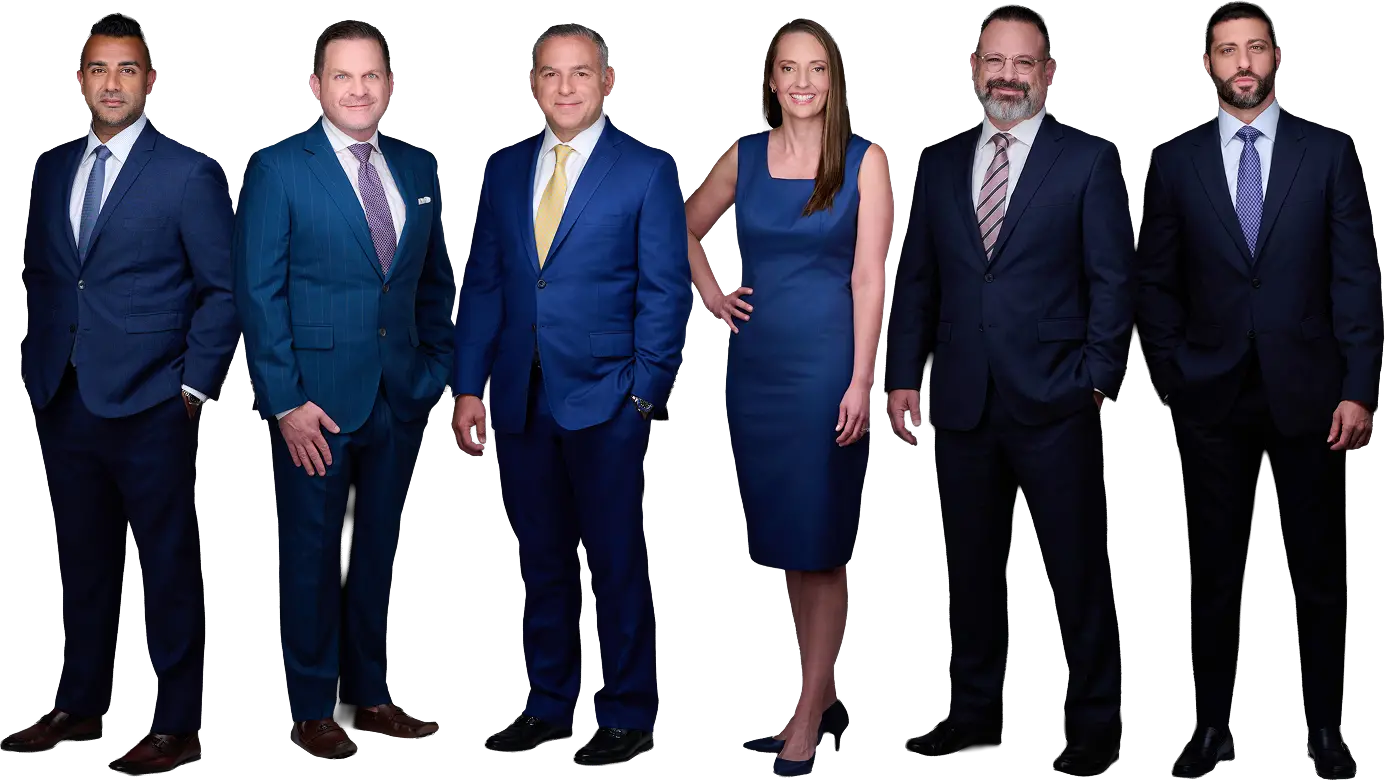

The Law Offices of Anidjar and Levine can review a policy, damage records, estimates, and an insurer’s decision to identify disputed coverage or repair issues. A lawyer can explainrelevant deadlines, help organize evidence, communicate with the insurer, and assess options such as reconsideration, negotiation, or appraisal when available under the policy. Because appraisal may address the amount of a covered loss but not coverage, the appropriate process depends on the dispute. For other legal matters, learn more about a Miami Personal Injury Lawyer. The following sections explain these issues and the steps you can take.
Main Takeaways
- A Miami property claim lawyer can review your policy, damage evidence, and the insurer’s coverage decision.
- Photograph damage promptly and preserve estimates, receipts, maintenance records, and insurer communications.
- Report the loss promptly, track deadlines, and respond accurately to reasonable requests for information.
- Disputes may concern coverage, damage causes, repair scope, claim delays, or settlement amounts.
- Resolution options may include reconsideration, negotiation, or policy appraisal, which generally addresses the amount of loss rather than coverage.
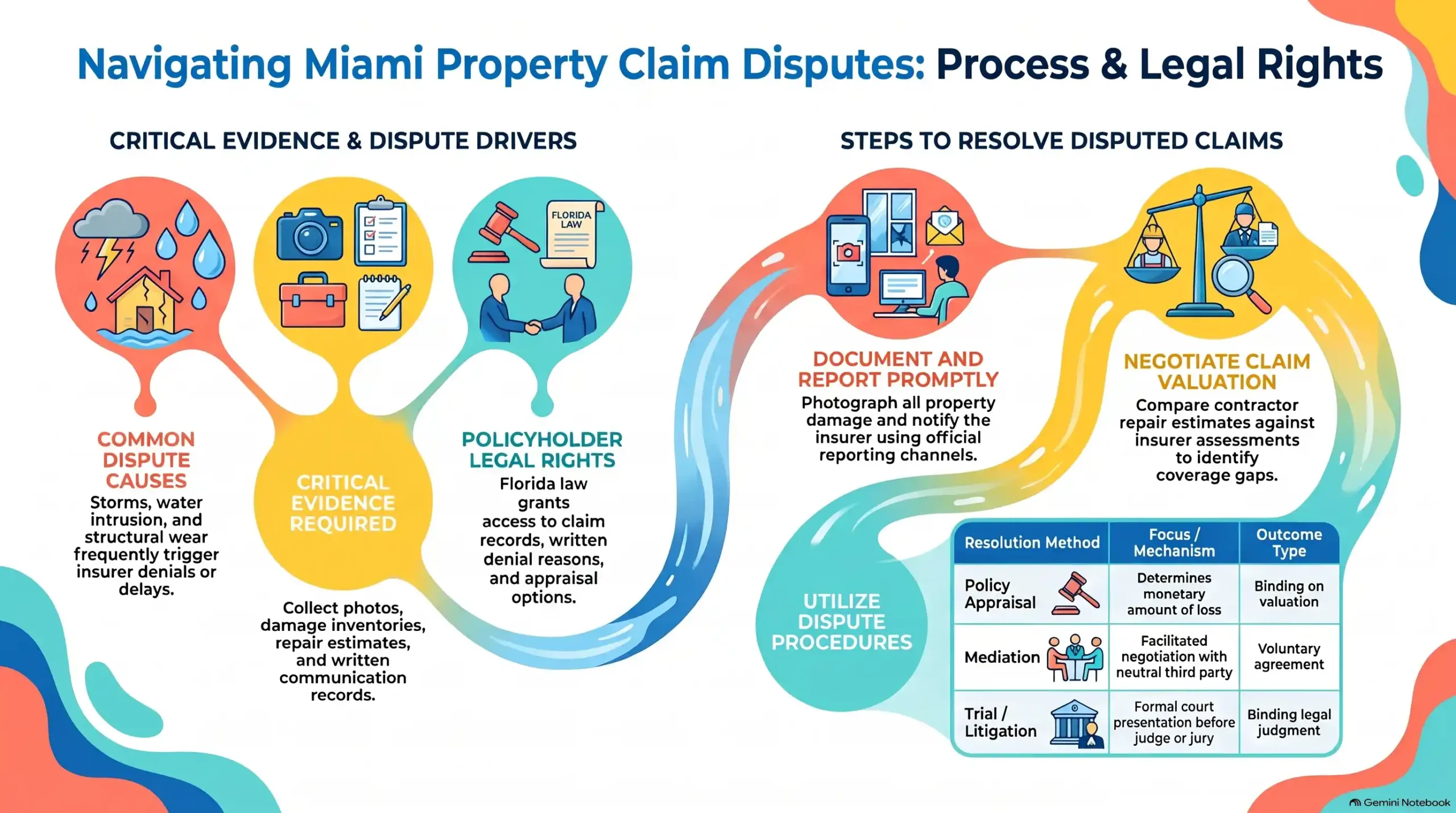


How We Can Help With Your Miami Property Claim Disputes & Process Injury Claim
When a property insurance claim is delayed, underpaid, or denied, an attorney can help Miami policyholders understand their options and pursue a fair resolution. Legal guidance can clarify policy terms, identify relevant deadlines, and help property owners make informed decisions while protecting their interests.
A lawyer may review claim records, repair estimates, photographs, and insurer communications to assess whether the response reflects the available evidence. Careful Coverage interpretation can help explain which losses may fall within the policy and what documentation may support a request for payment. When the parties disagree about the amount of damage, appraisal options may provide a structured way to obtain an independent valuation, subject to the policy’s terms.
Counsel can also communicate with insurers, organize supporting materials, and explain potential paths toward resolution. This assistance allows policyholders to focus on restoring their homes or businesses while their concerns receive careful attention. The goal is a clear, fair process that respects contractual rights and supports the people affected by property damage.
OUR CONSULTATIONSARE FREE
START YOUR FREE CASE REVIEW

Understanding Miami Property Claim Disputes & Process Injury Cases
Property claim disputes arise when an insurer and a policyholder disagree about coverage, the value of damage, or how a claim has been handled. In Miami, these disagreements may involve residential or commercial property and can affect a person’s ability to restore a home, reopen a business, or support others who depend on that property. Understanding the policy and the insurer’s stated position is an important first step.
Policy exclusions identify circumstances or types of loss that may not be covered, while limits and conditions shape the benefits available. Their application depends on the policy language and the facts of the claim. Appraisal clauses may provide a process for resolving disagreements about the amount of a covered loss, but they do not necessarily decide whether coverage applies. Careful review of correspondence, estimates, and policy terms can clarify the issues in dispute. A qualified attorney can explain available options, deadlines, and procedures, helping policyholders make informed decisions while pursuing a fair resolution.
Common Causes of Miami Property Claim Disputes & Process
Miami property claim disputes commonly arise after hurricanes and high winds, flooding or water intrusion, and damage to roofs or other structural components. Disagreements may concern the cause or extent of the loss and whether the policy covers the resulting repairs. Delayed investigations, inadequate settlement offers, and claim denials can further complicate the process.
Hurricane and Wind Damage
Hurricanes and severe windstorms can damage roofs, windows, exterior walls, and other parts of a building, while wind-driven rain may cause additional interior damage. After a storm, property owners may dispute whether damage resulted from wind, preexisting wear, or another cause. Insurers may also disagree with policyholders about repair scope, replacement costs, or whether particular materials can be matched. Clear photographs, timely reporting, and organized repair estimates can help establish the property’s condition and support an accurate assessment. Hurricane preparedness and wind mitigation measures, such as reinforced roof connections and protected openings, may reduce losses and provide useful documentation during claim review. When disputes arise, carefully comparing policy terms, inspection findings, and estimates can clarify issues and help parties pursue a fair resolution while protecting affected occupants and communities.
Flooding and Water Intrusion
Beyond wind damage, flooding and water intrusion can create separate coverage disputes, particularly when water enters through storm surge, rising groundwater, heavy rainfall, plumbing failures, or roof openings. Policy language may distinguish between surface water, sewer backup, and sudden plumbing leaks, so the source and timing of the loss can affect available coverage. Floodwater contamination may also require prompt assessment, especially when water carries sewage, chemicals, or other harmful materials into occupied areas. Insurers may dispute whether damage resulted from a covered event, an excluded flood, or delayed maintenance. Clear photographs, repair records, invoices, and professional evaluations can help document the extent and cause of the loss. Timely drying and mold remediation may reduce further harm, while careful claim records support accurate review and fair consideration of affected residents’ needs.
Roof and Structural Damage
When severe weather or aging materials compromise a roof, resulting structural damage can lead to disputes over the cause, scope, and cost of repairs. In Miami, high winds, heavy rain, and prolonged heat may weaken roofing systems, loosen connections, or expose underlying framing to moisture. A property inspection may identify roof truss failure, cracked supports, sagging ceilings, or damaged exterior walls, but determining whether these conditions resulted from a covered event or gradual deterioration can require careful review.
Structural concerns may also involve foundation settlement, which can produce uneven floors, wall cracks, and shifting door frames. These signs may have several causes, including soil movement, drainage conditions, or storm-related damage. Clear photographs, repair estimates, and qualified assessments can help property owners and insurers evaluate the evidence and define the necessary restoration work.
Claim Delays and Denials
Property claim delays and denials in Miami often arise from disputes over coverage, damage assessments, or the information needed to evaluate a loss. Insurers may request additional records, inspections, or proof of repairs before determining the amount payable. Disagreements can also occur when an insurer attributes damage to wear, maintenance issues, or an excluded cause rather than a covered event.
Policyholders serving tenants, employees, or community members may face added pressure when repairs remain unfinished. They can help move a claim forward by keeping organized records, responding promptly to reasonable requests, and documenting communications and property conditions. Claim payment timelines vary according to policy terms and applicable requirements, so each file should be reviewed carefully. If a claim is denied, the policyholder should examine the stated reasons and track denial appeal deadlines to preserve available options.
Don’t Wait. Call Our Florida Personal Injury Lawyers Now!


Legal Rights of Miami Property Claim Disputes & Process Injury Victims
What legal protections apply when a Miami property insurance claim is disputed? Florida law and the policy’s terms shape a policyholder’s rights, including access to claim information, fair consideration of covered losses, and the ability to challenge an insurer’s position. A careful review can help residents protect their households and preserve resources for neighbors or dependents who rely on them.
Key protections may include:
- A written explanation of the insurer’s coverage decision and relevant policy provisions.
- Access to records and communications concerning the claim, subject to applicable rules.
- Appraisal options when the policy provides a process for resolving disagreements about the amount of loss.
- The right to seek legal advice about deadlines, evidence, and available remedies.
Policyholders should retain the policy, photographs, estimates, receipts, and correspondence, and provide accurate information when requested. These steps can support a clear record for review. Because deadlines and procedures vary by policy and circumstances, qualified counsel can explain applicable rights without promising a particular outcome.
Why Do Miami Property Claim Disputes & Process Injuries Happen?
Miami property insurance claim disputes often arise when policyholders and insurers interpret the policy, damage evidence, or repair estimates differently. Storms, flooding, fires, and plumbing failures can cause damage that is difficult to assess, especially when conditions worsen over time or repairs reveal hidden problems. Disagreements may concern the cause of loss, the scope of necessary work, or the value of damaged property.
Breakdowns in insurer communication can add to these conflicts. Delayed responses, unclear explanations, or inconsistent requests for documentation may leave policyholders uncertain about how the claim is being evaluated. Policy language confusion is another frequent source of dispute, since exclusions, coverage limits, deductibles, and notice requirements can be difficult to apply to specific facts. Differences between contractor estimates and insurer assessments may further complicate negotiations.
These disputes can affect households and businesses that depend on timely repairs to maintain safe, usable spaces. Clear records and careful review of the claim process can help identify where interpretations diverge and why resolution may be contested.
What Should You Do After a Miami Property Claim Disputes & Process Injury?
After a property claim dispute or related injury, the claimant should promptly document all damage with photographs, records, and receipts. Notify the insurer without delay, and retain all communications and claim documents. A Miami property lawyer can assess the dispute, explain available options, and help protect the claimant’s interests.
Document the Damage
Prompt documentation can strengthen a property insurance claim when the damage or the insurer’s assessment is disputed. A careful record helps establish the condition of the property and supports a fair review of losses affecting residents, employees, or others who rely on the premises. Photographs and video should show each affected area from wide and close perspectives, with dates and brief notes identifying what is depicted. A written Damage inventory can list damaged items, approximate ages, purchase details, and observed conditions. Receipts, maintenance records, and prior photographs may help distinguish new damage from existing wear. Independent repair estimates can describe necessary work, materials, and projected costs. Store copies of all records securely, and preserve originals when possible. Accurate, organized evidence can clarify the scope of damage and assist later claim evaluation.
Notify Your Insurer
When property damage occurs, prompt notice to the insurer can help protect the claim and begin the review process. The policyholder should report the loss as soon as reasonably possible, using the insurer’s designated phone number, online portal, or written notice procedure. Prompt notice allows the company to assign an adjuster, inspect the property, and identify information needed to evaluate the claim. The report should state when and where the damage occurred, describe the affected areas, and explain any immediate steps taken to prevent further harm. The policyholder should keep a copy of the submission and record the date, contact person, and claim number. Reviewing the policy can clarify reporting requirements and policy deadlines. Timely, accurate communication supports an orderly review and helps preserve resources for those relying on the property.
Consult a Miami Lawyer
A Miami property insurance lawyer can help policyholders assess a disputed claim, understand relevant policy terms, and identify the next steps. During an Attorney consultation, the policyholder can explain the damage, describe communications with the insurer, and provide available records, such as photographs, estimates, and denial letters. This information supports a focused case evaluation and helps counsel identify deadlines, coverage questions, and possible documentation gaps.
A lawyer may also explain options for responding to a low settlement offer, requesting reconsideration, or pursuing dispute resolution. The policyholder should preserve receipts, repair records, and insurer correspondence, while avoiding unsupported statements about the loss. Prompt legal guidance can help protect the claim and clarify responsibilities. With a careful review, counsel can outline practical steps that support a fair resolution and allow the policyholder to make informed decisions.
Don’t Wait. Call Our Florida Personal Injury Lawyers Now!
Critical Evidence in a Miami Property Claim Disputes & Process Injury Case
Reliable evidence can clarify how an incident occurred, the injuries sustained, and the accounts of those present.
Essential materials may include:
- Incident-scene documentation showing hazards and surrounding conditions
- Photographs and videos capturing the scene and visible injuries
- Medical records and reports documenting diagnosis and treatment
- Witness statements and testimony describing what occurred
Together, these records can help establish the facts relevant to a property claim dispute.
Incident Scene Documentation
Prompt documentation of an incident scene can preserve vital evidence in a Miami property injury claim. A responsible property representative should secure the area promptly and record conditions before cleanup, repairs, or routine activity changes them. Establishing a clear Scene perimeter can protect visitors and staff while limiting disturbance to relevant evidence. The record should identify the location, date, time, people present, and any immediate safety measures taken. Staff observations should be documented separately, using factual descriptions rather than conclusions about fault. Timestamp records can help establish when the incident was reported, when the area was inspected, and when conditions changed. Consistent documentation supports a fair review and helps property owners respond responsibly to injured people. Records should be preserved securely and shared with authorized claims professionals when appropriate.
Photographs and Videos
When conditions at a Miami property may have contributed to an injury, photographs and videos can provide a clear record of the scene. Images may show hazards such as wet floors, damaged walkways, poor lighting, or missing warning signs before conditions change. Wide views can establish location, while close images may capture details relevant to how the incident occurred. Video footage from security systems or mobile devices can also document activity and timing.
For reliable use, retain the original files without edits, and consider metadata preservation when transferring or storing them. Timestamp verification can help establish when images were created, though device settings may require confirmation. A careful record of who captured each file and when it was obtained supports its credibility. These materials can help clarify disputed conditions and inform a fair claim review.
Medical Records and Reports
Medical records and reports can help establish the nature, timing, and extent of injuries claimed after an incident at a Miami property. Treatment notes, diagnostic images, test results, and discharge summaries may document symptoms and clinical findings from the initial evaluation through follow-up care. Consistent records can clarify how an injury developed and whether treatment recommendations were followed. A Medical Record Authorization may be required to obtain relevant documents from healthcare providers, subject to applicable privacy rules and the scope of the claim. Physician Narrative Reports can summarize diagnoses, treatment, prognosis, and any stated connection between the incident and the patient’s condition. Review these materials for accuracy, completeness, and consistency with the claimed losses. Careful documentation supports a fair assessment and helps guarantee that injured individuals receive appropriate consideration during the claims process.
Witness Statements and Testimony
Alongside medical records, witness statements and testimony can help establish how an incident occurred and what conditions were present at a Miami property. Witnesses may describe hazards, lighting, warning signs, maintenance activity, or the actions of those involved. Their observations can clarify details that photographs and records do not capture, including how long a dangerous condition existed and whether staff had notice.
Witness credibility depends on factors such as consistency, opportunity to observe, and the ability to recall events accurately. Promptly recorded statements can preserve important details before memories fade. In a dispute, sworn testimony allows witnesses to answer questions under oath and provides a formal account for evaluating the claim. Careful, respectful interviews help protect reliable evidence and support a fair assessment of responsibility, damages, and the needs of those affected.
Long-Term Effects of Miami Property Claim Disputes & Process Injuries
Property claim disputes can create ongoing financial strain as owners cover expenses while awaiting a resolution. Delayed repairs may worsen property damage and disrupt daily routines. The prolonged uncertainty can also contribute to lasting emotional stress.
Ongoing Financial Strain
When a Miami property claim remains disputed, the financial burden can continue well beyond the initial damage. Policyholders may need to cover temporary living costs, insurance deductibles, professional fees, and other expenses while awaiting a decision. These obligations can disrupt Household Budgeting, leaving less money available for vital needs or community commitments. If savings are limited, families may rely on credit cards or loans to manage routine bills, creating Credit Challenges that persist after the claim is resolved. Interest charges and missed payments can affect credit standing and restrict access to affordable financing. A prolonged dispute may also reduce financial flexibility, making it harder to plan for education, caregiving, or charitable responsibilities. Careful expense records and timely professional guidance can help policyholders understand their options and limit avoidable financial pressure during the claims process.
Delayed Property Repairs
Financial strain from a disputed Miami property claim can also delay repairs, particularly when policyholders lack funds to pay contractors before receiving insurance benefits. Unresolved damage may worsen over time, allowing moisture, mold, or structural deterioration to affect additional areas. Delays can also disrupt household routines and limit safe access to vital spaces. Prompt documentation and clear communication with the insurer may help establish the scope of covered work and reduce avoidable setbacks. Contractor coordination matters when several trades must address related damage, and repair scheduling can depend on inspections, approvals, material availability, and payment timing. Policyholders who serve family members, tenants, or neighbors may need to weigh their safety and access needs throughout the process. A qualified property claim professional can review disputed estimates and explain available options for moving repairs forward.
Lasting Emotional Stress
Prolonged disputes over Miami property claims can create lasting emotional stress, particularly when unresolved damage, repair delays, and uncertainty about insurance benefits disrupt daily life. Persistent concerns may affect sleep, concentration, relationships, and the ability to manage work or caregiving responsibilities. For residents already supporting family members or serving their communities, these pressures can make ordinary duties more difficult. Emotional resilience may be strengthened through reliable support, clear information, and practical steps toward documenting damage and tracking communications with the insurer. Anxiety management can also include setting manageable priorities and seeking guidance from qualified professionals when stress interferes with daily functioning. Legal counsel may help clarify available options and deadlines, reducing uncertainty without guaranteeing a particular outcome. Addressing emotional effects alongside property concerns can support steadier decision-making throughout the claims process.
Proving Liability in Miami Property Claim Disputes & Process Injury Cases
Proving liability in a Miami property claim dispute requires evidence that the property owner or another responsible party failed to meet a legal duty and that the failure caused the injury. Relevant evidence may include photographs, incident reports, maintenance records, witness accounts, and medical documentation. These materials can help establish how the hazard arose, whether it was known or should have been discovered, and whether reasonable steps could have prevented harm.
Florida liability standards depend on the circumstances, including the injured person’s status on the property and the nature of the danger. A claim may involve unsafe flooring, inadequate lighting, faulty stairs, or missing warnings. The injured person generally must connect the responsible party’s conduct to the specific injury, while the defense may dispute notice, causation, or the extent of harm.
Policy interpretation may also matter when coverage is disputed, but liability and insurance coverage are separate questions. Careful evidence preservation supports a fair assessment and helps those affected seek accountability through a clear, fact-based process.
Dealing With Insurance Companies After a Miami Property Claim Disputes & Process Injury
After a Miami property injury, an insurance company may investigate the incident, assess the available evidence, and decide whether to accept or dispute the claim. The injured person can help preserve a clear record by keeping photographs, medical information, witness details, and correspondence organized. Prompt, accurate responses to reasonable requests may support a fair review, but estimates or statements should be checked carefully before submission.
Adjuster communications may involve questions about how the injury occurred, its effects, and related expenses. The claimant should provide truthful information without guessing or minimizing symptoms. Recorded calls merit particular care; the person may ask what the call concerns and whether it will be recorded, then request clarification before answering uncertain questions. A written summary of significant conversations can help prevent misunderstandings.
When a dispute arises, a lawyer can review the insurer’s position, explain available options, and communicate on the claimant’s behalf. This support can help protect the injured person’s interests while keeping attention on recovery and responsibilities to others.
What to Expect During a Miami Property Claim Disputes & Process Injury Claim Process
A Miami property claim process typically begins with an initial review of the policy, reported loss, and available evidence. Damage documentation helps establish the scope of the claim, while insurer negotiations address coverage and compensation. If the parties cannot reach agreement, dispute resolution may provide a path forward.
Initial Claim Review
During the initial claim review, the insurer evaluates the reported property damage, available documentation, and applicable policy terms to determine how the claim should proceed. This stage sets the scope of the insurer’s inquiry and helps identify any questions that require clarification. A Policy review considers relevant limits, exclusions, conditions, and deadlines that may affect the claim. The coverage assessment then examines whether the reported event and resulting loss fall within the policy’s protections. The insurer may request additional information or explain which provisions guide its decision. Claimants should review communications carefully and respond within stated timeframes to help keep the process orderly and accurate. When a claim involves a home or business serving the community, a clear understanding of the review can support responsible planning while preserving the claimant’s ability to address a disputed decision.
Damage Documentation
Accurate damage documentation helps establish the scope and cause of a property loss in a Miami insurance claim. Photographs and video should record affected rooms, structural materials, and damaged belongings before cleanup or repairs alter the scene. Written notes can identify when damage appeared, which areas were affected, and any steps taken to limit further harm. For water losses, Moisture mapping can help locate damp materials and track drying conditions, including areas not visible on the surface. A contents inventory should list damaged items with descriptions, approximate ages, purchase information, and supporting images when available. Receipts, repair estimates, inspection reports, and maintenance records may provide additional context. Organized, dated records help preserve an accurate account for the claim file and assist those responsible for evaluating the loss. Store documentation securely and update it as conditions change.
Insurer Negotiations
Once the insurer has reviewed the claim materials, negotiations may address the scope of covered damage, repair costs, and the amount payable under the policy. The policyholder may submit estimates, invoices, photographs, and other records supporting the requested payment. The insurer may respond with its own valuation, request clarification, or explain how policy terms affect its assessment. A clear Settlement strategy considers documented losses, applicable coverage limits, deductibles, and the practical needs of restoring the property. Effective negotiation tactics include presenting organized evidence, responding promptly to questions, and requesting written explanations for adjustments or exclusions. These exchanges can help both sides understand the basis of their positions and identify areas of agreement. Careful communication may support a fair evaluation while preserving resources needed for repairs and the property’s safe return to use.
Dispute Resolution
When negotiations do not resolve a property claim, the policyholder and insurer may pursue other dispute-resolution options. Mediation options allow both parties to meet with a neutral facilitator who helps clarify disagreements and explore a voluntary settlement. The mediator does not decide the claim, so each side retains control over whether to accept proposed terms. If the dispute concerns the amount of a covered loss, the appraisal process may provide another path. Each party selects an appraiser, and those appraisers assess the damage and attempt to agree on its value. A neutral umpire may resolve differences when the appraisers cannot reach agreement. Policy language and applicable requirements determine whether appraisal is available or mandatory. Careful preparation, organized evidence, and timely responses can support a fair review while helping the policyholder pursue resolution responsibly.
Compensation for Miami Property Claim Disputes & Process Injury Damages
Compensation in a Miami property claim dispute depends on the policy terms, the documented damage, and the insurer’s handling of the claim. A property owner may seek payment for covered repairs or replacement, subject to policy limits, deductibles, exclusions, and applicable conditions. Photographs, repair estimates, receipts, inspection reports, and records of communications can help establish the scope and value of a loss. When the parties disagree about the amount of damage, Policy appraisal may provide a method for resolving valuation disputes, if the policy allows it. Appraisal does not necessarily determine coverage questions, which may require separate review.
A careful assessment also considers the settlement’s tax treatment. Settlement taxation can vary according to what the payment replaces and the recipient’s circumstances, so qualified tax advice may be appropriate before funds are allocated or reported. Clear documentation and timely attention to policy requirements can support a fair resolution. Those seeking to protect homes, businesses, and community resources benefit from understanding available remedies and the limits of their coverage.
Economic vs. Non-Economic Damages in Miami Property Claim Disputes & Process Cases
In Miami property claim disputes, economic losses may include repair costs, replacement expenses, and other measurable financial harm. Non-economic harm can involve disruption, inconvenience, or emotional distress, depending on the claim and applicable law. Establishing either category requires reliable evidence that connects the claimed damages to the dispute.
Economic Losses
Economic losses in Miami property claim disputes generally include measurable financial harm caused by property damage, such as repair costs, temporary housing expenses, lost rental income, and damaged personal property. These amounts are commonly supported by invoices, estimates, receipts, lease records, and other documentation linking the expense to the covered event. For a business, Business interruption losses may include reduced revenue and continuing operating costs while damaged premises remain unusable. Property owners seeking to protect tenants, employees, or customers may also need to account for reasonable mitigation expenses, such as emergency repairs or relocation costs. Policy terms, coverage limits, deductibles, and exclusions can affect which losses are recoverable. A clear, organized record of the damage and resulting financial impact can help insurers evaluate claims and resolve disputes fairly.
Non-Economic Harm
Non-economic harm refers to personal effects such as stress, inconvenience, or loss of use that may accompany property damage. In Miami property claim disputes, these effects can disrupt daily routines and make a home or business less comfortable, safe, or accessible. Emotional distress may arise when damage threatens privacy, stability, or a sense of security. Residents may also experience diminished enjoyment of spaces they once relied on for rest, family activities, or community service. These concerns differ from repair costs and other measurable financial losses, though both may follow the same event. Their relevance depends on the circumstances and applicable law. A fair assessment recognizes that property damage can affect people beyond a building’s physical condition, while treating personal impacts with care and avoiding assumptions about what any claimant has experienced.
Proving Damages
Proving damages in a Miami property claim dispute requires evidence connecting the loss to the incident and supporting the amount sought. Economic damages may include reasonable repair costs, replacement expenses, and documented losses tied to property damage. Photographs, invoices, receipts, maintenance records, and contractor reports can help establish the property’s condition and the work required. An Independent damage appraisal may provide an impartial assessment, while a repair cost estimate can clarify the expected expense of restoring the property. Records should distinguish incident-related damage from preexisting conditions and support each claimed amount.
Non-economic harm may involve disruption, inconvenience, or loss of use, where applicable under the governing policy and law. Clear timelines and consistent documentation can help explain these effects. Accurate, organized evidence allows insurers, courts, and affected parties to evaluate claims fairly and supports a resolution grounded in the actual loss.
Don’t Wait. Call Our Florida Personal Injury Lawyers Now!
When a Miami Property Claim Disputes & Process Injury Case Goes to Trial vs Settlement
A Miami property damage claim may proceed to trial when the parties cannot resolve disputes over coverage, the cause or extent of the damage, or the amount of compensation owed. A trial allows each side to present evidence, question witnesses, and ask a judge or jury to decide the disputed issues. Trial preparation may include organizing repair records, expert opinions, photographs, and testimony to explain the loss and support the requested recovery.
Settlement can resolve a claim without a courtroom decision. Through settlement evaluation, the parties compare the available evidence, likely trial outcomes, potential costs, and the time required to continue the dispute. A negotiated agreement may provide a timely resolution and allow property owners to focus on restoring homes or businesses and serving their families, employees, or communities. However, a settlement generally requires agreement on its terms, while trial leaves the outcome to the court. The appropriate path depends on the strength of the evidence, unresolved disagreements, and each party’s priorities.
Florida Laws That May Affect Your Miami Property Claim Disputes & Process Case
When a property loss occurs in Miami, Florida law may shape how the claim is reported, investigated, and resolved. Policy terms and state requirements can affect what information an insurer receives, how damage is evaluated, and which dispute procedures are available. A careful review helps property owners make informed decisions while preserving resources needed to support families, employees, tenants, or community services.
Florida law and policy terms can shape how Miami property claims are reported, evaluated, and resolved.
Relevant rules may concern:
- Prompt notice to the insurer, subject to applicable Florida notice deadlines and policy language.
- Documentation such as photographs, repair estimates, receipts, and records of damaged belongings.
- Insurer inspections and communications, which can influence the assessment of covered damage.
- Appraisal provisions, which may offer a process for resolving disagreements about the amount of loss when applicable.
Coverage depends on the policy wording and circumstances, and statutory requirements can change. A qualified professional can explain how current law applies, identify procedural concerns, and help claimants communicate accurately with insurers. These steps can support a fair review without promising a particular outcome.
The Statute of Limitations for Miami Property Claim Disputes & Process Injury Cases
Because filing deadlines can affect whether a property claim dispute proceeds, Miami property owners should identify the limitation period that applies to their specific claim. Florida law sets deadlines for filing lawsuits, and the applicable period may depend on the policy, the type of loss, and when the damage occurred or was discovered. Missing a deadline can prevent a court from considering a claim, even when the underlying loss is substantial.
Policyholder deadlines may also arise before litigation. Insurance policies can require prompt notice, cooperation, documentation, or compliance with other conditions. Appraisal clauses may provide a process for resolving disputes about the amount of a covered loss, but they do not necessarily extend the deadline for filing a lawsuit. Property owners seeking to protect their households, tenants, or communities should keep records of damage, communications, and claim decisions, and note relevant dates. Because exceptions and policy language can affect timing, each claim’s deadlines require careful review before they expire.
How a Miami Property Claim Disputes & Process Lawyer Can Help You
Effective legal guidance can help Miami property owners handle insurer disputes and understand the steps required to protect a claim. A lawyer can organize the record, assess the insurer’s position, and explain available options in clear terms. This support can help owners restore damaged homes or businesses while preserving resources for employees, tenants, and neighbors who depend on them.
Counsel may assist by:
- Reviewing photographs, repair estimates, invoices, and inspection reports to identify gaps or conflicting assessments.
- Providing Policy interpretation to clarify coverage terms, exclusions, deadlines, and documentation duties.
- Communicating with adjusters, presenting supporting evidence, and responding to requests for additional information.
- Explaining appraisal clauses and coordinating qualified professionals when a valuation disagreement requires review.
A lawyer can also evaluate whether the insurer’s handling aligns with the policy and applicable requirements, then outline practical steps for resolving the dispute. By bringing structure to intricate paperwork and negotiations, legal counsel can help property owners make informed decisions and pursue a fair assessment without losing sight of the people affected by the damage.
When to Contact a Miami Property Claim Disputes & Process Lawyer
Early legal guidance can help property owners preserve evidence and avoid preventable delays in a disputed insurance claim. A lawyer may be contacted soon after damage occurs, particularly when the cause or extent of loss is uncertain. Early consultation can help owners understand reporting deadlines, document conditions, and communicate clearly with the insurer while records remain available.
Legal guidance may also be appropriate when an insurer requests extensive documentation, questions the cause of damage, or issues a payment that appears inconsistent with repair estimates. If a claim is delayed, denied, or reduced, prompt review can clarify what information may be needed and what steps are available under the policy. Policy interpretation can be especially important when coverage terms, exclusions, or deadlines are unclear.
Owners who manage property for families, tenants, or community organizations may benefit from timely advice to support responsible decisions and reduce disruption. Contacting counsel before signing a release or accepting a final settlement can help make certain the proposed resolution is understood.
Why You Need an Experienced Miami Property Claim Disputes & Process Lawyer
An experienced Miami property claim disputes and process lawyer can help property owners handle policy requirements, evaluate insurer decisions, and respond to disagreements over coverage or payment. When damage affects a home, business, or community facility, clear guidance can help owners protect their interests while restoring property and serving those who depend on it.
Policy interpretation is central to many disputes. An attorney can review coverage terms, exclusions, deadlines, and claim duties, then explain how they may apply to the loss. This review can identify whether an insurer’s position is supported by the policy and whether additional documentation or a formal response may be appropriate.
Attorney experience also matters when evaluating estimates, investigating the cause and extent of damage, and organizing records that support a claim. Counsel can communicate with insurers, address requests for information, and help owners understand available dispute procedures. With informed assistance, property owners can make measured decisions, preserve important evidence, and pursue a fair resolution without losing sight of their responsibilities to families, employees, tenants, or neighbors.
How to Choose the Right Miami Property Claim Disputes & Process Lawyer for Your Case
Choosing the right Miami property claim disputes and process lawyer requires careful consideration of the lawyer’s experience, communication practices, and familiarity with the issues involved in the claim. A suitable candidate should have handled property insurance disputes involving circumstances similar to the claimant’s, such as denied, delayed, or underpaid claims. Reviewing the Attorney’s credentials, including licensing status and relevant professional experience, can help assess whether the lawyer is prepared to handle the matter responsibly.
Clear communication is also important. The lawyer should explain the claim process, discuss potential challenges, and provide timely updates so clients can make informed decisions. Prospective clients may ask who will manage the case and how questions will be answered. They should also review fee structures and understand which costs may arise before signing an agreement. Carefully comparing qualifications, communication standards, and costs can help a claimant select counsel equipped to pursue a fair resolution while respecting the interests of those relying on the property.
About The Law Offices of Anidjar & Levine
The Law Offices of Anidjar & Levine represents clients in property insurance disputes, including claims involving damage, delays, denials, or inadequate payments.
The firm helps policyholders understand their options and pursue fair consideration of covered losses.
Its work may involve reviewing policy terms, organizing supporting records, communicating with insurers, and seeking resolution through negotiation or litigation when appropriate.
Firm history provides context for the firm’s approach to client service.
Since its founding, the practice has represented individuals and families facing legal challenges, with a focus on clear communication and practical guidance.
In property disputes, this service-oriented focus can help clients make informed decisions during a difficult recovery process.
Attorney leadership shapes case strategy and oversight.
The firm’s attorneys assess the facts, explain relevant procedures, and identify potential next steps based on each claim.
Clients can ask questions about documentation, deadlines, and available remedies.
The firm advocates for policyholders while providing measured guidance, so they can focus on restoring their homes and supporting their families.
Frequently Asked Questions
Can I Reopen a Property Insurance Claim After It Has Been Closed?
A closed property insurance claim may sometimes be reopened, but approval depends on the policy, applicable deadlines, and the circumstances. Claim Reopening may be possible when new damage is discovered, an estimate was incomplete, or a payment decision requires review. The insurer will assess the Closure Reasons and supporting evidence. The policyholder should promptly submit a written request, relevant records, and photographs, while checking policy terms and seeking qualified guidance if the insurer denies reconsideration.
What Happens if My Property Insurer Becomes Insolvent During My Claim?
If a property insurer becomes insolvent during a claim, the Florida guaranty association may assume responsibility for eligible covered claims, subject to statutory limits and exclusions. The claimant may need to submit documentation, cooperate with the association, and pursue any remaining recovery through the insurer’s receivership. Prompt action matters because insolvency claim deadlines can restrict available remedies. Coverage, payment timing, and required procedures depend on the policy, loss date, and applicable Florida law.
Can I Dispute an Appraisal Award From My Property Insurance Claim?
Yes, a policyholder may dispute an appraisal award, but the available grounds are limited and depend on the policy and applicable law. Challenging Award arguments may include fraud, bias, misconduct, or a decision beyond the appraisers’ authority. Appraisal Errors alone, such as disagreement with the valuation, generally may not justify setting the award aside. A qualified professional can review the appraisal record, policy terms, and deadlines to assess options and protect the claimant’s interests.
Will Filing a Property Claim Affect My Future Insurance Premiums?
Filing a property claim can affect future insurance premiums, but an increase is not automatic. Insurers may consider Claim frequency, the type and cost of the loss, prior claims, and applicable state rules when setting renewal rates. Premium adjustments may also reflect broader market conditions or property risk factors. A policyholder should review the policy, ask the insurer how a claim may affect renewal, and weigh potential costs against needed repairs.
Can My Mortgage Lender Receive Part of My Property Insurance Settlement?
Yes, a mortgage lender may receive part of a property insurance settlement when the policy names it as a mortgagee, particularly for significant structural damage. Mortgagee settlement rights commonly allow the lender to be included on joint insurance checks, protecting its financial interest in the property. The homeowner and lender may need to endorse the check, and funds may be released in stages as repairs progress. Policy terms and state law govern the process.
—————————
Property claim disputes can involve complicated policy language, strict deadlines, and disagreements over the value or cause of damage.
A Miami property claim disputes lawyer can review the available evidence, explain the policyholder’s rights, and pursue an appropriate resolution.
The Law Offices of Anidjar and Levine helps clients evaluate their options and navigate the claims process.
Prompt legal guidance may help protect important records and preserve available remedies when an insurer delays, denies, or underpays a claim.
For other legal matters, visit our Miami Personal Injury Lawyer page.