The Law Offices of Anidjar and Levine helps Gainesville car accident victims with broken bone injuries protect their claims, document losses, and pursue compensation when negligence caused or contributed to the crash.
Our Gainesville Car Accident Lawyer gathers police reports, medical imaging, witness details, vehicle photos, and insurance records while investigating every liable party.
The team addresses medical care, lost income, pain, scarring, reduced mobility, and future treatment needs.
These steps can strengthen a fracture injury claim and support a fair recovery.
Main Takeaways
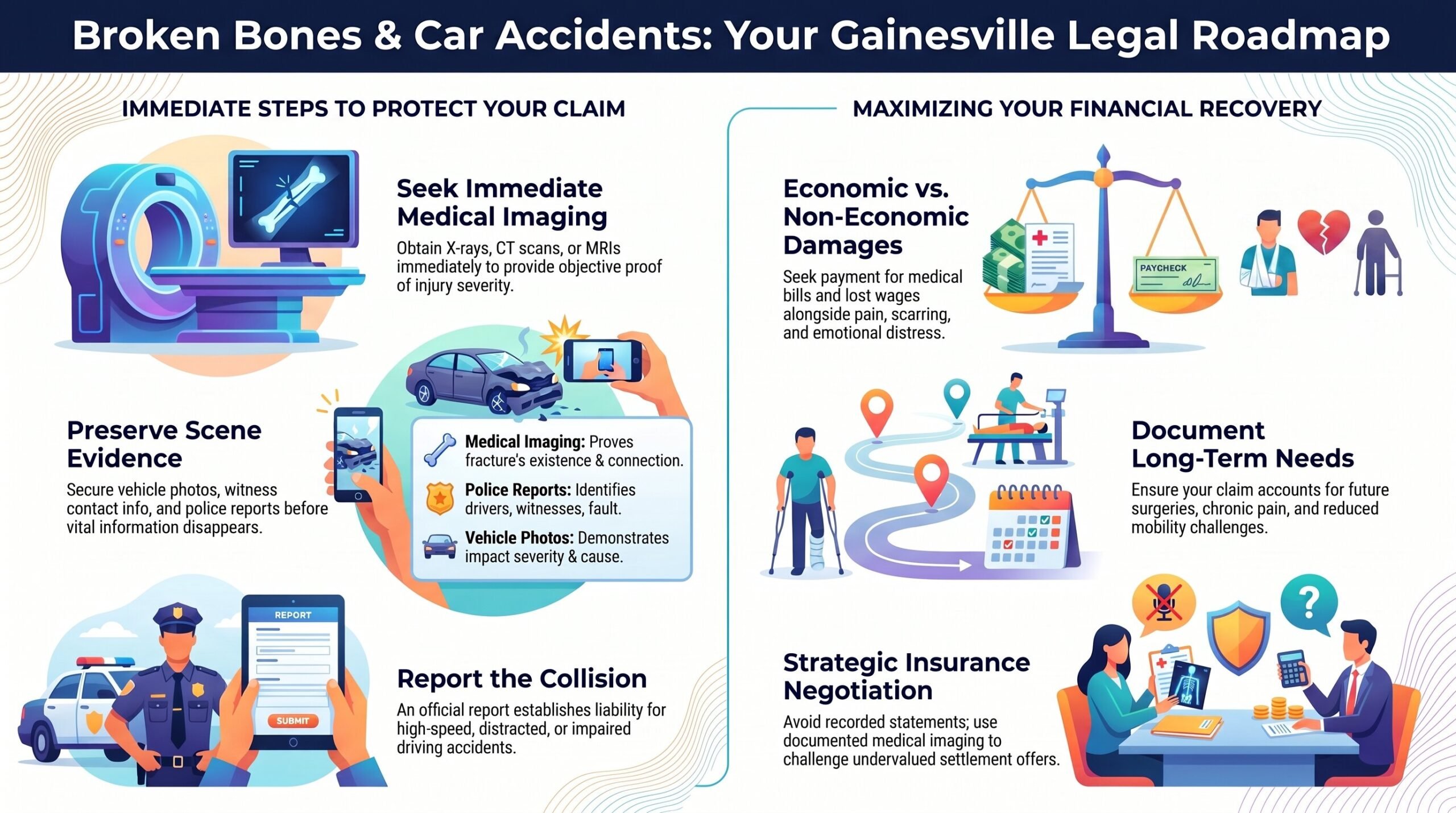
- Seek immediate medical care for suspected fractures, including X-rays, CT scans, or MRIs to document injury severity.
- Preserve crash evidence with photos, witness contacts, police reports, vehicle data, and insurance communications.
- A Gainesville lawyer can investigate fault, including negligent drivers, employers, vehicle owners, or other responsible parties.
- Compensation may include medical bills, surgery, rehabilitation, lost wages, reduced earning capacity, pain, scarring, and emotional distress.
- Legal support helps handle insurers, track deadlines, document losses, and pursue litigation if settlement offers are unfair.


How We Can Help With Your Gainesville Broken Bone Car Accident Injury Claim
After a serious crash leaves you with a broken bone, we can take immediate steps to protect your claim and reduce the pressure on you. We begin by listening to your priorities, then we organize the legal work so you can focus on mending and supporting those who rely on you. Our team uses Evidence preservation checklists to secure photographs, vehicle data, witness details, medical records, and insurance communications before vital information disappears.
We also conduct thorough liability investigations to identify all parties that may share responsibility, including negligent drivers, employers, vehicle owners, and other accountable entities. We handle insurer contact, track deadlines, document losses, and prepare your claim with care.
If settlement discussions do not reflect the harm you suffered, we’re ready to advance your case. Throughout the process, we keep you informed, answer questions promptly, and work to pursue fair compensation for your medical care, lost income, and future needs.
OUR CONSULTATIONSARE FREE
START YOUR FREE CASE REVIEW

Understanding Gainesville Broken Bone Car Accident Injury Cases
A strong claim starts with seeing how broken bone injuries happen, how they’re documented, and how they affect your daily life. We help you see the full picture, from emergency treatment and imaging to follow-up care, work limits, and long-term recovery needs. A fracture may seem straightforward, yet it can involve surgery, hardware, therapy, reduced mobility, and pain that limits your ability to serve your family, workplace, or community.
We review medical records carefully, including orthopedic reports, diagnostic scans, and any nerve-damage evaluations that indicate complications beyond the fracture itself. We also examine how your benefits apply, including PIP coverage options, to identify available resources and preserve your claim’s value.
When we see your injury in practical terms, we can present its human and financial impact accurately. You merit guidance that respects your responsibilities, protects your rights, and supports a recovery focused on stability.
Common Causes of Gainesville Broken Bone Car Accident
We often see broken bone injuries in Gainesville car accidents caused by high-speed collisions, distracted driving crashes, impaired driver accidents, and intersection impacts. These crashes can place sudden, extreme force on your body, leading to fractures that require immediate medical care and careful legal review. As we examine these common causes, we’ll help you understand how driver negligence may affect your injury claim.
High-Speed Collisions
When vehicles collide at high speeds, the force of impact can overwhelm the body’s ability to absorb trauma and often leads to serious fractures. We see broken arms, legs, ribs, hips, and spinal injuries after crashes where speed greatly increases stopping force. Reckless speeding reduces reaction time, lengthens braking distance, and makes a safe recovery less likely when traffic conditions change.
For you and the people you serve, these injuries can disrupt mobility, work, caregiving, and daily independence. We review collision investigations, vehicle damage, roadway evidence, medical records, and witness accounts to identify how excessive speed contributed to the harm. By connecting the crash dynamics to the fracture pattern, we help present a clear claim for accountability, medical care, lost income, and long-term recovery needs.
Distracted Driving Crashes
Because a distracted driver can miss stopped traffic, red lights, pedestrians, or a sudden lane change, these crashes often cause impacts strong enough to break bones. We recognize how quickly driver distraction can turn an ordinary trip into a serious medical crisis. When someone looks at a phone, adjusts navigation, eats, or reaches for an item, that brief inattention may prevent safe braking or evasive action.
Texting violations are especially dangerous because they combine visual, manual, and mental distraction. If you suffered a fracture in a Gainesville crash, we examine phone records, witness statements, vehicle data, and crash reports to identify negligent conduct. We work to protect your recovery, support your family’s stability, and hold careless drivers accountable through a focused, evidence-based injury claim.
Impaired Driver Accidents
Impaired driving creates another serious threat on Gainesville roads, especially when alcohol, drugs, or certain medications slow reaction time and impair judgment. When an impaired driver causes a crash, the force can leave you with fractures that require surgery, therapy, and time away from work or service responsibilities. We help examine evidence of impaired driving, including officer observations, field sobriety test results, toxicology reports, and witness statements.
We also consider Breath test accuracy, because improper calibration, poor administration, or medical factors may affect the reliability of results. By reviewing these details, we can connect the driver’s impairment to the collision and your broken bones. Our goal is to support your recovery, protect your rights, and pursue compensation that reflects your losses with care and disciplined advocacy.
Intersection Crash Injuries
At busy Gainesville intersections, a single unsafe decision can cause a violent side-impact, head-on, or rear-end collision that fractures arms, legs, ribs, hips, or facial bones. We often see these crashes when drivers run red lights, misjudge turns, tailgate at signals, or fail to yield while rushing through congested corridors. Intersection signal compliance issues can place careful motorists, pedestrians, cyclists, and service workers in immediate danger.
Crosswalk visibility lapses also matter, especially near schools, hospitals, churches, and community facilities where people depend on attentive driving. We help you understand how timing, sightlines, witness accounts, and traffic camera evidence may show fault. When you’re recuperating from broken bones, we focus on accountability, medical documentation, and the support your recovery requires after a serious intersection crash.


Legal Rights of Gainesville Broken Bone Car Accident Injury Victims
After a crash in Gainesville, broken bone injury victims have the right to seek compensation when another driver’s negligence caused or contributed to the collision.
We help you understand those rights, protect your claim, and pursue recovery that supports your care, work, and family responsibilities.
- You may seek payment for medical treatment, surgery, rehabilitation, medication, and future care needs.
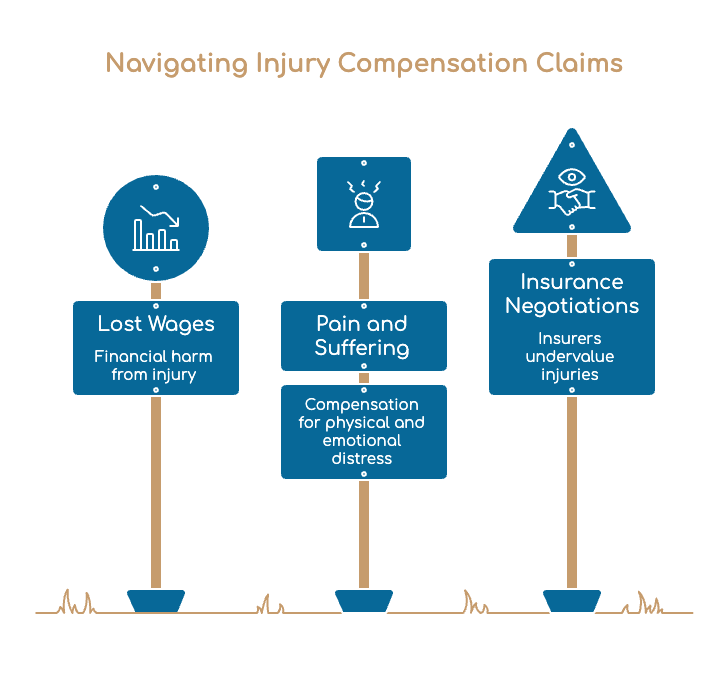
- You may claim lost wages, reduced earning capacity, and related financial harm caused by the injury.
- You may pursue compensation for pain, limitations, scarring, emotional distress, and loss of daily function.
- You may receive legal support during insurance negotiations, especially when insurers undervalue fractures or related trauma.
We also examine whether a broken bone connects with another serious condition, such as a spinal injury, because complete documentation can strengthen your claim. By acting promptly, we preserve evidence, meet deadlines, and help you pursue a fair result.
Why Do Gainesville Broken Bone Car Accident Injuries Happen?
Understanding your legal rights also requires knowing why these injuries occur, because the cause of the crash often determines who may be liable. In Gainesville, fractures commonly result from high-impact forces during rear-end, side-impact, head-on, and rollover collisions. We often see Broken Bone Mechanisms involving direct trauma, twisting forces, crushing pressure, or sudden bracing against impact. Your arms, legs, ribs, pelvis, and spine can fracture when the body absorbs more energy than it can withstand.
Negligent driving frequently creates these conditions. Speeding, distracted driving, impaired driving, unsafe lane changes, and failure to yield can place careful people in devastating situations. We also recognize that Vehicle Safety Failures may contribute, including defective airbags, weak seatbacks, faulty seat belts, or poorly designed crash structures.
Road hazards, unsafe intersections, and commercial vehicle misconduct may also play a role. By identifying the true cause, we help protect accountability and support safer conduct throughout our community.
What Should You Do After a Gainesville Broken Bone Car Accident Injury?
After a Gainesville car accident causes a broken bone, we must act quickly to protect your wellness and your claim. We’ll help you understand why prompt medical attention, a timely crash report, and preserved injury evidence can strengthen your case. These steps create a clear record of what happened, how you were hurt, and what compensation you may need.
Seek Medical Attention
When a crash causes a suspected bone injury, we should seek medical attention immediately, even if the injury seems manageable at first. Prompt evaluation protects health, supports recovery, and helps us care responsibly for those who depend on us. Bone Symptoms may include swelling, bruising, deformity, severe pain, numbness, or difficulty moving a limb. Some fractures are not obvious, especially after adrenaline masks pain.
We should allow medical professionals to assess the injury, order imaging, and explain Emergency Treatment Options. Treatment may involve immobilization, medication, reduction, surgery, or follow-up care with an orthopedic healthcare provider.
By acting quickly, we reduce the risk of complications, including nerve damage, internal bleeding, infection, or improper recovery. We should follow discharge instructions and attend every recommended appointment.
Report The Crash
Because a crash involving a broken bone can involve serious injuries and disputed facts, we should report the collision to law enforcement as soon as possible. A prompt report supports Scene Safety, helps direct Emergency Response, and creates an official record for everyone affected. If you’re able, move to a safe location, check on others, and wait for officers to arrive. We should give clear, accurate facts, without guessing or accepting blame.
When officers ask questions, answer respectfully and identify any immediate medical needs. We should also Collect Witnesses by asking nearby drivers, passengers, or bystanders to remain available for the report. If they can’t stay, request their Contact Information so investigators can follow up. Serving others after a crash begins with calm action, honest reporting, and cooperation.
Preserve Injury Evidence
To protect a broken bone claim, we should preserve injury evidence from the earliest possible moment. If it is safe to do so, we can photograph vehicle positions, skid marks, traffic signals, debris, weather conditions, and visible injuries before cleanup occurs. Accident scene preservation helps show how the crash happened and why another driver’s conduct caused harm.
We should also save medical records, discharge papers, prescriptions, braces, casts, and damaged personal items. These materials help connect the collision to the fracture and its limits on daily service, work, and care for others. Witness statement capture matters as well. We can collect names, phone numbers, and brief observations from people who saw the crash. When we act quickly and carefully, we strengthen the truth and support a fair claim.
Critical Evidence in a Gainesville Broken Bone Car Accident Injury Case
We understand strong evidence can shape the outcome of your Gainesville broken bone car accident injury case, so we focus on preserving the proof that connects the crash to your fracture. Essential evidence often includes: 1. Police accident reports, 2. Medical imaging records, 3. Witness contact information, and 4. Vehicle damage photos. We use these materials to support liability, document the severity of your injury, and pursue the compensation you’re entitled to seek.
Police Accident Reports
After a serious crash in Gainesville, the police accident report often becomes one of the first documents we review when evaluating a broken bone injury claim. It identifies drivers, witnesses, vehicles, insurance information, citations, roadway conditions, and the officer’s initial observations. We use it to build an accident chronology that helps you understand what happened and how fault may be proven.
We also look for references to dashcam footage, body camera recordings, 911 calls, and scene photographs that may support your claim. When details are missing or inaccurate, we compare the report with witness statements and other evidence. Our goal is to protect your rights, clarify responsibility, and help you pursue compensation that supports your recovery and continued service to your family and community.
Medical Imaging Records
When a crash causes a suspected fracture, medical imaging records often provide the clearest proof of the injury’s existence, severity, and connection to the collision. We review each X-ray, CT scan, and MRI to understand where the bone broke, whether the fracture displaced, and how the injury may affect your recovery. These records help us present accurate injury documentation, not assumptions, when we communicate with insurers or prepare a claim for litigation.
We also compare imaging dates with the crash timeline, emergency treatment, and follow-up care. That process helps demonstrate that you acted responsibly by seeking medical care and following your provider’s recommendations. When we organize these records carefully, we strengthen your claim and support the fair recovery you need to continue serving your family and community.
Witness Contact Information
Medical imaging can prove the fracture, but witness contact information can help prove how the crash happened and who caused it. We encourage you to gather names, phone numbers, emails, and brief statements from anyone who saw the collision, helped at the scene, or heard admissions afterward. Accident eyewitnesses often clarify speed, traffic signals, lane position, distraction, impairment, and the sequence of impact.
We use this information to contact witnesses promptly, preserve their recollections, and compare their accounts with police reports, emergency records, and medical records. Reliable witness testimony can support your claim when the at-fault driver denies responsibility or insurers question causation. By securing these contacts early, we help protect your case and serve your recovery with disciplined, evidence-based advocacy.
Vehicle Damage Photos
At the crash scene, vehicle damage photos can provide critical proof of impact severity, collision angles, and the forces that caused your broken bone injuries. We encourage you to document crushed panels, broken glass, airbag deployment, skid marks, and final vehicle positions when it’s safe. These images help us connect the mechanics of the collision to your fractures and medical treatment.
Scene photo preservation also protects details that may disappear after towing, repairs, or changes in weather. We look for traffic light evidence, roadway markings, debris patterns, and nearby cameras that may support your account. If you cannot take photos, ask a trusted person to help. By preserving this evidence, we serve your case, strengthen accountability, and help pursue fair compensation with diligence.
Long-Term Effects of Gainesville Broken Bone Car Accident Injuries
We understand a broken bone from a Gainesville car accident can affect your life long after the initial treatment ends. We consider chronic pain risks, reduced mobility challenges, and future medical needs when evaluating the full impact of your injury. By addressing these long-term consequences, we help you understand what fair compensation should account for.
Chronic Pain Risks
Although a broken bone may appear to recover once the cast comes off or the hardware stabilizes the fracture, many Gainesville car accident victims continue to face chronic pain long after the initial injury. Persistent pain can affect your ability to work, care for family, and serve others consistently. Fractures can leave lingering inflammation, scar tissue, joint stress, or Nerve Damage that causes burning, stabbing, or aching sensations.
When pain remains untreated or poorly managed, some patients also face Medication Overuse, which may create dependency concerns or reduce the medicine’s effectiveness. We closely examine medical records, treatment plans, and expert opinions to illustrate how chronic pain affects daily life. Your long-term suffering merits careful documentation and a claim that reflects its seriousness.
Reduced Mobility Challenges
Chronic pain often works hand in hand with reduced mobility, especially when a fracture affects the legs, hips, pelvis, spine, shoulders, or wrists. We acknowledge that limited mobility can affect your ability to serve your family, return to work, or assist others with daily responsibilities. A serious crash may leave you unable to climb stairs, drive, lift objects, or move safely without support.
In some cases, reduced mobility also requires prosthetic recovery planning, adaptive equipment, or wheelchair accessible home modifications. We look closely at how these limitations affect your independence, household duties, and community involvement. When we evaluate a claim, we consider not only the fracture itself, but also the practical barriers it creates, so your losses are presented with accuracy, dignity, and purpose.
Future Medical Needs
Many broken bone injuries require medical planning that extends well beyond the initial emergency treatment. We help you consider future medical needs when fractures may affect your work, caregiving duties, or ability to serve your community. Follow-up appointments, imaging, orthopedic evaluations, and possible surgeries can create lasting demands. Rehabilitation planning also matters, because physical therapy, assistive devices, and home modifications may support recovery and reduce further harm.
We also examine disability impacts that may develop after serious crashes, including chronic pain, reduced strength, limited range of motion, and permanent restrictions. These concerns can influence medical costs, earning capacity, and daily responsibilities. When we evaluate your claim, we focus on clearly documenting these needs so that your recovery plan reflects both current treatment and foreseeable long-term care.
Proving Liability in Gainesville Broken Bone Car Accident Injury Cases
Proving liability in a Gainesville broken bone car accident case requires clear evidence showing who caused the crash, how the collision occurred, and how the impact led to the fracture. We begin by Determining Fault through a careful review of the roadway facts, driver conduct, traffic laws, and any contributing hazards. You merit a thorough approach that protects your ability to recover and helps restore stability after a serious injury.
We use an Evidence Checklist to organize police reports, crash photographs, vehicle damage, medical records, witness statements, video footage, and expert analysis when needed. Each item helps connect the negligent act to your broken bone, whether the crash involved speeding, distraction, failure to yield, or impaired driving.
We also examine whether multiple parties share responsibility. By building a clear liability record, we serve your interests with discipline, accuracy, and purpose, preparing your claim for the strongest possible presentation.
Dealing With Insurance Companies After a Gainesville Broken Bone Car Accident Injury
After a Gainesville crash causes a broken bone, how you deal with insurance companies can affect the value and direction of your claim. We know that you may want to cooperate, provide answers, and help resolve matters quickly. Still, adjusters often seek statements or details that reduce the company’s responsibility.
We encourage you to protect your interests before giving recorded statements or accepting early offers. Strong Medical Documentation, including imaging results, surgical notes, treatment plans, and work restrictions, helps show the true impact of the fracture. It also supports the care you need to recover and continue serving your family, workplace, and community.
Our Negotiation Strategies focus on accuracy, patience, and preparation. We review policy issues, challenge undervalued losses, and present evidence that reflects your pain, limitations, and future needs. By handling insurer communications carefully, we help you pursue fair compensation without unnecessary risk or pressure.
What to Expect During a Gainesville Broken Bone Car Accident Injury Claim Process
We help you understand each stage of a Gainesville broken-bone car accident injury claim, beginning with thorough medical documentation and timely filing of your insurance claim. We’ll also guide you through the evidence collection process, including records, witness statements, and crash-related proof that supports your damages. From there, we prepare for settlement negotiations, protect your interests, and work to pursue fair compensation for your injury.
Initial Medical Documentation
When a car crash causes a broken bone, the medical records created in the first hours and days often become the foundation of the injury claim. We encourage you to seek prompt treatment, follow every medical instruction, and keep copies of all records related to your care. Emergency room charts, imaging reports, discharge papers, referrals, and Doctor Visit Notes help show the severity of the fracture and the treatment timeline.
We also review Medication Documentation, including prescriptions, dosage changes, and pain management instructions, because these details help explain daily limitations. As we serve you, we look for clear links between the collision, the diagnosis, and the recommended care. Accurate documentation protects your voice, supports your recovery story, and helps present the full effect of the injury.
Insurance Claim Filing
Once your medical care is underway, the insurance claim usually begins with notice to the involved carriers and a careful review of available coverage. We help you report the crash, identify all applicable policies, and preserve your right to seek compensation without unnecessary delay. This stage may involve your PIP benefits, the at-fault driver’s liability coverage, uninsured motorist protection, or other available sources.
We conduct a policy limits analysis to understand how much insurance may respond to your broken bone injury claim. If an insurer refuses coverage or misstates its obligations, we can address Coverage denial appeals with focused legal action. By managing communications, deadlines, and claim requirements, we protect your position while you concentrate on recovering and supporting those who rely on you.
Evidence Collection Process
After the claim is opened and coverage has been identified, the strength of your case depends on the evidence gathered to prove fault, injury severity, and financial loss. We move quickly to secure police reports, crash photos, vehicle damage records, medical imaging, treatment notes, and proof of missed work. We also help you avoid Evidence preservation mistakes, such as repairing a vehicle too soon, deleting photos, or delaying medical care.
When others witnessed the collision, we assess the credibility of witness statements by reviewing consistency, timing, vantage point, and any possible bias. We may request traffic camera footage, business surveillance, and roadway evidence before it disappears. By organizing this information carefully, we support your claim with reliable evidence and help present your injuries accurately and with dignity.
Settlement Negotiation Steps
As evidence develops into a clear picture of fault, medical impact, and financial loss, we begin preparing for settlement negotiations with a focused demand package. We organize Evidence preservation materials, medical documentation, wage records, repair estimates, and witness accounts so the insurer can evaluate your claim accurately. Then, we present a settlement strategy that reflects your treatment needs, pain, limitations, and long-term responsibilities to those who depend on you.
We also explain the negotiation timeline, including the insurer’s review period, counteroffers, and opportunities to resolve disputed issues. Throughout this process, we protect you from rushed decisions and undervalued offers. If negotiations stall, we reassess leverage, strengthen supporting proof, and prepare for litigation while continuing to pursue a fair resolution that supports your recovery and service to others.
Compensation for Gainesville Broken Bone Car Accident Injury Damages
For many Gainesville crash victims, compensation for a broken bone injury must account for far more than the initial emergency room bill. We help you pursue a recovery that reflects the full impact of the fracture, the treatment path, and the disruption caused by the collision. When we build your claim, we focus on clear proof, timely records, and a credible presentation that insurers must take seriously.
We also work to protect your Negotiation leverage by identifying every responsible party, preserving medical evidence, and addressing documentation errors before they weaken your claim. Even small gaps in records, inaccurate accident details, or unclear treatment notes can give an insurer room to dispute responsibility or reduce payment.
Our role is to serve your interests with discipline and care. We organize the evidence, communicate with insurers, and press for compensation that supports your recovery while allowing you to focus on restoration and your responsibilities.
Economic vs Non-Economic Damages in Gainesville Broken Bone Car Accident Cases
We separate your damages into economic losses, such as medical bills and lost wages, and non-economic losses, such as pain and emotional distress. We assess how the broken bone has affected your treatment, work, daily activities, and long-term health. We also gather the evidence needed to clearly prove your injury damages, so your claim reflects the full impact of the crash.
Medical Bills And Lost Wages
When a broken bone follows a Gainesville car accident, the financial impact often begins with emergency care and continues through surgery, rehabilitation, follow-up visits, and time away from work. We help you document these economic losses so your claim reflects the full cost of treatment, including imaging, casts, hardware, prescriptions, transportation, and pain management services ordered by your doctors. We also calculate lost wages, reduced hours, missed overtime, and diminished earning capacity when your injury limits your ability to work.
If an insurance denial delays payment, we respond with records, proof of wages, and medical opinions that support your claim. We also explain how treatment progress, billing disputes, and employment documentation may affect the settlement timeline, helping you make informed decisions while continuing to serve your family and community.
Pain And Emotional Distress
Medical bills and wage losses show only part of the harm caused by a broken bone after a Gainesville car accident. We also look at pain, fear, disrupted routines, and the quiet strain placed on families who step in to help. Non-economic damages address these human losses, including physical suffering, sleep problems, anxiety while riding in vehicles, and limits on caring for others.
When a crash also involves Traumatic brain symptoms, emotional repair can become more intricate and require sustained support. We help you understand how these losses fit within the legal timeline, without reducing your experience to receipts alone. An evidence checklist may guide discussions, but your daily limitations, dignity, and recovery needs remain central to valuing pain and emotional distress with care.
Proving Injury Damages
Although every broken-bone claim depends on the specific facts, proving injury damages usually starts by separating economic losses from non-economic harm. We help you connect medical bills, lost income, prescriptions, therapy, and future care to the crash through careful documentation of your injuries. Objective evidence, including imaging studies, treatment records, and physician opinions, supports these measurable losses and strengthens damages valuation.
Non-economic damages require a different showing. We present how pain, limited mobility, sleep disruption, and reduced independence affect your service to family, work, and community. Your testimony matters, but so does witness credibility, so we gather statements from caregivers, coworkers, and others who observe your daily limitations. By building both categories with discipline, we aim to secure compensation that reflects the full impact of your fracture.
When a Gainesville Broken Bone Car Accident Injury Case Goes to Trial vs Settlement
After a Gainesville car accident causes a broken bone, we evaluate whether settlement or trial offers the strongest path to full compensation. We study your medical records, recovery limits, work loss, and future care needs, then compare those losses against the insurer’s position.
A fair settlement can protect your time, reduce stress, and support your family sooner. We monitor the settlement timeline closely, especially when you’re focused on restoring and serving those who depend on you. If the insurer undervalues the fracture, surgery, rehabilitation, or long-term pain, we use strong evidence to increase our negotiating leverage.
A trial may become necessary when the defense refuses to accept accountability. Our Trial strategy centers on clear proof, credible witnesses, and practical explanation of how the injury changed your daily service, work, and responsibilities. At trial, a jury decision determines the result, so we prepare each case as though that moment may come.
Florida Laws That May Affect Your Gainesville Broken Bone Car Accident Case
Whether your case resolves through settlement or trial, Florida law shapes the value, timing, and strategy of your Gainesville broken bone car accident claim. We help you understand these rules so you can protect your recovery while continuing to care for your family, work, and community.
- Florida no-fault rules usually require injured people to seek benefits through personal injury protection coverage first, regardless of who caused the crash.
- Comparative fault can reduce compensation if an insurer argues you share responsibility, so we gather evidence that clearly explains what happened.
- Serious injury standards may affect whether you can pursue pain, suffering, and other damages beyond basic insurance benefits.
- The punitive damages impact may matter when conduct involved drunk driving, extreme recklessness, or intentional disregard for safety.
We review each legal issue carefully, explain your options, and build a claim that reflects your medical needs, financial losses, and long-term responsibilities.
The Statute of Limitations for Gainesville Broken Bone Car Accident Injury Cases
When a car accident causes a broken bone, Florida’s statute of limitations can determine how long you have to file a lawsuit for your injuries. In most Florida negligence cases, we look to a two-year deadline from the date of the accident. Missing that deadline can bar recovery, even when your fracture required surgery, rehabilitation, or long-term care.
We also consider how timing affects proof. Medical records, crash reports, witness statements, and vehicle data can become harder to obtain over time. Evidence spoliation notices may help preserve crucial materials, such as surveillance footage or electronic crash information, before they disappear.
Comparative negligence rules can also affect the value of your claim if another party argues you share fault. Acting within the legal timeframe protects your ability to pursue accountability while supporting your recovery, your family, and the people who depend on your care and service.
How a Gainesville Broken Bone Car Accident Injury Lawyer Can Help You
Because a broken bone can affect your work, mobility, and long-term health, we help you build a claim that reflects the full impact of the crash. We review medical records, crash evidence, wage losses, and daily limitations, then connect those facts to the compensation you need to keep serving your family and community.
A broken bone claim should reflect how the crash affects your work, mobility, health, and daily life.
- We identify all available coverage, including No-Fault Insurance, bodily injury coverage, and other responsible parties.
- We document treatment, future care needs, pain, and functional limits with clear evidence from qualified providers.
- We handle insurer communications, challenge low offers, and protect you from statements that may weaken your claim.
- We pursue related damages, and when a crash causes a fatal injury, we guide families through Wrongful Death Claims with care.
Our role is to give your case structure, protect your rights, and pursue a result that supports recovery and responsibility.
When to Contact a Gainesville Broken Bone Car Accident Injury Lawyer
After a crash that leaves you with a suspected or confirmed fracture, you should contact a Gainesville broken bone car accident injury lawyer as soon as your immediate medical needs are stable. We recommend reaching out before speaking in detail with insurance representatives, signing forms, or accepting any payment.
Early contact helps us understand what happened while facts remain fresh. You can support that effort by keeping discharge papers, imaging results, prescriptions, and referral notes in one organized place. Preserve medical receipts, including copays, mobility aids, therapy costs, and travel expenses for appointments. These records help show how the injury affects your recovery and ability to serve your family, workplace, and community.
You should also track treatment progress through follow-up visits, pain levels, work restrictions, and changes in daily function. If surgery, therapy, or long-term care becomes necessary, prompt legal guidance helps protect deadlines and maintain accurate documentation from the start.
Why You Need an Experienced Gainesville Broken Bone Car Accident Injury Lawyer
Although a broken bone may seem straightforward, a car accident fracture claim often requires careful proof of fault, injury severity, and future medical needs. We help you connect the collision to your fracture through records, witness details, imaging, and Treatment Evidence that insurers may otherwise minimize. Different types of broken bones can affect mobility, work capacity, caregiving duties, and long-term independence in very different ways.
We also guide you through the Gainesville Court Timeline, so deadlines, filings, and required documentation don’t jeopardize your recuperation. When you’re focused on recuperating, supporting your family, or returning to service in your community, we manage the legal burden with discipline and purpose.
Experience matters because insurers often dispute pain, limitations, and future care. We build a Negotiation Strategy that accounts for medical expenses, lost income, rehabilitation, and lasting impairment. With focused advocacy, we pursue compensation that reflects the full impact of your injury.
How to Choose the Right Gainesville Broken Bone Car Accident Injury Lawyer for Your Case
Choosing the right Gainesville broken bone car accident injury lawyer starts with evaluating whether the attorney can prove both liability and the full medical impact of your fracture. We look for counsel who understands crash investigations, orthopedic treatment, lost income, and long-term limitations, because each factor affects the value of your claim.
During initial consultations, we should ask how the lawyer gathers evidence, works with medical providers, and prepares for negotiations or trial. Strong Client communication also matters. You merit regular updates, clear explanations, and prompt answers, especially when your recovery already requires patience and discipline.
We should also discuss contingency fees, so you understand costs before the case begins. Ask about case timelines, including insurance reviews, medical progress, settlement talks, and possible litigation. The right lawyer will serve your best interests with diligence, protect your legal rights, and help you pursue compensation that supports your recovery, stability, and responsibility to those who rely on you.
About The Law Offices of Anidjar & Levine
The Law Offices of Anidjar & Levine represents injured people in Gainesville and across Florida with a focus on responsive service, thorough case preparation, and practical legal guidance.
We help you understand your rights after a crash, especially when broken bones disrupt your work, mobility, and ability to care for others.
Our Client consultation process gives you a clear starting point.
We listen to what happened, review available evidence, identify potential insurance issues, and explain the steps we can take on your behalf.
We aim to reduce your burden while you focus on medical care and recovery.
We also discuss contingency fee expectations at the outset, so you understand how payment works before moving forward.
You don’t pay attorney’s fees unless we recover compensation for you.
When we handle your case, we pursue accountability with diligence, communication, and respect for the service-minded priorities that guide your daily life.
Frequently Asked Questions
Can I Switch Doctors During My Broken Bone Injury Treatment?
Yes, you can switch doctors during broken bone treatment, but we recommend planning the switch carefully. You’ll want to preserve treatment continuity, promptly transfer records, and follow medical advice without gaps. We also suggest documenting why the change serves your recovery, especially if others depend on your care and stability. A well-managed transfer protects your health, supports consistent healing, and helps avoid questions about treatment delays or necessity.
Will Preexisting Bone Conditions Affect My Accident Claim?
Yes, preexisting bone conditions can affect your accident claim, but they don’t eliminate it. We help you show how the crash worsened your condition or caused a new fracture. Documented Medical History supports that distinction, while Bone Density Evidence may clarify vulnerability and injury severity. You’ll need clear medical opinions linking the trauma to your losses. We pursue fair compensation while respecting your need to recover and serve others.
How Long Does Fracture Recovery Usually Take After a Crash?
Fracture recovery after a crash usually takes six to twelve weeks, though severe breaks may require longer. We help you understand Emergency recovery timelines, including surgery, immobilization, and follow-up care. You should track patterns of pain progression because worsening pain, swelling, or reduced function may signal complications. We encourage careful documentation, consistent treatment, and service-minded patience, so your recovery record clearly reflects the injury’s impact and your ongoing needs.
Can Delayed Fracture Symptoms Still Be Linked to My Accident?
Yes, delayed fracture symptoms can still be linked to your accident. We often see a late symptom appear after swelling, adrenaline, or other injuries mask pain. To protect your health and serve those depending on you, we’d seek prompt evaluation, imaging, and follow-up care. Medical linkage depends on timely records, consistent complaints, and a physician’s opinion connecting the fracture to the crash. Don’t ignore new pain, weakness, or limited movement.
Should I Post About My Accident or Injuries Online?
No, we shouldn’t post about your accident or injuries online. Privacy concerns, evidence reliability, and social media impact can affect your claim, even when your intent is honest. Insurers may use photos, comments, or location details against you. We recommend keeping updates private, saving evidence, and directing witnesses to update your attorney. By protecting your information, we help preserve accuracy, accountability, and your ability to serve your recovery responsibly.
—————————
If you suffered a broken bone in a Gainesville car accident, The Law Offices of Anidjar and Levine is ready to protect your rights and pursue the compensation you are entitled to.
Our team can handle the legal process, communicate with insurers, gather evidence, and help you understand each step of your claim.
Prompt action can strengthen your case and preserve important proof.
Contact us today for a free consultation with a Gainesville Car Accident Lawyer.