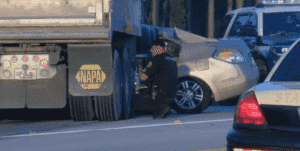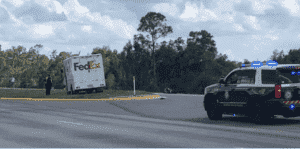
The Law Offices of Anidjar and Levine help Fort Myers truck crash victims with traumatic brain injury claims by acting quickly to protect evidence and strengthen medical proof.
We coordinate care documentation, secure crash reports and witness contacts, and obtain key trucking records like driver logs, GPS, and black-box data before they’re lost. We pursue compensation for hospital treatment, rehabilitation, lost income, and long-term support, while identifying liability across drivers, carriers, and contractors.
Learn more by visiting our Fort Myers Truck Accident Lawyer page for essential steps and deadlines that can affect your case.
Main Takeaways
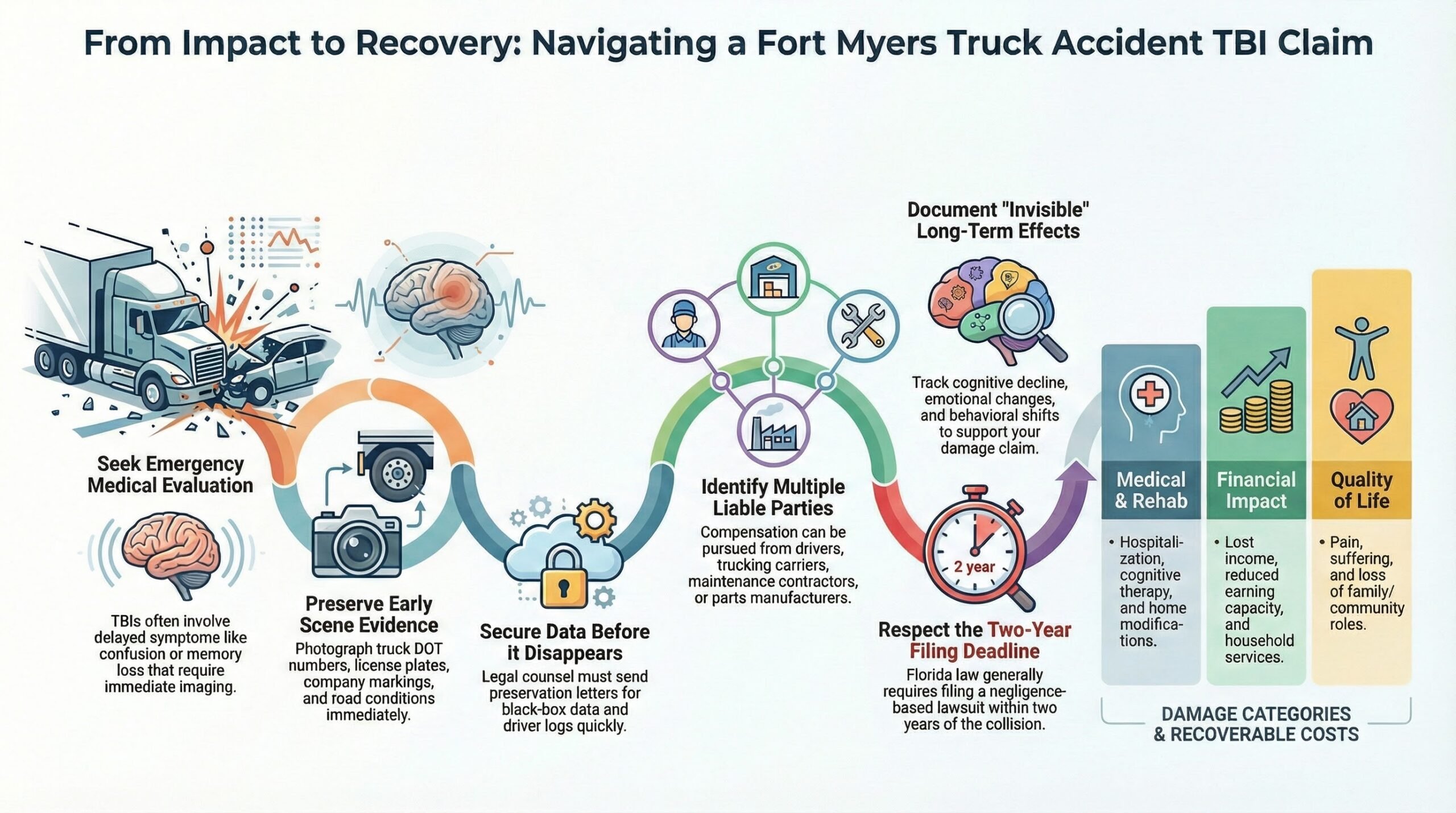
- Seek emergency evaluation for any head-impact symptoms after a Fort Myers truck crash; traumatic brain injury can worsen quickly without treatment.
- Photograph truck DOT numbers, plates, company markings, road conditions, and injuries to preserve early evidence supporting a TBI claim.
- Collect witness names and statements, and avoid discussing fault; accurate early accounts and documentation strengthen liability and causation.
- A lawyer can send preservation letters for black-box data, driver logs, GPS, dispatch records, and maintenance files before they’re lost.
- Track medical visits, imaging, therapy, and cognitive changes; thorough documentation supports compensation for long-term rehabilitation and lost income.


OUR CONSULTATIONSARE FREE
START YOUR FREE CASE REVIEW

How We Can Help With Your Fort Myers Truck Accident Traumatic Brain Injury Claim
Although a truck crash can leave you dealing with confusing symptoms and mounting medical demands, we can step in quickly to protect your traumatic brain injury claim in Fort Myers.
We’ll listen closely, organize immediate next steps, and keep your focus on recuperation while we manage the legal workload with disciplined timelines.
We begin with evidence preservation, sending notices to prevent lost records, securing crash reports, and coordinating the retrieval of crucial documents before they disappear.
We also work with your providers to document changes in memory, concentration, and mood, so your medical file reflects what you’re experiencing day to day.
When treatment plans become complex, we assist with rehabilitation coordination, aligning therapy schedules, referrals, and progress updates to keep your recovery path consistent.
We calculate current and projected losses, communicate with insurers on your behalf, and prepare a clear claim presentation that supports fair compensation without unnecessary delays.
Understanding Fort Myers Truck Accident Traumatic Brain Injury Cases
When a Fort Myers truck accident causes a traumatic brain injury, we often see a case that turns on details most people don’t recognize at first, including subtle symptom progression, timing of medical findings, and the overlap between physical, cognitive, and emotional impairment.
We encourage you to seek prompt evaluation, because early documentation often clarifies whether confusion, headaches, sleep disruption, or personality changes reflect a brain injury rather than ordinary stress.
Truck-related brain injuries can unfold subtly—prompt evaluation and early documentation help distinguish TBI symptoms from ordinary stress.
We also rely on objective evidence where available.
Neuroimaging advancements can help identify bleeding, swelling, or diffuse injury patterns and support treating providers’ opinions when symptoms appear inconsistent from day to day.
At the same time, we consider the human impact, including work capacity, family roles, and the need for supervision.
In many cases, progress depends on structured care plans that integrate therapy, follow-up testing, and rehabilitation technologies to restore function and promote long-term independence for you and those who rely on you.


Common Causes of Fort Myers Truck Accident Traumatic Brain Injuries
When we evaluate Fort Myers truck crashes that result in traumatic brain injuries, we often find that preventable factors set the collision in motion.
We’ll discuss how driver fatigue and distraction, speeding and aggressive driving, and improper cargo loading can turn a routine trip into a catastrophic impact.
We’ll also address brake or tire failures and why these mechanical issues frequently point to missed maintenance or safety violations.
Driver Fatigue And Distraction
Because commercial trucking demands long hours and constant attention, driver fatigue and distraction remain two of the most common causes of Fort Myers truck crashes that lead to traumatic brain injuries.
When a driver pushes past safe limits, slowed reaction time and poor judgment can turn ordinary traffic into a life-altering impact for the people we aim to protect.
We often see fatigue build during overnight routes, under tight delivery schedules, or with inadequate rest, creating conditions where brief lapses can become catastrophic.
Distraction also plays a major role, especially when phones, GPS devices, paperwork, or in-cab screens pull attention from the road.
Even a moment of visual distraction can prevent a driver from noticing stopped vehicles or changing conditions.
Micro sleep prevention requires strict hours-of-service compliance, honest trip planning, and a culture that values safety over schedules.
Speeding And Aggressive Driving
Pushing speed limits and driving aggressively put everyone on Fort Myers roads at immediate risk, especially alongside heavy commercial trucks.
When a truck driver speeds, stopping distances lengthen, reaction time shortens, and the force of impact increases, increasing the likelihood of traumatic brain injuries.
We also see crashes triggered by abrupt lane changes, unsafe passing, and tight merges that fail to account for a truck’s wide turns and large blind spots.
Road rage escalates these hazards by replacing judgment with impulse, turning routine traffic into a high-speed confrontation.
Tailgating risks are especially severe near tractor-trailers, because small vehicles have little room to brake while trucks may not see them.
We encourage safe spacing and patience to protect neighbors and families.
Improper Cargo Loading
Aggressive driving isn’t the only factor that turns a routine trip into a catastrophic truck crash in Fort Myers, as improperly loaded cargo can create the same sudden, uncontrollable danger.
When freight shifts, a driver can’t correct in time, and the trailer may sway, tip, or jackknife into surrounding lanes, placing attentive motorists at risk.
We often see overloaded trailers that exceed safe weight limits, increasing instability and reducing a driver’s ability to maintain control through curves, merges, and stop-and-go traffic.
Unsecured loads can spill into the roadway, striking vehicles directly or forcing evasive actions that lead to violent impacts and traumatic brain injuries.
If you serve others on the road, we’ll help you identify who failed to load, secure, or supervise that cargo.
Brake Or Tire Failures
Too often, brake or tire failures turn an otherwise manageable situation into a high-speed emergency, leaving a truck driver with little time or distance to react.
When a brake malfunction reduces stopping power on I-75 or a crowded Fort Myers surface road, the truck may jackknife, rear-end slower vehicles, or push cars into barriers, raising the risk of traumatic brain injury.
Tire blowouts can be just as destructive, especially when the driver loses directional control or the trailer sways into adjacent lanes.
We can serve you best by identifying whether maintenance lapses, worn components, or ignored inspection reports contributed to the failure.
We’ll gather service records, evaluate defect notices, and work with qualified experts so accountability is clear and your recovery needs are addressed properly.
Legal Rights of Fort Myers Truck Accident Traumatic Brain Injury Victims
When a Fort Myers truck crash causes a traumatic brain injury, we still have clear legal rights under Florida law to pursue accountability and financial recovery.
After a Fort Myers truck crash causes a traumatic brain injury, Florida law still protects our right to pursue accountability and recovery.
We can seek damages from negligent drivers, trucking companies, maintenance contractors, or parts manufacturers, depending on who failed to act with reasonable care.
We also have the right to demand full, documented compensation that reflects both immediate losses and long-term consequences, including access to rehabilitation and future supportive services.
Our role is to serve you by protecting your claim from unfair delay, shifting blame, or low valuations through disciplined Insurance negotiation.
We gather records, preserve crucial evidence, and present a clear narrative of how the injury changed daily function, work capacity, and family responsibilities.
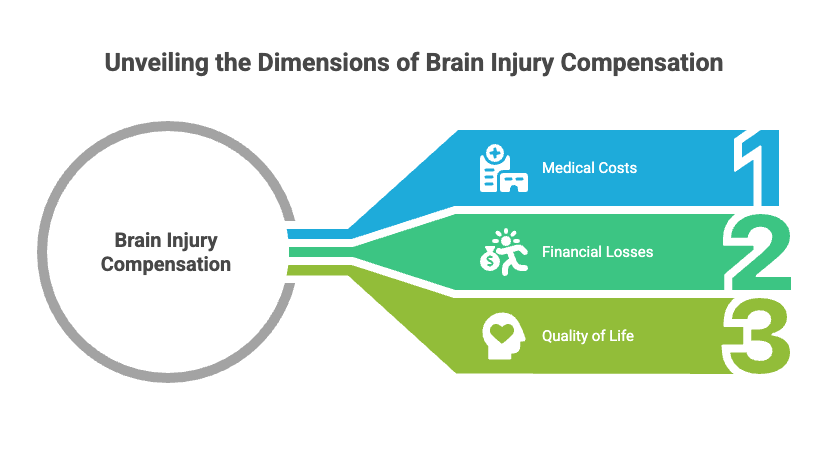
- Medical costs, therapy, and assistive needs tied to brain injury limitations
- Lost income, reduced earning ability, and household service replacement value
- Pain, suffering, and diminished quality of life are supported by credible proof
Steps to Take After a Fort Myers Truck Accident Traumatic Brain Injury
After a Fort Myers truck accident that may involve a traumatic brain injury, we’ll act quickly and guide you through the first vital steps.
We’ll prioritize emergency medical care, then document the crash scene and your symptoms in detail to preserve essential evidence and support your recovery.
We’ll also help you contact a TBI lawyer promptly so we can protect your rights and manage communications with the insurer and trucking company.
Seek Emergency Medical Care
In the minutes following a Fort Myers truck crash, we should treat a potential traumatic brain injury as a medical emergency and seek immediate care.
Even when we feel alert, bleeding or swelling in the brain can worsen quickly, so we should call 911 and request evaluation by paramedics.
We can serve everyone’s safety by keeping the scene calm, helping others remain still, and watching for confusion, vomiting, unequal pupils, slurred speech, or loss of consciousness.
Let responders handle transport logistics, since improper movement can aggravate head and neck injuries.
At the hospital, we should insist on an immediate assessment, including neurological checks and imaging when indicated.
We should also follow discharge instructions closely, return promptly if symptoms escalate, and prioritize rest while clinicians guide next steps.
Document Crash And Injuries
Amid the shock of a Fort Myers truck crash, we should document the scene and our injuries as thoroughly as we can without compromising medical care or safety.
If we’re able, we can take photographic evidence of vehicle positions, road conditions, skid marks, debris, traffic signals, and visible injuries, including bruising or swelling that may worsen later.
We should record the truck’s company name, DOT numbers, license plates, and any cargo markings, since these details often matter.
We can also collect witness statements by asking bystanders for their names, phone numbers, and a brief account of what they saw, then noting the time and location.
We shouldn’t argue fault at the scene; instead, we should preserve facts, support responders, and protect others from further harm.
Contact A TBI Lawyer
Once we’ve preserved the facts at the scene and documented our injuries, we should contact a traumatic brain injury (TBI) lawyer as soon as our immediate medical needs allow.
Early counsel helps us protect others by ensuring responsible parties are held accountable and dangerous practices are corrected.
We can share what we recall, provide photographs, witness details, and our medical records, so counsel can evaluate causation and damages with precision.
A lawyer can also send preservation letters, coordinate with treating providers, and prevent insurers from mischaracterizing symptoms or pressuring quick statements.
We should ask how fees work, what information is needed now, and how communication will be handled as recovery progresses.
Clear guidance also sets expectations for the settlement timeline and next steps.
How a Fort Myers Truck Accident Traumatic Brain Injury Lawyer Can Help You
Although a traumatic brain injury may not be immediately visible after a Fort Myers truck crash, it can disrupt every part of your life and create long-term medical and financial pressure.
A Fort Myers truck crash TBI may be invisible at first, but it can reshape your life and finances for years.
We help you respond with purpose and clarity, so you can focus on recovery while we handle the legal burden.
We investigate the collision, preserve vital evidence, and identify every responsible party, including carriers and contractors.
We also coordinate communication with insurers and providers, and we pursue full compensation for care, lost income, and daily support needs.
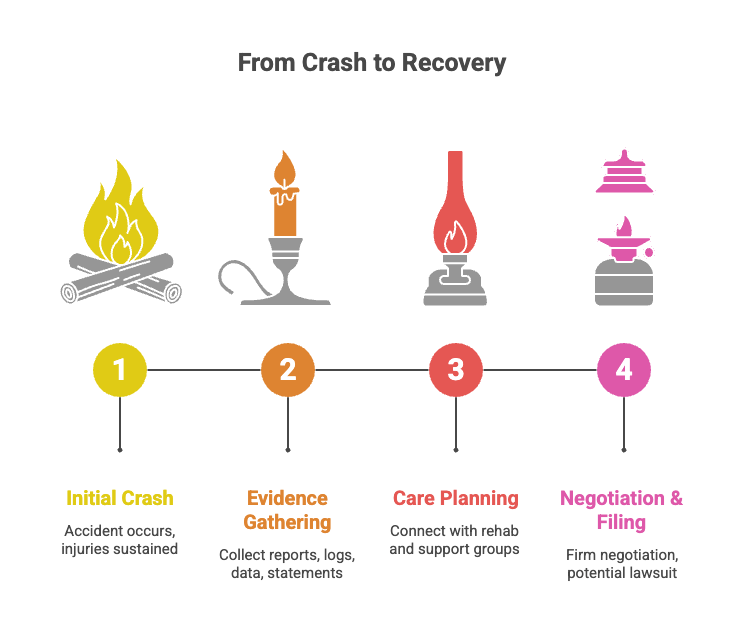
- We gather crash reports, driver logs, black-box data, and witness statements to build a strong claim.
- We connect you with trusted care planning, including rehab options and support groups, to steady your path forward.
- We negotiate firmly and, if necessary, file suit, presenting your story with dignity and accuracy.
- Together, we serve your family’s stability and protect your future with disciplined advocacy.
Long-Term Effects of Fort Myers Truck Accident Traumatic Brain Injury Injuries
After a Fort Myers truck accident, a traumatic brain injury can create lasting challenges that don’t end when the initial treatment does.
We’ll explain how cognitive and memory decline may affect daily decisions and work performance, and how emotional and behavioral changes can strain relationships and stability.
We’ll also address the ongoing medical needs and the financial burdens that often follow, so we can help you plan for long-term care and fair compensation.
Cognitive And Memory Decline
When a truck crash in Fort Myers causes a traumatic brain injury, we often see cognitive and memory decline that doesn’t fade with the initial physical recovery.
You may notice slower processing, difficulty focusing, and difficulty learning new information, even when other symptoms seem under control.
These changes can affect work performance, driving safety, and the ability to manage daily tasks, such as medications, schedules, and finances.
We encourage prompt assessment and structured treatment, including cognitive rehabilitation tailored to your goals and responsibilities.
Clinicians can teach memory strategies such as written routines, phone reminders, and step-by-step checklists to reduce errors and support independence.
As we serve you, we also document these limitations, connect them to the crash, and show how they shape long-term care needs and future costs.
Emotional And Behavioral Changes
Even if the most visible physical symptoms improve, a traumatic brain injury from a Fort Myers truck crash can leave lasting emotional and behavioral changes that disrupt relationships and daily stability.
You may notice sudden, disproportionate, or out-of-character mood swings, especially under stress or fatigue.
We often see increased irritability, reduced impulse control, and difficulty reading social cues, which can lead to conflict at home, work, or in community service roles.
Social withdrawal is also common, as noise, crowds, or conversation may feel overwhelming, and you might avoid settings where you once supported others.
These shifts can undermine confidence and strain trust, yet they aren’t moral failings.
With structured routines, clear communication, and compassionate boundaries, we can help you protect relationships while adjusting expectations.
Ongoing Medical And Financial Burdens
Emotional and behavioral changes often bring practical consequences that reach far beyond the home, because a traumatic brain injury can require ongoing care and create sustained financial pressure.
As you try to keep life stable, medical needs may continue for years, including therapy, follow-up imaging, medication management, and adaptive equipment.
These services create ongoing expenses that can outlast insurance coverage and strain household budgets.
We also see lost income when symptoms limit work capacity or require reduced hours, and when family members step in to manage appointments and daily routines.
That support is meaningful, yet caregiver strain can grow, especially when sleep disruption, supervision needs, and transportation demands become constant.
We help you document costs, forecast future care, and pursue compensation that protects both recovery and service to others.
Proving Liability in Fort Myers Truck Accident Traumatic Brain Injury Cases
Building a strong traumatic brain injury claim after a Fort Myers truck crash starts with proving liability through clear, well-documented facts.
We work with you to secure the crash report, photographs, and debris patterns, then connect that evidence to the legal duty owed by the trucking parties.
We also assess witness credibility by comparing statements against objective details, identifying inconsistencies, and preserving early accounts before memories fade.
We move quickly to obtain electronic data, including driver log information, GPS records, onboard event data, and dispatch communications, because this material can show speed, braking, hours-of-service violations, or distracted driving.
When maintenance or cargo issues may be involved, we review inspection records, repair histories, and loading documentation to determine whether a carrier, contractor, or shipper contributed to the issue.
Throughout the process, we document the chain of custody, coordinate with qualified experts, and present a cohesive narrative that supports accountability for the harm you’re working to overcome.
Compensation for Fort Myers Truck Accident Traumatic Brain Injury Damages
Once we’ve established who caused the truck crash and how the wrongdoing occurred, we focus on securing compensation that reflects the full impact of a traumatic brain injury.
We document immediate medical care, diagnostic testing, hospitalization, and the ongoing treatment plan that often follows a serious head trauma.
We also quantify rehabilitation costs, including physical therapy, occupational therapy, speech therapy, and cognitive retraining, so the claim matches real needs rather than estimates.
We pursue damages for lost income and diminished earning capacity when symptoms limit reliable work performance, and we include vocational therapy when a return to prior duties isn’t feasible.
We account for home modifications, assistive technology, transportation to appointments, and the cost of in-home support when independence changes.
Because service to others matters, we present evidence of how the injury affects family roles, community involvement, and quality of life, then negotiate firmly for a result that protects your future.
The Statute of Limitations for Fort Myers Truck Accident Traumatic Brain Injury Cases
Although a traumatic brain injury may take time to fully reveal its long-term effects, Florida’s statute of limitations sets a firm deadline for filing a Fort Myers truck accident lawsuit, and missing it can bar recovery entirely.
We encourage you to treat time as a crucial resource, because evidence fades, witnesses move, and medical documentation becomes harder to gather as months pass.
In most negligence-based truck crash cases, you generally have two years from the date of the collision to file, and these statute deadlines apply even when treatment continues.
If a government vehicle or a roadway condition played a role, shorter notice requirements may apply, so early review is important.
Limited filing exceptions can extend the time in specific situations, such as when the responsible party is concealed, fraud occurs, or the injured person is a minor.
We’ll help you track dates carefully and act with diligence, so your service-minded pursuit of accountability stays protected.
Why You Need an Experienced Fort Myers Truck Accident Traumatic Brain Injury Lawyer
Meeting the filing deadline is only part of protecting your claim, because truck crash traumatic brain injury cases demand fast, informed action long before a complaint reaches the courthouse.
Filing on time is just the start—truck crash brain injury claims require swift, informed action long before court paperwork.
We must secure driver logs, black-box data, dispatch records, and maintenance histories before they disappear, and we coordinate expert evaluations to document how the injury affects your work, family, and daily service to others.
An experienced Fort Myers lawyer also brings Medical advocacy that keeps treatment on track and prevents insurers from twisting gaps in care into excuses to underpay.
We handle lien issues, communicate with providers, and present clear proof of future needs, including cognitive therapy and supervision.
When the trucking company denies fault or blames the victim, our Trial experience matters because we prepare every case as if it will be tried.
That posture strengthens negotiations, protects dignity, and supports fair compensation for long-term harm.
How to Choose the Right Fort Myers Truck Accident Traumatic Brain Injury Lawyer for Your Case
Because traumatic brain injury claims after a truck crash can turn on evidence and medical detail that most firms don’t routinely manage, we should choose counsel with the specific experience and capacity to handle both.
We should look for a lawyer with proven results in trucking cases, who understands federal and carrier safety rules, and who works effectively with neurologists, rehabilitation providers, and life care planners to document future needs.
We should ask how the firm preserves crucial records, including driver logs, black-box data, dispatch messages, and maintenance files, before they disappear.
Strong client communication matters, so we should confirm who’ll update us, how often, and what decisions require our input.
We should also review fee structures in writing, including costs, contingency terms, and what happens if the case doesn’t resolve.
Finally, we should choose a team that respects service, treats everyone with dignity, and pursues accountability without compromise.
About the Law Offices of Anidjar and Levine
Count on the Law Offices of Anidjar and Levine to bring disciplined case preparation and client-focused service to Fort Myerstruck accident claims, including those involving traumatic brain injuries.
We approach each case with careful investigation, prompt communication, and a commitment to protect your health, dignity, and future.
Our team coordinates medical records, consults qualified experts when needed, and builds a clear damages narrative that reflects the daily realities of a TBI.
Our firm’s history reflects years of advocating for injured Floridians, and we continue that work with a service mindset that respects your family and community.
We manage insurer contacts, monitor deadlines, and pursue fair outcomes through negotiation or litigation when necessary.
We also value transparency, and Client testimonials often note our responsiveness and steady guidance through difficult decisions.
If you need a legal partner who serves with purpose, we’re ready to stand with you.
Frequently Asked Questions
Can I Recover Damages if I Had a Prior Brain Injury?
Yes, you can often recover damages even with a prior brain injury, because the law recognizes that an incident may exacerbate preexisting conditions.
We’ll help you document your baseline health and show how the new event aggravated your symptoms, treatment needs, and daily limitations.
We’ll also address comparative fault, since any share of responsibility can reduce recovery, yet it doesn’t automatically bar compensation in many cases.
What if the Truck Driver Were an Independent Contractor?
Even if the truck driver was an independent contractor, we can still pursue compensation, because liability may extend beyond the driver.
We’ll examine the carrier’s control, dispatch practices, and safety policies to assess Contract liability and possible agency relationships.
We’ll also review hiring, supervision, and maintenance records for negligent practices.
Expect Insurance disputes, since insurers often deny coverage or shift blame, but we’ll press for accountability and fair resolution.
How Are Traumatic Brain Injuries Diagnosed and Documented for Claims?
We diagnose and document traumatic brain injuries through prompt clinical exams, symptom histories, and objective testing that supports a claim.
Providers often order medical imaging, such as CT or MRI, to identify bleeding, swelling, or structural changes.
They may add neuropsychological testing to assess attention, memory, processing speed, and mood.
We’ll preserve records, expert opinions, treatment timelines, and functional limitations, so you can advocate for fair compensation and ongoing care.
Can I Still File if I Didn’t Go to the ER Immediately?
Yes, we can still file even if you didn’t go to the ER immediately, and we’ll help you document why care was delayed.
Traumatic brain injuries often involve delayed symptoms, so a gap in treatment doesn’t automatically defeat a claim.
We’ll gather medical records, witness accounts, and timeline evidence to connect your symptoms to the incident.
We encourage prompt evaluation now, so we can protect you and serve others.
Will My Case Require Expert Witnesses, Such as Neurologists or Accident Reconstructionists?
Yes, your case may require expert witnesses, and we’ll decide based on the disputed issues and available evidence.
We often rely on medical experts to explain diagnosis, causation, prognosis, and future care needs, especially when symptoms evolve over time.
If liability or crash dynamics are contested, forensic engineers or reconstruction experts can clarify speeds, impacts, and visibility.
We’ll coordinate these professionals, so your claim serves truth, safety, and accountability.
—————————
If you’ve suffered a traumatic brain injury in a Fort Myers truck accident, the Law Offices of Anidjar and Levine are prepared to help you pursue full compensation and protect your future.
We’ll investigate the crash, secure crucial evidence, and identify every liable party, from the driver to the trucking company and insurers.
We’ll also document the medical impact and long-term costs, then negotiate aggressively or take your case to trial.
Learn more about your options by speaking with a Fort Myers Truck Accident Lawyer.
Let’s act quickly, before deadlines and evidence disappear.