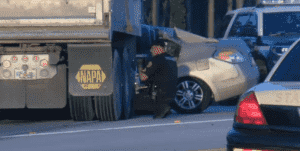
The Law Offices of Anidjar and Levine help Fort Myers truck accident victims investigate whether improper loading, unsecured cargo, excessive weight, or violations of trucking regulations contributed to a crash. Our team can review driver logs, cargo documents, inspection records, photographs, and witness accounts to identify potentially responsible parties and preserve important evidence. We also explain claim options, insurer communications, and documented losses, including medical care and lost income. Learn more about working with a Fort Myers Personal Injury Lawyer. The sections below outline common causes, legal rights, and how to evaluate your next steps.
Main Takeaways
- A Fort Myers truck accident lawyer can investigate whether trucking-rule violations or improper cargo loading contributed to a crash.
- Excess weight, uneven axle distribution, and inadequate cargo securement can impair stability, braking, and steering.
- Relevant records may include driver logs, inspection reports, bills of lading, weight tickets, and loading instructions.
- Investigators may examine maintenance history, cargo condition, scene evidence, and the responsibilities of drivers, carriers, shippers, and loading contractors.
- After seeking medical care, preserve photos, witness details, and records; a consultation can explain potential claims and next steps.
How We Can Help With Your Fort Myers Truck Accident Trucking Regulations & Loading Injury Claim
If trucking regulations or improper loading contributed to your Fort Myers crash, we can investigate the cause and identify who may be responsible. We’ll listen carefully to your account, review available records, and explain practical options for pursuing compensation. Our work can include gathering crash reports, photographs, witness statements, and medical documentation to support your account of the harm you’ve suffered.
We’ll also assess Injury claim eligibility by considering how the collision affected your health, income, and daily responsibilities. If the evidence points to a trucking company’s role, we’ll examine employer accountability and determine whether its conduct contributed to the crash or your losses. We can communicate with insurers, respond to information requests, and prepare a claim that clearly presents your needs.
You merit guidance that respects your recovery and the people who depend on you. We’ll keep you informed, answer your questions, and help you make considered decisions at each stage of the process.
Don’t Wait. Call Our Florida Personal Injury Lawyers Now!
Understanding Fort Myers Truck Accident Regulations & Loading Injury Cases


Understanding a Fort Myers truck accident involving trucking regulations or cargo loading starts with identifying how the crash occurred and which safety duties may apply. We examine the available evidence to understand the truck’s operation, the cargo’s condition, and the actions of those responsible for transportation.
OUR CONSULTATIONSARE FREE
START YOUR FREE CASE REVIEW

Federal and state rules may govern driver qualifications, vehicle inspections, hours of service, and cargo securement. The specific requirements depend on the vehicle, load, and circumstances. Cargo shifting can affect a truck’s stability, while improper weight distribution may influence handling and braking. These details can help explain how an incident unfolded, but they don’t establish responsibility on their own.
We review records, photographs, inspection reports, and other relevant information to assess whether required procedures were followed. We also consider how the injuries have affected your health, work, and daily responsibilities. By clarifying the applicable duties and evidence, we can help you understand your options and pursue a claim that supports your recuperation and protects your family’s needs.
Common Causes of Fort Myers Truck Accident Regulations & Loading


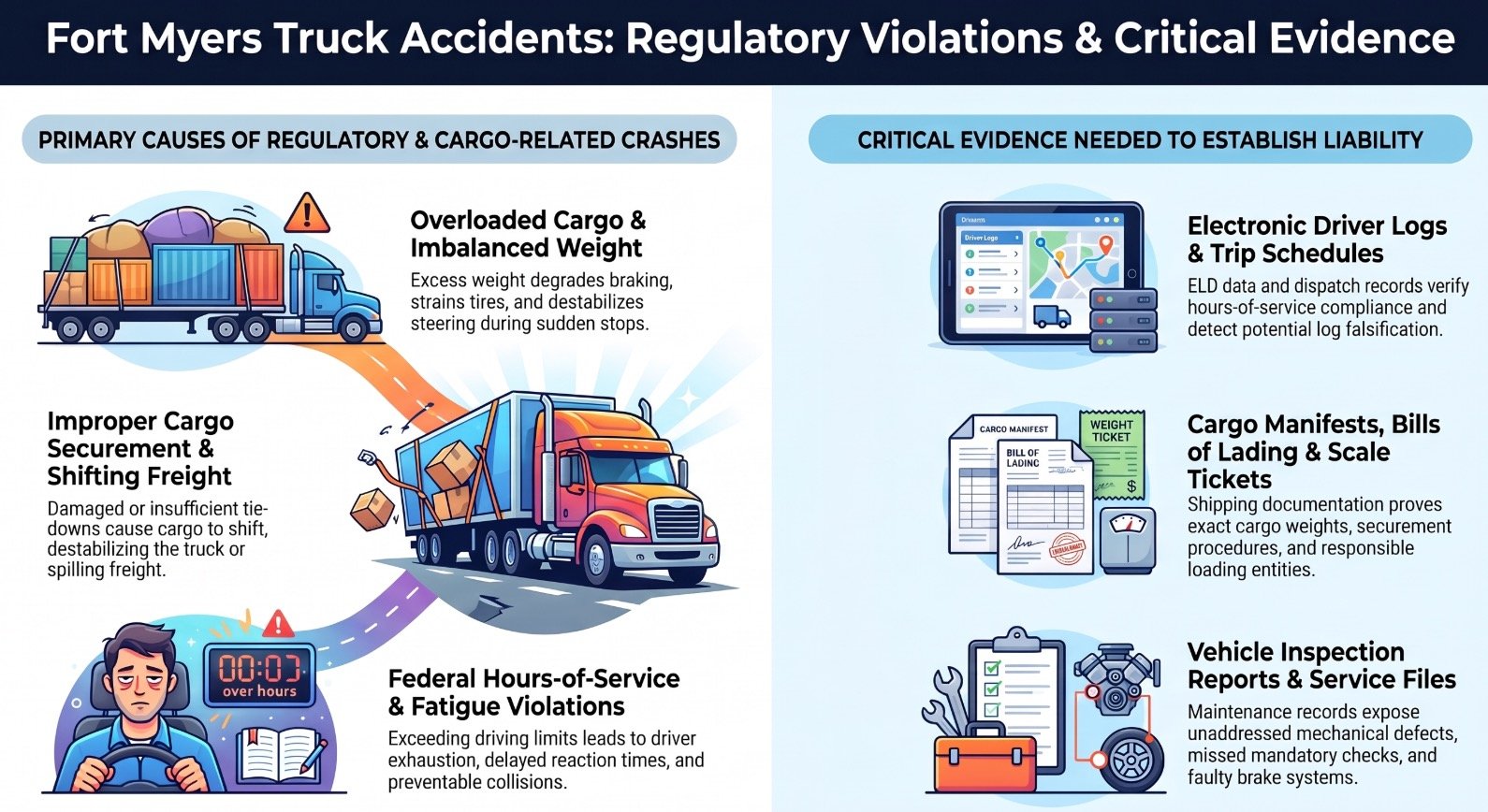
We often trace Fort Myers truck crashes to preventable violations in cargo handling and driver safety. Overloaded cargo, improper load securement, federal hours violations, and inadequate vehicle inspections can each increase the risk of a serious collision. We’ll explain how these failures occur and why they matter to you.
Overloaded Cargo
Overloaded cargo can make a commercial truck harder to guide, slow its braking, and increase the risk of a rollover or collision on Fort Myers roads. When a carrier exceeds legal Cargo weight limits, the added strain can affect steering, tires, suspension, and stopping distance. Uneven axle distribution may also place too much weight on particular wheels, making the vehicle less stable during turns or sudden actions.
These failures can endanger people on the road and disrupt families and communities. Drivers and carriers must verify a truck’s total weight and axle distribution before travel, using accurate measurements and following applicable regulations. After a crash, we can review inspection records, scale tickets, and loading documents to determine whether excess weight contributed. Identifying that cause can help injured people pursue accountability and support safer trucking practices.
Improper Load Securement
When cargo isn’t properly secured, it can shift, fall from a truck, or destabilize the vehicle, creating serious hazards on Fort Myers roads. Cargo shifting may occur when workers use too few tie-downs, choose damaged equipment, or fail to distribute freight evenly. A load imbalance can affect vehicle control and braking, making it harder for a driver to control the truck, especially during turns or sudden stops. Falling cargo can strike nearby vehicles, force drivers to swerve, or block a roadway. Trucking companies and loading crews must follow securement rules and inspect tie-downs before a trip and during required checks. When we help investigate a crash, we can examine loading records, photographs, and equipment to identify whether improper securement contributed. This evidence may help injured people pursue accountability and support safer practices for everyone.
Federal Hours Violations
Cargo securement isn’t the only trucking rule that affects safety; federal hours-of-service limits also restrict how long commercial drivers can work and drive. These limits reduce fatigue and give drivers adequate time to rest. When a carrier or driver exceeds permitted driving hours, the risk of delayed reactions, poor judgment, and serious crashes can rise.
Dispatch pressure may push a driver to keep driving despite exhaustion or an approaching legal limit. Fatigue science shows that insufficient rest can impair attention and decision-making, even when someone believes they can keep working safely. We can review logbooks, electronic records, dispatch messages, and trip schedules to identify possible violations. If a fatigued truck driver injured you or someone you love in Fort Myers, we can explain your options and help pursue accountability while protecting your family’s interests.
Inadequate Vehicle Inspections
Although federal rules require commercial carriers to inspect, maintain, and repair their vehicles, inadequate inspections can allow dangerous defects to go unnoticed. When trucking companies rush checks or ignore reported problems, brake defects, worn tires, and faulty lights may stay on the road. These conditions can cause a truck to lose control, stop too slowly, or suffer tire blowouts, putting nearby drivers and passengers at risk. We can help you understand whether a carrier’s inspection and maintenance practices contributed to a crash. Evidence may include inspection reports, repair records, driver logs, and the truck’s condition after the collision. Preserving this information promptly can help establish what the company knew and whether it followed safety requirements. If you’ve been injured, we can explain your options and help you pursue accountability.
Legal Rights of Fort Myers Truck Accident Regulations & Loading Injury Victims
Truck accident victims in Fort Myers may have legal rights when a trucking company, driver, cargo loader, or another party fails to follow safety regulations or secure a load properly. We can help you understand your options and take informed steps to protect your health and your family’s future. You may have the right to pursue claims and seek compensation for medical care, lost income, pain, and other documented losses. Depending on the evidence, potentially responsible parties may include a driver, motor carrier, cargo company, or equipment provider.
- Identify responsible parties: We can review records and determine who may be legally accountable.
- Preserve evidence: We can help protect inspection reports, loading records, photographs, and witness information.
- Seek fair compensation: We can assess losses and pursue a claim within applicable deadlines.
Employer accountability may apply when a company’s conduct or an employee’s actions contributed to your injuries. By asserting your rights, you can support your recovery and encourage safer practices that protect others on Fort Myers roads.
Why Do Fort Myers Truck Accident Regulations & Loading Injuries Happen?
When trucking regulations are ignored, or loads aren’t secured correctly, a commercial vehicle can become difficult to control and put others on Fort Myers roads at risk. These injuries often result from preventable choices, including overloaded trailers, uneven cargo distribution, or restraints that fail to hold freight in place. Shifting loads can affect balance, increase stopping distance, and cause a truck to roll over or spill cargo into traffic.
Drivers and carriers may also disregard required inspections, hours-of-service limits, or maintenance duties. When fatigue, defective brakes, or worn tires combine with poor visibility due to weather, a driver may have too little time to respond safely. Unsafe roadside staging can expose workers and passing motorists to collisions, especially when trucks block travel lanes or lack adequate warnings.
We all depend on trucking companies to follow safety rules that protect the public. Identifying how a crash occurred can help us understand whether careless loading, regulatory violations, or unsafe operating decisions contributed to someone’s injuries.
What Should You Do After a Fort Myers Truck Accident Regulations & Loading Injury?
After a Fort Myers truck accident, seek medical care promptly, even if your injuries seem minor. Document the scene by taking photos, gathering witness information, and preserving relevant records. We should also contact a truck accident lawyer to understand our options and protect important evidence.
Seek Medical Care
After an injury in a Fort Myers truck accident involving trucking regulations or cargo loading, prompt medical care should be your priority. Call 911 for serious injuries, trouble breathing, severe pain, confusion, or loss of consciousness. If symptoms seem minor, arrange prompt evaluation because some injuries may worsen or become apparent hours later. We can help protect your health by following clinicians’ instructions, attending recommended follow-up visits, and clearly explaining every symptom. Ask about Emergency symptom monitoring, including which changes require urgent attention and whom to contact if they occur. Discuss medication management with your healthcare provider, especially if you take other prescriptions or have existing conditions. Keep treatment focused on recovery, and don’t delay care to handle other concerns. Seeking timely medical attention helps support your well-being and keeps you able to care for those who depend on you.
Document The Scene
Once immediate medical needs are addressed, document the crash scene if it’s safe to do so. Preserve useful details by photographing vehicle positions, damage, skid marks, debris, traffic signals, road signs, and visible cargo. Capture wide views and close-ups, but stay clear of traffic and avoid entering unsafe areas. Record the date, time, location, and Weather Conditions, including rain, fog, or poor visibility. Note anything that may explain how the truck was loaded or whether cargo shifted, without touching or moving evidence. If witnesses are willing, ask for their names and contact information, and write down their observations in their own words. These Witness Statements may help preserve what people saw before memories fade. Keep original photos and notes secure, and share accurate information with responding authorities.
Contact A Truck Accident Lawyer
Because trucking and cargo-loading evidence can be difficult to preserve, contact a Fort Myers truck accident lawyer as soon as you’ve addressed your immediate medical needs. A prompt Legal consultation can help us identify responsible parties, including the driver, carrier, or loading contractor, and determine which records to request. We can ask counsel to preserve driver logs, inspection reports, cargo documents, and available video before they are lost or overwritten. Share your medical records, photographs, witness details, and crash notes, and keep copies for your files. When selecting an attorney, look for experience with commercial vehicle collisions, trucking regulations, and cargo-loading claims. Ask how the lawyer communicates, handles costs, and investigates cases. By choosing informed representation, we can protect your interests and pursue accountability while you focus on recovery and supporting those who depend on you.
Don’t Wait. Call Our Florida Personal Injury Lawyers Now!
Critical Evidence in a Fort Myers Truck Accident Regulations & Loading Injury Case
We can assess whether trucking rules and loading practices contributed to your injuries by examining essential records and physical evidence.
- Driver logs and hours, along with cargo loading records
- Inspection and maintenance reports
- Crash-scene photographs, measurements, and other evidence
These materials can help us identify safety violations and preserve facts relevant to your claim.
Driver Logs and Hours
Driver logs and hours-of-service records can reveal whether fatigue or a scheduling violation contributed to a Fort Myers truck accident. We can review these records to determine how long the driver worked, when the driver rested, and whether required limits were followed. Electronic logging devices capture driving time and may preserve details that help us assess a driver’s schedule. We can compare those entries with dispatch communications, trip documents, and other available evidence to identify inconsistencies. If the records suggest log falsification, we can investigate whether someone altered or concealed hours to keep a truck moving. These findings may help establish responsibility and support an injured person’s claim. By carefully examining the evidence, we can pursue accountability and help protect others from preventable fatigue-related crashes on Florida roads.
Cargo Loading Records
Cargo loading records can show whether improperly secured, unevenly distributed, or excessive cargo contributed to a Fort Myers truck accident. We can review the bill of lading, cargo manifests, weight tickets, and loading instructions to determine what the truck carried and how workers arranged the freight. These documents may reveal whether the load exceeded legal limits, shifted during transit, or placed too much weight on one side or axle. We’ll also look for records identifying who loaded and secured the cargo, since responsibility may involve a driver, carrier, shipper, or loading contractor. Comparing the paperwork with photographs, witness accounts, and crash evidence can help us identify inconsistencies and preserve facts before they disappear. By carefully examining these records, we can help you pursue accountability and seek support for those harmed.
Inspection and Maintenance Reports
When a truck’s brakes, tires, lights, or direction-control components fail, inspection and maintenance reports can help show whether the problem was preventable. These records may show when a company last serviced the vehicle, what technicians found, and whether they completed repairs before the truck returned to service. We can compare documented maintenance schedules with required inspections and service intervals to identify missed work or recurring mechanical concerns. Inspection discrepancies, such as unchecked components or conflicting entries, may raise questions about whether the carrier maintained reliable records and addressed known defects. You can help protect others by preserving these materials promptly, since electronic logs and service files may be changed or lost. Our review can connect documented maintenance decisions to the equipment failure and assess whether the carrier met its safety responsibilities before the trip.
Crash Scene Evidence
Maintenance records can explain a truck’s condition before a crash, while scene evidence helps show how the collision unfolded and whether loading or safety violations contributed. We can help preserve photographs, measurements, vehicle positions, and road conditions before cleanup or repairs alter the scene. Skid mark analysis may help establish braking, speed, and the truck’s path, while debris field mapping can reveal impact points and how cargo or vehicle parts scattered. These details may also support questions about an unsecured load, improper weight distribution, or a driver’s response. We’ll work with qualified investigators to document evidence carefully and connect it to applicable trucking rules. Prompt preservation matters because physical evidence can disappear quickly. By building a clear record, we can help you seek accountability and protect others from preventable harm.
Long-Term Effects of Fort Myers Truck Accident Regulations & Loading Injuries
After a Fort Myers truck crash, we may face chronic pain that disrupts daily activities and limits our ability to work. Lasting mobility problems can make routine tasks difficult and require ongoing support. We’ll also need to assess whether long-term medical care, including treatment and rehabilitation, will remain necessary.
Chronic Pain
Chronic pain can persist long after a Fort Myers truck accident, even when initial injuries seem to have recovered. You may experience recurring pain from damaged tissues, nerve injuries, or complications linked to improperly secured cargo or regulatory violations. These symptoms can affect sleep, concentration, and your ability to fulfill responsibilities at work and home. We encourage you to seek medical evaluation and describe your symptoms accurately, even when they fluctuate. A clinician can develop a Pain management plan that may include medication, therapy, or other evidence-based care. Consistent treatment records can also help document how the crash affects your daily life. We’ll help you understand how injury evidence and trucking records may support a claim for appropriate compensation. With informed care and emotional resilience, you can pursue recovery while continuing to support those who depend on you.
Lasting Mobility Limitations
When a Fort Myers truck accident involves improperly loaded cargo or regulatory violations, lasting mobility limitations can disrupt daily activities long after the initial injuries. You may find walking, climbing stairs, or standing for extended periods more difficult, affecting work, family responsibilities, and community service. We recognize that these changes can limit your independence and make ordinary routines less predictable. Mobility aids, such as canes or wheelchairs, may help you move safely and participate in activities that matter to you. Changes in strength or coordination can also affect your ability to drive; adaptive driving equipment may help restore access to transportation when appropriate. We encourage you to document how mobility restrictions affect daily life and the support you need. Clear records can show the collision’s lasting impact on your independence.
Long-Term Medical Care
Lasting mobility limitations may require ongoing medical care to manage pain, preserve function, and address complications from injuries sustained in a Fort Myers truck accident involving loading or regulatory violations. We can help you understand how long-term treatment needs may affect your daily life and future expenses. Care may include expert visits, physical therapy, medication management, assistive devices, and monitoring for complications. When injuries prevent safe independent living, Nursing facility coordination can help organize appropriate placement and continuity of treatment. If you plan to remain at home, home care planning can address personal assistance, accessibility changes, equipment, and follow-up services. We should also consider how care needs may change over time, rather than relying only on current estimates. Clear medical records and professional assessments support informed decisions and document the resources needed for your recovery.
Proving Liability in Fort Myers Truck Accident Regulations & Loading Injury Cases
Proving liability in a Fort Myers truck accident involving trucking regulations or cargo loading requires more than showing that a crash occurred. We must connect the collision and your injuries to a specific failure by a driver, trucking company, cargo loader, or another responsible party.
We can examine driver logs, inspection and maintenance records, training materials, and cargo documents to determine whether safety rules were followed. Photos, vehicle data, and scene evidence may reveal improper loading, unsecured freight, or a preventable equipment problem. When necessary, accident reconstruction can help explain how the truck’s movement, cargo shift, or stopping distance contributed to the crash.
Your account and other witnesses’ observations also matter. Consistent witness statements can strengthen the evidence when they’re supported by records or physical facts. We’ll preserve relevant evidence and identify each party’s role so you can focus on recovery while we build a clear, fact-based account of what happened and why.
Dealing With Insurance Companies After a Fort Myers Truck Accident Regulations & Loading Injury
After a Fort Myers truck accident, insurers may contact you quickly and seek statements or records before the facts are clear. We can help you respond carefully while protecting your health and your family’s interests. Before discussing the collision, confirm who is calling and which company they represent. You’re not required to guess about details or accept an early settlement that doesn’t reflect your losses.
Recorded statement risks include having incomplete answers taken out of context or used to challenge your account. We can advise you before you speak with an adjuster and help organize accurate information. Keep relevant letters, emails, and payment offers, and avoid signing broad medical releases without understanding their scope.
Insurers may also use Claim denial tactics, such as disputing how loading practices contributed to the crash or questioning injury documentation. We can review these concerns, explain your options, and communicate with insurers so you can focus on treatment and supporting those who depend on you.
What to Expect During a Fort Myers Truck Accident Regulations & Loading Injury Claim Process
We’ll begin with an initial case review to understand your injuries, the crash, and any trucking or loading issues. Then we’ll collect relevant evidence and assess who may be liable, including the driver, carrier, or other parties. Once we’ve established the claim’s support, we’ll negotiate with the insurers for fair compensation.
Initial Case Review
During an initial case review, we’ll examine how the truck’s loading, cargo securement, and the carrier’s compliance with safety regulations may have contributed to the crash. We’ll listen to your account, learn how the collision affected your health and daily responsibilities, and clarify what you hope to achieve. This conversation helps us assess case eligibility and identify potential legal issues, including whether unsafe loading or regulatory violations may support a claim. We’ll explain the claims process, discuss possible challenges, and answer your questions in clear terms. A Free consultation gives you an opportunity to understand your options without pressure to proceed. If we agree to represent you, we’ll outline the next steps and keep you informed as the matter advances. Our goal is to help you pursue accountability and fair compensation while protecting your interests.
Evidence Collection
Once we’ve reviewed your account and agreed to represent you, we’ll begin gathering evidence to determine whether improper loading or violations of trucking regulations contributed to the crash. We’ll request records showing how the cargo was packed, secured, and inspected, along with driver logs, maintenance files, and the carrier’s safety documents. We’ll also seek photographs, crash reports, and available electronic data from the truck. Witness interviews can help preserve details about the collision, the truck’s movements, and the scene conditions. We’ll act promptly to locate surveillance footage before routine deletion removes it. As you focus on your health and responsibilities, we’ll organize these materials carefully and keep you informed about what we’ve obtained. This process helps preserve relevant information for your injury claim and supports a thorough review.
Liability Assessment
After reviewing the evidence, we assess who may bear responsibility for the crash and your injuries. We apply relevant Negligence standards to determine whether a driver, trucking company, cargo loader, or another party failed to act with reasonable care. For example, improper loading, unsafe driving, inadequate maintenance, or violations of trucking rules may help establish responsibility when supported by the facts.
We also examine how each party’s conduct contributed to the collision and the harm you suffered. Florida’s comparative fault rules may affect liability apportionment, including whether your own actions played a role. We explain how these findings could influence your claim and identify additional information needed to clarify disputed issues. This careful assessment helps protect your interests while ensuring that every responsible party is considered fairly and accurately.
Claim Negotiation
How do we approach settlement negotiations in a Fort Myers truck accident claim? We begin by reviewing the evidence, including trucking records, loading documents, medical reports, and proof of lost income. This careful Demand evaluation helps us identify the claim’s strengths, assess damages, and respond to disputed facts.
We then develop a settlement strategy that reflects your needs and the responsibilities of those involved. We present a supported demand to the insurer and address its questions with clear documentation. If the insurer makes an offer, we explain its terms, compare it with the available evidence, and discuss potential risks with you. We won’t accept a settlement without your informed approval. When negotiations fail to produce a fair resolution, we can prepare to pursue the next appropriate legal step while keeping your recovery and future needs in view.
Don’t Wait. Call Our Florida Personal Injury Lawyers Now!
Compensation for Fort Myers Truck Accident Regulations & Loading Injury Damages
Compensation after a Fort Myers truck accident may cover medical expenses, lost income, reduced earning capacity, property damage, and pain and suffering. When a trucking regulation violation or unsafe loading causes a crash, we can help you identify responsible parties and pursue evidence-supported damages. Keep medical records, repair estimates, wage information, and communications with insurers so we can document how the collision affected your life.
Some cases may support Punitive damages when a defendant’s conduct was especially reckless or intentional. These damages aren’t available in every claim, and we must establish the required legal grounds. If a loved one dies, eligible family members may pursue a wrongful death claim for losses recognized under Florida law. We can guide you through that process while respecting your family’s needs.
Our goal is to seek fair compensation that addresses the harm and helps you protect your household’s stability. We’ll assess the facts, explain your options, and pursue accountability through negotiation or litigation when appropriate.
Economic vs. Non-Economic Damages in Fort Myers Truck Accident Regulations & Loading Cases
We can distinguish economic losses, such as medical bills and lost income, from non-economic harm, including pain and reduced quality of life. To support your claim, we’ll review records and other evidence linking these losses to the truck accident. This proof helps establish the full extent of the damages you may seek.
Economic Losses
Economic losses provide a measurable account of the financial harm caused by a truck accident. When a collision involves unsafe loading or trucking-regulation violations, we can help you identify how those failures affected your finances. These damages may include medical bills, rehabilitation costs, prescription expenses, and payments for necessary medical equipment. Lost wages can reflect income you missed while recovering, including compensation for time away from work. If your injuries limit your ability to perform your job or reduce future income, diminished earning capacity may also be considered. We’ll review employment records, pay statements, tax documents, and medical evidence to support a clear calculation. By documenting these costs carefully, we can help you seek compensation that addresses practical needs and supports your ability to care for yourself and your family.
Non-Economic Harm
While economic losses measure financial costs, non-economic harm addresses how a truck accident affects your daily life and well-being. These damages recognize the personal impact that bills and lost income cannot capture. After a collision involving trucking regulations or improper loading, you may experience ongoing pain, disrupted sleep, or difficulty caring for family and contributing to your community. Emotional distress can include anxiety, fear, or grief connected to the crash and its consequences. Loss of enjoyment may reflect an inability to take part in hobbies, relationships, or activities that once gave your life meaning. We recognize that these effects can change how you live and serve others. Non-economic damages account for that human cost alongside economic losses when evaluating the harm you suffered after a truck accident in Fort Myers.
Proving Damages
To prove damages in a Fort Myers truck accident case involving trucking regulations or improper loading, we must use reliable evidence to connect the crash to your losses. We can use medical records, bills, wage statements, and repair estimates to document economic damages, including treatment costs, lost income, and property damage. Damage documentation should also show how the trucking company’s conduct contributed to the collision and its consequences. For future expenses, we may rely on medical opinions, care plans, and vocational assessments to estimate ongoing treatment, reduced earning capacity, or assistance you’ll need. Non-economic damages address pain, emotional distress, and loss of daily activities. We can support these claims with your account, testimony from people who know you, and clinical records. Careful evidence helps us present the full impact of your losses and pursue fair compensation.
When a Fort Myers Truck Accident Regulations & Loading Injury Case Goes to Trial vs. Settlement
When a Fort Myers truck accident involves violations of trucking regulations or improper loading, we assess whether settlement or trial offers the stronger path to a fair result. We review the evidence, liability arguments, documented losses, and the trucking company’s response before advising you.
A settlement may provide a more predictable resolution and avoid the demands of a trial. Settlement timing matters: accepting too early can leave important evidence or future needs unexamined, while prolonged negotiations may delay recovery. We help you weigh the proposed terms against the harm you’ve experienced and the support your family may need.
If the parties can’t reach a fair agreement, we prepare to present the case to a judge or jury. Trial preparation includes organizing records, evaluating witness testimony, and explaining how loading practices or safety violations contributed to the crash. We’ll discuss the risks, costs, and likely demands of either option, then support your informed decision. Our goal is to pursue accountability while protecting your ability to serve and care for others.
Florida Laws That May Affect Your Fort Myers Truck Accident Regulations & Loading Case
Florida law can shape how we prove fault, measure your losses, and pursue compensation after a Fort Myers truck accident involving trucking regulation violations or improper loading. We can examine state and federal safety rules, company procedures, and loading records to identify failures that contributed to the crash.
These legal principles may affect your claim:
- Comparative negligence: Florida’s modified comparative negligence rule may reduce your recovery if you share responsibility. If you’re found more than 50 percent at fault, you generally can’t recover damages.
- Carrier liability: A trucking company may be responsible for a driver’s conduct within the scope of employment. We can also investigate whether the carrier negligently hired, trained, or supervised the driver, or failed to confirm cargo was secured.
- Evidence and damages: We can use inspection reports, electronic records, witness accounts, and expert analysis to connect regulatory or loading violations to your injuries. Florida law allows eligible claimants to seek compensation for documented medical costs, lost income, and other legally recognized losses.
Understanding these rules helps us present your case accurately and pursue accountability that supports you and your family.
The Statute of Limitations for Fort Myers Truck Accident Trucking Regulations & Loading Injury Cases
The deadlines above can affect whether you can pursue compensation, so we should also consider how long Florida law gives you to file a claim. For many negligence claims involving truck crashes, Florida generally requires filing suit within two years of the accident. This Filing deadline may apply when unsafe loading, regulatory violations, or another party’s negligence caused your injuries. Missing it can prevent you from seeking compensation in court, even when the evidence supports your account.
The Discovery rule may matter in limited cases where an injury or its cause wasn’t reasonably apparent at once. However, you shouldn’t assume that delayed discovery extends your time to act. Different deadlines may apply to wrongful death claims, claims involving government entities, or other circumstances, and exceptions depend on the facts and current law. We should promptly identify the event that starts the clock and any applicable limits. Acting within the proper period helps preserve your ability to seek accountability and protect the people who rely on you.
How a Fort Myers Truck Accident Regulations & Loading Lawyer Can Help You
Because trucking regulations and cargo-loading practices can involve several companies, we can help identify who may be responsible and what evidence supports your claim. We’ll examine driver records, inspection reports, cargo documents, and available photographs to understand how a violation or unsafe load may have contributed to the crash.
Our work can include:
- Tracing responsibility: We’ll assess the conduct of the driver, motor carrier, cargo loader, and other potentially liable parties.
- Preserving evidence: We’ll seek relevant records and consult qualified professionals to evaluate compliance and loading practices.
- Building your claim: We’ll document your injuries, financial losses, and the effect on your ability to care for yourself and others.
During an Attorney consultation, we can explain your options and answer questions about the evidence. If you choose legal representation, we’ll communicate with insurers, present supported claims, and pursue accountability through negotiation or litigation. Our goal is to handle the legal demands carefully so you can focus on recovery and the people who depend on you.
When to Contact a Fort Myers Truck Accident Trucking Regulations & Loading Lawyer
Contact a Fort Myers truck accident trucking regulations and loading lawyer as soon as you can after a crash, especially if you suspect a safety violation or improperly secured cargo contributed to your injuries. Prompt action can help protect your ability to seek compensation and preserve information that may clarify what happened. Early attorney consultation also gives us time to identify deadlines and help you understand practical next steps while you focus on recovery and caring for those who depend on you.
Reach out promptly if you’re facing medical expenses, missed work, pressure to provide a recorded statement, or questions about who may be responsible. You don’t need to wait until you know the full extent of your injuries or have gathered every document. We can explain what records may matter and discuss legal fee structures before you decide whether to proceed. If a loved one was hurt, contacting counsel early can help your family make informed choices and protect important options without delaying necessary medical care.
Why You Need an Experienced Fort Myers Truck Accident Trucking Regulations & Loading Lawyer
When a truck crash may involve regulatory violations or improperly loaded cargo, an experienced Fort Myers truck accident lawyer can help identify evidence that might otherwise be overlooked. We can examine driver logs, inspection records, maintenance files, and cargo documents to determine whether safety duties were ignored. This work matters because Regulatory Violations may reveal how a collision occurred and who may be responsible.
We can also coordinate with qualified professionals to assess vehicle damage, crash evidence, and loading practices. A careful Liability Assessment can help connect unsafe conduct to your injuries and identify potentially responsible parties, including a carrier, shipper, or loading contractor. We’ll preserve relevant records and gather information before it disappears, keeping your needs at the center of the process.
After a serious crash, you may be focused on recovering and supporting your family. We can handle the investigation and clearly explain the evidence, helping you make informed decisions while pursuing fair accountability for the harm you’ve suffered.
How to Choose the Right Fort Myers Truck Accident Regulations & Loading Lawyer for Your Case
Choosing the right Fort Myers truck accident lawyer means finding counsel with experience investigating trucking regulations, cargo loading, and the companies involved in commercial transportation. Look for a lawyer who can explain how federal and state safety rules may apply to our crash and identify evidence of improper loading or other violations.
Ask about the attorney’s credentials, including experience handling commercial vehicle claims and familiarity with accident reconstruction or cargo-related investigations. We can also discuss who will manage our case, how the lawyer will keep us informed, and steps to protect evidence before it disappears.
Before signing an agreement, review the fee structures and ask which costs we may owe, when payment is due, and whether expenses come from a recovery. Clear answers help us decide without surprises. We should choose counsel who listens carefully, communicates directly, and treats our claim as a way to seek accountability and support safer roads for everyone.
About The Law Offices of Anidjar & Levine
At The Law Offices of Anidjar & Levine, we represent people injured in truck accidents and investigate how trucking regulations, cargo loading practices, and other safety failures may have contributed to a crash. We recognize that a collision can disrupt your health, work, and family responsibilities. We help you pursue accountability while you focus on recovery.
Our firm has a long history of representing injured people and their families throughout Florida. We approach each matter with attention to the specific facts, including driver conduct, vehicle maintenance, hours-of-service records, and cargo securement. These details can help establish whether a safety violation contributed to a collision.
When you contact us, we can explain how our team may help investigate the crash, communicate with insurers, and evaluate your legal options. Our attorney credentials and experience inform our work, but every case requires careful review. We’ll listen to your concerns, answer your questions, and provide clear guidance about possible next steps.
Frequently Asked Questions
Which Federal Agencies Regulate Commercial Truck Loading and Cargo Securement?
We consider the Federal Motor Carrier Safety Administration (FMCSA) the primary agency governing commercial truck loading and cargo securement. Its regulations establish FMCSA cargo securement standards that carriers and drivers must follow to prevent shifting or falling freight. The Pipeline and Hazardous Materials Safety Administration (PHMSA) regulates hazardous materials transportation, including PHMSA hazardous materials packaging requirements. Depending on the cargo, other federal agencies may also impose specific handling rules to protect everyone on the road.
What Weight Limits Apply to Trucks Traveling on Florida Highways?
Florida truck weight limits generally cap gross vehicle weight at 80,000 pounds on interstate highways, subject to federal bridge-formula requirements and posted restrictions. We must also account for axle weight restrictions: typically, a single axle may carry up to 20,000 pounds and a tandem axle group up to 34,000 pounds, though route-specific limits can differ. Before a trip, we should verify current Florida Department of Transportation rules and applicable signs to protect everyone using the road.
Who Is Responsible for Inspecting Cargo Securement Before a Truck Departs?
The driver is responsible for inspecting cargo securement before departure, even when another party loaded the truck. We recommend a thorough driver’s pre-trip securement check to confirm that cargo is properly distributed, restrained, and safe for transport. Shippers should provide accurate shipper loading documentation, but those records don’t replace the driver’s inspection. If loading errors or unsafe conditions appear, the driver should seek correction before leaving to help protect everyone on the road.
Can Improperly Loaded Cargo Lead to Fines or a Carrier’s Operating Restrictions?
Yes, improperly loaded cargo can trigger civil penalties and carrier restrictions. We should verify each shipment meets applicable weight limits and securement rules before departure, because violations may endanger the public and invite enforcement action. Inspectors may issue citations, require cargo correction, or place a vehicle out of service. Repeated or serious violations can affect a carrier’s safety record and operating authority, limiting its ability to serve customers reliably.
Do Special Loading Rules Apply to Hazardous Materials or Oversized Freight?
Yes, special loading rules apply to hazardous materials and oversized freight. We must secure hazardous materials in approved packaging, separate incompatible substances, and follow handling, documentation, and hazardous materials placarding requirements. Oversized freight may require route-specific oversized freight permits, escort vehicles, warning devices, and restrictions on travel times or roadways. We should verify current federal, state, and local rules before transport, because violations can endanger the public and expose carriers to penalties or operating limits.
—————————
If unsafe loading or a trucking regulation violation contributed to your Fort Myers truck accident, you may have the right to seek compensation for your injuries and losses. We can investigate the crash, preserve crucial evidence, and identify the parties responsible. Contact The Law Offices of Anidjar and Levine to discuss your options with our team, or learn more from a Fort Myers Personal Injury Lawyer. Acting promptly may help protect your claim and support your pursuit of a fair outcome.