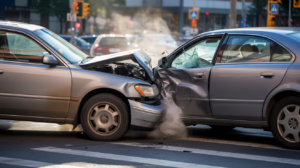
The Law Offices of Anidjar and Levine, a Florida car accident uninsured motorist claims lawyer, evaluates available coverage, establishes liability, and documents medical expenses, lost income, and other losses. Representation may help when a driver is uninsured, underinsured, or unidentified after a hit-and-run. Counsel can review policy limits, exclusions, stacking provisions, notice requirements, and consent-to-settle terms while managing communications with the insurer. Prompt medical care, accident reporting, witness information, photographs, and complete records can strengthen the claim. For additional guidance, visit a Florida Personal Injury Lawyer to learn about essential rights, evidence, deadlines, and legal considerations.
Main Takeaways
- A Florida uninsured motorist claims lawyer reviews your policy, coverage limits, exclusions, and applicable Florida law.
- They help establish fault, uninsured or underinsured status, and the connection between the crash and your injuries.
- Important evidence includes crash reports, photographs, witness details, medical records, employment records, and insurance documents.
- UM claims may involve hit-and-run drivers, uninsured motorists, insufficient liability limits, or disputes over coverage and claim value.
- An attorney can manage insurer communications, protect your rights, address deadlines, and pursue compensation for medical care, lost wages, and future losses.
How We Can Help With Your Florida Car Accident Uninsured Motorist Injury Claim
When a Florida driver is injured by an uninsured or underinsured motorist, experienced legal counsel can evaluate the available insurance coverage, establish liability, and pursue the full compensation permitted under the applicable policy and law. A dedicated legal team can provide dependable guidance while treating the injured person and family with respect, patience, and care. Counsel may organize Accident documentation, including crash reports, photographs, medical records, witness information, and employment records, to create a clear account of the incident and resulting losses. The team can also review insurance documentation, policy declarations, exclusions, notices, and correspondence to identify applicable uninsured or underinsured motorist benefits. Attorneys can manage communication with insurers professionally, reducing confusion and preventing avoidable statements or delays. Attorneys may coordinate with medical providers, preserve relevant evidence, assess documented damages, and prepare a demand supported by reliable facts. Throughout the process, counsel can answer questions, explain available options, and pursue a fair resolution consistent with the client’s needs and legal rights.
Understanding Florida Car Accident Uninsured Motorist Claims Injury Cases
Understanding a Florida uninsured motorist claim requires examining how the crash occurred, what insurance coverage applies, and how the injuries have affected the claimant’s life. These cases generally require a careful comparison of policy terms, statutory requirements, and available compensation.


Proving liability is crucial because the claimant may need to show another driver caused the collision and lacked adequate insurance. Effective evidence preservation for UM claims can include securing photographs, witness information, vehicle records, and applicable policy documents before evidence becomes unavailable. Medical records documentation should clearly connect diagnosed conditions, treatment, prognosis, and functional limitations to the crash. Consistent records can also help demonstrate lost income, continuing care needs, and other recoverable losses.
OUR CONSULTATIONSARE FREE
START YOUR FREE CASE REVIEW

When an insurer disputes responsibility, coverage, or injury severity, insurer denial handling requires organized review of the policy, claim communications, and supporting evidence. A qualified legal professional can explain obligations, protect deadlines, and pursue a fair resolution while serving the claimant’s interests with diligence and professionalism.
Don’t Wait. Call Our Florida Personal Injury Lawyers Now!
Common Causes of Florida Car Accident Uninsured Motorist Claims
Florida car accident uninsured motorist claims commonly arise from hit-and-run accidents, collisions caused by uninsured drivers, and crashes involving motorists whose liability limits cannot cover the resulting losses. Policy coverage disputes may also occur when insurers question whether uninsured motorist benefits apply or challenge the value of a claim. Each circumstance requires careful review of the accident evidence, insurance policies, and applicable Florida law.
Hit-And-Run Accidents


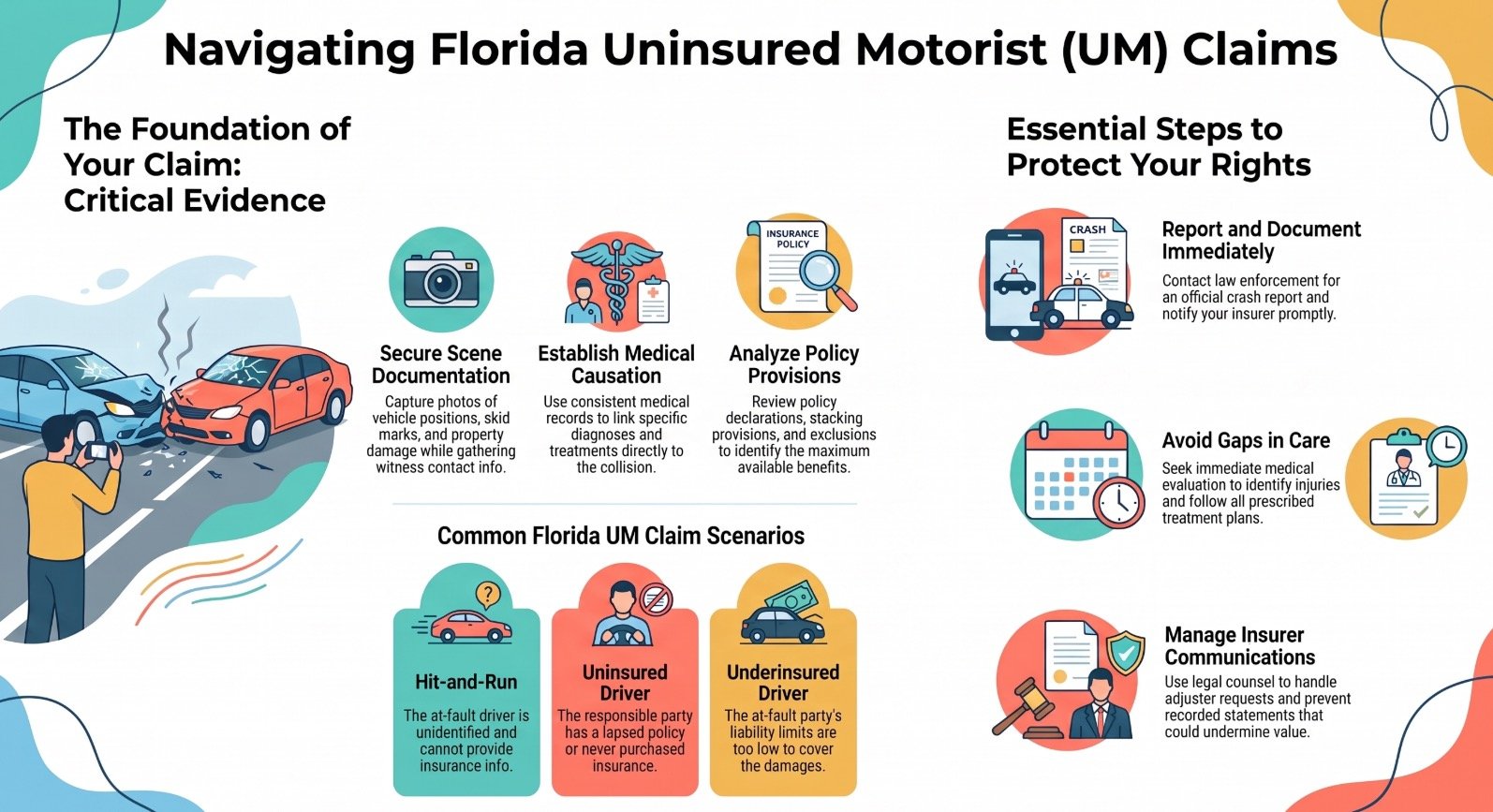
Why do hit-and-run accidents frequently lead to uninsured motorist claims in Florida? When a driver leaves without providing identification or insurance information, the injured person may have no practical source of recovery beyond available UM coverage. Prompt reporting to law enforcement can help establish that the collision occurred and preserve key evidence, including photographs, witness accounts, traffic-camera information, and medical records. A careful documentation checklist supports the claim and helps demonstrate the accident’s circumstances, injuries, and financial consequences. Legal counsel may review Florida UM benefits, conduct a policy limits analysis, and identify notice requirements that could affect eligibility. A focused claim negotiation strategy can then present organized evidence to the insurer while protecting the injured person’s interests. Each case requires careful attention to policy language, deadlines, and verified facts.
Uninsured At-Fault Drivers
Many Florida drivers carry no liability insurance or insufficient coverage, creating a common basis for uninsured motorist claims after a collision. Some drivers allow policies to lapse, while others operate vehicles without ever purchasing insurance. Financial hardship, misunderstanding registration requirements, or using a vehicle owned by another person can leave an injured motorist seeking payment through applicable uninsured motorist protection. Policy language determines whether coverage applies, and policyholders should review uninsured coverage limits before accepting an insurer’s position. Prompt reporting, medical evaluation, witness information, photographs, and repair estimates can support the claim. A claims documentation checklist helps organize the crash report, insurance correspondence, medical records, bills, and proof of lost income. Careful documentation allows an attorney to evaluate eligibility and pursue benefits while serving the injured person’s interests.
Underinsured Motorists
Even when an at-fault driver carries liability insurance, the available policy limits may not fully cover an injured person’s medical expenses, lost income, vehicle damage, and other compensable losses. In such circumstances, an underinsured motorist claim may help address the remaining damages, subject to the injured person’s policy and applicable Florida law. These claims commonly arise after serious collisions involving drivers who purchased only minimal liability coverage. A careful evaluation should account for medical documentation, projected treatment, wage losses, and the extent of permanent impairment. Comparative negligence may also affect the amount recoverable if the injured person contributed to the crash. Prompt attention to claim timelines is important because notice requirements, statutory deadlines, and evidence preservation can influence whether a claim proceeds effectively. Legal guidance may help protect an injured person’s interests while pursuing fair compensation.
Policy Coverage Disputes
Policy coverage disputes can arise when an insurer challenges whether uninsured motorist benefits apply to a Florida car accident claim. Common disagreements involve policy exclusions, notice requirements, household resident definitions, vehicle occupancy, and whether the other driver qualifies as uninsured or underinsured. Coverage interpretation issues may also concern stacking provisions, election forms, consent-to-settle requirements, or conflicting policy language. Insurers may argue that a claimant failed to cooperate, provide timely documentation, or establish damages exceeding the at-fault driver’s available liability coverage. Carefully reviewing the policy, accident evidence, medical records, and communications can clarify the parties’ obligations. Dispute resolution strategies may include requesting a written coverage explanation, negotiating with the carrier, pursuing mediation, or filing litigation when benefits are improperly denied. Legal guidance can help protect policyholder rights while supporting a fair and efficient outcome for injured individuals and their families.
Legal Rights of Florida Car Accident Uninsured Motorist Claims Injury Victims
When a Florida driver is injured by an uninsured or underinsured motorist, that individual may have legal rights beyond a claim against the at-fault driver. Uninsured motorist coverage may provide compensation for medical expenses, lost income, and qualifying pain and suffering, subject to the policy’s terms and policy limits. A careful review can help protect the injured person’s ability to serve family, work, and community during recovery.
Florida uninsured motorist coverage may help injured drivers recover medical expenses, lost income, and qualifying pain and suffering.
- The injured person may seek benefits under applicable uninsured or underinsured motorist coverage.
- The policyholder may have rights to information, claim evaluation, and fair treatment from the insurer.
- Available damages may include reasonable medical care, rehabilitation, lost wages, and certain future losses.
- Legal representation may help preserve evidence, address insurer disputes, and pursue an appropriate settlement or judgment.
Claims deadlines can affect these rights, including notice requirements, contractual provisions, and applicable limitation periods. Prompt consultation with a qualified Florida attorney can clarify coverage, preserve procedural protections, and support a fair resolution without unnecessary delay.
Why Do Florida Car Accident Uninsured Motorist Claims Injuries Happen?
Understanding why these injuries occur can help establish how an uninsured motorist claim developed and what evidence may support coverage. Florida crashes often result from distracted driving, speeding, impaired operation, unsafe lane changes, or failure to yield. When the at-fault driver lacks liability insurance, injured individuals may rely on uninsured motorist coverage if it’s included in the applicable policy. Injuries can range from fractures and spinal trauma to concussions, internal damage, and lasting emotional distress. Their severity may depend on collision speed, vehicle size, restraint use, and the point of impact.
Disputes frequently arise because insurers examine causation, medical history, treatment gaps, and whether symptoms existed before the crash. Policy language and Coverage limits can restrict available compensation, even when losses are substantial. Insurers may also use denial tactics, including questioning fault, challenging medical necessity, or asserting that injuries are unrelated. Understanding these causes and coverage issues helps clarify why a claim may require careful evaluation and informed legal assistance.
Don’t Wait. Call Our Florida Personal Injury Lawyers Now!
What Should You Do After a Florida Car Accident Uninsured Motorist Claims Injury?
After an accident, an injured person should seek immediate medical care, even when symptoms initially appear minor. The accident should also be reported to law enforcement, and medical records and incident details should be carefully preserved. The injured party should then review available uninsured motorist coverage and consider obtaining legal guidance before communicating with an insurer.
Seek Immediate Medical Care
Prompt medical evaluation is essential for anyone injured in a Florida car accident, including a passenger or driver pursuing an uninsured motorist claim. A timely examination can identify visible injuries and conditions that may develop gradually, such as concussions, soft-tissue damage, or internal trauma. After completing safety preservation steps, the injured person should follow medical guidance and disclose every symptom, even if it initially appears minor. Document diagnoses, treatment instructions, prescriptions, and restrictions as soon as possible to show the injury’s nature and recovery. Do not skip medical follow-up visits, because gaps in care may complicate recovery and later claim evaluation. Consistent symptom tracking, including pain levels, mobility changes, sleep disruption, and emotional effects, gives healthcare providers useful information. Prompt care also supports informed decisions that protect the individual’s health and ability to serve family or community.
Report The Accident
Promptly reporting the accident is an important step for a Florida motorist or passenger pursuing an uninsured motorist injury claim. Anyone involved should contact law enforcement, especially if there are injuries, significant property damage, or disputed circumstances. The official report can preserve crucial facts, identify witnesses, and document the other driver’s information.
Crash scene safety should remain the immediate priority. If circumstances permit, individuals should move away from traffic, activate hazard lights, and request emergency assistance. They should provide accurate observations to responding officers without speculation or exaggeration. It is also important to avoid admitting fault, apologizing in a manner that suggests responsibility, or arguing with other parties. When safely possible, preserve names, contact information, vehicle details, photographs, and witness statements. Prompt, objective reporting helps protect injured individuals and supports a reliable record for later claim evaluation.
Explore Uninsured Motorist Coverage
A Florida motorist injured by an uninsured driver should review the available uninsured motorist (UM) coverage before accepting any settlement or making a recorded statement. The policy may provide compensation for medical expenses, lost income, pain, and future treatment when the at-fault driver lacks adequate insurance. The injured person should identify bodily injury coverage, stacked or nonstacked benefits, exclusions, and applicable deductibles. Uninsured motorists limits determine the maximum recovery and may differ from the policy’s liability limits. Promptly notifying the insurer can protect coverage, although notice should be accurate and consistent with medical records. UM claim settlement tactics may include documenting damages, preserving evidence, and evaluating future losses before negotiations begin. A qualified attorney can interpret policy language, address insurer requests, and help the claimant pursue a fair resolution while serving the injured person’s best interests.
Critical Evidence in a Florida Car Accident Uninsured Motorist Claims Injury Case
Critical evidence can establish fault, document injuries, and confirm coverage in a Florida uninsured motorist claim.
Critical materials include:
- Crash scene documentation
- Medical treatment records
- The uninsured motorist policy
- Witness statements and testimony
Together, these records can support liability, damages, and the claimant’s right to benefits.
Crash Scene Documentation
When a Florida crash involves an uninsured driver, prompt and thorough documentation of the scene can provide essential evidence for an uninsured motorist claim. If safety permits, take photos of vehicle positions, roadway conditions, skid marks, debris, property damage, and visible injuries without disrupting emergency response. Roadside photo tips include taking wide scene views, close images of identifying details, and pictures from multiple angles in adequate lighting. Record witness names, contact information, and statements promptly while recollections remain clear. Traffic signal evidence may include the signal’s condition, lane markings, signs, intersection layout, and nearby cameras that could show right-of-way. A written account should note the date, time, weather, location, and sequence of events. Preserving photographs, videos, and related communications in their original form can help establish liability and support a fair claim.
Medical Treatment Records
Medical treatment records provide important evidence in a Florida uninsured motorist claim involving bodily injury. Health records can document diagnosed injuries, treatment provided, and medical opinions linking those conditions to the collision. Emergency department records, physician evaluations, imaging reports, prescriptions, therapy notes, and expert consultations may reveal the seriousness and progression of physical harm. Consistent appointments and compliance with recommended care can also demonstrate that the injured person treated the condition responsibly. Ongoing symptom logs may supplement formal records by describing pain levels, mobility limitations, sleep disruption, and changes in daily functioning. These entries should remain factual, dated, and consistent with medical documentation. Complete records help clarify current limitations, anticipated care, and financial losses, enabling a fair evaluation of the injured person’s needs and supporting compassionate service throughout the claims process.
Uninsured Motorist Policy
An uninsured motorist policy is essential evidence in a Florida car accident injury claim because its terms determine whether coverage applies and the benefits available to the injured person. The policy identifies covered vehicles, insured individuals, notice requirements, exclusions, and limits for bodily injury compensation. It may also explain stacking provisions, consent-to-settle requirements, and claim-filing procedures. Reviewing these provisions clarifies Florida accident basics and helps prevent avoidable errors during settlement discussions. Insurance documentation tips include obtaining the complete policy, declarations page, endorsements, renewal records, and correspondence from the insurer. An injured person should preserve every version applicable on the crash date and avoid relying solely on an insurance card. Careful policy analysis allows representatives to serve claimants responsibly by identifying available protection and addressing coverage disputes with accurate documentation.
Witness Statements and Testimony
Witness statements and testimony can provide important evidence in a Florida uninsured motorist claim by clarifying how the collision occurred and identifying the at-fault driver’s conduct. Independent witnesses may describe traffic signals, vehicle speeds, lane positions, and statements made immediately after impact. Their observations can support liability when physical evidence is incomplete or disputed. Witness credibility depends on factors such as visibility, distance, consistency, impartiality, and whether accounts were recorded promptly. Investigators may collect contact information, written statements, photographs, and available surveillance footage before memories fade. In intricate cases, expert testimony may explain accident reconstruction, vehicle damage, medical causation, or the relationship between injuries and the crash. Careful presentation of this evidence can help insurers, attorneys, and courts evaluate a claimant’s injuries and determine whether policy benefits are owed.
Long-Term Effects of Florida Car Accident Uninsured Motorist Claims Injuries
Long-term injuries from Florida car accidents may result in chronic pain, reduced mobility, and permanent disability that affect a claimant’s ability to work and manage daily activities. Emotional and psychological effects, including anxiety, depression, and trauma-related symptoms, may also continue after physical treatment ends. Ongoing medical expenses for rehabilitation, medication, consultative care, and assistive services can create substantial financial burdens that an uninsured motorist claim may help address.
Chronic Pain and Disability
Chronic pain and disability may persist long after initial treatment for injuries sustained in a Florida car accident, affecting mobility, employment, and daily activities. Ongoing symptoms may include limited range of motion, nerve damage, headaches, or weakness that require continuing medical care and rehabilitation. When an uninsured driver caused the collision, documentation of these limitations can support an uninsured motorist claim for reasonable medical expenses, lost income, and reduced earning capacity. Medical records, treatment histories, functional evaluations, and physician opinions may help establish how the injuries restrict critical tasks or prevent consistent work. Workplace accommodations, such as modified duties or adjusted schedules, may reduce limitations but may not eliminate financial losses. Eligible individuals may also pursue disability benefits, subject to applicable requirements, while legal counsel evaluates available insurance coverage and damages.
Emotional and Psychological Impact
Emotional and psychological effects may continue even after physical limitations have been documented and treated. A serious collision can alter a person’s sense of safety, independence, and trust in everyday travel. Some individuals experience persistent anxiety, intrusive memories, sleep disruption, irritability, or difficulty concentrating. Others withdraw from work, family activities, or community responsibilities because ordinary situations trigger distress. These effects may interfere with relationships and reduce the ability to serve others reliably.
Therapy support can help individuals identify trauma responses, develop coping strategies, and restore confidence through structured treatment. Counseling, support groups, and coordinated care may also assist anxiety recovery when symptoms remain substantial. Documenting these conditions can help clarify their connection to the accident and show the broader impact of uninsured motorist injuries. Compassionate legal guidance may help affected individuals pursue appropriate claim evaluation without minimizing their psychological needs.
Ongoing Medical Expenses
A serious collision may create ongoing medical expenses that extend well beyond initial emergency treatment. Injured individuals may require expert consultations, physical therapy, prescription medication, diagnostic testing, or future surgery. These costs can continue for months or years, particularly when injuries affect mobility, employment, or independent living.
Florida PIP Coverage may help address initial medical bills, subject to policy limits, deductibles, and statutory requirements. However, personal injury protection may not cover every expense or fully compensate for continuing treatment. An uninsured motorist claim may allow you to seek damages available under the policy, so accurate documentation is essential. Medical records, treatment plans, provider statements, receipts, and reasonable projections of future care can support the claim. Although property damage proof does not establish medical losses alone, it may help corroborate collision circumstances and strengthen the overall evidentiary record.
Proving Liability in Florida Car Accident Uninsured Motorist Claims Injury Cases
To prove liability in a Florida car accident uninsured motorist claim, the injured party must establish that another driver caused the collision through negligence or wrongful conduct. Evidence may include the crash report, photographs, vehicle damage, traffic citations, witness statements, surveillance footage, and testimony from accident reconstruction professionals. Medical records must connect the collision to the claimed injuries, while employment or financial documentation may demonstrate related losses.
Florida’s comparative negligence rules can reduce recovery when the injured person shares responsibility, making accurate evidence particularly important. A careful review of coverage also helps determine whether the policy applies, including potential restrictions involving household vehicles, passengers, or hit-and-run collisions. Available evidence can support a strong negotiation strategy by clarifying fault, damages, and the strength of the claim. Attorneys serving injured individuals may gather records promptly, preserve electronic evidence, interview witnesses, and evaluate conflicting accounts. Establishing liability requires organized preparation rather than assumptions, especially when the other driver’s conduct remains disputed.
Don’t Wait. Call Our Florida Personal Injury Lawyers Now!
Dealing With Insurance Companies After a Florida Car Accident Uninsured Motorist Claims Injury
When an injured person files a Florida uninsured motorist claim, the insurance company may review the policy, investigate fault, and assess whether reliable evidence supports the reported injuries and losses. Claimants should communicate carefully, provide accurate information, and preserve correspondence, medical records, bills, and wage documentation. Statements that minimize symptoms or speculate about recovery may create avoidable disputes. An insurer’s initial offer may not reflect the full value of covered damages, particularly when treatment continues or future needs remain uncertain. Effective negotiation tactics include organizing evidence, identifying policy limits, addressing disputed facts directly, and presenting a reasoned demand supported by documented losses. Medical lien management also merits attention because outstanding provider claims can affect the amount ultimately available to the injured person. Counsel may help coordinate lien resolution, protect confidential information, and respond to unfair delays or unsupported coverage positions. A respectful, informed approach helps preserve resources for recovery while advancing a fair resolution.
What to Expect During a Florida Car Accident Uninsured Motorist Claims Injury Claim Process
The Florida uninsured motorist claim process generally begins with promptly reporting the accident and preserving relevant medical, vehicle, and insurance records. Claimants must gather supporting evidence, including crash reports, witness information, photographs, and documentation of injuries and financial losses, before filing the UM claim. The insurer then evaluates the claim, and compensation may be addressed through negotiations concerning medical expenses, lost income, pain and suffering, and other covered damages.
Reporting the Accident
After a Florida motor vehicle accident, prompt reporting is an essential first step in pursuing an uninsured motorist claim. Contacting law enforcement allows an officer to assess the scene, prepare an official crash report, and identify apparent violations. The injured person should provide accurate information and avoid speculating about fault or injury severity. Make any required report within applicable Florida deadlines, especially when the collision involves injuries, death, or significant property damage. The claimant should also notify the automobile insurer promptly, follow the policy’s reporting procedures, and preserve confirmation of that notice. Documenting vehicle damage with photographs and repair estimates can support the property-loss portion of the claim. Early, accurate reporting helps protect policy rights, supports efficient communication, and enables responsible assistance throughout the claim process.
Gathering Supporting Evidence
Supporting evidence should be gathered promptly because an uninsured motorist claim depends on proving both the accident’s circumstances and the extent of the claimant’s losses. The claimant should preserve photographs of vehicle damage, roadway conditions, traffic controls, visible injuries, and relevant property damage. Medical records, diagnostic reports, prescription information, wage statements, and receipts can establish the collision’s financial and physical consequences. Evidence preservation steps may include saving electronic communications, retaining damaged personal items, and maintaining a dated recovery journal. Witness credibility documentation should identify each witness, record contact information, and summarize observations while memories remain fresh. Police reports and available surveillance or dashboard-camera footage may also clarify how the crash occurred. Careful organization helps counsel evaluate the claim accurately and present reliable information that supports fair treatment.
Filing the UM Claim
When a Florida motorist initiates an uninsured motorist (UM) claim, the insurer generally requires prompt notice of the collision and sufficient information to evaluate coverage, fault, and damages. The claimant typically submits the policy number, crash report, medical records, bills, wage documentation, and details concerning the uninsured driver. The insurer may request proof of residency to confirm policy eligibility and applicable household coverage. A Claim deadlines overview should include policy-specific notice provisions, statutory requirements, and any deadlines affecting litigation, because delay can create coverage disputes. The insurer may assign an adjuster, request recorded statements, obtain authorization for relevant records, and investigate whether other insurance applies. Claimants should provide accurate, consistent information while retaining copies of every submission. Legal guidance may help preserve rights and organize the filing.
Negotiating Injury Compensation
With the claim properly documented, negotiation typically focuses on the value of the injured claimant’s losses and the available UM policy limits. A representative may present medical records, billing statements, wage documentation, and evidence describing ongoing limitations. Damages calculation basics include past and future medical care, lost income, reduced earning capacity, pain, disability, and other legally recognized losses. Before making an offer, the insurer may question treatment, causation, liability, or the necessity of projected expenses. Policy limit negotiation becomes important when documented damages approach or exceed available coverage. A claimant should evaluate each proposal carefully rather than accepting an early settlement that may overlook future needs. Clear communication, organized evidence, and patient advocacy can support a fair resolution. If negotiations stall, counsel may recommend mediation, arbitration, or litigation consistent with the policy terms and Florida law.
Compensation for Florida Car Accident Uninsured Motorist Claims Injury Damages
Compensation in a Florida uninsured motorist claim may address injury-related losses that the at-fault driver cannot cover because no liability insurance is available. A claim may seek payment for medically necessary treatment, rehabilitation, prescription costs, and future care supported by qualified medical evidence. Documented wage loss and reduced earning capacity may also require careful evaluation when injuries affect employment or professional responsibilities.
Economic damages calculation should rely on medical records, billing statements, employment documentation, and credible projections of continuing needs. Coverage limits analysis is equally important because the available uninsured motorist benefits, applicable policies, household vehicles, and policy exclusions can determine the claim’s practical value. Insurers may review causation, treatment history, and compliance with policy requirements before extending an offer.
A careful review helps identify recoverable injury damages and prevents overlooked documentation from weakening the claim. Legal professionals can help injured individuals and families organize evidence, communicate with insurers, and pursue compensation consistent with the policy and Florida law.
Economic vs Non-Economic Damages in Florida Car Accident Uninsured Motorist Claims Cases
Florida uninsured motorist claims may involve economic damages, such as medical expenses, lost income, and future treatment costs. Non-economic damages cover losses that are harder to quantify, including pain, emotional distress, and diminished quality of life. Claimants must support both categories with credible documentation and evidence establishing the extent of their uninsured motorist losses.
Economic Damages Explained
Economic damages in a Florida uninsured motorist claim are the measurable financial losses caused by an accident, including emergency treatment, medical bills, rehabilitation costs, lost income, and reduced future earning capacity. Claimants should organize Medical treatment documentation, such as hospital records, invoices, prescriptions, and rehabilitation statements, to connect expenses with accident-related injuries. Wage loss proof may include pay stubs, employer verification, tax records, and documentation showing missed work or diminished earning ability. Future income losses generally require reliable employment information and, when appropriate, professional economic analysis. Property damage, transportation costs, and necessary out-of-pocket expenses may also support the claim, depending on policy terms and available coverage. Accurate records help insurers and legal representatives evaluate the financial impact and pursue payment from applicable uninsured motorist benefits. These materials also promote efficient, responsible assistance for injured claimants.
Non-Economic Damages Valued
Pain, emotional distress, loss of enjoyment of life, and permanent impairment may support non-economic damages in a Florida uninsured motorist claim, even though these losses do not appear on bills or paychecks. Their value reflects the injury’s effect on daily routines, relationships, independence, and future quality of life. Florida does not assign an automatic price to these experiences. Instead, valuation depends on the nature and duration of the harm, the degree of permanent limitation, and the relationship between physical injuries and emotional consequences. A careful assessment also considers whether comparative negligence liability may reduce a recoverable award under applicable circumstances. Punitive damages are generally distinct and require conduct showing intentional misconduct or gross negligence; they are not compensation for ordinary pain and suffering. The resulting demand should recognize both measurable expenses and human consequences.
Proving Uninsured Motorist Losses
To prove uninsured motorist losses in a Florida car accident claim, the injured person must connect the collision to both financial harm and the injury’s broader effects. Economic damages may include medical bills, rehabilitation costs, lost wages, reduced earning capacity, and vehicle repair expenses. Medical records, employment documentation, receipts, and a reliable property damage estimate can establish these amounts. Surveillance footage, photographs, crash reports, and witness statements may further demonstrate fault, impact severity, and causation. Non-economic damages address pain, emotional distress, disability, disfigurement, and diminished enjoyment of life. Treatment records, family testimony, and professional evaluations can help explain these effects. A careful presentation allows insurers, courts, and those supporting injured individuals to evaluate the full loss fairly, while separating documented expenses from personal consequences.
When a Florida Car Accident Uninsured Motorist Claims Injury Case Goes to Trial vs Settlement
A Florida car accident uninsured motorist injury claim may be resolved through settlement negotiations or proceed to trial when the parties cannot agree on the claim’s value or validity. Settlement typically offers greater predictability, reduced expense, and a faster resolution. It may also spare an injured person from testimony, cross-examination, and the uncertainty of a jury’s decision. Skilled counsel can evaluate medical documentation, lost income, future needs, and disputed responsibility to develop settlement leverage.
Trial may become necessary when an insurer denies coverage, disputes causation, undervalues the injuries, or refuses meaningful negotiation. A careful trial strategy includes organizing evidence, preparing witnesses, consulting qualified medical professionals, and presenting damages clearly and credibly. The decision should consider litigation costs, delays, emotional demands, and the possibility of an unfavorable verdict. Throughout the process, legal professionals can explain available options, protect the claimant’s interests, and pursue a resolution that supports recovery and fair treatment.
Florida Laws That May Affect Your Florida Car Accident Uninsured Motorist Claims Case
Florida law governs how an uninsured motorist claim is evaluated, negotiated, and litigated after a car accident. Several rules may shape available compensation and the evidence required to support a claim.
Understanding these provisions helps injured people receive informed, respectful assistance.
- Florida no-fault rules generally require an injured person to seek initial medical benefits through personal injury protection insurance, regardless of fault.
- PIP claim limits commonly cover a portion of medical expenses and lost income, subject to policy terms, treatment requirements, and statutory conditions.
- Uninsured motorist coverage may apply when the responsible driver lacks insurance or carries insufficient limits. Policy language, exclusions, notice duties, and stacking provisions can affect recovery.
- Comparative negligence may reduce damages when the injured person contributed to the crash. Medical records, wage documentation, photographs, witness accounts, and crash reports can clarify responsibility and losses.
A careful review of insurance policies and governing statutes allows a legal professional to protect the claimant’s interests while communicating clearly with insurers and opposing parties.
The Statute of Limitations for Florida Car Accident Uninsured Motorist Claims Injury Cases
Several deadlines may affect a Florida uninsured motorist injury claim, and missing one can substantially limit or eliminate the claimant’s ability to recover compensation. Florida generally provides four years to file a negligence action involving bodily injury, although the specific deadline may vary based on the accident, parties, and legal theory. An uninsured motorist claim may also depend on the insurance policy’s contractual provisions, including notice and proof-of-loss deadlines. Policyholders should review prompt notice requirements because delayed reporting can give an insurer grounds to investigate or dispute coverage. A claimant must also account for Florida’s comparative negligence rules, which may reduce compensation when the claimant shares responsibility for the crash. Additional deadlines can apply when a governmental vehicle or entity is involved, or when an insurance policy requires arbitration. Because the correct deadline depends on the facts, preserving records, medical documentation, and policy communications remains important. A missed limitation period or contractual deadline may prevent meaningful recovery regardless of injury severity.
How a Florida Car Accident Uninsured Motorist Claims Lawyer Can Help You
When an uninsured motorist claim involves disputed coverage, serious injuries, or uncertain liability, legal counsel can provide structured guidance throughout the process.
A Florida attorney can assist an injured person and family by:
- Reviewing the policy, exclusions, notice requirements, and available uninsured motorist benefits to identify coverage issues accurately.
- Gathering crash records, medical documentation, wage information, and witness evidence that clarify damages and responsibility.
- Developing a Negotiation strategy supported by documented losses, liability analysis, and applicable policy language.
- Communicating with insurers, challenging inadequate evaluations, and applying settlement leverage when evidence supports a stronger recovery.
Counsel can also explain procedural requirements and preserve relevant evidence while coordinating information from healthcare providers, employers, and investigators. This organized approach allows the claimant to focus on improvement and family responsibilities while the attorney protects the claim’s value. Although results depend on the facts, legal representation may help prevent overlooked benefits, unsupported concessions, and avoidable disputes during settlement discussions or related litigation. The process remains focused on fair compensation and responsible advocacy for those affected.
When to Contact a Florida Car Accident Uninsured Motorist Claims Lawyer
Timely legal guidance can protect an uninsured motorist claim before coverage, liability, or damages become disputed. A Florida driver should contact a qualified lawyer soon after a collision involving an uninsured or underinsured motorist, particularly when injuries require medical treatment or fault remains uncertain. Early consultation helps preserve evidence, meet notice requirements, and avoid avoidable communication problems with the insurer.
Legal assistance becomes especially important when an insurer delays investigation, requests a recorded statement, disputes policy coverage, or offers a settlement that may not reflect the documented losses. You should also consult a lawyer when multiple vehicles, passengers, or insurance policies are involved. Families facing a fatal crash may need guidance concerning Wrongful death benefits, while injured owners may require informed property damage valuation as part of the broader claim.
Prompt advice is also appropriate when bills, lost income, continuing care, or permanent impairment create substantial financial concerns. Seeking counsel early allows the claimant to make informed decisions while supporting a fair process for everyone affected.
Why You Need an Experienced Florida Car Accident Uninsured Motorist Claims Lawyer
An experienced Florida car accident uninsured motorist claims lawyer can evaluate coverage, liability, and damages while protecting the claimant’s rights throughout the insurance process. This guidance helps an injured person pursue benefits intended to support medical recovery, household stability, and other legitimate needs after a crash.
Uninsured motorist policies often contain detailed conditions, exclusions, deadlines, and notice requirements. An insurer may dispute fault, undervalue losses, or assert denied UM coverage based on policy language or alleged procedural deficiencies. Experienced legal counsel can review these issues, communicate with the carrier, and identify whether the denial is legally supportable.
A lawyer also helps prove damages by organizing medical records, employment documentation, treatment forecasts, and evidence of pain or reduced quality of life. Clear documentation can establish the connection between the collision and claimed losses while reducing avoidable disputes. By handling negotiations and necessary legal action, counsel allows the claimant to focus on recovery and family responsibilities while pursuing fair treatment under the policy.
How to Choose the Right Florida Car Accident Uninsured Motorist Claims Lawyer for Your Case
Choosing the right Florida car accident uninsured motorist claims lawyer requires careful consideration of the attorney’s experience with UM policies, disputed liability, and complex injury claims. A suitable lawyer should demonstrate knowledge of policy language, coverage exclusions, claim deadlines, and Florida’s insurance requirements. Prospective clients may review professional qualifications, case results, disciplinary history, and reviews, while recognizing that past outcomes do not guarantee future results.
Effective representation also depends on accessibility and professionalism. The lawyer should explain legal issues clearly, respond within reasonable periods, and respect client communication preferences throughout the claim. During an initial consultation, the attorney should identify potential coverage disputes, explain required evidence, and outline realistic strategies without making promises.
Fee structure clarity is equally important. A written agreement should describe contingency percentages, case expenses, litigation costs, and responsibility for charges if recovery is unavailable. Careful comparison allows an injured person to select counsel prepared to protect the claim, serve the client’s interests, and pursue a fair resolution.
About The Law Offices of Anidjar & Levine
The Law Offices of Anidjar & Levine represents individuals pursuing uninsured motorist claims after Florida vehicle accidents. The firm helps injured clients understand policy provisions, identify available coverage, and pursue compensation for medical expenses, lost income, property damage, and other accident-related losses.
Its attorneys provide client-focused legal guidance tailored to each collision and insurance dispute. Representation may include reviewing accident reports, examining insurance policies, communicating with carriers, gathering supporting evidence, and addressing contested liability or valuation issues. The firm’s case evaluation process clarifies potential claims, applicable deadlines, and practical legal options before a client decides how to proceed.
Frequently Asked Questions
Can I File an Uninsured Motorist Claim if the At-Fault Driver Fled the Scene?
Yes, an injured person may file an uninsured motorist claim after a hit-and-run, because the fleeing driver may qualify as an uninsured motorist under Florida law. The Survival of a claim generally depends on proving the accident, identifying the vehicle if possible, and establishing fault and damages. Prompt police reporting is required. The claimant should also review the policy’s Insurance Proof requirements, notify the insurer promptly, preserve evidence, and seek qualified legal guidance.
Does Uninsured Motorist Coverage Apply When I Am Injured as a Passenger?
Uninsured motorist coverage may apply when a passenger suffers injuries caused by an uninsured, underinsured, or unidentified driver, including in a hit-and-run. Eligibility depends on the injured passenger’s relationship to the insured, the vehicle involved, and specific Policy Requirements. Coverage can address medical expenses, lost income, and other damages arising from Wrongful Injuries. Prompt reporting, medical documentation, and legal review help preserve potential benefits while protecting the passenger’s interests.
Can I Use Uninsured Motorist Coverage After a Hit-And-Run Involving a Rental Car?
Yes, uninsured motorist coverage may apply after a hit-and-run involving a rental car, provided the policy includes this protection and the incident meets Florida’s reporting and evidence requirements. Rental car coverage depends on the driver’s personal policy, the rental agreement, and any credit-card or supplemental insurance. Policy limits control the maximum recovery. Prompt police notification, medical documentation, and timely notice to the insurer are crucial, while disputed claims may require professional assistance.
What Happens if Multiple Insurance Policies May Provide Uninsured Motorist Coverage?
When multiple policies may provide uninsured motorist coverage, you must review the applicable contracts to determine priority, exclusions, and available limits. Coverage selection may affect whether the injured person claims under a personal policy, a household policy, or coverage connected to the rental vehicle. Policy stacking may allow you to combine limits, but Florida law and policy language can restrict it. Timely notice, cooperation, and professional evaluation help preserve benefits and prevent avoidable disputes.
Can Uninsured Motorist Coverage Protect Me After an Accident Outside Florida?
Uninsured motorist coverage may protect an insured person after an out-of-state accident, but protection depends on the policy’s terms, applicable coverage limits, and governing law. The insurer may evaluate claim eligibility based on where the collision occurred, the insured’s residence, vehicle use, and whether the other driver lacked sufficient insurance. Choice of law can affect interpretation and procedural requirements. Prompt notice, documentation, and professional review help preserve available benefits.
—————————
Uninsured motorist claims can provide critical compensation when an at-fault driver lacks adequate insurance coverage. Florida accident victims should understand their policy, preserve medical and accident records, and avoid statements that could undermine their claim. Because insurers may dispute liability, injuries, or available benefits, legal guidance can be valuable. The Law Offices of Anidjar and Levine evaluates each case, protects the claimant’s rights, and pursues compensation for medical expenses, lost income, property damage, and other legally recoverable losses. Learn more from a Florida Personal Injury Lawyer.