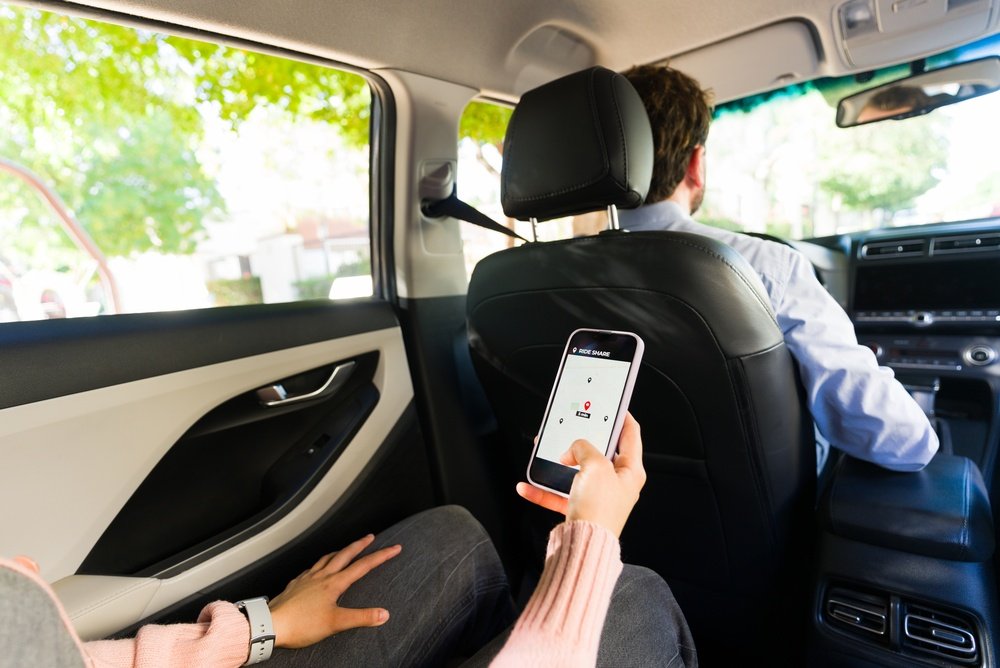
The information needed to file a claim after a rideshare accident typically includes a police report, driver and insurance information, medical records, and supporting evidence such as photos, witness statements, and rideshare app data.
Rideshare accident claims are often more complicated than standard car accident claims because multiple insurance policies may apply. Liability and coverage can shift depending on the rideshare driver’s status at the time of the crash, such as whether they were logged into the app, en route to pick up a passenger, or actively transporting one.
A Fort Lauderdale rideshare accident lawyer can help identify the correct insurance coverage, preserve important evidence, and ensure your claim is properly documented.
What Information Should I Collect to File a Claim After a Rideshare Crash?
To file a claim after a rideshare collision, you need information that proves three things: how the crash occurred, who is legally responsible, and how the accident has affected you financially and physically. This evidence forms the foundation of your claim and will be reviewed by insurers when determining liability and damages.
Unlike a standard car accident, rideshare claims often depend on additional digital and financial records. Information tied to the rideshare app, proof of income disruption, and documentation of property damage can all play a role in establishing the full value of your claim. Missing or incomplete records can give insurers an opportunity to dispute or reduce compensation.
You should focus on gathering materials that verify important facts and quantify your losses, including:
- Police crash report or driver exchange information.
- Rideshare trip receipt, driver profile, and app screenshots.
- Names and contact information for all drivers and witnesses.
- Photos and videos of the accident scene, vehicles, and injuries.
- Vehicle repair estimates and property damage receipts.
- Pay stubs, tax records, or employer statements showing lost income.
The more complete and organized your documentation, the stronger your position when pursuing compensation.


Which Insurance Information Do I Need to File a Claim After an Uber or Lyft Accident?
Rideshare accidents often involve multiple layers of insurance coverage, which makes identifying the correct policy more challenging than in a standard car accident. Depending on the circumstances, coverage may come from the driver’s personal auto policy, the rideshare company’s commercial policy, or both.
To properly evaluate your claim, you will need to identify policy information for every potentially responsible party. This includes not only the rideshare driver but also any other drivers involved in the crash.
You should obtain:
- The name of each insurance company involved.
- Policy numbers for all applicable policies.
- Claim numbers once claims are opened.
- Driver’s license numbers and license plate information.
- Vehicle identification numbers (VINs), if available.
- Contact information for assigned insurance adjusters.
Why the Driver’s App Status Matters
In rideshare accident claims, the driver’s status within the app at the time of the crash directly determines which insurance policy applies and the amount of available coverage.
- If the driver was not logged into the app, only their personal auto insurance applies.
- If the driver was logged in but had not yet accepted a ride request, limited contingent coverage from the rideshare company may be available.
- Once a ride has been accepted or a passenger is in the vehicle, the rideshare company’s higher-limit commercial policy is typically in effect.
Because insurers may dispute which phase applied at the time of the accident, accurately documenting the driver’s app status is important. Any uncertainty in this area can delay the claims process or limit access to available coverage.
How Do Medical Records and Bills Support Your Rideshare Claim?
Medical documentation is one of the most important pieces of information you need to file a rideshare accident claim. These records establish both the existence of your injuries and their connection to the accident.
Billing records support the financial side of your claim by showing the cost of your care. Without complete and itemized documentation, insurers may challenge the necessity or value of your treatment.
Be sure to keep:
- Emergency room and hospital records
- Diagnostic imaging and test results
- Treatment notes from doctors and specialists
- Physical therapy and rehabilitation records
- Prescription records
- Itemized medical bills and statements
You should also track out-of-pocket costs such as copays, medical equipment, and transportation expenses related to treatment. In Florida personal injury claims, these documented costs form the foundation for recovering compensation.
What Other Evidence Can Strengthen a Rideshare Accident Case?
In addition to standard documentation, supplemental evidence can help clarify fault and demonstrate the full impact of your injuries. This type of evidence is especially useful when liability is disputed or when insurers question the extent of your damages.
Video footage and electronic data can provide objective insight into how the crash occurred. However, many of these sources are only retained for a short time, so acting quickly is important. Personal records, such as a journal of your symptoms and daily limitations, can also help support claims for pain and suffering.
Additional helpful evidence may include:
- Traffic camera, dashcam, or surveillance footage.
- Event data recorder (black box) information.
- Rideshare app logs and trip data.
- Written or recorded statements from witnesses.
- Correspondence with insurance companies.
- A personal injury journal documenting recovery and limitations.
Together, this evidence can strengthen the overall credibility and value of your claim.


Don’t Know What Information You Need to File Your Rideshare Accident Claim? Anidjar & Levine Can Help
Collecting the right information after a rideshare accident is important, but knowing how to use that information is just as important.
At Anidjar & Levine, we help clients organize evidence, identify all available insurance coverage, and build strong claims that reflect the full extent of their injuries and losses. With over 400 years of combined experience and more than one billion dollars recovered for clients, we understand what it takes to pursue meaningful results.
You pay nothing unless we recover compensation for you. If you have been injured in a Lyft or Uber accident, contact us today for a FREE case evaluation and discuss your situation with our rideshare accident lawyers.