Introduction: Establishing the Stakes of Preventable Falls
This document presents an in-depth case study deconstructing the systemic problem of preventable falls within Florida’s nursing home system. It analyzes a specialized legal methodology, as detailed by the Law Offices of Anidjar and Levine, for establishing facility accountability and securing justice for injured residents and their families.
Learn More: Florida Nursing Home Fall Injury Lawyer
The core mission of this legal intervention is threefold: to hold negligent facilities accountable for breaches in care, to pursue full and fair compensation for the resulting harm, and to protect the fundamental dignity and safety of a vulnerable population. This case study will proceed by examining the devastating long-term impact of falls, analyzing the common causes of facility negligence, breaking down the legal framework for accountability in Florida, reviewing the step-by-step intervention methodology, and providing an overview of the path to securing compensation.
——————————————————————————–


1.0 The Anatomy of a Preventable Crisis: The Long-Term Impact of Nursing Home Falls
To appreciate the necessity of a rigorous legal response, it is critical to first understand the severe and often permanent consequences of a nursing home fall. The damages inflicted extend far beyond the initial physical injury, creating a cascade of chronic conditions that diminish a resident’s quality of life, cognitive function, and emotional well-being.
Chronic Pain and Diminished Mobility
A fall frequently initiates a cycle of chronic pain from fractures, soft-tissue injuries, or aggravated arthritis. This constant pain erodes a resident’s independence, narrows their range of motion, and increases their reliance on staff and assistive devices. The subsequent need for ongoing rehabilitation, pain management, and specialized equipment like walkers or transfer devices represents a significant and lasting decline in the resident’s functional baseline.
Accelerated Cognitive Decline
A seemingly physical event can trigger or accelerate significant cognitive impairment. A fall can cause an undiagnosed concussion or other direct brain injury, leading to reduced attention, slower processing speed, and impaired executive function. Furthermore, the consequences of the fall—including persistent pain, sleep disruption, increased use of sedating medications, and prolonged immobility—can compound these cognitive deficits, undermining a resident’s orientation and ability for self-care.
Profound Emotional and Social Scars
Even after physical wounds have healed, a fall can leave deep and lasting psychological scars. Residents often develop an intense fear of walking, anxiety in open spaces, and sleep disruptions that erode their confidence and willingness to participate in facility life. As their mobility and confidence shrink, social isolation grows, leading to a loss of identity, depression, and withdrawal from peers and activities that once brought them joy.
These severe outcomes often stem from identifiable and preventable failures in care.
2.0 Identifying Culpability: An Analysis of Common Breaches in the Standard of Care
Proving liability requires a strategic shift from establishing the fact that a fall occurred to identifying the specific breach of duty that caused it. This analysis dissects the most common operational failures that constitute negligence and form the basis of a successful claim.
Medication Mismanagement
A pervasive and often overlooked cause of falls is the improper administration and monitoring of high-risk medications. Facilities breach the standard of care when they fail to account for the known side effects of drugs like sedatives, antipsychotics, and certain pain relievers, which directly impair balance, reduce blood pressure, and cause drowsiness. Negligence is evident when staff ignores black-box warnings, fails to consider how a resident’s hydration status or electrolyte shifts can potentiate side effects, or neglects to monitor for adverse reactions after a change in dosage or prescription.
Deficient Supervision Protocols
Many facilities have written policies that are not followed in practice. Deficient supervision is a leading cause of falls, occurring when residents are left unattended during high-risk moments such as toileting, transferring from a bed to a chair, or ambulation. These failures are often rooted in systemic issues like inadequate staff training on fall-risk indicators, inconsistent shift handoffs where critical information is lost, and a failure to implement or adhere to individualized supervision plans.
Hazardous Facility Conditions
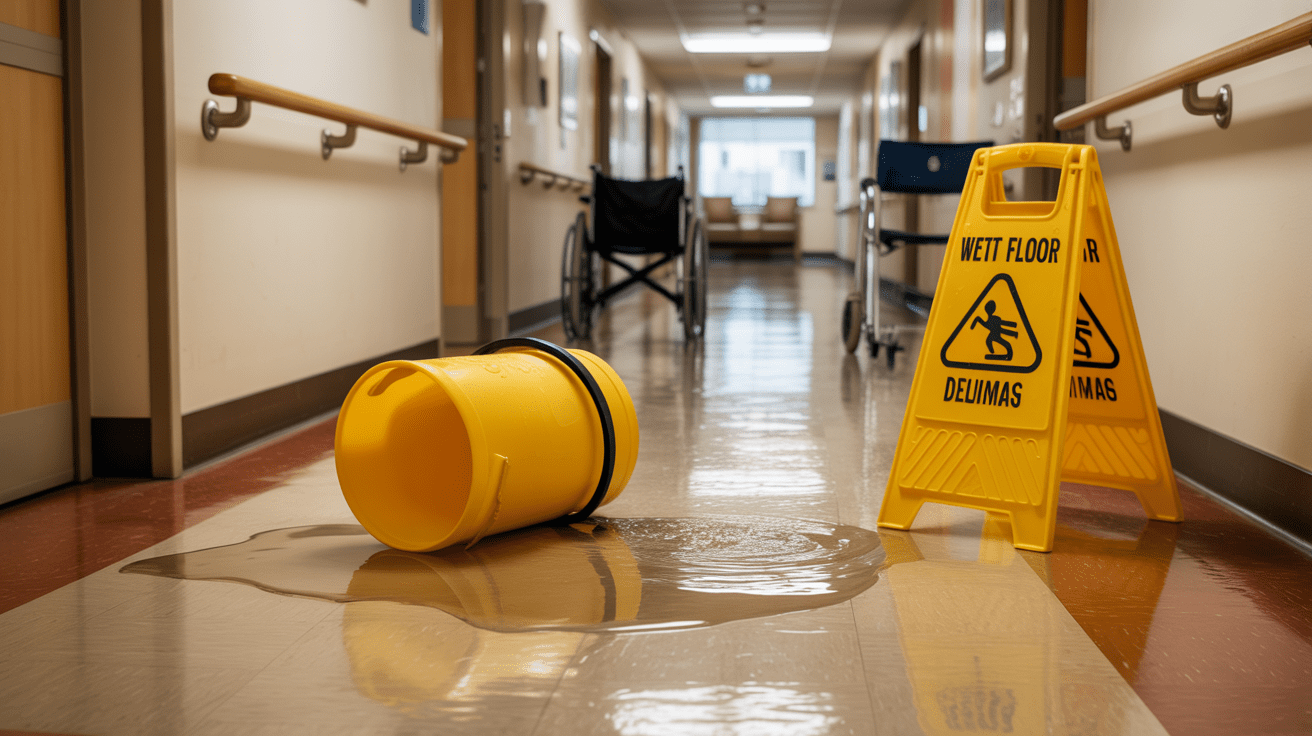
A nursing home has a non-negotiable duty to provide a safe physical environment. This duty is breached when preventable hazards are not addressed through routine maintenance and safety audits. Dangers such as wet floors, poor lighting in hallways, cluttered corridors, uneven flooring, torn carpeting, and loose handrails create a high-risk environment, especially for residents with existing mobility or balance issues.
Inadequate Mobility Assistance
Falls frequently occur when staff members fail to provide appropriate hands-on support during routine movements. This breach of care includes failing to follow an established care plan, not using required assistive devices like gait belts, or providing insufficient support during transfers. These failures are magnified by inadequate staffing levels or poor training, turning a moment of vulnerability into a preventable and life-altering accident.
Florida law provides specific rights and avenues for redress when these breaches of care occur.
3.0 The Legal Framework for Accountability in Florida
A successful claim is built upon the rights and regulations established under Florida law, which empower residents and their families to demand a specific standard of care and hold facilities accountable when they fail to provide it.
3.1 Core Rights of Nursing Home Residents
Leveraging the Florida Nursing Home Residents’ Rights Act and related regulations, victims and their advocates can enforce a clear set of legal standards. Key rights include the ability to:
- Enforce the right to adequate supervision, individualized care planning, and evidence-based fall prevention protocols.
- Demand access to complete medical and incident records, including internal reports, staffing logs, and facility policies.
- Hold facilities legally liable for negligence, understaffing, or maintaining unsafe environments that directly cause injury.
- Seek full and fair damages for all related harm, including medical costs, pain and suffering, disability, and the loss of personal dignity.
3.2 The Critical Mandate: Florida’s Statute of Limitations
Understanding and adhering to legal deadlines is paramount. In most Florida nursing home fall cases, a claim must be filed within two years of the date the injury occurred. However, Florida law includes a “discovery rule,” which can extend this deadline. This rule states that the two-year clock begins on the date the injury should have been discovered through reasonable diligence, protecting victims who could not immediately know that negligence was the cause of the fall or the full extent of the harm.
For tragic cases in which a fall ultimately results in a resident’s death, a distinct two-year period for filing a wrongful death claim applies, typically starting from the date of death. Given these strict deadlines, acting promptly is essential to preserve all available legal options.
Understanding these rights is the first step in the strategic process of building a case.


4.0 The Intervention Methodology: A Step-by-Step Analysis of Case Development
This section deconstructs the disciplined, evidence-driven methodology used to build a robust legal claim from the moment a fall occurs. A systematic process is essential for transforming an incident of suspected negligence into a case for legal accountability.
4.1 Immediate Response Protocol
The actions taken in the immediate aftermath of a fall are critical for protecting the resident’s health and preserving the integrity of a future claim.
- Secure Immediate Medical Care: The first and most important step is to ensure the resident receives a prompt and thorough medical evaluation. This not only addresses urgent health needs, such as hidden fractures or head trauma, but also creates a clear medical timeline that links the fall to specific injuries.
- Document All Incident Details: As soon as is practical, all details surrounding the fall must be recorded. This includes the precise time and location, the staff members present, witness accounts, and any environmental hazards. Photographs of the scene and visible injuries provide powerful, contemporaneous evidence.
- Report the Incident and Preserve Evidence: The fall must be formally reported to facility management to ensure it is officially documented. A formal, written “hold letter” should then be issued, demanding the preservation of key evidence like surveillance footage, maintenance logs, and staffing rosters before they can be altered or destroyed.
4.2 Investigation and Evidence Preservation
Once the immediate response is complete, the focus shifts to a thorough investigation. A legal advocate’s role is to secure and meticulously analyze all relevant evidence to identify breaches in the standard of care. This includes:
- Medical records and physician orders
- The facility’s internal incident reports
- Staffing logs and training records
- Surveillance camera footage
- Statements from staff, residents, and family witnesses
This evidence is then compared against Florida regulations, federal guidelines, and accepted nursing standards to pinpoint specific failures in facility practice.
4.3 Establishing Causation and Proving Liability
The central legal challenge is to draw a clear, direct line from the facility’s breach of duty to the resident’s injury. Simply proving that a fall happened is not enough; the case must demonstrate that the fall was a direct result of negligence. This is accomplished by marshalling expert testimony from qualified nursing and medical authorities. These experts establish the recognized standard of care, explain precisely how the facility’s actions or inactions violated that standard, and provide a professional opinion on how that breach caused the fall and the resulting injuries.
This rigorous methodology is designed to achieve a specific goal: securing full and fair compensation.
5.0 Defining the Remedy: Quantifying and Pursuing Compensation
The ultimate measure of accountability in a civil case is the remedy awarded to the victim and their family. The goal of legal intervention is to quantify the full spectrum of harm caused by a preventable fall and pursue compensation to address every loss.
The categories of compensation pursued include:
- Economic Damages: This covers all tangible financial costs, including hospital bills, ongoing medical expenses, rehabilitation and therapy costs, and the expense of assistive devices like wheelchairs or specialized beds.
- Non-Economic Damages: This category compensates for the profound human costs of a fall, such as physical pain and suffering, emotional distress, loss of dignity, and the loss of enjoyment of life.
- Family-Related Costs: When family members must take on new caregiving burdens, compensation can be sought for their out-of-pocket expenses and the cost of services like respite care.
- Punitive Damages: In cases involving egregious misconduct or evidence of systemic neglect, punitive damages may be pursued to punish the facility and deter future wrongdoing.
5.1 Navigating Financial Complexities
A settlement can be impacted by liens from government payers like Medicare and Medicaid, which have a right to be reimbursed for medical costs they covered. An essential role of legal counsel is to manage these financial complexities by negotiating with lien units to challenge unrelated charges and seek reductions. This process is crucial for maximizing the net recovery that the client ultimately receives.
Achieving such outcomes requires selecting the right expert advocate.
6.0 Critical Considerations for Advocates and Families
Navigating the aftermath of a nursing home fall is a crisis for any family. Choosing the right legal partner is a decisive factor in the outcome and requires a careful evaluation of specific qualifications, resources, and strategic approaches.
6.1 How to Select the Right Legal Counsel
Families should use the following criteria to evaluate and select an attorney:
- Verify focused experience and a proven record of results specifically in nursing home fall cases, not just general personal injury law.
- Confirm a deep understanding of facility policies, electronic charting practices, and the roles of different nursing staff, as these details are central to proving liability.
- Demand a commitment to clear communication, strategic collaboration, and respect for the family’s goals and values.
- Ensure the firm has sufficient resources, including established relationships with medical, nursing, and biomechanical experts.
- Require a transparent, written contingency fee agreement that clearly outlines all costs.
- Select a lawyer or firm with demonstrated readiness to take a case to trial, not one who is only prepared for settlement negotiations.
6.2 Frequently Asked Questions
| Question | Answer |
| Can a resident be moved to a new facility during a claim? | Yes. A resident’s well-being is the top priority. A transfer will not invalidate a claim, but it should be carefully planned to ensure continuity of care and proper preservation of all medical records from the previous facility. |
| Are arbitration agreements in admission papers always enforceable? | Not necessarily. While these agreements can be enforceable in Florida, they may be challenged if the signer lacked authority, was not clearly notified of the clause, consented under duress, or if the terms are legally unconscionable. |
| Who pays for an independent medical evaluation? | Typically, the party that requests the evaluation pays for it. In many cases, the resident’s attorney will cover the upfront costs to obtain necessary evidence. If the facility or its insurer demands the exam, they are usually responsible for the cost. |
Ultimately, navigating these critical considerations with a systematic approach is what empowers families to move from crisis to resolution, a final imperative this case study will now address.
——————————————————————————–
Conclusion: The Imperative of a Systematic Approach to Justice
The findings of this case study are clear: preventable falls in nursing homes represent a critical failure in the duty of care, inflicting devastating and often permanent consequences on residents. Accountability for these failures is not only possible but necessary. It is achieved through a systematic, evidence-based legal methodology that combines prompt and thorough investigation, incisive analysis from medical and nursing experts, and relentless advocacy grounded in Florida law. By holding negligent facilities accountable, families can pursue the justice their loved ones deserve, protecting their rights and sending a clear message that the dignity and safety of every resident must be upheld.