Introduction: Defining the Crisis and the Scope of this Analysis
The abuse of Florida’s elderly population—encompassing neglect, financial exploitation, and direct physical harm—represents a severe and persistent crisis that demands a structured, strategic response. This case study presents a comprehensive analysis of a multifaceted legal and practical framework designed for effective intervention, protection, and accountability.
Learn More: Florida Elder Abuse Injury Lawyer
By examining the established methodologies and protocols modeled by firms such as the Law Offices of Anidjar and Levine, this analysis will detail a blueprint for action, from the initial identification of harm to the pursuit of justice and long-term recovery for victims and their families.
——————————————————————————–


1. The Anatomy of Elder Abuse: Identifying the Four Core Threats to Florida Seniors
An effective legal response to elder abuse begins with a strategic understanding of its distinct forms. The firm’s methodology begins with a strategic categorization of harm, as accurately identifying these patterns is the foundational step in building a case, preserving evidence, and ultimately, securing the safety and dignity of the victim. Each category of abuse presents unique challenges and requires a tailored investigative approach.
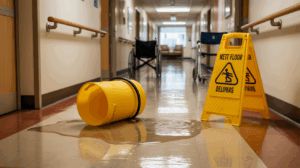
Nursing Home Neglect Nursing home neglect is often not a single malicious act but a pattern of systemic failure—a distinction that is critical for establishing institutional liability. Inadequate staffing ratios directly correlate with missed medications, dehydration, malnutrition, and an increased risk of unsafe falls. Similarly, poor facility sanitation can lead to a higher incidence of infections and aggravate chronic conditions. Red flags include the development of pressure sores (bedsores), a decline in nutrition, and documented delays in staff responding to call lights, all of which signal a breach in the standard of care.
Physical and Sexual Abuse Direct physical and sexual assaults inflict profound and lasting trauma, often enabled by the power dynamics and isolation inherent in some care settings. Warning signs of this abuse can be both physical and behavioral, including unexplained bruises or fractures, genital injuries, and sudden, dramatic changes in a resident’s demeanor, such as withdrawal, fearfulness, or disturbed sleep. Abusers may exploit a resident’s inability to communicate boundaries or actively restrict family access to conceal their actions.
Medication Errors and Overdoses Devastating harm can be caused quietly and systemically through medication errors and overdoses. These incidents frequently stem from poor dosage monitoring, rushed administration by overworked staff, and critical failures in communication between prescribing physicians and facilities. The risk is significantly heightened for residents with multiple prescriptions, as staff may fail to perform rigorous prescription reconciliation, overlook known drug contraindications, or ignore documented allergies and prior adverse reactions. Sudden confusion, unexplained lethargy, or a rapid decline in health can be key indicators of such errors.
Financial Exploitation Scams Predatory individuals and organized scammers methodically target seniors to strip them of their assets and financial independence. This form of abuse is carried out through deceptive phone calls, forged documents, coerced financial transfers, and the misuse of legal instruments like a power of attorney. Scammers often impersonate official entities to create a false sense of urgency and isolate elders from trusted advisors. The firm’s approach involves documenting this pattern of isolation and urgency, which serves as powerful evidence of undue influence and predatory intent.
A clear understanding of these core threats is essential, as it dictates the immediate protocol required to protect the victim and preserve the evidence of wrongdoing.
——————————————————————————–
2. The Immediate Response Protocol: A Blueprint for Intervention and Evidence Preservation
The initial actions taken after abuse is suspected are critically important. This phase is not only about ensuring the immediate safety of the vulnerable adult but also about laying the evidentiary foundation for any future legal action. This model for intervention prioritizes a disciplined, three-step protocol that ensures both objectives are met with precision and urgency.
- Prioritize and Secure Immediate Safety The first and most critical step is to separate the elder from the source of harm. This may involve contacting 911 in cases of imminent danger or requesting a wellness check from Adult Protective Services (APS) when conditions are uncertain. The protocol includes coordinating with physicians to stabilize the individual’s medical condition and, if the environment remains unsafe, pursuing an emergency relocation to a secure facility or a vetted family setting. In situations where the victim’s decision-making capacity is compromised, it may be necessary to seek a temporary guardianship to authorize medical treatment and manage essential needs.
- Execute Prompt and Disciplined Evidence Preservation Once safety is secured, the strategic priority immediately shifts to the disciplined documentation of all evidence before it can be lost or altered. This methodical process involves taking dated photographs of any injuries, the condition of the living space, and medication packaging. It is crucial to collect and secure all relevant medical and pharmacy records, staffing logs, and any available surveillance footage. Throughout this process, a strict chain of custody must be maintained for all physical and digital evidence. This disciplined approach is non-negotiable, as a broken chain of custody can render the most compelling evidence inadmissible in court.
- Initiate Formal Reporting and Seek Legal Counsel Florida’s mandatory reporting laws require that suspected abuse be reported promptly to the proper authorities, such as APS or local law enforcement. Engaging experienced legal counsel at this early stage is a strategic necessity. A lawyer can clarify the victim’s legal rights, protect them from potential retaliation by a facility or caregiver, and develop a measured plan for holding the responsible parties accountable. Early legal guidance ensures that all subsequent actions are aligned with strict procedural deadlines and legal standards.
This immediate response protocol transitions seamlessly from crisis management to the deliberate and methodical process of building a formal legal case.
——————————————————————————–
3. Building the Legal Case: A Methodical Approach to Proving Liability
Once immediate safety is secured and evidence is preserved, the focus shifts to a disciplined investigation aimed at establishing legal liability. This process methodically constructs a fact-based narrative that satisfies Florida’s legal standards for elder abuse and neglect claims. The firm’s approach to proving liability is built methodically upon four legal pillars, supported by a robust evidentiary foundation.
- Establishing the Four Pillars of a Claim:
- Duty of Care: Demonstrating that a caregiver, facility, or medical professional had a legal or contractual obligation to provide a certain standard of care to the elder.
- Breach of Duty: Documenting how specific actions or, more often, omissions constituted a failure to meet that established standard of care.
- Causation: Establishing a direct, factual link connecting the breach of duty to the specific harm, injury, or loss suffered by the victim.
- Damages: Quantifying the harm into measurable damages, including medical expenses, financial losses, and non-economic costs like pain and suffering.
- The Evidentiary Foundation:
- Record Analysis: Building a compelling case on the meticulous scrutiny of official documents, including a deep dive into medical records, facility staffing logs, internal policies, incident reports, and prior regulatory citations to identify inconsistencies, patterns of neglect, or direct evidence of misconduct.
- Expert Testimony: Establishing the recognized standard of care and proving its breach through testimony from qualified experts. Clinical specialists, pharmacologists, and geriatric care experts can interpret complex medical data, explain how a provider’s conduct deviated from professional norms, and authoritatively link that deviation to the resulting injury.
- Witness Interviews: Gathering accounts from family members, other residents, and facility staff to build a comprehensive timeline and corroborate the factual record established by documentary evidence.
By methodically assembling these components, a clear and defensible case for liability is constructed, paving the way to pursue the legal rights and remedies available to victims.
——————————————————————————–


4. Navigating the Legal Landscape: Rights, Remedies, and Critical Timelines
Florida law provides a robust set of rights and legal remedies designed to protect victims of elder abuse and hold wrongdoers accountable. However, successfully leveraging these protections requires a deep understanding of both the available legal actions and the strict procedural deadlines that govern them. Navigating this landscape effectively is key to achieving justice.
Core Legal Rights and Protections Victims of elder abuse in Florida are afforded several fundamental rights under the law. These protections serve as the basis for both civil and, in some cases, criminal action. Key rights include:
- The right to be free from physical, emotional, and financial harm, as well as neglect.
- The right to be free from retaliation after a complaint is made.
- The right to access personal and medical records from a facility.
- The right to seek protective measures, such as court-ordered injunctions, to stop ongoing abuse and restrict contact with an abuser.
- Protections related to decision-making capacity, including the right to have one’s true wishes reflected in estate planning and medical directives.
Pursuing Civil Remedies and Compensation When a caregiver or facility breaches their duty of care, victims can pursue civil remedies to obtain compensation for the full scope of their losses. This can include economic damages to cover medical bills, rehabilitation costs, and necessary home modifications. It also includes non-economic damages for pain and suffering, emotional distress, and the loss of dignity. In cases of particularly egregious conduct, punitive damages may be awarded to punish the wrongdoer and deter future misconduct. Forensic economists and life-care planners are often engaged to help quantify future needs and ensure that any settlement or award provides for long-term stability.
Adhering to the Statute of Limitations Time is a critical factor in any elder abuse claim. Florida generally imposes a two-year statute of limitations for negligence claims against nursing homes and assisted living facilities. This two-year period is typically measured from the time the injury is discovered or reasonably should have been discovered. It is important to note that medical negligence claims within this context may follow separate timelines and procedural requirements. While certain circumstances, such as fraudulent concealment by the facility or the incapacitation of the victim, can potentially extend this deadline, courts apply these exceptions narrowly. Therefore, it is imperative to act promptly to avoid forfeiting the right to pursue a legal claim.
Understanding these legal parameters allows victims and their families to move forward with confidence, knowing their actions are grounded in the protections afforded by state law, while also recognizing the urgency of the long-term human impact of the abuse.
——————————————————————————–
5. The Enduring Impact: Addressing the Long-Term Consequences of Abuse
The consequences of elder abuse extend far beyond the resolution of a legal case. For survivors, the physical, psychological, and financial fallout can be chronic and profoundly destabilizing. Recognizing and addressing this long-term impact is essential to helping a victim restore their health, security, and sense of dignity. From a legal perspective, documenting these long-term effects is crucial for quantifying the full scope of damages and ensuring any compensation addresses a lifetime of need, not just the initial injury.
Chronic Physical Complications An initial injury from neglect or abuse can trigger a cascade of chronic physical health problems. Lingering pain syndromes, slow-healing wounds like pressure ulcers, and recurrent infections are common. A fall caused by inadequate supervision can lead to a fracture that accelerates a decline in mobility, resulting in muscle wasting and a loss of independence. The stress of the abuse, combined with factors like malnutrition or medication errors, can also worsen underlying conditions like cardiovascular disease, increasing the risk of hospitalization and mortality.
Psychological Trauma and PTSD Even when physical wounds heal, the psychological trauma can persist for years. Survivors of elder abuse often exhibit symptoms that mirror Post-Traumatic Stress Disorder (PTSD), including severe anxiety, sleep disturbances, and hypervigilance. The betrayal of trust, especially when the abuser is a caregiver, can erode a person’s sense of safety and lead to social isolation. Everyday events—a specific hallway, the sound of a raised voice, or the sight of a medication cart—can become trauma triggers, provoking panic or withdrawal and complicating ongoing care.
Financial and Legal Fallout The financial and legal consequences of exploitation often compound over time, draining resources and creating immense strain on families. Stolen funds, unauthorized credit card charges, and coerced contracts can deplete life savings and impair access to necessary medical treatment or housing. The process of recovering stolen assets can be complex and may require further legal action, such as estate litigation to invalidate improperly executed wills, trusts, or powers of attorney. This fallout requires a meticulous and strategic approach to stabilize a victim’s finances and protect their future.
The severity of these long-term consequences underscores the necessity of involving specialized legal counsel equipped to address every facet of the harm.
——————————————————————————–
6. The Role of Expert Counsel: A Strategic Partnership for Justice and Recovery
In the aftermath of elder abuse, expert legal counsel is not merely a litigator but a critical strategic asset who directs the entire response, from evidence preservation to complex litigation. This expert guides the family through legal complexities, directs the preservation of critical evidence, and navigates sensitive family dynamics, thereby allowing loved ones to focus on the victim’s care and healing. The value of this partnership is demonstrated through several key functions.
- Proactive Evidence Management: Securing medical records, incident reports, staffing logs, and digital data like surveillance footage before it can be misplaced or destroyed.
- Expert Coordination: Engaging a network of credible medical, pharmacological, and facility-standards experts to authoritatively document the extent of the harm and establish a clear line of causation.
- Strategic Navigation: Managing all court procedures, anticipating defense tactics from corporate operators and their insurers, and using legal tools like subpoenas and preservation letters to compel cooperation from resistant facilities.
- Comprehensive Damage Assessment: Methodically accounting for all current and future costs associated with the abuse, including ongoing medical care, rehabilitation, pain and suffering, and the profound loss of dignity.
- Client-Centered Advocacy: Demonstrating focused experience specifically in Florida elder law, offering transparent fee structures, and possessing the resources needed to effectively litigate against well-funded corporate defendants.
Ultimately, the core objective of this strategic partnership is to secure justice for the harm done and protect the victim’s dignity through relentless, expert-led advocacy.
——————————————————————————–
7. Conclusion: A Commitment to Accountability and Protection
This case study demonstrates that effectively combating elder abuse in Florida requires a swift, methodical, and compassionate response. The framework for action—from immediate intervention and evidence preservation to the methodical construction of a legal case and the pursuit of full compensation—is built on a clear commitment to protecting the state’s most vulnerable seniors. By thoroughly investigating harm, holding negligent facilities and abusive individuals accountable, and securing the resources needed for long-term recovery, we can restore a measure of justice and dignity to victims and their families. Because strict time limits apply to these claims, prompt action is essential. Anyone who suspects that a loved one has been a victim of abuse or neglect is urged to seek a legal consultation to understand their rights and explore the options for securing safety and accountability.