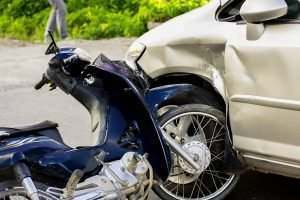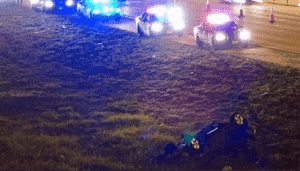
The Law Offices of Anidjar and Levine can review your insurance policy and explain your options when an at-fault driver has no coverage or insufficient limits. A review may include policy terms, exclusions, notice requirements, medical records, crash evidence, and documented losses. Depending on the circumstances, a claim may involve the injured person’s own UM or UIM coverage or other applicable benefits. Learn more from a Miami Personal Injury Lawyer. No recovery is guaranteed, and deadlines may apply.
Main Takeaways
- A Miami uninsured or underinsured motorist lawyer can review your policy and identify potentially available UM/UIM coverage.
- UM coverage may apply when an at-fault driver has no insurance; UIM may help when their limits are insufficient.
- Coverage depends on policy terms, exclusions, limits, deadlines, and Florida law; benefits are not guaranteed.
- Preserve crash evidence, obtain prompt medical care, and notify your insurer without guessing about fault.
- A lawyer can review records, insurer communications, and claim requirements to help protect your interests.
How We Can Help With Your Miami Car Accident Uninsured / Underinsured Injury Claim
When an uninsured or underinsured driver causes a crash, an injured person may have to pursue compensation through their own insurance policy while also evaluating other available claims. Counsel can help organize the process, explain available options, and communicate with insurers so the injured person can focus on recovery and family responsibilities.
A careful Coverage analysis can identify relevant policy provisions, limits, notice requirements, and potential sources of compensation. Counsel may review the crash documentation, medical records, insurance correspondence, and other evidence to assess how the available coverage applies. This review can also help identify missing information and steps needed to protect the claim.


An effective Claim strategy should reflect the person’s circumstances, documented losses, and practical goals. Counsel can prepare and submit claim materials, address insurer questions, monitor deadlines, and evaluate settlement proposals. When disputes arise, counsel can explain possible responses and represent the injured person in negotiations or other appropriate proceedings. Clear guidance helps clients make informed decisions and pursue fair treatment throughout a demanding process.
Understanding Miami Car Accident Uninsured / Underinsured Injury Cases
OUR CONSULTATIONSARE FREE
START YOUR FREE CASE REVIEW

Miami uninsured and underinsured motorist injury cases arise when the at-fault driver has no liability insurance or carries limits that are insufficient to cover the injured person’s losses. A claimant may seek benefits under an applicable uninsured or underinsured motorist policy, subject to its terms, limits, and required procedures. These benefits can help address medical expenses, lost income, and other covered damages when the responsible driver’s coverage is absent or inadequate.
Coverage coordination may affect how multiple policies respond, including the order in which benefits are considered and the amount available. Household policies may protect eligible relatives, depending on residency, policy language, and the circumstances of the collision. Reviewing declarations, exclusions, notice requirements, and claim deadlines helps clarify potential coverage and preserve available rights. Careful evaluation also supports accurate communication among insurers and injured people. For those seeking to serve and protect others, understanding these rules can help guarantee that injured individuals receive a fair assessment of their claims.
Don’t Wait. Call Our Florida Personal Injury Lawyers Now!
Common Causes of Miami Car Accident Uninsured / Underinsured


Miami crashes involving uninsured or underinsured motorists may result from drivers carrying no insurance or coverage limits too low to cover the resulting losses. Hit-and-run collisions can also leave injured people without access to the at-fault driver’s insurance. Policy lapses and exclusions may further limit or eliminate coverage, depending on the circumstances.
Uninsured Drivers
Drivers in Miami may lack adequate auto insurance for several reasons, including financial hardship, lapsed policies, or a failure to comply with Florida’s insurance requirements. Some motorists may not understand which policies must remain active, while others allow coverage to expire after missing payments or changing vehicles. Florida coverage requirements generally include personal injury protection and property damage liability, but compliance does not always mean a driver carries every form of protection that could assist an injured person. Uninsured motorist statistics help show how frequently crash victims may encounter drivers without applicable coverage, although figures can vary by source and year. After a collision, confirming insurance status and preserving relevant records can help affected individuals understand available options. Careful documentation also supports a fair process for those seeking accountability and assistance.
Insufficient Coverage Limits
Even when an at-fault motorist has an active auto policy, its limits may be too low to cover the full cost of a serious crash. Medical treatment, lost income, rehabilitation, and vehicle damage can quickly exceed the available liability coverage. This Coverage shortfall may leave injured people facing substantial expenses despite the other driver’s insurance.
Reviewing all potentially applicable policies can help identify additional sources of compensation. Depending on the circumstances and policy terms, policy stacking may allow coverage limits from multiple vehicles or policies to be combined. However, stacking is not available in every case, and exclusions or state requirements may affect eligibility. An attorney can assess the insurance documents, explain the options, and help pursue available benefits. Careful evaluation can support injured individuals and their families as they address financial needs and recovery.
Hit-And-Run Collisions
When a motorist flees after a collision, injured people may have difficulty identifying the at-fault driver or pursuing a claim against that driver’s insurance. In Miami, hit-and-run collisions can leave victims facing medical expenses and lost income without a clear source of compensation. Uninsured motorist coverage may provide a path to recovery when the responsible driver cannot be located, subject to the policy’s terms and applicable law.
Prompt reporting can help preserve evidence and support hit-and-run identification. Injured people should contact law enforcement, provide a detailed account, and retain photographs, vehicle descriptions, and any available surveillance footage. Witness canvassing may reveal observations about the fleeing vehicle, its direction of travel, or the events leading to impact. Timely documentation can assist investigators and help insurers evaluate a claim while protecting the interests of those affected.
Policy Lapses or Exclusions
A policy lapse or exclusion can leave an at-fault motorist without coverage after a Miami crash. A lapse may occur when a premium is unpaid, a payment is delayed, or a policy expires before renewal. An insurer may then deny a claim, even if the driver believed coverage remained active. Exclusions can also restrict protection for particular drivers, vehicles, or circumstances. Careful interpretation of exclusions helps determine whether the insurer’s decision follows the policy language and applicable law. Policy reinstatement may restore coverage, but its effective date and terms matter; it may not apply retroactively to a collision that occurred during a lapse. Injured people can preserve policy notices, payment records, and insurer correspondence. These materials can clarify available coverage and help identify responsible parties, supporting a fair recovery process.
Legal Rights of Miami Car Accident Uninsured / Underinsured Injury Victims
What legal protections remain when a Miami driver is injured by someone with no insurance or inadequate coverage? Florida law may preserve options for pursuing compensation, although available remedies depend on the policies, facts, and applicable deadlines. A Rights Overview begins with identifying coverage that may respond to the injury and carefully documenting losses. Claim Eligibility should be assessed promptly, since policy terms and legal requirements can affect recovery.
Potential avenues may include:
- Uninsured or underinsured motorist coverage, if the injured person’s policy provides it and its conditions are met.
- A claim against the at-fault driver, subject to proof of responsibility and the person’s ability to pay.
- Other applicable insurance benefits, which may help address medical expenses or related losses.
An injured person may also have duties to notify insurers, cooperate with reasonable investigations, and preserve records. Legal guidance can help clarify those obligations and protect the interests of family members or others relying on the injured person. Each claim requires an individual review; no outcome is guaranteed.
Why Do Miami Car Accident Uninsured / Underinsured Injuries Happen?
Miami car accidents involving uninsured or underinsured drivers often result from gaps in financial responsibility, not unusual crash circumstances. Drivers may carry no active policy because premiums are unaffordable, coverage has lapsed, or required insurance was never obtained. Others maintain only minimum limits that cannot fully address the medical costs and losses caused by a serious collision.
Uninsured Driver Prevalence is shaped by economic pressures, enforcement challenges, and misunderstandings about insurance requirements. In a large, heavily traveled region such as Miami, these factors can leave injured people facing substantial expenses even when another driver caused the crash. Coverage Gap Trends also reflect rising repair and treatment costs, which can outpace policy limits even when a policy technically remains in force. Some motorists may have insurance that excludes a particular vehicle or driver, creating further uncertainty about available compensation. These conditions explain why financial protection can fall short after ordinary roadway errors, affecting families and communities that depend on timely care and support.
What Should You Do After a Miami Car Accident Uninsured / Underinsured Injury?
After a Miami car accident, an injured person should seek prompt medical care, even if symptoms initially appear minor. They should document the crash by preserving photographs, witness details, and relevant records. They should also notify their insurer promptly and review available uninsured or underinsured motorist coverage.
Seek Immediate Medical Care
If a crash causes injury, prompt medical care should take priority, even when the other driver lacks insurance or carries insufficient coverage. Emergency treatment can address serious injuries and help prevent complications, so injured people should call 911 or go to an emergency department when symptoms warrant. A medical professional should evaluate injuries as soon as possible, including those that seem minor at first. Some conditions may not become apparent until hours or days after a collision. Following clinical instructions and attending recommended follow-up appointments supports recovery and provides continuity of care. Symptom monitoring is also important; changes such as worsening pain, dizziness, numbness, or difficulty breathing require prompt medical attention. Timely care protects health and helps individuals remain able to support family members and others who depend on them.
Document the Accident
Once immediate medical needs are addressed, documenting the crash can help preserve important evidence, particularly when the at-fault driver has no insurance or inadequate coverage. If it is safe, the injured person or a trusted companion should photograph vehicle damage, license plates, road markings, traffic signals, and the surrounding scene. Photo timestamps can help establish when images were taken and support an accurate account of events. Notes should record the crash location, time, weather conditions, visibility, and any hazards that may have contributed. Names and contact details for witnesses can also assist with later fact-finding. The parties involved should exchange basic identifying and vehicle information without arguing about fault. Store copies of relevant records and photographs securely, allowing the injured person to provide reliable information to professionals working to protect their interests.
Contact Your Insurer
With the crash details documented, an injured person should promptly notify their own insurer, even when another driver appears responsible. Timely Claim notification can preserve access to uninsured or underinsured motorist benefits and help the insurer investigate while evidence remains available. The injured person should provide accurate facts, including the collision date, location, parties involved, and known injuries, without guessing or assigning fault. They should request written confirmation that the claim was received and ask what forms, deadlines, or records are required. Coverage confirmation is also crucial: the policyholder should review applicable limits, exclusions, and notice requirements with the insurer. Medical records and repair estimates may be needed, but releases or recorded statements should be considered carefully. Clear, prompt communication supports an orderly claim and helps protect resources needed for recovery and continued service to family and community.
Critical Evidence in a Miami Car Accident Uninsured / Underinsured Injury Case
A strong uninsured or underinsured motorist claim depends on evidence that establishes how the crash occurred, the injuries sustained, and the available coverage.
Essential records may include:
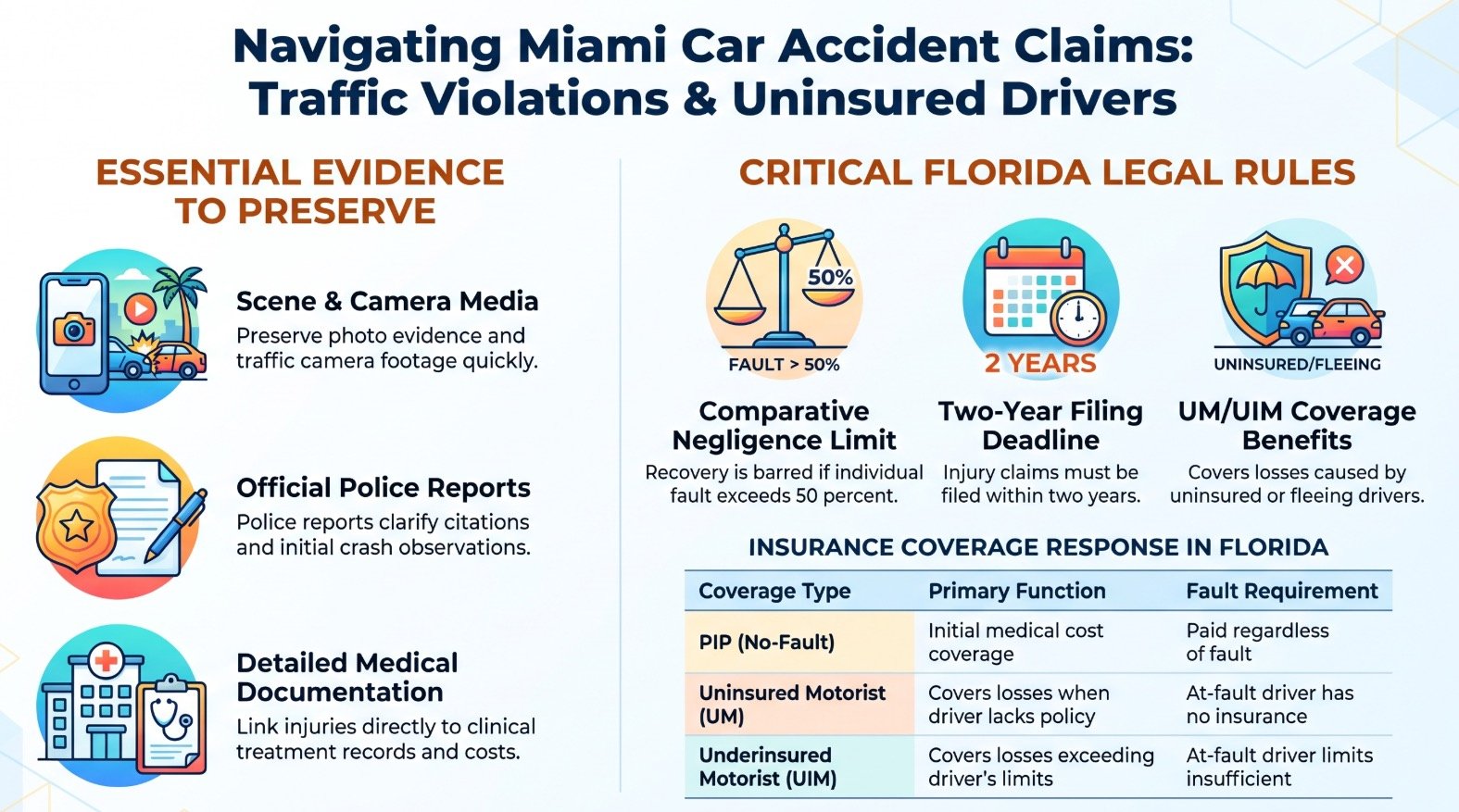
- Accident scene photographs and other documentation, along with police report details
- Medical records and bills connecting treatment and expenses to the collision
- Insurance policy documents showing applicable uninsured or underinsured motorist coverage
Together, these materials can help clarify liability, damages, and potential benefits.
Accident Scene Documentation
What is recorded at the scene can become vital evidence when an uninsured or underinsured driver causes a crash in Miami. Photographs should capture vehicle positions, visible damage, traffic signals, lane markings, and nearby road conditions before vehicles are moved, when safety permits. Images of Roadway debris can help show the impact’s location and direction, while preserving skid marks may document braking or loss of control. Witness names and contact details can also help preserve independent accounts for later review. Those collecting information should avoid interfering with emergency response or entering traffic. If a person is injured, medical care takes priority over documentation. Careful, timely records may assist an injured driver, support a claim under available insurance coverage, and help counsel evaluate disputed facts without relying solely on memory.
Police Report Details
Beyond photographs and witness information, the police report can provide an official record of a Miami crash involving an uninsured or underinsured driver. It may identify the responding officer, involved parties, vehicle details, reported insurance information, road conditions, and statements collected at the scene. These details can help clarify how the collision was documented and identify information that may require follow-up. Report access is important because errors or omissions can affect how insurers assess a claim. An injured person or authorized representative can request the report through the appropriate law enforcement agency and review it carefully. If factual information appears inaccurate, you may submit a correction request to the agency, although changes are not guaranteed. Prompt review can preserve reliable evidence and support a fair evaluation of available coverage and responsibility.
Medical Records And Bills
Medical records and bills establish the nature, timing, and cost of injuries after a Miami car accident involving an uninsured or underinsured driver. These documents can connect treatment to the collision and show how injuries affected the person’s daily functioning. Emergency department notes, diagnostic imaging, physician assessments, therapy records, and prescriptions may each provide relevant evidence. Consistent care and accurate documentation help clarify the recovery process.
Organized records support a clear review of the claim. Arrange records by provider and date, and match bills to corresponding services and payment statements. This process can reveal billing errors, duplicate charges, missing entries, or services that require explanation. Request corrections from the provider when appropriate. Complete, legible records help attorneys assess documented losses and present reliable information while protecting the injured person’s interests.
Insurance Policy Documents
When an uninsured or underinsured driver causes a Miami car accident, insurance policy documents can determine which coverage may apply and what limits are available. Policy declarations identify named insureds, covered vehicles, policy periods, and stated limits, helping establish whether a policy was active and potentially relevant to the collision. Coverage endorsements may add, restrict, or clarify protection, including uninsured or underinsured motorist benefits. Reviewing the complete policy, rather than relying only on a summary, can reveal conditions, exclusions, notice requirements, and coordination rules that affect a claim. These records may also help distinguish the at-fault driver’s liability coverage from benefits available under an injured person’s own policy. Careful document preservation supports accurate evaluation and timely communication among claimants, insurers, and legal representatives, helping those involved pursue fair treatment and protect available recovery options.
Don’t Wait. Call Our Florida Personal Injury Lawyers Now!
Long-Term Effects of Miami Car Accident Uninsured / Underinsured Injuries
Uninsured or underinsured car accident injuries in Miami may lead to chronic pain and reduced mobility that interfere with daily activities. Some individuals also experience lasting emotional trauma, including anxiety or difficulty returning to normal routines. Continued treatment and rehabilitation can create substantial medical expenses long after the initial accident.
Chronic Pain and Mobility
Chronic pain and limited mobility can persist long after a Miami car accident, particularly when injuries affect the spine, joints, or nerves. These lasting effects may make routine tasks, employment, and caregiving responsibilities more difficult. A person may need ongoing treatment, such as physical therapy, medication, or expert care, to manage symptoms and preserve function. Pain management plans are often adjusted over time to address changing needs while limiting treatment risks. When walking, lifting, or standing becomes challenging, mobility aids such as canes, braces, or wheelchairs may support safer movement and greater independence. Consistent medical documentation can help clarify how injuries affect daily activities and future care needs. For injured people with uninsured or underinsured drivers, understanding available coverage may help address eligible medical expenses and support access to necessary services.
Lasting Emotional Trauma
Emotional trauma can continue long after a Miami car accident, affecting sleep, concentration, relationships, and a person’s ability to return to ordinary activities. Survivors may experience anxiety, low mood, irritability, or persistent fear while traveling. Trauma triggers, such as traffic noise, intersections, or emergency sirens, can bring back distressing memories and make routine journeys difficult. These responses may affect family responsibilities, work, and participation in community life.
Emotional recovery can take time and may require support from qualified mental health professionals. A survivor’s needs and progress vary, so care should reflect individual circumstances rather than a fixed timetable. Uninsured or underinsured coverage may help address eligible losses related to an accident, subject to policy terms and applicable law. Clear documentation of symptoms and treatment can help explain the lasting effects when an injury claim is evaluated.
Ongoing Medical Expenses
Ongoing medical expenses can arise when injuries from a Miami car accident require continued treatment, medication, rehabilitation, or follow-up care. For people injured by uninsured or underinsured drivers, these costs may continue after initial insurance benefits are exhausted. Consistent care can support recovery and help patients maintain daily responsibilities, while unpaid bills may create pressure to delay necessary treatment.
Medical payment coordination can help identify available coverage, clarify which providers must be paid, and reduce billing conflicts. A review may include personal injury protection, health insurance, and any applicable uninsured or underinsured motorist benefits. Treatment cost forecasting can also help estimate future expenses based on medical recommendations, anticipated therapy, and prescription needs. Organized records, provider statements, and treatment plans can help evaluate potential claims. Careful planning helps injured individuals pursue appropriate treatment while preserving resources for ongoing recovery and supporting those who depend on them.
Proving Liability in Miami Car Accident Uninsured / Underinsured Injury Cases
Proving liability is essential in a Miami car accident claim involving an uninsured or underinsured driver, because available coverage does not establish who caused the crash. A claimant must show that another driver failed to use reasonable care and that this failure caused the collision and resulting injuries. Evidence may include the police report, photographs, witness accounts, vehicle damage, traffic camera footage, and medical records. These materials can help establish the sequence of events and connect the crash to the harm suffered.
Negligence reconstruction may be useful when the cause is disputed, or physical evidence requires careful analysis. A qualified professional can examine vehicle positions, impact points, road conditions, and other details to assess how the collision occurred. The evidence may also reveal whether comparative fault applies, such as when more than one person contributed to the crash. Clear, reliable proof supports a fair assessment of responsibility and helps injured people pursue accountability while preserving the facts needed to serve their families and communities.
Dealing With Insurance Companies After a Miami Car Accident Uninsured / Underinsured Injury
After a Miami car accident involving an uninsured or underinsured driver, insurance communications can affect how a claim is evaluated and resolved. The injured person may need to communicate with their own insurer about uninsured or underinsured motorist coverage, while also responding to inquiries from other involved insurers. Careful, accurate communication helps protect everyone’s interests and supports a fair review.
Adjuster communication should remain factual and consistent with available records. The claimant can provide requested information, such as medical documentation and accident details, while keeping copies of correspondence and noting important conversations. Questions about coverage, deadlines, or requested documents may be directed to the insurer or a qualified attorney.
Recorded statements require particular care. Before agreeing to provide one, the injured person should understand who is requesting it, its purpose, and how the information may be used. Answers should be truthful and limited to what is known; speculation or uncertain estimates can create confusion. Respectful, organized communication can help prevent misunderstandings.
What to Expect During a Miami Car Accident Uninsured / Underinsured Injury Claim Process
A Miami uninsured or underinsured motorist claim typically begins with reviewing the available insurance coverage and filing a claim under the applicable policy. The injured person should document medical treatment, lost income, and other losses to support the claim. If the insurer disputes coverage or the value of the claim, the parties may negotiate a settlement or pursue other resolution options.
Reviewing Insurance Coverage
Reviewing insurance coverage is an essential step in a Miami uninsured or underinsured motorist claim. This review establishes which protections may apply after a collision and what limits govern potential recovery. Coverage verification includes reviewing the declarations page, endorsements, exclusions, and available limits, and confirming the policy was active on the accident date. Policy interpretation helps clarify how the contract defines insured persons, covered vehicles, and qualifying accidents. The review may also identify coordination rules involving other applicable insurance and whether separate household policies could affect available benefits. Careful attention to these details supports an accurate understanding of the injured person’s options and helps prevent misunderstandings about the protection purchased. A lawyer may explain complicated terms in clear language, enabling the claimant to make informed decisions while preserving the purpose of seeking fair support.
Filing Your UM/UIM Claim
Once available coverage has been identified, filing a UM/UIM claim begins with notifying the insurer and providing information about the collision, injuries, and damages. The policyholder should follow the insurer’s instructions, complete required forms accurately, and meet stated deadlines. Claim Filing may require cooperation and answers to questions about how the crash occurred and which parties were involved. Coverage Verification helps confirm that the applicable policy was active and that the claim falls within its terms. The insurer may review the circumstances, assess liability, and determine whether the at-fault driver’s coverage is insufficient. Communication should remain timely and factual, with copies of correspondence retained. A claimant may seek legal guidance if the insurer disputes responsibility, delays its review, or offers a resolution that does not reflect the policy’s available benefits. This process can help protect access to compensation and support others affected by the crash.
Documenting Injuries And Losses
Because a UM/UIM claim may involve both medical needs and financial losses, careful documentation is essential. The injured person should follow medical advice, attend appointments, and retain records of diagnoses, treatment plans, prescriptions, and referrals. These materials help show how the collision affected health over time. Evidence preservation also includes keeping photographs of visible injuries, damaged property, and relevant accident conditions, along with copies of the crash report and witness information. For expense tracking, the claimant should organize medical bills, insurance statements, pharmacy receipts, transportation costs, and proof of missed work. A simple, dated log can record symptoms, limitations, and recovery milestones without replacing professional medical records. Consistent, accurate documentation allows the insurer to assess the claimed losses and helps the injured person provide reliable information throughout the claim process.
Resolving Disputes And Settlement
How a Miami uninsured or underinsured motorist claim is resolved depends on the available evidence, the extent of the injuries, and the policy’s coverage limits. After reviewing medical records, wage documentation, and accident evidence, the insurer may accept the claim, dispute responsibility, or challenge the value of the losses. The claimant’s representative can respond with supporting records and a reasoned demand.
Settlement Negotiation may involve offers and counteroffers concerning compensation for treatment, lost income, and other documented harm. A careful Mediation Strategy can help the parties address disagreements with a neutral mediator while avoiding the cost and delay of litigation. Mediation does not require either side to accept a proposed resolution. If negotiations fail, the policy may provide for arbitration or court proceedings, subject to its terms and applicable law. Throughout the process, clear communication helps protect the claimant’s interests and support a fair outcome.
Compensation for Miami Car Accident Uninsured / Underinsured Injury Damages
Compensation for injuries caused by an uninsured or underinsured driver may come from the injured person’s own insurance policy, including uninsured/underinsured motorist coverage, when the policy applies. The available recovery depends on policy limits, coverage terms, and the evidence establishing responsibility and injury. A claim may also involve other applicable insurance, such as coverage available through a vehicle owner or an employer, depending on the circumstances.
Coverage coordination matters when multiple policies or benefits may respond to the same collision. Insurers may review policy language to determine which coverage applies first and whether limits are shared or separate. Benefit offsets may reduce an amount otherwise payable when the policy permits deductions for certain payments already received. These provisions can affect the final recovery and require careful review before a claim is resolved.
Accurate records, timely notice, and cooperation with reasonable investigation requests can help preserve a claim. A lawyer can explain available coverage, assess disputed terms, and pursue compensation consistent with the policy and applicable law.
Economic vs. Non-Economic Damages in Miami Car Accident Uninsured / Underinsured Cases
Economic damages may include medical expenses, lost income, and other documented financial costs resulting from a crash. Non-economic losses can include pain, emotional distress, and reduced quality of life, which are assessed differently from direct expenses. In uninsured or underinsured motorist claims, the available policy coverage and supporting evidence affect how both categories of damages are evaluated.
Economic Damage Categories
After an uninsured or underinsured driver causes a crash in Miami, the injured person’s losses generally fall into two categories: economic damages and non-economic damages. Economic damages represent measurable financial losses supported by records, bills, or other evidence. They may include emergency care, hospital treatment, medication, rehabilitation, and reasonable future medical expenses related to the collision. Property damage, such as repair or replacement costs for a vehicle and damaged personal items, may also qualify. Lost wages can cover income missed during recovery, while diminished earning capacity may address a lasting reduction in earning capacity. Documentation such as pay records, invoices, medical reports, and repair estimates helps establish these amounts. In an uninsured or underinsured motorist claim, available coverage limits and policy terms may affect recovery. Careful accounting can support a fair assessment of documented losses.
Non-Economic Losses
Unlike economic damages, non-economic losses address the personal effects of a Miami car accident rather than measurable financial costs. These losses may include Pain and Suffering, such as physical discomfort, emotional distress, anxiety, or disruption to daily routines. They can also reflect Loss of Enjoyment when injuries prevent a person from participating in hobbies, family activities, or community service that previously mattered to them. Unlike medical bills or lost income, these harms do not have a fixed price, so their evaluation depends on the circumstances and the effects on the injured person’s life. Relevant considerations may include the injury’s severity, recovery period, and lasting limitations. Careful documentation and clear accounts from the injured person and those familiar with their daily life can help explain these personal consequences accurately and respectfully.
UM/UIM Damage Claims
When an at-fault driver lacks sufficient insurance, a Miami car accident victim may seek compensation through uninsured or underinsured motorist (UM/UIM) coverage, subject to the policy’s terms and limits. Economic damages may include documented medical expenses, rehabilitation costs, lost income, and reduced future earning capacity. Non-economic damages may address pain, emotional distress, and diminished quality of life. A careful claim presents evidence supporting both categories and explains how the injuries affect the claimant’s daily responsibilities and ability to serve family or community. Recovery remains subject to coverage limits, exclusions, and applicable Florida law. UM/UIM policy stacking may increase available coverage in certain circumstances, but eligibility depends on the policies and facts. Insurers must assess claims fairly; unreasonable handling may support bad faith insurance claims, requiring legal and factual evaluation.
When a Miami Car Accident Uninsured / Underinsured Injury Case Goes to Trial vs Settlement
A Miami uninsured or underinsured motorist injury claim may settle through negotiation or proceed to trial if the parties cannot agree on liability or the value of the damages. Settlement allows the injured person and insurer to resolve the dispute without a court verdict, often after reviewing medical records, wage information, and other evidence of loss. Settlement timing can depend on the course of treatment, the availability of documentation, and whether negotiations produce an acceptable offer. A claimant may need to weigh the benefit of a timely resolution against the risk of accepting less than the evidence supports.
Trial considerations include the strength of the evidence, disputes over fault or injury, expected litigation costs, and the uncertainty of a jury decision. A trial may require testimony from the injured person, medical providers, or other witnesses. Either path can affect the time and resources available for recovery and service to family or community. Legal guidance can help clarify options and prepare the claim for negotiation or trial.
Florida Laws That May Affect Your Miami Car Accident Uninsured / Underinsured Case
Florida law shapes how uninsured and underinsured motorist claims are evaluated, including coverage requirements, policy limits, and deadlines for taking legal action. Florida no-fault rules generally require drivers to carry personal injury protection, which may pay certain medical expenses regardless of fault. That coverage does not replace compensation available through a UM policy when an at-fault driver lacks adequate insurance.
Relevant considerations include:
- Insurers generally must offer UM coverage with bodily injury liability policies, subject to statutory rules and valid written rejection or selection of lower limits.
- A documented UM coverage rejection can affect whether protection applies, making the policy application and related records important evidence.
- Policy language, coverage limits, fault findings, and coordination with available benefits may influence the amount recoverable.
These rules help clarify the protections available to injured people and the resources they may need to continue supporting family members and community responsibilities. A careful review of the declarations page, endorsements, and claim correspondence can identify disputed terms and guide informed decisions.
The Statute of Limitations for Miami Car Accident Uninsured / Underinsured Injury Cases
Prompt attention to legal deadlines is vital in Miami uninsured and underinsured motorist cases because the time to file suit may depend on the claim’s legal basis and the applicable policy terms. Florida law generally sets a five-year period for actions founded on written contracts, which may govern a dispute over uninsured motorist coverage. A separate deadline may apply to an injury lawsuit against the at-fault driver, and the applicable period can depend on when the crash occurred and the governing law. These distinct deadlines make it important to identify the claim being pursued and calculate its Limitations Deadline accurately. Missing a deadline can prevent recovery, even when injuries are serious and coverage appears available. Tolling Exceptions may pause or alter a filing period in limited circumstances, but they are fact-specific and should not be assumed. Policy notice requirements and contractual conditions may also affect a claim. Timely attention to these rules helps preserve resources intended to support injured people and their families.
How a Miami Car Accident Uninsured / Underinsured Lawyer Can Help You
An experienced Miami uninsured or underinsured motorist lawyer can help an injured person assess available coverage, meet policy requirements, and pursue compensation after a crash. The lawyer reviews the insurance policy, accident records, and documented losses to identify potential sources of recovery. A careful coverage strategy can clarify how uninsured or underinsured motorist benefits interact with other applicable insurance.
Counsel may assist by:
- Examining policy terms, limits, exclusions, and notice requirements.
- Gathering medical records, repair estimates, and evidence of the other driver’s insurance.
- Preparing claim materials and addressing disputes over liability or damages.
Attorney advocacy can help ensure an insurer receives organized, substantiated information and that the injured person’s interests remain central throughout the claim. The lawyer can explain available options in clear terms, support informed decisions, and seek compensation for covered losses, including medical expenses and lost income. This work can also reduce administrative burdens, allowing the injured person to focus on treatment and responsibilities to family and community.
Don’t Wait. Call Our Florida Personal Injury Lawyers Now!
When to Contact a Miami Car Accident Uninsured / Underinsured Lawyer
Contacting a Miami car accident uninsured or underinsured lawyer soon after a crash can help preserve evidence and clarify which insurance benefits may apply. An early consultation can be useful even when injuries or vehicle damage seem minor, because symptoms and costs may become clearer over time. A lawyer can review the available information and explain practical next steps while the injured person focuses on recovery and family responsibilities.
Prompt contact is especially important when the other driver lacks coverage, has insufficient limits, or disputes responsibility. The injured person should retain crash reports, photographs, medical records, insurance correspondence, and witness details, then share them promptly with counsel. These materials may help clarify the circumstances and support timely communication with insurers.
Deadline Awareness matters because insurance policies and Florida law may impose reporting requirements or filing limits. Waiting for a full medical recovery or a final repair estimate could risk missing an applicable deadline. A timely legal consultation can help identify relevant timeframes and preserve options without requiring an immediate decision about pursuing a claim.
Why You Need an Experienced Miami Car Accident Uninsured / Underinsured Lawyer
An experienced Miami car accident uninsured or underinsured lawyer can assess whether available coverage is sufficient and identify potential sources of compensation. This guidance can help injured people understand their options while protecting resources needed for medical care and recovery.
Florida UM requirements can be complicated, and uninsured motorist coverage is not automatically included in every policy. A lawyer can review the policy language, explain applicable limits, and determine whether the insurer followed its obligations. This matters when a responsible driver has no coverage or insufficient insurance to address the losses.
Uninsured motorist statistics also underscore the risk that a crash may involve a driver without adequate protection. An experienced lawyer can gather records, document injuries and financial losses, and coordinate communications with insurers. Careful claim preparation may reduce avoidable delays and help ensure relevant evidence is considered.
How to Choose the Right Miami Car Accident Uninsured / Underinsured Lawyer for Your Case
Choosing the right Miami car accident uninsured or underinsured lawyer requires evaluating the attorney’s experience with these claims, knowledge of Florida insurance law, and ability to clearly explain the available options. A careful selection process can help injured people pursue fair treatment while protecting their families and responsibilities.
Review Attorney credentials, including licensing, relevant training, and a record of handling uninsured and underinsured motorist disputes. Ask how the lawyer investigates coverage, communicates with insurers, and addresses contested claims. Clear answers can show whether the attorney can explain important decisions without creating unrealistic expectations.
Discuss fee structures before signing an agreement. The lawyer should explain how fees are calculated, whether case expenses are separate, and when payment is due. Comparing these terms helps a client understand the financial commitment.
The initial consultation also offers a chance to assess responsiveness and judgment. A suitable attorney listens carefully, identifies potential issues, and outlines practical next steps. Choosing someone who values service and clear communication can support informed decisions throughout a difficult recovery.
About The Law Offices of Anidjar & Levine
The Law Offices of Anidjar & Levine represents people injured in car accidents, including those facing insurance disputes involving uninsured or underinsured drivers. The firm helps clients understand available coverage, evaluate claim options, and address challenges that may arise when an insurer disputes responsibility or damages. Its work includes helping injured people pursue compensation for medical expenses, lost income, and other losses supported by the circumstances of a crash.
Firm history reflects a focus on representing individuals and families affected by serious injuries. The attorneys handle cases across Florida and guide clients through the legal process, including communicating with insurers and preparing for litigation when needed. Their approach is shaped by attorney values such as diligence, accountability, and respect for clients’ concerns. These principles support clear explanations and attentive case handling, while recognizing that each person’s needs and circumstances differ. For those seeking to serve others, the firm’s work centers on helping injured people understand their rights and make informed decisions after an accident.

Frequently Asked Questions
Can I Use My Own Health Insurance While My Injury Claim Is Pending?
Yes, an injured person can generally use personal health insurance while an injury claim is pending, subject to the policy’s terms and provider requirements. Health insurance coordination may involve submitting bills to the insurer and identifying any auto coverage that also applies. Reimbursement obligations may arise if the person later receives compensation for medical expenses. The insurer may assert a repayment claim, so review coverage rules and settlement terms carefully with qualified counsel.
Will an Uninsured Motorist Claim Affect My Insurance Premiums?
An uninsured motorist claim does not automatically increase the policyholder’s premiums, particularly when another driver caused the crash. However, insurers may consider state law, claim history, fault findings, and company practices when setting rates. Premium impact can consequently vary, and a surcharge may be restricted where the insured was not responsible. Renewal considerations include reviewing the insurer’s written explanation, checking applicable protections, and comparing coverage options before changing policies. A qualified adviser can clarify the policyholder’s rights.
Can Passengers File Uninsured Motorist Claims Under the Driver’s Policy?
Passengers may file uninsured motorist claims under the driver’s policy when they qualify as insured persons, and the policy provides applicable coverage. Passenger eligibility depends on the policy’s definitions, the vehicle involved, and the circumstances of the collision. Policy exclusions, coverage limits, and coordination with any available coverage under the passenger’s own policy may affect recovery. Reviewing the policy and applicable state law helps clarify potential benefits and supports informed assistance to injured passengers.
Are Hit-And-Run Crashes Covered by Uninsured Motorist Insurance?
Yes, uninsured motorist insurance may cover injuries from a hit-and-run crash, subject to the policy’s terms and state law. Coverage often depends on promptly reporting the collision and providing reliable unidentified driver evidence, such as witness accounts, photographs, or surveillance footage. The injured person should notify the insurer and police within applicable hit-and-run reporting deadlines, preserve medical and repair records, and avoid assuming coverage applies until the policy requirements are reviewed.
Can I Recover Damages if the At-Fault Driver Is Identified Later?
Yes, an injured person may recover damages if the at-fault driver is identified later, depending on available insurance and the evidence. Delayed driver identification can affect whether a claim proceeds through the driver’s liability coverage or uninsured motorist coverage. The injured person should preserve crash reports, witness information, and medical records, then notify the insurer promptly. Uninsured motorist deadlines and policy requirements vary, so timely legal guidance can help protect the claim and support recovery.
—————————
After a Miami crash involving an uninsured or underinsured driver, injured victims may have options through their own insurance coverage or other legal claims. The Law Offices of Anidjar and Levine can review the available evidence, explain applicable rights, and help pursue compensation for documented losses. A Miami Personal Injury Lawyer can provide guidance on protecting deadlines and addressing insurer disputes. Each case depends on its facts, policy terms, and applicable Florida law, so an attorney should assess the circumstances before the victim makes decisions.