
The Law Offices of Anidjar and Levine can help an injured person or family understand legal options after a Miami car accident involving a head or brain injury. A lawyer may help preserve crash evidence, manage insurer communications, review medical records, assess whether another party’s negligence caused the injury, explain potential compensation, and address deadlines or litigation. Prompt medical care and accurate records of symptoms, treatment, and daily limitations can support a claim. Learn more from a Miami Personal Injury Lawyer. Each case depends on its evidence and circumstances.
Main Takeaways
- A Miami car accident head and brain injury lawyer can review crash evidence, medical records, insurance coverage, and potential liability.
- Seek prompt medical care after a crash; symptoms such as confusion or headaches may appear or change over time.
- A lawyer can handle insurer communications, explain settlement offers, track deadlines, and discuss possible litigation.
- Documented injuries may support claims for medical care, rehabilitation, lost income, pain, and reduced quality of life.
- Ask about relevant experience, communication practices, and contingency fees during a free consultation.
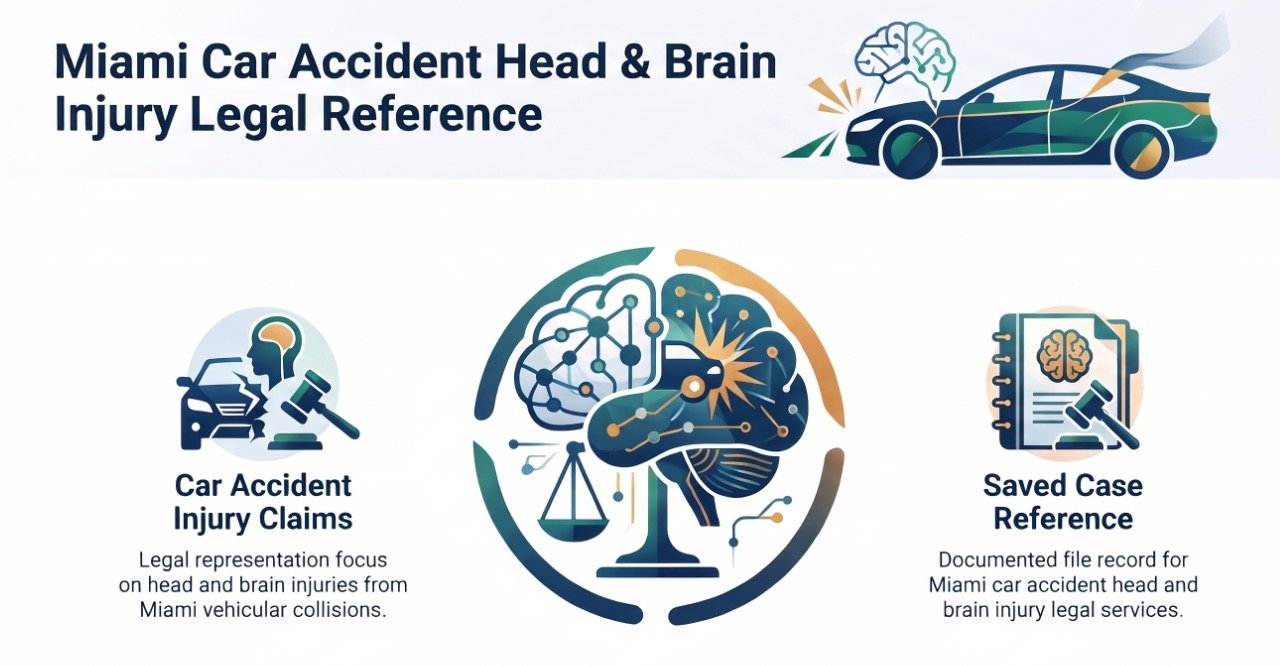
How We Can Help With Your Miami Car Accident Head & Brain Injury Claim
After a Miami car accident causes a head or brain injury, an attorney can help protect the injured person’s rights while they focus on medical care. Counsel can organize records, communicate with insurers, and manage claim deadlines, reducing the administrative burden on the injured person and family. This support allows them to focus more on treatment, recovery, and the needs of others who depend on them.

Clear attorney-client communication helps ensure the injured person understands available options, receives timely updates, and can make informed decisions. The attorney can explain requests for information and address concerns without adding unnecessary pressure during a difficult period. When appropriate, contingency fee arrangements may allow representation without upfront legal fees; payment is generally tied to a recovery under the agreed terms.
A lawyer can also assess the claim’s progress and respond to settlement proposals. By handling these responsibilities with care and diligence, counsel helps clients pursue a fair resolution while preserving their time and focus for recovery and family responsibilities.
Understanding Miami Car Accident Head & Brain Injury Cases
OUR CONSULTATIONSARE FREE
START YOUR FREE CASE REVIEW

Miami car accident head and brain injury cases can involve complicated medical and legal questions, particularly when symptoms emerge or change over time. A person may initially appear stable, then experience headaches, confusion, memory difficulties, or changes in mood and concentration. Concussion symptom variability makes careful medical assessment and follow-up important, since symptoms can differ in severity and duration. Medical records, diagnostic findings, and documented changes in daily functioning can help clarify the nature and effects of an injury.
Pediatric brain injuries require particular attention because children may have difficulty describing symptoms, and effects on learning or behavior may become clearer as they grow. Families and caregivers can support recovery by following medical guidance and reporting concerns to qualified professionals. In legal assessments, the injury’s documented impact, treatment needs, and potential long-term consequences may be relevant. Each case depends on its specific medical evidence and circumstances, so conclusions should be based on a careful review rather than assumptions about recovery.
Common Causes of Miami Car Accident Head & Brain


Head and brain injuries in Miami car accidents often result from distracted driving, speeding, or other reckless behavior that reduces a driver’s ability to react safely. Impaired driving can further compromise judgment and vehicle control, increasing the risk of severe collisions. Intersection crashes are another common cause, particularly when drivers fail to yield or obey traffic signals.
Distracted Driving
When a driver’s attention shifts from the road, even briefly, the risk of a serious collision can rise. Distracted driving includes visual, manual, and cognitive distractions that interfere with safe vehicle operation. Texting, checking navigation, adjusting controls, or handling food can divert a driver’s eyes or hands. Hands-free technology also poses risks: calls and voice commands may occupy a driver’s thoughts, even when both hands remain on the wheel. Passenger distractions, including conversations or activity in the vehicle, can further reduce awareness of surrounding traffic. A momentary lapse may prevent a driver from recognizing a hazard or responding in time, causing a crash that results in a head or brain injury. Understanding these causes can help injured people and their families seek support and pursue appropriate next steps.
Speeding and Reckless Driving
Speeding and reckless driving leave drivers less time to recognize hazards and respond safely, increasing impact force when a collision occurs. In Miami, Excessive Speed can make it difficult to stop before a vehicle, pedestrian, or roadway obstruction. When a crash happens, the resulting force may cause a driver or passenger to strike the head against a window, steering wheel, or other surface, leading to serious brain injuries.
Aggressive Actions, including unsafe lane changes, tailgating, and sudden turns, can also place others at risk. These actions may cause drivers to lose control or collide with nearby vehicles. By following speed limits, maintaining safe distances, and driving predictably, motorists help protect passengers and other road users. A careful response after a collision can also support injured people and help them access appropriate medical care.
Impaired Driving
Impaired driving can prevent motorists from recognizing hazards, judging distances, and reacting in time to avoid a collision. Alcohol, cannabis, prescription medications, and other substances may affect coordination, attention, and sound judgment. A resulting crash can cause serious head trauma or brain injury, leaving victims with lasting medical needs and families with significant practical burdens.
Public education, responsible transportation choices, and properly conducted DUI checkpoints can help reduce impaired driving risks. Establishments that serve alcohol may also face dram shop liability under applicable law when their conduct contributes to an intoxicated person causing harm. After a collision, investigators may examine toxicology results, witness accounts, and service records to determine what occurred. Prompt medical care and careful documentation can support an injured person’s recovery and preserve relevant evidence, while legal guidance can help families understand available options and responsibilities.
Intersection Collisions
Intersection collisions often occur when a driver fails to yield, runs a red light, or misjudges another vehicle’s speed or direction. Red light violations can expose occupants and pedestrians to sudden, forceful impacts, particularly when vehicles enter an intersection from different directions. Poor intersection visibility may also contribute when buildings, parked vehicles, weather, or inadequate lighting obstruct a driver’s view of approaching traffic. These crashes can cause traumatic brain injuries, concussions, and other serious head injuries, even when vehicle damage appears limited. Prompt medical assessment is important because symptoms may emerge gradually after a collision. Drivers can reduce risk by obeying signals, slowing near crossings, checking for pedestrians, and yielding when required. Careful investigation can clarify how the collision occurred and identify available support for injured people and their families.
Legal Rights of Miami Car Accident Head & Brain Injury Victims
After a Miami car accident, a head or brain injury can affect a victim’s health, ability to work, and long-term independence. Florida law may allow an injured person to seek compensation when another party’s negligence caused the harm. A careful claim can help protect the victim’s interests and support relatives assisting with recovery.
Rights may include:
- Seeking payment for medical care, rehabilitation, lost income, and diminished future earning capacity.
- Recovering damages for pain, emotional distress, and reduced quality of life, when supported by evidence.
- Obtaining and preserving medical records, crash reports, witness statements, and other relevant documentation.
- Consulting legal counsel about deadlines, insurance communications, settlement terms, and possible Civil litigation.
A family member may help coordinate care and records, while family advocacy can make sure the victim’s preferences remain central. If the injury affects decision-making capacity, an authorized representative may act as permitted by law. Prompt legal guidance can clarify available options, preserve evidence, and help prevent avoidable procedural errors. Compensation depends on the facts, applicable law, and proof of loss.
Why Do Miami Car Accident Head & Brain Injuries Happen?
Miami car accident head and brain injuries often occur when a collision causes the head to strike a vehicle surface or move suddenly under force. Even without direct contact, rapid acceleration or deceleration can cause the brain to shift inside the skull, leading to bruising, bleeding, or concussion. The severity depends on factors such as collision speed, impact direction, and whether occupants were restrained.
Common causes include rear-end crashes, side impacts, head-on collisions, and rollovers. A driver or passenger may hit a window, dashboard, wheel, or roof when safety restraints fail to prevent excessive movement. Vehicle design also matters: airbags, head restraints, seat belts, and the passenger compartment’s ability to absorb impact can influence injury risk.
Motorcyclists and cyclists face added exposure because they lack an enclosed cabin. Helmet effectiveness can reduce the likelihood of certain head injuries, but helmets cannot prevent every brain injury. These mechanisms help explain why similar crashes may produce different outcomes for those involved.
What Should You Do After a Miami Car Accident Head & Brain Injury?
After a Miami car accident involving a head or brain injury, the injured person should seek immediate medical care, even if symptoms seem mild. When it is safe to do so, documenting the accident scene and preserving relevant records can help establish what occurred. Contacting a Miami lawyer may clarify legal options and help protect the injured person’s interests.
Seek Immediate Medical Care
Because head and brain injuries may not produce obvious symptoms immediately, anyone involved in a Miami car accident should seek prompt medical evaluation, even if they initially feel well. A qualified medical professional can assess the injured person, identify possible trauma, and recommend appropriate treatment or monitoring. Emergency warning signs include worsening headache, confusion, repeated vomiting, loss of consciousness, seizures, weakness, or difficulty speaking. If any of these symptoms occur, contact emergency services without delay. Ambulance transport is appropriate when a person is unconscious, disoriented, seriously injured, or unable to travel safely. They should not drive themselves or be left alone while awaiting help. Prompt care protects health and creates a reliable medical record of symptoms and treatment, which may assist with later care coordination and insurance or legal reviews.
Document the Accident Scene
Once immediate medical needs have been addressed, documenting the accident scene can help preserve information about how the collision occurred. If the injured person can do so safely, photographs or videos may capture vehicle positions, damage, traffic signals, nearby signs, and visible injuries. Images should also show Roadway hazards, such as debris, standing water, or obstructed sightlines, before conditions change. Skid marks and other tire impressions can provide useful context about vehicle movement and braking, so photograph them from several angles without entering traffic or disturbing evidence. Witness names and contact details, along with the time, location, and weather conditions, may also be recorded. When a head or brain injury limits participation, another responsible person can preserve these observations and materials for accurate reporting and the injured person’s care.
Contact a Miami Lawyer
When should an injured person contact a Miami car accident lawyer after a head or brain injury? Contact should occur as soon as immediate medical needs are addressed. Early legal guidance can help preserve evidence, identify deadlines, and prevent avoidable mistakes while the injured person focuses on treatment and recovery.
A qualified attorney can review crash records, medical documentation, insurance communications, and the circumstances surrounding the injury. Because brain injuries may affect memory, concentration, and decision-making, a trusted family member or caregiver may assist with initial contact and record-keeping. The attorney can also explain available options without promising a particular result.
Many firms offer a Free consultation to discuss the claim and next steps. Before scheduling, families can ask about attorney availability, experience with head and brain injury cases, and how updates will be provided. Prompt, informed action supports accountability and helps protect the injured person’s interests.
Critical Evidence in a Miami Car Accident Head & Brain Injury Case
Evidence can help establish how the crash occurred, the extent of the brain injury, and its lasting effects.
Crucial evidence may include:
- Medical records documenting diagnosis and treatment
- Photos of the accident scene and vehicle damage
- Witness statements describing the collision
- Expert testimony explaining injury and causation
Together, these materials can support a clear account of liability and damages.
Medical Records
How clearly do medical records connect a Miami car accident to a head or brain injury? Prompt evaluation and consistent documentation can establish when symptoms began, how they changed, and what treatment providers observed. Emergency department notes, imaging reports, expert assessments, and therapy records may help explain the injury’s course and its effects on daily activities. Records also document diagnoses, prescribed care, follow-up recommendations, and reported limitations, giving others a clearer basis for understanding the injured person’s needs. Gaps or delays in care may raise questions, so accurate histories and timely follow-up matter. Record retention helps preserve a complete account across providers and treatment stages. Privacy protections govern how sensitive health information is collected and shared. A lawyer may review relevant records to assess the claim while respecting confidentiality requirements and the person’s dignity.
Accident Scene Photos
Photographs taken at a Miami car accident scene can preserve details that may change or disappear before investigators review them. Images of vehicle damage, roadway conditions, traffic signals, debris, and visible hazards may help clarify how a collision occurred. For a person with a suspected head or brain injury, photographs can also document the force and location of impact without replacing medical evaluation. Photo time stamps may help establish when images were captured, while camera angles can show distances and surrounding conditions from different perspectives. Clear, unedited images are generally more useful than tightly cropped or filtered versions. Those assisting an injured person should avoid entering dangerous areas and should preserve original files. Organized scene photographs may help attorneys, insurers, and medical professionals assess the event and the resulting injuries.
Witness Statements
When a Miami car accident causes a suspected head or brain injury, witness statements may help explain how the collision occurred and what happened immediately afterward. Independent observers can describe vehicle movements, traffic signals, impact sounds, and the injured person’s condition before emergency responders arrived. Their accounts may also clarify whether confusion, difficulty speaking, or unusual behavior appeared at the scene.
Witness credibility depends on factors such as the person’s opportunity to observe, consistency, and relationship to those involved. Prompt statement preservation can reduce the risk that details are forgotten or altered over time. Collect names and contact information, and record accounts accurately, without leading questions or pressure. Respectful, careful documentation helps protect the interests of injured people and supports a fair review of the collision. Witnesses should distinguish what they directly observed from what they later learned.
Expert Testimony
In a Miami car accident head or brain injury case, expert testimony can explain medical findings and connect them to the collision. Neurologists, radiologists, and rehabilitation professionals may clarify how imaging, examinations, and treatment records support a diagnosis. Their opinions can also address whether symptoms are consistent with the reported impact and how the injury may affect daily activities or future care.
Expert qualifications matter. Courts and juries need to understand an expert’s relevant education, clinical experience, and familiarity with the issues in dispute. Counsel may review those credentials and the basis for each opinion before testimony.
Careful testimony preparation helps experts explain complicated information accurately and clearly. When their conclusions are grounded in reliable evidence, expert testimony can help decision-makers assess the injury’s seriousness and consider fair compensation for the person affected.
Long-Term Effects of Miami Car Accident Head & Brain Injuries
Head and brain injuries from Miami car accidents can produce lasting effects that extend well beyond the initial recovery period. Persistent cognitive changes may affect memory, concentration, and decision-making, while ongoing physical symptoms can interfere with daily activities. Long-term emotional effects, including anxiety or mood changes, may also require continued care and support.
Persistent Cognitive Changes
After a Miami car accident, a brain injury may cause cognitive changes that persist long after visible injuries have recovered. These changes can affect how an injured person remembers information, solves problems, communicates, and manages daily responsibilities. Memory difficulties may interfere with appointments, conversations, or work tasks, while reduced concentration can make previously familiar activities harder to complete. Some individuals also experience personality changes, such as increased irritability, withdrawal, or difficulty regulating emotions. These effects may strain relationships and limit a person’s ability to participate in family, community, or professional life. Because symptoms can be subtle or fluctuate, relatives and caregivers may benefit from noting changes and sharing them with qualified clinicians. Timely assessment can help identify appropriate support, guide rehabilitation, and clarify how the injury affects long-term independence and well-being.
Ongoing Physical Symptoms
Although some physical effects of a brain injury improve with time, others may persist and interfere with daily activities. After a Miami car accident, ongoing symptoms can include headaches, dizziness, balance problems, fatigue, and reduced coordination. These limitations may make driving, working, or completing household tasks difficult, and they can affect a person’s ability to assist family members or participate in community responsibilities. Sleep disruption may worsen fatigue and impair physical recovery, while sensory sensitivity to light, noise, or movement can make ordinary environments challenging. Symptoms vary in severity and may fluctuate, so consistent medical follow-up can help identify changes and guide appropriate care. Documenting symptoms, treatment, and their practical effects may also clarify the injury’s continuing impact. A legal professional can help assess how these physical consequences relate to a claim.
Long-Term Emotional Effects
Emotional changes may continue long after a Miami car accident involving a head or brain injury, affecting a person’s relationships, work, and daily routines. Affected individuals may experience persistent fear, irritability, low mood, or difficulty concentrating, even after physical symptoms improve. Post-traumatic anxiety can arise around driving, traffic, or reminders of the collision, limiting independence and participation in community life. Changes in judgment or emotional control may also make ordinary responsibilities more challenging.
These effects can strain relationships when family members or colleagues misunderstand changes in behavior or communication. Supportive responses, consistent routines, and appropriate mental health care may help individuals adjust and maintain meaningful connections. A medical evaluation can identify concerns and guide treatment. Documenting emotional symptoms and their impact on daily functioning may also help clarify the injury’s lasting consequences and support informed decisions about care and recovery.
Proving Liability in Miami Car Accident Head & Brain Injury Cases
Proving liability in a Miami car accident head or brain injury case requires evidence that another party’s negligence caused the crash and resulting harm. Establishing fault may involve showing that a driver failed to follow traffic laws, drove while distracted, or acted without reasonable care. Negligence Standards guide the assessment of whether the conduct fell below the level expected under the circumstances.
Evidence can include police reports, witness statements, photographs, vehicle data, and medical records connecting the collision to the injury. In cases involving head trauma, prompt evaluation and consistent documentation can help clarify how the injury developed and affected daily functioning. Accident reconstruction experts may also explain how the collision occurred.
Florida’s Comparative Fault rules may affect responsibility when more than one party contributed to the crash. A careful investigation can identify each party’s role and preserve relevant evidence. Clear findings support fair accountability and help injured people and their families pursue appropriate legal remedies without unfairly shifting blame.
Dealing With Insurance Companies After a Miami Car Accident Head & Brain Injury
After a Miami car accident causes a head or brain injury, dealing with insurers often requires careful communication and thorough documentation. These injuries may affect memory, concentration, or judgment, making it important to review communications before responding. Insurers may request medical records, employment details, or information about the collision. Providing accurate, consistent information can help protect the injured person’s interests while supporting a clear account of the harm.
Recorded statements merit particular care. An injured person may be asked to describe symptoms before the full effects of a brain injury are known. Speculation, incomplete answers, or minimizing symptoms could create misunderstandings. Medical documentation and notes about changes in daily functioning can help clarify the injury’s impact. If an insurer questions treatment, disputes responsibility, or denies a claim, written explanations and supporting records may help address those concerns. Legal guidance can assist with insurer communications and help ensure requests are handled appropriately, allowing the injured person and family to focus on recovery and practical support.
What to Expect During a Miami Car Accident Head & Brain Injury Claim Process
A Miami car accident head or brain injury claim typically begins with a medical evaluation to document the injury and guide treatment. Evidence is then gathered to establish how the crash occurred and the extent of the resulting losses, followed by negotiations with the insurers. The claim may conclude through a settlement or, if negotiations fail, further legal proceedings.
Initial Medical Evaluation
When a person sustains a possible head or brain injury in a Miami car accident, prompt medical evaluation can identify urgent complications and create an early record of symptoms and findings. Emergency clinicians may assess consciousness, memory, balance, speech, and pupil response through neurological screening. They may also ask about headache, dizziness, nausea, confusion, or changes in behavior, while reviewing relevant medical history and medications. Depending on symptoms and examination results, diagnostic imaging, such as a CT scan, may help detect bleeding, fractures, or other internal injury. Some symptoms can emerge or worsen after the crash, so clinicians may recommend observation, follow-up care, or expert assessment. A timely evaluation supports the injured person’s health and provides a clearer understanding of treatment needs as the claim process proceeds. Diagnosis and care decisions remain with qualified medical professionals.
Evidence Collection
Medical records from the initial evaluation can provide an early account of a head or brain injury, while further evidence may help clarify how the crash occurred and how the injury affected the person over time. Evidence collection may include photographs of vehicle damage, road conditions, and visible injuries, along with witness statements and the crash report. Evidence preservation is important because physical details and digital records can become unavailable over time. Nearby businesses or traffic systems may have surveillance footage showing events before, during, or after the collision; prompt requests can help prevent its deletion. Records of follow-up care, diagnostic testing, and changes in daily functioning may document the injury’s progression. Careful organization of these materials can help establish a clearer account of the incident and its consequences for the injured person and those supporting recovery.
Insurance Negotiations
As evidence develops, insurance negotiations may begin with the insurer’s review of liability, medical records, and the effects of the head or brain injury. The injured person’s legal representative may respond with organized documentation explaining how the collision affected daily activities, work, and caregiving responsibilities. This information helps frame discussions around the full scope of documented harm, not just immediate symptoms. A Settlement strategy may account for ongoing treatment, expert opinions, and the possibility that recovery needs will change over time. The insurer may request additional records, question aspects of the claim, or present an initial position. Counsel can assess that position against available evidence and applicable policy limits, while keeping communications focused and accurate. Careful negotiation can protect the injured person’s interests and support a fair evaluation without promising a particular outcome.
Claim Resolution
Once negotiations conclude or the available evidence supports a resolution, the claim may proceed to settlement or, if necessary, litigation. Settlement timing depends on the severity of the head or brain injury, the progress of medical treatment, and whether future care needs can be assessed. Before accepting an offer, the injured person should review the amount, payment schedule, and release terms. A release often ends the right to seek further compensation for the same accident, even if symptoms worsen or additional treatment becomes necessary. If the parties cannot agree, a lawsuit may allow a court to evaluate liability and damages. Throughout the resolution process, accurate records and clear communication help protect the injured person’s interests. Timely decisions should reflect documented losses and support access to appropriate care, not pressure to close the matter.
Compensation for Miami Car Accident Head & Brain Injury Damages
Compensation for a Miami car accident head or brain injury may cover medical care, rehabilitation, lost income, reduced future earning capacity, and pain and suffering. The amount depends on the injury’s documented effects and the evidence supporting each requested loss. Damage valuation may consider treatment records, expert opinions, recovery needs, and changes to a person’s ability to work or manage daily responsibilities. Careful documentation helps guarantee that the claim reflects both current needs and reasonably anticipated consequences.
A settlement may also address costs associated with ongoing support, including therapy, medication, or assistance with routine activities. Before accepting an offer, an injured person should understand what claims it resolves and whether future expenses remain uncertain. Settlement taxation can depend on the type of compensation and applicable tax rules, so qualified tax guidance may be appropriate. A lawyer can review the proposed terms, explain relevant options, and help protect the injured person’s interests while pursuing a fair resolution. This process can support recovery and preserve resources for those who depend on the injured person.
Economic vs. Non-Economic Damages in Miami Car Accident Head & Brain Cases
Economic damages in Miami head and brain injury cases may include medical expenses, lost income, and future care costs. Non-economic losses can cover pain, emotional distress, and reduced quality of life. Evidence such as medical records, financial documents, and testimony can help establish both types of damages.
Economic Damage Categories
After a head or brain injury in a Miami car accident, damages are generally divided into economic and non-economic categories. Economic damages represent measurable financial losses supported by records, invoices, and other evidence. They may include emergency treatment, hospital care, medication, rehabilitation, assistive devices, and future medical services recommended by qualified providers. Lost wages may account for income missed during recovery, while diminished earning capacity may reflect a lasting reduction in the ability to work or earn at the previous level. Other documented expenses, such as transportation to appointments or necessary in-home assistance, may also be relevant. Careful documentation helps show how the injury has affected the injured person’s finances and future needs. A claim should distinguish past costs from reasonably anticipated expenses and connect each amount to the collision.
Non-Economic Losses
Non-economic losses address the personal effects of a head or brain injury that do not appear on bills or pay records. These damages may reflect physical pain, emotional distress, cognitive changes, and disruption to ordinary routines. A person may experience persistent headaches, reduced concentration, memory difficulties, or mood changes that affect daily independence. Loss of enjoyment can arise when an injury prevents participation in hobbies, family activities, or community service that once gave life meaning. Damaged relationships may also result when symptoms alter communication, patience, or the ability to share responsibilities with loved ones. Unlike medical expenses or lost income, these harms do not have a direct price on a receipt. Their significance lies in how the injury changes a person’s well-being, connections, and capacity to contribute to others.
Proving Both Damage Types
Showing the full effect of a head or brain injury requires evidence of both financial losses and personal harm. Economic damages may include emergency care, rehabilitation, medication, lost income, and reduced future earning capacity. Records, invoices, employment documents, and expert projections can establish these measurable costs. Non-economic damages address effects that lack a direct price, such as pain, cognitive limitations, emotional distress, and reduced independence. Medical evaluations, family observations, and coworker testimony may help describe changes in daily functioning. Impact mechanics can connect the collision to the injury, while diagnostic imaging and clinical findings may support the medical account. A careful presentation should distinguish each category while showing how they relate. Clear, organized evidence helps decision-makers assess the full consequences and determine compensation that reflects both practical needs and personal loss.
When a Miami Car Accident Head & Brain Injury Case Goes to Trial vs. Settlement
In a Miami car accident head or brain injury case, settlement may provide a more predictable resolution, while trial allows a jury to decide disputed issues of fault and compensation. Settlement discussions can address medical expenses, lost income, future care, and the personal effects of an injury. The parties may resolve the claim without a public hearing, though negotiations do not guarantee agreement or a particular outcome.
If negotiations fail, a trial presents evidence for a judge or jury to evaluate. Medical professionals, accident witnesses, and the injured person may testify about the crash, diagnosis, treatment, and lasting limitations. Jury deliberations follow the presentation of evidence and arguments, with jurors weighing credibility and deciding contested questions. A trial can offer a formal decision, but its result is uncertain and the process may take time. The choice between settlement and trial depends on the evidence, the injury’s effects, and each party’s willingness to resolve the dispute.
Florida Laws That May Affect Your Miami Car Accident Head & Brain Case
Florida law can shape how a Miami car accident head or brain injury claim is evaluated, from determining fault to setting deadlines for filing suit. Several rules may affect the evidence, available benefits, and responsibility assigned after a crash. Understanding them can help injured people make informed decisions and preserve resources needed for recovery and family care.
- PIP requirements: Florida drivers generally turn first to personal injury protection coverage for qualifying medical expenses and lost income, subject to policy limits and applicable conditions.
- Comparative negligence: A person’s compensation may be reduced by their share of fault. Under current law, a claimant found more than 50 percent responsible generally cannot recover damages in most negligence actions.
- Medical evidence: Records, imaging, expert assessments, and documented symptoms can help establish the nature and effects of a head or brain injury.
- Insurance and liability rules: Coverage terms and evidence of another party’s negligence may influence whether additional compensation is available.
These rules can interact, so careful documentation and a clear understanding of the applicable coverage can support a fair assessment of the claim.
The Statute of Limitations for Miami Car Accident Head & Brain Injury Cases
Because evidence of a head or brain injury may take time to emerge, filing deadlines require particular attention after a Miami car accident. Under Florida law, many negligence claims must be filed within two years of the crash. Missing that deadline can prevent an injured person from pursuing compensation, even when the injury is serious and the need for support is clear.
The time limit may differ when a claim involves a government entity, a wrongful death, or other specific circumstances. Deadline exceptions are limited and depend on the facts and applicable law; they should not be assumed to extend the filing period. Delayed discovery of symptoms may explain why an injury was not recognized immediately, but it does not automatically pause or restart the deadline for a car accident claim.
Prompt attention to filing dates helps preserve options and supports an orderly process for addressing medical needs, financial losses, and responsibilities to family and community. This general information does not replace legal advice.
How a Miami Car Accident Head & Brain Lawyer Can Help You
A Miami car accident head and brain injury lawyer can help an injured person assess legal options, preserve relevant evidence, and manage communications with insurers. The lawyer’s work may also support family members coordinating care and seeking fair treatment for someone unable to manage the claim independently. An Attorney case review can examine crash reports, medical records, witness accounts, and available insurance coverage.
The process may include:
- Organizing evidence and documenting how the collision and injury affect daily activities.
- Coordinating with medical professionals to clarify diagnoses, treatment needs, and likely future care.
- Handling insurer inquiries and reviewing settlement proposals for accuracy and fairness.
- Developing claim strategy planning based on liability evidence, documented losses, and the injured person’s needs.
When to Contact a Miami Car Accident Head & Brain Lawyer
After a suspected head or brain injury in a Miami car accident, contacting a lawyer early can help preserve evidence and protect the injured person’s ability to pursue a claim. Prompt legal guidance may be useful even when symptoms seem mild or appear later. Headaches, dizziness, confusion, memory problems, or changes in behavior can develop hours or days after a collision. Early Symptom Recognition helps families and caregivers understand that delayed signs warrant medical attention and careful documentation.
Consultation Timing should account for both health needs and legal deadlines. The injured person should seek medical evaluation first, follow the provider’s instructions, and keep records of symptoms, treatment, and related expenses. A lawyer can then review the circumstances, explain relevant filing periods, and identify information that may need to be preserved promptly, such as photographs, witness details, or crash reports. If the injured person cannot communicate or make decisions, a family member or trusted representative may arrange an initial consultation on their behalf. Prompt action can support a more orderly response.
Why You Need an Experienced Miami Car Accident Head & Brain Lawyer
An experienced Miami car accident head and brain lawyer can help establish how a collision caused an injury and how that injury affects the person’s health, work, and daily life. Head and brain injuries may involve symptoms that emerge gradually, making careful documentation and informed medical coordination important. An attorney can gather records, consult qualified professionals, and connect the available evidence to the circumstances of the crash.
Local case experience can help counsel understand Miami-area procedures, insurers’ practices, and the practical demands of pursuing a claim. This knowledge may support timely action and clear communication while reducing avoidable burdens for an injured person and family. A personalized legal strategy can account for the injury’s severity, treatment needs, lost income, and long-term effects rather than treating every collision claim alike.
How to Choose the Right Miami Car Accident Head & Brain Lawyer for Your Case
Choosing the right Miami car accident head and brain lawyer requires careful attention to the attorney’s experience with traumatic injuries, knowledge of Florida injury law, and ability to explain a clear case strategy. A lawyer familiar with brain injury claims can assess medical evidence, identify responsible parties, and address the long-term effects of an injury. Reviewing Attorney credentials helps determine whether the lawyer has relevant training, professional standing, and a record of handling similar cases.
The attorney’s communication style also matters. Clear, timely updates help clients and families understand important decisions, deadlines, and case developments. A suitable lawyer should listen carefully, answer questions directly, and explain legal options without making unrealistic promises. References, public disciplinary records, and consultations can help evaluate these qualities before representation begins.
For people committed to serving others, a lawyer’s approach should reflect respect for the injured person’s needs and dignity. Careful comparison allows families to select counsel prepared to pursue accountability while keeping the client informed throughout the process.
About The Law Offices of Anidjar & Levine
The Law Offices of Anidjar & Levine represents people injured in car accidents in Miami and throughout Florida. The firm assists clients facing medical expenses, lost income, and other consequences of serious collisions, including injuries affecting the head and brain. Its attorneys can explain legal options, investigate the circumstances of a crash, and communicate with insurers on a client’s behalf. This support allows injured people and their families to focus on treatment and recovery while pursuing accountability through the legal process.
Firm history reflects a practice built around representing individuals and families after accidents and other harmful events. The firm’s work includes evaluating claims, gathering relevant records, and seeking compensation supported by the available evidence. Its approach recognizes that each client’s needs and circumstances differ.
Community involvement is another aspect of the firm’s presence in Florida. By engaging with local communities and supporting people facing difficult circumstances, the firm reflects a service-oriented commitment beyond individual cases. Its legal guidance is intended to help clients make informed decisions during a challenging period.
Frequently Asked Questions
Can a Concussion Occur Without Losing Consciousness in a Miami Car Accident?
Yes. A concussion can occur without loss of consciousness after a Miami car accident, and the absence of fainting does not rule out a brain injury. Concussion warning signs may include confusion, dizziness, memory problems, nausea, or sensitivity to light and sound. Delayed headache symptoms can develop hours or days later. Anyone with possible symptoms should receive prompt medical assessment, follow clinical guidance, and seek emergency care for worsening symptoms or new neurological changes.
How Are Traumatic Brain Injuries Diagnosed After a Car Crash?
Traumatic brain injuries after a car crash are diagnosed through a clinical assessment, review of symptoms, and, when indicated, Brain imaging. A clinician conducts a Neurological examination to assess alertness, memory, speech, balance, coordination, and pupil responses. CT scans can identify bleeding or skull fractures, while MRI may reveal less visible tissue damage. Because symptoms can develop or worsen later, medical professionals may recommend observation, follow-up assessments, and timely care when warning signs appear.
Can Children Develop New Symptoms Days After a Car Accident Head Injury?
Yes. Children can develop delayed symptoms after a head injury, including worsening headaches, vomiting, confusion, unusual sleepiness, balance problems, or changes in behavior. Because young children may struggle to describe what they feel, caregivers should observe them closely and seek prompt medical assessment if concerns arise. Pediatric monitoring is important even when initial signs seem mild. Emergency care is warranted for seizures, loss of consciousness, repeated vomiting, or difficulty waking.
What Accommodations May Help Someone Return to Work After a Brain Injury?
A gradual, individualized return to work may be supported by Flexible scheduling and modified duties. Flexible scheduling can allow shorter shifts, later start times, or planned rest breaks to address fatigue and concentration difficulties. Modified duties may reduce multitasking, physical demands, or time-sensitive responsibilities while preserving meaningful contributions. Employers can also provide written instructions, a quieter workspace, and regular check-ins. A healthcare professional should guide adjustments, monitor symptoms, and recommend changes as recovery progresses.
Can a Family Member Pursue a Claim if a Crash Victim Is Unable to Communicate?
A family member may pursue a claim for a crash victim who cannot communicate, but relationship alone does not grant legal authority. The representative may need court appointment, a valid power of attorney, or another recognized role, depending on the victim’s capacity and state law. Any settlement may require court approval, particularly when the victim is incapacitated. Prompt legal guidance can help protect the victim’s interests and make certain decisions prioritize their care and recovery.
—————————
A serious head or brain injury can affect a person’s health, independence, and financial stability long after a Miami car accident. Prompt medical care and careful documentation can support recovery and help preserve a potential legal claim. The Law Offices of Anidjar and Levine can review the circumstances, explain available options, and answer questions about pursuing compensation. For additional guidance, contact a Miami Personal Injury Lawyer. Each case depends on its facts, and timely legal guidance can help injured victims and their families make informed decisions.