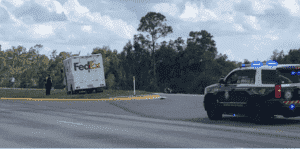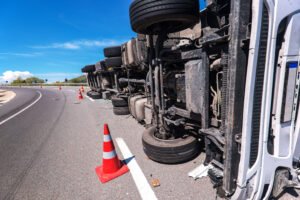
The Law Offices of Anidjar and Levine helps Fort Myers truck accident victims investigate how a crash happened, identify potentially responsible parties, and preserve evidence such as driver logs, maintenance records, and vehicle data. Depending on the facts, a claim may involve the driver, trucking company, cargo loader, or maintenance provider. We can explain available legal options, communicate with insurers, and assess documented injuries and losses, including future care and lost income. Learn more about your options with a Fort Myers Personal Injury Lawyer, and continue below for information about liability, compensation, and the steps involved in pursuing a claim.
Main Takeaways
- A Fort Myers truck accident lawyer can help file claims, communicate with insurers, track deadlines, and organize evidence.
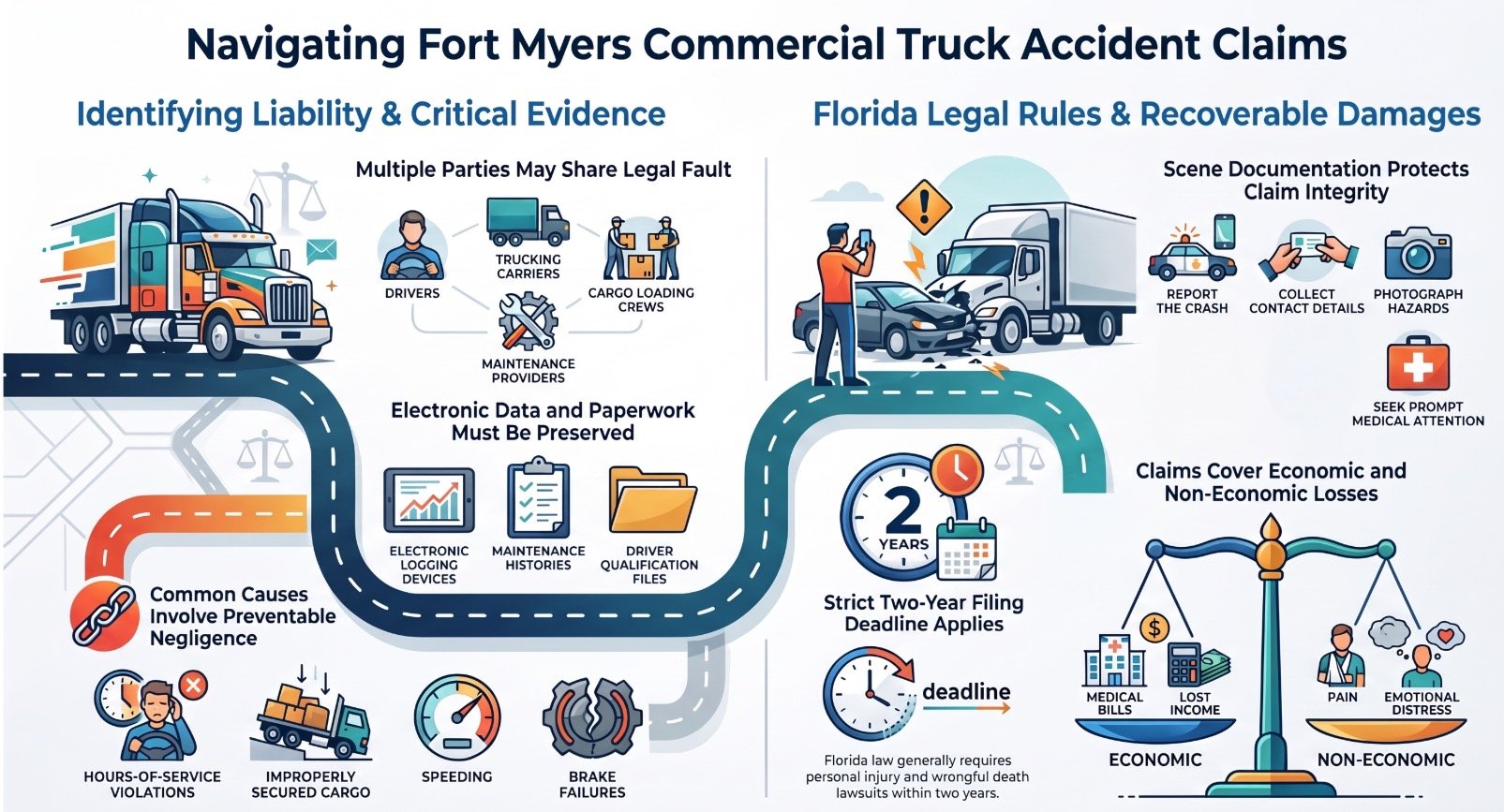
- Potentially liable parties include the driver, trucking company, vehicle owner, cargo loader, or maintenance provider.
- Investigations may review crash reports, witness accounts, electronic logging data, cargo records, and maintenance histories.
- Preserve photos, contact details, medical records, and insurer communications; request prompt preservation of electronic truck records.
- Florida’s comparative fault rules may affect compensation, so review settlement offers and evidence of responsibility before deciding how to proceed.
How We Can Help With Your Fort Myers Truck Accident Claims & Liability Injury Claim
When a commercial truck crash causes serious injuries, we can help you pursue compensation and hold the responsible parties accountable. We’ll listen to your concerns, explain your options, and develop a plan that reflects your needs and priorities. We manage the legal demands so you can focus on recovering and supporting the people who depend on you.
We handle Claim filing, prepare documents, meet deadlines, and communicate with insurers on your behalf. We also gather records and organize information relevant to your losses, helping present your circumstances clearly and accurately. Through medical coordination, we can help you obtain treatment records and communicate with providers when needed, while respecting your privacy and choices.
We’ll keep you informed, answer questions, and discuss important decisions before taking action. If you’re facing financial pressure or uncertainty about next steps, we can explain what to expect and identify practical ways to move forward. You don’t have to manage this process alone.
Don’t Wait. Call Our Florida Personal Injury Lawyers Now!
Understanding Fort Myers Truck Accident Claims & Liability Injury Cases


Understanding a Fort Myers truck accident claim starts with identifying who caused the crash and how the collision affected your health, income, and daily life. We’ll help you understand who may be responsible, including the driver, trucking company, vehicle owner, or another entity. Responsibility depends on the evidence and each party’s role in operating or maintaining the truck.
OUR CONSULTATIONSARE FREE
START YOUR FREE CASE REVIEW

A claim may involve medical expenses, lost wages, reduced earning capacity, and the cost of ongoing care. We’ll work with you to document these losses and explain how they relate to the collision. Commercial vehicle regulations may also shape the investigation, as records can show whether required safety practices were followed. Roadway design and maintenance may matter when conditions contributed to the incident.
Common Causes of Fort Myers Truck Accident Claims & Liability
When we assess a Fort Myers truck accident claim, we look for causes such as driver fatigue, speeding, and reckless driving. Improper cargo loading can destabilize a truck, while poor vehicle maintenance may lead to mechanical failure. We’ll examine the evidence to determine how these factors contributed to the crash and who may be liable.
Driver Fatigue


Driver fatigue can impair a trucker’s attention, judgment, and reaction time, increasing the risk of a serious crash on Fort Myers roads. Long shifts, overnight routes, and inadequate rest can reduce drivers’ ability to recognize hazards or respond safely. Circadian rhythm disruption may worsen fatigue when a driver works during normal sleeping hours or changes schedules frequently. Federal hours-of-service rules limit driving time, but compliance alone may not prevent exhaustion if a driver’s rest is poor or work demands are demanding.
We help you examine whether fatigue contributed to a collision and whether a driver, carrier, or another responsible party failed to take reasonable precautions. Effective fatigue risk management includes realistic schedules, sufficient rest, and monitoring for signs of impairment. By identifying relevant records and practices, we can help protect injured people and pursue accountability.
Speeding and Reckless Driving
Speeding or reckless driving can leave truck operators with too little time to respond to traffic, road hazards, or sudden stops on Fort Myers roads. When a commercial driver exceeds a safe speed, a fully loaded truck may need more distance to stop and can cause severe harm in a collision. Speed Limit Violations may also reflect pressure to meet delivery schedules or inadequate supervision by a carrier.
Aggressive Maneuvers, such as unsafe lane changes, tailgating, or passing without sufficient space, can put nearby motorists at risk. We can examine available evidence, including crash reports, witness accounts, and vehicle data, to assess how a driver’s conduct contributed to an accident. By identifying responsible parties, we help injured people and their families pursue accountability and seek resources for medical care, lost income, and other losses.
Improper Cargo Loading
Improperly loaded or unsecured cargo can shift during transit, destabilize a truck, or spill onto Fort Myers roads. These hazards can force nearby drivers to swerve, cause collisions, and put passengers, pedestrians, and other road users at risk. Federal and state rules require carriers to secure freight and distribute its weight appropriately. When companies or loading crews ignore those duties, we can help you examine whether poor Cargo securement or uneven load distribution contributed to a crash.
Evidence may include loading records, bills of lading, photographs, witness statements, and the cargo itself. We can investigate who loaded and inspected the shipment, identify handling or oversight failures, and preserve relevant records. If negligence caused your injuries, we can pursue accountability and compensation while supporting your efforts to protect your family and community.
Poor Vehicle Maintenance
Cargo securement is only one part of truck safety; neglected maintenance can also cause serious crashes on Fort Myers roads. When trucking companies delay inspections or ignore repair needs, worn components may fail while a driver is traveling through traffic. Brake system failures can prevent a truck from stopping in time, while damaged or underinflated tires may trigger tire blowouts and cause the driver to lose control. These hazards put motorists, passengers, and pedestrians at risk. We can help you examine maintenance records, inspection reports, and repair histories to determine whether a carrier or another responsible party failed to meet safety duties. By identifying preventable maintenance problems, we can pursue accountability and seek compensation for people harmed in a crash. Prompt investigation may also help protect others from similar dangers.
Legal Rights of Fort Myers Truck Accident Claims & Liability Injury Victims
After a truck accident in Fort Myers, you can seek compensation from parties whose negligence caused your injuries, including the truck driver, trucking company, or other responsible entity. We can help you understand your options and pursue a claim that reflects your losses while protecting your ability to support those who depend on you.
You may seek compensation from negligent drivers, trucking companies, or others responsible for your Fort Myers truck accident.
Your rights may include seeking payment for:
- Medical care, rehabilitation, and future treatment related to your injuries.
- Lost income and reduced earning capacity, including support for vocational rehabilitation.
- Pain, emotional distress, and the impact of your injuries on daily activities.
- Medical lien resolution, which can address valid claims against settlement funds.
You may also have the right to review evidence, question disputed liability, and negotiate with insurers before accepting an offer. We’ll explain deadlines and legal steps, so you can make informed decisions. Each claim depends on its facts, and compensation isn’t guaranteed. By documenting losses and communicating carefully, we can help you pursue accountability while preserving your focus on recovery and family responsibilities.
Why Do Fort Myers Truck Accident Claims & Liability Injuries Happen?
Understanding how truck accidents occur can help explain why liability claims may involve several parties. A collision may result from driver fatigue, distraction, speeding, or failing to check mirrors before changing lanes. Blind-spot risks are especially serious because large trucks have areas drivers can’t see, leaving nearby cars, cyclists, and pedestrians vulnerable.
Some crashes stem from inadequate vehicle maintenance, such as worn brakes or damaged tires. A trucking company may contribute when it pressures drivers to meet unrealistic schedules, fails to train them properly, or neglects required inspections. Cargo loaders can also create hazards by securing freight poorly, allowing it to shift and destabilize the truck.
Local conditions matter, too. Poor road design, unclear signs, narrow lanes, and construction zones can make navigating difficult, particularly for large vehicles. Understanding these factors helps us recognize how a preventable crash may involve decisions by drivers, companies, maintenance providers, or others.
What Should You Do After a Fort Myers Truck Accident Claims & Liability Injury?
After a Fort Myers truck crash, we should first check for injuries and call 911 if anyone needs medical attention. Report the collision to law enforcement and provide accurate information without speculating about fault. If it’s safe, we should preserve evidence by photographing the scene, collecting witness details, and keeping relevant records.
Check for Injuries
First, check yourself and anyone else involved for injuries, but don’t move someone with a possible neck or back injury unless there’s immediate danger. Look for Visible bleeding, burns, bruising, or other signs of trauma, and ask each person where they feel pain. Check whether anyone is confused, dizzy, short of breath, or unable to respond normally. Hidden injuries, including head, internal, or spinal trauma, may not cause obvious symptoms right away, so treat concerning signs seriously. If someone appears seriously hurt, call 911 and follow the dispatcher’s instructions. Offer calm reassurance, keep injured people as still and comfortable as possible, and avoid giving them food, drink, or medication. If you’re able, help others reach a safer place only when doing so won’t worsen an injury or expose anyone to further danger.
Report the Crash
Once everyone is safe, report the truck accident to law enforcement, even if the damage appears minor. Call 911 when anyone needs urgent medical care, traffic is blocked, or a hazard threatens others. Emergency dispatch can send appropriate responders and guide you while help is on the way. If the situation isn’t urgent, contact the local police department to ask how to make a report. Give officers accurate information about where and when the collision occurred, the vehicles involved, and any injuries you know about. Don’t guess about details or accept blame at the scene. If you’re able, identify witnesses and provide their contact information to the responding officer. Their witness statements may help clarify how the crash happened. Cooperate respectfully, request the report’s reference number, and follow instructions to support everyone’s safety.
Preserve Evidence
If you can do so safely, preserve evidence at the scene to help document how the truck accident occurred. Photograph the vehicles, road conditions, traffic signs, visible injuries, and any debris before anything changes. Collect the driver’s name, employer, insurance details, and contact information for witnesses. Keep damaged clothing, personal items, medical records, and receipts, and avoid repairing or discarding property until you document it. Evidence preservation also includes records held by the trucking company, such as driver logs, inspection reports, and onboard electronic data. These materials may be lost or overwritten, so we can help send spoliation notices that request their preservation. Don’t confront the driver or interfere with emergency responders. By protecting relevant evidence, we can support a fair investigation and help others understand what happened.
Don’t Wait. Call Our Florida Personal Injury Lawyers Now!
Critical Evidence in a Fort Myers Truck Accident Claims & Liability Injury Case
We can strengthen your claim by identifying and preserving evidence showing how the crash happened and who may be responsible. Crucial records and scene details may reveal unsafe driving, inadequate training, or neglected equipment.
We’ll focus on evidence such as:
- Crash scene documentation: Photographs, witness accounts, and roadway conditions can help establish how the collision happened.
- Electronic logging data: Hours-of-service records may show whether the driver exceeded legal limits or failed to take required rest breaks.
- Driver qualification records: Hiring, training, and driving-history documents can indicate whether the carrier properly screened and qualified the driver.
- Vehicle maintenance history: Inspection and repair records may reveal mechanical problems or missed maintenance that contributed to the crash.
Crash Scene Documentation
What happens in the minutes after a truck crash can shape an injury claim’s strength. If you’re able, document the scene without putting yourself or anyone else at risk. Scene photographs can preserve vehicle positions, road conditions, visible damage, skid marks, traffic signs, and nearby hazards before conditions change. These details can help explain how the collision occurred and identify issues that merit further investigation.
Ask witnesses for their names and contact information, then record what they observed in their own words. Witness statements may clarify events that physical evidence cannot fully show. Avoid guessing about fault or altering the scene. Seek medical attention, follow law enforcement instructions, and keep copies of reports and photographs. By preserving accurate information, we can support a careful review of your claim and help protect your interests.
Electronic Logging Data
Electronic logging data can reveal whether a truck driver followed federal hours-of-service rules before a Fort Myers crash. These records may show driving time, rest periods, vehicle movement, and changes to duty status. When we review this information, we can compare it with crash-scene evidence and other available records to identify possible fatigue or inconsistencies.
Electronic logging devices don’t tell the whole story, and errors or ELD tampering may affect a record’s accuracy. We can seek the original files, audit trails, and related information to assess whether entries were altered or omitted. Prompt data retention matters because some records may be overwritten or lost. We can ask the trucking company to preserve relevant electronic data and review it carefully, helping you pursue accountability while protecting others on Fort Myers roads.
Driver Qualification Records
When a truck driver’s qualifications are in question, driver qualification records can help us assess whether the carrier properly vetted and monitored the driver before a Fort Myers crash. These records may show the driver’s employment history, driving experience, medical certification, and training. Driver qualification files can also reveal whether the carrier checked prior safety performance and followed hiring requirements. We can examine license verification documents to determine whether the driver held the proper commercial license and endorsements at the time of the collision. Gaps, expired credentials, or missing inquiries may raise questions about the carrier’s screening and oversight. By reviewing these materials, we can identify evidence that supports your claim and helps protect others from preventable harm. We’ll also compare records with applicable regulations and witness accounts to understand whether qualification failures contributed to the crash.
Vehicle Maintenance History
Because a truck’s condition can affect its ability to stop, guide, or remain stable, maintenance history may be vital evidence after a Fort Myers crash. We can review maintenance logs, repair invoices, inspection reports, and related records to determine whether the carrier addressed known safety problems. These documents may show that brakes, tires, steering components, or lights needed attention before the collision. They may also reveal missed inspections, delayed repairs, or repeated defects that could have contributed to the crash.
By preserving and promptly examining this evidence, we can better understand what the company knew and whether it acted responsibly. That work supports your effort to seek accountability and protect others from preventable harm. We can also compare records with physical evidence and witness accounts to assess how maintenance failures may affect liability and your injury claim.
Long-Term Effects of Fort Myers Truck Accident Claims & Liability Injuries
Truck accident injuries can affect your health and daily life long after the initial treatment ends. We’ll explain how chronic pain and lasting mobility limits may shape your recovery and ability to work. We’ll also address emotional trauma and why it merits careful consideration in your claim.
Chronic Pain
Chronic pain can persist long after a Fort Myers truck accident, affecting sleep, mobility, work, and daily activities. We can help you understand how ongoing symptoms may influence your recovery and claim. Pain may result from tissue damage, nerve injuries, or complications that require ongoing medical care. Even when an injury isn’t visible, persistent discomfort can limit concentration, patience, and your ability to support family, coworkers, or others who rely on you.
We encourage you to follow your treatment plan and keep records of symptoms, appointments, medications, and related expenses. Sleep disruption can worsen pain and make daily responsibilities harder to manage, so tell your healthcare provider about changes in rest or functioning. Pain management may involve coordinated care and regular reassessment. We can review available documentation and explain how evidence of lasting pain may support your compensation claim.
Lasting Mobility Limits
Persistent pain may also limit how far you can walk, how long you can stand, or whether you can manage stairs and other daily tasks. After a truck crash, lasting mobility limits may affect your ability to work, care for family, volunteer, or assist others in your community. We can help you document how these restrictions change your routine and what support you may need. Medical evaluations, therapy records, and assessments of your home or workplace can show the practical effects of an injury. Depending on your needs, Adaptive equipment, such as a wheelchair or mobility aid, may help you move more safely. You may also need accessible housing, vehicle modifications, or ongoing assistance. We can pursue compensation for these costs and related losses through a liability claim.
Emotional Trauma
Emotional trauma after a Fort Myers truck accident can persist long after physical injuries begin to recover. We may experience anxiety, disrupted sleep, depression, or difficulty returning to driving and daily routines. Emotional triggers, such as traffic noise, large vehicles, or crash-related reminders, can intensify distress and affect relationships, work, and our ability to serve others. These reactions merit attention, not judgment.
We can seek support from qualified mental health professionals who understand trauma. Trauma counseling may help us recognize difficult responses, develop coping strategies, and rebuild a sense of safety over time. We should also tell our medical providers about our emotional symptoms and follow their recommendations. When trauma affects our daily life, documenting symptoms and treatment can help explain the injury’s lasting impact in a truck accident claim. Our recovery includes emotional well-being as well as physical recovery.
Proving Liability in Fort Myers Truck Accident Claims & Liability Injury Cases
Proving liability in a Fort Myers truck accident claim requires evidence that shows how the crash happened and who failed to meet a legal duty. We start by preserving records that clarify the events, including photographs, witness accounts, police reports, and any available vehicle data. These details help us assess whether a driver, trucking company, maintenance provider, or another party contributed to the collision.
Negligence standards require us to show that a party owed a duty of care, breached that duty, and caused injuries and losses. We examine conduct such as speeding, distraction, unsafe loading, inadequate training, or missed maintenance. Depending on the facts, several parties may share responsibility. Florida’s comparative fault rules can affect recovery, so we evaluate each party’s role and the evidence supporting it.
Dealing With Insurance Companies After a Fort Myers Truck Accident Claims & Liability Injury
After a Fort Myers truck accident, insurance companies may contact you quickly to discuss the crash or request a recorded statement. We can help you respond carefully, protect your interests, and keep you focused on recovery and family responsibilities. You don’t have to answer detailed questions before understanding how your words may affect a claim. Keep communications factual, avoid speculation, and don’t sign releases without reviewing their scope.
Adjuster communications may involve requests for medical records, employment details, or other personal information. We can help you share only what’s relevant and address collision questions without compromising your position. Keep copies of letters, emails, and notes from calls, including the adjuster’s name and the date.
Insurers may present settlement offers before you know the full extent of your injuries, expenses, or lost income. We can review an offer with you, explain what it covers, and identify terms that could limit future recovery. A careful review helps you make an informed decision instead of accepting pressure.
What to Expect During a Fort Myers Truck Accident Claims & Liability Injury Claim Process
We’ll begin with an initial case evaluation to understand your injuries, losses, and available options. Next, we’ll collect evidence and assess who may be liable for the crash. We’ll then pursue a fair settlement or, if necessary, prepare to take your claim to trial.
Initial Case Evaluation
What should you expect during an initial case evaluation for a Fort Myers truck accident claim? We’ll begin by listening to your account and asking how the collision has affected your health, work, and daily responsibilities. You can explain your concerns and priorities, including how the injury may affect your ability to care for others. We’ll review the basic circumstances and conduct a Liability screening to identify potentially responsible parties, such as a driver, trucking company, or another entity. This early assessment helps us explain possible legal issues and important deadlines without promising a particular result. We’ll also discuss Claim valuation, considering known losses, treatment needs, income disruption, and the potential impact of lasting limitations. As a team, we’ll clarify your goals and outline practical next steps before deciding whether to proceed.
Evidence Collection
Because evidence can disappear or change quickly, we’ll begin collecting and preserving relevant records as soon as possible. We’ll request available crash reports, photographs, medical records, and documents related to the truck and its trip. When appropriate, we’ll also seek electronic data, such as driver logs, dispatch communications, and vehicle maintenance records, which may be routinely overwritten or discarded. Evidence preservation helps protect information that could clarify what happened and document how the collision affected you. We’ll arrange witness interviews while memories remain fresh, recording each person’s account and contact details. We may also inspect the vehicles, roadway, and other relevant physical evidence, coordinating with qualified professionals when needed. Throughout this process, we’ll explain what we’re requesting and why, so you can make informed decisions and focus on your recovery.
Liability Determination
As the evidence takes shape, we’ll assess who may be legally responsible for the crash and your injuries. We’ll examine the driver’s decisions, the trucking company’s safety practices, and whether another party contributed to the collision. This review may include driver logs, maintenance records, hiring files, and the company’s compliance with safety rules.
Responsibility doesn’t always rest with the driver alone. A carrier may face claims for negligent hiring, inadequate training, or failing to maintain its vehicles. Depending on the facts, a freight broker may also bear responsibility if its choices or conduct contributed to the harm. We’ll identify each potentially liable party and explain how the evidence supports your claim. By carefully tracing each party’s role, we can help you pursue accountability while protecting your ability to focus on recovery and those who depend on you.
Settlement Or Trial
Once we’ve evaluated the evidence and your damages, we’ll determine whether settlement or trial offers the stronger path forward. We’ll explain your options and consider how each may affect your recovery, your family, and your ability to continue serving others. During settlement negotiations, we’ll present documented losses and respond to the trucking company’s position. We won’t recommend accepting an offer unless it reasonably accounts for your injuries, future needs, and other provable damages.
If negotiations don’t produce a fair result, we can prepare your case for trial. We’ll organize evidence, question witnesses, and present your claim to a jury. You’ll understand what to expect at each stage, including Jury deliberations, when jurors review the evidence and decide liability and damages. We’ll keep you informed and support your decisions throughout the process.
Compensation for Fort Myers Truck Accident Claims & Liability Injury Damages
A serious truck accident can cause substantial losses, and Florida law may allow injured people to seek compensation from responsible parties. We can help you identify the losses tied to your injuries and pursue payment from a negligent driver, trucking company, or other liable party. The available compensation depends on the evidence, the extent of your injuries, and how the crash has affected your daily life.
Medical expense recovery may include reasonable costs for emergency care, hospital treatment, medication, rehabilitation, and future medical needs supported by evidence. Keep bills, treatment records, and provider recommendations so we can document these expenses. Lost income compensation may address wages you missed while recovering, as well as reduced earning ability when injuries limit your work. Pay records, employer statements, and medical restrictions can help establish these losses.
We’ll review the available documentation, explain your options, and seek fair compensation while you focus on recovery and caring for those who depend on you. Each claim requires an individualized assessment.
Economic vs Non-Economic Damages in Fort Myers Truck Accident Claims & Liability Cases
We distinguish economic damages, such as medical bills and lost income, from non-economic losses, including pain and reduced quality of life. To assess your claim, we identify each loss category and consider how the crash affected you. We’ll also explain what evidence can help prove your damages.
Economic Damage Categories
Truck accident damages generally fall into two categories: economic losses with measurable financial value and non-economic harm, such as pain and reduced quality of life. For this discussion, we’ll focus on economic losses, which we can document through records, invoices, and professional assessments.
Past wage losses may include income you missed while recovering, along with employment benefits you would otherwise have received. If your injuries limit your ability to return to your former job or work the same hours, we can assess the effect on your Future earning capacity. Other economic damages may include emergency care, hospital treatment, rehabilitation, prescription medication, and necessary medical equipment.
We can also examine repair or replacement costs for your truck or other damaged property, transportation expenses, and household services you can no longer perform. Careful documentation helps us present a clear, supported account of these financial needs.
Non-Economic Losses
Even when you document financial losses, they don’t capture the full impact of a serious truck accident. Non-economic losses reflect how an injury can change your daily life, relationships, and sense of well-being. While economic damages may include medical bills and lost income, these losses address harms that don’t have a direct price.
You may experience ongoing pain, reduced mobility, or difficulty taking part in activities that once mattered to you. Emotional distress can also affect sleep, concentration, and your sense of security. When an injury changes how you connect with family, a spouse may lose companionship, including diminished affection, support, or shared experiences.
We recognize that these personal effects merit careful consideration. Florida law may allow recovery for qualifying non-economic harm, depending on the facts and applicable legal standards.
Proving Your Damages
To prove damages in a Fort Myers truck accident claim, we must connect the crash to your losses and support each loss with reliable evidence. We can document economic damages with medical bills, pay records, repair estimates, and receipts for other accident-related costs. These records show what you’ve already paid and the income you’ve lost. We also assess future expenses, including ongoing treatment, rehabilitation, and reduced earning capacity, using medical opinions and employment evidence. Non-economic damages, such as pain, emotional distress, and loss of enjoyment, require a different approach. We may use treatment notes, personal accounts, and statements from people who know how the injury changed your daily life. Careful Damage valuation considers both categories, avoids unsupported estimates, and clearly explains how the collision affected you and those who depend on you.
Don’t Wait. Call Our Florida Personal Injury Lawyers Now!
When a Fort Myers Truck Accident Claims & Liability Injury Case Goes to Trial vs. Settlement
Although many Fort Myers truck accident injury claims settle before trial, settlement isn’t always the right choice. A fair settlement can provide compensation sooner, reduce uncertainty, and spare you the demands of a courtroom. We’ll assess whether an offer reflects your documented losses and future needs, rather than urging you to accept a quick resolution.
If the trucking company or insurer disputes responsibility or offers too little, taking the case to trial may be appropriate. We’ll explain the potential benefits and risks so you can make an informed decision aligned with your priorities. Strong trial preparation can also improve settlement leverage by showing the other side that we’re ready to present clear evidence and credible testimony.
Throughout the process, we’ll keep your goals in view, including your ability to support your family and contribute to your community. Whether we negotiate or proceed to trial, we’ll prepare carefully, communicate candidly, and advocate for a result grounded in the evidence.
Florida Laws That May Affect Your Fort Myers Truck Accident Claims & Liability Case
Florida law can shape who’s liable for a truck crash, how long you have to file a claim, and what compensation you may recover. We’ll examine the rules that apply to your circumstances and explain how they may affect your ability to support your family and protect others from preventable harm.
Florida law can affect liability, filing deadlines, and compensation after a truck crash. We’ll explain how the rules may apply to your case.
- Shared fault: Florida comparative negligence may reduce your recovery if you share responsibility. If your fault exceeds 50 percent, you generally can’t recover damages in most negligence cases.
- Carrier responsibility: A trucking company may be liable for negligent hiring, training, supervision, or maintenance, depending on the evidence.
- Safety requirements: Federal trucking regulations govern issues such as driver hours, inspections, and cargo securement. Violations may help show negligence, but don’t automatically establish liability.
- Insurance and damages: Florida’s insurance rules and the evidence of your losses can affect available compensation, including medical costs, lost income, and other legally recognized harm.
We’ll help you identify relevant records, evaluate each party’s conduct, and present a clear claim focused on accountability and your recovery.
The Statute of Limitations for Fort Myers Truck Accident Claims & Liability Injury Cases
Liability and damages laws also set a deadline for filing a truck accident lawsuit. In Florida, the time limit generally depends on when the crash occurred and the type of claim. For many negligence cases, injured people must file within two years of the accident. A wrongful death claim generally must also be filed within two years of the date of death. Missing the applicable deadline can prevent you from recovering compensation, even when the evidence supports your case.
The claim filing date matters because filing a lawsuit differs from notifying an insurer or submitting an insurance claim. We should identify the correct deadline early and preserve records that establish when the collision and resulting injuries occurred. Deadline exceptions may apply in limited circumstances, such as when a defendant cannot be located or a legal disability affects the injured person. These rules are fact-specific, and exceptions don’t automatically extend the time to sue. Acting promptly helps protect your right to pursue accountability and seek resources for your recovery and those who depend on you.
How a Fort Myers Truck Accident Claims & Liability Lawyer Can Help You
When a commercial truck crash leaves you facing serious injuries and disputed liability, we can help you understand your options and take informed steps toward a claim. Our attorney can clarify who may be responsible, including the driver, trucking company, maintenance provider, or another party. We’ll build a claim strategy around the evidence and your needs, while keeping your priorities at the center.
- We gather and preserve records such as crash reports, driver logs, vehicle inspection files, and available electronic data.
- We assess medical costs, lost income, future care needs, and other losses to present a supported account of your damages.
- We communicate with insurers and opposing counsel, respond to disputed allegations, and protect your interests during negotiations.
- We explain proposed settlements and litigation options so you can make informed decisions that support your recovery and responsibilities.
As you focus on recovering and caring for those who depend on you, we’ll handle the legal work with diligence, clear communication, and respect for your goals.
When to Contact a Fort Myers Truck Accident Claims & Liability Lawyer
Prompt legal guidance can protect your options after a truck crash, especially if you’re facing serious injuries, unclear liability, or insurer pressure. We encourage you to seek an Early Attorney Consultation as soon as practical, even while you’re receiving medical care. A lawyer can explain what information to preserve and help you understand the next steps without disrupting your recovery or responsibilities to family and community.
Contact us promptly if an insurer asks for a recorded statement, offers a settlement, or requests documents you don’t understand. You don’t have to make rushed decisions, and we can help you assess communications before you respond. Early advice may also help preserve evidence that could be harder to obtain later.
Ask about Claim Filing Deadlines soon after the collision. Time limits can depend on the facts and parties involved, so waiting may affect your ability to pursue compensation. We’ll review your circumstances and explain applicable deadlines and practical next steps.
Why You Need an Experienced Fort Myers Truck Accident Claims & Liability Lawyer
Truck accident claims can involve several responsible parties, detailed evidence, and insurers working to limit their exposure. We help you identify who may be liable, including a driver, trucking company, maintenance provider, or cargo handler. An experienced lawyer can preserve records, obtain electronic data, and examine vehicle inspections before evidence disappears. This work can clarify how the crash occurred and support a fact-based claim.
We also assess Regulatory compliance, including rules governing driver hours, vehicle maintenance, and commercial licensing. Violations may help explain a collision, but we must connect them to the harm you suffered. Our Litigation strategy considers the evidence, the parties’ positions, and the compensation needed for medical care, lost income, and other losses. We handle communications with insurers and prepare to pursue court action when negotiations don’t produce a fair result. With informed guidance, you can focus on recovery and caring for those who depend on you while we protect your legal interests.
How to Choose the Right Fort Myers Truck Accident Claims & Liability Lawyer for Your Case
Choosing the right Fort Myers truck accident lawyer means looking beyond a firm’s promises and evaluating its experience with complicated liability claims. Ask how the attorney handles cases involving drivers, trucking companies, insurers, and other potentially responsible parties. A lawyer should explain how they investigate crashes, preserve records, and assess the evidence needed to support your claim.
Review Attorney Credentials, including relevant experience, professional standing, and familiarity with Florida injury law. Ask who will manage your case and whether the lawyer has handled similar claims. Clear Client Communication matters, too. Expect timely updates, clear answers, and honest explanations of risks, options, and likely next steps.
Consider whether the attorney listens carefully and treats your concerns with respect. You may be focused on recovery and supporting others who depend on you, so choose counsel who takes those priorities seriously. Before deciding, discuss fees, case strategy, and how the firm will keep you informed throughout the process.
About The Law Offices of Anidjar & Levine
At The Law Offices of Anidjar & Levine, we represent people injured in truck crashes and pursue claims against the parties whose negligence caused harm. We know a collision can disrupt your health, work, and family responsibilities, so we provide practical guidance and responsive communication throughout the process.
Our firm’s history reflects a commitment to helping injured people seek accountability and fair compensation. We investigate each crash, identify potentially responsible parties, and build claims supported by available evidence. Truck cases may involve drivers, motor carriers, maintenance providers, or other entities, and we work to clarify each party’s role.
Our attorney values include preparation, integrity, and respect for every client’s needs. We’ll explain your options, answer questions, and keep you informed as your claim progresses. When you choose our firm, we’ll work to protect your interests while you focus on recovery and the people who depend on you. We’re prepared to counter insurers’ efforts to limit liability and pursue a fact-based resolution.

Frequently Asked Questions
Can I Pursue a Claim if I Was a Passenger in the Truck?
Yes, you may pursue a claim if you were injured as a passenger in a truck. Passenger injury claims can involve the truck driver, another motorist, or an employer, depending on who caused the crash. We can help you understand your rights as a truck passenger, identify responsible parties, and assess available insurance coverage. Preserve medical records and accident details, and seek legal guidance promptly because deadlines and claim requirements may apply.
What Happens if the Truck Driver Was an Independent Contractor?
An independent contractor’s status doesn’t automatically prevent you from pursuing compensation. We’ll examine the company’s control over the driver, the work arrangement, and applicable safety duties to assess potential Employer liability. We’ll also identify every available coverage source, including the driver’s contractor insurance and any commercial policy covering the truck or shipment. Because these arrangements can be complicated, we’ll preserve records, investigate responsibility, and explain your options before you decide how to proceed with your claim.
Can a Family File a Claim After a Fatal Truck Accident?
Yes, a family may be able to file a claim after a fatal truck accident. We can help you assess wrongful death eligibility under Florida law, which generally allows the personal representative of the deceased person’s estate to bring the action for eligible survivors. A claim may seek compensation for surviving family members for losses such as funeral expenses, lost support, and loss of companionship. We’ll review the circumstances and explain the available legal options.
Are Truck Accident Claims Different When a Government Vehicle Is Involved?
Yes, claims involving government vehicles can differ because Sovereign immunity limits may restrict when and how we can seek compensation. We must identify the responsible agency, follow any required claim procedures, and meet strict notice deadlines, which may be much shorter than deadlines for claims against private drivers. If you’re helping an injured person or grieving family, we can promptly review the facts and explain your options before a missed deadline affects your claim.
Can I Recover Damages if I Was Injured by Falling Cargo?
Yes, we may help you pursue compensation if falling cargo injured you. Falling Cargo Liability depends on who caused the load to shift or fall, which may include the driver, trucking company, cargo loader, or another responsible party. We’ll assess whether the parties followed applicable Cargo Securement Standards and gather evidence such as photographs, witness accounts, and inspection records. You may seek damages for medical expenses, lost income, and other documented losses.
—————————
A truck accident can leave you facing serious injuries, lost income, and difficult questions about who is responsible. We can investigate the crash, identify potentially liable parties, preserve evidence, and explain your legal options. Florida deadlines and insurance rules may affect your claim, so acting promptly matters. At The Law Offices of Anidjar and Levine, we’ll work to protect your rights and pursue compensation supported by the evidence. Contact us to discuss your Fort Myers truck accident claim or learn more from a Fort Myers Personal Injury Lawyer.