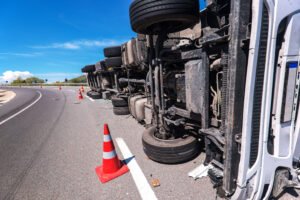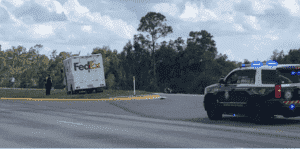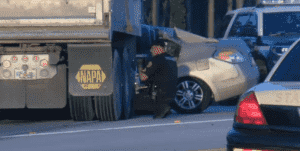
If a truck’s brakes, tires, steering, lights, or coupling equipment fail, the Law Offices of Anidjar and Levine can investigate how the defect contributed to a Fort Myers crash and identify potentially responsible parties. We help preserve damaged components, maintenance and inspection records, electronic data, and other evidence before it is lost. We also explain your options, address insurer communications, and assess documented injuries and losses. Florida comparative negligence rules and filing deadlines may affect a claim. Learn more about working with a Fort Myers Personal Injury Lawyer. Below, we explain essential causes, evidence, and legal considerations.
Main Takeaways
- A Fort Myers truck accident lawyer can investigate equipment failures involving brakes, tires, steering, lights, or coupling devices.
- Potentially responsible parties may include trucking companies, manufacturers, maintenance providers, and parts suppliers.
- When safe, preserve photos, witness details, medical records, and evidence of damaged equipment; don’t risk injury to collect evidence.
- Maintenance logs, inspection reports, repair invoices, and electronic truck data may help show what failed and who knew about it.
- Seek medical care promptly, follow your treatment plan, and consult a lawyer before discussing fault or signing insurance releases.
How We Can Help With Your Fort Myers Truck Accident Equipment Failures Injury Claim
When defective or poorly maintained truck equipment contributes to a crash, we can investigate how the failure occurred and who may be responsible. We’ll listen to your concerns, explain your options, and help you make informed decisions while you focus on recovery. Our team can gather relevant records, communicate with insurers, and organize documentation that supports your injury claim. We’ll also explain Claim timelines, including important deadlines and the steps that may affect your case, so you can plan with greater confidence.
We recognize that an injury can affect your household as well as your health. With your permission, we can keep family members informed and help them understand what to expect. This Family support can ease communication during a demanding period and help you stay focused on care. We’ll provide clear updates, answer questions, and treat your concerns with respect. By handling legal tasks carefully and consistently, we aim to reduce avoidable burdens and pursue a fair resolution for you and your loved ones.
Don’t Wait. Call Our Florida Personal Injury Lawyers Now!
Understanding Fort Myers Truck Accident Equipment Failure Injury Cases


Understanding a Fort Myers truck accident equipment failure case starts with identifying what failed, how it contributed to the crash, and who had responsibility for the equipment. We’ll review the evidence to link the failure to your injuries and determine which parties may owe you a duty of care. Those parties could include a trucking company, equipment manufacturer, maintenance provider, or another responsible business.
OUR CONSULTATIONSARE FREE
START YOUR FREE CASE REVIEW

An Equipment malfunction can raise questions about inspection records, repair decisions, product design, and compliance with applicable safety requirements. Manufacturing defects may also matter when a component didn’t perform as intended. We’ll work to preserve relevant records and assess the equipment, accident reports, medical documentation, and witness accounts. This careful review helps distinguish a preventable failure from an unrelated event.
You merit clear information about your options while you focus on recovery and caring for those who depend on you. We’ll explain what the evidence shows, identify unanswered questions, and help you understand the next steps in pursuing accountability and compensation.
Common Causes of Fort Myers Truck Accident Equipment Failures
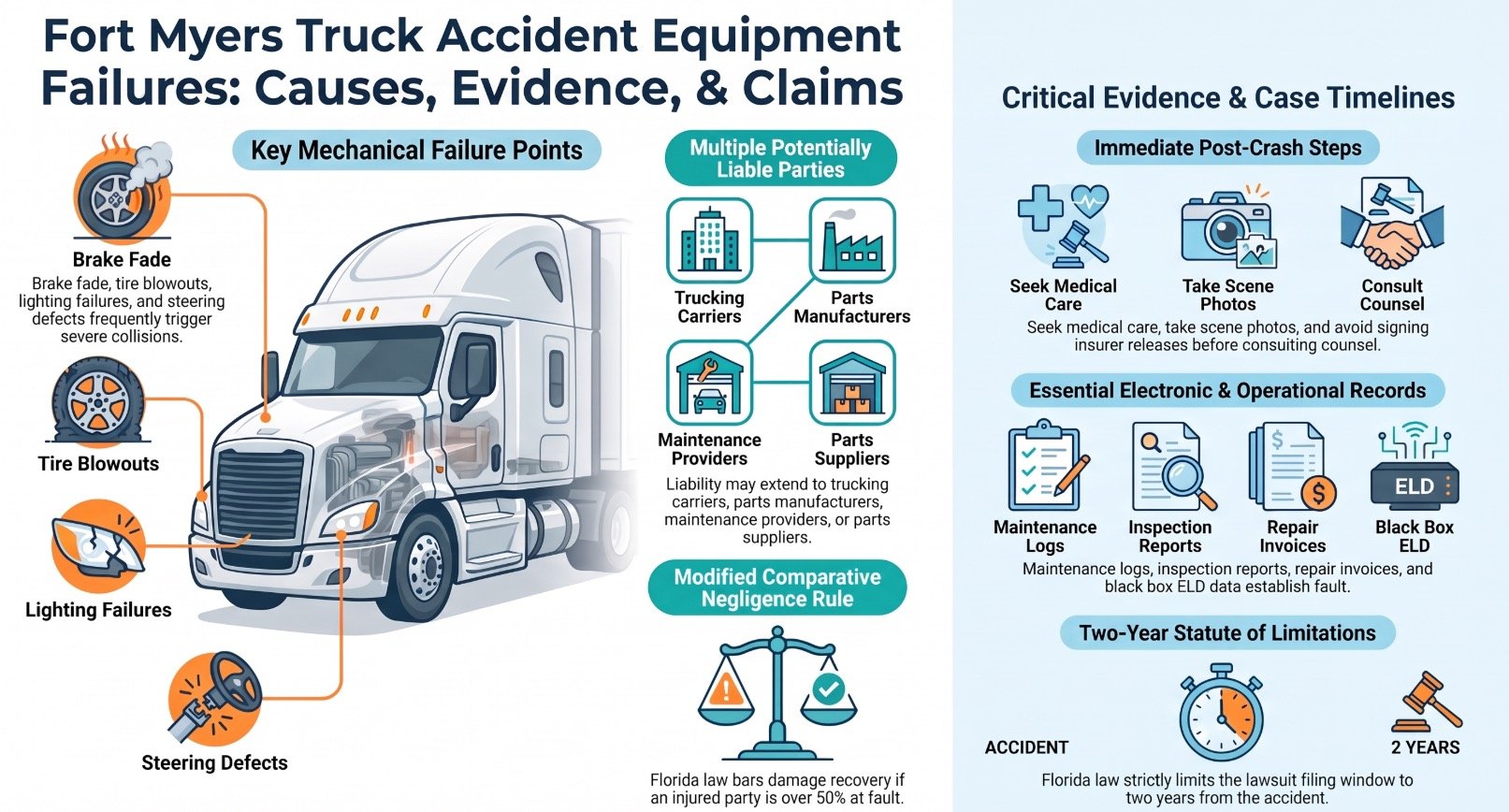
We often trace Fort Myers truck equipment failures to brake system problems or tire blowouts, which can prevent a driver from stopping or maintaining control. Defective lighting may limit visibility or make a truck harder for others to see, while defects in directional-control components can undermine safe handling. We’ll explain how these failures arise and why identifying their cause matters after a crash.
Brake System Failures
Brake system failures can leave a fully loaded truck unable to stop in time, putting everyone on Fort Myers roads at risk. When a carrier neglects inspections or repairs, drivers may not have the stopping power needed to protect nearby motorists and pedestrians.


Brake fade can develop when repeated braking overheats components, reducing their ability to slow a truck. Air leaks may also weaken the pressure that operates air brakes, while worn parts, poor adjustments, or contaminated brake surfaces can further impair performance. These problems may stem from inadequate maintenance, defective components, or missed warning signs.
After a collision, we can review maintenance records, inspection reports, and repair histories to identify possible causes. Understanding how the failure occurred can support accountability and help protect others from preventable harm.
Tire Blowouts
Tire blowouts can cause a truck driver to lose control, especially at highway speeds or when carrying a heavy load. Worn tires, underinflation, overloading, road hazards, and inadequate maintenance can all increase the risk. Tread separation may occur when heat and stress weaken a tire, sending fragments into nearby traffic and leaving the driver with little time to respond. Regular inspections and pressure monitoring help identify unsafe conditions before a tire fails, but carriers and drivers must consistently follow maintenance schedules and load limits.
When a blowout causes a crash, we can help you investigate whether poor upkeep, excessive wear, or a manufacturing defect contributed. Preserving tire evidence and maintenance records may clarify what happened and who bears responsibility. By pursuing accountability, we can support injured people and their families as they seek recovery.
Defective Lighting
When a truck’s lights fail or provide inadequate visibility, drivers may not see hazards in time, and other motorists may struggle to judge the truck’s position or speed. Headlight defects can limit a driver’s view on dark roads or during heavy rain, while taillight malfunctions may prevent following motorists from recognizing braking or turning. These failures can contribute to serious collisions, particularly when a truck operates at night or in poor weather. We can help you determine whether damaged bulbs, faulty wiring, neglected maintenance, or improper repairs contributed to a crash. Trucking companies and maintenance providers must keep required lighting in working order. By identifying the cause, we can help you understand your options, pursue accountability, and protect others on Fort Myers roads.
Steering Component Defects
If a truck’s directional components fail, the driver may lose directional control, putting nearby motorists at risk. Directional defects can involve worn or broken directional linkage, damaged tie rods, loose connections, or a failing power directional system. These problems may cause delayed responses, difficult turning, or sudden loss of control, especially when a truck carries a heavy load or travels at highway speed.
We can help you understand how investigators assess a suspected defect. They may examine maintenance records, inspect damaged components, and determine whether improper repairs or inadequate inspections contributed to the failure. Depending on the evidence, manufacturers, trucking companies, maintenance providers, or parts suppliers may bear responsibility. By identifying what went wrong, we can help you pursue accountability and seek support for those harmed in a crash.
Legal Rights of Fort Myers Truck Accident Equipment Failure Injury Victims
Accountability matters when a truck’s defective or poorly maintained equipment causes a crash in Fort Myers. If you’ve been injured, we can help you understand your rights and pursue a fair recovery while protecting your ability to support those who depend on you. You may seek compensation for documented losses, subject to the facts and applicable law.
Your legal options may include:
- Requesting payment for medical care, rehabilitation, lost income, and reduced future earning capacity.
- Seeking damages for pain, emotional distress, and lasting effects on daily life.
- Preserving maintenance records, inspection reports, and other evidence relevant to responsibility.
- Consulting counsel about filing deadlines and how comparative negligence may affect recovery.
We’ll assess potential claims against responsible parties, which may include a carrier, equipment manufacturer, or maintenance provider. Florida’s comparative negligence rules can reduce compensation if your own conduct contributed to the crash, but they don’t automatically eliminate your claim. Because deadlines and evidence requirements matter, we encourage prompt legal guidance and careful documentation. Our goal is to help you pursue accountability and secure recovery resources.
Why Do Fort Myers Truck Accident Equipment Failures Injuries Happen?
Understanding how equipment failures cause truck crashes can help explain who may be responsible and what evidence matters. Trucks depend on connected systems, and a defect or missed inspection can undermine safe operation. Worn brakes may lengthen stopping distance, while damaged tires can fail under heavy loads or heat. Faulty steering, broken lights, and malfunctioning coupling devices can also prevent drivers from properly controlling or seeing their vehicles.
These failures may arise from poor maintenance, defective parts, overloading, or repairs that don’t meet safety standards. Depending on the circumstances, a carrier, maintenance provider, parts manufacturer, or another party may have contributed. Improperly secured freight can create cargo shifts, changing a truck’s balance and increasing rollover risk. Mechanical problems may also force sudden stops or swerves, exposing nearby motorists, cyclists, and pedestrians to Roadside hazards. Understanding how these conditions interact helps us recognize why crashes occur and whose conduct may warrant careful review.
What Should You Do After a Fort Myers Truck Accident Equipment Failure Injury?
After a truck accident involving equipment failure, seek medical care promptly, even if your injuries seem minor. If it’s safe, document the scene by photographing the vehicles, visible damage, and relevant road conditions. We should also contact a truck accident lawyer to understand our options and help preserve important evidence.
Seek Immediate Medical Care
Because some injuries from a truck equipment failure may not appear right away, seek medical care as soon as possible after a crash, even if you feel well. A prompt evaluation can identify hidden injuries, guide appropriate treatment, and create a clear medical record of your condition. Tell the clinician about the collision and every symptom you notice, including pain, dizziness, numbness, or confusion. Follow the care plan and attend recommended appointments, even if your symptoms improve. Adhering to treatment supports recovery and helps prevent complications. We should also monitor symptoms in the hours and days after the crash, since some problems develop gradually. If symptoms worsen or new concerns arise, contact a medical professional promptly or seek emergency care. By caring for your health, we can protect your ability to support those who depend on you.
Document the Accident Scene
If it’s safe to do so, document the crash scene before vehicles or debris are moved. Use a phone to photograph the truck, other vehicles, damaged equipment, skid marks, cargo, and the surrounding roadway from several angles. Include close views of visible defects, such as a failed tire or broken light, without touching or moving anything. Note the time, location, weather, traffic conditions, and names and contact details of witnesses. These details may help explain how the equipment failure contributed to the collision and support accurate reporting. Keep yourself and others away from Roadside hazards, including leaking fluids, unstable vehicles, and moving traffic. Don’t risk injury to obtain evidence; ask a bystander to help only if it’s safe. Careful scene preservation can protect useful information and help investigators.
Contact a Truck Accident Lawyer
After you document the scene and address immediate safety concerns, contact a Fort Myers truck accident lawyer as soon as you can. A lawyer can help protect your rights while you focus on treatment and recovery. During a Free consultation, we can review what happened, explain possible next steps, and answer questions about equipment failure claims.
Truck cases often involve evidence controlled by trucking companies, including inspection records, maintenance logs, and data from onboard systems. We can send preservation requests promptly and investigate whether defective parts, poor maintenance, or missed inspections contributed to the crash. Avoid discussing fault with insurers or signing releases before you understand their effect.
With Legal representation, we can communicate with insurers, assess documented losses, and pursue accountability from responsible parties. Acting early helps us preserve evidence and support a fair claim, while allowing you to focus on your health and family.
Don’t Wait. Call Our Florida Personal Injury Lawyers Now!
Critical Evidence in a Fort Myers Truck Accident Equipment Failure Injury Case
To show how equipment failure contributed to your Fort Myers truck accident, we’ll review records and testimony showing the truck’s condition before and after the crash.
Crucial evidence may include:
- Maintenance and repair records
- Inspection reports
- Electronic logging data
- Photographs and witness statements
We’ll review these materials together to determine what happened and support your injury claim.
Maintenance and Repair Records
Maintenance and repair records can reveal whether a truck’s equipment failure resulted from neglected inspections, delayed repairs, or recurring defects. When we investigate a crash, we review these documents to understand what work the carrier authorized, which parts technicians replaced, and whether known problems went unresolved. Repair invoices may identify dates, labor, components, and reported concerns, helping us connect a mechanical failure to earlier service decisions. We also consider Record retention practices because missing or incomplete files can limit what we learn about a truck’s history. You can help preserve this evidence by noting the carrier, vehicle, and any visible equipment damage, then sharing those details with your attorney. By carefully reviewing records, we can pursue accountability and support safer practices that protect drivers, passengers, and others who depend on reliable commercial vehicles.
Inspection Reports
Inspection reports can show whether a truck’s brakes, tires, lights, or other safety equipment had defects before a crash. We can review pre-trip, post-trip, and periodic inspection records to identify what the driver or carrier knew and when they knew it. These documents may reveal recurring problems, incomplete checks, or repairs that failed to correct a dangerous condition. Inspection discrepancies between reports and the truck’s actual condition can help explain how equipment failure contributed to your injuries. We’ll also look for regulatory violations, including missed inspections or required defects left unaddressed. Preserving these records promptly matters because routine retention practices may change, lose, or discard them. By connecting documented warning signs to the collision, we can help you pursue accountability and seek resources for your recovery.
Electronic Logging Data
Electronic logging data can help establish what a truck and its driver were doing before a crash, complementing the inspection records we review. These electronic records may show driving time, rest periods, vehicle movement, and changes to a truck’s operating status. We can compare that information with maintenance timelines and other available records to assess whether a mechanical problem developed during a particular trip or went unaddressed. Prompt ELD data preservation matters because some systems overwrite or lose information over time. We can help request relevant records before that happens and examine them for driver log discrepancies, unexplained gaps, or signs that hours-of-service limits were exceeded. This evidence may clarify how the truck was operated and whether fatigue or scheduling pressures contributed to equipment failure, helping us pursue accountability for you and your family.
Photographs and Witness Statements
Photographs and witness statements can capture details of a truck’s equipment failure that may change or disappear after a crash. We can help preserve images of damaged brakes, tires, lights, or cargo restraints before vehicles move and repairs begin. Clear photographs should show both close-up damage and the surrounding scene, including skid marks, debris, and vehicle positions. Photo Metadata may help establish when and where an image was taken, so we should retain original files rather than rely only on edited copies.
Witnesses may describe warning signs, unusual noises, or the truck’s movement before impact. We can record their contact information and accounts promptly, while memories remain fresh. Witness Credibility matters; consistent, firsthand observations can support a careful investigation. Combined, these materials may help us identify equipment problems and explain how they contributed to your injuries.
Long-Term Effects of Fort Myers Truck Accident Equipment Failures Injuries
When we assess the long-term effects of truck equipment failure injuries, we consider how chronic pain and reduced mobility may limit your daily activities. We also examine lasting cognitive effects, which can affect memory, concentration, and your ability to work. Ongoing treatment may create substantial medical expenses, so we’ll account for future care needs and current costs.
Chronic Pain and Mobility
After a Fort Myers truck accident caused by equipment failure, injuries may continue to limit movement long after the initial treatment ends. Chronic Pain from fractures, spinal injuries, or damaged joints can make ordinary tasks difficult and disrupt work, family responsibilities, and community service. You may find that standing, lifting, or walking requires careful planning and frequent rest. Mobility Limitations can also reduce independence, especially when you rely on a vehicle or accessible routes to reach appointments and help others. We encourage you to follow your treatment plan, attend recommended rehabilitation, and tell your providers how symptoms affect daily life. Keep records of pain, mobility changes, medical visits, and related expenses. These details can help us explain the lasting effects of your injuries and pursue compensation that reflects your needs.
Lasting Cognitive Effects
Even when physical injuries begin to recover, a Fort Myers truck accident caused by equipment failure may leave lasting cognitive effects. A head injury or disrupted oxygen supply can affect how we think, learn, and communicate. Memory impairment may make it difficult to retain instructions, follow conversations, or manage familiar responsibilities. Executive dysfunction can interfere with planning, judgment, attention, and emotional regulation, even when others don’t notice these changes.
We may notice that everyday tasks take longer or that work and relationships require new strategies. These challenges can also affect our ability to care for others, participate in community life, and maintain independence. When cognitive changes persist, we can document symptoms and seek qualified medical evaluation. Clear records of how these effects alter daily functioning can help explain the injury’s lasting impact and support informed legal decisions.
Ongoing Medical Expenses
Lasting cognitive effects from a Fort Myers truck accident caused by equipment failure may require ongoing medical care and create expenses long after the initial treatment. You may need regular evaluations, rehabilitation, counseling, or tailored support as symptoms change. We can help you document these needs and understand how they may affect a claim.
Future treatments can be difficult to estimate, especially when doctors cannot yet predict the full course of recovery. Keep appointment records, treatment plans, and provider recommendations to show why continued care is necessary. Track prescription costs, transportation, and other related expenses, since these can add up over time. We encourage you to follow medical advice and preserve receipts rather than delay care because of financial concerns. Clear documentation helps us present the long-term impact of your injuries and seek compensation that reflects your ongoing needs.
Proving Liability in Fort Myers Truck Accident Equipment Failures Injury Cases
Proving liability in a Fort Myers truck accident involving equipment failure requires showing how a defective or poorly maintained part contributed to the crash and resulting injuries. We begin by identifying the failed component, such as brakes, tires, steering parts, or a coupling system, and preserving it for inspection. Maintenance records, inspection reports, driver logs, and repair histories can reveal whether required checks were missed or known problems went unaddressed.
Our Causation Analysis connects the equipment failure to the collision and your injuries. We compare physical evidence, photographs, electronic data, and expert findings to determine how the failure affected the truck’s operation. Defect Attribution examines who may be responsible, including a manufacturer, maintenance provider, trucking company, or parts supplier. More than one party may have contributed.
We also document your losses and how they affect your ability to care for others. By building a clear, evidence-based account, we help establish responsibility and support a fair claim.
Dealing With Insurance Companies After a Fort Myers Truck Accident Equipment Failure Injury
After a Fort Myers truck crash caused by equipment failure, insurers may contact you quickly and ask for a recorded statement or medical authorization. We can help you respond carefully while you focus on treatment and supporting those who depend on you. You don’t have to answer questions before you understand their purpose or agree to broad access to your medical history.
Claim Adjuster Tactics may include requesting details before you know the full extent of your injuries, emphasizing an early payment, or asking questions that could make your account seem inconsistent. Recorded Statements can be used to assess a claim, so we should prepare before providing one and avoid guessing about events or symptoms. Keep communications factual, save letters and messages, and refer questions about the truck’s equipment failure to your legal representative.
We can review proposed forms and settlement offers with you, explain possible consequences, and communicate with insurers on your behalf. Careful responses can protect your interests without disrupting your recovery or responsibilities to others.
What to Expect During a Fort Myers Truck Accident Equipment Failure Injury Claim Process
We’ll begin with an initial case review to assess your injuries, the equipment failure, and potential liability. Next, we’ll gather and evaluate evidence, then negotiate with the insurers based on the documented losses. We’ll explain your options for resolving the claim and pursuing appropriate compensation.
Initial Case Review
During an initial case review, we’ll assess how the truck’s equipment failure may have caused the crash and identify the evidence needed to support your injury claim. At the Initial Consultation, we’ll listen carefully to your account, discuss your injuries, and learn how the collision has affected your daily responsibilities and ability to care for others. We’ll explain the claim process, answer your questions, and clarify what information we need before evaluating potential legal options.
Our Case Assessment considers the circumstances of the crash, the type of equipment involved, and the connection between the failure and your harm. We’ll also review available insurance information and identify parties who may bear responsibility. This early review helps us provide clear guidance, set realistic expectations, and determine appropriate next steps. You can make informed decisions while focusing on your recovery and family.
Evidence Collection
Evidence collection begins with preserving records that can show how a truck component failed and whether that failure contributed to the crash. We’ll promptly identify relevant materials, including maintenance logs, inspection reports, repair invoices, driver records, and electronic data from the truck. Evidence preservation may also require documenting the vehicle’s condition and arranging access to damaged parts before they’re altered, repaired, or discarded. We’ll seek photographs, crash-scene measurements, witness accounts, and available video to establish what happened and when. Qualified experts can conduct forensic analysis of components such as brakes, tires, steering systems, or coupling devices. Their findings may help distinguish a defect from poor maintenance or another cause. We’ll also track the origin of records and physical evidence, helping protect their reliability as we assess your injury claim and support accountability.
Claim Negotiations
Once we’ve assessed the available records and expert findings, we can present a claim that explains how the equipment failure contributed to the crash and your injuries. We’ll organize the supporting evidence, identify responsible parties, and explain the losses the incident has caused. Our Settlement strategy will reflect the facts, applicable law, and your priorities, while accounting for the needs of those who depend on you. During discussions, we’ll respond to the insurer’s questions, challenge unsupported conclusions, and explain why the evidence supports your position. Our negotiation tactics may include presenting expert analysis, addressing disputed issues, and requesting a reasoned response to the claim. We’ll keep you informed about proposals and developments, explain the considerations involved, and consult with you before making important decisions. You’ll remain central to the process throughout.
Resolution and Compensation
When negotiations resolve a Fort Myers truck accident equipment failure claim, we’ll review the proposed settlement with you and explain what it covers, including medical expenses, lost income, and other documented losses. We’ll also confirm whether it accounts for future treatment, reduced earning capacity, and other losses supported by evidence. Settlement timelines vary depending on negotiations, insurer review, and required approvals, so we’ll keep you informed about each step and any outstanding documents. Before you accept, we’ll explain the release terms and how signing may affect your right to pursue further compensation. If a lump sum doesn’t fit your needs, we can discuss structured payouts, which distribute payments over time. Our goal is to help you make an informed decision that supports your recovery and responsibilities, while pursuing fair compensation for the harm you’ve experienced.
Don’t Wait. Call Our Florida Personal Injury Lawyers Now!
Compensation for Fort Myers Truck Accident Equipment Failure Injury Damages
A truck accident caused by faulty brakes, defective tires, or other equipment failures can leave you facing substantial financial and personal losses. We can help you identify the injuries and practical needs that should shape a compensation claim. Depending on the evidence, you may seek payment for medical treatment, rehabilitation, prescription costs, and necessary assistive devices. Keep records of appointments, bills, treatment recommendations, and how your injuries affect daily responsibilities.
If you can’t work while recovering, you may include lost wages in your claim. If injuries limit your ability to return to your former job or earn at your previous level, we may also consider diminished earning capacity. We’ll work to document these effects through employment records, medical opinions, and other relevant evidence.
A claim may also address physical pain, emotional strain, and reduced ability to participate in family or community life. We’ll listen to your priorities and pursue compensation that reflects the harm you’ve experienced, while keeping you informed throughout the process.
Economic vs. Non-Economic Damages in Fort Myers Truck Accident Equipment Failures Cases
We distinguish economic losses, such as medical bills and lost income, from non-economic harm, including pain and reduced quality of life. To support your claim, we’ll explain how each category reflects the effects of equipment failure on your life. Clear records and other documentation can help establish the damages you’ve suffered.
Economic Losses
What financial losses can follow a truck accident caused by equipment failure? When a defective brake, tire, or other component contributes to a collision, we can help you identify the measurable costs that affect your household and ability to support others. Economic losses may include emergency care, hospital treatment, rehabilitation, medication, and necessary medical equipment. We can also document property damage, transportation to appointments, and other reasonable recovery-related expenses.
Lost wages may reflect income you missed while unable to work. If your injuries limit the work you can perform or prevent you from returning to your former occupation, reduced earning capacity may also be considered. We review employment records, medical evidence, and expert assessments to calculate these losses. Careful documentation helps us present a clear, well-supported compensation claim.
Non-Economic Harm
Beyond financial losses, an equipment-failure truck crash can affect your comfort, independence, and emotional well-being. These non-economic harms differ from medical bills or lost income because they reflect how injuries change your daily life. You may experience ongoing pain, sleep disruption, anxiety, or Emotional distress after a collision caused by defective brakes, tires, or other equipment. Such effects can strain relationships and make ordinary responsibilities harder to manage. You may also face diminished enjoyment when injuries prevent you from pursuing hobbies, spending time with loved ones, or serving your community as you once did. We can help you understand how Florida law may recognize these losses in a claim. Their value depends on the circumstances, including the injury’s severity and its lasting effects on your life.
Damage Documentation
When documenting damages after a Fort Myers truck crash caused by equipment failure, we distinguish financial losses from the personal effects of your injuries. We help you organize records that show how the collision affected your household, work, and ability to support others.
Economic damages include medical bills, lost income, rehabilitation costs, and property losses. Keep receipts, pay statements, and employment records, along with Repair invoices and replacement estimates for damaged vehicles or belongings. These documents can help establish the amount and cause of your financial losses.
Non-economic damages address pain, emotional distress, and reduced enjoyment of daily activities. We encourage you to record symptoms, treatment experiences, and changes to family or community responsibilities. Medical notes and statements from people who know you may provide context. In combination, clear evidence helps present a complete, credible account of your losses.
When a Fort Myers Truck Accident Equipment Failures Injury Case Goes to Trial vs Settlement
A truck equipment failure injury case may settle through negotiations or proceed to trial, depending on the evidence, the parties’ positions, and the losses involved. We’ll review maintenance records, inspection findings, and testimony to assess how strongly the evidence supports your claim. Settlement timing can vary: discussions may begin early, but negotiations often continue as medical needs and financial losses become clearer.
A settlement can provide a defined resolution without a trial, though you’ll need to weigh whether the proposed amount addresses your documented harm and future needs. We’ll explain the offer, discuss its practical consequences, and help you make an informed choice without pressure.
If the parties can’t agree, we may present the case to a judge or jury. At trial, both sides offer evidence and question witnesses. After the presentations, the jury deliberates, and the verdict may resolve disputed responsibility and damages. We’ll prepare carefully for either path, keeping your priorities central while pursuing accountability and resources that can support your recovery.
Florida Laws That May Affect Your Fort Myers Truck Accident Equipment Failures Case
The outcome of a Fort Myers truck accident equipment failure case may depend on how Florida law assigns fault, sets filing deadlines, and limits recoverable damages. We can help you understand how these rules apply while you focus on your recovery and responsibilities to those who rely on you.
- Comparative negligence: Florida’s modified comparative negligence rule may reduce your damages by your share of fault. If you’re found more than 50% responsible, you generally can’t recover damages.
- Product liability: A manufacturer, distributor, or seller may face responsibility when a defective part causes harm. We’ll examine design, manufacturing, and warning issues.
- Federal preemption: Federal trucking or safety rules may affect claims involving equipment standards. Preemption can limit some state-law arguments, but it doesn’t automatically bar every claim.
- Damages: Florida law may allow compensation for medical costs, lost income, and other proven losses. Evidence linking the failure to your injuries remains vital.
We can identify potentially responsible parties and preserve records that support a fair evaluation of your claim.
The Statute of Limitations for Fort Myers Truck Accident Equipment Failures Injury Cases
Because filing deadlines can determine whether you may pursue compensation, we’ll identify the limitation period that applies to your Fort Myers truck accident equipment failure case. In Florida, you generally have two years from the date of an injury-causing crash to file a negligence lawsuit. Missing this Filing Deadline can prevent you from seeking compensation, even when a defective tire, brake, or other component contributed to the collision.
The deadline may differ when a crash causes a death, involves a government entity, or raises another legal issue. Claim Exceptions may also apply when the injured person is a minor or legally incapacitated, or when the defendant cannot be located under circumstances recognized by law. These rules are fact-specific, and not every situation pauses or extends the filing period.
Evidence about equipment condition can become harder to preserve over time. We encourage you to confirm the applicable deadline promptly, so you can protect your rights while focusing on your recovery and the people who depend on you.
How a Fort Myers Truck Accident Equipment Failures Lawyer Can Help You
Meeting the filing deadline is only one part of protecting your claim; we can also investigate how a truck’s equipment failure contributed to the crash. Our work can help you pursue accountability while supporting safer roads for everyone who shares them. Through a careful Case Assessment, we examine the available evidence and explain your options in clear terms.
We may:
- Obtain maintenance records, inspection reports, and repair histories to identify neglected defects.
- Preserve vehicle components, photographs, and electronic data that may show how a failure occurred.
- Consult qualified experts to assess braking systems, tires, lights, or other relevant equipment.
- Identify potentially responsible parties, including carriers, maintenance providers, or manufacturers.
We provide Legal Guidance as you consider medical expenses, lost income, and other documented losses. We can communicate with insurers, organize supporting records, and present a reasoned claim based on the evidence. Our approach respects the crash’s impact on you and your family while seeking a fair resolution. By investigating thoroughly, we can also help advance accountability that may protect other drivers and families from preventable harm.
When to Contact a Fort Myers Truck Accident Equipment Failures Lawyer
Contact a Fort Myers truck accident equipment failures lawyer as soon as possible after a crash, especially if faulty brakes, tires, lights, or other components may have contributed. Prompt action helps us identify records, inspection reports, and other evidence before they are lost or altered. It also lets us preserve details while your memory is fresh and address deadlines that may affect your claim.
You don’t need to know the exact cause before reaching out. If you or someone you’re helping was injured, we can discuss what happened and explain practical next steps. Seek medical care first when needed, and keep copies of treatment records, crash reports, photographs, and communications with insurers.
For consultation preparation, gather any documents you already have, along with a brief timeline and contact information for witnesses. Don’t delay if some details are missing; we can help identify what may be useful. Early contact lets us assess the situation and respond carefully.
Why You Need an Experienced Fort Myers Truck Accident Equipment Failures Lawyer
An experienced Fort Myers truck accident equipment failures lawyer can help determine how a defective or poorly maintained component contributed to a crash and who may be responsible. We can investigate the vehicle, review maintenance and inspection records, and work with qualified experts to identify what failed and when. This careful work may reveal whether a trucking company, repair provider, parts manufacturer, or another party contributed to the harm.
Attorney Experience matters because equipment cases often involve technical evidence and several potentially responsible parties. We know how to preserve records, evaluate expert findings, and link a mechanical failure to the collision and resulting injuries. With a sound Case Strategy, we can pursue relevant evidence, address disputed claims, and clearly present your losses.
Our work also helps protect the interests of families and communities affected by unsafe commercial vehicles. We’ll explain your options, keep you informed, and seek accountability through a process grounded in evidence, fairness, and respect for your recovery.
How to Choose the Right Fort Myers Truck Accident Equipment Failures Lawyer for Your Case
Choosing the right Fort Myers truck accident equipment failures lawyer means finding someone who can investigate mechanical evidence, identify potentially responsible parties, and explain a clear strategy for your case. We should look for experience with truck crashes involving defective brakes, tires, steering systems, or maintenance failures. Ask how the lawyer preserves vehicle components, obtains inspection and service records, and works with qualified experts to evaluate the evidence.
Review Attorney credentials, including relevant trial experience and familiarity with Florida injury claims. We should also ask who will handle daily case tasks and how the legal team will coordinate with us. Strong client communication means receiving timely updates, clear answers, and realistic explanations of important decisions. During an initial consultation, notice whether the lawyer listens carefully and explains potential challenges without promising a particular result.
Choose counsel who respects your concerns and can pursue accountability while protecting your family’s interests. A thoughtful choice can help us make informed decisions throughout a difficult recovery.
About The Law Offices of Anidjar & Levine
The Law Offices of Anidjar & Levine represents injured people and families in Florida, including those affected by truck accidents involving equipment failures. When a defective brake, tire, coupling, or other component contributes to a collision, we work to help you understand your options and pursue accountability.
Our firm’s history reflects a commitment to serving people facing difficult circumstances. We understand that a serious crash can disrupt your health, income, and family responsibilities. We listen to your concerns, explain the legal process in clear terms, and keep you informed as your case progresses.
Client commitment guides how we approach each matter. We investigate the circumstances, review available records, and identify potentially responsible parties, which may include a trucking company, maintenance provider, or equipment manufacturer. We also consider the practical needs that arise while you recover. If you contact us, we’ll discuss your situation and the steps that may help protect your interests, without promising a particular outcome.

Frequently Asked Questions
Can a Truck’s Black Box Reveal Whether an Equipment Failure Contributed to a Crash?
Yes, a truck’s black box can help show whether an equipment failure contributed to a crash. We can review black box data for speed, braking, and other recorded vehicle activity, then compare it with inspection and maintenance records. Electronic logging may also help establish the driver’s hours and timeline. These sources can reveal warning signs or support further investigation, but they may not identify a defect by themselves. We should preserve and promptly examine the evidence.
Who May Be Responsible When a Defective Truck Part Causes an Accident?
Responsibility may rest with the part’s manufacturer, the truck maker, a maintenance provider, or another party whose conduct contributed to the failure. We can assess defect liability by examining whether a component was poorly designed, improperly manufactured, or sold without adequate warnings. Component negligence may apply when a repair shop or fleet operator failed to inspect, maintain, or replace a dangerous part. Evidence, including service records and expert analysis, helps identify responsible parties and support an injured person’s claim.
Can a Truck Manufacturer Be Liable for a Faulty Component?
Yes, a truck manufacturer may be liable when a faulty component causes a crash. We can help you assess Manufacturer liability by examining whether the part was defectively designed, improperly made, or sold without adequate warnings. Component defects may involve brakes, tires, steering systems, or other safety-critical equipment. We’ll review maintenance records, inspection findings, and expert analysis to identify responsible parties and support a claim that protects injured people and their families.
What if Poor Maintenance Caused the Truck Equipment to Fail?
If poor maintenance caused the equipment failure, we can investigate whether the trucking company, maintenance contractor, or another responsible party failed to meet its duties. We’ll review service records, inspection findings, and applicable safety requirements to identify preventable lapses. Prompt preservation of maintenance records can protect important evidence, while compliance with inspection schedules may show whether required checks occurred. By establishing how the failure happened, we can help you pursue accountability and support those affected by the crash.
Can Multiple Parties Share Responsibility for a Truck Equipment Failure?
Yes, multiple parties can share responsibility for a truck equipment failure. Shared Liability Factors may include a carrier’s inadequate maintenance, a repair shop’s negligent work, a manufacturer’s defective part, or a driver’s failure to report a problem. We can examine records and evidence to identify each party’s role and help you understand your options. Comparative Fault Rules may reduce compensation if you share responsibility, so we’ll assess how the law applies to your circumstances and potential claim.
—————————
If defective brakes, tires, lighting, or other truck equipment contributed to your injuries, you may have a claim against the responsible parties. We can investigate the failure, preserve relevant evidence, and explain your legal options. Acting promptly can help protect important records and support your case. The Law Offices of Anidjar and Levine will work to pursue compensation for your losses and keep you informed as your claim moves forward. Learn more about working with a Fort Myers Personal Injury Lawyer.