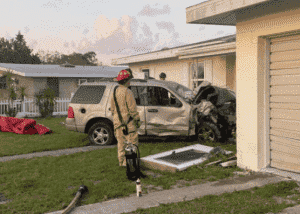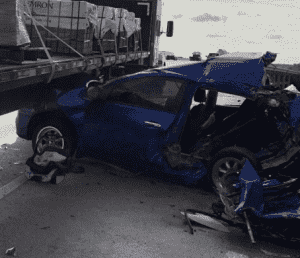
The Law Offices of Anidjar and Levine help Port Charlotte drivers investigate collisions linked to unsafe roads, including damaged pavement, poor drainage, faded markings, inadequate lighting, and construction hazards. Our team gathers scene images, witness accounts, crash reports, and maintenance records to assess how a road condition contributed to injuries and who may be responsible. Florida claims can involve public agencies and strict deadlines, so prompt guidance matters. Learn more from a Port Charlotte Personal Injury Lawyer. We’ll explain the legal issues, evidence, and practical steps involved in pursuing compensation.
Main Takeaways
- A Port Charlotte lawyer can investigate whether road defects, poor drainage, faded markings, or construction hazards contributed to a car accident.
- Potentially responsible parties may include drivers, contractors, property owners, or public agencies, depending on the evidence.
- Photos, witness details, accident reports, maintenance records, and medical documentation can help connect a roadway hazard to injuries.
- Florida claims may involve governmental immunity, notice requirements, filing deadlines, and comparative negligence rules.
- Prompt legal advice can help preserve evidence, assess losses, and understand potential claims; an evaluation does not guarantee compensation.
How We Can Help With Your Port Charlotte Car Accident Road & Highway Conditions Injury Claim
When unsafe road or highway conditions contribute to a Port Charlotte car accident, we can investigate how those hazards caused the collision and your injuries. We’ll listen to your account, review available records, and identify steps to protect your interests while you focus on recovering. Our team can gather photographs, witness statements, and other relevant evidence, then consult qualified professionals when needed to assess the roadway and crash circumstances.
We’ll explain your options in clear terms and develop a Claim Strategy suited to the facts of your case. That may include communicating with insurers, documenting your losses, and pursuing compensation from responsible parties. We’ll also support Recovery Planning by helping you understand how medical expenses, missed work, and future care needs may affect your claim. Throughout the process, we’ll keep you informed, answer your questions, and handle legal tasks with care. Our goal is to reduce avoidable burdens so you can focus on your family, health, and recovery.
Don’t Wait. Call Our Florida Personal Injury Lawyers Now!
Understanding Port Charlotte Car Accident Road & Highway Conditions Injury Cases


Road and highway conditions can play a significant role in Port Charlotte car accidents, particularly when hazards such as poor drainage, damaged pavement, obscured signs, or inadequate lighting contribute to a crash. Understanding how these conditions relate to an injury claim can help you make informed decisions and protect your interests.
OUR CONSULTATIONSARE FREE
START YOUR FREE CASE REVIEW

We examine the location, roadway layout, and available records to understand what happened and whether a dangerous condition may have contributed. Road design, maintenance responsibilities, and weather impacts can all shape how a road functions and how safely drivers can travel. We also consider whether warning signs, lighting, or drainage systems provided reasonable protection for people using the road.
These cases may involve public agencies, contractors, or other responsible parties, so identifying the relevant duties and evidence matters. We can help you preserve records, document your injuries, and assess the available facts. By carefully evaluating the circumstances, we work to clarify your options and support a fair resolution while you focus on recovery.
Common Causes of Port Charlotte Car Accident Road & Highway Conditions


We’ll examine how poor road maintenance and hazardous intersections can increase crash risk in Port Charlotte. Inadequate signage may leave drivers without clear guidance, while construction zones can suddenly change traffic flow. Understanding these conditions can help us identify factors that may have contributed to your accident.
Poor Road Maintenance
Poor road maintenance can turn an ordinary drive in Port Charlotte into a serious safety hazard. Pavement deterioration may create potholes, uneven surfaces, or crumbling edges that threaten vehicle control and damage tires. Drainage failures can leave standing water on roadways, increasing the risk of hydroplaning and making defects harder to see. When drivers encounter these conditions, they may swerve or brake suddenly, putting themselves and others at risk. We can help you understand how road conditions may have contributed to a crash and what evidence may matter. Photographs, witness accounts, repair records, and reports of prior complaints can help establish whether a responsible agency knew about a dangerous defect. By carefully examining the circumstances, we can pursue accountability and support safer roads for everyone in our community.
Hazardous Intersections
When traffic signals, signs, or intersection design fail to guide drivers clearly, hazardous intersections in Port Charlotte can increase the risk of serious collisions. Poor Signal timing may leave drivers uncertain about when to proceed, while short yellow phases can prompt sudden stops or unsafe attempts to cross. Sightline obstructions, including vegetation, parked vehicles, or structures, can prevent drivers from seeing approaching traffic and pedestrians. Wide intersections, confusing turn lanes, and limited space for safe turning may also create conflicts among motorists, cyclists, and people walking. When we help you assess a crash, we examine how intersection conditions may have contributed and whether a responsible party failed to address a known danger. By understanding these factors, we can support injured people and their families as they seek accountability and pursue appropriate compensation.
Inadequate Road Signage
Because drivers rely on signs to identify hazards, choose lanes, and follow changing traffic rules, inadequate road signage can contribute to serious crashes in Port Charlotte. Missing, damaged, faded, or obscured signs may leave motorists without the information they need to respond safely. Poor Sign Visibility can make a warning difficult to read at night or in heavy rain, while improper Sign Placement may prevent drivers from seeing instructions in time to act. When a sign fails to communicate a speed limit, turn restriction, or roadway hazard, drivers may make sudden decisions that endanger others. We can help you determine whether inadequate signage contributed to your collision and identify who is responsible for maintaining safe roads. Prompt investigation may preserve important evidence and support a claim for the losses you’ve suffered.
Highway Construction Zones
Highway construction zones can create sudden hazards for Port Charlotte drivers when lane shifts, uneven pavement, temporary barriers, or unclear detours leave little room to react. Lane shift hazards may force motorists to change direction quickly, especially when signs or pavement markings are difficult to see. Construction debris, including loose gravel and discarded materials, can damage vehicles or cause drivers to lose control. Reduced speed limits and narrow lanes also require everyone traveling through the work area to pay close attention.
We can help you understand how a construction-zone collision may relate to unsafe conditions, driver conduct, or inadequate warnings. If you’re injured, seek medical care and, when it’s safe, document the scene. Photos, witness details, and incident reports may help preserve important evidence. We can review available information and explain your options for pursuing accountability and compensation.
Legal Rights of Port Charlotte Car Accident Road & Highway Conditions Injury Victims
Road defects, poor signage, and unsafe construction zones can contribute to serious car accidents in Port Charlotte. If you’ve been injured, we can help you understand your rights and consider steps that protect your recovery while supporting your family and community.
Florida law may let you seek compensation from a responsible party, such as a government agency, contractor, or another driver.
We’ll help you assess important issues:
- Document losses: Keep medical records, repair estimates, and proof of missed work.
- Review deadlines: Claims involving public entities may require prompt notice and careful compliance with legal deadlines.
- Assess fault: Florida’s comparative negligence rules may reduce compensation when an injured person shares responsibility.
- Examine coverage: Insurance coverage may include policies held by drivers, contractors, or other liable parties.
We can investigate available evidence, communicate with insurers, and explain potential options. You don’t have to handlecomplicated procedures alone. By pursuing a fair claim, we can help you secure needed resources and encourage safer roads for everyone.
Why Do Port Charlotte Car Accident Injuries Happen Because of Road & Highway Conditions?
Port Charlotte car accidents linked to road and highway conditions often happen when hazards prevent drivers from seeing danger or responding safely. Heavy rain, standing water, and reduced Driver visibility can make it difficult to judge distances, spot traffic, or recognize changing road surfaces. Strong winds may push vehicles off course, while sun glare can obscure pedestrians, cyclists, and other motorists.
Road defects also contribute to collisions. Potholes, uneven pavement, loose gravel, and poorly marked construction zones can cause drivers to lose control or swerve into nearby traffic. Faded lane markings, obstructed signs, and inadequate lighting may leave people without clear guidance, especially at busy intersections or on unfamiliar routes.
These dangers can combine with weather conditions, traffic volume, or limited reaction time, increasing the risk of serious harm. By understanding how road hazards contribute to crashes, we can better recognize the challenges injured people and their families face and the importance of safer streets for everyone.
What Should You Do After a Port Charlotte Car Accident Road & Highway Conditions Injury?
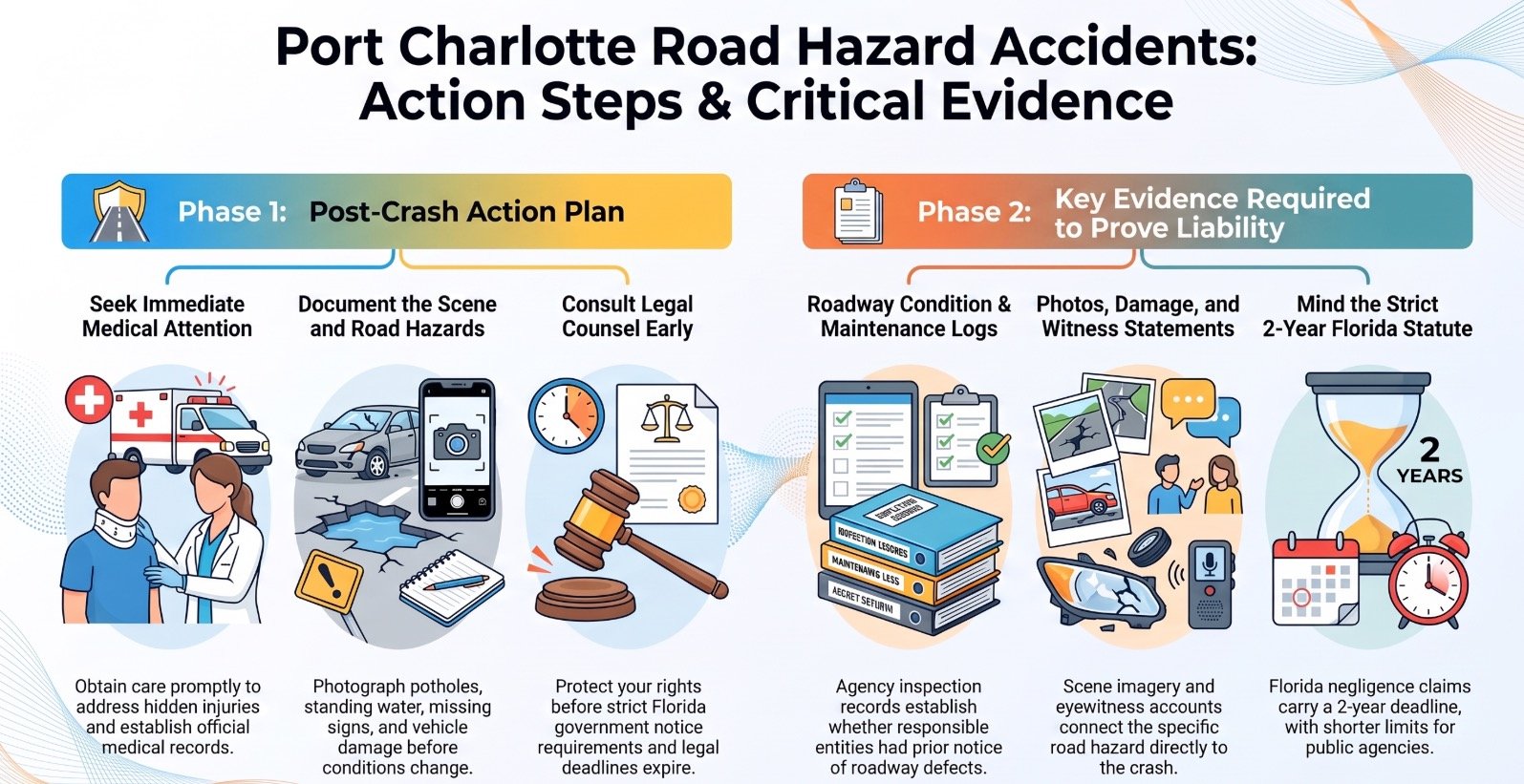
After a road-related crash, seek medical care promptly, even if your injuries seem minor. When it’s safe, document hazardous road conditions by taking photos, noting the location, and collecting witness information. We should also contact a Port Charlotte car accident lawyer to understand our options and protect our interests.
Seek Medical Care
Even when a crash on a Port Charlotte road or highway seems minor, seek medical care promptly. Some injuries develop gradually, and a timely assessment can identify problems before they worsen. Call 911 for urgent symptoms, such as severe pain, trouble breathing, confusion, or loss of consciousness. Otherwise, contact a healthcare professional as soon as possible and describe the collision and any symptoms clearly. Follow the treatment plan you receive, including taking medications as directed, and ask questions if instructions are unclear. Keep all follow-up appointments, even if you begin to feel better; your provider can monitor recovery and adjust care when needed. We can support our families and communities by taking injuries seriously and avoiding premature returns to driving, work, or other activities that may aggravate symptoms. Seek emergency help if your condition changes or worsens.
Document Road Conditions
If it’s safe, document road and highway conditions as soon as possible after a Port Charlotte car accident. Take clear photographs or videos of hazards such as potholes, uneven pavement, standing water, missing signs, or obstructed views. Capture the surrounding area, traffic controls, weather, and any visible vehicle damage to show how the conditions may have contributed to the crash. Note the location, date, and time, and write down what you observed while the details remain fresh. If witnesses saw the hazard or collision, ask for their names and contact information. Preserve relevant images and records without altering them. These details may help establish what happened and support efforts to improve roadway safety for others. Road inspection logs and maintenance schedules may also clarify whether officials knew about a dangerous condition.
Contact a Lawyer
A Port Charlotte car accident lawyer can help us determine whether a dangerous road or highway condition contributed to your injuries and who may be responsible. We can review your account, photographs, medical records, and other evidence to identify potential claims involving a driver, property owner, or government agency. Contact counsel promptly, since deadlines and evidence-preservation requirements may affect your options.
During an initial Free consultation, ask about the lawyer’s experience with roadway hazard cases, investigation process, fees, and communication practices. Review attorney credentials and confirm that counsel is licensed in Florida and understands claims involving public entities. Bring your accident report, treatment information, repair estimates, and notes about the road condition. With informed legal guidance, we can pursue accountability while protecting your ability to focus on recovery and the people who depend on you.
Critical Evidence in a Port Charlotte Car Accident Road & Highway Conditions Injury Case
We’ll assess whether road or highway conditions contributed to your crash by gathering evidence that documents the scene, roadway, and vehicle damage.
Essential records may include:
- Crash scene photographs
- Roadway condition reports
- Witness statements
- Vehicle damage records
Together, these materials can help us establish how the collision occurred and support your injury claim.
Crash Scene Photographs
When road or highway conditions contribute to a Port Charlotte car accident, photographs can preserve details that may change or disappear before investigators examine the scene. We encourage you to document the location safely, without entering traffic or delaying emergency care. Capture wide views showing the roadway, then closer images of hazards such as standing water, debris, damaged pavement, obscured signs, or limited visibility. Photograph vehicle positions, damage, skid marks, and relevant sightlines when possible. These images can help us explain how conditions affected the crash and support a careful evaluation of your injuries. Preserve original files rather than editing or compressing them. Photo metadata may help establish when and where an image was taken, while image authentication can support its reliability. We’ll help organize relevant photographs and present them responsibly for your case.
Roadway Condition Reports
Roadway condition reports can provide independent evidence about hazards that contributed to a Port Charlotte car accident. We can seek records from the agency responsible for maintaining the road, including reports of potholes, drainage problems, missing signs, or damaged barriers. Public records may also show when officials received complaints, inspected the area, or scheduled repairs. These details can help us determine whether a dangerous condition existed before the crash and whether the responsible agency had notice of it.
Agency logs, maintenance records, and inspection documents may clarify what actions officials took and when. We can compare those records with the crash location and timing to assess whether delayed maintenance or an unresolved hazard played a role. By carefully reviewing this evidence, we can help you pursue accountability and support safer roads for everyone who depends on them.
Witness Statements
What did other drivers, pedestrians, or nearby residents observe before and after a crash? Their accounts may clarify how a road hazard, traffic signal, or driver’s actions contributed to the collision. We can help you identify witnesses and gather their contact information while memories remain fresh. Eyewitness credibility depends on factors such as each person’s location, visibility, attention, and consistency. We’ll compare accounts with available evidence and note any differences without overstating what a witness can establish. Preserving prompt statements matters because recollections can fade or change over time. We can document statements carefully, record when and where observations occurred, and preserve relevant details in a reliable format. By treating witnesses respectfully and protecting their accounts, we help build a clearer record of events and support a fair evaluation of your injury claim.
Vehicle Damage Records
Vehicle damage records can help us assess how a collision unfolded and whether road or highway conditions contributed to it. Photographs taken soon after the crash may show impact points, debris, and damage consistent with a sudden movement or loss of control. We can compare these details with witness statements, roadway photographs, and the vehicles’ positions to develop a clearer account.
Keep repair estimates, invoices, towing records, and insurer inspections. These documents establish the cost and scope of repairs and support a diminished-value claim if the vehicle is worth less after repair. Ask repair professionals to preserve damaged parts when possible, since they may help explain how the impact occurred. Organizing these records helps you present a more complete claim and helps decision-makers evaluate the losses and conditions involved.
Don’t Wait. Call Our Florida Personal Injury Lawyers Now!
Long-Term Effects of Port Charlotte Car Accident Road & Highway Conditions Injuries
Road and highway conditions can contribute to injuries that affect you long after a Port Charlotte car accident. We’ll explain how chronic pain and mobility limitations may disrupt daily activities and require ongoing care. We’ll also address emotional distress, which can affect recovery and your quality of life.
Chronic Pain
Chronic pain can develop after a Port Charlotte car accident, even when initial injuries seem manageable. A collision caused by hazardous road or highway conditions may strain muscles, damage joints, or affect nerves, and symptoms can worsen over time. Persistent Pain Symptoms may include aching, burning, tenderness, or recurring headaches that interfere with sleep, concentration, and daily responsibilities. We encourage you to seek medical evaluation when discomfort continues or changes, since timely diagnosis can guide appropriate care and document the injury’s progression.
Chronic Pain Management may involve coordinated treatment, prescribed medication, physical therapy, or other clinician-recommended approaches. Follow your provider’s instructions and keep records of symptoms, appointments, and related expenses. If pain affects your ability to care for others or meet work obligations, we can help you understand your legal options and pursue compensation for documented losses and necessary treatment.
Mobility Limitations
When a Port Charlotte car accident damages the spine, joints, or surrounding tissues, mobility limitations may persist long after the initial injuries appear to mend. You may struggle to walk, climb stairs, drive, or complete routine tasks without assistance. We can help you understand how these restrictions affect your independence, work, and ability to care for others. Treatment may include physical therapy, mobility aids, or adaptive equipment suited to your needs. Accessible transportation can also help you attend appointments and keep up with vital responsibilities when driving is no longer practical. Keep records of medical recommendations, mobility-related expenses, and changes to your daily activities. These details can help show the lasting impact of your injuries when we pursue compensation for ongoing care, necessary equipment, transportation, and other accident-related losses.
Emotional Distress
After a serious Port Charlotte car accident, emotional distress can persist even after physical injuries begin to recover. Emotional trauma may affect sleep, concentration, relationships, and confidence behind the wheel. You might experience anxiety symptoms such as panic, intrusive memories, or fear when traveling on roads where the collision occurred. These effects can interfere with work, caregiving, and your ability to serve others in your community.
We encourage you to discuss these changes with a qualified health professional and follow recommended treatment. Keep records of symptoms, appointments, and how distress affects daily activities. This information can help document the full impact of your injuries. If another party’s negligence caused the crash, we can explain how emotional harm may relate to your claim and help you consider practical next steps.
Proving Liability in Port Charlotte Car Accident Road & Highway Conditions Injury Cases
Proving liability in a Port Charlotte crash involving unsafe road or highway conditions requires more than showing that a hazard existed. We must connect that condition to the collision and demonstrate that a responsible party failed to act reasonably. Depending on the facts, responsibility may involve a driver, a construction contractor, or a public agency that maintained the road.
We can help preserve and examine evidence such as photographs, crash reports, maintenance records, repair histories, and witness accounts. This evidence may show how long a defect existed, whether officials or contractors knew about it, and whether they had a reasonable opportunity to address it. Expert testimony can explain how the road condition contributed to the crash and resulting injuries.
Claims involving public entities require particular care because Governmental immunity and notice requirements may limit recovery or impose strict deadlines. We’ll assess who controlled the roadway, what duties applied, and which evidence supports your claim, then explain the available legal steps clearly.
Dealing With Insurance Companies After a Port Charlotte Car Accident Road & Highway Conditions Injury
Insurance companies may contact you soon after a Port Charlotte crash involving unsafe road or highway conditions, but their questions and settlement offers may not reflect the full value of your claim. We can help you respond carefully, protect your interests, and preserve resources for your recovery.
Before discussing the collision, gather relevant records, including medical bills, repair estimates, photographs, and information about the road hazard. Avoid guessing about details or minimizing your injuries. Recorded statements can be used to challenge your account, so we can help you understand what an insurer is asking and whether a response is appropriate.
You don’t have to accept an early settlement offer before you understand your losses. It may not account for continuing treatment, missed work, or other effects of the crash. We can review the terms, explain what they cover, and help you decide. By approaching insurers carefully, we can seek fair treatment while you focus on recovery and support those who depend on you.
What to Expect During a Port Charlotte Car Accident Road & Highway Conditions Injury Claim Process
We’ll begin with an initial case evaluation to understand how the road or highway conditions may have contributed to your injuries. Then we’ll gather relevant evidence, assess liability, and explain your options for resolving the claim.
Initial Case Evaluation
During an initial case evaluation, we’ll review how the crash occurred, the road or highway conditions involved, and the injuries and losses you’ve reported. We’ll listen carefully to your account and ask how the collision has affected your health, work, and daily responsibilities. This case screening helps us understand your concerns and determine whether our team can assist you effectively.
We’ll assess claim viability by considering whether the available facts support a potential claim and what legal issues may affect it. We’ll explain the process, discuss possible challenges, and answer your questions in clear terms. Our goal is to help you make informed decisions while protecting your ability to focus on recovery and the people who depend on you. An evaluation doesn’t guarantee a particular outcome, but it can clarify your options and next steps.
Evidence Collection
Because road and highway conditions may have contributed to a crash, we’ll gather evidence that shows what the roadway was like and how those conditions affected the collision. We may obtain photographs and video of the scene, nearby traffic cameras, and weather or maintenance records. Your account and witness statements can help document what people observed before and after impact. We’ll also collect vehicle damage records, repair estimates, and relevant medical documentation to preserve the crash’s effects. Evidence preservation matters because conditions can change quickly after a collision. We’ll promptly seek available materials and maintain a chain of custody showing when and how we collected and handled records, images, and physical items. This careful process helps protect reliable information and supports a complete claim as we work toward a fair resolution for you.
Liability Assessment
To assess liability in a Port Charlotte crash involving road or highway conditions, we examine how each party’s actions and the roadway contributed to the collision. We review the available evidence to determine whether a driver, contractor, property owner, or public agency failed to meet a duty of care. This may involve evaluating unsafe road design, poor maintenance, missing warnings, or careless driving. We also consider whether the hazard was known or reasonably discoverable and whether a responsible party had time to address it. Comparative negligence may apply if your actions contributed to the crash, affecting how Florida law allocates fault. When a government entity may be responsible, governmental immunity rules and notice requirements can complicate the analysis. We explain these issues clearly so you can make informed decisions while protecting your interests.
Claim Resolution
Once we’ve assessed liability, we’ll guide you through the steps toward resolving your claim. We’ll gather medical records, repair estimates, wage information, and other evidence to document how the crash affected your health, finances, and daily responsibilities. We’ll then present a demand to the insurer and respond to its questions or proposed terms.
Settlement timelines vary with injury severity, treatment progress, disputed facts, and insurer cooperation. We’ll keep you informed, explain each offer, and help you weigh compensation against your ongoing needs. You’ll make the decisions; we’ll provide clear advice grounded in the evidence and applicable law.
Before accepting payment, review release agreements carefully. Signing may end your right to seek further compensation for the accident. We’ll clarify the terms and confirm that any resolution addresses your documented losses and future care needs.
Compensation for Port Charlotte Car Accident Road & Highway Conditions Injury Damages
When unsafe road or highway conditions contribute to a Port Charlotte car accident, injured people may seek compensation for losses caused by the crash. We can help you identify collision-related damages and document how they affect your recovery, work, and daily responsibilities. Depending on the evidence, a claim may include medical expenses, rehabilitation, prescription costs, and reasonable transportation expenses for treatment. Lost income may also be recoverable when injuries prevent you from working or reduce your earning capacity. If your condition requires ongoing treatment, Future care costs may be considered based on medical recommendations and the expected course of recovery.
We’ll work with you to gather records, consult appropriate professionals, and connect the unsafe condition to the injuries and resulting losses. Clear documentation can help insurers or other responsible parties evaluate the claim fairly. Compensation depends on the facts, applicable law, and available evidence. By pursuing a well-supported claim, we can help protect your ability to obtain needed care and meet obligations while you focus on recuperating.
Don’t Wait. Call Our Florida Personal Injury Lawyers Now!
Economic vs Non-Economic Damages in Port Charlotte Car Accident Road & Highway Conditions Cases
We can assess economic damages through records of medical bills, lost income, and other documented expenses. Non-economic damages address losses such as pain, emotional distress, and reduced quality of life, which may require different evidence. To pursue either type of compensation, we must also connect the roadway conditions to the crash and establish liability.
Economic Damage Evidence
In a Port Charlotte car accident involving hazardous road or highway conditions, economic damage evidence helps show the crash’s financial losses. We can help you gather Medical expense records, including hospital bills, treatment invoices, prescription costs, and receipts for necessary medical equipment. Keep documents that connect each expense to the collision and show payments or balances due. Lost income documentation can include pay stubs, tax records, employer statements, and proof of missed work or reduced hours. If your injuries affect your ability to earn income in the future, we can work with qualified professionals to assess that loss. Repair estimates, vehicle replacement records, and receipts for transportation or other accident-related costs may also support your claim. Organized, accurate evidence helps us present a clear account of your financial losses to insurers or a court.
Non-Economic Losses
Although economic damages cover measurable financial costs, non-economic losses address how a road-condition crash affects your daily life. These losses recognize personal harm that invoices and receipts cannot fully capture. Pain and Suffering may include physical discomfort, emotional distress, anxiety, or disrupted sleep after a collision. These effects can continue even after medical treatment ends, affecting how confidently you travel or manage everyday responsibilities.
Loss of Enjoyment reflects activities and relationships you can no longer experience in the same way. An injury may prevent you from caring for family, serving your community, pursuing hobbies, or participating in meaningful routines. We’ll consider how the crash changed your independence, well-being, and connection with others when evaluating these damages. Your account, supported by relevant records and observations from people close to you, can help convey the personal impact alongside documented financial losses.
Proving Roadway Liability
To prove roadway liability, we must connect a dangerous road or highway condition to the crash and your resulting losses. We investigate the site, preserve photographs, obtain maintenance records, and review crash reports and witness accounts. Roadway design standards can help us assess whether a curve, intersection, sign, or drainage feature fell below accepted safety practices. We also examine whether officials knew, or reasonably should have known, about the hazard and had a fair opportunity to address it.
Your damages may include economic losses, such as medical expenses, lost income, and repair costs, as well as non-economic losses, including pain, emotional distress, and reduced enjoyment of life. We document both categories carefully so decision-makers understand the full impact. Because government immunity and notice deadlines may limit claims, we act promptly to protect your rights and support accountability.
When a Port Charlotte Car Accident Road & Highway Conditions Injury Case Goes to Trial vs Settlement
Whether a road-condition injury claim settles or goes to trial often depends on how clearly the evidence shows that a dangerous roadway contributed to the crash and who bears legal responsibility. We can review available records, photographs, witness accounts, and medical documentation to help you understand your claim’s strengths and uncertainties.
Settlement negotiations may resolve a case without a courtroom hearing. A settlement can provide compensation sooner and reduce the demands of continued litigation, while allowing you to avoid the uncertainty of a jury’s decision. We’ll explain proposed terms and help you weigh them against your needs and the evidence.
If the parties can’t reach an acceptable agreement, we may present the case at trial. We’ll organize the evidence, question witnesses, and explain how the roadway condition affected your injuries and losses. After each side presents its case, the jury deliberates, and the verdict may differ from any settlement offer. We’ll prepare carefully for either outcome and keep you informed as decisions arise.
Florida Laws That May Affect Your Port Charlotte Car Accident Road & Highway Conditions Case
Florida law can shape how we investigate a road-condition crash, identify responsible parties, and pursue compensation. We’ll examine the rules that govern drivers, property owners, and public agencies so you can make informed decisions while protecting your family and serving your community.
- Negligence: We must show that a responsible party failed to use reasonable care and that this failure contributed to your injuries. Maintenance records, photographs, and witness accounts can help establish what happened.
- Comparative negligence: Florida may reduce your compensation if your own conduct contributed to the crash. We’ll assess the evidence carefully and challenge unsupported claims that shift blame onto you.
- Sovereign immunity: Claims involving government entities may face special notice requirements and limits on recoverable damages. We’ll identify the responsible agency and assess these rules early.
- Roadway duties: Drivers must adjust to hazards, while entities responsible for roads may have duties concerning maintenance and warnings. We’ll investigate who controlled the location and what they knew.
These legal principles can affect liability, available recovery, and the evidence needed to support your claim.
The Statute of Limitations for Port Charlotte Car Accident Road & Highway Conditions Injury Cases
Because deadlines can determine whether you may pursue compensation, we’ll identify the filing period that applies to your Port Charlotte car accident injury claim as early as possible. In Florida, you generally have two years from the crash date to file a negligence lawsuit for injuries. Missing that deadline can prevent you from seeking compensation in court, even when unsafe road or highway conditions contributed to the collision.
Different rules may apply if a government agency’s conduct or property played a role. Government claim deadlines can require written notice before you file suit, and special procedures may apply to claims against public entities. These requirements can involve shorter time limits, so we should not assume the ordinary filing period controls.
Some statutory exceptions may pause or alter a deadline, including certain circumstances involving minors or delayed discovery. The facts matter, and exceptions are limited. Preserve records and note important dates so we can assess the applicable period promptly and protect your ability to seek recovery.
How a Port Charlotte Car Accident Road & Highway Conditions Lawyer Can Help You
When unsafe road or highway conditions contribute to a crash, we can investigate how those conditions arose and who may be responsible. We examine the roadway, preserve relevant evidence, and identify parties whose decisions may have created or failed to address a hazard. Our work can help you pursue accountability while protecting everyone affected.
We may:
- Review crash reports, photographs, maintenance records, and available video.
- Consult qualified professionals to assess road design, signage, lighting, or repair needs.
- Identify potentially responsible public agencies, contractors, or other parties.
- Document your losses and present a supported claim to insurers or opposing counsel.
We’ll explain your options, discuss risks, and keep you informed as the matter progresses. Clear attorney-client communication helps you make informed decisions and understand what information we need. We’ll also review fee arrangements with you before representation begins, so you can understand the proposed terms and costs. Our goal is to serve you with careful preparation and responsible advocacy.
When to Contact a Port Charlotte Car Accident Road & Highway Conditions Lawyer
Contact a Port Charlotte car accident road and highway conditions lawyer as soon as you can after a crash involving a dangerous roadway, missing sign, poor lighting, or inadequate maintenance. Early legal consultation can help us identify deadlines, preserve photographs and records, and document conditions before repairs or weather change the scene. If you’re injured, prioritize medical care and keep records of treatment, missed work, and expenses. We can also help you understand whether a public agency, contractor, or another party may need prompt notice of your claim.
You don’t need to wait until you know the full extent of your losses to ask questions. During an initial discussion, we can review the basic facts and explain possible next steps without requiring you to make immediate decisions. Ask about attorney fee structures, including whether fees depend on recovery and which costs may remain your responsibility. Acting promptly helps protect your options and supports a fair process for everyone affected by unsafe road conditions.
Why You Need an Experienced Port Charlotte Car Accident Road & Highway Conditions Lawyer
An experienced Port Charlotte car accident road and highway conditions lawyer can investigate how roadway design, maintenance, signage, or lighting may have contributed to a crash. We can help you determine whether a dangerous condition played a role and identify who may be responsible. This work matters because accountability can encourage safer roads and protect other people from preventable harm.
Attorney experience helps us assess evidence, preserve important records, and connect roadway conditions to the collision. We review crash reports, photographs, maintenance histories, and witness accounts, and we work with qualified professionals when needed. These steps can clarify what happened and support a well-founded claim.
Local knowledge also matters. We recognize that Port Charlotte roads, traffic patterns, and weather can affect how hazards develop and how drivers respond. By examining the specific location and circumstances, we can help you pursue fair compensation while seeking changes that may reduce risks for the wider community.
How to Choose the Right Port Charlotte Car Accident Road & Highway Conditions Lawyer for Your Case
Choosing the right Port Charlotte car accident road and highway conditions lawyer can shape how effectively your claim is investigated and presented. Look for counsel experienced in crashes involving roadway hazards, poor maintenance, unsafe design, or inadequate warnings. Ask how the lawyer identifies responsible parties, preserves evidence, and works with qualified experts to explain how a road condition contributed to the collision.
Review Attorney Credentials, including licensing, relevant experience, and a record of handling comparable claims. We can also ask who will manage our case and what steps the legal team expects to take. A clear Communication Style matters: our lawyer should explain options in understandable terms, respond within reasonable timeframes, and invite questions without pressure.
During an initial consultation, we should discuss fees, potential challenges, and realistic timelines. Choose someone who listens carefully and respects our concerns. A thoughtful selection helps us pursue accountability while protecting our ability to support ourselves and those who depend on us.
About The Law Offices of Anidjar & Levine
When a car accident in Port Charlotte raises questions about liability or next steps, The Law Offices of Anidjar & Levine can help you understand your legal options. We can explain how road design, maintenance, visibility, or traffic controls may relate to a collision and what information could support a claim.
Our Firm History reflects a commitment to representing people facing difficult circumstances after an injury. We provide clients with clear information, responsive communication, and practical guidance as they consider their choices. Each case requires careful attention to the facts, the available evidence, and the effects an accident has on a person’s life.
Attorney Values shape how we approach that work. We believe clients merit respect, honest answers, and diligent advocacy. If you’re seeking help after a Port Charlotte crash, we can discuss your concerns, review the circumstances, and explain possible next steps. Our goal is to help you make informed decisions while pursuing a fair resolution.
Frequently Asked Questions
Can Poor Road Design Make a Government Agency Liable for a Port Charlotte Crash?
Yes, poor road design may make a government agency liable for a Port Charlotte crash if a dangerous condition caused the collision and the agency had notice or failed to address it reasonably. Road design liability standards depend on the facts, including applicable duties and evidence. We can help you assess the roadway, preserve records, and identify responsible parties. Government negligence defenses, including immunity rules, may limit recovery, so prompt legal review matters.
Who Maintains the Road Where My Port Charlotte Car Accident Occurred?
The agency responsible for your road depends on its location and classification. We can identify road ownership by checking the address, nearby signs, and public transportation maps; roads may be maintained by Charlotte County, the City of Punta Gorda, or the Florida Department of Transportation. We should also request maintenance records and report details to confirm responsibility. If ownership is unclear, we can help you contact the appropriate agency and preserve relevant evidence promptly.
How Can I Report a Dangerous Pothole or Missing Traffic Sign in Port Charlotte?
Report the hazard promptly to the agency responsible for that road. For county roads, contact Charlotte County Public Works; for state highways, notify the Florida Department of Transportation. We can help you identify the correct agency, then provide the precise location, nearby landmarks, and a clear description. Documenting hazard location and Photographing roadway defects can help crews respond effectively. If the danger is immediate, call local law enforcement and avoid entering traffic to gather evidence. Preserve your report confirmation for follow-up.
Can Road Construction Delays Affect My Port Charlotte Accident Claim?
Yes, road construction delays can affect your Port Charlotte accident claim by changing traffic patterns, creating congestion, or directing drivers onto unsafe routes. We’ll assess whether Detour Liability applies and whether a contractor, agency, or driver may have contributed to the crash. Preserve Work Zone Evidence, including photographs, warning signs, detour instructions, and witness details. We can also promptly review official records, since conditions may change and evidence may disappear before we establish responsibility.
What Should I Do if a Road Hazard Caused My Accident but No Other Driver Was Involved?
If a road hazard caused your crash, seek medical care, report the incident, and document the scene as soon as it’s safe. Photograph the hazard, vehicle damage, traffic controls, and surrounding conditions; collect witness details and preserve repair and medical records. This Road hazard evidence may help establish responsibility for your single-vehicle claims, including whether a public agency or property owner failed to address a dangerous condition. We can review deadlines and potential claims.
—————————
If road or highway conditions contributed to your Port Charlotte crash, we can help you understand your legal options and pursue a claim. Our team can investigate the hazard, preserve evidence, identify potentially responsible parties, and communicate with insurers. Deadlines and evidence requirements may affect your case, so it’s important to act promptly. Contact The Law Offices of Anidjar and Levine to discuss what happened and learn how we can support you through the claims process. For more information, visit our Port Charlotte Personal Injury Lawyer page.