

When you hire a Miami shoulder dystocia injury lawyer at Law Offices of Anidjar and Levine, you’ll get early, decisive action to preserve fetal monitoring strips, delivery records, and hospital policies before they’re lost.
You can expect clear guidance from the first call, regular updates, and a case plan built on a detailed timeline and expert medical review.
Your attorney will investigate deviations from accepted care, secure witness statements, calculate long-term damages, and negotiate or litigate for full compensation.
If you need additional support, consult a Miami Medical Malpractice Lawyer. Continue below to see what matters most.
Main Takeaways
- Choose an experienced Miami counsel who can explain options and timelines and provide regular updates from the first call.
- A shoulder dystocia lawyer secures prenatal and delivery records, fetal monitoring strips, policies, and witness statements before evidence disappears.
- Proving liability requires expert review showing deviations from accepted obstetric care and clear medical causation linking errors to injuries.
- Common negligence includes excessive traction, improper maneuvers, misuse of vacuum/forceps, delayed escalation, and failure to identify risk factors such as macrosomia or diabetes.
- Evaluate attorneys by trial readiness, past shoulder dystocia results, expert network strength, transparent fees, and cultural fit with your family’s values.
How We Can Help With Your Miami Shoulder Dystocia Injury Claim
Although shoulder dystocia can unfold in seconds, the consequences often raise complex medical and legal questions that you shouldn’t have to untangle alone.
Shoulder dystocia may happen in seconds, but the medical and legal questions can linger—you shouldn’t have to face them alone.
You can rely on our team to guide your Miami shoulder dystocia injury claim with steady, service-minded advocacy and disciplined attention to detail, so you can focus on your family’s needs.
You’ll receive clear direction from the first call, including client counseling that explains your options, expected timelines, and the documents you should preserve.
You’ll also benefit from structured evidence collection, as you authorize us to secure medical records, fetal monitoring strips, delivery notes, imaging, and relevant hospital policies.
We coordinate with qualified professionals to review the record, identify deviations from accepted care, and connect those findings to the injuries alleged.
We handle insurer and defense communications, calculate recoverable losses, and pursue negotiation or litigation as necessary.
Throughout, you’ll stay informed through regular updates and prompt answers.
Understanding Miami Shoulder Dystocia Injury Cases
Building a strong claim is easier when you understand what shoulder dystocia cases in Miami typically involve and why they’re evaluated so closely. You’re dealing with a delivery emergency in which the baby’s shoulder becomes impacted after the head delivers, and clinicians must respond quickly while documenting each step.
Your case often turns on whether the medical record reflects appropriate recognition, timely communication, and coordinated teamwork, because reviewers compare the response to accepted obstetric practices. You’ll also see that diagnostic criteria matter, since the label “shoulder dystocia” can’t rest on vague impressions; it should align with charted findings and the techniques recorded.


To serve your family and protect future patients, you should evaluate how complete the timeline is, including fetal status, staffing, and consults. Finally, consider epidemiological trends in Miami-area birth settings, because incidence patterns and reporting practices can shape how insurers and experts interpret your claim overall.
Common Causes of Miami Shoulder Dystocia Injuries
OUR CONSULTATIONSARE FREE
START YOUR FREE CASE REVIEW

When you assess common causes of Miami shoulder dystocia injuries, you’ll often see problems begin with improper delivery techniques and inadequate labor monitoring during crucial moments. You may also find that the team didn’t identify primary risk factors in advance, or they failed to communicate and prepare for a high-risk delivery.
If an emergency response is delayed when the shoulder becomes impacted, you can face preventable harm that may support a careful review of responsibility.
Improper Delivery Maneuvers
If the delivery team relies on improper techniques during a shoulder dystocia emergency, a manageable complication can escalate into a preventable injury. You may see harm when clinicians apply excessive lateral traction on the baby’s head, instead of using controlled, evidence-based procedures that free the impacted shoulder.


In some cases, forceps or vacuum misuse can add traction and compression, increasing the risk of brachial plexus injury, fractures, or oxygen deprivation. You also face danger when the team positions the mother incorrectly, skips critical steps, or performs procedures out of sequence, because each action should reduce resistance rather than intensify it.
Delayed Emergency Response
Although shoulder dystocia can arise without warning, a delayed emergency response often turns a time-sensitive complication into a preventable injury. When minutes pass without decisive coordination, you lose crucial opportunities to protect the newborn and support the delivery team’s efforts.
Dispatch delays can slow ambulance staging, while traffic congestion can prevent the timely arrival of advanced help and equipment. You can serve patients best by insisting on clear escalation pathways, rapid communication, and documented time stamps that keep everyone accountable.
| Delay point | What happens | How you can help |
|---|---|---|
| Call placed | Information gaps persist | Use concise, complete reports |
| Dispatch | Units mobilize late | Request priority activation |
| En route | Traffic congestion stalls | Provide best access route |
Failure To Identify Risks
How do preventable shoulder dystocia injuries occur in Miami delivery rooms?
You often see them begin when risk factors aren’t recognized early, even though the medical record and patient history can signal elevated danger.
If you serve families in obstetrics, you’re expected to identify concerns such as prior shoulder dystocia, suspected macrosomia, maternal diabetes, or excessive weight gain, then communicate them clearly to the team.
When training deficits leave staff unsure how to stratify risk or when an institutional culture discourages speaking up, crucial warnings can be minimized or dismissed.
You can reduce harm by insisting on consistent prenatal risk review, standardized admission screening, and clear documentation that prompts readiness.
Inadequate Labor Monitoring
Early risk recognition only protects mothers and babies when the delivery team follows it with disciplined, real-time labor monitoring.
When you serve families in the delivery room, you can’t rely on assumptions or delayed charting, because shoulder dystocia often develops without warning. You need attentive bedside assessments, timely cervical checks, and continuous evaluation of fetal position and descent.
You must also respond promptly to changes detected by electronic monitoring, including decelerations or stalled progress, and document actions with precision.
When staffing shortages reduce coverage, clinicians may miss subtle warning signs, rotate too frequently, or postpone escalation to a senior provider. Those gaps can delay interventions, increase traction, and raise the risk of brachial plexus injury.
Consistent monitoring helps you act early and protect outcomes.
Legal Rights of Miami Shoulder Dystocia Injury Victims
When shoulder dystocia results in harm during delivery, Miami families can assert clear legal rights under Florida law, and you don’t have to accept a hospital’s version of events as final.
You can request full disclosure of relevant records, protect your Privacy Rights, and demand accountability when negligent care causes brachial plexus injury, fracture, or oxygen deprivation.
You may pursue damages for medical costs, future therapy, adaptive needs, lost income, and the child’s diminished quality of life, while also seeking answers that improve safety for other families.
The Florida procedure also provides structured review and Appeal Options if an insurer, hospital, or program disputes eligibility, causation, or value.
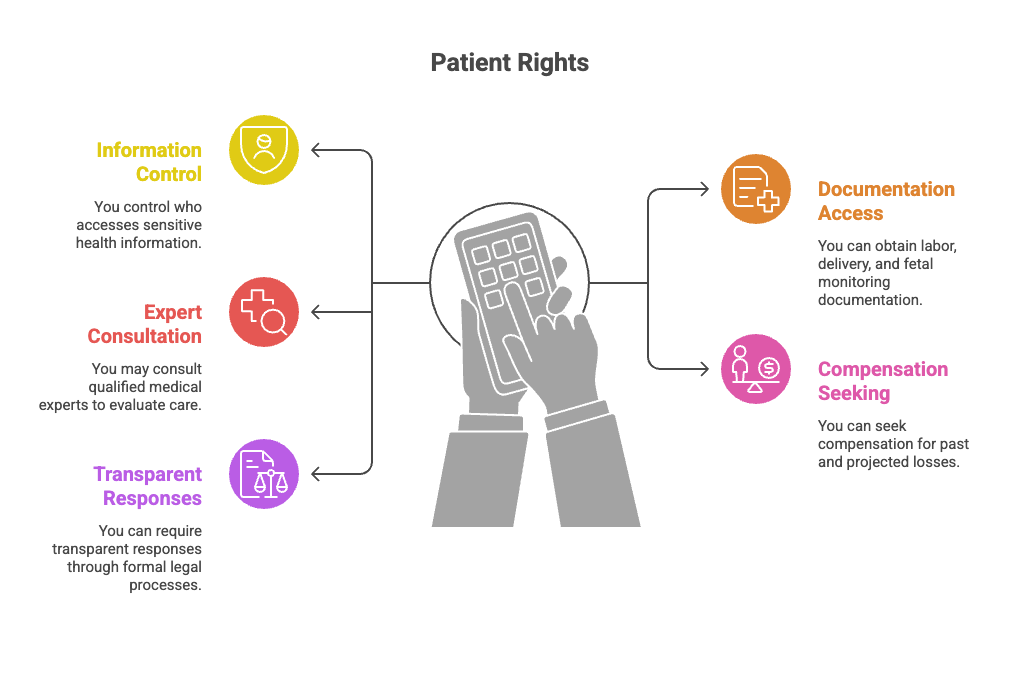
- You control who accesses sensitive health information
- You can obtain labor, delivery, and fetal monitoring documentation
- You may consult qualified medical experts to evaluate care
- You can seek compensation for past and projected losses
- You can require transparent responses through formal legal processes
Steps to Take After a Miami Shoulder Dystocia Injury
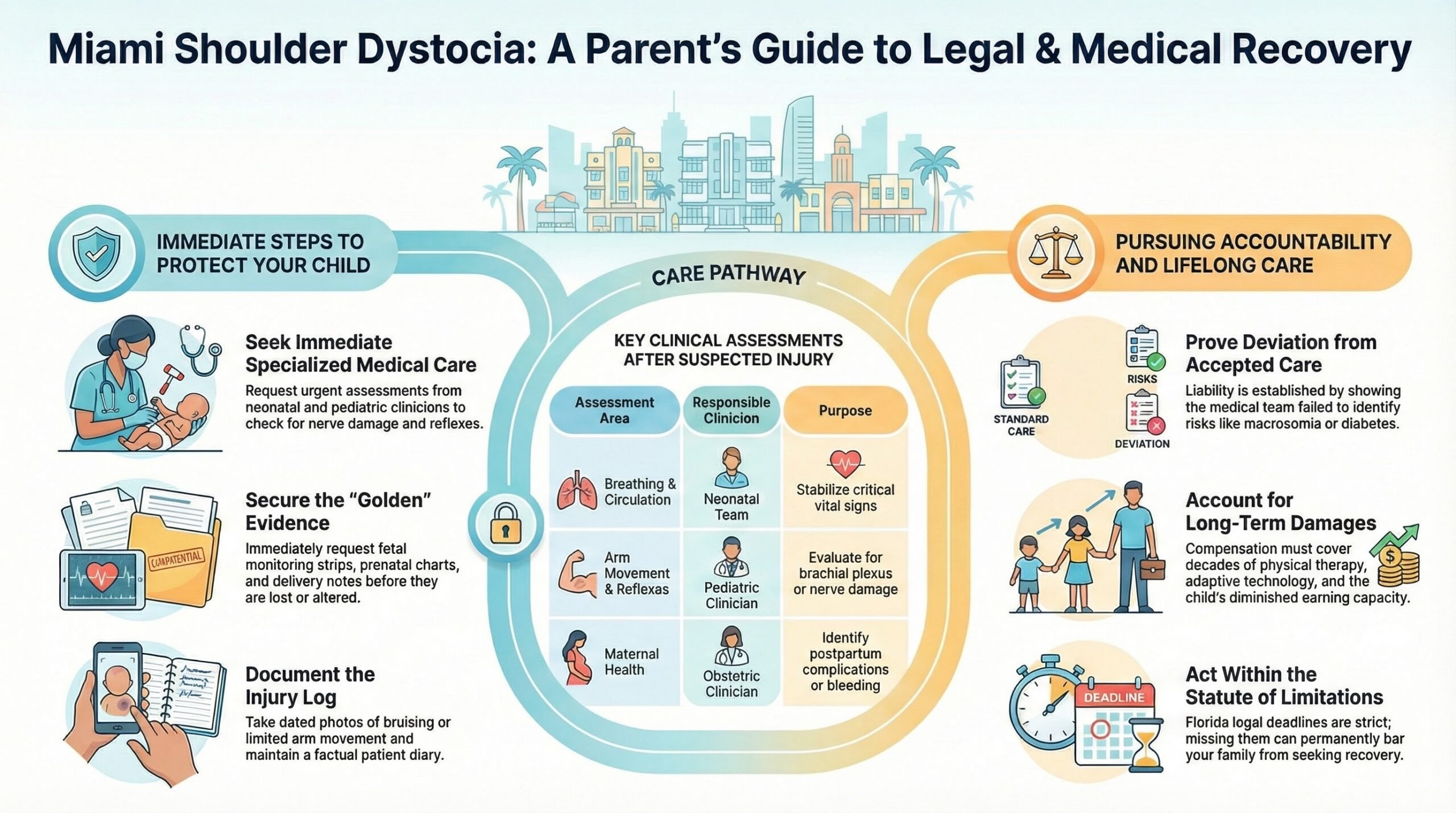
After a Miami shoulder dystocia injury, you should seek immediate medical care to protect your child’s health and establish a clear clinical record.
You’ll also want to document the birth and injury promptly, including medical records, discharge papers, photographs when appropriate, and a detailed timeline of events.
Once your family is stable, you should contact a Miami lawyer so you can preserve evidence, meet filing deadlines, and evaluate whether medical negligence contributed to the harm.
Seek Immediate Medical Care
Although the delivery may feel like it’s over, you should seek immediate medical care if shoulder dystocia is suspected, because prompt evaluation can identify complications that aren’t obvious at first. Ask for emergency triage for your baby and for you, and confirm that a pediatric expert and obstetric clinician assess movement, breathing, circulation, and pain.
If you’re discharged quickly, request clear return precautions and a follow-up plan, since early treatment can limit lasting harm and support your family’s ability to care for others.
| Immediate Need | Who Should Assess | Purpose |
|---|---|---|
| Breathing and circulation | Neonatal team | Stabilize critical signs |
| Arm movement and reflexes | Pediatric clinician | Check nerve injury |
| Maternal bleeding and pain | Obstetric clinician | Identify postpartum complications |
If transfer is required, discuss transport options, including ambulance versus neonatal transport teams.
Document Birth And Injury
Immediate medical evaluation protects health, but you should also start documenting the birth and any suspected injury right away, since details can fade and records can change hands quickly.
You should request complete copies of the prenatal chart, labor and delivery notes, fetal monitoring strips, medication logs, and discharge summaries, and you should keep them organized by date.
If your baby shows bruising, limited arm movement, or swelling, take photographic evidence in consistent lighting, then note the time and any changes.
Maintain a patient diary that records symptoms, follow-up visits, therapies, missed work, and out-of-pocket costs, using clear, factual language.
Ask supportive family members to write what they observed, since their recollections can help you advocate responsibly for your child.
Contact A Miami Lawyer
When should you contact a Miami lawyer following a suspected shoulder dystocia injury?
You should reach out as soon as you notice signs of nerve damage, fractures, or limited arm movement, or if clinicians give unclear explanations.
Early legal guidance helps you protect records, identify responsible parties, and meet strict deadlines that can affect your family and future care.
You can serve your child best by scheduling a prompt case review, then following your attorney’s instructions for preserving evidence and tracking expenses.
Ask about virtual consultations so you can act quickly without adding stress during recovery.
Discuss payment plans up front, because predictable costs support steady decision-making.
How a Miami Shoulder Dystocia Injury Lawyer Can Help You
A Miami shoulder dystocia injury lawyer serves as your advocate-investigator, stepping in to protect your rights and clarify whether medical errors contributed to your child’s harm.
You’ll receive focused guidance grounded in Cultural sensitivity, so your family’s values, language needs, and faith traditions are respected throughout every meeting and decision.
You’ll also benefit from Billing transparency, with clear explanations of fees, costs, and timelines before you commit to any course of action.
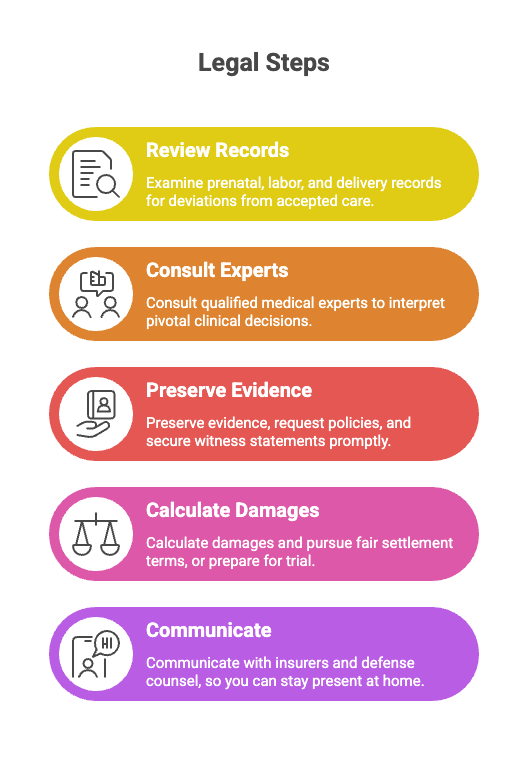
- Review prenatal, labor, and delivery records for deviations from accepted care
- Consult qualified medical experts to interpret pivotal clinical decisions
- Preserve evidence, request policies, and secure witness statements promptly
- Calculate damages and pursue fair settlement terms, or prepare for trial
- Communicate with insurers and defense counsel, so you can stay present at home
You can expect steady updates, candid risk assessments, and a service-minded approach that protects your family’s dignity while pursuing accountability within Florida’s legal deadlines.
Long-Term Effects of Miami Shoulder Dystocia Injuries
If you’re facing the aftermath of a Miami shoulder dystocia injury, you may be managing lifelong nerve damage that affects strength, sensation, and everyday function.
You can also experience chronic pain and lasting disability, which may limit work options and reduce independence over time.
As you pursue stability, you’ll likely need ongoing therapy and adaptive care, and the long-term costs can become substantial.
Lifelong Nerve Damage
Although many birth-related complications resolve with time, shoulder dystocia can leave a child with lifelong nerve damage that reshapes daily function and long-term care needs. You may see weakness in the shoulder, arm, or hand, reduced range of motion, and uneven muscle development as the child grows.
When nerves don’t recover fully, you’ll often coordinate long-term therapy, school supports, and periodic specialized evaluations to protect function and independence. The emotional impact can extend across the household, so you’ll serve your child best by building consistent routines and seeking counseling when needed.
You may also rely on assistive technology, such as adaptive grips, splints, or customized devices, to support fine-motor tasks and self-care. Early planning helps you sustain progress over time.
Chronic Pain And Disability
When shoulder dystocia injuries don’t resolve as expected, chronic pain and lasting disability can follow a child into adolescence and adulthood. You may notice persistent shoulder, arm, or neck discomfort that limits reaching, lifting, or sports, and you’ll often see fatigue when simple tasks demand extra effort.
As limitations persist, you may experience frustration at school, reduced independence, and difficulty meeting daily responsibilities. Pain Management becomes an ongoing priority, yet flare-ups can still interrupt sleep, concentration, and mood.
You should also watch for Social Isolation, because classmates may not understand why participation is inconsistent or why assistive strategies are necessary. By staying attentive to these long-term effects, you can advocate for fair expectations, accessible activities, and consistent support that protects dignity while promoting meaningful participation.
Ongoing Therapy And Costs
Even after early interventions end, shoulder dystocia injuries can require years of coordinated therapy, and you’ll often need to plan for both the time commitment and the financial impact.
You may schedule ongoing physical and occupational therapy, periodic specialized clinician visits, and home exercise programs that must be tracked carefully.
Costs can include copays, transportation, adaptive home modifications, and time away from work while you support your child’s care. When access is limited, Telehealth Options can help you maintain continuity, coordinate providers, and reduce missed appointments.
As needs evolve, Assistive Technology, such as braces, splints, or adaptive tools, can improve function and independence, yet it often requires fittings, training, and replacement. You’ll serve best by budgeting early and documenting every expense.

Proving Liability in Miami Shoulder Dystocia Medical Malpractice Injury Cases
How do you prove liability in a Miami shoulder dystocia medical malpractice case without relying on assumptions or hindsight? You build the claim on objective records, accepted obstetric standards, and a clear timeline of what the team knew and did.
Prove liability with objective records, accepted obstetric standards, and a clear timeline of what the care team knew and did.
You start by securing prenatal charts, labor and delivery notes, fetal monitoring strips, and neonatal assessments, then you compare each decision to what a reasonably prudent provider would’ve done under similar circumstances.
You also rely on Expert Testimony to explain risk factors, appropriate techniques, and when escalation, additional staffing, or surgical delivery should have been considered. Your lawyer connects breaches to specific injuries through medical causation, not speculation.
Expect the defense to argue Comparative Negligence, such as maternal factors or unavoidable complications; you counter by showing how proper preparation, communication, and technique could’ve reduced foreseeable harm. By staying evidence-driven, you serve truth, accountability, and safer care for future families.
Compensation for Miami Shoulder Dystocia Damages
Why does compensation matter so much in a Miami shoulder dystocia injury claim? Because you’re not only addressing medical mistakes, you’re protecting a child’s future and giving your family the resources to serve that child with steady, informed care.
A well-prepared demand connects the injury to real costs, and it helps you act responsibly toward everyone affected.
You may pursue economic damages for past and future treatment, therapy, assistive equipment, home modifications, and lost earnings when a parent must reduce work to provide care.
You can also seek non-economic damages for pain, suffering, disability, and loss of enjoyment of life, which often reflect the daily realities of brachial plexus injuries.
In severe cases, punitive damages may apply if the provider acted with reckless disregard for safety, and your lawyer can explain when that standard is met.
The goal is fair compensation, grounded in evidence, and focused on long-term stability.
The Statute of Limitations for Miami Shoulder Dystocia Injury Cases
From the moment you suspect a shoulder dystocia injury may involve medical negligence, the statute of limitations becomes a controlling issue in your Miami claim. You must act with urgency, because missed deadlines can bar recovery, even when your purpose is to secure care and stability for a child and family.
Florida timelines can vary, and the Discovery Rule may extend when you couldn’t reasonably know the injury’s negligent cause, yet it doesn’t grant unlimited time.
| Time Point | What You Do | Why It Matters |
|---|---|---|
| Early signs | Request records, note dates | Preserves evidence and timelines |
| New information | Track when you learned cause | Supports Discovery Rule arguments |
| Delay factors | Document concealment or obstacles | May justify Equitable Tolling |
You should confirm all essential dates, including the birth date, the diagnosis, and the first notice of possible malpractice. If there is uncertainty, treat the earliest date as controlling and move promptly.
Why You Need an Experienced Miami Shoulder Dystocia Injury Lawyer
Because shoulder dystocia claims often turn on subtle delivery decisions and tightly controlled deadlines, you’ll need an experienced Miami shoulder dystocia injury lawyer who can move quickly and build a disciplined case.
You’re not only seeking compensation, but you’re also protecting a child’s future care and honoring the trust your family places in medical professionals.
A seasoned lawyer knows how to secure fetal monitoring strips, delivery records, and NICU notes before they’re lost or minimized, and how to frame the timeline with precision.
With Local Knowledge, you benefit from familiarity with Miami-area hospitals, documentation practices, and court expectations, which helps prevent avoidable delays.
You also gain disciplined coordination with qualified obstetric and pediatric experts who can explain causation without speculation.
When insurers resist, Trial Readiness matters; you need an advocate prepared to litigate aggressively, present clear testimony, and pursue accountability while keeping your family’s needs central throughout.
How to Choose the Right Miami Shoulder Dystocia Injury Lawyer for Your Case
Selecting the right Miami shoulder dystocia injury lawyer builds on the same priorities that make experience matter: speed, precision, and disciplined proof.
You should focus on counsel who can move quickly to preserve fetal monitoring strips, delivery records, and NICU notes, then translate them into a clear theory of negligence and harm.
Ask how they handle expert review, case timelines, and communication standards, because service to your family requires steady accountability.
Interview Attorneys with specific questions about prior shoulder dystocia outcomes, courtroom readiness, and how they calculate damages for therapy, future care, and lost earning capacity.
Request examples of motion practice and settlement strategy, not general assurances.
Evaluate Cultural Fit as carefully as credentials; you’ll work closely under stress, so you need a team that listens, respects your values, and explains choices without pressure.
Finally, confirm fees in writing, and avoid anyone who rushes you into signing.
About the Law Offices of Anidjar and Levine
A focused legal team can make the difference between unanswered questions and a well-supported shoulder dystocia claim.
When you work with the Law Offices of Anidjar and Levine, you’re supported by attorneys who prioritize accountability, clear communication, and service to families facing preventable birth injuries.
You can review the Firm History to understand how the team has built a disciplined approach to case preparation, client access, and results-driven advocacy.
You’ll also find convenient Office Locations designed to keep help within reach, whether you need a consultation, document review, or case update.
| What you can expect | How it helps you serve your family |
|---|---|
| Prompt, consistent updates | You stay informed and can plan responsibly |
| Thorough evidence development | You strengthen claims and protect your child’s future |
| Accessible local support | You reduce stress and focus on caregiving |
You’ll receive respectful guidance, and you won’t be left guessing about next steps.
Frequently Asked Questions
Will My Shoulder Dystocia Case Require Going to Trial in Miami?
Your shoulder dystocia case in Miami won’t always require a trial, because many claims resolve before a courtroom date.
You’ll assess Settlement likelihood by reviewing medical records, expert opinions, and documented damages, then you’ll negotiate in good faith to support accountability and patient safety.
If liability or causation is disputed, you’ll use Pretrial motions to narrow issues, exclude unreliable evidence, and encourage resolution.
You should still prepare as if the trial will occur.
How Long Do Shoulder Dystocia Cases Usually Take to Resolve?
You can expect shoulder dystocia cases to resolve in about 12 to 36 months, though some conclude sooner with strong early evidence.
You’ll move faster when records arrive promptly, and your medical review clarifies causation and damages.
If insurers dispute liability, timelines extend through depositions, expert work, and court scheduling.
You must also track statutes of limitations, because filing deadlines can compress the preparation time.
You can serve your family best by planning early.
Can I Switch Lawyers if I Already Hired Someone Else?
Yes, you can switch lawyers even after you’ve hired one, and you should do it promptly if service falls short.
You’ll typically send written notice of Firing Attorney, then sign a new agreement with your next counsel.
Ask for your complete case file and a clear accounting.
You may qualify for a Retainer Refund based on the fees and costs you have earned.
You’ll protect your ability to advocate effectively for others.
Will Filing a Claim Affect My Doctor’s Ability to Treat Me Later?
Filing a claim usually won’t prevent your doctor from treating you later, and you can still pursue Care Continuity.
Medical Ethics require clinicians to provide appropriate care without retaliation or discrimination.
You should keep communication respectful, follow treatment plans, and request clear documentation of your ongoing needs.
If a provider ends the relationship, they must typically give notice and referrals, so you can continue serving your family’s well-being without interruption.
What Documents and Photos Should I Start Collecting for My Claim?
Start collecting your birth records, including prenatal charts, labor and delivery notes, fetal monitoring strips, operative reports, and discharge summaries.
Secure billing statements, insurance communications, and all follow-up treatment records for you and your child.
Take clear, dated injury photographs from multiple angles, and continue documenting changes over time. Keep a timeline of symptoms, appointments, and care instructions, since consistent records help you advocate responsibly and serve others well.
—————————
If you’re facing the consequences of a Miami shoulder dystocia injury, you can’t afford delays or uncertainty.
You should document the birth record, secure medical follow-up, and protect your child’s long-term needs while evidence remains available.
You may have legal rights to recover damages for preventable medical errors, but strict deadlines can limit your options.
When you work with the Law Offices of Anidjar and Levine and consult a Miami Medical Malpractice Lawyer, you’ll pursue accountability and a results-driven strategy.

