
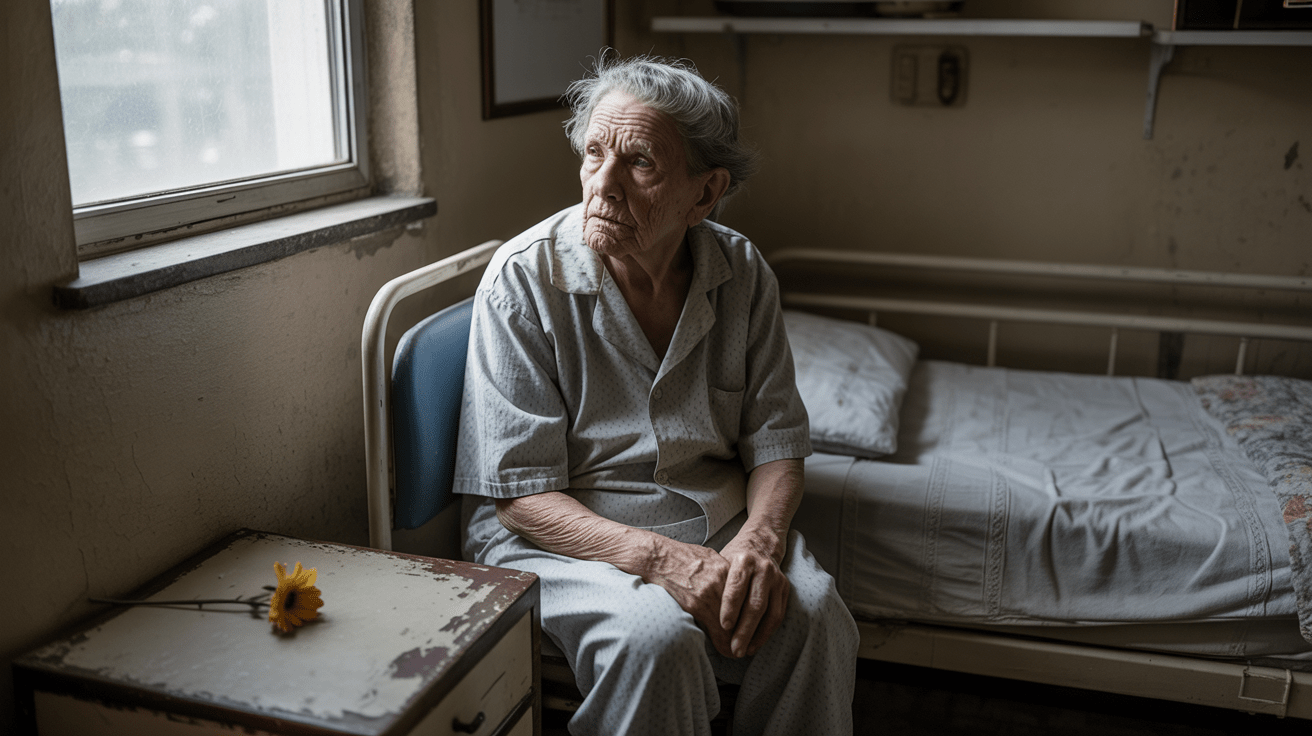
Let’s talk about something that happens far too often, usually just out of sight in nursing homes: Unnecessary sedation. It’s a really quiet problem, but believe me, the consequences can be absolutely devastating.
Learn More: Fort Lauderdale Nursing Home Unnecessary Sedation Lawyer
You know, you might have felt that little nagging worry yourself. That feeling that something’s just not right. Maybe a loved one is suddenly way more drowsy or withdrawn or just unsteady on their feet. That’s the core fear we’re going to get into.
The very real possibility that a medication is being used not for care, but for control. So here’s our game plan. We’re gonna start by really defining the problem and what to look for. Then we’ll dig into why this even happens.
And most importantly, we’re gonna lay out a concrete action plan, including your legal rights, so you can go from just worrying to taking real informed action. Okay, so right off the bat, the most important thing to get your head around is the difference between a medication that’s truly needed and something called a chemical restraint. They might look the same, but trust me, their purpose is worlds apart. Let’s be super clear on what this means.
A chemical restraint isn’t about treating an illness. It’s about using a drug to manage a person, usually for the convenience of the staff. It’s when ease of care gets prioritized over a person’s actual well-being and their dignity. And this distinction is just so critical.
Think about it. Needed medication is precise. It’s targeting a specific medical issue and you’re using the smallest dose that works. A chemical restraint?
That’s a shortcut. It’s swapping a pill for attentive hands on care and there’s no real medical goal in sight. Knowing the difference is one thing but actually spotting the signs in your own loved one, well that’s what really matters. These are the red flags that you just cannot afford to ignore.
These are the immediate changes you might see. Is your loved one suddenly sleeping right through your visits? Are they seeming more confused or maybe stumbling a lot more? A really telling sign is if you see a pattern.
Like if they get really agitated right before it’s time for a pill and then they’re suddenly calm right after. Orand this is a big oneif their drowsiness lines up perfectly with staff shift changes. And this is exactly why it’s so urgent. The long term effects are nothing short of catastrophic.
It can actually speed up cognitive decline, cause a loss of mobility that leads to more falls, and do profound psychological damage. It just creates this vicious cycle of dependency that can lead to a really rapid decline in their overall health. So why on earth does this happen? I mean it’s easy to want to blame individuals but what the sources really point to are larger systemic failures inside the care system itself.
Let’s break down the big reasons. This is a huge one. When a facility is short staffed, the caregivers are overworked, they’re stressed, they’re burned out. In that kind of chaotic environment, a sedative can start to look like an easy button to keep residents manageable, especially when there just aren’t enough hands to provide proper care.
A good care plan should be really specific. It should know what triggers a resident’s agitation and list out clear non drug ways to help de escalate the situation.
But when a care plan is vague or it’s missing those details, medication just becomes the go to default response for any challenging behavior. And finally, if no one is regularly looking at a resident’s entire list of medications, dangerous practices can just go on and on totally unchecked. Sedatives that were meant to be temporary become routine, risky drug interactions get missed, and those as needed orders get used without any real justification. Okay, we’ve defined the problem, we’ve looked at the causes, now we get to the most important part, your action plan.
This is how you go from feeling suspicious and scared to feeling empowered and becoming an effective advocate. Here are three critical first steps. Number one, get an independent medical evaluation to make sure your loved one is safe right now. Two, document everything, every symptom, every dose, every conversation you have.
And three: Report your concerns to the facility and to state regulators, and contact an attorney to help preserve the evidence. See, each of these records tells a part of the story. The medication logs? They can reveal patterns in when and why a drug is given.
The care plans? They show whether non drug options were even tried. And things like incident reports can directly link a fall or an injury to an episode of oversedation.
Understanding your rights is absolutely fundamental to being an effective advocate. These aren’t just suggestions, you know. They are legal protections that are designed to make sure residents are safe and treated with dignity.
You have the right to see the records. You have the right to challenge the use of chemical restraints. You have the right to demand that your loved one’s own voice and preferences are at the very center of their care plan. And you absolutely have the right to report your concerns to state agencies so they can do an official investigation.
And this is where getting professional help can be a real game changer. Look, the nursing home controls all the records. An experienced attorney can use legal tools to lock down that evidence before it gets changed or lost. They make sure that any patterns of neglect are brought into the light, forcing transparency and accountability.
And let’s be really clear about the ultimate goal here. This quote just says it all. I mean, yeah, compensation for harm is important, of course, but the fight against unnecessary sedation, it’s fundamentally about something so much bigger. It’s about restoring the safety, the dignity, and the respect that every single resident deserves.
So we end with this question for you. We’ve armed you with the critical info, the definitions, the warning signs, a clear plan of action. The knowledge is now yours. The only real question left is, what’s going be your next step to protect the person you care about?

