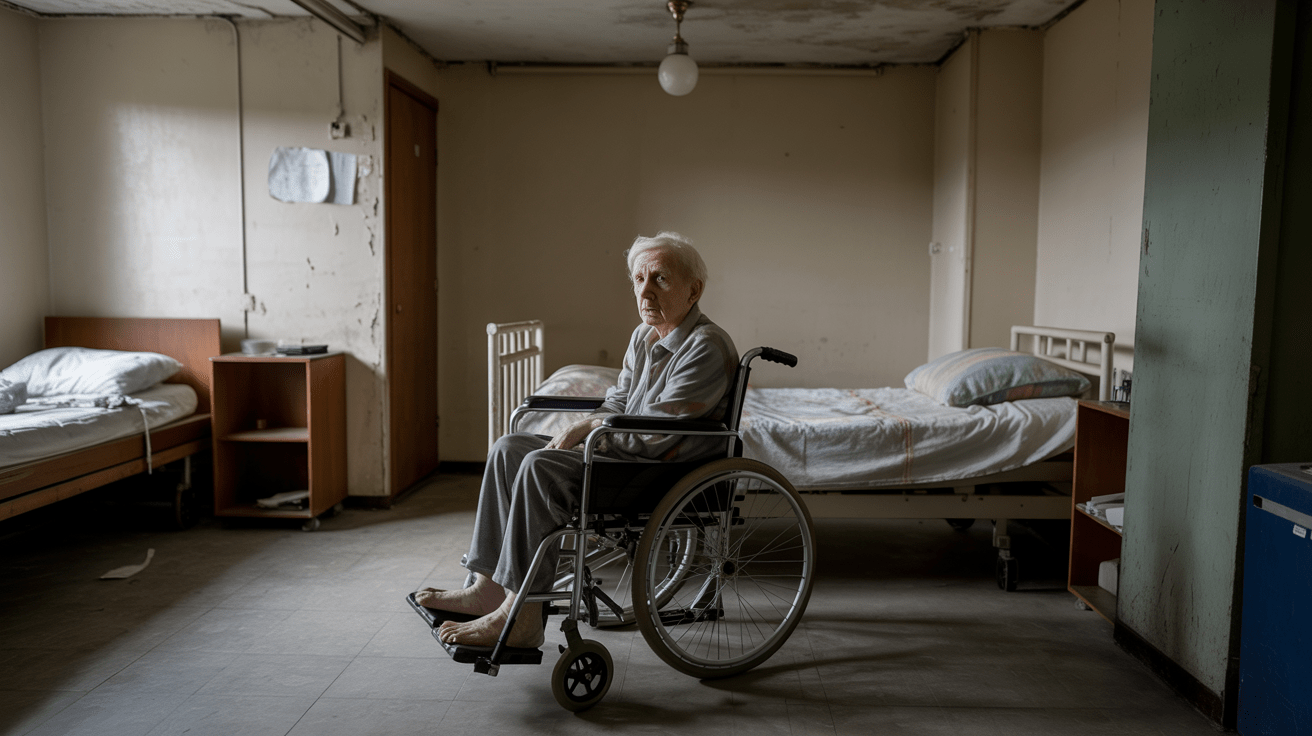
You know, when you’re worried about a loved one in a nursing home, it can be just incredibly stressful and so confusing. So what we’re gonna do in this explainer is break it all down. We’re gonna get you the clarity you need on this really tough topic.
Learn More: Florida Nursing Home Negligence Injury Lawyer
I mean, it’s such a heavy burden to carry. Right? That feeling in the pit of your stomach, that worry. It is absolutely valid, and you’re not alone. Our whole purpose here is not to pile on more stress.
No. Our goal is to cut right through all that complexity. We’re going to pull apart the key info from our sources and give you a really clear, straightforward roadmap so you can feel confident about what to do next.
And really, it all boils down to this one simple question, doesn’t it? It’s probably why you’re here. It’s about making sure the person you love is getting the care, the dignity, and the safety they absolutely deserve.
So let’s start at the beginning with a really clear definition.
It’s really that simple and that serious. See, negligence, it’s not just a one off mistake. It’s not an oops. It’s about a facility failing, failing to meet their legal and moral duties. And when that happens, it leads to harm that was completely preventable, harm that never should have happened in the first place.
Okay. So how do you even spot this kind of failure? Well, the very first step is learning to see the warning signs. Think of them as red flags that point to something much bigger being wrong.
And this, This is absolutely crucial. We’re not talking about one bad day or a single mistake. What the sources really hammer home is that you need to look for patterns. These repeated failures that signal a much deeper systemic problem with how the place is being run.
And what’s so clear from the source material is that these signs aren’t just vague feelings. They are real, tangible things you can see. I mean, look at this list. Poor fall prevention.
That could be something as simple as a broken bed alarm that never gets fixed. Medication errors. Those can be incredibly dangerous. And things like unexplained pressure injuries or bed sores, they are so painful and almost always a sign that something is very wrong.
These are the direct painful results of a breakdown in care.
Okay. So recognizing the signs, that’s the what. But to really get a handle on this, we need to understand the why. Why is this happening? What’s at the root of it all, letting these failures happen over and over again?
Well, according to our sources, it’s almost never about just one bad Apple employee. The problem usually goes way deeper. It tracks all the way back to a systemic failure, a failure in how the entire facility is managed, staffed, and supervised.
And this right here, this is the heart of the problem. The sources point to one thing again and again, inadequate staffing. It is the number one driver of neglect. Look at that, a massive sixty percent of the issue.
Think about it. When you don’t have enough staff or the right stuff, what happens? Crucial tasks get missed. The good caregivers who are there get totally burned out, and residents are put at serious risk.
It’s like a chain reaction. Not enough staff leads to bad training, which leads to care plans being ignored, and you guessed it, it ends in preventable harm.
All right. So we’ve looked at the problem and what causes it. Now let’s shift gears and talk about the solution. And really the most powerful tool you have as a family member is knowing the legal rights that are there to protect every single resident.
This quote from our source just says it all, doesn’t it? Dignity merits vigilant protection. Safety must never be negotiable. These aren’t just nice ideas or suggestions. They are fundamental rights. They are nonnegotiable, and they are protected by law.
And in Florida, the law gets very specific about what these rights actually look like in practice. So the right to dignity, that’s not some vague concept. It means getting respectful help with daily hygiene every single day. The right to safety, that means having things like handrails and working alarms, real practical stuff.
And this last one is so important. You have the right to speak up, to file a complaint without any fear of retaliation. That’s your protected right. So knowing your rights is the foundation.
But now let’s get down to brass tacks. If you think there’s a problem, what do you actually do? Here’s a simple step by step playbook straight from our source material. Okay, these three steps are absolutely critical and the order here really matters.
First, and I can’t stress this enough, focus on your loved one’s immediate health. Insist on a doctor’s evaluation. If you have to, demand a transfer to a hospital. Second, you’ve got to report it.
Tell the facility management yes, but also report it to the state. Get it on the official record. And third, document everything. Take photos of injuries with a timestamp.
Get the names of any witnesses. Ask for copies of all the medical charts and incident reports. This paperwork is your power.
When you take these steps, you’re starting down the path to the real goal here, which is accountability. But what does that path, what does it actually look like when you get into the legal side of things? See, in the legal world, it’s not enough to just know something went wrong. To prove a negligence case, you have to build it piece by piece by establishing four key elements.
Let’s walk through them. First up is duty. This one’s pretty straightforward. The moment a nursing home accepts a resident, they have a legal duty, an obligation, to provide a certain standard of care.
That’s the baseline.
Second, you have to show a breach of that duty. This is where all those warning signs we talked about earlier come into play. You have to prove that the facility, either by doing something wrong or by failing to do something right, didn’t meet that standard of care. Third, and this is the critical link, is causation.
You have to connect the dots. You have to show that the facility’s breach directly caused the injury. The fall happened because the handrail was missing. The pressure sore developed because they weren’t being turned regularly, it’s a direct cause and effect.
And finally, number four is damages. This is where you show the actual harm that was suffered. We’re talking about real, measurable things. Medical bills, the cost of future care, but also the very real pain and emotional suffering that came from the neglect.
So proving those four things is the roadmap to accountability. But, and this is so, so important, it’s a roadmap with a ticking clock. In Florida, you generally only have two years to file a nursing home negligence claim. Two years.
That deadline is firm, which is exactly why it’s so critical to act fast, gather that evidence, and get advice.
So when a case is successful, what does accountability actually look like? Well, a big part of it is compensation. This can cover things like hospital bills and any future medical needs. It can also include damages for the physical pain and emotional trauma your loved one went through. And in really extreme cases, there’s something called punitive damages, which are designed to punish the facility and send a powerful message. This kind of neglect is not acceptable and won’t be tolerated.
And you know that really brings us full circle, back to that core idea of dignity. Because holding a facility accountable, knowing your rights, and taking action, it’s not just about one person or one case. It’s about protecting everyone. It’s about reinforcing the standard that safety and dignity are not negotiable. It’s about asking this question and then having the knowledge and confidence to make sure the answer is always, yes, they are protected.