The Law Offices of Anidjar and Levine evaluates whether a healthcare provider failed to recognize, monitor, test, or treat jaundice in accordance with the applicable standard of care. The review may include prenatal and delivery records, bilirubin results, treatment decisions, discharge instructions, expert opinions, and evidence of liver, neurological, or developmental harm. Potential damages may include medical expenses, rehabilitation, lost income, pain, disability, and future care needs. Florida filing deadlines apply, making prompt legal guidance important. Learn more by consulting an Orlando Personal Injury Lawyer about the investigation and claims process.
Main Takeaways
- An Orlando medical malpractice lawyer can investigate whether delayed jaundice recognition, inadequate bilirubin monitoring, or improper treatment violated the applicable standard of care.
- Potential cases may involve prematurity, bruising, blood-group incompatibility, birth trauma, medication reactions, or missed signs of serious liver or biliary conditions.
- Medical records, bilirubin results, treatment timelines, discharge instructions, and communications can help establish what providers knew and when.
- Qualified medical experts assess whether healthcare providers breached professional standards and whether that breach caused neurological, liver, infectious, or other harm.
- Preserve records and insurer communications, avoid speculation, and seek legal guidance promptly because medical malpractice deadlines and evidence requirements may apply.
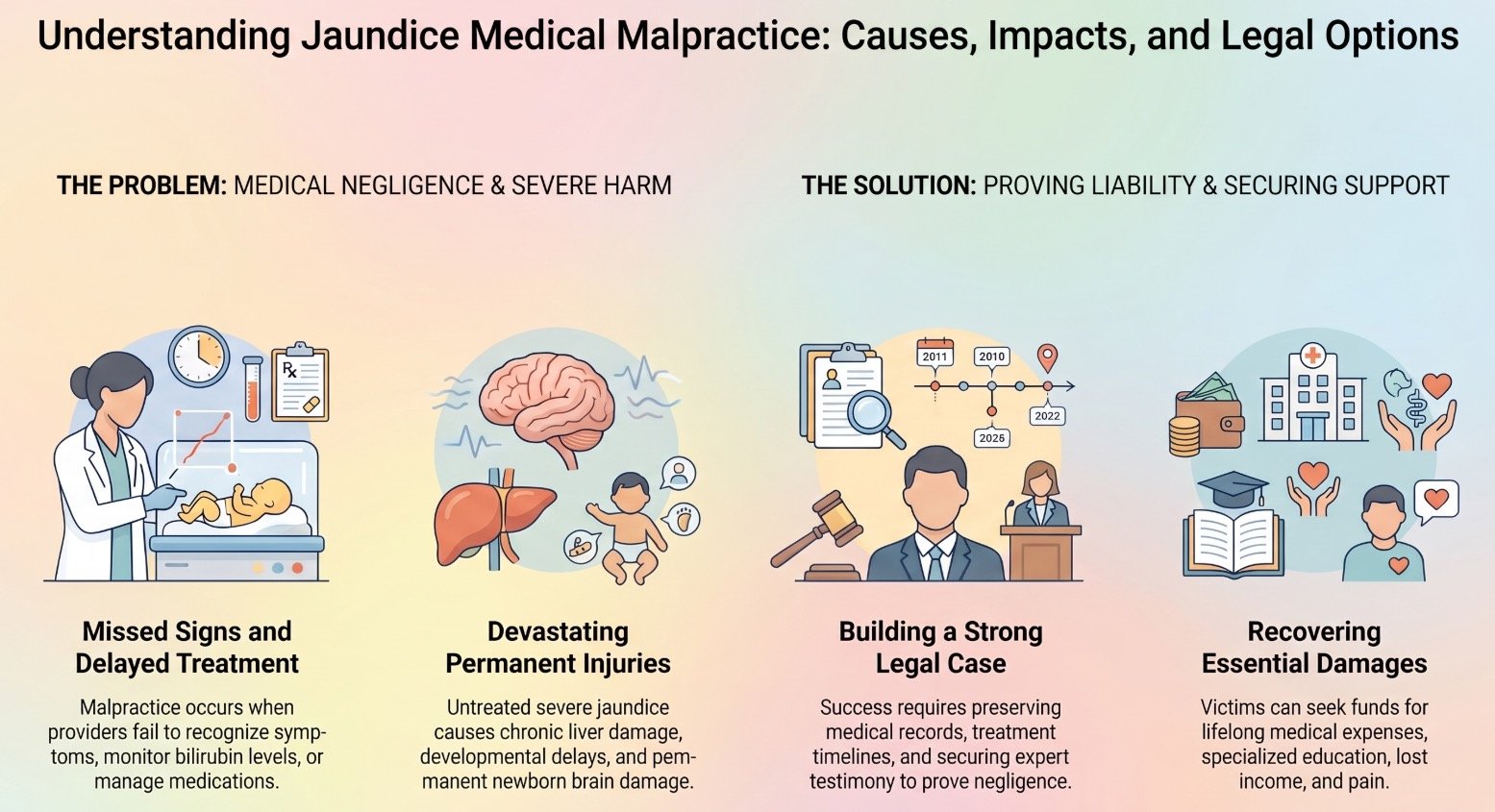
How We Can Help With Your Orlando Medical Malpractice Jaundice Conditions Injury Claim
When medical negligence contributes to a newborn’s jaundice-related injury, an Orlando medical malpractice attorney can investigate the circumstances and determine whether the healthcare provider failed to meet the applicable standard of care. The legal team may review prenatal records, delivery notes, bilirubin testing, treatment decisions, discharge instructions, and follow-up communications to identify preventable failures.
Care coordination may involve consulting qualified medical professionals who can assess whether timely monitoring, referral, or treatment could have reduced the child’s injuries. Attorneys also review documentation gaps, inconsistent records, and delayed responses to clarify how events unfolded without drawing premature conclusions.


The firm can communicate with insurers, preserve relevant evidence, and manage insurance negotiations while the family focuses on the child’s needs. A careful damage calculation may account for past medical expenses, rehabilitation, specialized education, future care, lost earning capacity, and the family’s related financial burdens. Through organized advocacy, the legal process can support accountability and help pursue resources for ongoing care.
Understanding Orlando Medical Malpractice Jaundice Conditions Injury Cases
OUR CONSULTATIONSARE FREE
START YOUR FREE CASE REVIEW

Understanding an Orlando medical malpractice jaundice conditions injury case requires examining whether a healthcare provider recognized the newborn’s condition, monitored bilirubin levels, and provided appropriate treatment within the applicable standard of care. Medical negligence standards generally require proof that the provider’s conduct departed from accepted practices and that this departure caused a preventable injury.
Evidence may include medical records, laboratory results, treatment timelines, discharge instructions, and testimony from qualified medical professionals. The case may also require establishing whether timely intervention could have reduced the risk of neurological harm, developmental impairment, or other documented consequences. A careful review should distinguish an unavoidable complication from an injury linked to inadequate care.


Jaundice damages calculation may consider past and future medical expenses, rehabilitation, specialized education, lost earning capacity, and the child’s diminished quality of life. Families seeking accountability for a child may benefit from preserving records and promptly consulting qualified legal and medical professionals, because deadlines and evidentiary requirements can affect the ability to pursue a claim.
Don’t Wait. Call Our Florida Personal Injury Lawyers Now!
Common Causes of Orlando Medical Malpractice Jaundice Conditions
Common causes may include delayed jaundice diagnosis, birth injury-related jaundice, medication-induced liver damage, and mismanaged bile duct conditions. Each circumstance may involve failures in monitoring, evaluation, treatment, or follow-up care. Determining whether malpractice occurred requires review of the medical facts and the applicable standard of care.
Delayed Jaundice Diagnosis
A delayed jaundice diagnosis may occur when a healthcare provider fails to recognize yellowing of the skin or eyes as a sign of an underlying medical condition requiring timely evaluation. Delayed diagnosis may result from missed symptoms, inadequate testing, or failure to review bilirubin levels promptly. Documentation errors can obscure changes in a patient’s condition, misstate reported symptoms, or prevent effective communication among providers. Without appropriate assessment, potentially serious liver, gallbladder, blood, or pancreatic disorders may remain untreated. Treatment delays can increase the risk of complications, prolonged illness, and avoidable suffering. Medical negligence may be considered when a provider’s conduct falls below accepted standards and causes harm. A careful review of records, test results, communications, and treatment decisions can help clarify whether timely care was reasonably available.
Birth Injury-Related Jaundice
Birth injury-related jaundice can develop when trauma, bruising, blood group incompatibility, prematurity, or other complications increase a newborn’s bilirubin levels faster than the body can safely process them. Medical teams should promptly assess risk factors, obtain appropriate bilirubin measurements, and provide monitoring or treatment when indicated. Understanding bilirubin thresholds requires considering the infant’s age in hours, gestational maturity, and medical condition rather than relying on a single universal value. Failure to recognize rapidly rising levels may permit bilirubin to cross into brain tissue, causing permanent neurological injury. Recognizing kernicterus symptoms, including extreme sleepiness, poor feeding, unusual muscle tone, a high-pitched cry, or arching, is required for immediate intervention. Families serving vulnerable children may seek records and qualified legal guidance when negligent assessment, monitoring, or treatment contributed to preventable harm.
Medication-Induced Liver Damage
When prescribed, administered, or monitored improperly, certain medications can impair liver function and contribute to jaundice. Some antibiotics, seizure medicines, cholesterol drugs, and pain medications may cause liver injury, particularly when dosing is excessive or treatment continues without appropriate evaluation. Liver toxicity risks require medication monitoring, including reviews of symptoms, laboratory results, medical history, and existing conditions. Drug interaction harms may occur when multiple prescriptions alter how medicines are absorbed or processed, increasing strain on the liver. Prescription errors, such as incorrect dosages, duplicate therapies, or failure to recognize contraindications, can also cause preventable harm. Healthcare professionals are expected to identify warning signs, communicate risks, and respond promptly to abnormal findings. When negligent medication management causes jaundice, affected individuals may seek guidance regarding medical records, treatment consequences, and available legal remedies.
Mismanaged Bile Duct Conditions
Beyond medication-related liver injury, mismanaged bile duct conditions can obstruct the normal flow of bile and lead to jaundice. These problems may arise after gallbladder, liver, or pancreatic procedures when a duct is cut, narrowed, or blocked. A Bile duct injury can cause abdominal pain, infection, abnormal liver tests, and yellowing of the skin or eyes. Delayed recognition may permit serious complications, including bile leakage, sepsis, or lasting liver damage.
Surgical negligence may involve a provider failing to identify altered anatomy, improperly closing a duct, overlooking imaging findings, or failing to arrange timely follow-up. Medical teams generally must evaluate persistent jaundice, order appropriate diagnostic studies, and provide prompt treatment or referral. Documentation of symptoms, test results, surgical records, and subsequent care can help clarify whether inadequate management contributed to the patient’s condition.
Legal Rights of Orlando Medical Malpractice Jaundice Conditions Injury Victims
Victims of jaundice-related medical malpractice in Orlando may have legal rights when a healthcare provider’s negligent failure to diagnose, monitor, or treat the condition causes preventable harm. A qualified attorney can evaluate records, consult medical experts, and explain available remedies while protecting the patient’s interests.
Jaundice-related medical malpractice claims may address failures in diagnosis, monitoring, or treatment that cause preventable patient harm.
- Investigation: Medical records, test results, treatment timelines, and Patient negligence evidence may clarify whether professional standards were breached.
- Compensation: A claim may seek payment for additional medical care, lost income, pain, disability, and liver injury damages.
- Accountability: Legal action can encourage appropriate review of provider conduct and support safer care for similarly situated patients.
- Timeliness: Florida deadlines may restrict when a lawsuit can be filed, making prompt legal consultation important.
Families may also have rights when a patient dies from complications. Counsel can identify responsible parties, assess insurance issues, and pursue a lawful resolution through negotiation or litigation. Each matter depends on its facts, medical evidence, and applicable Florida law.
Why Do Orlando Medical Malpractice Jaundice Conditions Injuries Happen?
Jaundice-related medical malpractice injuries can occur when a healthcare provider fails to recognize abnormal yellowing of the skin or eyes as a sign of a potentially serious underlying condition. Causes may include missed laboratory abnormalities, incomplete medical histories, or delayed evaluation of liver, gallbladder, blood, or pancreatic disorders. Risk assessment errors can lead clinicians to underestimate symptoms, overlook medication reactions, or discharge a patient without appropriate testing and monitoring. Communication failures between physicians, nurses, laboratories, and consultants may further delay diagnosis or treatment. Follow up care lapses can occur when abnormal results are not reviewed promptly, referrals are not completed, or patients do not receive clear instructions about worsening symptoms. These failures may allow infection, organ damage, or other complications to progress. Injuries can also arise from incorrect diagnoses, unsuitable medications, inadequate monitoring, or failure to respond to documented changes. Proper assessment, coordinated communication, and timely intervention are critical to protecting patients and supporting effective care.
What Should You Do After an Orlando Medical Malpractice Jaundice Condition Injury?
After a suspected jaundice-related medical malpractice injury, the patient should seek immediate medical care to address complications and establish an updated clinical record. They should preserve medical records, test results, treatment instructions, and communications related to the condition. Consulting a qualified malpractice attorney can help assess potential negligence and protect applicable legal rights.
Seek Immediate Medical Care
Prompt medical evaluation is essential when jaundice appears after a suspected medical error because yellowing of the skin or eyes may indicate liver injury, bile duct obstruction, infection, or another serious complication. Recognizing jaundice urgency requires arranging immediate assessment by a physician or visiting an emergency department, particularly when symptoms develop suddenly or worsen. Affected individuals should focus on spotting emergency warning signs, including severe abdominal pain, confusion, fainting, fever, persistent vomiting, unusual bleeding, dark urine, pale stools, or extreme weakness. Emergency services may be appropriate when breathing difficulty, altered consciousness, or rapid deterioration occurs. Medical professionals can perform examinations and testing, identify the underlying cause, and begin care without delay. Prompt care may reduce complications and protect the person’s health while preserving the opportunity for informed support.
Document Your Medical Records
How can medical records support a potential jaundice malpractice claim? They may clarify symptoms, testing, diagnoses, treatment decisions, and changes in the patient’s condition over time. A patient or authorized representative should request complete copies of hospital charts, laboratory results, imaging studies, medication lists, discharge instructions, and follow-up notes. Records should be stored securely and kept in their original form when possible. Prioritize evidence preservation by saving bills, appointment confirmations, prescription information, photographs of visible symptoms, and written accounts of relevant events. The patient should establish communication logs recording calls, portal messages, dates, participants, and the substance of each discussion with healthcare personnel. A contemporaneous timeline can identify delays, unanswered concerns, or inconsistent explanations. Accurate documentation helps preserve facts and supports compassionate, accountable review of care.
Consult a Malpractice Attorney
If jaundice resulted from delayed diagnosis, inadequate monitoring, medication errors, or other substandard care, a malpractice attorney can help determine whether a legally actionable claim exists. During an initial Client consultation, the attorney may examine medical records, laboratory results, treatment timelines, witness accounts, and related financial losses. This review helps determine whether healthcare providers failed to meet the applicable standard of care and whether that failure caused or worsened the jaundice. The attorney may also explain filing deadlines, evidence requirements, potential defendants, and available remedies. Based on the facts, counsel can develop a legal strategy that protects the injured person’s interests while respecting the needs of family members and caregivers. Prompt legal guidance can preserve evidence and support informed decisions.
Critical Evidence in an Orlando Medical Malpractice Jaundice Conditions Injury Case
Establishing a jaundice-related medical malpractice claim requires evidence showing the patient’s condition, the care provided, and any resulting harm. Crucial materials can clarify whether a provider recognized warning signs, ordered appropriate testing, and responded within a reasonable timeframe.
Important evidence may include:
- Medical Records
- Diagnostic Test Results
- Expert Medical Testimony
- Treatment Timeline
Medical Records
Medical records often provide the most important evidence in an Orlando medical malpractice jaundice conditions injury case because they document the patient’s symptoms, test results, diagnoses, treatment decisions, and clinical changes over time. Early entries may help define jaundice symptoms, including yellowed skin or eyes, dark urine, pale stools, itching, abdominal discomfort, fatigue, or changes in alertness. Accurate notes can show when symptoms began, whether they worsened, and how clinicians responded to reported concerns. Medication lists, progress notes, nursing observations, discharge instructions, and follow-up communications may reveal whether appropriate monitoring and escalation occurred. Records are also valuable for documenting treatment response, including improvement, persistence, or deterioration after care. Preserved documentation can help attorneys and medical professionals evaluate timelines, communication, adherence to care plans, and whether preventable delays contributed to harm.
Diagnostic Test Results
Diagnostic test results can provide important evidence in an Orlando medical malpractice jaundice conditions injury case by documenting the patient’s condition and the clinical information available to treating providers. Bilirubin levels, liver-function panels, blood counts, imaging studies, and related testing may show whether providers recognized, monitored, and appropriately investigated jaundice. The timing of each test can help establish what providers knew, or reasonably should have known, as symptoms progressed. False negative tests may complicate diagnosis, but subsequent results, worsening clinical signs, or repeat testing can reveal whether additional evaluation was warranted. A careful review of lab results may identify abnormal findings that were overlooked, misinterpreted, or not communicated. Test orders, reports, reference ranges, and follow-up instructions should be preserved because they may clarify the sequence of care and potential delays.
Expert Medical Testimony
When jaundice is not recognized, properly evaluated, or treated in a timely manner, expert medical testimony can help determine whether the providers’ conduct met the applicable standard of care. Qualified physicians may examine the available records, laboratory findings, imaging, and clinical documentation to assess whether warning signs required further evaluation or intervention. Their expert review can address medical causation, including whether delayed recognition or inadequate care contributed to liver injury, infection, neurological harm, or other complications. Courts often consider testimony credibility when evaluating conflicting opinions, methodology, and the witness’s familiarity with jaundice-related conditions. Board-certified professionals with relevant clinical experience may provide focused explanations that help clarify complicated medical issues for a judge or jury. Such testimony can distinguish an unfortunate outcome from a preventable injury and support a fair, evidence-based assessment of responsibility.
Treatment Timeline
A complete treatment timeline can be highly significant evidence in an Orlando medical malpractice jaundice conditions injury case because it shows when symptoms appeared, when providers documented abnormal findings, and how promptly they responded. Medical records, laboratory results, imaging reports, prescriptions, referrals, and discharge instructions can establish the sequence of clinical decisions. Comparing that sequence with accepted medical practices may support Proving Liability when a delayed diagnosis, missed warning sign, or inadequate follow-up contributed to harm. Expert Testimony may be necessary to explain whether each provider recognized the risk, ordered appropriate testing, and acted within a reasonable timeframe. A carefully organized timeline can also identify changes in bilirubin levels, worsening symptoms, and opportunities for intervention. Preserving messages, appointment records, and caregiver observations may further clarify the patient’s progression and providers’ responses.
Don’t Wait. Call Our Florida Personal Injury Lawyers Now!
Long-Term Effects of Orlando Medical Malpractice Jaundice Conditions Injuries
Long-term injuries from improperly managed jaundice may include chronic liver damage, which can require ongoing medical oversight. In children, severe complications may contribute to developmental delays affecting learning, movement, or communication. These conditions can also create ongoing medical expenses for treatment, therapy, monitoring, and related supportive care.
Chronic Liver Damage
Chronic liver damage may develop when jaundice is misdiagnosed, inadequately treated, or allowed to progress without appropriate monitoring. Persistent bilirubin elevation and untreated obstruction can injure liver tissue, impair metabolic function, and produce lasting health consequences. Affected individuals may experience chronic fatigue, abdominal discomfort, appetite changes, itching, or abnormal laboratory results. Over time, inflammation can cause fibrosis and other scarring complications, potentially progressing to cirrhosis, impaired detoxification, or portal hypertension. These conditions may require continuing expert care, prescription treatment, dietary adjustments, and periodic imaging or blood testing. When negligent medical care contributes to delayed diagnosis or treatment, records may help establish the nature and duration of the injury. Legal guidance can assist families seeking accountability and resources for future medical needs while preserving dignity throughout the process.
Developmental Delays
When severe or untreated jaundice causes elevated bilirubin levels to affect the developing brain, children may experience developmental delays involving speech, movement, learning, coordination, or social interaction. These effects may become apparent gradually, particularly as developmental expectations increase during early childhood. Milestone tracking can help caregivers and clinicians identify differences in language, motor skills, attention, or behavior and determine whether further evaluation is appropriate. Pediatric follow-up may include developmental assessments, hearing and vision screening, and referrals to qualified experts who can clarify the child’s needs. Documented growth delays or missed milestones may be relevant when evaluating the long-term consequences of an injury and whether medical care met accepted standards. Early recognition supports informed planning and coordinated advocacy for the child’s health, education, and participation.
Ongoing Medical Expenses
As the effects of a jaundice-related injury persist, a child may require ongoing medical expenses for expert visits, diagnostic testing, therapies, medications, assistive devices, and supportive services. These costs can continue throughout childhood and may extend into adulthood, particularly when neurological damage causes developmental, motor, hearing, or cognitive impairments. Families may need to document past bills, treatment recommendations, insurance payments, transportation expenses, and anticipated care. To determine how to calculate long-term treatment costs, qualified professionals may review medical records, life-care plans, rehabilitation needs, inflation, and expected changes in care. An Orlando medical malpractice attorney may consult physicians, economists, and rehabilitation experts to assess future expenses. Accurate documentation helps protect access to necessary services and supports a fair compensation claim while prioritizing the child’s continued well-being.
Proving Liability in Orlando Medical Malpractice Jaundice Conditions Injury Cases
Proving liability in an Orlando medical malpractice jaundice conditions injury case requires evidence that a healthcare provider breached the applicable standard of care and that the breach caused or worsened the patient’s harm. Because “cured” is inconsistent with injury, liability proof must instead show that the breach caused or worsened the patient’s harm. The analysis may involve delayed diagnosis, inadequate testing, improper treatment, or failure to recognize warning signs associated with jaundice.
Medical records, laboratory results, imaging, medication histories, and provider communications can help establish what occurred and when. Expert evidence is commonly necessary to explain whether the provider’s conduct departed from accepted medical practice and whether earlier intervention could have prevented complications. Causation standards require more than showing that an unfavorable outcome followed treatment; the evidence must connect the alleged error to specific injuries, additional care, or lasting impairment. A qualified Orlando attorney can organize records, consult appropriate experts, and present the facts clearly while supporting the patient’s right to accountability.
Dealing With Insurance Companies After an Orlando Medical Malpractice Jaundice Conditions Injury
After you develop liability evidence, an Orlando medical malpractice jaundice conditions injury case may involve communications with one or more insurance companies. Insurers may request medical records, employment information, authorizations, and statements concerning diagnosis, treatment, and resulting losses. Such requests require careful review because incomplete or inaccurate responses can affect the evaluation of a claim.
A documented Insurance claims timeline can organize notice dates, communications, medical developments, expenses, and periods of disability. It may also help identify delays, disputed facts, or changes in an insurer’s position. Claimants generally should preserve correspondence, avoid speculative statements, and refrain from accepting a release before understanding the full consequences of settlement.
Settlement negotiation tactics may include presenting organized evidence of negligence-related harm, calculating past and anticipated damages, and responding to low offers with supported counterpositions. A legal representative can manage communications, protect confidential information, and assess proposed terms. The focus remains on obtaining fair compensation while treating all participants with professionalism and respect during a difficult medical matter.
What to Expect During an Orlando Medical Malpractice Jaundice Conditions Injury Claim Process
An Orlando medical malpractice jaundice conditions claim typically begins with an initial case evaluation to assess the reported injury and applicable legal issues. The process then includes reviewing medical records, followed by an analysis of liability and damages supported by medical evidence. Depending on the circumstances, the matter may conclude through settlement negotiations or proceed to trial.
Initial Case Evaluation
During an initial case evaluation, an Orlando medical malpractice jaundice conditions lawyer reviews the patient’s medical records, symptoms, treatment timeline, and communications with healthcare providers to determine whether negligent care may have caused or recovered the condition. The discussion typically begins with an initial medical history review, including prior illnesses, medications, pregnancy status, and when jaundice or related symptoms first appeared. Symptom documentation can help establish progression, severity, and effects on daily activities. The lawyer may ask about diagnoses, referrals, testing, treatment recommendations, and explanations provided by clinicians, while identifying unanswered questions or possible delays. This preliminary assessment also considers applicable deadlines, potential damages, and whether qualified medical experts may be needed. The lawyer then explains possible next steps, evidence preservation, and realistic claim expectations to support informed decisions.
Medical Records Review
When evaluating a potential jaundice-related malpractice claim, the lawyer conducts a structured review of the patient’s medical records to identify what clinicians knew, when they knew it, and how they responded. The review typically includes prenatal records, birth documentation, nursing notes, laboratory results, bilirubin measurements, treatment orders, discharge instructions, and follow-up communications. Evaluating clinical adherence involves comparing documented decisions with applicable policies, accepted monitoring practices, and the patient’s changing condition. The lawyer also examines timelines for testing, notification, referrals, and treatment, while identifying documentation gaps that may require clarification from witnesses or qualified medical reviewers. The team organizes records chronologically to separate confirmed facts from unanswered questions. This careful process helps the legal team understand the care provided and determine which additional information is needed before evaluating the claim further.
Liability And Damages
Liability and damages are central to an Orlando medical malpractice jaundice claim, requiring the legal team to establish both a failure to meet the applicable standard of care and a resulting injury. Liability may involve delayed diagnosis, inadequate monitoring, medication errors, or failure to recognize worsening symptoms. Medical records, laboratory results, imaging, and expert opinions help determine whether the provider’s conduct caused preventable harm. Negligence vs damages requires separate analysis: negligence addresses the breach and causation, while damages measure the patient’s losses. Liver injury valuation may consider additional treatment, hospitalization, lost income, reduced earning capacity, pain, disability, and future medical needs. The legal team may also assess lasting complications, caregiving requirements, and effects on daily functioning when documenting the claim’s full value.
Settlement Or Trial
Settlement or trial represents the two primary paths for resolving an Orlando medical malpractice jaundice claim. A settlement may provide compensation without the uncertainty, expense, and delay of courtroom proceedings. Settlement timelines vary according to medical-record review, liability disputes, treatment needs, and negotiations. Counsel may help negotiate damages, including medical expenses, lost income, ongoing care, and pain-related losses, while ensuring any agreement addresses future complications.
If negotiations fail, the matter may proceed to trial. A trial strategy typically involves presenting evidence that healthcare providers breached accepted standards and that the breach caused jaundice-related harm. Expert preparation is required because qualified doctors may explain diagnosis, treatment decisions, causation, prognosis, and the patient’s required support. Either way, the legal team can promote accountability and pursue a resolution that supports the injured patient’s long-term welfare.
Compensation for Orlando Medical Malpractice Jaundice Conditions Injury Damages
Compensation in an Orlando medical malpractice jaundice case may cover medical expenses, future treatment, lost income, reduced earning capacity, and the pain and suffering caused by delayed diagnosis or improper care. A claim may also address rehabilitation, consulting physician(s), prescription costs, and necessary home assistance when supported by medical evidence. The damages calculation typically requires records showing the condition’s progression, the care provided, and the financial consequences of the alleged error. Counsel may consult physicians, economists, and life-care planners to explain anticipated treatment and long-term effects. Pain and suffering valuation considers the severity and duration of physical discomfort, emotional distress, limitations on daily activities, and loss of enjoyment. Documentation from healthcare providers, employers, and caregivers can strengthen the assessment. Families supporting an injured person should preserve bills, employment records, treatment notes, and relevant communications. A qualified Orlando attorney can organize this information and pursue a resolution that reflects the individual’s needs and losses.
Don’t Wait. Call Our Florida Personal Injury Lawyers Now!
Economic vs. Non-Economic Damages in Orlando Medical Malpractice Jaundice Conditions Cases
Economic damages may include medical expenses, lost income, rehabilitation costs, and other measurable losses caused by jaundice-related medical negligence. Non-economic damages may address pain, emotional distress, reduced quality of life, and other losses that lack a precise dollar value. Proving these damages generally requires medical records, financial documentation, expert testimony, and evidence connecting the losses to the provider’s conduct.
Economic Damages Explained
When medical negligence causes jaundice or allows an underlying condition to worsen, an Orlando malpractice claim may include both economic and non-economic damages. Economic damages compensate measurable financial losses connected to the patient’s injury. These may include hospital treatment, diagnostic testing, medications, expert visits, rehabilitation, transportation, and necessary in-home assistance. How medical expenses arose, whether they were reasonable, and whether negligence caused them generally requires organized medical records, invoices, insurance statements, and expert testimony. A claim may also address lost wages, reduced earning capacity, or business losses when illness prevents employment or limits future work. Proving future costs typically depends on physicians, life-care planners, and economic experts who can estimate continuing treatment and financial effects. Careful documentation helps present an accurate, service-oriented claim supported by reliable evidence and applicable Florida law.
Non-Economic Damages Considered
Non-economic damages address the personal effects of jaundice or a related medical injury that cannot be measured through bills or employment records. In an Orlando medical malpractice case, these damages may reflect pain and suffering caused by prolonged symptoms, invasive treatment, or physical limitations. They can also include emotional distress, such as fear, frustration, embarrassment, or disruption of daily life. Mental anguish may arise when a patient confronts uncertainty, loss of independence, or lasting psychological effects after negligent care. Unlike economic losses, these harms lack fixed prices, so their value depends on the circumstances and applicable Florida law. Jury awards may vary considerably because each person’s experience differs. Recognizing these losses supports compassionate service to injured patients while maintaining a fair, evidence-based assessment of the harm they endured and its continuing impact.
Proving Jaundice-Related Losses
How can a patient establish the full extent of jaundice-related losses in an Orlando medical malpractice case? Evidence gathering should document delayed diagnosis, inadequate treatment, hospitalization, medications, follow-up care, and resulting complications. Medical record retrieval can identify laboratory trends, physician communications, discharge instructions, and evidence of missed warning signs. Economic damages may include medical expenses, rehabilitation, lost income, reduced earning capacity, transportation, and necessary future care. Receipts, employment records, tax documents, and financial projections help support these amounts. Non-economic damages, including pain, emotional distress, disfigurement, diminished quality of life, and loss of independence, require testimony describing daily limitations and lasting effects. Expert review can connect the provider’s conduct to the losses and evaluate future needs. Careful insurance negotiation should present organized proof while preserving the patient’s legal interests.
When an Orlando Medical Malpractice Jaundice Conditions Injury Case Goes to Trial vs Settlement
An Orlando medical malpractice jaundice conditions injury case may proceed to trial or settle, depending on the strength of the evidence, the disputed issues, and the parties’ willingness to accept negotiated terms. Settlement may provide earlier assistance with medical care, rehabilitation, household needs, and other documented losses, while reducing the uncertainty and demands of courtroom litigation. A structured Trial timeline strategy helps organize expert reviews, witness preparation, records, and anticipated procedural events when resolution cannot be reached.
Settlement negotiation leverage may increase when medical records, treatment chronology, qualified expert opinions, and credible loss documentation clearly support the patient’s position. However, unresolved questions about diagnosis, causation, treatment decisions, or long-term harm can encourage either party to pursue trial. Counsel generally evaluates the costs, risks, duration, and potential outcomes of each path while keeping the injured person’s needs central. A trial may deliver a judicial decision, but settlement offers greater control over terms and timing.
Florida Laws That May Affect Your Orlando Medical Malpractice Jaundice Conditions Case
Florida laws may affect an Orlando medical malpractice jaundice conditions case by establishing the standards for proving negligence, causation, and damages.
These rules help protect patients and promote accountable medical care.
- Florida’s medical negligence framework generally requires evidence that a provider breached the accepted professional standard and that the breach caused an identifiable injury, such as delayed diagnosis or untreated jaundice.
- Vicarious liability rules may allow a hospital or medical group to bear responsibility for an employee’s negligent conduct performed within the scope of employment.
- State sovereign immunity can limit claims involving public hospitals or government-employed providers, while specific procedural and monetary restrictions may apply.
- Expert testimony is often necessary to explain whether testing, monitoring, treatment, or referral met professional requirements.
Patient records, laboratory results, treatment plans, and communications can help clarify the medical issues. A qualified attorney can assess responsible parties, applicable defenses, and available damages while supporting a fair resolution for the affected patient and family.
The Statute of Limitations for Orlando Medical Malpractice Jaundice Conditions Injury Cases
Time limits can substantially affect an Orlando medical malpractice jaundice conditions injury case, even when medical records and expert testimony support the claim. Florida generally requires a medical malpractice lawsuit to be filed within two years after the injured person discovers, or should have discovered, the injury and its likely medical cause. An absolute four-year repose period commonly applies from the date of the alleged negligent act, although limited exceptions may extend that period for fraud, concealment, or intentional misrepresentation. Special rules can apply to minors, government defendants, and cases involving delayed discovery.
Before filing, a claimant typically must complete Florida’s pre-suit investigation and notice process, which can affect available time. Missing a deadline may permanently bar recovery, even if a Jury verdict might otherwise favor the claimant. A timely evaluation also preserves informed options for settlement negotiation and supports responsible decision-making for affected families. Because the calculation depends on specific facts, prompt review of dates, diagnoses, and notices is crucial.
How an Orlando Medical Malpractice Jaundice Conditions Lawyer Can Help You
With careful review of the medical record, an Orlando medical malpractice jaundice conditions lawyer can help determine whether negligent care contributed to a delayed diagnosis, improper treatment, or preventable complication. The lawyer may support the family by:
An experienced lawyer can help families investigate jaundice-related medical negligence, preserve evidence, and pursue resources for ongoing care.
- Developing an Evidence preservation strategy that protects medical records, laboratory results, imaging, billing statements, and communications relevant to the child’s condition.
- Coordinating an independent review by qualified medical professionals to evaluate whether providers met accepted standards and explain the connection between treatment failures and harm.
- Managing Financial documentation gathering, including expenses for hospitalization, medications, therapy, transportation, and lost caregiving income, to support an accurate damages assessment.
- Addressing long-term care planning by evaluating ongoing medical needs, developmental services, supervision, and other resources that may support the patient’s welfare.
The lawyer can also communicate with insurers and healthcare institutions, organize the claim’s factual foundation, and present information clearly to help families pursue accountability and preserve resources for ongoing care. This support lets caregivers focus on the patient while legal matters move forward.
When to Contact an Orlando Medical Malpractice Jaundice Conditions Lawyer
Prompt legal guidance may be appropriate when a child develops jaundice, suffers worsening symptoms, or experiences lasting harm after medical evaluation or treatment. Families and caregivers may contact an Orlando medical malpractice jaundice conditions lawyer when concerns arise about delayed diagnosis, inadequate testing, improper treatment, or failure to monitor a newborn’s condition. When symptoms worsen, call promptly for medical assistance, while preserving relevant information about the child’s care.
Early consultation can help prevent delays in care by helping families understand reporting deadlines and appropriate next steps. A lawyer may also advise caregivers to gather timely records, including laboratory results, discharge instructions, appointment notes, medication information, and communications with medical staff. Contact may be especially important if bilirubin levels were not addressed, follow-up instructions were unclear, or a child developed neurological, developmental, or other lasting effects. Prompt attention does not establish liability, but it can help preserve evidence and clarify whether professional review is warranted. Families should prioritize the child’s immediate medical needs before pursuing legal consultation.
Why You Need an Experienced Orlando Medical Malpractice Jaundice Conditions Lawyer
Because jaundice-related medical malpractice claims often involve complex questions about diagnosis, monitoring, treatment, and causation, an experienced Orlando medical malpractice jaundice conditions lawyer can provide focused legal analysis. Jaundice may signal serious liver dysfunction, infection, biliary obstruction, or another condition requiring timely evaluation. When warning signs are missed, or treatment is delayed, establishing negligence can require careful review of medical records, laboratory results, communications, and clinical standards.
Through expert case review, counsel can identify whether providers failed to recognize symptoms, order appropriate testing, interpret results, monitor a patient, or arrange necessary treatment. This analysis helps distinguish an unavoidable complication from preventable harm. Building trustworthiness requires accurate explanations, disciplined preparation, and respect for the patient’s experience. Protecting patient rights also includes preserving evidence and addressing damages such as additional medical care, lost income, disability, or long-term support needs. With evidence-based advocacy, an experienced lawyer can present a clear, responsible account that supports patients and promotes accountability within healthcare.
How to Choose the Right Orlando Medical Malpractice Jaundice Conditions Lawyer for Your Case
Selecting an Orlando medical malpractice jaundice conditions lawyer requires careful attention to experience, case evaluation practices, and familiarity with Florida medical negligence law. A qualified attorney should explain potential liability, deadlines, damages, and litigation risks without promising a particular outcome. Reviewing Florida attorney credentials, including licensing status, disciplinary history, relevant trial experience, and professional recognition, can help families assess competence and reliability.
During an initial meeting, a Client consultation checklist may include questions about similar cases, communication procedures, fee arrangements, and who will manage the matter. The lawyer should carefully review jaundice treatment records, lab results, imaging, prescriptions, discharge instructions, and communications among healthcare providers. These materials may clarify whether delayed diagnosis, inadequate monitoring, or improper treatment contributed to harm.
Families should also request Evidence preservation tips, such as securing records, maintaining a symptom timeline, identifying witnesses, and preserving related correspondence. A careful selection process supports informed decisions and helps protect the interests of patients and families seeking accountability.
About The Law Offices of Anidjar & Levine
The Law Offices of Anidjar & Levine represents individuals and families pursuing compensation in medical malpractice matters, including claims involving negligent diagnosis or treatment of jaundice-related conditions. The firm evaluates whether healthcare providers recognized warning signs, ordered appropriate testing, interpreted results accurately, and responded promptly to changing symptoms. Its attorneys may investigate medical records, consult qualified experts, and assess how delayed or inadequate care affected a patient’s health, expenses, and future needs.
A central part of this work involves careful Patient Communication. Attorneys seek to understand what patients and families were told, when they reported concerns, and whether providers provided meaningful explanations or warnings. They also examine Treatment Followup, including discharge instructions, referrals, monitoring, and responses to continuing symptoms.
The firm’s approach emphasizes preparation, respectful advocacy, and clear guidance throughout the legal process. By reviewing the available evidence and explaining potential legal options, its team helps clients make informed decisions while pursuing accountability and appropriate compensation for documented harm.

Frequently Asked Questions
Can Jaundice Result From Medication Errors During Hospitalization?
Yes, jaundice can result from medication errors during hospitalization. A Medication error may involve an excessive dose, an inappropriate drug, a dangerous interaction, or failure to monitor liver function. Certain medicines can injure liver cells or obstruct bile flow, causing bilirubin harm and visible yellowing of the skin or eyes. Clinicians should promptly evaluate symptoms, review medication records, obtain laboratory testing, and provide appropriate treatment. Documentation may help determine whether negligent care contributed.
What Medical Specialists Evaluate Jaundice-Related Malpractice Injuries?
Specialist assessment may involve pediatric hepatology, gastrointestinal expertise, neonatal medicine, or adult hepatology, depending on the patient’s age and circumstances. These physicians evaluate whether delayed diagnosis, improper monitoring, medication errors, or inadequate treatment contributed to injury. A neonatologist may review newborn care, while a gastroenterologist or hepatologist examines liver and bile-duct conditions. Their opinions can clarify causation, expected standards, and the extent of resulting harm for those seeking accountability and patient protection.
Can Newborn Jaundice Complications Support a Medical Malpractice Claim?
Newborn jaundice complications can support a medical malpractice claim when healthcare providers negligently fail to identify, monitor, or treat dangerously elevated bilirubin levels. A claim generally requires evidence that the provider breached the accepted standard of care and caused injury, such as kernicterus, cerebral palsy, hearing loss, or developmental impairment. Supporting evidence may include medical records, bilirubin results, expert opinions, and treatment timelines. A damages assessment should address lifelong medical, rehabilitative, educational, and caregiving needs.
How Can I Obtain My Complete Medical Records Regarding Jaundice Treatment?
To obtain complete jaundice-treatment records, the patient should submit a written HIPAA Request to the hospital, pediatrician, laboratory, and any experts involved. The request should identify treatment dates and specify all clinical notes, bilirubin results, medication records, imaging, discharge summaries, consent forms, and billing materials. The Patient Record department may require identification, reasonable copying fees, and processing time. The patient should retain the request, responses, and delivered records for organized review.
Are Telemedicine Errors Involving Jaundice Diagnosis Grounds for Legal Action?
Telemedicine errors involving jaundice diagnosis may support legal action when a provider’s conduct fell below accepted medical standards and caused harm. Telemedicine liability can arise from inadequate history-taking, failure to recognize warning signs, inappropriate testing, or delayed referral for urgent evaluation. Diagnosis missteps alone do not establish a claim; evidence must typically show negligence, causation, and measurable damages. A qualified medical-malpractice attorney can review records, communications, and expert opinions to assess viability.
—————————
Jaundice may signal a serious medical condition, and negligent diagnosis or treatment can lead to significant harm. Victims and their families may have legal rights to seek compensation for medical expenses, lost income, and other damages. The Law Offices of Anidjar and Levine can review the circumstances, identify potential medical malpractice, and explain available options. Consulting an experienced Orlando medical malpractice lawyer or Orlando Personal Injury Lawyer Promptly may help preserve evidence and support informed decisions before applicable legal deadlines expire.