The Law Offices of Anidjar and Levine can investigate whether negligent monitoring, delayed treatment, anesthesia complications, or communication failures caused brain injury or oxygen deprivation. The review may include medical records, fetal or oxygen monitoring data, expert opinions, and evidence connecting the alleged breach to the injury. Potential compensation may cover emergency care, rehabilitation, future medical needs, lost income, and diminished quality of life. Because Florida deadlines apply, prompt legal guidance is important. Learn more from an Orlando Personal Injury Lawyer about available legal options and claim considerations.
Main Takeaways
- An Orlando medical malpractice lawyer investigates whether negligent monitoring, delayed treatment, anesthesia errors, or communication failures caused brain injury or oxygen deprivation.
- Attorneys review medical records, fetal monitoring, emergency timelines, surgical documentation, and expert opinions to identify departures from accepted standards of care.
- Proving malpractice requires evidence of breach and causation, not timing alone; qualified medical experts often assess whether negligence caused the injury.
- Potential compensation may include medical expenses, rehabilitation, future care, lost income, impairment, emotional distress, and diminished quality of life.
- Prompt legal guidance helps preserve records, document ongoing care needs, evaluate deadlines, and address insurance denials or appeals.
How We Can Help With Your Orlando Medical Malpractice Brain & Oxygen Deprivation Injury Claim
When medical negligence causes a brain injury or oxygen deprivation, an Orlando medical malpractice lawyer can investigate the circumstances, identify responsible parties, and pursue compensation on the patient’s behalf. The legal team may examine whether appropriate Oxygen monitoring occurred during labor, surgery, emergency treatment, or other critical care. A thorough medical record review can help identify delays, communication failures, inadequate responses, or departures from accepted standards. Expert experts may evaluate the medical evidence, explain causation, and assess how the injury affects cognitive, physical, and emotional functioning. The firm can also coordinate a damage assessment addressing current treatment, rehabilitation, lost earnings, future care, and the patient’s need for ongoing support. By organizing intricate information and communicating with healthcare professionals, attorneys help families understand available legal options while protecting the injured person’s interests. Careful preparation may support negotiations or litigation designed to secure resources that promote stability, dignity, and appropriate long-term care.
Understanding Orlando Medical Malpractice Brain & Oxygen Deprivation Injury Cases
Brain and oxygen deprivation injury cases often require a careful examination of whether medical professionals recognized warning signs, responded appropriately, and followed accepted standards of care. In Orlando, these claims generally involve reviewing medical records, monitoring data, treatment decisions, and provider communications. Oxygen monitoring may be particularly important because timely recognition of declining oxygen levels can affect the opportunity for intervention and the severity of resulting harm.


A legal evaluation also considers applicable negligence standards. The issue is not whether an injury occurred, but whether a provider’s conduct departed from reasonably accepted medical practice and caused the injury. Attorneys may consult qualified medical professionals to interpret intricate records and assess brain injury outcomes, including cognitive, developmental, physical, and emotional effects.
Causation evidence must connect the alleged breach to the claimed condition, not rely solely on timing. Families seeking to protect an injured person’s future may benefit from preserving records, documenting care needs, and obtaining informed guidance while evidence remains available.
Don’t Wait. Call Our Florida Personal Injury Lawyers Now!
Common Causes of Orlando Medical Malpractice Brain & Oxygen Deprivation
OUR CONSULTATIONSARE FREE
START YOUR FREE CASE REVIEW

Brain and oxygen deprivation injuries may result from birth-related complications, delayed emergency treatment, or failures to recognize worsening medical conditions. Anesthesia-related complications can also reduce oxygen delivery, particularly when monitoring or intervention is inadequate. Surgical errors and other forms of negligence may further contribute to these serious injuries, depending on the circumstances.
Birth-Related Oxygen Deprivation
Birth-related oxygen deprivation occurs when a newborn’s brain and crucial organs receive insufficient oxygen before, during, or shortly after delivery. Several medical conditions can contribute to this dangerous event. Placental issues, including premature separation, abnormal attachment, or inadequate blood flow, may reduce oxygen reaching the fetus. Umbilical cord compression, prolapse, or entanglement can also restrict circulation during labor. Prolonged contractions, uterine rupture, and certain maternal health conditions may further compromise oxygen delivery. Fetal distress, reflected by concerning changes in heart rate or movement, can indicate that the baby is not tolerating labor safely. Meconium in the amniotic fluid may create additional breathing complications after birth. These circumstances require careful monitoring and appropriate clinical judgment to protect newborns and reduce the risk of lasting neurological injury.
Delayed Emergency Treatment


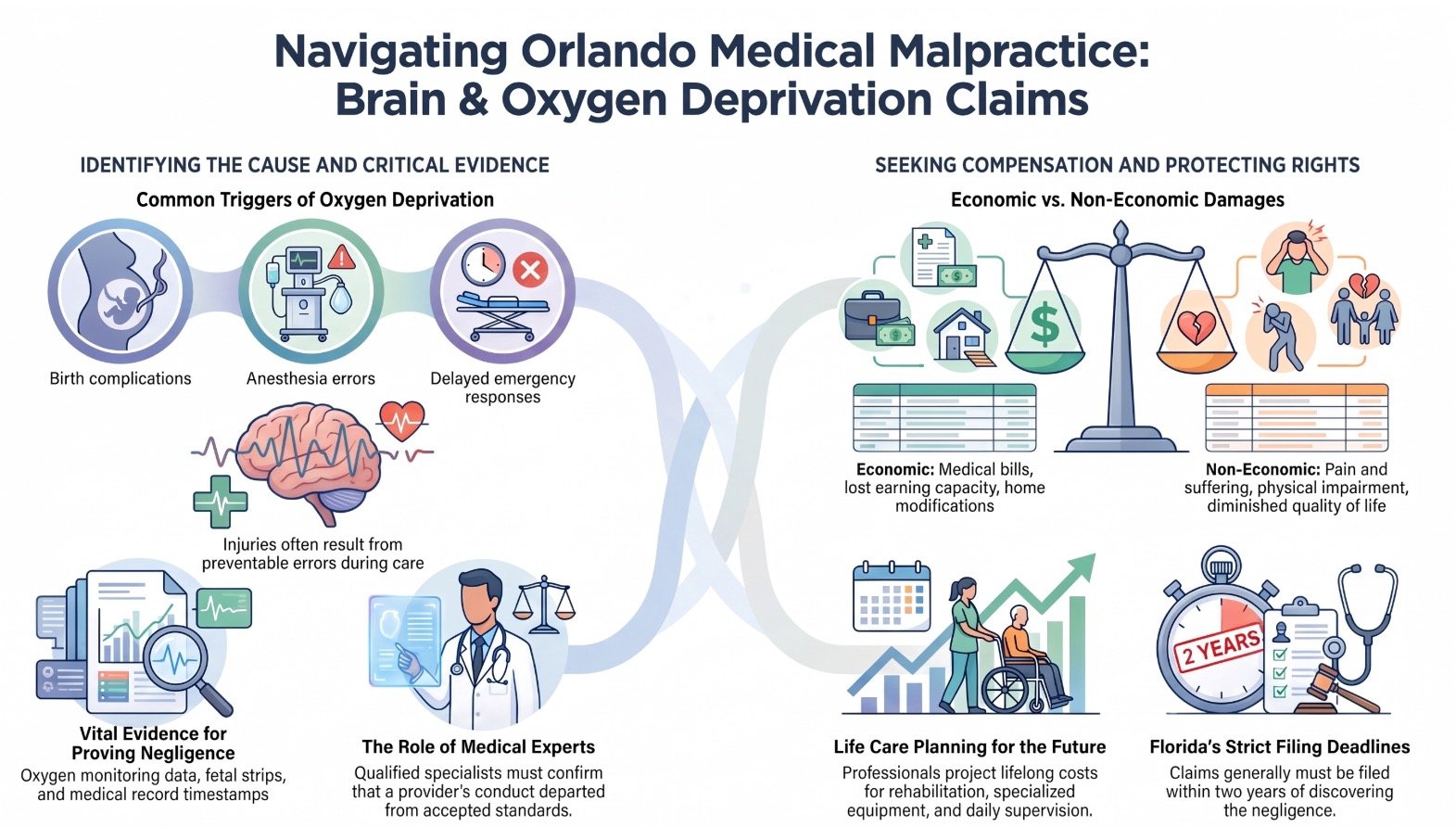
When signs of fetal distress or oxygen deprivation emerge, delayed emergency treatment can increase the risk of permanent neurological injury. Hospitals and clinicians must recognize warning signs promptly, communicate concerns clearly, and respond according to established emergency protocols. Triage delays may occur when symptoms are underestimated, monitoring information is not escalated, or staffing limitations impede rapid evaluation. Misdiagnosis failures can also lead providers to attribute concerning changes to less serious conditions, postponing interventions that could restore oxygen supply and protect the brain. Delays may involve ordering urgent testing, consulting experts, initiating delivery, or transferring a patient to appropriate care. A careful review of medical records, fetal monitoring strips, communications, and timelines can help determine whether treatment was reasonably prompt and whether preventable delay contributed to neurological harm.
Anesthesia-Related Complications
Anesthesia-related complications can contribute to oxygen deprivation and neurological injury when medications, airway management, or monitoring are not handled appropriately. During a procedure, anesthesia professionals must assess a patient’s medical history, select appropriate medications, and respond promptly to changes in breathing, blood pressure, or oxygen levels. Inadequate airway management may allow obstruction, aspiration, or insufficient ventilation, reducing oxygen delivery to the brain. Medication errors, unexpected reactions, or missed equipment problems can create additional risks. After anesthesia, postoperative monitoring remains important because respiratory depression, unstable key signs, or delayed complications may develop as medications wear off. When concerning changes are missed or addressed too slowly, permanent neurological harm can result. Medical records, monitoring data, and expert review may help determine whether professionals followed the standard of care.
Surgical Errors And Negligence
Surgical errors and negligence can cause brain injury or oxygen deprivation when preventable mistakes disrupt breathing, circulation, or the delivery of timely care. Examples include operating on the wrong site, damaging blood vessels, failing to control bleeding, leaving instruments inside the body, or overlooking signs of inadequate oxygenation. Delayed responses to airway obstruction, cardiac instability, or postoperative deterioration may also worsen a patient’s condition. Surgical error standards require comparison of the provider’s conduct with accepted practices under similar circumstances. This review may involve operative reports, anesthesia records, monitoring data, imaging, and witness accounts. Careful negligence documentation can help clarify what occurred, when staff recognized the danger, and whether appropriate corrective action followed. A qualified legal and medical review may determine whether the error caused lasting neurological harm.
Legal Rights of Orlando Medical Malpractice Brain & Oxygen Deprivation Injury Victims
Individuals who suffer brain injuries or oxygen deprivation because of medical negligence in Orlando may have the right to pursue compensation through a medical malpractice claim. Legal counsel can help protect those rights by evaluating records, identifying responsible parties, and explaining applicable filing deadlines.
Victims and families may seek damages for:
- Emergency treatment, rehabilitation, medication, and future medical care
- Lost income, reduced earning capacity, and necessary caregiving
- Physical impairment, emotional distress, and diminished quality of life
- Wrongful death losses when an injury proves fatal
A lawyer may also conduct a Consent forms review to determine whether risks were properly disclosed and whether consent reflected the treatment provided. When insurers refuse reasonable coverage for related care, Insurance denial appeals may offer an additional avenue for pursuing benefits. Families can request medical records, preserve correspondence, and document expenses while legal counsel investigates the claim. Because Florida malpractice rules can impose strict deadlines and evidentiary requirements, prompt consultation may help preserve available remedies and support informed decisions.
Why Do Orlando Medical Malpractice Brain & Oxygen Deprivation Injuries Happen?
Brain and oxygen deprivation injuries may occur when medical providers fail to recognize, prevent, or promptly treat conditions that restrict oxygen from reaching the brain. These events can develop during childbirth, surgery, emergency care, anesthesia, or treatment of respiratory and cardiac disorders. Clinical negligence patterns may include inadequate monitoring, delayed diagnostic testing, missed warning signs, medication errors, and failure to respond to abnormal, life-threatening signs. Oxygen therapy failures can arise when equipment is unavailable, improperly applied, incorrectly programmed, or not checked regularly. Similar harm may follow delayed treatment of airway obstruction, blood loss, seizures, infection, or dangerously low blood pressure. Communication breakdowns between physicians, nurses, and experts can also prevent timely intervention. In some cases, incomplete medical histories or insufficient documentation contribute to missed risks. The severity of resulting injury often depends on how long the brain remains deprived of oxygen and how quickly appropriate care is delivered.
What Should You Do After an Orlando Medical Malpractice Brain & Oxygen Deprivation Injury?
After a suspected brain or oxygen deprivation injury, the affected person should receive immediate medical care to address urgent health concerns. Document medical records, symptoms, diagnoses, treatments, and related expenses carefully. The family should also consult an experienced medical malpractice lawyer to evaluate the circumstances and preserve potential legal claims.
Seek Immediate Medical Care
When a suspected medical error causes brain injury or oxygen deprivation, prompt medical care is essential, even if symptoms initially appear mild or uncertain. The affected person should receive an immediate evaluation through emergency services or an emergency department. Emergency response personnel can assess breathing, circulation, consciousness, and neurological function while arranging urgent transport. Clinicians may provide oxygen stabilization, airway support, imaging, and other interventions intended to limit further harm. Symptoms such as confusion, unusual sleepiness, weakness, seizures, speech difficulty, severe headache, or changes in coordination require immediate attention. A caregiver should remain with the individual, communicate known medical information, and follow professional instructions until help arrives. Prompt treatment supports safety, identifies potentially life-threatening complications, and gives medical professionals the best opportunity to protect brain function.
Document the Injury
Documenting the injury promptly can help preserve important information about the person’s condition, treatment, and recovery. A caregiver or family member should record symptoms, changes in alertness, speech, movement, memory, breathing, and coordination, noting when each concern appeared and whether it worsened or improved. Symptom Documentation should remain factual, specific, and dated rather than relying on general descriptions. Organize medical records, discharge instructions, medication lists, test results, photographs, and communications with healthcare personnel in a secure file. Witnesses may provide written accounts of relevant events while their recollections remain clear. Maintaining a chronological journal supports Timeline Accuracy and can help identify gaps between reported symptoms, evaluations, and interventions. Preserve records without alteration, and store copies safely for future medical needs.
Consult a Malpractice Lawyer
Consulting a malpractice lawyer promptly can help a patient or family assess whether an Orlando medical provider’s conduct contributed to a brain injury or oxygen deprivation event. A lawyer can preserve relevant records, identify potential defendants, and explain deadlines that may affect a legal claim. Early guidance also helps prevent accidental statements or decisions that could undermine the case.
A qualified attorney may arrange a Second opinion review of medical records, imaging, monitoring data, and treatment decisions. Independent medical professionals can evaluate whether providers recognized warning signs, responded appropriately, and met applicable standards of care. Counsel can also help build an essential timeline by documenting symptoms, communications, interventions, transfers, and outcomes in chronological order. By serving the injured person’s interests carefully, legal counsel helps the family pursue accountability while coordinating with healthcare providers and support professionals.
Critical Evidence in an Orlando Medical Malpractice Brain & Oxygen Deprivation Injury Case
Establishing a brain and oxygen deprivation injury claim requires reliable evidence connecting the medical provider’s conduct to the patient’s harm. An Orlando medical malpractice lawyer may assess clinical documentation, professional opinions, monitoring records, and projected care needs. Key evidence commonly includes:
- Medical Records: Treatment notes, diagnostic results, medication histories, and discharge records may reveal the timing and nature of negligent care.
- Expert Witness Testimony: Qualified specialists can explain applicable standards, identify deviations, and address whether those deviations caused the injury.
- Oxygen Monitoring Data: Pulse oximetry, fetal monitoring, anesthesia records, and other readings may help establish when oxygen deprivation occurred.
- Life Care Planning: A life care plan can project future medical treatment, rehabilitation, equipment, supervision, and related costs.
Medical Records
When a patient suffers a brain injury or oxygen deprivation during medical treatment, the medical records may provide the most reliable account of what occurred. Progress notes, nursing observations, medication administration records, life-sign reports, and emergency documentation can show how the patient’s condition changed over time. These records may identify delayed recognition, missed symptoms, communication failures, or departures from established procedures. Accurate timestamps help establish liability timelines, including when warning signs appeared, when clinicians responded, and whether treatment was timely. Attorneys may also examine inconsistencies, omissions, altered entries, and charting errors that affect the record’s reliability. Preserving complete copies, including electronic audit information when available, helps protect the patient’s interests and supports a careful evaluation of whether negligent care contributed to the injury.
Expert Witness Testimony
Expert witness testimony can clarify whether medical providers met the applicable standard of care and whether a departure from that standard caused a brain injury or oxygen deprivation. A qualified physician or skilled professional may explain complex medical issues, identify reasonable treatment alternatives, and connect negligent conduct to the patient’s condition. Opinions should rely on sufficient records, accepted medical knowledge, and methods consistent with the field. Expert credibility factors may include education, clinical experience, board certification, familiarity with the relevant circumstances, and the reasoning supporting each conclusion. Attorneys may also evaluate potential bias, inconsistent opinions, or compensation arrangements. During deposition and trial, a focused cross-examination strategy can test the expert’s assumptions, qualifications, and causation analysis. Clear, balanced testimony can help decision-makers assess responsibility and pursue fair outcomes for affected patients and families.
Oxygen Monitoring Data
Oxygen monitoring data can provide a time-based record of declining oxygen levels, delayed intervention, or inadequate responses during medical treatment. In a brain injury claim, oxygen saturation records may help establish when hypoxia began and whether clinicians recognized its significance. Brain monitoring results, including cerebral activity measurements, can be reviewed alongside essential signs, medications, procedures, and documented clinical decisions. Careful data interpretation may reveal whether appropriate escalation, communication, and treatment occurred within accepted medical standards. Waveform trends can be particularly important because they may show changes that isolated numerical readings obscure, including persistent deterioration or intermittent recovery. Qualified medical experts can assess the reliability of monitoring equipment, identify documentation gaps, and explain how the recorded findings relate to neurological injury. Such evidence may clarify disputed timelines and support accountability for affected patients and families.
Life Care Planning
Life care planning translates documented oxygen deprivation and resulting neurological impairments into a structured projection of an injured person’s future medical and support needs. A qualified planner reviews medical records, functional assessments, and expert opinions to identify anticipated therapies, medications, equipment, rehabilitation, supervision, and personal assistance. The resulting plan helps explain how cognitive, motor, speech, behavioral, or seizure-related limitations may affect daily living over time. It also provides a reasoned estimate of care costs, distinguishing immediate services from lifelong needs and potential treatment changes. In a medical malpractice case, this evidence can connect the injury to its practical consequences while supporting responsible future planning. Attorneys may use the plan, along with physician testimony and financial analyses, to present a clear, evidence-based account of damages and necessary support.
Long-Term Effects of Orlando Medical Malpractice Brain & Oxygen Deprivation Injuries
Long-term brain and oxygen deprivation injuries may cause persistent cognitive and memory impairments that affect learning, communication, and independent decision-making. Physical and motor challenges can limit coordination, mobility, strength, and the ability to perform daily activities. Emotional and behavioral changes may also develop, influencing relationships, judgment, and overall quality of life.
Cognitive and Memory Impairments
How do cognitive and memory impairments develop after a brain injury caused by medical malpractice? Insufficient oxygen, preventable complications, treatment delays, or failures to monitor a patient can damage regions responsible for attention, learning, judgment, and recall. Cognitive changes may appear as confusion, slowed processing, difficulty organizing tasks, or trouble finding words. Memory impairments can affect recent conversations, appointments, instructions, and familiar information, creating challenges in education, employment, and independent decision-making.
A neurological evaluation can help identify affected abilities and establish appropriate rehabilitation and support. Providers should also assess medication adherence, communicate clearly with caregivers, and document patient consent for significant treatment decisions. When providers overlook symptoms or attribute them to normal aging, needed assistance may be delayed. Families serving affected individuals may preserve records, seek qualified evaluations, and consult counsel regarding whether negligent care contributed to lasting cognitive losses.
Physical and Motor Challenges
When medical malpractice causes brain injury or oxygen deprivation, affected individuals may develop lasting physical and motor challenges. These effects may include weakness, paralysis, impaired balance, muscle stiffness, tremors, and difficulty coordinating purposeful movements. Some individuals require assistance with walking, transferring, bathing, eating, or other daily activities. Others may depend on wheelchairs, braces, communication devices, or dedicated transportation to participate safely in community life.
Rehabilitation challenges can arise when treatment must address multiple impairments at the same time. Physical, occupational, and speech therapists may develop coordinated plans to improve strength, mobility, range of motion, and independence. Progress may be gradual, and ongoing care can create substantial financial and caregiving demands. Home accessibility may require ramps, widened doorways, bathroom modifications, stair lifts, and other safety adaptations. Legal guidance can help families investigate responsible parties and pursue resources for long-term support.
Emotional and Behavioral Changes
Brain and oxygen deprivation injuries can produce lasting emotional and behavioral changes that affect judgment, relationships, and daily functioning. During the traumatic aftermath, an injured person may experience irritability, anxiety, depression, impulsivity, or reduced emotional control. These symptoms can strain family connections, interfere with education or employment, and increase the need for supervision and structured support. Some individuals exhibit behavioral regression, including difficulties with communication, self-care, or age-appropriate decision-making. Others may withdraw socially or respond unpredictably to ordinary situations. Caregivers and professionals can help by documenting changes, maintaining consistent routines, and pursuing appropriate neurological, psychological, and rehabilitative services. When medical negligence contributed to the injury, records of these continuing effects may help establish damages and support access to resources that promote safety, dignity, recovery, and long-term stability.
Proving Liability in Orlando Medical Malpractice Brain & Oxygen Deprivation Injury Cases
Proving liability in an Orlando medical malpractice brain and oxygen deprivation injury case requires evidence that a healthcare provider failed to meet the accepted standard of care and that this failure caused the patient’s neurological harm. Establishing this claim often begins with reviewing prenatal, delivery, emergency, surgical, and post-treatment records for preventable delays, inadequate monitoring, missed warning signs, or improper responses to distress.
To prove causation, you must connect the provider’s conduct to the brain injury, not merely show that a poor outcome occurred. Medical records, fetal monitoring strips, laboratory results, imaging, medication histories, and witness statements may help establish the timeline. Expert analysis is typically required because qualified physicians must explain what competent care required, how the deviation occurred, and whether timely intervention probably would have reduced or prevented oxygen deprivation.
Damages evidence can document cognitive limitations, developmental needs, rehabilitation requirements, and the need for long-term assistance. A careful legal evaluation also considers comparative fault, statutory deadlines, and the standard governing professional negligence claims in Florida.
Don’t Wait. Call Our Florida Personal Injury Lawyers Now!
Dealing With Insurance Companies After an Orlando Medical Malpractice Brain & Oxygen Deprivation Injury
After liability evidence has been preserved, communication with insurers requires careful control because an insurer may evaluate statements for reasons to limit or deny compensation. Handling insurance correspondence is often best managed through counsel, particularly when a brain or oxygen deprivation injury involves uncertain future needs. A claimant should avoid recorded statements, broad medical authorizations, or settlement discussions before receiving legal guidance. Claim documentation should include medical records, billing information, employment evidence, caregiver observations, and professional opinions addressing impairment and expected care. Organized documentation helps distinguish immediate losses from long-term treatment, rehabilitation, supervision, and household support. When insurers question causation, damages, or policy obligations, counsel can address coverage disputes with evidence rather than speculation. Negotiating settlements requires evaluating whether an offer reasonably accounts for permanent disability, lost earning capacity, continuing services, and family responsibilities. Review any release carefully because it may end claims against responsible parties and prevent recovery for complications that have not yet become apparent.
What to Expect During an Orlando Medical Malpractice Brain & Oxygen Deprivation Injury Claim Process
The claim process typically begins with an initial case evaluation to assess whether medical negligence may have caused the brain or oxygen deprivation injury. Attorneys then investigate medical records, consult qualified experts, and obtain testimony regarding the applicable standard of care and the resulting harm. Depending on the evidence and negotiations, the matter may conclude through settlement or proceed to trial.
Initial Case Evaluation
When a potential medical malpractice claim involves brain damage or oxygen deprivation, the initial case evaluation assesses whether a healthcare provider’s conduct breached the applicable standard of care and caused the injury. Counsel typically discusses the patient’s treatment, symptoms, prognosis, and the family’s concerns, while identifying potential defendants and applicable filing deadlines. A preliminary damages assessment considers medical expenses, rehabilitation needs, lost earning capacity, future care, and the patient’s effect on family life. The evaluation also addresses whether qualified experts may support the claim and establishes an expert timeline for reviewing relevant issues and forming opinions. No outcome is guaranteed, but a careful assessment helps families make informed decisions, preserve resources, and pursue accountability in a manner consistent with the injured person’s needs.
Medical Record Investigation
A medical record investigation systematically examines the documents needed to determine whether negligent medical care contributed to brain damage or oxygen deprivation. Attorneys typically collect prenatal records, emergency notes, monitoring strips, medication logs, imaging results, discharge summaries, and facility policies. The review may identify charting gaps, inconsistent timestamps, delayed responses, or missing communications concerning changes in a patient’s condition. Records are compared with applicable oxygen protocols and documented clinical decisions to clarify whether warning signs were recognized and addressed. An organized investigation also considers staffing records, handoff notes, and incident reports, which may help establish staff accountability. An expert review can help interpret medical terminology and treatment documentation. This stage helps define the factual issues, preserve evidence, and determine whether further claim development is warranted.
Expert Witness Testimony
Following the medical record investigation, expert witness testimony helps interpret whether the documented care met accepted medical standards and whether any departure contributed to brain injury or oxygen deprivation. Hiring local experts may provide familiarity with Orlando hospitals, regional practices, and applicable professional expectations. These experts typically review records, imaging, monitoring data, and treatment timelines before forming independent opinions. Their expert credibility depends on relevant training, clinical experience, objective analysis, and a clear connection between the evidence and conclusions. During deposition preparation, attorneys help witnesses organize records, anticipate questions, and explain medical concepts accurately without speculation. At courtroom testimony, experts may describe the expected standard of care, identify departures, and discuss causation or resulting impairments. Their role is to assist the court by presenting reliable, understandable opinions that clarify intricate medical issues.
Settlement Or Trial
Once medical records, expert opinions, and damages evidence are developed, the claim may proceed to settlement negotiations or trial. A negotiation strategy evaluates liability, projected medical needs, lost income, rehabilitation costs, and the effects of brain or oxygen deprivation injuries on daily life. The legal team may present a demand, respond to defense proposals, and assess whether an agreement fairly serves the injured person’s long-term interests. If negotiations do not produce an adequate resolution, the case may proceed to trial. Trial preparation includes organizing exhibits, preparing witnesses, refining expert testimony, and anticipating challenges concerning causation or damages. Throughout either path, counsel generally explains risks, timelines, and potential outcomes so the family can make informed decisions. The process remains focused on accountability, patient welfare, and securing resources for ongoing care.
Compensation for Orlando Medical Malpractice Brain & Oxygen Deprivation Injury Damages
When medical negligence causes brain damage or oxygen deprivation, compensation may address the extensive financial and personal consequences imposed on the injured patient and family. A claim may seek recovery for treatment, rehabilitation, assistive services, lost earning capacity, and anticipated long-term care. It may also recognize the patient’s diminished independence, physical limitations, emotional distress, and cognitive impairment.
Damages calculation requires careful evaluation of medical records, expert opinions, life-care projections, employment history, and the patient’s expected needs. The assessment may account for future surgeries, therapies, medication, supervision, transportation, home modifications, and specialized equipment. Family members who provide substantial assistance may help document the injury’s practical effects and continuing demands.
An Orlando medical malpractice attorney may coordinate with physicians, economists, rehabilitation professionals, and life-care planners to present a supported claim. Compensation cannot reverse neurological harm, but it can help secure consistent care, preserve dignity, and reduce financial pressure. Prompt legal review may also protect evidence and ensure you meet applicable filing deadlines.
Economic vs Non-Economic Damages in Orlando Medical Malpractice Brain & Oxygen Deprivation Cases
Economic damages may include medical treatment, rehabilitation, lost income, and future care required after brain or oxygen-deprivation injuries. Non-economic damages address the effects that are more difficult to quantify, such as pain, emotional distress, disability, and diminished quality of life. Calculating total compensation requires evaluating both categories, the injury’s long-term consequences, and the evidence supporting each claimed loss.
Economic Damages Explained
Medical malpractice claims involving brain injury or oxygen deprivation may include both economic and non-economic damages, each addressing a different form of harm. Economic damages represent documented financial losses caused by the injury and resulting medical needs. They may include emergency treatment, hospitalization, rehabilitation, medications, medical equipment, home modifications, transportation, and ongoing medical care costs. Future expenses can also be estimated when a person requires long-term therapy, specialized supervision, or assistive services. A Lost earnings calculation may address income already missed, reduced earning capacity, lost benefits, and anticipated employment limitations. Financial records, medical opinions, employment history, and life-care projections can help establish these amounts. Careful documentation allows a claim to seek resources needed for treatment, stability, and continued support without improperly combining measurable costs with other damage categories.
Non-Economic Damages Assessed
Non-economic damages address the personal effects of a brain injury or oxygen deprivation that cannot be calculated solely through bills or employment records. They may reflect pain, emotional distress, loss of enjoyment, disfigurement, disability, and diminished relationships. In evaluating these losses, attorneys and courts examine medical evidence, testimony from family members, changes in daily functioning, and the injury’s expected duration. The evaluation should recognize the individual’s dignity and the continuing support provided by caregivers and loved ones. Damages caps may restrict recovery for non-economic harm in certain medical malpractice claims, depending on current Florida law and the circumstances involved. Punitive considerations are separate and generally require proof of intentional misconduct or gross negligence, rather than ordinary professional error. Each assessment remains fact-specific and requires legal review.
Calculating Total Compensation
When a brain injury or oxygen deprivation results from medical negligence, total compensation is generally calculated by combining documented economic losses with the value of non-economic harm. Economic damages may include past and anticipated medical treatment, rehabilitation, assistive technology, and personal care. Documenting expenses through invoices, receipts, insurance statements, and medical records helps establish the amount and necessity of these losses. Future care planning may require testimony from physicians, life-care planners, and economists to estimate long-term needs. Wage loss calculations can address missed work, reduced earning capacity, and benefits lost because of permanent impairment. Non-economic damages may reflect pain, emotional distress, diminished independence, and loss of life enjoyment. An Orlando malpractice claim must connect each category to negligence and present evidence supporting a fair, thorough recovery for the injured person and family.
When an Orlando Medical Malpractice Brain & Oxygen Deprivation Injury Case Goes to Trial vs Settlement
The decision to settle or proceed to trial in an Orlando medical malpractice case involving brain or oxygen deprivation injuries depends on the strength of the evidence, the severity of the harm, and the parties’ assessment of legal and financial risk. A settlement may provide timely resources for rehabilitation, ongoing care, and family support while avoiding the uncertainty, expense, and delay of trial. Negotiations may address documented medical needs, lost earning capacity, and the long-term effects of cognitive or physical impairment. Effective settlement negotiation tactics include presenting organized records, credible expert opinions, and a carefully supported damages analysis.
Trial may become necessary when liability is disputed, offers do not reflect the injury’s consequences, or accountability remains important to the affected family. During trial preparation, counsel may evaluate jury selection criteria, witness credibility, medical records, and expert testimony. The final decision should reflect informed consultation, the injured person’s priorities, and the goal of securing dependable support for future needs.
Florida Laws That May Affect Your Orlando Medical Malpractice Brain & Oxygen Deprivation Case
Because Florida medical malpractice claims are governed by specific statutory requirements, an Orlando brain or oxygen deprivation injury case must be evaluated under rules that affect filing deadlines, pre-suit procedures, evidence, and potential damages. Florida medical negligence law generally requires investigation and notice before litigation, allowing the provider an opportunity to respond. A claimant must also present evidence addressing the expert standard of care, breach, causation, and resulting harm.
Important considerations include:
- Pre-suit investigation and required notice
- Qualified expert testimony supporting liability
- Comparative negligence and responsible-party allocation
- Economic and non-economic damages, including future care
Florida statutes may limit recoverable damages in particular circumstances and can influence how damages are proven. Medical records, fetal monitoring, imaging, employment documentation, and life-care assessments may help establish the injury’s consequences. Hospitals, physicians, nurses, and other entities may face different duties and defenses. Families seeking accountability should preserve records, communicate carefully, and seek advice from counsel familiar with Florida law so an injured patient’s interests and long-term needs receive informed protection.
The Statute of Limitations for Orlando Medical Malpractice Brain & Oxygen Deprivation Injury Cases
In Florida, strict filing deadlines can determine whether an Orlando medical malpractice claim involving brain or oxygen deprivation injuries may proceed. Generally, a claim must be filed within two years after the injured person or authorized representative discovered, or should have discovered, the negligence and resulting injury. An outside limit typically bars claims more than four years after the alleged malpractice, regardless of discovery. Exceptions may apply when fraud, concealment, misrepresentation, or the injured person’s legal incapacity affects the timeline. Claims involving minors and certain circumstances may follow different rules, making early review important.
Before filing, Florida generally requires an investigation and presuit notice process, which can affect available time and procedural compliance. Preserve records to establish treatment dates, discovery, causation, and damages. Medical negligence defenses may challenge timeliness, notice, causation, or provider conduct. A damages caps overview may also clarify financial issues, but caps do not extend filing deadlines. Prompt attention helps protect accountability and preserve options for affected families.
Don’t Wait. Call Our Florida Personal Injury Lawyers Now!
How an Orlando Medical Malpractice Brain & Oxygen Deprivation Lawyer Can Help You
When a brain or oxygen deprivation injury may stem from medical negligence, an Orlando medical malpractice lawyer can evaluate the facts, identify potential legal violations, and determine whether the evidence supports a claim. The lawyer can coordinate qualified medical professionals to assess the Standard of care and explain whether providers responded appropriately to warning signs, treatment needs, and changing patient conditions.
- Review records, monitoring data, imaging, medications, and staffing information
- Identify departures from accepted medical practices and potential causation
- Coordinate evidence preservation, including electronic records and witness statements
- Communicate with healthcare institutions, insurers, and opposing counsel
A lawyer can also calculate damages associated with rehabilitation, assistive services, lost earning capacity, and continuing care. Through organized investigation and careful documentation, legal counsel can present the patient’s circumstances clearly while respecting the family’s need for dependable support. Counsel may negotiate with responsible parties or prepare the matter for litigation when appropriate, helping pursue accountability and resources that support long-term recuperation and compassionate care.
When to Contact an Orlando Medical Malpractice Brain & Oxygen Deprivation Lawyer
Prompt consultation is advisable as soon as a patient or family member suspects that negligent medical care contributed to a brain or oxygen deprivation injury. Early contact allows important concerns to be organized while records, memories, and potential witnesses remain accessible. A consultation may be appropriate after unexplained neurological changes, delayed diagnosis, inadequate monitoring, medication errors, or an unexpected deterioration during delivery, surgery, hospitalization, or emergency care.
Families should preserve Signs to document, including breathing difficulties, seizures, altered consciousness, developmental changes, and statements made by clinicians. Record hospital communication carefully, including dates, participants, explanations, and requests for clarification. A written treatment timeline can help identify when symptoms appeared, what interventions occurred, and whether delays were reported.
Emergency symptoms require immediate medical attention, not legal consultation. Once urgent care is secured, legal guidance may help protect relevant information and clarify potential deadlines. Prompt action supports orderly decision-making while respecting the patient’s recovery and the family’s need to serve the injured person responsibly.
Why You Need an Experienced Orlando Medical Malpractice Brain & Oxygen Deprivation Lawyer
An experienced Orlando medical malpractice brain and oxygen deprivation lawyer can evaluate thorough medical evidence, identify potential departures from accepted standards of care, and determine whether those departures caused the patient’s injury. Such review may reveal Medication errors, hospital delays, inadequate oxygen monitoring, or failures to respond to changing neurological signs. These cases often involve extensive records, including physician notes, nursing observations, medication logs, imaging, laboratory results, and emergency response documentation. An experienced lawyer can organize this information into a clear timeline and consult qualified medical professionals regarding appropriate care. The lawyer can also assess how an injury affected the patient’s cognition, mobility, communication, independence, and future care needs. Careful malpractice documentation helps preserve relevant facts, clarify responsibility, and support a claim for necessary compensation. By handling complex legal and medical issues, counsel allows families and advocates to focus on supporting the injured person while pursuing accountability through appropriate legal channels and protecting long-term interests.
How to Choose the Right Orlando Medical Malpractice Brain & Oxygen Deprivation Lawyer for Your Case
Selecting the right Orlando medical malpractice brain and oxygen deprivation lawyer requires careful consideration of the attorney’s experience, medical knowledge, resources, and approach to complex injury claims. A prospective client should examine the lawyer’s background handling birth injuries, surgical errors, delayed treatment, and other events that may restrict oxygen to the brain. Experience with medical records, expert witnesses, and Florida malpractice requirements can help determine whether counsel is prepared for the case’s demands.
Client communication also merits close attention. The lawyer should explain issues clearly, respond within reasonable timeframes, and identify realistic objectives without making unsupported promises. During an initial consultation, the family may ask how evidence will be preserved, whether experts are needed, and how damages could be evaluated.
Effective case strategy planning should address liability, causation, long-term care, rehabilitation, lost income, and the injured person’s dignity. Families serving an injured loved one should choose counsel who demonstrates preparation, integrity, compassion, and a commitment to informed decision-making throughout the legal process.
About The Law Offices of Anidjar & Levine
The Law Offices of Anidjar & Levine represents individuals and families pursuing compensation for injuries caused by medical negligence, including brain injuries and oxygen deprivation. The firm evaluates whether failures in diagnosis, treatment, monitoring, or communication contributed to preventable harm. Its attorneys work to clarify intricate medical records, identify responsible parties, and present evidence concerning the patient’s injuries, care needs, and financial losses.
With established Florida Capabilities, the firm assists clients throughout the state in matters involving hospitals, physicians, nurses, and other healthcare providers. Its approach recognizes that families may require both immediate guidance and long-term legal support after a serious injury. Client Consultations provide an opportunity to discuss the circumstances, understand potential legal options, and determine whether further investigation is appropriate.
The firm’s services may include case evaluation, consultation with medical professionals, negotiations with insurers, and litigation when necessary. By combining legal knowledge with careful preparation, the attorneys seek to protect clients’ interests and promote accountability within the healthcare system.

Frequently Asked Questions
Can Brain or Oxygen Deprivation Injuries Occur Without Immediate Symptoms?
Yes. Brain or oxygen deprivation injuries can occur without immediate symptoms, particularly when initial examinations appear normal. Delayed neurological signs may emerge hours, days, or weeks later as swelling, disrupted blood flow, or cellular damage progresses. A latent oxygen injury may present through subtle developmental delays in children or later cognitive deficits in adults. Prompt medical evaluation, careful monitoring, and documented follow-up help identify evolving impairment and guide appropriate support and treatment.
What Medical Specialists May Evaluate a Child’s Long-Term Neurological Needs?
A child’s long-term neurological needs may be evaluated by a Pediatric expert, who assesses brain function, seizures, movement, and developmental progression. A developmental pediatrician can conduct a Developmental Assessment addressing learning, communication, behavior, and adaptive skills. Neuropsychological Testing may clarify memory, attention, executive functioning, and academic abilities. Physical medicine and rehabilitation physicians, therapists, and Chronic Rehab teams can evaluate mobility, independence, treatment needs, and appropriate educational or supportive services over time.
Can Family Members Access Medical Records After a Patient’s Death?
Family members may access a deceased patient’s medical records, but authorization is not automatic. Under HIPAA after-death protections, the personal representative generally controls access, while certain relatives may receive information when state law, the patient’s wishes, or a provider’s professional judgment permits disclosure. Legal family access may require documentation, such as probate papers or written authorization. Providers must protect privacy while supporting legitimate care, estate, and legal needs through appropriate procedures.
How Might Assistive Technology Support Someone With Permanent Brain Damage?
Assistive technology can support a person with permanent brain damage by improving communication, mobility, safety, and independence. Speech-generating devices, adapted keyboards, eye-tracking systems, and reminder applications may help express needs and manage daily tasks. A smart home can automate lighting, locks, temperature, and emergency alerts to reduce hazards. Speech therapy may strengthen communication strategies and train caregivers to interpret responses accurately. Professionals should assess abilities individually and regularly update support plans.
Are Medical Malpractice Claims Involving Telemedicine Treated Differently in Florida?
Telemedicine claims in Florida are not automatically treated differently, but they require careful attention to Telemedicine standards and the circumstances of remote care. Providers generally must satisfy applicable Florida requirements, including professional licensing, informed consent, privacy, and appropriate evaluation or referral practices. Malpractice proof still requires demonstrating a duty, breach, causation, and damages. Because technology can affect diagnosis and communication, expert review is often critical to evaluate whether care met accepted standards.
—————————
Families facing suspected medical malpractice involving brain or oxygen deprivation injuries may encounter serious medical, financial, and legal challenges. Promptly consulting an experienced Orlando medical malpractice lawyer can help preserve evidence, assess potential negligence, and identify available compensation. Orlando Personal Injury LawyerThe Law Offices of Anidjar and Levine can review the circumstances, explain applicable rights, and pursue a claim when supported by the facts. Because Florida deadlines may limit recovery, injured patients and their families should seek legal guidance without unnecessary delay.