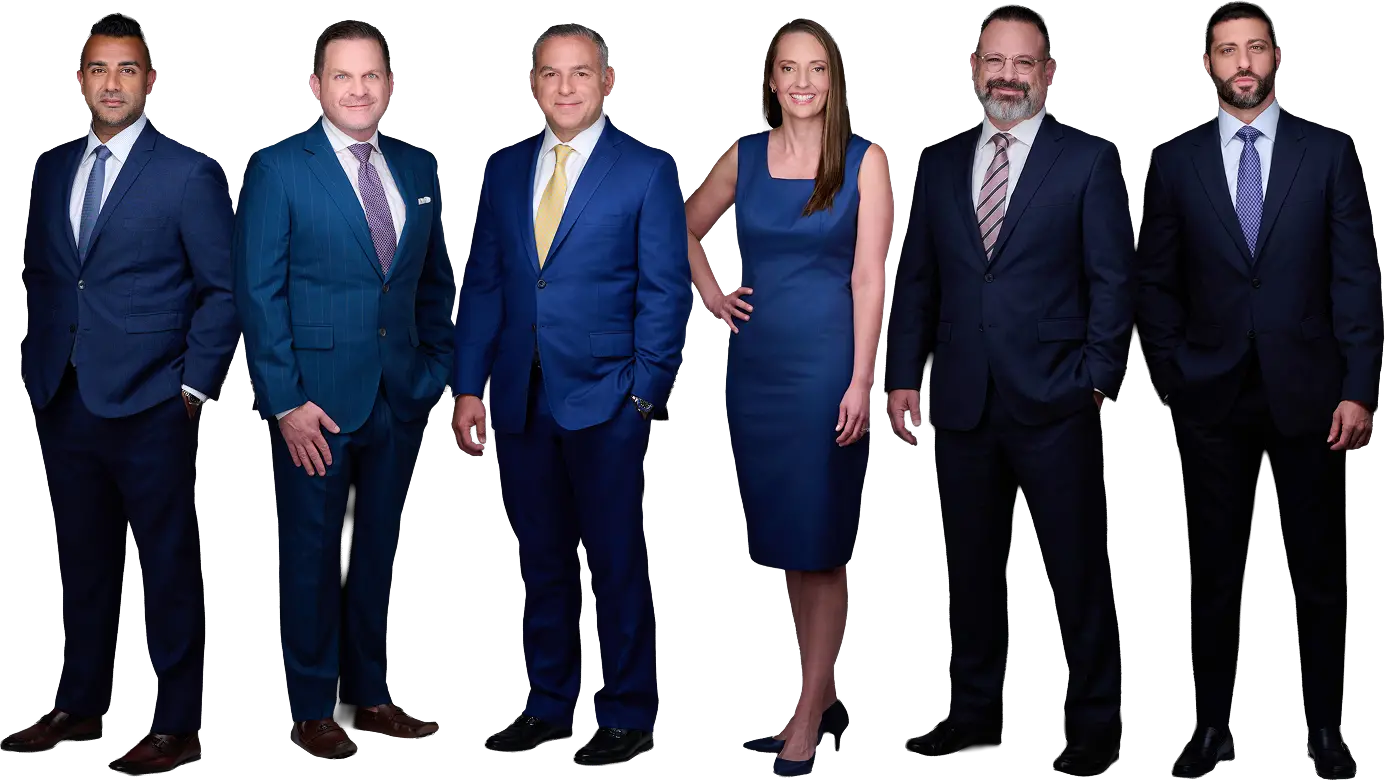

A Miami slip and fall stores and premises injury lawyer at The Law Offices of Anidjar and Levine can evaluate whether a hazardous condition—such as a wet floor, damaged tile, or obstructed walkway—caused an injury and whether the property owner had notice. The review may consider inspection practices, warning signs, incident records, witness accounts, and medical documentation. Prompt medical care and preservation of evidence can support a clearer assessment. For additional legal support, see our Miami Personal Injury Lawyer page.
Main Takeaways
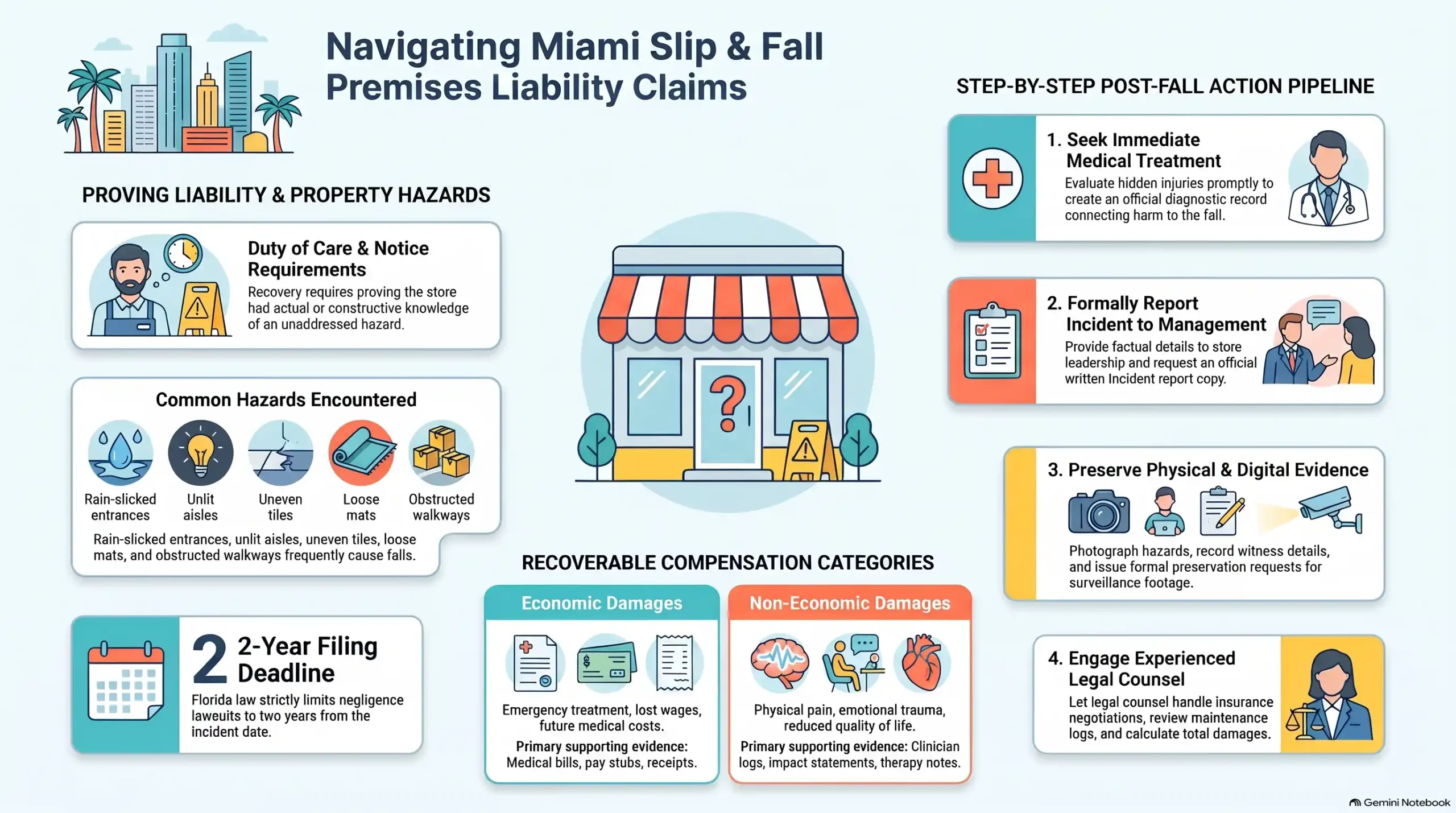
- Miami stores must take reasonable steps to inspect premises, address hazards, and warn visitors about dangers they know or should discover.
- Common hazards include wet entrance floors, spills, damaged flooring, loose mats, poor lighting, and obstructed walkways.
- A premises injury claim generally requires evidence of a dangerous condition, the store’s actual or constructive knowledge, and resulting injury.
- Seek medical care promptly, report the fall, and preserve photos, witness details, incident reports, and treatment records.
- Request prompt preservation of surveillance footage, inspection logs, cleaning schedules, and maintenance records before they are lost or overwritten.


How We Can Help With Your Miami Slip & Fall Stores & Premises Injury Claim
When a slip and fall at a Miami store or other property causes injury, the circumstances of the incident can determine whether the property owner may be held responsible. A focused claim evaluation can help clarify available options and identify steps that may support a fair resolution.
Legal representation can help an injured person organize records, communicate with insurers, and meet important deadlines. Counsel may review incident reports, photographs, witness accounts, and medical documentation to assess the claim’s strengths and potential challenges. This careful preparation can reduce avoidable delays and help guarantee that relevant information is presented accurately.
A legal team can also explain the process clearly, answer questions, and provide steady guidance as the claim progresses. For people balancing recovery with work and family responsibilities, this support can make it easier to address practical concerns while protecting their interests. The goal is to pursue appropriate compensation through informed, respectful advocacy and to help clients make decisions grounded in the facts of their circumstances.
OUR CONSULTATIONSARE FREE
START YOUR FREE CASE REVIEW

Understanding Miami Slip & Fall Stores & Premises Injury Cases
Slip and fall cases involving Miami stores and other premises often depend on whether a property owner knew or reasonably should have known about a hazardous condition and failed to address it. Under Premises liability principles, an injured person generally must establish that the owner or responsible party owed a duty of care, breached that duty, and caused an injury through the breach. The specific facts matter, including the visitor’s purpose and the property’s circumstances. A store’s responsibility may involve reasonable inspection practices, timely responses to reported concerns, and appropriate steps to protect visitors. Retail safety is thus not only a matter of policy; it can also inform whether a business acted reasonably under the circumstances. Evidence may include incident reports, inspection records, photographs, witness accounts, and medical documentation. These materials can help clarify what the business knew, when it knew it, and whether its response was adequate. Careful review supports a fair assessment of responsibility and the injured person’s options.
Common Causes of Miami Slip & Fall Stores & Premises
Slip-and-fall hazards in Miami stores and other premises often arise from wet floors, uneven surfaces, poor lighting, and cluttered walkways. These conditions can make hazards difficult to see or avoid, increasing the risk of a fall. Understanding how these hazards develop is an important step in assessing premises liability claims.
Wet Floors
How do wet floors become a serious hazard in Miami stores and other premises? Rain tracked inside, spilled beverages, leaking refrigeration units, and recently cleaned surfaces can leave walkways slick. Miami’s frequent rain and humidity may make moisture harder to control, especially near entrances and high-traffic areas. When staff fail to identify or promptly address these conditions, customers, workers, and visitors may face an avoidable risk of falling.
Property owners and managers can reduce hazards through regular inspections, visible warning signs, and prompt cleanup. Effective Floor Drying helps guarantee that cleaned or wet areas are safe before normal foot traffic resumes. Slip-resistant flooring may also improve traction in locations where moisture is likely. Clear procedures for reporting spills and responding quickly help protect everyone using the premises. Persistent hazards may warrant review of maintenance practices and safety measures.
Uneven Surfaces
Uneven surfaces can create serious fall hazards in Miami stores and other premises, particularly where cracked tiles, raised floor edges, loose mats, damaged pavement, or abrupt changes in floor height disrupt a person’s footing. Cracked tiles may shift or leave sharp, elevated edges, while loose carpeting can bunch beneath a customer’s shoes and cause a sudden loss of balance. Similar risks arise at junctions between flooring materials, around entryways, and along walkways exposed to weather or heavy use. Property owners and managers should inspect these areas regularly, repair defects promptly, and secure mats and carpet edges to protect customers, employees, and visitors. When a hazardous condition remains uncorrected or lacks an appropriate warning, a fall may cause significant injuries. Documenting the defect and reporting it can help clarify how the incident occurred.
Poor Lighting
Poor lighting can make hazards difficult to see in Miami stores and other premises, increasing the risk of a fall. Dimly Lit Aisles may conceal changes in floor level, wet areas, or other conditions that customers need to identify while walking. Burned-out bulbs can leave sections of a store or building inadequately illuminated, particularly near entrances, stairways, and passages between spaces. Property owners and managers are responsible for monitoring lighting and addressing reported failures within a reasonable time. Regular inspections, prompt bulb replacement, and appropriate lighting in customer areas can help reduce preventable risks. When a fall occurs, the lighting conditions, maintenance records, and timing of any complaints may be relevant to understanding how the incident happened and whether reasonable steps were taken to protect visitors.
Cluttered Walkways
When merchandise, boxes, carts, or cleaning equipment obstruct walkways, customers may have limited space to move safely through Miami stores and other premises. Obstructed aisles can force visitors to turn abruptly, step around hazards, or enter areas where they cannot see changes in floor level. Misplaced merchandise and unattended supplies may also create tripping risks, particularly near entrances, checkout lines, and narrow passages. Property owners and staff can help protect customers by keeping routes clear, returning items to designated storage areas, and promptly removing obstacles. Regular inspections can identify clutter before someone is injured, while clear procedures help employees report hazards without delay. When a fall occurs, the location and duration of the obstruction, along with inspection and cleanup records, may help clarify how the condition developed and whether reasonable care was taken.
Don’t Wait. Call Our Florida Personal Injury Lawyers Now!


Legal Rights of Miami Slip & Fall Stores & Premises Injury Victims
In Miami, people injured in a store or other property may have the right to seek compensation if a dangerous condition caused their fall and the responsible party failed to use reasonable care. A claim may depend on the property owner’s knowledge of the hazard, the visitor’s legal status, and whether reasonable steps were taken to address the risk. Store owner duties generally include maintaining reasonably safe premises and responding appropriately to hazards.
An injured person may be entitled to pursue compensation for documented losses, subject to the facts and applicable law.
Relevant considerations include:
- Whether the person was lawfully on the property
- Whether the owner knew or should have known of the dangerous condition
- Whether reasonable inspection, repair, or warning measures were taken
- The nature and extent of the resulting injuries and losses
Promptly preserving records and seeking appropriate medical care can help protect a visitor’s interests. Legal guidance may clarify available options, deadlines, and evidence needed to evaluate a potential premises liability claim.
Why Do Miami Slip & Fall Stores & Premises Injuries Happen?
Miami slip and fall injuries often occur when property hazards are created, overlooked, or left unaddressed. In stores and other commercial spaces, spills, tracked-in rainwater, loose mats, damaged flooring, and cluttered aisles can make walking surfaces unsafe. Poor lighting may also prevent visitors from noticing a hazard before encountering it.
These conditions can arise during routine operations. Employees may overlook a spill while assisting customers, or inspections may be delayed when staffing is limited. A weak Retail safety culture can allow hazards to persist when cleaning, maintenance, and reporting procedures are unclear or inconsistently followed. Seasonal hazards, including heavy rain and wet footwear, can increase moisture near entrances and throughout a property. Without suitable mats, drainage, and timely cleanup, these recurring conditions may create risks for visitors.
Property owners and managers who prioritize safe access help protect customers, workers, and community members. Consistent inspections and prompt maintenance can reduce preventable hazards and support a more dependable environment for everyone using the premises.
What Should You Do After a Miami Slip & Fall Stores & Premises Injury?
After a Miami slip and fall, the injured person should seek prompt medical care, even if symptoms initially seem minor. The incident should also be reported to the store or property manager, with a written record of when and where it occurred. Preserving photographs, witness details, and other evidence can help document the conditions that contributed to the injury.
Seek Medical Care
Prompt medical care should be a priority after a slip and fall at a Miami store or other premises, even when an injury initially seems minor. A qualified clinician can assess visible and less apparent injuries, including head trauma, fractures, or soft-tissue damage. Emergency treatment is appropriate for severe pain, bleeding, confusion, difficulty breathing, or other urgent symptoms. For less urgent concerns, the injured person should still arrange a timely medical evaluation rather than waiting for symptoms to worsen. Following the clinician’s recommendations supports recovery and helps identify complications that may develop later. Keeping records of diagnoses, treatment instructions, prescriptions, and follow-up appointments can help maintain continuity of care. These steps also create an accurate medical history, which may assist those responsible for evaluating the injury and arranging appropriate support.
Report the Incident
Once immediate safety and medical needs are addressed, the injured person should report the fall promptly to the store manager, property owner, or other responsible representative. Clear Staff Notification allows the business to respond appropriately and address any ongoing hazard that could affect other visitors. The injured person should describe when and where the incident occurred, explain the circumstances as accurately as possible, and identify any pain or symptoms noticed. A calm, factual account helps staff understand the situation and determine what assistance may be needed. The person should request that the incident be formally documented and ask how to obtain a copy of the report. Prompt Response can support timely communication between the injured person and the responsible business. If an employee or representative is unavailable, the person should contact management through the business’s established channels.
Preserve Evidence
Because conditions at a store or other property can change quickly, preserving evidence soon after a fall may help clarify how the incident occurred. The injured person or a trusted representative can photograph the hazard, surrounding area, footwear, and visible injuries, provided it is safe to do so. Record names and contact details for witnesses, along with the incident report and any medical records. Evidence preservation also includes keeping damaged clothing or personal items in their original condition and avoiding edits to photographs or messages. A prompt written request may ask the property owner to retain surveillance footage, inspection logs, cleaning schedules, and maintenance records. These retention notices can help prevent routine deletion, but they should identify relevant dates and locations. Store copies securely for later review with qualified counsel.
Critical Evidence in a Miami Slip & Fall Stores & Premises Injury Case
Evidence can help establish how a hazard caused the fall and the extent of the resulting injuries.
Essential materials may include:
- Photos of the incident scene
- Store surveillance video
- Witness statements
- Medical records
Prompt collection and preservation can help protect the accuracy and value of this evidence.
Incident Scene Photos
Photographs taken at the scene can preserve details that may change or disappear before a Miami slip-and-fall claim is investigated. Images may show the substance or obstacle involved, its location, nearby warning signs, lighting conditions, and the surrounding walkway. These details can help clarify how the hazard appeared and whether it was readily visible to customers. Camera angles should capture both close views and wider context, and accurate timestamps can help establish when each image was taken. If possible, take photographs promptly and without altering the scene. An injured person may need assistance before documenting anything, and safety should remain the priority. Witnesses or staff may also take photographs, but record the source and timing of each image. Clear, original images can support a careful assessment of the incident.
Surveillance Video
Surveillance video can provide a time-stamped record of conditions before, during, and after a slip-and-fall incident in a Miami store or other premises. It may show when a spill, obstruction, or other hazard appeared and whether staff took steps to address it. This record can help clarify how long a dangerous condition remained and whether it contributed to the fall.
Footage retention is often limited by routine recording systems, which may overwrite files quickly. A prompt request to preserve relevant recordings can reduce the risk of losing important evidence. Camera angles and image quality also affect what the video can establish; some views may not capture the precise location or full sequence of events. Reviewing available footage alongside scene photographs can provide a clearer account of the premises conditions and support a fair assessment of responsibility.
Witness Statements
Alongside surveillance footage, witness statements can help explain how a slip-and-fall occurred and what conditions were present beforehand. Store employees, customers, delivery workers, or other visitors may have observed a spill, obstruction, warning sign, or cleanup effort. Their accounts can clarify when a hazard appeared and whether staff had an opportunity to address it. Witness credibility depends on factors such as the person’s vantage point, ability to recall events, and consistency over time. Neutral observers may offer useful details, while differences between accounts should be assessed carefully rather than ignored. Prompt statement preservation can reduce the risk that memories fade or contact information is lost. Recording each witness’s name, contact details, and observations soon after the incident can help maintain an accurate account and support a fair evaluation of responsibility.
Medical Records
Medical records can establish the nature and extent of injuries after a slip and fall, as well as when symptoms were first reported and treatment began. Emergency department reports, diagnostic imaging, and follow-up evaluations may document the connection between the incident and resulting harm. A clear Treatment timeline can show whether care was sought promptly and how symptoms changed over time. Provider notes may describe pain, mobility limits, recommended treatment, and the patient’s response to care. These records can also identify prior conditions or later events that may affect an injury claim. Accurate, consistent documentation helps insurers, attorneys, and courts assess the evidence fairly. Patients can support reliable records by describing symptoms honestly, attending recommended appointments, and keeping copies of bills and reports. Protecting complete records helps guarantee that injured people receive informed, respectful consideration.
Don’t Wait. Call Our Florida Personal Injury Lawyers Now!
Long-Term Effects of Miami Slip & Fall Stores & Premises Injuries
A serious slip and fall injury may cause chronic pain that persists long after the initial accident. Ongoing symptoms can reduce mobility and interfere with work, daily activities, and independence. Some injured individuals also experience emotional distress, including anxiety or diminished confidence.
Chronic Pain
How long can pain last after a slip and fall in a Miami store or other property? The answer depends on the injury, the person’s health, and the treatment received. Some discomfort resolves within days or weeks, while damage to joints, nerves, or soft tissue may cause Chronic Pain for months or longer. Persistent symptoms can affect sleep, concentration, and the ability to complete daily responsibilities, making timely medical evaluation important.
A healthcare provider can assess the source of ongoing pain and recommend appropriate Pain Management, which may include medication, therapy, or other care. Consistent follow-up helps document symptoms and monitor whether treatment is effective. People who continue experiencing pain should follow medical guidance and keep records of appointments, expenses, and changes in symptoms. Clear documentation can help explain the injury’s lasting effects when seeking support or pursuing a premises liability claim.
Reduced Mobility
Reduced mobility can develop after a slip and fall in a Miami store or other property, particularly when injuries affect the back, hips, knees, or ankles. These limitations may make walking, climbing stairs, standing for extended periods, or completing routine tasks difficult. The extent of impairment depends on the injury, recovery, and any lasting damage to joints or other structures. Some individuals may require Mobility aids, such as canes, walkers, or wheelchairs, to move safely and maintain independence. Physical therapy and ongoing medical care can support function, although progress may be gradual. Home adaptations, including grab bars, ramps, and accessible bathroom features, may help reduce barriers and prevent further falls. When mobility changes affect work, caregiving, or daily responsibilities, documented treatment and practical support can help address those needs.
Emotional Distress
Emotional distress may persist long after a slip and fall in a Miami store or other property, particularly when injuries disrupt daily routines or cause ongoing pain. Emotional trauma can include anxiety, low mood, sleep difficulties, or fear of returning to the location where the incident occurred. These effects may strain family relationships, limit social participation, and make work or caregiving responsibilities harder to manage. A person experiencing persistent symptoms may benefit from psychological counseling, which can help address distress and support recovery. Medical records and treatment notes may also document how the incident affects daily life. When evaluating a premises injury claim, the physical harm and its emotional consequences may both be relevant. Timely professional support can help injured individuals regain stability and continue meeting responsibilities to others.
Proving Liability in Miami Slip & Fall Stores & Premises Injury Cases
Proving liability in a Miami slip and fall case requires evidence that a property owner or business failed to use reasonable care and that this failure caused the injury. The injured person must generally show a dangerous condition existed, the responsible party knew or should have known about it, and reasonable steps were not taken to correct or warn of the hazard.
Evidence may include photographs, surveillance footage, incident reports, witness accounts, and records showing when the condition arose. Constructive knowledge may be established when a hazard remained long enough that reasonable inspection could have discovered it. Inspection protocols, maintenance logs, and employee testimony can help clarify whether the property was monitored appropriately and whether staff responded to reported dangers.
The location and nature of the hazard also matter. A spill, uneven surface, or obstructed walkway may require different preventive measures. Careful documentation can help establish how the condition caused the fall and resulting harm, supporting fair accountability and safer premises for the community.
Dealing With Insurance Companies After a Miami Slip & Fall Stores & Premises Injury
After a Miami slip and fall, an insurer may contact the injured person to discuss the incident, gather information, or evaluate a claim. The insurer may represent a store, property owner, or another responsible party, and its interests may differ from the injured person’s. Careful communication can help protect an accurate account of what occurred.
Before discussing details, the injured person may confirm the caller’s identity and the insurer’s role. Requests for medical records, authorizations, or recorded statements merit careful review. A statement given before the extent of injuries is understood may omit relevant facts or create misunderstandings. The injured person can ask for questions in writing and seek legal advice before responding.
Settlement offers should be assessed against documented losses, ongoing treatment needs, and possible future care. Policy limits may affect available compensation, but an early offer does not necessarily reflect the claim’s full value. Organized records and measured, truthful communication can help support a fair evaluation.
What to Expect During a Miami Slip & Fall Stores & Premises Injury Claim Process
A Miami slip and fall claim typically begins with an initial case review to assess the circumstances, potential liability, and available evidence. The process may then involve collecting records and witness accounts, followed by settlement negotiations with the responsible party or insurer. If a fair resolution cannot be reached, the claim may proceed to court.
Initial Case Review
When a person reports a slip and fall at a Miami store or other property, the initial case review helps determine whether the available facts support a premises liability claim. During a legal consultation, the injured person can describe the incident, explain resulting symptoms, and identify concerns about recovery. The attorney may ask when and where the fall occurred, what conditions were present, and how the property owner responded. This case evaluation considers whether the owner had a duty to maintain reasonably safe premises and whether failing to meet that duty may have contributed to the injury. The review also addresses possible damages, deadlines, and practical next steps. Its purpose is to provide clear guidance, assess whether representation may be appropriate, and help the injured person make informed decisions.
Evidence Collection
Evidence collection helps establish how a slip and fall occurred and whether a property owner may be responsible. Investigators may document the scene, identify hazards, and obtain photographs or video before conditions change. They may also request incident reports, inspection logs, cleaning records, and maintenance documents from the store or property manager. Witness names and contact details can help preserve independent accounts of what happened. Evidence preservation is especially important when surveillance footage may be routinely erased or a dangerous condition is quickly repaired. Physical items, such as footwear, may also be retained when relevant to the incident. A clear chain of custody record helps show who handled collected materials and when. Careful documentation allows the claim review to rely on reliable information and supports a fair assessment of the circumstances.
Settlement Negotiations
After liability and damages are assessed, settlement negotiations may begin between the injured person and the property owner’s insurer. The injured person or their representative typically presents a demand supported by evidence of the fall, medical treatment, lost income, and other documented losses. Demand evaluation allows the insurer to review the claim’s strengths, assess potential exposure, and request relevant information. The insurer may accept the demand, reject it, or propose a different amount. A negotiation strategy should account for the full impact of the injury, including ongoing care and reasonable future costs, while remaining grounded in available records. Clear, timely responses can help move discussions forward and reduce misunderstandings. Any proposed agreement should be reviewed carefully, since accepting a settlement generally resolves the claim and may limit later recovery for the same injuries.
Court Proceedings
If settlement negotiations do not resolve a Miami slip and fall claim, either side may proceed to court, where a judge or jury can determine liability and damages. The process generally begins with Court filings that identify the parties, explain the allegations, and state the relief sought. Each side may exchange records, inspect relevant evidence, and question witnesses before trial. These steps help clarify disputed facts, including whether a property owner knew of a hazardous condition and responded reasonably. At trial, both sides present evidence and may offer trial testimony from the injured person, witnesses, and qualified experts. The court evaluates credibility, applicable law, and proof of losses before deciding responsibility and any compensation. Court proceedings require preparation, deadlines, and careful presentation, while keeping the claim focused on accountability and the injured person’s documented needs.
Compensation for Miami Slip & Fall Stores & Premises Injury Damages
Compensation for a Miami slip and fall injury may cover medical expenses, lost income, reduced earning capacity, and pain and suffering. A claim’s value depends on the evidence connecting the hazardous condition to the injury and showing how the incident affected the injured person’s daily life. Relevant records may include medical reports, treatment bills, employment documentation, photographs, and witness accounts.
Damage valuation requires careful review of both current losses and reasonably supported future needs. The injured person may need ongoing treatment, rehabilitation, or workplace adjustments, and these effects can influence the amount sought. Accurate documentation helps present a complete account of the harm and supports a fair resolution.
Compensation timelines vary according to injury severity, treatment progress, evidence gathering, and whether liability is disputed. Settling before the full impact is understood may leave important needs unaddressed, while litigation can extend the process. A lawyer can explain procedural options, communicate with insurers, and help the injured person pursue a resolution that accounts for documented losses and supports recovery.
Economic vs Non-Economic Damages in Miami Slip & Fall Stores & Premises Cases
In Miami slip and fall cases, damages generally include economic losses, such as medical expenses and lost income, as well as non-economic harm, such as pain and reduced quality of life. Each category reflects a different impact of the injury and may require distinct evidence. Clear records and supporting documentation help establish the losses claimed.
Economic Damages
After a slip and fall at a Miami store or other property, economic damages generally cover measurable financial losses caused by the injury. These losses may include medical expenses, such as emergency care, follow-up visits, medication, rehabilitation, and necessary medical equipment. Records and receipts can help document the costs and connect them to the incident. A claim may also include lost wages when an injury prevents someone from working during recovery. If the person returns to work with reduced hours or limited duties, Reduced earnings may also be relevant. In some cases, projected future treatment costs or diminished earning capacity may be considered, provided reliable evidence supports those amounts. Clear documentation, including pay records and medical bills, can help establish the financial impact and support a fair assessment of the claim.
Non-Economic Damages
While economic damages address documented financial losses, non-economic damages account for the personal effects of a slip-and-fall injury that do not have a direct price tag. In Miami premises cases, these losses may include physical pain, emotional distress, and the disruption of ordinary routines. An injured person may experience a Loss of enjoyment when pain or mobility limits participation in family activities, community service, or other meaningful pursuits. A serious injury can also cause diminished independence, particularly when daily tasks require assistance from relatives or caregivers. These effects can influence relationships, confidence, and overall quality of life long after the incident. Non-economic damages recognize that an injury’s consequences extend beyond bills and missed income. Their purpose is to account for personal harm while reflecting the injury’s distinct circumstances and lasting impact.
Proving Your Losses
Proving losses in a Miami slip and fall case requires evidence that connects the incident to both financial costs and personal harm. Economic damages include documented medical bills, rehabilitation expenses, prescription costs, and income lost during recovery. Lost wages may be supported by pay records, employer statements, and tax documents; future earning losses may require medical and vocational assessments. Records of paid household services can help establish costs when an injury prevents ordinary tasks. Non-economic damages address pain, emotional distress, and reduced ability to participate in daily activities. Medical notes, treatment history, and consistent descriptions of limitations can help demonstrate these effects. Careful documentation helps a claim reflect the full impact of the fall, supports fair compensation, and preserves resources that help injured people meet their responsibilities and continue serving others.
When a Miami Slip & Fall Stores & Premises Injury Case Goes to Trial vs Settlement
A Miami slip and fall claim may settle through negotiation or proceed to trial, depending on the evidence, the parties’ positions, and the case’s potential value. Settlement discussions can begin before a lawsuit is filed and may continue as both sides assess the available records, witness accounts, and documented losses. A settlement can provide a defined resolution without the uncertainty, time, and expense of a trial. Any proposed agreement should be reviewed carefully, including its terms and the claims it resolves.
If the parties cannot reach an acceptable agreement, the case may proceed to trial. Each side presents evidence and questions witnesses, while courtroom testimony can help clarify how the incident occurred and how it affected the injured person. The judge or jury evaluates the evidence and decides disputed issues. Jury deliberations follow the presentation of the case and may result in a verdict. Trial outcomes are not guaranteed, so informed preparation helps the injured person weigh the risks and potential benefits of each path.
Don’t Wait. Call Our Florida Personal Injury Lawyers Now!
Florida Laws That May Affect Your Miami Slip & Fall Stores & Premises Case
Florida law sets important rules for Miami slip and fall claims, including what an injured person must establish and how responsibility may be divided. In many store cases, the injured person must show that a dangerous condition existed and that the business knew or should have known about it. Claims involving transitory substances, such as spilled liquids, may require evidence about how long the substance was present or whether it occurred regularly.
Key legal considerations may include:
- A business’s duty to maintain reasonably safe premises and address hazards.
- Whether inspections, cleanup practices, or warnings were adequate under the circumstances.
- Comparative negligence, which may reduce compensation if the injured person shares responsibility.
- Evidence such as photographs, incident reports, witness accounts, and maintenance records.
These rules help evaluate how a hazard arose, whether reasonable precautions were taken, and how conduct affected the injury. A careful review can support fair accountability while helping businesses and visitors promote safer public spaces. The applicable facts and evidence determine how these principles may shape a particular claim.
The Statute of Limitations for Miami Slip & Fall Stores & Premises Injury Cases
How long an injured person has to file a Miami slip and fall lawsuit depends on the applicable statute of limitations and the claim’s circumstances. Under Florida law, many negligence claims must be filed within two years of the date of injury. This Filing deadline generally applies to incidents at stores and other properties, but exceptions may affect when the limitations period begins or how long it lasts.
Certain circumstances can pause or extend the deadline, while claims involving government entities may require earlier notice and follow different procedures. The rules can also vary when an injured person is a minor or when the cause of an injury was not immediately discoverable. Missing the applicable limitations period may prevent a court from considering the claim, regardless of the injury’s seriousness.
Promptly recording the incident date and preserving relevant documents can help clarify the timeline. Because deadlines depend on specific facts and legal rules, timely attention is important to protect the injured person’s ability to seek accountability.
How a Miami Slip & Fall Stores & Premises Injury Lawyer Can Help You
After a Miami slip and fall, an injured person may face challenges identifying who was responsible and preserving evidence. A lawyer can help clarify the property owner’s duties and organize information relevant to the incident. This support may also help the injured person focus on recovery while pursuing a fair process.
A lawyer can clarify property owner duties, preserve relevant evidence, and help injured people focus on recovery.
A lawyer’s work may include:
- Reviewing incident reports, photographs, witness accounts, and available video.
- Examining maintenance records and inspection practices for possible hazards.
- Conducting a Claim evaluation based on documented injuries, expenses, and other losses.
- Managing attorney communication with insurers and property representatives.
The lawyer can explain how evidence relates to responsibility and identify gaps that may require further investigation. Clear guidance can help clients make informed decisions and understand the practical effects of settlement proposals. For people who value helping others, careful documentation may also encourage safer conditions for future visitors. Legal assistance does not guarantee a particular outcome, but it can provide structure, informed analysis, and consistent representation throughout the claim process.
When to Contact a Miami Slip & Fall Stores & Premises Injury Lawyer
Prompt legal guidance can help preserve evidence and clarify available options after a slip and fall. A person should consider contacting a Miami premises injury lawyer soon after receiving necessary medical attention. Early consultation timing matters because surveillance footage, incident reports, witness recollections, and records of the hazard may become harder to obtain as time passes. The injured person can document the location, date, conditions, and visible injuries, while avoiding speculation about fault.
A prompt discussion can also clarify applicable deadlines and explain what information to gather before making decisions. Choosing counsel is a personal step; the individual may ask about communication practices, fees, and the process for reviewing a potential claim. No one should delay urgent care to seek legal advice, and medical providers should receive accurate information about symptoms and treatment.
When injuries develop later or seem minor at first, a consultation can still help assess next steps. Timely guidance supports informed choices and may help protect the person’s ability to pursue a fair resolution.
Why You Need an Experienced Miami Slip & Fall Stores & Premises Injury Lawyer
Because premises liability claims often depend on evidence that can be difficult to interpret, an experienced Miami slip and fall lawyer can help assess the circumstances and explain the available legal options. Such counsel can examine incident reports, photographs, maintenance records, and witness accounts to determine whether a hazardous condition contributed to an injury. This review may clarify whether a retailer knew, or reasonably should have known, about a danger and failed to address it.
An attorney can also help preserve relevant evidence before it is lost, identify responsible parties, and organize medical and financial documentation. These steps support a clearer assessment of damages and help injured people pursue appropriate remedies without losing sight of their recovery. Reviewing Retailer safety audits may reveal whether inspection practices were adequate or whether recurring hazards went uncorrected. A careful legal analysis can promote corporate accountability while helping protect other shoppers from similar risks. Experienced guidance can make a challenging process more understandable and guarantee that important facts receive careful consideration.
How to Choose the Right Miami Slip & Fall Stores & Premises Injury Lawyer for Your Case
Choosing the right Miami slip and fall lawyer requires careful consideration of the attorney’s experience, communication practices, and approach to premises liability claims. A qualified attorney should understand how Florida law addresses unsafe conditions, notice, and the evidence needed to establish responsibility. Reviewing Attorney credentials, including relevant training, professional standing, and experience with similar cases, can help injured people assess whether counsel is prepared to handle their concerns.
Prospective clients can ask how the lawyer investigates incidents, preserves records, and evaluates potential damages. Clear client communication matters throughout the process. The attorney should explain available options, likely challenges, and key decisions in language the client understands, and respond to questions within a reasonable time. A careful assessment should also consider who will manage the case and how updates will be provided.
Choosing counsel is a personal decision, but a thoughtful review can help people pursue accountability while protecting their interests. The right fit combines practical knowledge with respectful attention to each client’s circumstances and goals.
About The Law Offices of Anidjar & Levine
The Law Offices of Anidjar & Levine represents people injured in slip-and-fall incidents in Miami and throughout Florida.
The firm handles premises liability claims involving falls in stores, restaurants, and other public or commercial properties.
Its attorneys review the circumstances of an injury, identify potentially responsible parties, and explain available legal options.
This work can include gathering incident reports, examining property records, and reviewing medical documentation.
Firm history reflects a practice focused on representing injured individuals and families across Florida.
The firm’s approach centers on direct communication, careful case preparation, and attention to each client’s circumstances.
For people seeking to serve others, this focus also underscores the importance of helping injured community members understand their rights and pursue accountability when negligence may have contributed to harm.
Community involvement is another part of the firm’s public presence.
Its work in Florida communities includes supporting local initiatives and providing information about legal issues.
The firm’s services are available to people seeking guidance after a fall.
Frequently Asked Questions
Can I Pursue a Claim if I Fell in a Store but Wasn’T Shopping?
A person may pursue a claim after falling in a store even if they were not shopping. The central issues include whether the person had Permission to enter and whether the store failed to address a hazardous condition it knew or should have discovered. Business Visitors may include people accompanying shoppers or entering for another legitimate purpose. Liability depends on the circumstances, evidence of negligence, and whether the hazard caused the injury. An attorney can assess the claim.
What if I Slipped on a Spill Shortly After It Happened?
A fall on a spill shortly after it occurred may still support a claim, but the store’s knowledge and response remain important. Fresh spill evidence can help establish when the hazard appeared, while cleanup timing records may show whether staff acted promptly or had an opportunity to address it. Witness accounts, surveillance footage, and incident reports can clarify the timeline. A careful investigation can help determine responsibility and protect others’ interests.
Can a Store Be Responsible for a Fall Caused by a Broken Escalator?
A store may be responsible for a fall caused by a broken escalator if it knew, or reasonably should have known, of the hazard and failed to address it or provide adequate warnings. Responsibility may also depend on whether the store or its maintenance contractor controlled the equipment. Evidence concerning Escalator maintenance, mechanical defects, inspection records, repair history, warning signs, and the circumstances of the fall can help establish whether reasonable safety measures were taken.
Does a Store’s Incident Report Prove That It Was at Fault?
A store’s incident report does not, by itself, prove that the store was at fault. Incident report evidence may document the fall, reported hazards, witness accounts, or actions taken afterward, but it can contain errors or incomplete information. Fault determination depends on the full record, including maintenance logs, photographs, surveillance footage, and testimony. A careful review can clarify whether the store knew, or reasonably should have known, about the dangerous condition.
Can I Still File a Claim if I Felt Fine Immediately After My Fall?
Yes, a person may still pursue a claim after feeling fine immediately following a fall, because delayed symptoms can emerge hours or days later. Prompt medical evaluation helps identify injuries, protect health, and create reliable injury documentation. The person should also report the incident, preserve relevant records, and consult a qualified attorney about applicable deadlines and evidence requirements. A claim’s viability depends on the facts, the injury, and proof of the property owner’s responsibility.
—————————
A slip and fall at a Miami store or other property can lead to serious injuries, unexpected expenses, and difficult questions about responsibility.
An injured person may benefit from promptly documenting the hazard, preserving relevant records, and seeking legal guidance before important evidence is lost.
Miami Personal Injury Lawyer: The Law Offices of Anidjar and Levine can review the circumstances, explain available options, and help pursue a claim where appropriate.
Each case depends on its facts, evidence, and applicable Florida law.