

If you’ve been injured at work in Melbourne, The Law Offices of Anidjar and Levine can explain how hazards such as falls, unsafe equipment, or manual handling may have contributed to your injury and what steps may support your claim. Seek medical care promptly, report the injury to your employer in writing within 30 days of becoming aware of it, and keep relevant records. Victorian workers may qualify for reasonable treatment costs and lost income. Learn more from a Melbourne Personal Injury Lawyer as you explore your rights, evidence, and options.
Main Takeaways
- A Melbourne workers’ compensation lawyer can explain eligibility, claim deadlines, evidence requirements, and options if an insurer disputes a claim.
- Victorian workers may be entitled to reasonable medical costs and income support after a workplace injury, regardless of who caused it.
- Common accident causes include slips and falls, manual handling, unsafe machinery, repetitive strain, and unaddressed workplace hazards.
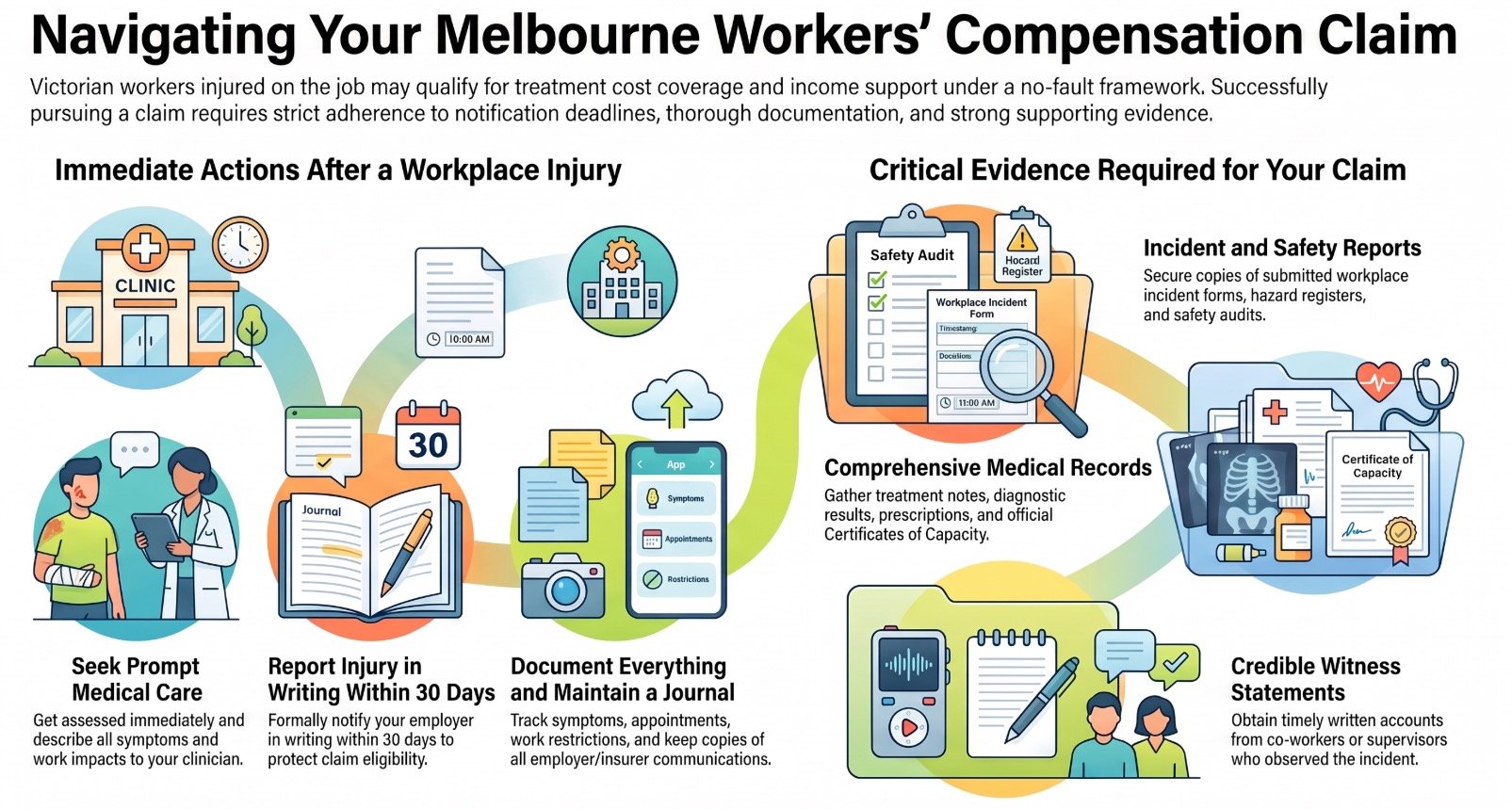
- Report an injury to your employer in writing within 30 days of becoming aware of it, and keep proof of submission.
- Preserve incident reports, medical records, witness details, and insurer correspondence; seek legal advice before signing unclear documents.
How We Can Help With Your Melbourne Workers Comp Accident Causes Injury Claim
When a workplace accident causes an injury, we can help you understand your rights and pursue a workers compensation claim in Melbourne. We’ll listen carefully, explain your options, and help you take practical steps toward accessing support while you focus on your recovery and responsibilities.
Early legal advice can clarify claim eligibility and help you meet important deadlines. We’ll review the information you provide, identify documents that may support your claim, and explain what the process may involve. If you’re unsure where to begin, we can help you organize the next steps and communicate with the relevant parties.
Our role is to provide clear guidance tailored to your circumstances, not to make promises about an outcome. We’ll answer your questions, keep you informed, and help you understand decisions affecting your claim. By giving you reliable advice and attentive support, we aim to reduce uncertainty and help you pursue the assistance available under Victorian workers compensation laws.
Understanding Melbourne Workers Comp Accident Causes Injury Cases


Understanding a Melbourne workers comp accident injury case starts with identifying how the incident occurred and how it affected your ability to work. We’ll help you connect the facts of the event with your injury, treatment, and any limits on your duties. A clear account can also show how the workplace responded and whether it provided appropriate support.
OUR CONSULTATIONSARE FREE
START YOUR FREE CASE REVIEW

Employer safety culture may provide important context. We consider whether reporting procedures, training, supervision, and return-to-work arrangements helped protect workers and address concerns. We also assess industry risk patterns to understand the demands and safeguards relevant to your role, without assuming that every workplace operates alike.
Your records, statements, and medical information can help establish a reliable timeline. We’ll explain how these details may relate to your claim and what information could clarify disputed points. Our aim is to help you understand the process, make informed decisions, and pursue fair support while you focus on recovery and serving others.
Don’t Wait. Call Our Florida Personal Injury Lawyers Now!
Common Causes of Melbourne Workers Comp Accident Causes


We commonly see workplace injuries arise from slips, trips, and falls, as well as unsafe manual handling. Machinery and equipment can also cause serious harm when safeguards fail or procedures aren’t followed. Repetitive tasks may lead to strain injuries, so we’ll explain how these incidents occur and what factors can affect a workers’ compensation claim.
Slips, Trips And Falls
Slips, trips and falls are common causes of workplace injuries in Melbourne, often resulting from wet floors, uneven surfaces, loose cables, poor lighting or cluttered walkways. These hazards can affect workers in hospitals, schools, shops and other settings where people serve the public. Wet floor hazards may arise during cleaning, after spills, or near entrances in wet weather. Uneven surfaces, damaged flooring and unsecured mats can also cause a worker to lose balance. Employers should identify risks, maintain walkways, provide adequate lighting and address hazards promptly. Clear warning signs and suitable footwear can further reduce the chance of injury. If you’ve been hurt in a fall at work, report the incident and seek medical care. We can help you understand your workers’ compensation options and the steps involved in making a claim.
Manual Handling Injuries
When workers lift, carry, push, or pull loads, poor technique, excessive weight, or repetitive movements can lead to manual handling injuries. These injuries may affect the back, shoulders, arms or joints, making everyday tasks and caring responsibilities harder. Risks often arise when workers handle awkward loads, reach or twist repeatedly, or work under time pressure without adequate support.
Employers can reduce these hazards by evaluating tasks, providing practical training and arranging work so loads remain manageable. Safe lifting means keeping a stable posture, avoiding unnecessary twisting, and using suitable handling methods. When an item is heavy or hard to control, team handling can help, as long as workers coordinate their movements and follow clear instructions.
If you’re injured, report the incident promptly and seek medical advice. We can help you understand your workers’ compensation options.
Machinery And Equipment
Machinery and equipment can cause serious workplace injuries when guards are missing, components malfunction, or workers use tools without adequate training. These hazards may arise in factories, construction sites, kitchens, and care facilities where staff rely on powered equipment to serve others. Effective Machine Guarding helps prevent contact with moving parts, while clear procedures show workers how to operate equipment safely and respond to faults. Employers should provide proper instruction, ensure protective devices remain in place, and remove defective tools from service promptly. Regular Equipment Maintenance can identify wear, loose components, or electrical problems before they cause harm. If you’re injured by machinery at work, report the incident and seek medical care. We can help you understand your workers’ compensation options and the steps to pursue support.
Repetitive Strain Injuries
Repetitive strain injuries can develop when workers repeatedly perform the same movements, maintain awkward postures, or handle heavy items without adequate recovery time. In Melbourne workplaces, these conditions may affect employees who care for patients, prepare meals, pack goods, or serve customers. Repeated stress can cause tendon inflammation, muscle pain, and nerve compression, sometimes limiting strength, movement, or sensation. Symptoms may build gradually, so workers shouldn’t dismiss ongoing discomfort as ordinary fatigue. Employers can reduce risks by providing suitable equipment, varying tasks, allowing recovery breaks, and training staff in safer work methods. If an injury affects your ability to work, report it promptly and seek medical advice. We can help you understand how workers’ compensation may support treatment and income needs, while you focus on recovery and returning safely to work.
Legal Rights of Melbourne Workers Comp Accident Causes Injury Victims
If a workplace accident in Melbourne leaves you injured, Victorian law may give you the right to workers’ compensation benefits, regardless of who caused the incident. We can help you understand your options and take informed steps while you focus on recovery and supporting those who depend on you.
Your rights may include:
- Lodge a claim: You can report your injury and seek compensation for reasonable medical treatment and lost income, subject to eligibility rules.
- Choose support: You may seek advice from a lawyer, union representative, or other qualified adviser before responding to claim decisions.
- Challenge decisions: If an insurer rejects or limits your claim, you can request review and pursue dispute resolution within applicable time limits.
- Expect fair treatment: Workplace retaliation for making a legitimate claim is not acceptable. Privacy protections also govern how your personal and medical information is handled.
We’ll help you document communications, understand deadlines, and seek appropriate assistance, so you can protect your rights while contributing safely to your workplace and community.
Why Do Melbourne Workers Comp Accident Injuries Happen?
Understanding how workplace injuries occur can help us identify hazards and prevent further harm. In Melbourne, workers may be injured when equipment fails, floors become slippery, or tools are used without adequate training. Repetitive movements and heavy lifting can also cause gradual strain, while fatigue and rushed schedules may increase the risk of mistakes.
Some incidents arise because hazards weren’t assessed, maintenance was delayed, or safety procedures weren’t clear. In workplaces devoted to serving others, busy conditions and pressure to meet urgent needs can make these risks harder to notice. However, protecting staff helps preserve the quality and continuity of that service.
Workplace hazard prevention depends on identifying risks early, providing suitable equipment, and ensuring workers understand safe methods. Employers and teams can support safety culture development by communicating openly, following procedures, and treating concerns seriously. When everyone takes responsibility for safer work, preventable injuries become less likely, and workers can focus on their duties with greater confidence.
What Should You Do After a Melbourne Workers Comp Accident Causes Injury?
If a workplace accident injures you, we recommend seeking medical care promptly and following your clinician’s advice. We’ll also help you understand how to report the accident to your employer and preserve a clear record of what happened. Document your injury, treatment, and any changes in your condition, as these details may support your workers’ compensation claim.
Seek Medical Care
After a workplace injury in Melbourne, seek medical care promptly, even if your symptoms seem minor. Prompt medical assessment can identify injuries that aren’t immediately obvious and help prevent them from worsening. Tell the treating clinician how the incident happened, describe every symptom, and explain how the injury affects your ability to work and manage daily tasks. Accurate information supports appropriate care and creates a clear clinical record.
Follow the clinician’s treatment advice, attend scheduled appointments, and ask questions if instructions aren’t clear. If your condition changes or pain increases, seek further medical attention without delay. Your doctor may recommend tests, treatment, or referrals to specialists to address your needs. Keep copies of medical reports, prescriptions, and appointment details for your records. These steps help protect your health and support a careful recovery.
Report The Accident
Once you’ve received medical care, report the accident to your employer as soon as practicable, even if your injury seems minor or you’re unsure whether you’ll need time off. Prompt reporting helps your workplace respond and supports a safer environment for everyone.
Tell your supervisor what happened, when and where it occurred, and how the injury affects your ability to work. Notify your supervisor clearly and directly; if your supervisor isn’t available, contact another appropriate manager or your employer’s designated safety representative. Follow your workplace’s reporting process and ask how to submit the required form.
In Victoria, workers should notify their employer in writing within 30 days of becoming aware of the injury. Don’t assume an informal conversation meets this requirement. Understanding reporting deadlines can help protect your ability to make a workers’ compensation claim. Keep communication respectful and focused on the facts.
Document Your Injury
Accurate records can help establish how your injury occurred and how it affects your ability to work. After reporting the accident, document what happened while the details are still clear. Note the date, time, location, task you were performing, equipment involved, and names of witnesses. Keep copies of incident reports, medical records, prescriptions, and messages with your employer or insurer.
Start a Personal injury journal to record appointments, treatment, work restrictions, and changes in your daily routine. Consistent symptom tracking can show when pain or other effects begin, how severe they become, and which activities worsen them. Be factual and specific, rather than guessing about causes or outcomes. We can use these records to communicate accurately with healthcare providers, support a workers’ compensation claim, and focus on recovery and our responsibilities to others.
Don’t Wait. Call Our Florida Personal Injury Lawyers Now!
Critical Evidence in a Melbourne Workers’ Comp Accident Causes Injury Case
We can strengthen your workers’ compensation claim by gathering evidence that clearly records how the accident happened and how it affected you.
Start with these four essential sources:
- Incident reports
- Medical records
- Witness statements
- Workplace safety documents
Incident Reports
Incident reports can provide crucial evidence when a workplace accident causes injury, especially if they record what happened, where it occurred, and who witnessed it. We can help you assess whether the report clearly and accurately describes the event and its immediate circumstances. Check incident report timelines, since delays or gaps may raise questions about when the employer learned of the accident and how it responded. Follow the workplace’s reporting procedures, and keep copies of submitted forms, emails, and any written acknowledgment. If the report contains errors or leaves out important details, we can help you identify the issue and explain why a prompt, factual correction matters. Witness names, photographs, and hazard records may also support your account. Preserve relevant documents, and avoid altering original records.
Medical Records
Medical records can help establish the nature of a workplace injury, when symptoms began, and how the condition has affected your ability to work. We can use treatment notes, test results, prescriptions, and referrals to show how your condition developed and what care you needed. Consistent documentation may also support your account of the accident and help connect your symptoms to your job duties.
Seek prompt medical attention and describe your symptoms accurately at each appointment. Ask about Medical record access so you can review relevant files and provide them to your workers’ compensation lawyer. If you find an error or missing detail, discuss record corrections with the provider; don’t alter documents yourself. Accurate records help insurers and decision-makers assess your claim fairly while supporting your recovery and your ability to keep working.
Witness Statements
Witness statements can clarify how a workplace accident happened and whether your job duties contributed to your injury. Coworkers, supervisors, or other observers may describe what they saw, heard, or did immediately afterward. We can help you identify relevant witnesses and request accounts while memories remain clear. Their observations may support your explanation of the incident, the demands of your role, and the timing of your symptoms.
Witness credibility matters. A person’s opportunity to observe, ability to recall events, and relationship to those involved may affect how much weight is given to their account. Statement consistency also matters: details should align with your account and other available evidence. We can review statements carefully, address differences honestly, and explain why they occurred. Accurate, specific accounts can help decision-makers understand your injury claim and the workplace circumstances surrounding it.
Workplace Safety Documents
When a workplace accident causes injury, safety documents can help establish how the hazard arose and whether required precautions were followed. We can review Safety audits, hazard registers, incident reports, maintenance records, and training materials to identify known risks and the measures taken to control them. These records may show whether an employer assessed a danger, assigned responsibility, and acted on earlier warnings. We should also compare documents with witness accounts and the scene conditions, since records may be incomplete or created after an incident. Preserve relevant materials promptly, including updated versions and electronic messages, because routine changes can affect what they reveal. If you’re supporting an injured colleague, gathering these records can help clarify what happened and inform a fair workers’ compensation claim. A lawyer can advise which documents matter.
Long-Term Effects of Melbourne Workers Comp Accident Causes Injuries
When a workplace injury causes lasting harm, we should consider how chronic pain and reduced mobility may affect your daily activities and ability to work. We’ll also examine the psychological and emotional effects, which can continue even after physical symptoms improve. Understanding these impacts helps us identify the ongoing treatment and support you may need.
Chronic Pain And Mobility
Chronic pain and reduced mobility can continue long after a workplace accident, affecting how injured workers move, work, and manage daily tasks. We can help you understand how these lasting limitations may affect your ability to serve others at work and at home. Pain flare patterns may vary with activity, rest, or particular movements, so tracking symptoms can help you and your treating professionals identify practical ways to manage them. Reduced strength, stiffness, or limited range of motion may make lifting, standing, or walking more difficult. Mobility adaptations, such as adjusted duties, assistive equipment, or workspace changes, can support safer participation while recovery continues. We encourage you to seek appropriate medical care and document how symptoms affect your daily function. Clear records can help explain your needs when discussing workers’ compensation benefits and workplace accommodations.
Psychological And Emotional Effects
The effects of a workplace accident can extend beyond physical injuries, leading to anxiety, low mood, sleep difficulties, or trauma-related symptoms. These reactions may persist after visible injuries mend, affecting concentration, confidence, and relationships. If you serve others, emotional strain can also make familiar duties feel harder and reduce your capacity to be present with colleagues or the people who rely on you.
Workplace trauma may arise from a sudden incident, prolonged exposure to danger, or the loss of independence that follows an injury. We shouldn’t treat distress as a personal failing; it can be a serious consequence of what happened. Recognizing changes in mood or behavior helps us explain how the accident affects daily life and work. With understanding and patience, we can protect emotional resilience while acknowledging that recovery may take time.
Ongoing Treatment And Support
Some Melbourne workplace injuries require ongoing treatment long after the initial accident, particularly when pain, reduced mobility, or psychological symptoms persist. We can help you understand how continued care may support recovery and protect your wellbeing. Your treatment might include expert reviews, medication, counseling, physiotherapy, or further procedures, depending on your needs. Keep records of appointments, expenses, symptoms, and advice from treating practitioners. These details can help us explain how the injury affects your daily responsibilities and ability to serve others at work or home.
Return-to-work planning should reflect your medical restrictions and recovery progress, rather than pressure you to resume duties too soon. We can discuss suitable duties, gradual hours, and workplace adjustments. Effective rehabilitation coordination among you, your doctors, employer, and insurer can reduce confusion and support consistent care. Seek legal advice if you dispute treatment or support.
Proving Liability in Melbourne Workers Comp Accident Causes Injury Cases
When a workplace accident causes an injury, proving liability depends on showing that the employer failed to meet a legal duty and that this failure contributed to the harm. We can help you identify the evidence that explains how the incident occurred and who may be responsible. Employer negligence may involve unsafe equipment, inadequate training, poor supervision, or failure to maintain a safe work environment. Incident records, photographs, witness accounts, safety procedures, and medical reports can help establish what happened and link the breach to your injury.
Responsibility may also extend beyond your employer. Third-party liability could arise when a contractor, equipment supplier, or another organization contributed to the accident. We’ll assess each potential source of responsibility and explain how the available evidence supports your claim. Because workplace injury matters can involve complicated facts and legal duties, we’ll help you understand what must be established and what steps may protect your interests while you focus on recovery.
Dealing With Insurance Companies After a Melbourne Workers Comp Accident Causes Injury
After a Melbourne workplace accident causes an injury, the insurer may contact you to discuss your claim and request information. We can help you respond carefully while keeping your focus on recovery and the people who depend on you. Provide accurate details, keep copies of correspondence, and avoid guessing when you’re unsure. If a question is unclear, ask for clarification before answering.
Setting Insurer communication boundaries can help you manage calls and requests without unnecessary pressure. We can help you decide how to communicate, what records to retain, and when to seek support before signing documents or agreeing to statements. You don’t need to handle difficult discussions alone.
Independent claims advice can help you understand your rights and the information an insurer requests. A lawyer can explain relevant obligations, identify concerns in communications, and help protect your interests. We’ll guide you through these conversations with care, so you can make informed decisions while maintaining your responsibilities at work, home, and in your community.
What to Expect During a Melbourne Workers Comp Accident Causes Injury Claim Process
We’ll guide you through reporting the workplace accident and gathering the medical evidence needed to support your claim. You’ll then lodge your claim, after which the insurer assesses the information and decides whether to accept or reject it. Understanding each stage can help you meet essential requirements and respond promptly to requests.
Reporting the Workplace Accident
Promptly reporting a workplace accident helps protect your health and supports your workers’ compensation claim. Notify your supervisor as soon as possible, even if an injury seems minor or symptoms develop later. Clear Supervisor notification creates a record and allows the employer to respond, investigate, and take steps to protect colleagues and customers.
When we report, we should describe what happened, where it occurred, and who witnessed it. Include the incident timing, such as the date and approximate time, and explain any immediate effects on our ability to work. If we can’t report in person, we should use the employer’s approved reporting method and keep a copy of our notice. We should also follow workplace procedures and request confirmation that the report was received. Prompt, accurate reporting helps everyone understand the event and supports a fair claim process.
Gathering Medical Evidence
When a workplace accident causes an injury, we should seek medical care and keep clear records of the assessment and treatment. We can explain how the incident happened, describe every symptom, and follow the treating practitioner’s advice. Accurate details help clinicians provide appropriate care and create records that may clarify how the injury affects our ability to work.
We should keep copies of appointment notes, test results, prescriptions, referrals, and work-capacity certificates. A Medical chronology can organize these documents by date, showing the progression of symptoms, treatment, and recovery. If our condition is complicated, we may need expert opinions to explain the diagnosis, likely effects, or further treatment. We should tell each practitioner about relevant changes and keep records consistent. With our permission, a lawyer can help identify missing evidence and explain its significance without disrupting our care.
Lodging Your Claim
Once we’ve received medical attention and gathered the relevant records, we can lodge a workers’ compensation claim by giving our employer a completed claim form and a Certificate of Capacity. We should notify our employer about the injury as soon as possible, following workplace procedures and any employer notification requirements. Prompt notice helps our workplace respond appropriately and supports a clear record of what happened. We’ll need to provide accurate details about the accident, our symptoms, and any time away from work. Claim form deadlines matter, so we should check current requirements and submit the paperwork promptly. If we’re unsure how to complete a section, we can ask our employer or seek independent legal guidance before signing. Keeping copies of everything we submit helps us stay organized and support those relying on us.
Claim Assessment and Outcomes
After we lodge a workers compensation claim, the insurer assesses the information to decide whether to accept liability and what benefits may apply. We can help you respond to requests for medical records, employment details, and other evidence about how the injury occurred. The insurer may arrange Independent medical examinations to assess your condition and work capacity. We should attend as directed and provide accurate information, while keeping copies of relevant correspondence.
If the insurer accepts liability, benefits may include reasonable treatment costs and weekly payments, depending on your circumstances. If it disputes the claim, we can review the reasons, gather further evidence, and consider available review options. A settlement may resolve some entitlements, but its terms can affect future rights. We’ll explain the settlement approval process and help you assess whether proposed terms are fair before deciding how to proceed.
Compensation for Melbourne Workers Comp Accident Causes Injury Damages
A workplace accident in Melbourne may entitle an injured worker to compensation for medical expenses, lost income, and other covered losses. We can help you understand which benefits may apply and how to pursue them while you focus on recovery and your responsibilities to others.
Wage replacement may provide partial income support when your injury prevents you from working or limits your hours. The amount and duration depend on your circumstances and applicable workers’ compensation rules. Keep records of your earnings, medical certificates, and communications with your employer and insurer; these documents can help support your claim.
You may also qualify for payment of reasonable treatment costs, including consultations, medication, and necessary services. Rehabilitation funding can support approved programs that help you recover function and, where possible, return to suitable work. We’ll explain what information you need, assist with claim steps, and address insurer requests. Acting promptly and following medical advice can help protect access to available benefits during recovery.
Don’t Wait. Call Our Florida Personal Injury Lawyers Now!
Economic vs Non-Economic Damages in Melbourne Workers Comp Accident Causes Cases
We can distinguish economic losses, such as lost income and medical expenses, from non-economic harm, including pain and reduced quality of life. To assess a Melbourne workers’ compensation claim, we’ll consider which losses may be recoverable under the applicable rules. We’ll also explain how records and other evidence can help establish the extent of your damages.
Economic Losses
When a workplace injury affects your ability to earn, economic losses can form a substantial part of a compensation claim. We can help you identify the accident’s financial effects, including income you’ve already missed and expenses linked to treatment or recovery. Lost wage calculations may consider your pre-injury earnings, time away from work, and any reduced hours or duties. We’ll also assess future earning capacity when your injury limits the work you can perform or the income you can reasonably earn. Supporting records, such as payslips, tax documents, medical reports, and receipts, can help establish these losses. By reviewing the evidence carefully, we can explain which costs may be recoverable and help you pursue compensation that reflects the financial impact on your work and livelihood.
Non-Economic Harm
Non-economic harm concerns the physical pain, emotional distress, and loss of enjoyment of life caused by a workplace injury, rather than measurable financial costs such as lost wages or treatment expenses. In Melbourne workers’ compensation matters, this harm reflects how an accident affects your daily life, relationships, and ability to participate in activities that once mattered to you.
Pain and Suffering may include ongoing discomfort, anxiety, or the strain of adapting to lasting limitations. Loss of Enjoyment can arise when an injury prevents you from pursuing hobbies, caring for loved ones, or contributing to your community as you did before. These effects differ from financial losses, but they remain important when we consider the full impact of an injury. Recognizing them helps us address your needs with care and respect.
Proving Damages
How can we prove the full impact of a workplace injury? We gather clear evidence showing how the accident affected your health, income, and daily life. Medical records, treatment plans, and expert assessments can document your injuries and explain the care you’ll need.
Economic damages include measurable financial losses. We can use payslips, tax records, and employment documents to establish missed income and assess lost earning capacity. Reports from treating practitioners or care experts may help estimate Future care costs, including rehabilitation, medication, and assistance at home.
Non-economic damages address effects without a precise price, such as pain, reduced mobility, and loss of independence. Your account, supported by clinical evidence and consistent records, can explain these changes. By presenting both forms of harm carefully, we help decision-makers understand what fair compensation should cover.
When a Melbourne Workers Comp Accident Causes Injury Case Goes to Trial vs Settlement
Choosing whether to settle or take a workplace injury claim to trial depends on the evidence, the compensation available, and the risks of continuing. We’ll review your medical records, wage information, and other proof to assess the strengths and limits of your case. Settlement negotiations may resolve the claim sooner and provide greater certainty, but an offer should reflect your documented losses and future needs. We’ll explain the terms so you can make an informed decision that supports your recovery and responsibilities.
If the parties can’t agree, trial preparation becomes necessary. We’ll organize evidence, identify witnesses, and prepare you to describe how the injury affects your work and daily life. A judge or jury may decide disputed issues, but trial takes time, and its outcome is uncertain. We’ll discuss likely costs, possible results, and the demands of continuing before recommending a course. Throughout either process, we’ll keep your goals central and help you weigh a fair resolution against pursuing a court decision.
Florida Laws That May Affect Your Melbourne Workers Comp Accident Causes Case
Florida workers’ compensation laws can affect how we investigate the cause of your workplace injury and pursue benefits. We’ll identify the rules that apply, gather evidence, and explain how they may shape your claim. Florida’s no-fault system generally provides medical and wage-loss benefits for covered injuries, even when no one intended harm. However, disputes can arise over whether work caused or worsened your condition.
Florida’s no-fault system may provide medical and wage-loss benefits, but disputes can arise over whether work caused or worsened an injury.
- Coverage: We’ll assess whether your employer and injury fall under Florida’s workers’ compensation system.
- Causation: Medical records and witness accounts can help connect your injury to assigned duties or workplace conditions.
- Reporting: Promptly notifying your employer supports a clear record of the incident and your symptoms.
- Interstate employment: When work crosses state lines, we’ll examine the employment relationship and relevant facts to determine Florida jurisdiction.
These rules matter because your recovery may help you continue supporting coworkers, family, and community. We’ll clarify your options and address coverage questions with careful attention to the evidence and applicable law.
The Statute of Limitations for Melbourne Workers’ Comp Accident Causes Injury Cases
Because filing deadlines can affect your right to benefits, we’ll identify which time limits apply to your Melbourne workers’ compensation claim. Florida law sets different deadlines for reporting a workplace injury and filing a claim, so the applicable Time limit depends on what happened and when.
Generally, you must notify your employer about an injury within 30 days after it occurs or within 30 days after you knew, or should have known, that it was work-related. For an occupational disease, the reporting period generally begins when you become aware of the condition and its connection to your work. Missing this requirement can put benefits at risk, although exceptions may apply.
A separate Filing deadline governs petitions for benefits. In many cases, you must file within two years of the injury, subject to rules that can extend or shorten that period. Later benefit payments may affect the deadline. We should confirm the dates and circumstances promptly, because waiting can limit your options and disrupt your ability to serve others.
How a Melbourne Workers Comp Accident Causes Lawyer Can Help You
A Melbourne workers’ compensation lawyer can help you understand your rights, meet claim deadlines, and respond to benefit disputes. We can explain how the law applies to your injury and help you pursue support while you continue serving your family, workplace, or community. Our guidance may include:
A Melbourne workers’ compensation lawyer can clarify your rights, help meet deadlines, and guide you through benefit disputes.
- Assessing Claim Eligibility: We review your work duties, medical evidence, and circumstances to clarify whether your injury may qualify for compensation.
- Preparing documents: We help organize claim forms, treatment records, and supporting evidence so your application presents a clear, consistent account.
- Managing Lawyer Communication: We communicate with insurers and other parties, explain their requests, and help you respond accurately.
- Addressing disputes: If an insurer questions liability or benefits, we assess the reasons, explain available options, and represent your interests through the appropriate process.
We’ll also clarify how medical expenses, wage support, and rehabilitation may apply. With informed advice, you can make decisions based on reliable information and focus on recovery without neglecting your responsibilities to others.
When to Contact a Melbourne Workers Comp Accident Causes Lawyer
Contact a Melbourne workers’ compensation lawyer as soon as you’re injured at work or suspect your condition is work-related. Prompt advice can help us identify important deadlines and understand what steps to take while details remain clear. Early legal consultation is especially valuable if your injury developed gradually, your employer disputes its cause, or you’re unsure how to report it.
We can arrange a claim eligibility assessment and explain what information may support your application. Seek guidance before signing documents, accepting a settlement, or responding to questions you don’t understand. If you’ve already lodged a claim, contact us when you receive a decision you believe is incorrect or need clarification about the process.
You can also speak with a lawyer if you’re supporting an injured colleague or family member and want to help them make informed choices. We’ll discuss your circumstances, outline practical next steps, and help you act promptly while focusing on your recovery and responsibilities.
Why You Need an Experienced Melbourne Workers Comp Accident Causes Lawyer
When a workplace injury’s cause or claim eligibility is disputed, an experienced Melbourne workers’ compensation lawyer can help protect your interests. We’ll examine how the incident occurred, identify relevant evidence, and explain how Victorian workers’ compensation rules may apply. This support matters when your injury affects your ability to work and care for others.
A thorough Case Evaluation can clarify what records, witness accounts, and medical information may strengthen your claim. We can also identify gaps or inconsistencies before they undermine your position. With a considered Legal Strategy, we’ll respond to disputes, communicate with the insurer, and help you understand available options at each stage.
An experienced lawyer can manage challenging procedures and deadlines while you focus on recovery and your responsibilities. We’ll provide clear advice, prepare you for important decisions, and advocate for fair consideration of your circumstances. You don’t have to face a contested claim alone; informed guidance can help you pursue the support you need with confidence.
How to Choose the Right Melbourne Workers Comp Accident Causes Lawyer for Your Case
Choosing the right Melbourne workers’ compensation lawyer can make a difference when the cause of your injury or your claim’s eligibility is disputed. We should look for someone who understands workplace injury claims, can assess disputed facts, and clearly explains our options. Strong representation helps us pursue fair treatment while protecting our ability to support ourselves and those who depend on us.
Useful Lawyer selection criteria include relevant experience, clear communication, and a practical approach to gathering evidence. We can ask how the lawyer handles disagreements about accident causes, what records may strengthen our claim, and how they’ll keep us informed. These consultation questions help us judge whether the lawyer listens carefully and gives direct, realistic answers.
We should also confirm fees, expected timelines, and who’ll manage our case. A suitable lawyer won’t promise a particular outcome; instead, they’ll explain risks and next steps. By comparing our options thoughtfully, we can choose counsel prepared to address our circumstances with care and diligence.
About The Law Offices of Anidjar & Levine
The Law Offices of Anidjar & Levine represents injured workers seeking guidance with workers’ compensation claims in Melbourne. We help clients understand their options, prepare claim information, and respond to challenges that may affect access to benefits. When a workplace injury disrupts your health and ability to earn a living, we clarify the process and explain what may follow.
Our Firm’s history reflects a commitment to representing people facing difficult circumstances, including workers who need support after an accident. We listen to your concerns, review the facts, and communicate about your claim with care and attention. Each case requires an individual assessment, so we focus on the details that matter to your situation rather than offering assumptions about the outcome.
Community involvement also informs our work. We value the people and organizations that strengthen the communities we serve, and we recognize the contributions workers make every day. We aim to provide practical guidance grounded in respect, diligence, and clear communication.

Frequently Asked Questions
Can I Choose My Own Doctor for a Florida Workers’ Compensation Injury?
You generally can’t choose any doctor you want for a Florida workers’ compensation injury and expect the insurer to cover treatment. The employer or insurer usually selects an authorized physician, and you should seek care through that provider. Florida doctor selection rules may allow you to request a one-time change to another authorized physician within the same specialty. We can help you understand your options and protect your access to appropriate, timely care.
Can I Receive Workers’ Compensation if I Was Partly at Fault?
Yes, you may receive workers’ compensation even if you were partly at fault. In Florida, benefits generally don’t depend on proving that your employer caused the injury, so Comparative negligence usually doesn’t bar a claim. However, fault assessment may matter if an exception applies, such as an injury caused by intoxication or intentional misconduct. We can help you report the injury promptly, document what happened, and seek qualified guidance about your eligibility.
Are Workplace Injuries Covered if They Develop Gradually Over Time?
Yes, workplace injuries can be covered when they develop gradually rather than following a single accident. Gradual Workplace Injuries may result from repeated movements, prolonged physical demands, or ongoing exposure to harmful conditions. We can help you understand whether your symptoms are work-related and what evidence may support a claim. Repetitive Strain Claims often require medical records and details of your duties, so report symptoms promptly and seek professional advice about your options.
Can I File a Workers’ Compensation Claim if I’M an Independent Contractor?
You may file a workers’ compensation claim if you’re an independent contractor, but coverage eligibility depends on your actual work arrangement and applicable state law. We can help you examine worker classification, since businesses sometimes label workers as contractors even when the relationship has employee characteristics. Your duties, control over how you work, and payment arrangements may matter. We’ll assess these details and explain your options, including other avenues for compensation if workers’ compensation doesn’t apply.
Could Returning to Work Affect My Workers’ Compensation Benefits?
Yes, returning to work can affect your workers’ compensation benefits, depending on your capacity, earnings, and medical restrictions. We can help you understand how return-to-work benefits may change when you resume full or partial duties. If your doctor approves modified duties, the modified duties impact may include reduced wage-loss payments, while treatment coverage may continue. We’ll review your circumstances and explain what to report so you can protect your entitlements while serving others safely.
—————————
If a workplace accident in Melbourne has caused an injury, The Law Offices of Anidjar and Levine can help you understand your rights and available workers’ compensation options. The cause of the incident may affect what evidence matters, so it’s important to document what happened, seek medical care, and follow reporting requirements. We’ll review the circumstances, explain the claims process, and help you assess your next steps. Learn more about a Melbourne Personal Injury Lawyer and contact our team to discuss your situation and how we can support your claim.

