If you were hurt in the Miami Haulover Sandbar explosion, Law Offices of Anidjar and Levine urges you to get a full medical evaluation immediately and keep every record, receipt, photo, and witness contact. This Level 2 mass casualty event involved burns, fractures, head injuries, and trauma, with multiple agencies responding across open water.
Because investigators hadn’t confirmed the cause, preserving evidence early is essential to any claim against operators, owners, or maintenance parties.
The sections ahead explain your legal options, pivotal evidence, and next steps with help from a Miami Boat Accident Lawyer.
What Happened at the Miami Haulover Sandbar Explosion?
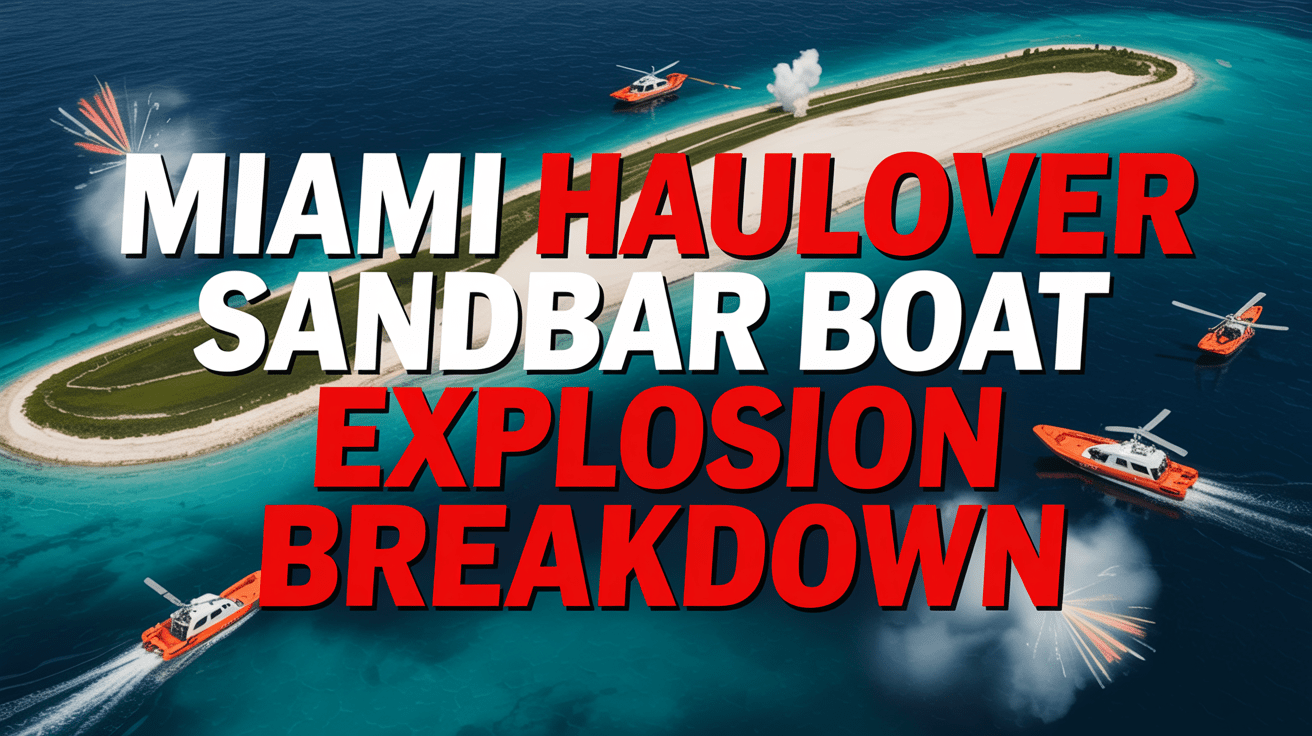
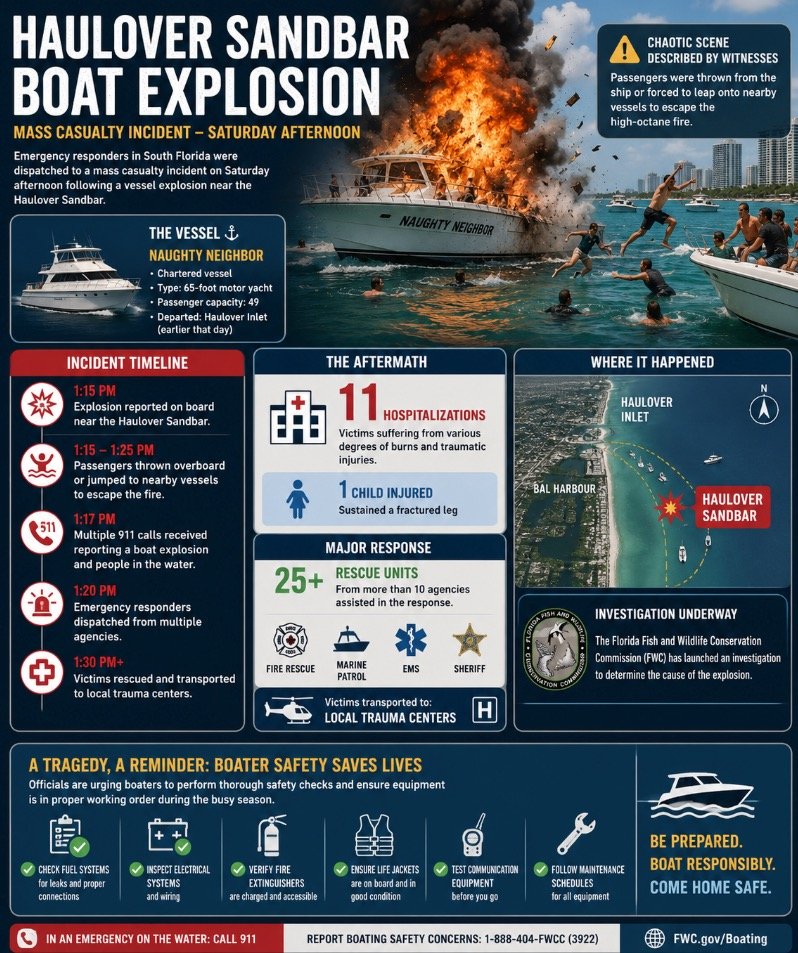
If you were following the Miami boat explosion, the confirmed facts show a sudden blast in shallow water near the Haulover Beach marina. Officials said the vessel was a charter boat, and emergency crews from Miami-Dade Fire Rescue, the Florida Fish and Wildlife Conservation Commission, and the U.S. Coast Guard responded. Authorities classified the event as a Level 2 mass casualty incident after 11 people were taken to hospitals. Reported injuries included burns and fractures, with at least one child among the patients. For anyone concerned about passenger injuries in charter boat situations, this incident underscores how quickly a recreational outing can become a serious public safety issue. Investigators haven’t yet determined the cause of the explosion.
Inside the Chaos: How a Day on the Water Turned Into a Mass Casualty Emergency
Although the explosion lasted only moments, the response that followed revealed how quickly a routine day on the water can become a mass casualty emergency. If you were nearby, you would have seen people thrown into the water, others suffering visible burns, and nearby boaters stepping in before full rescue teams could reach them.


In this haulover sandbar accident, the chaos did not end with the blast. Victims had to be moved from boat to boat, then toward a dock, while responders coordinated care across open water. More than 25 units from multiple agencies converged within minutes, showing how seriously officials treated the scene. You can understand why this became a Level 2 emergency: 11 people needed hospital care at once, including treatment for boat fire and explosion injuries such as burns and fractures. When an event overwhelms normal rescue capacity, everyone nearby becomes part of a larger emergency community, relying on collective fast action, coordination, and calm under pressure.
Common Causes of Boat Explosions in Florida’s Busy Waterways
When you examine boat explosions in Florida’s crowded waterways, you’ll find that fuel vapor ignition often stands at the center of the danger. You should also consider electrical system failures, engine problems, and poor maintenance, because each can create the kind of spark or heat that turns a routine outing into a fire. Improper refueling practices can make those risks even worse, which is why you can’t separate operator habits from vessel safety.
Fuel Vapor Ignition
Fuel vapor ignition remains one of the most common and dangerous causes of boat explosions in Florida’s crowded waterways, particularly on gasoline-powered vessels operating in hot weather and tight recreational areas. When fuel vapors collect in an enclosed engine compartment, one spark or open flame can trigger a violent blast within seconds.


If you were hurt, you should know this risk often points to preventable failures. Poor ventilation, leaking fuel lines, overfilled tanks, and negligent boat maintenance can all allow vapors to build unnoticed. In busy gathering spots, that danger affects everyone around you, not just those on board. Evidence of these conditions may support a severe burn injury claim, especially if an owner, charter operator, or crew ignored routine inspections and basic safety measures that protect both passengers and the boating community.
Electrical System Failures
Electrical failures also warrant close attention because a damaged wire, a corroded battery connection, an overloaded circuit, or a faulty bilge blower can ignite gasoline vapors or start a fire on its own. When you’re aboard in Florida’s crowded waterways, even a small spark can endanger everyone around you within seconds.
You should know that investigators often examine the integrity of wiring, battery compartments, switch panels, and ventilation systems after a blast. If an owner ignored warning signs, skipped inspections, or operated with unsafe electrical components, those actions may indicate boating safety violations in Florida. Understanding that risk helps you protect yourself and your community on the water. If you suffered burns, fractures, or other losses after an explosion, a marine injury attorney in Florida can help you evaluate accountability and next steps with confidence.
Engine And Maintenance Issues
Consider engine trouble a major warning sign, because neglected maintenance can turn an ordinary day on the water into a fast-moving fire or explosion. If you notice stalling, overheating, fuel odors, hard starts, or unusual vibration, take those symptoms seriously and stop operating the vessel until repairs are completed.
In Florida’s crowded waterways, worn fuel lines, leaking seals, corroded parts, and poor engine compartment ventilation can allow vapors to build and ignite. You have a right to share the water with operators who inspect engines, follow service schedules, and correct defects before passengers step aboard. When those duties are ignored, a charter boat explosion injury may follow, leaving victims with burns, fractures, and lasting trauma. A maritime accident investigation often examines maintenance records, repair history, inspections, and whether known mechanical problems were overlooked.
Improper Refueling Practices
Because vapors can ignite in seconds, improper refueling remains one of the most common and preventable causes of boat explosions in Florida’s busy waterways. When you refuel without shutting off engines, electrical systems, and open flames, fuel vapors can collect in enclosed spaces and ignite with devastating force.
You also face danger if you overfill tanks, spill gasoline into the bilge, or fail to ventilate before restarting. In crowded boating areas, one careless step can harm everyone around you, not just those on your vessel. If you suffered a traumatic injury after a boat explosion, those facts may show negligence. Proper fueling procedures matter because they protect your passengers, nearby boaters, and the community sharing the water with you. In some cases, those failures can support a vessel explosion lawsuit and strengthen your claim.
Who May Be Liable After a Charter Boat Explosion in Miami?
After a charter boat explosion in Miami, you may have claims against several parties, including the charter operator, the vessel owner, and any company responsible for maintenance or fuel systems. You’ll need to examine whether the charter operator failed to inspect the boat, follow safety rules, train the crew, or address known hazards before taking passengers out on the water. If that negligence contributed to the explosion, you may be able to hold the responsible parties financially liable for your injuries and losses.
Potentially Liable Parties
When a charter boat explosion injures passengers, liability may extend well beyond the person operating the vessel at the time of the blast. You may have claims against the charter company, the boat owner, a maintenance contractor, a fuel system inspector, or a parts manufacturer whose defective component caused or worsened the fire.
If a marina, dock operator, or fueling provider contributed to unsafe conditions, they may also share responsibility. In some cases, companies that marketed, managed, or leased the vessel can face liability if their decisions exposed you to preventable danger. Because several parties may carry separate insurance policies, identifying each one can affect the compensation you pursue after a boat explosion. A boating accident lawyer in Miami can help you understand where you belong in the legal process and what options may protect your recovery.
Charter Operator Negligence
Examine the charter operator closely, since that company often controls the decisions that most directly affect passenger safety. If you were hurt, you should ask whether the operator ignored fuel system issues, skipped inspections, overloaded the vessel, hired an unqualified crew, or failed to provide emergency equipment and safety briefings. Those choices can create the conditions for a catastrophic fire or explosion.
You have the right to know whether the company complied with charter rules, maintained proper insurance, and kept accurate maintenance records. When an operator puts profit ahead of safety, you and other passengers may suffer the consequences jointly. A Miami personal injury lawyer for boating accidents can help you obtain records, identify violations, and determine whether the charter business, its employees, or related contractors should be held legally responsible for your injuries and losses.
Burn Injuries, Broken Bones, and Trauma: The Lasting Impact of Marine Explosions
Severity defines the true danger of a marine explosion, because the damage rarely ends with the initial blast. You may suffer severe burns, shattered bones, head injuries, or deep lacerations within seconds. On the water, those injuries often worsen quickly because heat, fuel, impact, and delayed treatment combine in a chaotic setting. Even after rescue, recovery can involve surgeries, infection risks, skin grafts, rehabilitation, and long periods away from work and family.
You may also face lasting trauma that others can’t immediately see. Flashbacks, anxiety, sleep disruption, and fear around boats or open water can follow a violent explosion long after physical wounds begin to mend. If a child is injured, the emotional effects can shape daily life for the entire household. Your pain is real, and your experience merits serious attention. Understanding the full scope of these injuries helps you protect your health, document your losses, and move forward with support.
Could Negligence Have Played a Role in the Haulover Sandbar Blast?
Although investigators haven’t identified the cause of the Haulover Sandbar explosion, negligence could still become a central issue if the evidence shows that the vessel wasn’t properly maintained, fueled, inspected, or operated. When you board a charter vessel, you trust that basic safety rules have been followed and that everyone onboard is protected by responsible decisions.
Negligence may involve more than one party. You could be looking at failures by the vessel owner, charter operator, captain, maintenance personnel, or others responsible for seaworthiness and passenger safety. Fuel system problems, ignored warning signs, unsafe passenger loading, poor ventilation, or careless handling of flammable materials can all raise serious concerns. If a company places profits, speed, or convenience ahead of safety, that matters. Maritime operators owe you and every passenger a duty to act with reasonable care. When that duty is broken, and people are hurt, the law may provide a path toward accountability, answers, and a stronger sense of justice.
What Evidence Can Help Prove Liability After a Vessel Explosion?
Building a strong liability case after a vessel explosion starts with preserving the right evidence as early as possible. You may be able to show fault through maintenance logs, fuel system inspection records, charter agreements, crew training documents, and any prior repair history tied to the vessel.
Official reports from Miami-Dade Fire Rescue, FWC, and the Coast Guard can also help establish what happened and when.
- Photos and videos from the scene may reveal fire patterns, fuel leaks, safety equipment failures, or the positioning of passengers before the blast.
- Witness statements can support your account, especially if others observed mechanical issues, fuel odors, unsafe conduct, or a delayed emergency response.
- Ownership, registration, and charter records may clarify who controlled the vessel, who maintained it, and whether commercial rules applied.
When you gather and connect these details, you strengthen your ability to identify responsible parties and stand with others seeking clear answers and accountability alongside one another.
Injured in the Miami Haulover Sandbar Explosion? What You Need to Do Next (requested injury/contact angle)
Act promptly to protect both your well-being and your legal rights after the Haulover Sandbar explosion. Get a full medical evaluation immediately, even if your injuries seem minor, because burns, smoke exposure, and fractures can worsen after the initial shock fades. Follow every treatment recommendation, keep discharge papers, and save receipts, prescriptions, and photographs of visible injuries.
You should also preserve what you remember. Write down where you were, what you heard, who helped you, and how you reached shore or medical care. Keep contact information for witnesses, other passengers, and anyone who took photos or video. Avoid posting detailed statements online before you understand the facts.
If you’re overwhelmed, you don’t have to handle this alone. Reach out to a qualified maritime or injury attorney as soon as possible so your questions can be answered and crucial information can be preserved. Early guidance helps you stay organized, informed, and supported.
How Victims of Boat Explosions May Pursue Compensation for Medical Bills and Trauma
If you were hurt in a boat explosion, you may be able to seek compensation for your medical bills, rehabilitation costs, and other treatment expenses. You’ll also need to show how negligence, unsafe operation, poor maintenance, or defective equipment may have caused the blast and your injuries. Beyond financial losses, you can pursue damages for pain, emotional trauma, and the lasting effects the incident has had on your daily life.
Medical Expense Recovery
After a boat explosion, medical costs can escalate quickly, and victims may have the right to pursue compensation for emergency transport, hospitalization, burn treatment, surgery, rehabilitation, and follow-up care. You may also seek recovery for prescription costs, diagnostic testing, mobility aids, and future treatment linked to lasting injuries or trauma.
Care after a blast often extends well beyond the first hospital stay.
- Keep every bill, discharge summary, prescription receipt, and therapy record.
- Ask your doctors to document pain, limitations, emotional distress, and expected future care.
- Include counseling and psychological treatment, because trauma merits recognition, too.
When you pursue medical expense recovery, you aren’t asking for special treatment. You’re seeking the support you need to recover fully, maintain stability, and move forward with dignity alongside those who care about your recovery.
Proving Liability Claims
Establishing liability in a boat explosion claim requires more than showing that you were injured; you must connect your medical bills, pain, and emotional trauma to specific negligent acts or safety failures. You may need maintenance records, charter documents, inspection reports, witness statements, and expert analysis showing how the explosion occurred.
Your claim becomes stronger when you identify who owed you a duty of care and how that duty was breached. Depending on the facts, liability may rest with the boat owner, charter operator, captain, maintenance company, or another responsible party. You should preserve photos, videos, hospital records, and witness names while investigators examine the vessel. By building clear evidence, you help show that your losses did not occur in isolation and that you merit accountability, support, and fair financial recovery under the law.
Trauma And Pain Damages
Recovery often involves more than emergency treatment, because a boat explosion can leave you with extensive medical bills, lasting physical pain, emotional distress, and significant disruption to daily life. You may seek compensation for hospital care, surgeries, rehabilitation, medications, future treatment, and the pain that continues after discharge. If trauma affects your sleep, work, relationships, or sense of safety, those losses may also matter in a personal injury claim.
- You can document burns, fractures, therapy, and recurring pain through records, photos, and physician opinions.
- You may recover damages for anxiety, nightmares, PTSD symptoms, and reduced enjoyment of daily activities.
- You strengthen your claim when you keep receipts, follow treatment plans, and describe how the explosion changed your routine.
You don’t have to face the financial and emotional aftermath alone.
Why Contact Anidjar & Levine After a Serious Marine Explosion Injury?
Seek legal guidance promptly if you suffered burns, fractures, or other serious harm in a marine explosion near Haulover Sandbar, because your ability to protect a claim often depends on early action. When you contact Anidjar & Levine, you gain a team that understands how quickly evidence can disappear after a vessel fire, emergency evacuation, or charter boat disaster.
You merit advocates who make you feel supported, informed, and included throughout the legal process. Your attorneys can investigate maintenance failures, fuel system defects, operator negligence, and charter company practices while preserving records, witness statements, and agency findings. They can also calculate the full cost of your injuries, including hospitalization, rehabilitation, lost income, future treatment, and pain-related losses. If insurers try to minimize what you endured, your legal team can push back with facts and urgency. By reaching out early, you put yourself in a stronger position and join a firm committed to protecting your recovery and your future.
Frequently Asked Questions
How Long Do Marine Explosion Investigations Usually Take in Florida?
In Florida, marine explosion investigations usually take several weeks to several months, and intricate cases can take longer. You should expect delays when agencies need forensic testing, witness interviews, vessel inspections, and coordination between state and federal responders. If injuries are serious or liability is disputed, the timeline often extends. You can usually obtain preliminary facts early, but you may wait months before investigators release final findings or enforcement decisions publicly.
Can Injured Tourists Seek Compensation if They Live Out of State?
Yes, you can seek compensation even if you live out of state. Your residence usually doesn’t prevent you from pursuing a claim when the boating explosion happened in Florida. You may recover damages for medical bills, lost income, travel costs, and pain and suffering. You should preserve records, follow medical advice, and speak with a maritime or personal injury attorney promptly, because jurisdiction, deadlines, and insurance issues can affect your rights.
What Should Families Bring When Visiting Hospitalized Explosion Victims?
Bring identification, insurance details, a phone charger, necessary medications, comfortable clothing, and a written list of the patient’s doctors, allergies, and current prescriptions. You should also carry contact information for close relatives, plus any legal documents, such as healthcare directives, if available. Before you go, confirm hospital visiting rules and ask what the patient needs most. Your calm presence, organized information, and practical support can help your family feel more restored.
Are Counseling Services Available for Children Traumatized by the Blast?
Yes, you can usually access counseling services for children traumatized by the blast through the treating hospital, pediatric trauma programs, victim assistance offices, or your child’s pediatrician. Ask for a referral to a licensed child psychologist, trauma counselor, or crisis interventionist as soon as possible. If your child shows nightmares, withdrawal, fear, or panic, seek prompt evaluation. You don’t have to manage this alone, and early support often improves recovery.
Will Health Insurance Cover Emergency Helicopter or Boat Evacuation Costs?
Your health insurance may cover emergency helicopter or boat evacuation costs, but it depends on medical necessity, your policy terms, and whether the transport provider is in-network. You should request the transport records, explanation of benefits, and all itemized bills immediately. If your insurer denies payment, you can appeal. You may also have protections against surprise billing, though maritime and air transport rules can differ markedly.
—————————
After a catastrophic boat explosion, you need reliable guidance and prompt action. Your health comes first, but protecting your legal rights also matters, as evidence can disappear quickly and liability may involve several parties. By documenting your injuries, preserving records, and seeking experienced legal counsel, you can better understand your options.
The Miami Boat Accident Lawyer team at Law Offices of Anidjar and Levine can help you evaluate potential claims, pursue compensation, and take informed steps toward recuperation after a serious marine injury in Miami.