

The Law Offices of Anidjar and Levine can help you understand your options after a rideshare crash on or near campus. A university personal injury lawyer can review trip records, police reports, witness accounts, medical documentation, and insurance coverage to assess potential responsibility and support a claim for documented losses. Seek medical care promptly, report the incident, and preserve relevant evidence. Learn more about a University Personal Injury Lawyer, common causes of accidents, possible legal issues, and how to evaluate legal representation.
Main Takeaways
- A university rideshare accident lawyer can assess potential claims involving the driver, rideshare company, university, or another responsible party.
- Liability depends on the facts, including driver conduct, campus conditions, pickup practices, and any organizational safety failures.
- Preserve trip records, messages, photos, witness details, medical records, and police or campus reports.
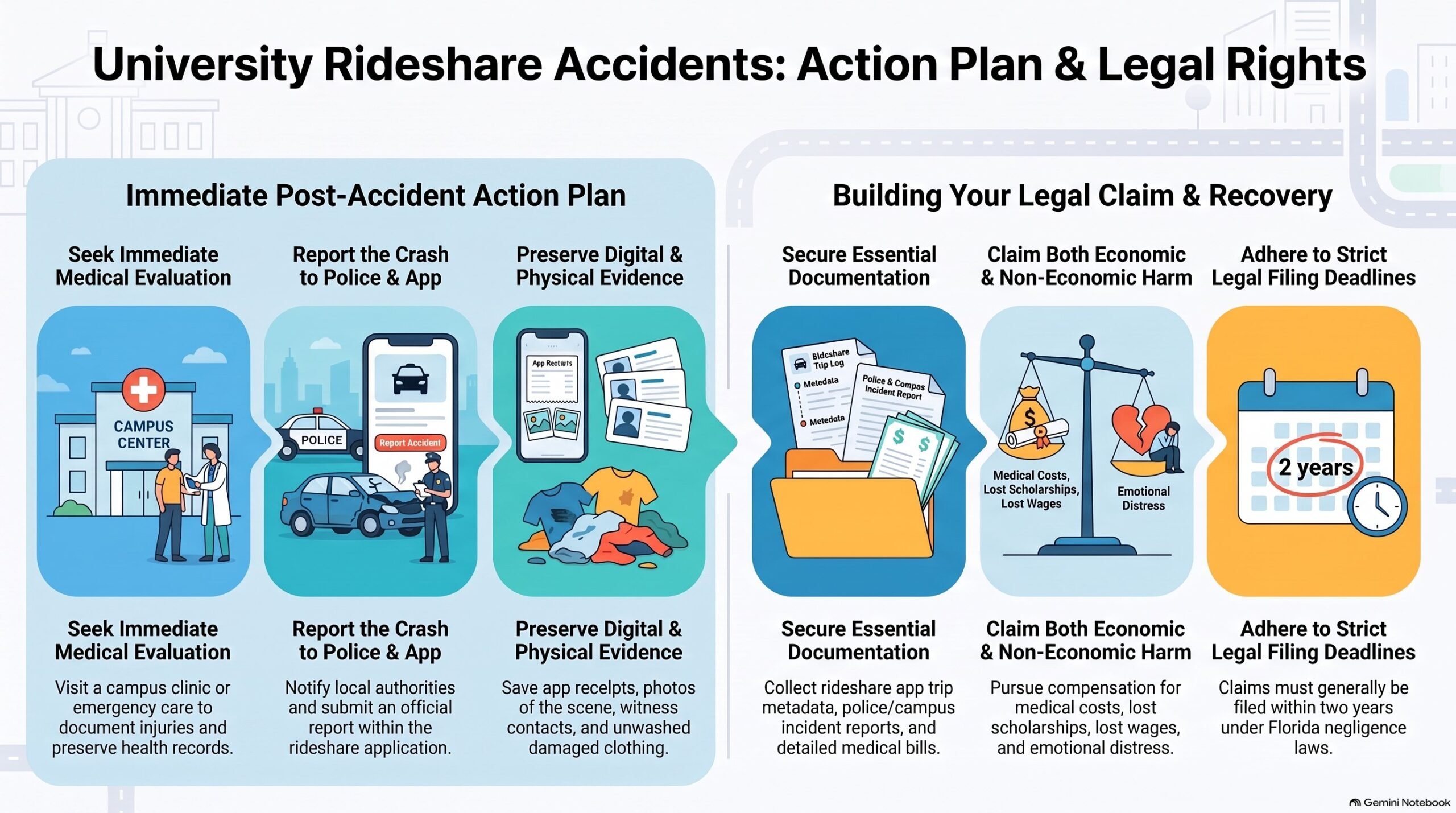
- Seek prompt medical care, report the crash to police and the rideshare company, and keep a timeline of symptoms and expenses.
- A lawyer can review insurance coverage, evidence, deadlines, and options for pursuing compensation.


How We Can Help With Your University Rideshare Accident Injury Claim
After a rideshare accident near a university, we can help you understand your legal options and pursue compensation for your injuries. We’ll listen carefully, explain each step, and help you make informed decisions while you focus on recovery and your responsibilities to others.
Our team can gather relevant records, communicate with insurers, and organize evidence related to your losses. We’ll assess available coverage, identify who may be responsible, and present your claim clearly, supported by appropriate documentation. You won’t need to handle these demands alone.
We also examine whether Campus safety planning or University transportation policies may provide useful context for understanding the circumstances surrounding the incident. When appropriate, we can seek records that clarify how campus transportation services operate and whether established procedures were followed.
Throughout the process, we’ll keep you informed, answer your questions, and discuss practical options for resolving your claim. Our goal is to protect your interests and help you pursue a fair outcome with care and professionalism.
OUR CONSULTATIONSARE FREE
START YOUR FREE CASE REVIEW

Understanding University Rideshare Accident Injury Cases
University rideshare accident cases can involve more than a collision between a driver and passenger. They may raise questions about injuries, insurance coverage, and the responsibilities of the people or organizations involved. We can help you understand how these issues relate to your claim and what information may support your account.
A case may include medical records, photographs, witness statements, and details about the ride. We’ll help you organize relevant evidence and explain how an injury has affected your health, education, work, or daily activities. Prompt medical care can also document your condition and guide your recovery.
Campus safety and student transportation are shared concerns for universities, students, families, and rideshare providers. When an incident disrupts a student’s ability to attend class or participate in campus life, we can help clarify available legal options. Each claim depends on its specific facts, so we’ll assess the circumstances carefully, communicate with you clearly, and work to protect your interests as the case proceeds.
Common Causes of University Rideshare Accidents
We often see university rideshare accidents caused by distracted driving, campus traffic congestion, and speeding near campus. Unsafe pickup locations can also expose passengers and pedestrians to preventable risks. Understanding these causes helps us identify how a collision may have occurred and who may be responsible.
Distracted Driving
When a rideshare driver takes their eyes or attention off the road, even briefly, a collision can occur. Drivers may glance at a phone notification, read a passenger’s message, or adjust a dashboard display while transporting students and other community members. Even hands-free calls can divide attention and delay a driver’s response to changing conditions. We understand rideshare drivers often work under pressure to communicate promptly, but safe driving must remain their priority. A driver who checks an app or enters a destination while moving may fail to notice a nearby pedestrian, cyclist, or vehicle. If you’ve been injured in a rideshare crash, we can help you examine whether distraction contributed to the collision. Identifying what happened can support accountability and help protect others who rely on rideshare services.
Campus Traffic Congestion
Heavy campus traffic can leave rideshare drivers with little room to maneuver, increasing the risk of collisions near pickup zones, crosswalks, and crowded intersections. When you’re traveling through campus, frequent stops, delivery vehicles, and limited curb space can disrupt traffic and create sudden conflicts. Campus bottleneck patterns often form near residence halls, dining areas, and event venues, where drivers, buses, cyclists, and pedestrians compete for access. These conditions can make it harder for a driver to see someone entering a crosswalk or to respond safely when vehicles queue around a pickup point. Pedestrian flow conflicts may also arise when passengers cross between cars to reach a rideshare vehicle. We can help you understand how congestion contributed to a crash, preserve relevant evidence, and pursue accountability while supporting safer campus travel for everyone.
Speeding Near Campus
Why do some rideshare crashes happen near university campuses? Drivers may speed to keep schedules, respond to app prompts, or reach a passenger quickly. Yet busy campus roads demand patience and careful judgment. Campus speed limits reflect nearby classrooms, crosswalks, and the unpredictable movement of students, staff, and visitors. When drivers exceed those limits, they have less time to react and need more distance to stop, increasing the risk of serious injuries.
We can help protect people by recognizing how pedestrian visibility changes throughout the day. Poor lighting, weather, parked vehicles, and crowded walkways can make pedestrians harder to see. Rideshare drivers should reduce speed, scan the road, and yield when needed, even when running late. If a speeding driver injures you or someone you care about, we can help you understand your legal options.
Unsafe Pickup Locations
Unsafe pickup locations can expose university rideshare passengers and pedestrians to preventable hazards. When drivers stop in travel lanes, near crosswalks, or outside designated areas, passengers may step into traffic, while approaching motorists have little time to react. Poorly lit curbs can make it harder for drivers to see waiting students and for passengers to identify approaching vehicles. Blocked loading zones may force rideshare vehicles to stop in unsafe places or require passengers to walk farther through busy areas. We can help protect one another by choosing approved pickup points, sharing precise location details, and waiting away from traffic. Universities and rideshare companies should maintain clear signs and accessible zones. If a collision occurs, we can document the location, report hazards, and seek guidance about available legal options.
Don’t Wait. Call Our Florida Personal Injury Lawyers Now!


Legal Rights of University Rideshare Accident Injury Victims
When a university rideshare accident causes an injury, victims may have the right to seek compensation from the driver, the rideshare company, or another responsible party. We can help you understand available claims and protect your interests while you focus on recovery and the people who depend on you.
Depending on the facts, you may pursue payment for medical care, lost income, pain, and other documented losses. We can also assess whether the university or another entity had relevant responsibilities. Student privacy rights matter during any investigation; records should be handled lawfully and shared only as permitted. Campus accessibility duties may also affect how an injured person receives support and accesses services.
Your rights merit careful attention:
- You can seek prompt medical evaluation and keep treatment records.
- You can preserve trip details, messages, and receipts.
- You can decline to give a recorded statement before getting advice.
- You can ask who controls relevant insurance coverage.
- You can seek guidance without abandoning your commitment to others.
We’ll review your options and explain practical next steps.
Why Do University Rideshare Accidents Happen?
Understanding how these crashes occur can help us identify who may be responsible and what evidence matters. University rideshare accidents often happen amid crowded campus traffic, where drivers must maneuver around pedestrians, cyclists, buses, and other vehicles. A driver may become distracted by a phone, navigation app, or passenger, or may stop suddenly to pick someone up in an unsafe location. Speeding, fatigue, impaired driving, and failure to yield can also contribute to collisions.
Campus conditions may increase these risks. Poor lighting can reduce Pedestrian visibility, while obstructed sightlines, busy crossings, and inadequate signage may make it harder for drivers to recognize hazards in time. Cyclists face added danger when rideshare vehicles turn across bike lanes, open doors into their path, or stop where bicycle routes are unclear. Strong bicycle safety measures and careful driving help protect everyone sharing campus roads. By understanding these contributing factors, we can better assess how a crash occurred and whose conduct may have played a role.
What Should You Do After a University Rideshare Accident Injury?
After a university rideshare accident, seek medical care promptly, even if your injuries seem minor. Report the crash to the appropriate authorities and notify the rideshare company. We should also preserve evidence, including photos, witness details, and trip records, to support any future claim.
Get Medical Care
Seek medical care promptly after a university rideshare accident, even if your injuries seem minor or symptoms haven’t appeared yet. We can’t always recognize concussions, soft-tissue injuries, or internal injuries immediately, so a qualified professional should assess your condition. If you’re unsure where to go, check Campus Clinic access for available services and hours. When the campus clinic is closed or cannot address your needs, consider nearby urgent care options. Call emergency services for severe pain, difficulty breathing, heavy bleeding, loss of consciousness, or other urgent symptoms. Follow the clinician’s treatment instructions, attend recommended follow-up appointments, and keep copies of visit summaries, test results, and bills. These records can help us understand your recovery and provide accurate information if you later seek support. Prioritize your health so you can return safely to your responsibilities.
Report the Accident
Once you’ve addressed immediate medical needs, report the university rideshare accident promptly to local law enforcement and the rideshare company. If anyone faces danger or needs urgent help, call emergency services. Otherwise, contact the appropriate police department and ask how to file an incident report. Notify Authorities with accurate details, including the location, time, vehicles involved, and any known injuries. Give the rideshare company a clear account through its app or support channel, and request confirmation that it received your report. Document Scene conditions by noting relevant facts while they’re fresh, such as where the collision occurred and whether traffic or weather affected visibility. Share information calmly and respectfully, especially when others may need assistance. Don’t speculate about fault; provide truthful observations and follow instructions from responders and the company.
Preserve Evidence
Because important details can fade or disappear quickly, preserve evidence as soon as it’s safe to do so. Photograph your injuries, the vehicles, license plates, road conditions, and any visible hazards. Ask witnesses for their names and contact information, and note what they observed while their memories remain clear. Save rideshare receipts, trip details, messages, and notifications from the app. Evidence preservation also includes keeping damaged clothing and personal items in their current condition; don’t repair or discard them before documenting the damage. Make digital backups of photographs, videos, and records, and store copies somewhere secure. We can help protect others by sharing accurate information with investigators and avoiding speculation. Keep a written timeline of events, medical visits, and related expenses. These records may help clarify responsibility and support a fair claim.
Critical Evidence in a University Rideshare Accident Injury Case
The evidence we preserve can help establish what happened and protect your right to seek fair compensation.
We’ll review records that may otherwise be lost or overlooked, including:
- Rideshare app records showing the trip, driver, and timing
- Police reports documenting the collision
- Campus reports that may record the incident or hazards
- Medical records linking your injuries to the crash
- Witness accounts and video that may capture what happened
Together, these details can help us build a clear, credible account of your injuries and their impact.
Rideshare App Records
How can we determine what happened during a university rideshare trip? We can review the records the rideshare app creates, which may show when a driver accepted the request, where the trip began and ended, and whether the route changed. These details can help us build a clearer timeline and identify information that may support your injury claim.
We should act promptly because App data retention policies vary, and some records may not remain available indefinitely. Trip metadata, such as timestamps, location points, and driver or vehicle identifiers, can help connect events to the correct trip. We can request relevant records through appropriate channels and preserve screenshots, receipts, and trip notifications you still have. By carefully comparing these materials, we can assess what evidence exists and determine what additional information we may need to advocate for you.
Police and Campus Reports
App records can help establish a trip’s timeline, while police and campus reports may document what happened after a university rideshare accident. We can review these records to identify witnesses, note road or campus conditions, and understand how officials responded. A police report may include statements, diagrams, and observations, but it doesn’t automatically prove fault. Campus security reports can add details about incident locations, access points, or available surveillance footage. We can guide you through a Records request to the relevant police department or university office, following applicable privacy and disclosure rules. Compare each account carefully, because report discrepancies may reveal missing information or differing recollections. We can help preserve and assess these materials so your claim presents a clear, supported account of the event and serves everyone affected.
Medical Documentation
Because injuries may not become apparent until hours or days after a crash, prompt medical care can protect your health and create a timely record of your condition. We encourage you to describe every symptom, even if it seems minor, and explain when it began. Follow your clinician’s treatment plan and attend recommended appointments; gaps in care may make it harder to show how the crash affected you. Keep copies of visit summaries, test results, prescriptions, referrals, and bills. Confirm that records identify the correct date, provider, and injury details. If you notice an error, request Record Corrections through the provider’s formal process rather than changing documents yourself. We can also review Provider Credentials and organize your records to clarify the connection between the collision, your treatment, and your recovery while supporting your well-being.
Witness and Video Evidence
Alongside medical records, witness accounts and video footage can help establish how a university rideshare crash occurred and who may be responsible. We can identify passengers, drivers, campus employees, and nearby pedestrians who saw the collision or its aftermath. Their timely statements may clarify vehicle movements, traffic signals, road conditions, and whether anyone offered assistance. Witness credibility matters, so we should record each person’s contact information and preserve their account before memories fade.
We can also seek footage from campus security systems, nearby businesses, dashcams, or phones. Video authentication helps show that a recording is genuine, complete, and accurately dated. We should preserve original files and document who collected them, avoiding edits that could raise questions about reliability. In combination, dependable testimony and properly preserved video can support a fair assessment and help protect everyone affected.
Long-Term Effects of University Rideshare Accident Injuries
University rideshare injuries can cause chronic pain and limit your mobility long after the crash. We’ll also consider emotional and psychological effects that may disrupt your studies, relationships, and daily life. Ongoing treatment can create substantial medical costs, so we’ll explain why future care matters when evaluating your claim.
Chronic Pain And Mobility
When a university rideshare crash causes serious injuries, the effects may continue long after initial treatment ends. Persistent pain can limit walking, standing, lifting, or sitting through classes and work. We can help you understand how these restrictions affect daily responsibilities, including caring for others and participating in campus life. Effective Pain management may involve follow-up care, medication, physical therapy, or other clinician-recommended treatment. A documented care plan can also help show how an injury continues to affect your function and expenses.
Some people need mobility aids, such as crutches, braces, or wheelchairs, while they recover or manage lasting limitations. We can encourage you to follow medical guidance, keep records of symptoms and treatment, and seek accommodations when needed. These steps support your health and help clarify the long-term impact of the crash.
Emotional And Psychological Effects
Even after physical injuries begin to recover, a university rideshare crash can leave lasting emotional effects. You may experience anxiety, low mood, disrupted sleep, or fear when entering a vehicle, especially if the collision occurred during a routine campus trip. These reactions can make returning to classes and daily responsibilities more difficult.
Emotional distress may also affect Academic performance. Trouble concentrating, missed lectures, and reduced confidence can interfere with coursework and future plans. When you withdraw from friends, campus groups, or community service, social isolation may deepen the strain. We encourage you to take these changes seriously and seek support from trusted people, campus counseling services, or a qualified mental health professional. With appropriate care and understanding, you can rebuild a sense of safety, reconnect with others, and continue pursuing the goals that matter to you.
Ongoing Medical Care Costs
Emotional recovery may take time, and lasting physical injuries can also create substantial medical expenses. After a university rideshare crash, you may need follow-up appointments, medication, rehabilitation, assistive devices, or future procedures. These costs can continue long after initial treatment ends, especially when injuries limit mobility or require ongoing supervision.
We can help you understand how documented care relates to your claim and future needs. Care Coordination among physicians, therapists, and other providers can clarify treatment plans and reduce gaps in support. Treatment Forecasting can help estimate likely expenses, including anticipated therapy, expert visits, and necessary equipment. Keep bills, prescriptions, appointment records, and provider recommendations organized. Clear documentation can help us present the full financial impact of your injuries, while allowing you to focus on recovery and serving your community when possible.
Don’t Wait. Call Our Florida Personal Injury Lawyers Now!
Proving Liability in University Rideshare Accident Injury Cases
Proving liability in a university rideshare accident requires identifying who caused the crash and supporting that conclusion with reliable evidence. We can help you examine the circumstances carefully, so responsible parties are held accountable and injured people receive fair treatment.
Driver negligence may include speeding, distraction, unsafe turns, or failure to yield. We can review police reports, witness accounts, photographs, and available trip records to determine whether a driver’s conduct contributed to the collision. Promptly preserving evidence can clarify what happened and protect important details.
Promptly preserving reports, witness accounts, photographs, and trip records can help clarify how driver negligence contributed to a collision.
Responsibility may extend beyond the driver. Institutional liability could arise if a university, rideshare company, or another organization contributed through unsafe policies, inadequate oversight, or negligent maintenance. We assess each party’s role without assuming that an institution is automatically responsible.
Medical records and expert opinions can connect the crash to your injuries and explain their effects. By building a clear, evidence-based account, we can support your pursuit of accountability while respecting the needs of everyone affected.
Dealing With Insurance Companies After a University Rideshare Accident Injury
After identifying the parties who may be responsible for a university rideshare accident, we can help you handle communications with their insurance companies. We’ll explain how to protect your interests while seeking fair consideration of your injuries and losses.
Insurer communication boundaries matter. You can direct adjusters to speak with us, avoid recorded statements before receiving legal guidance, and decline requests for broad medical authorizations. Keep copies of letters, emails, and claim documents, and share accurate information without guessing about details. We’ll help you respond carefully, meet reasonable requests, and protect your privacy.
Insurers may dispute responsibility, question treatment, or interpret policy terms narrowly. We’ll review the available coverage, examine the reasons for any decision, and explain your options in clear terms. If an insurer denies coverage, we can assess whether the policy language and facts support an appeal of the denial. Our role is to advocate for you with care and diligence, so you can focus on your recovery and responsibilities to your family, campus, and community.
What to Expect During a University Rideshare Accident Injury Claim Process
We’ll begin with an initial case review to assess your injuries, potential liability, and available legal options. Next, we’ll gather evidence and negotiate with the responsible parties or insurers on your behalf. We’ll explain how the claim may be resolved and what compensation could be available.
Initial Case Review
During an initial case review, we examine how the university rideshare crash occurred, the injuries you sustained, and the evidence available to support your claim. We’ll listen carefully to your account and clarify your immediate concerns, including how the incident has affected your health, education, work, and ability to serve others. This Confidential Consultation gives you a private setting to discuss what happened and ask questions without pressure to proceed. We’ll assess Case Eligibility by considering the circumstances of the trip, the parties who may bear responsibility, and the losses connected to your injuries. We’ll also explain potential next steps, relevant deadlines, and possible challenges in clear terms. Our goal is to help you understand your options and make an informed decision about pursuing a claim while you focus on recovery.
Evidence Collection
As your university rideshare injury claim moves forward, we gather and preserve evidence to clarify how the crash occurred and who may be responsible. We may collect photographs of the scene, vehicle damage, and visible injuries, along with witness names and contact details. We’ll also seek relevant rideshare records, such as trip information and communications, and obtain available police reports and medical documentation. If you can, keep receipts, messages, and your own account of events; these details may help us understand the impact on your studies and daily responsibilities. We arrange secure Evidence storage and maintain chain documentation showing how materials were obtained, handled, and preserved. This careful process supports an accurate review and helps protect the integrity of the information as we assess your claim and identify next steps.
Claim Negotiations
Once we comprehend your injuries, treatment needs, and available evidence, we can begin negotiating with the insurers and other responsible parties. We’ll identify each party’s role, including the rideshare driver, company, or another motorist, and explain how the evidence supports your claim. We’ll prepare a Demand Letter that outlines the facts, documents your losses, and states the basis for seeking accountability. Insurers may question fault, treatment, or the connection between the crash and your injuries. We’ll assess their responses, address gaps with reliable records, and keep you informed before any decision. If discussions stall, we can consider a Mediation Strategy that encourages structured, respectful communication. Throughout negotiations, we’ll protect your interests while recognizing the demands on your time, health, and responsibilities to others.
Resolution And Compensation
When negotiations produce an acceptable agreement, we’ll review the proposed terms with you and explain how the settlement would address your documented losses. We’ll confirm that the release accurately reflects the claims being resolved and discuss any obligations before you sign. Settlement timelines vary depending on insurer review, required documentation, and whether liens or other repayment claims must be addressed. We’ll keep you informed about each step and follow up when delays require attention.
After the settlement funds arrive, we’ll explain how compensation is distributed, including payment of approved case expenses and valid medical liens, before you receive the remaining balance. We’ll provide a clear accounting so you can understand how funds are allocated. Our guidance helps you make informed decisions while protecting the resources you may need for recovery, education, and continued service to your university community.
Compensation for University Rideshare Accident Injury Damages
A university rideshare accident may leave you facing medical bills, lost income, and lasting effects on your daily life. We can help you identify the injury-related losses that warrant careful documentation and consideration. Keep records of hospital visits, prescriptions, rehabilitation, and follow-up care, along with receipts for transportation and other necessary services. If your injuries require adaptive equipment, such as mobility aids or modified devices, document the costs and explain how they support your recovery or independence.
An injury can also interrupt your education and plans to serve your community. If missed classes or reduced enrollment affect financial aid, document any Lost scholarships and related school communications. Keep evidence of work you couldn’t perform and duties you can no longer manage. We’ll review these records with you and assess how the accident has affected your health, education, and ability to contribute. Clear documentation helps us present your circumstances accurately and pursue compensation that reflects the practical consequences of your injuries.
Economic vs Non-Economic Damages in University Rideshare Accident Cases
When we assess a university rideshare accident claim, we distinguish economic losses, such as medical bills and lost income, from non-economic harm, including pain and reduced quality of life. We’ll explain how each category reflects a different impact of the accident. Strong evidence helps us establish the extent and value of these damages.
Economic Losses
What financial losses can follow a university rideshare accident? We can help you identify the measurable costs that an injury creates, both immediately and over time. These may include emergency care, hospital stays, medication, rehabilitation, medical equipment, and transportation to appointments. Keep bills, receipts, insurance statements, and care records so we can document each expense.
An injury may also interrupt your education or work. You may lose scholarships if missed classes, exams, or required activities affect eligibility. If you can’t work during recovery, reduced earnings may include missed wages, lost work opportunities, or diminished future earning capacity. We can review pay records, school policies, and reliable projections to support these claims. By organizing this evidence, we can present a clear account of your financial losses and pursue compensation that helps protect your education, livelihood, and ability to serve your community.
Non-Economic Harm
Beyond measurable expenses, a university rideshare accident can cause significant non-economic harm, including physical pain, emotional distress, and loss of enjoyment in daily life. These effects can disrupt your studies, limit your ability to participate in campus activities, and make ordinary routines difficult. You may experience anxiety when traveling, sleep problems, or frustration as you adjust to lasting injuries. Loss of Enjoyment can also affect hobbies, friendships, and the service work that gives your life purpose. When pain or emotional strain changes how you interact with others, Strained Relationships may develop with family, friends, or classmates. Unlike medical bills or lost income, these harms don’t have a simple price tag. We can help you understand how non-economic damages differ from economic losses and why both may matter to your recovery.
Proving Damages
To prove damages after a university rideshare accident, we must connect your injuries to the crash and support each claimed loss with reliable evidence. We can document economic damages with medical bills, receipts, pay records, and expert assessments. These records may establish treatment costs, lost wages, reduced Future earnings, and the value of household services you can no longer provide. Keep copies of invoices and note how your injuries affect work, caregiving, and daily responsibilities.
Non-economic damages address losses without a precise price, including pain, emotional distress, and reduced enjoyment of life. We can support these claims through treatment notes, personal journals, and statements from people who know you. By presenting clear evidence of both financial costs and personal harm, we help show how the collision has affected your life and your ability to serve others.
When a University Rideshare Accident Injury Case Goes to Trial vs. Settlement
When a university rideshare accident causes serious injuries, we must decide whether settlement or trial offers the stronger path to fair compensation. We’ll compare any offer with the documented harm, future care needs, and the risks of continued litigation. Settlement can provide a more predictable resolution and spare you the strain of a public hearing, but we shouldn’t accept less than the evidence supports.
If the parties can’t reach a fair agreement, trial may give you the opportunity to present your account to a jury. Jury decision factors may include witness credibility, consistency of medical records, and how clearly the evidence connects the crash to your injuries. No verdict is guaranteed.
Our Trial preparation strategy includes organizing records, preparing witnesses, and developing a clear presentation of the evidence. We’ll also assess the strengths and weaknesses of each side’s case, so you can make an informed choice. Throughout the process, we’ll keep your goals and responsibilities to others in view.
Florida Laws That May Affect Your University Rideshare Accidents Case
Florida law can shape who bears responsibility for a university rideshare crash and how much compensation an injured person may recover.
We can help you understand rules that protect injured passengers, drivers, pedestrians, and others who serve the campus community.
- Florida no-fault rules generally require injured people to seek initial medical benefits through their own personal injury protection coverage, subject to legal limits.
- Serious injuries may allow a person to pursue compensation from an at-fault driver beyond those benefits.
- The comparative negligence standard can reduce a recovery when an injured person shares responsibility, but it doesn’t automatically bar a claim.
- Rideshare insurance coverage may depend on the driver’s app status and whether a ride was accepted or underway.
- Evidence about driver conduct, vehicle ownership, and insurance can help clarify who should answer for the harm.
We can review how these laws apply to your circumstances and identify potential sources of recovery. Understanding your options can help you focus on recovering and supporting those who depend on you.
Don’t Wait. Call Our Florida Personal Injury Lawyers Now!
The Statute of Limitations for University Rideshare Accident Injury Cases
Florida’s filing deadlines can affect whether you may pursue compensation after a university rideshare accident. In Florida, you generally have two years from the date of an injury to file a negligence lawsuit. This Filing Deadline may apply whether you were a passenger, another driver, a pedestrian, or a university community member injured in a rideshare collision. Missing it can prevent you from seeking damages in court, even when the evidence supports your account.
Some claims follow different rules. A case involving a government entity, such as a public university, may require formal notice within a much shorter period before a lawsuit can proceed. The deadline and notice requirements depend on the parties and circumstances, so we shouldn’t assume the standard period controls.
Tolling Exceptions may pause or alter a deadline in limited situations, including certain cases involving minors or defendants who cannot be located. Because exceptions are fact-specific, we should confirm the applicable dates promptly and preserve your right to seek accountability.
How a University Rideshare Accidents Lawyer Can Help You
After a university rideshare accident, we can help you investigate the collision, identify the responsible parties, and pursue compensation for your injuries. We’ll review reports, preserve relevant evidence, and explain how insurance coverage may apply.
Our work can include:
- Gathering driver, vehicle, and trip records to clarify what happened.
- Consulting qualified experts to connect your injuries to the collision.
- Evaluating medical costs, lost income, and the support you’ll need during recovery.
- Evaluating Campus liability when university conduct or property conditions contributed.
- Providing Student advocacy so your concerns remain central throughout negotiations.
We’ll communicate with insurers, challenge unfair denials, and present evidence supporting your claim. If several parties share responsibility, we can examine each role rather than assume the driver alone caused your harm. We also help you understand settlement terms and the practical consequences of accepting an offer. By handling legal demands with care, we aim to reduce added stress while you focus on treatment, family, and the community members who depend on you. Our guidance keeps decisions informed and your interests protected.
When to Contact a University Rideshare Accidents Lawyer
Contact a university rideshare accidents lawyer as soon as you can safely do so, especially if you’ve been injured, a driver disputes what happened, or an insurer asks you to provide a statement. Early guidance can help us protect your interests while you focus on recovery and the people who depend on you.
Reach out promptly if you’re unsure who was responsible, your injuries worsen, or the rideshare company questions whether the trip was active. We can help you understand what information to preserve, including trip details, messages, photographs, and medical records. Avoid signing releases or accepting a settlement before you understand its terms.
Timing matters because statute deadlines may limit how long you have to bring a claim. Evidence can also become harder to obtain over time. We’ll explain potential next steps and discuss attorney fees before you decide whether to proceed. Contacting us doesn’t require you to file a claim, but it can help you make an informed decision.
Why You Need an Experienced University Rideshare Accidents Lawyer
An experienced university rideshare accidents lawyer can help you identify who may be liable, preserve evidence, and address disputes over insurance coverage. We can investigate how the crash occurred, gather trip records, and secure witness statements before important details disappear. This work can clarify whether a driver, rideshare company, university, or another party contributed to your injuries.
Campus liability can involve questions about university involvement, such as whether staff arranged transportation or the school controlled a relevant location. We can review university policies and other records to assess whether the institution had responsibilities related to the incident. These issues may affect who must answer for harm and which insurance policies apply.
After an injury, you may also need time and support to continue serving your community. We can handle communications with insurers, explain your legal options, and pursue compensation for medical costs, lost income, and other documented losses. With informed guidance, you can focus on recovery while we protect your interests.
How to Choose the Right University Rideshare Accidents Lawyer for Your Case
Choosing the right university rideshare accidents lawyer can affect how effectively we investigate your claim and address insurance disputes. Look for counsel who understands rideshare policies, university-area crashes, and the evidence needed to establish fault. Ask how the lawyer will identify all potentially responsible parties, preserve app records, and communicate with insurers while you focus on your recovery and responsibilities.
Review Lawyer Credentials, including licensing, relevant experience, and a record of handling injury claims involving rideshare companies. Ask who will manage the case and how often we’ll receive updates. Clear answers help us assess whether the lawyer’s approach fits our needs.
Discuss the Fee Structure before signing an agreement. We should understand whether fees depend on a recovery, which costs may be charged separately, and what happens if the case doesn’t succeed. Compare these terms alongside communication practices and proposed next steps. By asking focused questions, we can choose representation that treats our claim carefully and supports a fair resolution.
About The Law Offices of Anidjar & Levine
After reviewing what to look for in legal representation, we can consider how The Law Offices of Anidjar & Levine approaches injury claims.
Our firm represents people who have suffered harm, including students, university employees, and others injured in rideshare crashes.
We recognize that pursuing compensation can feel difficult while you’re managing medical care, missed work, and other responsibilities.
We work to explain your options clearly and handle the legal process with care.
Our Firm history reflects a commitment to helping injured clients seek accountability and financial recovery.
In a university rideshare case, we can investigate the collision, gather relevant records, identify potentially responsible parties, and communicate with insurers.
We’ll also assess how the injuries affect your daily life and future needs.
Attorney recognition may offer useful context when you evaluate counsel, but it doesn’t guarantee results.
We encourage you to ask about experience, case strategy, and communication.
We’ll discuss your circumstances directly and help you understand the next steps.

Frequently Asked Questions
Can International Students File a University Rideshare Accident Claim?
Yes, international students can generally file a university rideshare accident claim, regardless of citizenship or immigration status. We can help you identify potentially responsible parties, such as the driver, rideshare company, or university, and document your injuries and losses. Visa status protections may apply, but immigration concerns warrant careful, qualified guidance. We should also confirm claim filing deadlines promptly, since time limits vary by location and claim type, and missing one may prevent recovery.
Does a Rideshare Company’s Student Discount Affect an Injury Claim?
A student discount generally doesn’t reduce your right to seek compensation after a rideshare injury. We’ll assess how the crash occurred, who may be responsible, and whether the company’s insurance applies. Discount eligibility and promotional pricing may affect the fare or trip terms, but they don’t automatically determine fault or damages. We’ll review your ride receipt, app records, and policy details to clarify coverage and help protect your interests.
Can I Claim for a Rideshare Accident That Happened on Campus?
Yes, you may be able to claim compensation for a rideshare accident on campus. We can help you identify potentially responsible parties, including the driver, rideshare company, or university, depending on the facts and applicable law. Campus liability may depend on whether unsafe property conditions or inadequate safety measures contributed. Preserve evidence of the injury, such as medical records, photographs, witness details, and trip information. Promptly report the accident and seek legal advice before deadlines expire.
Are University Shuttle Rides Covered by Rideshare Accident Claims?
University shuttle rides aren’t automatically covered by rideshare accident claims because they’re usually university transport, not services arranged through a rideshare company. We can help you identify which coverage applies by reviewing who operated the shuttle, where you were, and how the collision occurred. Shuttle coverage may come from university insurance, a contractor’s policy, or another responsible party’s insurer. Report the incident promptly, preserve relevant records, and seek advice before accepting a settlement or signing releases.
Can a Parent File a Claim for an Injured Student Who Is a Minor?
Yes, a parent can often file a claim for an injured minor student, subject to state law and the facts of the accident. We can help you understand your parental legal authority, identify who may bring the claim, and preserve evidence. If the parties reach a settlement, a court may require approval of the settlement to protect the student’s interests. We’ll explain the process and deadlines before you act.
—————————
If you were injured in a university rideshare accident, The Law Offices of Anidjar and Levine can help you understand your legal options and pursue compensation for your losses.
We investigate the crash, identify potentially responsible parties, and handle communications with insurers.
Acting promptly may help preserve evidence and protect your claim.
Learn more about working with a University Personal Injury Lawyer, or contact us to discuss your situation and get clear guidance and dedicated representation throughout the legal process.

