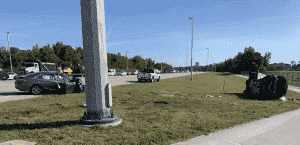
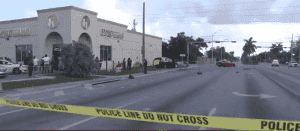
An Orlando car accident delivery and courier lawyer at The Law Offices of Anidjar and Levine helps injured drivers, passengers, pedestrians, and delivery workers investigate collisions, identify responsible parties, and pursue compensation. The claim may involve personal auto, commercial, employer, platform, or third-party insurance policies. Counsel can preserve crash evidence, obtain delivery records, evaluate medical expenses and lost income, and address reduced earning capacity, pain, and property damage. For additional legal guidance, visit our Orlando Personal Injury Lawyer page. Prompt legal guidance also helps protect deadlines and avoid harmful statements. The following information explains these claims and available legal support.
Main Takeaways
- An Orlando delivery and courier lawyer investigates liability involving drivers, employers, delivery platforms, vehicle owners, and insurers.
- Legal support includes preserving crash evidence, obtaining reports, collecting witness statements, and requesting traffic or surveillance video.
- Attorneys help document medical treatment, lost income, reduced earning capacity, vehicle damage, and pain and suffering.
- Report the collision promptly, seek medical care, and avoid recorded statements or releases until you understand the legal consequences.
- Florida deadlines may limit recovery, so prompt legal consultation is important after a delivery or courier accident.
How We Can Help With Your Orlando Car Accident Delivery & Courier Injury Claim
When a delivery driver or courier is injured in an Orlando car accident, the firm’s legal team can investigate the collision, identify potentially responsible parties, and pursue the compensation available under Florida law. Counsel may gather medical records, employment information, crash reports, witness statements, photographs, and traffic camera footage to establish how the incident occurred and document its consequences.
The firm can communicate with insurers, handle insurance negotiations, and evaluate settlement proposals against the client’s medical expenses, lost income, vehicle damage, and anticipated needs. When appropriate, attorneys may consult accident reconstruction professionals, medical experts, or vocational experts to clarify disputed issues and support a well-founded claim.
Understanding Orlando Car Accident Delivery & Courier Injury Cases


Delivery and courier injury cases in Orlando involve legal and insurance issues that differ from ordinary motor-vehicle claims because the injured person may have been working, using a commercial vehicle, or acting under the direction of an employer or delivery platform. Determining responsibility requires examining employment relationships, vehicle ownership, insurance coverage, and the driver’s assignment status at the time of the collision.
OUR CONSULTATIONSARE FREE
START YOUR FREE CASE REVIEW

Injured individuals may face medical expenses, lost income, reduced earning capacity, and limitations affecting their ability to serve customers or support their families. Comparative Fault may reduce recovery if an injured person is found partially responsible, making accurate facts and careful legal analysis critical.
Evidence Preservation should begin promptly. Relevant materials may include photographs, medical records, delivery logs, application data, dispatch messages, vehicle records, witness information, and available video footage. Orlando claims may involve multiple insurers and overlapping policies, so timely investigation helps clarify responsibility and protect lawful compensation while supporting the injured person’s recovery and continued ability to serve others.
Don’t Wait. Call Our Florida Personal Injury Lawyers Now!
Common Causes of Orlando Car Accident Delivery & Courier


Delivery and courier accidents in Orlando commonly result from distracted driving, delivery time pressure, improper vehicle loading, and driver fatigue. Each factor can impair judgment, reduce vehicle control, or increase stopping distances, creating substantial risks for drivers and other road users. Understanding these causes helps clarify how liability may arise after a delivery-related collision.
Distracted Driving
Distracted driving is a major cause of Orlando delivery and courier vehicle accidents, especially when motorists divert attention to navigation apps, dispatch messages, mobile devices, or time-sensitive delivery tasks. Phone distraction can delay braking, obscure pedestrians, and cause drivers to drift across lanes or miss changing traffic signals. Even brief glances away from traffic may create substantial risks for customers, bicyclists, passengers, and other motorists who depend on safe roadway conduct. Although delivery professionals may need communication tools to serve others efficiently, they should use those tools only when the vehicle is safely parked or through properly configured hands-free systems. Florida’s texting penalties and related restrictions reinforce the importance of maintaining attention while driving. Evidence of device use, witness observations, and vehicle data may help establish responsibility after a collision.
Delivery Time Pressure
When delivery schedules become increasingly demanding, drivers may feel pressure to reach customers quickly, meet dispatch deadlines, or complete a high volume of assignments. This urgency can encourage speeding, unsafe lane changes, running traffic signals, or driving while fatigued. In Orlando traffic, those decisions may increase collision risks for drivers, pedestrians, and other motorists. Workplace safety rules should require lawful driving practices, reasonable routes, adequate rest, and procedures for reporting when deadlines cannot be met safely. Delivery company policies should reinforce that customer service never justifies violating traffic laws or ignoring hazardous conditions. Supervisors can reduce pressure by setting realistic timeframes, monitoring workloads, and avoiding incentives that reward dangerous conduct. When a crash occurs, investigators may examine scheduling practices, communications, and whether management created unreasonable expectations that contributed to the incident.
Improper Vehicle Loading
Improper vehicle loading can create serious hazards for delivery and courier drivers traveling through Orlando. Packages stacked unevenly, secured inadequately, or placed beyond a vehicle’s capacity can shift during transit, affecting steering, acceleration, and braking. Excessive weight may also strain suspension components and contribute to faulty brakes, increasing collision risks in congested areas. Unbalanced cargo can make turns less stable and cause a driver to overcorrect, particularly when avoiding sudden traffic changes. Loose items may obstruct mirrors, pedals, or emergency equipment, limiting a driver’s ability to respond safely. These conditions can contribute to Unsafe lane merging when visibility or vehicle control is compromised. Employers and drivers serving the public should follow load limits, distribute cargo carefully, and inspect restraints before departure to reduce preventable roadway dangers.
Driver Fatigue
Driver fatigue is a major risk for Orlando delivery and courier drivers who work extended shifts, follow demanding schedules, or operate early morning and late-night hours. Sleep deprivation can slow reaction times, impair judgment, and reduce awareness of pedestrians, cyclists, and changing traffic conditions. Repeated stops, prolonged driving, and congested routes may also produce route fatigue, causing a driver to overlook hazards or make unsafe decisions. These dangers can affect workers who are committed to serving customers promptly and reliably. When a fatigued driver causes a collision, accident liability may involve the driver, the delivery company, or other responsible parties. Evidence of employer negligence, such as unrealistic schedules, inadequate rest periods, or pressure to exceed safe driving limits, may be significant in determining responsibility and available compensation.
Legal Rights of Orlando Car Accident Delivery & Courier Injury Victims
Orlando delivery and courier accident victims may have legal rights to seek compensation for medical expenses, lost income, property damage, and pain and suffering caused by another party’s negligence. Understanding available remedies can help injured individuals continue serving customers, families, and communities while protecting their financial stability.
Orlando delivery and courier accident victims may pursue compensation for medical costs, lost income, property damage, and pain and suffering.
- Insurance Coverage: Victims may pursue applicable auto, commercial, employer, or third-party policies, subject to deadlines and policy requirements.
- Medical Documentation: Complete records, treatment bills, diagnoses, and physician opinions can establish injury severity and support a compensation claim.
- Liability Waivers: A waiver does not automatically eliminate responsibility; its language, circumstances, and enforceability require careful legal review.
- Estate Planning: When injuries result in death, surviving relatives or estate representatives may have rights to pursue wrongful-death damages and manage related claims.
An attorney can identify potentially responsible parties, preserve evidence, communicate with insurers, and evaluate settlement offers. Victims should avoid recorded statements or releases until they understand the legal consequences. Florida filing deadlines may restrict recovery, making prompt consultation important.
Why Do Orlando Car Accident Delivery & Courier Injuries Happen?
Because delivery and courier work places vehicles under frequent time pressure, injuries often result from preventable driving errors, hazardous road conditions, or inadequate employer practices. Delivery job scheduling may create unrealistic deadlines that encourage speeding, abrupt lane changes, distracted driving, or skipped rest periods. These pressures can affect drivers serving customers, patients, businesses, and community members throughout Orlando.
Crashes also occur when drivers chart unfamiliar neighborhoods, congested intersections, construction zones, or poorly maintained roads while handling mobile devices, packages, or navigation systems. Weather conditions, including heavy rain and reduced visibility, can further increase stopping distances and collision risks. Some injuries arise from vehicle defects, inadequate inspections, unsecured cargo, or improper loading that shifts during travel.
Employers may contribute when driver training programs fail to address defensive driving, fatigue management, safe backing procedures, or Orlando traffic patterns. Insufficient supervision and performance incentives based primarily on speed can compound those hazards. These combined conditions may injure couriers, passengers, pedestrians, and other motorists who depend on safe transportation.
What Should You Do After an Orlando Car Accident Delivery & Courier Injury?
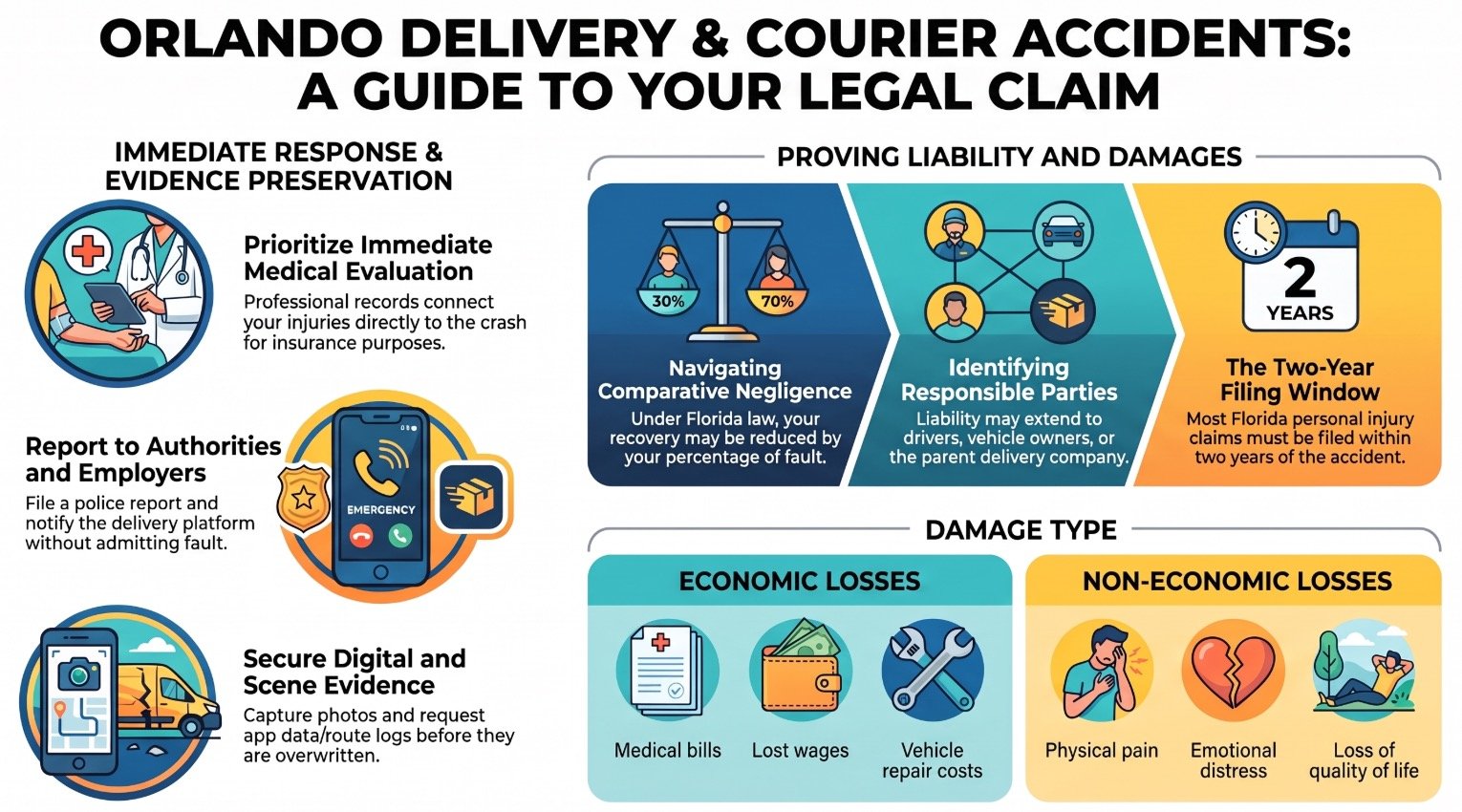
After an Orlando delivery or courier accident, the injured person should seek immediate medical care, even if symptoms seem minor at first. Promptly report the accident to the appropriate authorities and your employer, and preserve relevant details and witness information. Thorough documentation of injuries, treatment, and related expenses can help establish the extent of the harm.
Seek Immediate Medical Care
Prompt medical evaluation should be a priority for any delivery or courier worker injured in a car accident, even when symptoms initially appear minor. Adrenaline can temporarily conceal pain, while head, neck, and soft-tissue injuries may worsen without timely treatment. A medical professional can identify hidden conditions, establish appropriate care, and provide records connecting symptoms to the collision. The worker should follow discharge instructions, attend recommended follow-up appointments, and accurately describe every symptom, including dizziness, numbness, or difficulty concentrating. An Emergency contact checklist should include transportation assistance, insurance information, medication details, and the names of trusted contacts who can help coordinate care. To preserve incident records, the injured worker should retain medical bills, examination notes, prescriptions, and appointment confirmations. Prompt treatment also supports continued recovery and readiness to serve customers safely.
Report The Accident
Once medical needs are addressed, the delivery or courier worker should report the Orlando car accident promptly to law enforcement and the appropriate employer, platform, or insurance carrier. A police report can establish crucial facts, identify involved parties, and preserve an official account of the collision. The worker should notify the employer or delivery platform according to applicable procedures, even if the vehicle was privately owned or the worker was between assignments. Report insurance claims promptly and accurately, and limit statements to confirmed facts. Witness statements, contact information, photographs of the scene, and available delivery records may help preserve evidence for later review. The worker should avoid admitting fault, speculating about causes, or signing settlement documents before understanding available rights and obligations. Prompt reporting supports accountability and helps protect everyone affected.
Document Your Injuries
A delivery or courier worker should document every injury from an Orlando car accident, including symptoms that appear minor or develop later. Prompt medical evaluation can identify conditions that are not immediately apparent and create an objective record of the worker’s health. Medical providers should receive a complete description of pain, limitations, and changes affecting driving, lifting, walking, or serving customers. The worker should photograph visible injuries, vehicle damage, roadway conditions, and relevant equipment, preserving images with dates when possible. Camera footage from vehicles, businesses, or nearby residences may help establish how the collision occurred and should be requested promptly before recordings are overwritten. Witness Statements should include names and contact information, along with concise accounts of what each person observed. Organized records, receipts, and treatment instructions can assist legal evaluation and protect the worker’s recovery.
Critical Evidence in an Orlando Car Accident Delivery & Courier Injury Case
Critical evidence can establish how the Orlando delivery or courier accident occurred, who was responsible, and how the injuries developed.
Important records may include:
- Accident scene evidence, including photographs, video, witness information, and vehicle damage.
- Delivery route records showing assignments, schedules, and locations.
- Driver communication logs, such as dispatch messages and phone records.
- Medical treatment documentation, including diagnoses, bills, and treatment progress.
Accident Scene Evidence
When a delivery or courier collision occurs, evidence preserved at the accident scene can establish how the crash happened and which parties may be legally responsible. Photographs should document vehicle positions, roadway conditions, traffic signals, visible injuries, and property damage before moving anything. Officers’ reports may record statements, citations, weather, lighting, and apparent contributing factors, although independent confirmation remains important. Witness testimony reliability can depend on a person’s vantage point, attention, consistency, and distance from the collision. Nearby businesses, residences, traffic systems, or vehicle cameras may provide video surveillance footage that clarifies speed, movement, and impact timing. Physical debris, skid marks, and damaged signs can also preserve valuable information. Prompt collection and careful preservation help protect injured individuals seeking accountability and fair assistance.
Delivery Route Records
Delivery route records can help establish a courier’s location, timing, and work-related activities before, during, and after an Orlando collision. These records may include dispatch assignments, scanned deliveries, mileage reports, navigation histories, and timestamps associated with completed stops. When compared with crash reports, photographs, and vehicle data, they can clarify whether the driver was actively performing services when the incident occurred. GPS tracking evidence may identify the vehicle’s speed, travel path, and position near the collision, although accuracy and data retention should be examined carefully. Records can also address route deviation disputes by showing whether a driver followed assigned instructions, made an unauthorized detour, or paused for a personal purpose. Preserving these materials promptly may help injured individuals and their families present a reliable account of the courier’s conduct and responsibility.
Driver Communication Logs
Driver communication logs may supplement route records by showing what a courier knew, what they were instructed to do, and what they communicated around the time of an Orlando collision. Messages, call histories, and platform notes can clarify delivery deadlines, traffic concerns, reported hazards, and whether supervisors encouraged safe decisions or pressured a driver to continue. Dispatch recordings may preserve statements that differ from later accounts, while timestamps can help establish the sequence of events. Investigators may compare these materials with Witness statements, vehicle maintenance records, and available electronic data. Such comparisons can reveal whether mechanical concerns, changing assignments, or route compliance issues contributed to the crash. Preserving communications promptly is important because applications may overwrite data, and employers may control access. A careful review can assist injured parties seeking accountability and fair support.
Medical Treatment Documentation
Medical treatment documentation can establish the nature, timing, and extent of injuries sustained in an Orlando delivery or courier crash. Emergency records, diagnostic images, physician notes, prescriptions, and therapy reports may connect symptoms to the collision and reveal necessary future care. Consistent treatment also helps address allegations that an injury was minor, delayed, or unrelated. For effective Insurance claim strategies, the injured worker should preserve complete records, follow medical recommendations, and document changes in daily functioning. Providers’ restrictions may support lost wage documentation by showing why deliveries, driving, lifting, or other duties became impossible. Although treatment records alone do not determine liability, they can corroborate driver communications, crash timing, and reported symptoms. Organized documentation assists insurers, counsel, and medical professionals in evaluating damages and pursuing fair compensation.
Long-Term Effects of Orlando Car Accident Delivery & Courier Injuries
Delivery and courier accident injuries may cause chronic pain and mobility limitations that interfere with work and daily activities. Emotional and mental health effects, including anxiety, depression, or trauma-related symptoms, may also persist after physical recovery. Ongoing medical expenses can include treatment, rehabilitation, medication, and future care, making the long-term impact significant.
Chronic Pain And Mobility
When Orlando car accident injuries involve the spine, joints, or soft tissues, chronic pain can persist long after the initial treatment period has ended and may substantially restrict mobility. Delivery and courier workers may struggle to walk, lift packages, drive, or complete routes safely, limiting their ability to serve customers and support their households. Ongoing medical evaluations, physical therapy, medication management, and assistive devices may document the injury’s continuing impact. A lawyer can help preserve records describing functional restrictions, treatment needs, and reduced earning capacity. Careful documentation is also important for Overcoming Settlement Denials, particularly when an insurer questions the severity or duration of symptoms. Medical history should be reviewed accurately to avoid preexisting claims, distinguish prior conditions from accident-related aggravation, and prevent unsupported defenses from undermining compensation.
Emotional And Mental Health
Emotional and mental health effects may emerge or intensify after an Orlando car accident, particularly when delivery or courier workers face pain, disrupted routines, and uncertainty about returning to work. Affected workers may experience intrusive memories, irritability, withdrawal, or fear of driving, especially when job duties require constant roadway exposure. Post-accident sleep difficulties can worsen concentration, mood, and nervous system recovery, making ordinary responsibilities more challenging. Trauma counseling may help individuals process frightening events, recognize harmful thought patterns, and rebuild confidence safely. Anxiety management strategies, including structured breathing, gradual exposure, and consistent routines, may support steadier daily functioning. Family members, supervisors, and healthcare professionals can provide respectful encouragement while allowing recovery to proceed at an appropriate pace. Prompt attention to these concerns may protect relationships, independence, and the ability to continue serving others.
Ongoing Medical Expenses
Ongoing medical expenses may remain a significant consequence of Orlando car accident injuries for delivery and courier workers, particularly when treatment involves surgery, rehabilitation, prescription medication, or recurring expert evaluations. These costs can continue after initial care, especially when injuries cause chronic pain, reduced mobility, nerve damage, or limitations affecting work capacity. Symptom documentation can help establish how conditions develop and why continued treatment remains medically necessary. Patients may benefit from preserving billing records, treatment plans, medication receipts, mileage expenses, and insurance correspondence. Such documentation may support an evaluation of recoverable damages, including future medical care and related out-of-pocket costs. A qualified Orlando car accident delivery and courier lawyer can review medical evidence, consult appropriate professionals, and help determine whether settlement proposals adequately address long-term needs while protecting the worker’s ability to serve others.
Proving Liability in Orlando Car Accident Delivery & Courier Injury Cases
Establishing liability in an Orlando delivery or courier accident requires evidence showing how the crash occurred, which traffic violations or negligent acts contributed to it, and which party had responsibility for the driver or vehicle. Relevant proof may include photographs, crash reports, witness accounts, surveillance footage, vehicle data, delivery records, and communications concerning the assignment. Preserve evidence promptly because video systems, electronic logs, and physical conditions may change or disappear. Investigators may assess whether the courier, a delivery company, a contractor, a vehicle owner, or another motorist contributed to the collision. Comparative negligence can affect recovery when more than one person shared responsibility, making accurate reconstruction particularly important. Medical records should connect the collision to documented injuries and ongoing treatment. A carefully organized insurance claim timeline can help identify notice, reporting, and documentation issues. Counsel may then develop a settlement strategy based on liability strength, damages, and available coverage without compromising the injured person’s ability to serve others.
Dealing With Insurance Companies After an Orlando Car Accident Delivery & Courier Injury
After gathering liability evidence, communication with insurance companies becomes a major part of an Orlando delivery or courier injury claim. Adjusters may request recorded statements, medical records, employment information, and collision details. The injured courier should provide accurate information while avoiding speculation, admissions, or statements that minimize symptoms.
Medical documentation should clearly connect the injuries to the crash and describe treatment, restrictions, and anticipated needs. Pain management records can help explain ongoing limitations and how treatment affects daily responsibilities. Witness statements may corroborate traffic conditions, vehicle movements, and the courier’s physical condition after impact. Review eyewitness timelines carefully so inconsistencies do not undermine otherwise reliable evidence.
Insurance representatives may evaluate lost income, vehicle damage, and available coverage, but their interests may not align with the injured person’s needs. A lawyer can handle communications, protect the claim from premature settlement pressure, and gather the information needed to support fair compensation for the courier’s recovery and continued ability to serve others.
What to Expect During an Orlando Car Accident Delivery & Courier Injury Claim Process
The claim process generally begins with an initial assessment of the accident, injuries, insurance coverage, and potential liability. Evidence is then gathered to support the claim, followed by negotiations concerning appropriate injury compensation and any delivery-related disputes. Depending on the circumstances, the matter may resolve through settlement discussions or proceed to formal litigation.
Initial Claim Assessment
When an Orlando delivery or courier driver is injured in a collision, the initial claim assessment determines which parties may be legally responsible and what insurance coverage may apply. An attorney typically reviews the driver’s employment status, delivery arrangements, applicable commercial policies, and personal coverage before recommending a claim strategy. The assessment also considers injury severity, treatment needs, lost income, and whether negligent conduct by another motorist, an employer, or a vehicle owner contributed to the incident. Medical bill documentation helps establish reasonable treatment costs and supports the projected financial impact of the injuries. Understanding Insurance adjuster tactics is equally important, because early settlement offers, recorded statements, and requests for broad authorizations may affect a claimant’s position. The process is designed to protect an injured worker’s ability to serve clients and recover appropriately.
Gathering Accident Evidence
Because delivery and courier collisions often involve multiple insurance policies and work-related records, counsel begins gathering evidence soon after the incident. Investigators may obtain crash reports, photographs, medical records, vehicle damage documentation, and available roadway or surveillance footage. They may also review dispatch instructions, delivery-app data, driver schedules, training materials, and employment records to clarify responsibilities and working conditions.
Early spoliation preservation requests can direct employers, insurers, fleet operators, and technology providers to retain relevant electronic and physical evidence. Counsel may conduct witness interviews with passengers, pedestrians, customers, coworkers, responding officers, and other drivers while recollections remain reliable. Scene inspections and vehicle examinations can document roadway conditions, impact points, visibility, and mechanical issues. This organized process helps establish how the collision occurred, identify responsible parties, and accurately document the injured person’s losses.
Negotiating Injury Compensation
After the evidence establishes liability and documents the resulting losses, counsel may begin negotiating injury compensation with the applicable insurers. The process typically involves a demand package describing medical treatment, lost earnings, vehicle damage, and continuing needs. An insurance adjuster may use delay, recorded statements, broad releases, or low initial offers as Insurance adjuster tactics. Counsel evaluates each proposal against documented damages and applicable policy limits rather than accepting pressure to settle quickly. Florida comparative negligence may reduce recovery if the injured courier shares responsibility, making accurate factual analysis critical. Throughout negotiations, evidence preservation rules help protect photographs, delivery records, messages, and medical documentation from dispute. Medical lien negotiations may also address outstanding provider claims so that a settlement reflects realistic net compensation. If discussions stall, counsel explains available procedural options without promising a particular outcome.
Resolving Delivery Disputes
Resolving a delivery dispute typically requires a structured review of the crash evidence, the courier’s work status, and the parties potentially responsible for the resulting injuries and losses. The process may include collecting police reports, medical records, delivery logs, photographs, witness statements, and electronic application data. Counsel may assess whether the courier was an employee, contractor, or independent driver, and determine which insurance policies could apply. Insurers may raise liability questions, minimize damages, or employ Insurance denial strategies that require careful documentation and timely responses. If a fatality occurred, Wrongful death claims may involve surviving relatives, estate representatives, and additional damages. Settlement discussions can follow liability investigations, but unresolved disputes may proceed to litigation, where discovery, expert testimony, and court deadlines shape the claim.
Don’t Wait. Call Our Florida Personal Injury Lawyers Now!
Compensation for Orlando Car Accident Delivery & Courier Injury Damages
Compensation for Orlando delivery and courier accident injuries may include medical expenses, lost income, reduced future earning capacity, and non-economic damages such as pain and emotional distress. A thorough claim may account for emergency treatment, hospitalization, rehabilitation, prescription costs, follow-up care, and transportation to medical appointments. Delivery personnel should preserve pay records, schedules, tax documents, and employer statements showing missed work or diminished earning opportunities. Economic loss documentation can help connect those records to the collision and the resulting limitations. Evidence may also address continuing treatment, work restrictions, and professional assessments concerning future employment capacity. Emotional distress proof can include counseling records, personal journals, testimony from relatives, and statements from treating providers describing anxiety, sleep disruption, or other consequences. A lawyer may investigate insurance coverage, identify responsible parties, and organize supporting evidence while the injured individual focuses on recovery and continued service to the community. Prompt legal guidance may also protect deadlines and prevent incomplete claims.
Economic vs Non-Economic Damages in Orlando Car Accident Delivery & Courier Cases
Economic damages may cover documented losses such as medical expenses, lost wages, vehicle repairs, and reduced earning capacity. Non-economic damages may compensate for pain, emotional distress, diminished quality of life, and other less easily quantified harms. Calculating total compensation requires evaluating both categories based on the courier’s injuries, financial losses, and long-term effects.
Economic Damages Explained
When a delivery or courier driver is injured in an Orlando car accident, economic damages generally address the measurable financial losses caused by the collision. These damages may include emergency treatment, physician visits, prescriptions, rehabilitation, and other necessary healthcare expenses. Medical billing records, invoices, insurance statements, and expert testimony can help establish the value and reasonableness of those costs. Economic damages may also cover wages lost during recovery, reduced earning capacity when injuries limit future work, vehicle repair, replacement of damaged delivery equipment, and transportation expenses. A strong claim connects each expense to the crash and documents whether it was paid personally, through insurance, or by another source. Comparative fault rules may reduce recovery if the injured driver shares responsibility, making accurate evidence especially important for a complete claim.
Non-Economic Damages Available
Non-economic damages address the personal effects of an Orlando delivery or courier driver’s crash-related injuries that cannot be measured solely through bills or financial records. They may include physical pain, emotional distress, inconvenience, disfigurement, disability, loss of enjoyment, and diminished ability to participate in family or community service. Evidence can include medical observations, testimony from relatives, treatment records, and the driver’s own account of daily limitations. Comparative fault may reduce a recovery if the injured person contributed to the collision. Medical liens can affect how a settlement is distributed, but they do not determine the existence or value of non-economic harm. Insurance bad faith may present a separate issue when an insurer mishandles a valid claim. Punitive damages are distinct and generally require proof of intentional misconduct or gross negligence.
Calculating Total Compensation
A delivery or courier driver’s total compensation after an Orlando car accident generally combines economic and non-economic damages, subject to the available insurance coverage and applicable Florida law. Economic damages may include emergency treatment, rehabilitation, medication, lost wages, reduced earning capacity, property damage, and future care. Non-economic damages can address pain, emotional distress, inconvenience, disability, and diminished enjoyment of life. Calculating a fair amount requires reviewing medical records, employment documentation, accident evidence, and the driver’s delivery-related duties. Insurance Coverage may involve personal, commercial, employer, rideshare, or uninsured-motorist policies, each with distinct limits and exclusions. Claim Denials should be evaluated against policy language and supporting evidence. Compare settlement offers with projected losses, and shape your litigation strategy around liability disputes, expert testimony, and long-term effects.
When an Orlando Car Accident Delivery & Courier Injury Case Goes to Trial vs Settlement
Whether a delivery or courier injury case proceeds to trial or resolves through settlement depends on the strength of the evidence, the severity of the injuries, and the parties’ willingness to accept risk. A settlement may provide dependable compensation sooner, helping an injured driver, pedestrian, or customer address medical needs and household responsibilities without courtroom uncertainty. Counsel typically evaluates liability proof, documented losses, future care needs, and available coverage when developing an insurance settlement strategy.
Trial may become appropriate when an insurer disputes responsibility, undervalues the injury, or refuses reasonable negotiation. Litigation can allow testimony, document requests, expert analysis, and a jury’s decision, but it requires more time, preparation, and financial commitment. A trial preparation checklist may include organizing medical records, preserving delivery-app data, identifying witnesses, reviewing photographs, and preparing the injured person for testimony. The decision remains individualized. A lawyer can compare likely recovery, litigation costs, timing, and personal priorities so the client can pursue accountability while continuing to serve family, customers, and community.
Florida Laws That May Affect Your Orlando Car Accident Delivery & Courier Case
Florida law can materially affect how an Orlando delivery or courier accident claim is handled and valued. Several rules may affect injured drivers, passengers, pedestrians, and families who rely on critical transportation services.
Florida law can shape Orlando delivery accident claims, affecting compensation, insurance coverage, and accountability for injured community members.
- Comparative Negligence: Florida may reduce compensation when an injured person shares responsibility for the collision. Evidence concerning speed, distraction, lane changes, and roadway conduct can thus affect recovery.
- No-Fault Benefits: Personal Injury Protection coverage may provide initial medical and wage-loss benefits, subject to policy terms and statutory requirements. Serious injuries may support claims beyond those benefits.
- Vicarious Liability: A delivery company may face responsibility for an employee’s negligence when the driver acted within assigned duties. Independent-contractor relationships require careful examination of control and business arrangements.
- Insurance Bad Faith: Insurers must evaluate covered claims fairly and communicate responsibly. Unreasonable delay, inadequate investigation, or improper settlement conduct may create additional concerns beyond ordinary coverage disputes.
A lawyer can organize evidence and explain how these laws serve accountability for injured community members.
The Statute of Limitations for Orlando Car Accident Delivery & Courier Injury Cases
Because delivery and courier accident claims are subject to strict filing deadlines, injured parties should identify the applicable statute of limitations promptly after a collision. In Florida, many personal injury claims must be filed within two years of the accident, although the controlling period may vary by injury, defendant, and legal theory. Claims involving wrongful death, governmental entities, minors, or delayed injury discovery can involve different deadlines and notice requirements. A missed deadline may bar recovery, regardless of the seriousness of the harm or the injured person’s service to customers and the community.
A Statute deadlines overview should distinguish personal injury, property damage, and wrongful-death periods while identifying exceptions that may suspend or alter the clock. The Filing requirements checklist should include the accident date, medical documentation, insurance information, delivery records, and potential government-entity involvement. Preserving these details promptly supports accurate deadline evaluation. Because procedural rules can be complex, timely attention remains essential to protect available legal remedies and serve affected individuals responsibly.
How an Orlando Car Accident Delivery & Courier Lawyer Can Help You
An Orlando car accident delivery and courier lawyer can help an injured driver, passenger, pedestrian, or cyclist evaluate liability, document damages, and pursue compensation through the appropriate legal process. By serving an injured person’s interests, counsel can provide organized guidance, protect evidence, and promote accountability.
- Investigation: The lawyer may review crash reports, photographs, delivery records, witness accounts, vehicle data, and insurance policies to identify responsible parties.
- Damage assessment: Medical expenses, lost income, rehabilitation needs, pain, and reduced earning capacity can be documented to support a complete claim.
- Negotiation: Counsel can communicate with insurers, challenge inadequate offers, and explain the Settlement Timeline without allowing administrative pressure to compromise the client’s interests.
- Litigation support: If negotiations fail, the lawyer can prepare pleadings, manage discovery, present evidence, and seek appropriate relief in court. In fatal cases, representation may also address a Wrongful Death claim and the family’s recoverable losses. This support lets clients focus on recovery, caregiving, and responsible service to others.
Don’t Wait. Call Our Florida Personal Injury Lawyers Now!
When to Contact an Orlando Car Accident Delivery & Courier Lawyer
Timely legal guidance can protect an injured person’s rights before evidence is lost or insurers shape the record of a delivery or courier crash. Contact a lawyer promptly after a collision involving a driver, pedestrian, cyclist, customer, or other roadway user, especially when injuries require medical care or work is missed. Early consultation helps identify Insurance claim timelines, which may affect notice requirements, recorded statements, medical documentation, and filing deadlines. It also lets counsel recommend evidence-preservation steps, including photographing vehicles and surroundings, saving delivery instructions, retaining app records, collecting witness information, and securing available video footage. Contact is especially important when fault is disputed, multiple insurers are involved, a commercial vehicle is connected to the incident, or an injured person cannot manage communications while recovering. Families and community members serving an injured neighbor can encourage prompt documentation and professional advice, without making admissions or accepting a settlement before the claim’s full consequences are understood.
Why You Need an Experienced Orlando Car Accident Delivery & Courier Lawyer
When a delivery or courier crash involves disputed fault, multiple insurance policies, or unclear employment relationships, an experienced Orlando car accident delivery and courier lawyer can provide essential legal guidance. Such cases may involve drivers, employers, contractors, fleet owners, insurers, and vehicle manufacturers, each presenting different legal and financial issues. Counsel can investigate collision evidence, driver records, dispatch instructions, maintenance histories, and applicable coverage to establish responsibility and protect an injured person’s interests.
Experienced representation also helps evaluate truck liability when a commercial vehicle, loading practice, or maintenance failure contributed to the collision. Effective Negotiation tactics can address insurers who minimize injuries, shift blame, or offer inadequate settlements. A knowledgeable lawyer can organize medical documentation, calculate lost income and future care needs, and communicate with opposing parties while the injured individual focuses on recovery and continuing to serve others. Legal guidance may also preserve evidence and prevent procedural mistakes that could weaken a valid claim.
How to Choose the Right Orlando Car Accident Delivery & Courier Lawyer for Your Case
Choosing the right Orlando car accident delivery and courier lawyer requires careful consideration of the attorney’s experience with commercial vehicle claims, insurance disputes, and Florida personal injury law. A qualified lawyer should understand delivery schedules, employer relationships, vehicle ownership, and coverage issues that may affect responsibility.
Client selection factors should include case evaluation methods, communication practices, courtroom experience, and familiarity with injuries common in roadway collisions. The attorney should clearly explain potential claims, identify relevant evidence, and set realistic expectations without promising a specific result. References to professional credentials, disciplinary history, and independent client reviews may also assist a careful decision.
Fee agreement clarity is equally important. Before representation begins, the client should understand contingency percentages, case expenses, litigation costs, and responsibility for fees if recovery is unavailable. A written agreement should address these matters in plain language. Selecting counsel who values accountability and compassionate service can help protect the injured person’s interests while supporting a fair resolution.
About The Law Offices of Anidjar & Levine
The Law Offices of Anidjar & Levine represents individuals injured in delivery and courier vehicle collisions throughout Florida. The firm assists clients seeking accountability after crashes involving delivery vans, commercial vehicles, rideshare services, and independent couriers. Its legal team evaluates accident evidence, identifies potentially responsible parties, and helps pursue compensation for medical care, lost income, property damage, and other documented losses.
The firm recognizes that every Experience of injury victims is different. Some individuals face prolonged treatment, disrupted employment, or lasting limitations, while families may manage significant financial and emotional pressures. Attorneys work to present each client’s circumstances accurately and persuasively.
Attorney-client communication remains an important part of the firm’s approach. Clear updates, responsive consultations, and careful explanations can help clients understand available legal options as their claims progress. By combining case preparation with attentive service, the firm seeks to support injured people and their families while pursuing fair resolutions through negotiation or litigation when appropriate.

Frequently Asked Questions
Can Delivery Drivers Recover Damages if They Were Partly at Fault?
Delivery drivers may recover damages when partly at fault, depending on the state’s Comparative negligence rules. A driver’s compensation is generally reduced by the percentage of assigned responsibility, although some jurisdictions impose fault limitations that bar recovery beyond a specified threshold. Insurance eligibility may also depend on employment status, commercial coverage, and policy terms. Because damage recovery can involve multiple insurers and disputed evidence, prompt legal review helps protect the driver’s rights.
Are Gig-Economy Couriers Covered by Personal Auto Insurance Policies?
Gig-economy couriers may not be fully covered by personal auto insurance policies while making deliveries. Many policies exclude commercial driving, including transporting goods for payment. Coverage depends on the insurer, policy language, delivery platform, and applicable state law. Couriers should disclose delivery work, review insurance coverage carefully, and consider a commercial or rideshare endorsement. Prompt legal guidance can clarify available protection after a collision or claim.
What Happens if a Delivery Vehicle Was Poorly Maintained?
A poorly maintained delivery vehicle may contribute to brake failure, tire blowouts, or other dangerous defects, creating liability for the owner, fleet operator, or maintenance provider. Negligent maintenance involves failing to repair known problems or follow required service schedules. Negligent inspection involves failing to identify unsafe conditions before operation. Investigators typically review service records, inspection reports, driver complaints, and vehicle data to determine responsibility and support injured persons seeking appropriate compensation.
Can Passengers or Pedestrians File Claims After Courier Vehicle Accidents?
Passengers and pedestrians injured in courier vehicle accidents may file claims against responsible drivers, employers, vehicle owners, or insurers, depending on the circumstances. Evidence of negligence, such as poor maintenance, distracted driving, or unsafe delivery practices, can support compensation for medical expenses, lost income, and other damages. Families may pursue wrongful death claims after fatal collisions. If coverage is unavailable, uninsured liability provisions may provide another potential source of recovery.
Does Delivery-App Data Affect a Car Accident Investigation?
Delivery-app data can materially affect a car accident investigation by showing driver location, route, speed, delivery status, and timing. Investigators may compare this information with traffic-camera footage, vehicle records, witness accounts, and phone activity to clarify liability. Immediate evidence preservation is critical because digital records may be overwritten or altered. Affected passengers, pedestrians, and other motorists should document injuries, note applicable settlement deadlines, and seek qualified guidance promptly.
—————————
Delivery and courier accident claims can involve complex questions regarding liability, insurance coverage, employment status, and the full extent of resulting injuries. An experienced Orlando car accident delivery and courier lawyer can investigate the collision, identify potentially responsible parties, preserve critical evidence, and pursue appropriate compensation. Orlando Personal Injury Lawyer : The Law Offices of Anidjar and Levine carefully evaluate each case and help injured individuals understand their legal options. Prompt legal guidance may protect valuable rights and support a more informed resolution.