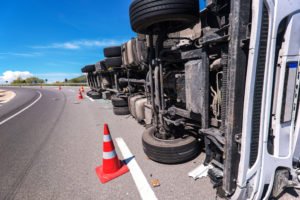
The Law Offices of Anidjar and Levine represent clients in Orlando truck accident claims by investigating collisions, identifying potentially responsible parties, and pursuing compensation through insurance negotiations or litigation. The investigation may involve drivers, trucking companies, vehicle owners, maintenance providers, brokers, manufacturers, and cargo handlers. Counsel can help preserve black-box data, electronic logs, inspection records, photographs, witness accounts, and medical documentation. Prompt action may help address evidence loss, filing deadlines, disputed fault, and wrongful death issues. Learn more from an experienced Orlando Personal Injury Lawyer about legal rights, claim procedures, and selecting qualified representation.
Main Takeaways
- Identify liable parties, including truck drivers, carriers, employers, manufacturers, and maintenance providers.
- Pursue compensation through insurance negotiations or litigation for medical costs, lost income, pain, disability, and other losses.
- Promptly preserve black-box data, electronic logs, maintenance records, surveillance footage, photographs, and physical evidence.
- Obtain medical documentation linking crash-related injuries to treatment, ongoing limitations, and long-term effects.
- Consult an Orlando truck accident lawyer promptly to protect deadlines, preserve evidence, and evaluate wrongful-death or injury claims.
How We Can Help With Your Orlando Truck Accident Claims & Liability Injury Claim
When an Orlando truck accident causes serious injuries or property damage, an experienced truck accident attorney can help identify liable parties, preserve crucial evidence, and pursue compensation through insurance negotiations or litigation. The attorney can listen carefully to the injured person’s account, explain available legal options, and coordinate communication with insurers so clients can focus on medical care and recovery. Assistance may include collecting crash reports, medical records, photographs, witness statements, employment information, and relevant trucking documents. Evidence Preservation: Spoliation Notices may be used to demand that carriers, drivers, and other parties retain electronic logs, vehicle data, inspection records, and surveillance footage that could otherwise be altered or destroyed. If a family member dies, counsel can assess whether a Wrongful Death Claim is available and explain Eligibility Requirements under Florida law. The attorney can also evaluate damages, prepare settlement demands, and, when necessary, present the claim in court while treating each client with dignity, patience, and respect.
Understanding Orlando Truck Accident Claims & Liability Injury Cases
Truck accident claims in Orlando involve complex questions of negligence, insurance coverage, and legal responsibility that differ substantially from ordinary motor-vehicle cases. These cases may involve the driver, trucking company, vehicle owner, maintenance providers, brokers, or manufacturers, depending on the available facts and contractual relationships. Truck accident investigations typically examine collision records, driver qualifications, electronic logging data, vehicle inspections, and applicable safety regulations. Prompt evidence preservation is critical because surveillance footage, onboard data, maintenance records, and physical debris can be lost or altered. Injured individuals and families may need assistance understanding medical consequences, property losses, wage impacts, and long-term care needs while protecting their legal interests. Review insurance documentation carefully to identify policy limits, additional coverage, exclusions, and reporting requirements. Insurers may present liability defenses based on disputed fault, comparative negligence, or procedural issues. Careful legal analysis helps clarify responsible parties and supports fair, service-oriented advocacy for those affected.
Don’t Wait. Call Our Florida Personal Injury Lawyers Now!
Common Causes of Orlando Truck Accident Claims & Liability


Common causes of Orlando truck accident claims include driver fatigue or distraction, speeding, and other forms of reckless driving. Improper cargo loading may cause shifting loads or reduced vehicle stability, while mechanical failures and defective components can create additional hazards. Identifying the responsible cause is crucial when determining liability and evaluating available legal claims.
Driver Fatigue And Distraction
OUR CONSULTATIONSARE FREE
START YOUR FREE CASE REVIEW

Driver fatigue and distraction are significant factors in Orlando truck accident claims, as both conditions can impair a commercial driver’s perception, judgment, and reaction time. Extended shifts, insufficient rest, and demanding delivery schedules may leave drivers unable to remain attentive on Central Florida roads. Distractions can include mobile devices, dispatch communications, navigation systems, eating, or other activities that divert attention from traffic. Federal hours-of-service requirements and Electronic Logging Device records may help establish whether a driver or carrier failed to manage available driving time responsibly. Investigators may also review dashcam footage, vehicle data, witness statements, and company policies to determine how the collision occurred. When fatigue or distraction contributes to injuries, affected individuals and families may need assistance preserving evidence and pursuing accountability from responsible parties.
Speeding And Reckless Driving
When a commercial vehicle travels too fast or is operated recklessly, its size, weight, and limited handling capability can greatly increase the severity of an Orlando collision. Speeding can reduce a truck driver’s reaction time, extend stopping distance, and magnify impact force. Reckless conduct can include aggressive lane changes, tailgating, running red lights, or disregarding road and weather conditions. Evidence of driving violations may help establish the driver’s negligence or, in some circumstances, an employer’s failure to enforce safety policies. Investigators may review citations, vehicle data, witness statements, surveillance footage, and traffic stop evidence to determine what occurred. A careful evaluation can clarify liability, identify responsible parties, and support an injured person seeking appropriate compensation while protecting affected families’ interests.
Improper Cargo Loading


Improper cargo loading can create serious hazards in an Orlando truck accident by shifting the vehicle’s center of gravity, reducing stability, or allowing freight to fall into traffic. Overloaded trailers, uneven weight distribution, and inadequate restraints may contribute to rollovers, jackknifing, sudden braking incidents, or collisions with nearby motorists. Proper load securement requires selecting suitable tie-downs, blocking materials, and restraints while following applicable federal and state requirements. Drivers and carriers may also have responsibilities to verify that cargo remains stable throughout transport. A documented vehicle inspection can help identify loose freight, damaged restraints, or unsafe loading conditions before departure. When improper loading causes injuries, evidence may include shipping records, inspection reports, photographs, driver statements, and company procedures. Careful investigation can help protect injured individuals and clarify responsibility among involved parties.
Mechanical Failures And Defects
Mechanical failures and vehicle defects can contribute to Orlando truck accidents by impairing braking, steering, tires, lighting, or other key systems. Inadequate vehicle maintenance may allow worn brake components, underinflated tires, steering problems, or defective safety equipment to remain in service. Manufacturing or design defects can create dangers even when operators and carriers follow reasonable inspection procedures. Responsibility may extend to trucking companies, maintenance contractors, manufacturers, distributors, or other parties, depending on the failure’s origin and the applicable evidence. A careful defect investigation can include maintenance records, inspection reports, recall notices, electronic data, photographs, and qualified engineering evaluations. Establishing when a problem developed and who knew or should have known about it is often important. Prompt preservation of the truck and related records helps direct injured individuals seeking accountability and support.
Legal Rights of Orlando Truck Accident Claims & Liability Injury Victims
Orlando truck accident victims may have legal rights to pursue compensation when another party’s negligence causes injury, property damage, or loss. Florida law may allow an injured person to seek damages for medical treatment, lost income, reduced earning capacity, property repairs, and pain and suffering.
A thorough legal review can help identify responsible parties and preserve evidence to support a fair claim.
- Victims may request compensation from negligent drivers, trucking companies, owners, or other responsible entities.
- Comparative fault rules may reduce recovery if the injured person shares responsibility for the collision.
- Insurance coverage disputes can arise when insurers question liability, policy limits, or the extent of damages.
- Claimants generally should document injuries, expenses, vehicle damage, witness information, and communications with insurers.
- A timely consultation can protect procedural rights and support informed decisions during negotiations or litigation.
Victims may also have rights involving wrongful death claims when a crash causes fatal injuries. Legal counsel can communicate with insurers, evaluate settlement offers, and pursue court remedies when necessary. Prompt action remains important because deadlines and evidence limitations may affect recovery.
Why Do Orlando Truck Accident Claims & Liability Injuries Happen?
Truck accident injuries often result from preventable failures involving driver conduct, vehicle maintenance, cargo handling, or trucking company oversight. Why do truck collisions occur? Common causes include excessive speed, distracted driving, fatigue, impaired judgment, and inadequate training. Commercial vehicles require greater stopping distances and careful handling, so seemingly minor errors can produce severe consequences for occupants of nearby cars.
Environmental roadway hazards, including heavy rain, flooding, poor visibility, construction zones, and damaged pavement, may also contribute when drivers fail to adjust appropriately. Improperly loaded or unsecured cargo can shift during transit, affecting balance and causing rollovers or lost-load incidents. Vehicle inspection lapses may allow defective brakes, worn tires, faulty lights, or steering problems to remain in service. Similarly, poor maintenance practices can increase mechanical failure risks, particularly when companies prioritize schedules over safety. In some cases, inadequate supervision, unrealistic delivery demands, or violations of service-hour requirements further increase exposure to preventable crashes and serious injuries.
What Should You Do After an Orlando Truck Accident Claims & Liability Injury?
After an Orlando truck accident injury, the injured person should seek immediate medical care, even if symptoms initially appear minor. When possible, document the accident scene with photographs, witness information, and relevant reports. Consulting a truck accident lawyer can help protect legal rights and support the evaluation of potential claims and liability.
Seek Immediate Medical Care
Seek prompt medical evaluation immediately, even if an injured person believes the symptoms are minor or absent. Some trauma, including internal bleeding, concussion, or soft-tissue damage, may develop gradually and require timely diagnosis. Emergency treatment priority should remain the person’s health and safety, rather than concerns about inconvenience, cost, or potential claims.
Following medical professionals’ instructions can reduce complications and support recovery. An injured individual should clearly describe symptoms, medications, prior conditions, and any changes that occur after the collision. Treatment records may also establish when symptoms began, what care was provided, and whether follow-up treatment was recommended.
Timely care can help prevent evidence spoilage by creating an accurate medical record before details become uncertain. However, qualified providers should guide medical decisions, not assumptions about legal consequences or expected recovery.
Document The Accident Scene
A person involved in an Orlando truck accident should document the scene, when it is safe to do so, before vehicles or conditions change. Photographs can preserve vehicle positions, damage, traffic signals, lane markings, skid marks, debris, road defects, weather, and visible injuries. Location documentation should include the roadway, nearby intersections, businesses, and other landmarks that clarify where the collision occurred. If injuries or hazards make photography unsafe, the person should remain in a secure area and allow emergency personnel to manage the scene. Collect names and contact information for witnesses when possible, along with brief, factual accounts of what each witness observed. Record important details promptly, including the time, lighting, traffic conditions, and sequence of events. Store documents, photographs, and notes securely for later reference.
Contact A Truck Accident Lawyer
When should an injured person contact a truck accident lawyer? Consult an attorney promptly after an Orlando truck collision, especially when injuries, disputed fault, significant property damage, or multiple potentially responsible parties are involved. Early legal guidance can protect the injured person from statements or settlements that undermine a valid claim.
A lawyer can help collect evidence, including medical records, crash reports, photographs, electronic logging data, maintenance documents, and witness accounts. This information may clarify whether driver negligence, trucking-company practices, defective equipment, or unsafe conditions contributed to the accident. Counsel can also identify applicable insurance coverage and manage insurance negotiations, allowing the injured person to focus on medical care and recovery.
Prompt representation helps preserve evidence, accurately evaluate damages, and communicate with insurers. Individuals seeking to serve injured community members should encourage qualified legal assistance without making unsupported promises about results.
Critical Evidence in an Orlando Truck Accident Claims & Liability Injury Case
Establishing liability in an Orlando truck accident claim often depends on preserving reliable evidence from multiple sources. Black box data, driver logbook records, accident-scene evidence, and medical treatment documentation can clarify what happened and show the extent of the resulting injuries.
Essential evidence may include:
- Truck speed, braking, and event data recorder information
- Driver hours-of-service and inspection records
- Photographs, vehicle damage, roadway conditions, and witness statements
- Police reports, traffic-camera footage, and available surveillance
- Medical records, bills, diagnoses, and treatment-related documentation
Truck Black Box Data
Truck black box data can provide crucial evidence in an Orlando truck accident claims and liability injury case by documenting the vehicle’s speed, braking, handling, and other operating conditions before and during a collision. This information may clarify whether excessive speed, delayed braking, or abrupt guidance contributed to the event. Because electronic records can be overwritten, damaged, or intentionally discarded, prompt data preservation is important. Legal counsel may issue preservation demands to reduce the risk of spoliation of evidence and protect information relevant to the injured person’s claim. Qualified professionals can perform black box interpretation and expert analysis, explaining technical findings in understandable terms. The data may also help establish responsibility, challenge inaccurate accounts, and support a fair assessment of medical expenses, lost income, and other damages.
Driver Logbook Records
Driver logbook records can provide crucial evidence in an Orlando truck accident claims and liability injury case by showing whether a commercial driver complied with federal hours-of-service requirements before the collision. These records may identify driving periods, rest breaks, duty changes, and claimed off-duty intervals. Careful route log analysis can reveal inconsistencies between recorded schedules, dispatch assignments, fuel purchases, delivery timestamps, and electronic logging device entries. Such discrepancies may indicate fatigue, inaccurate reporting, or pressure to meet unrealistic deadlines. Hours-of-service compliance is particularly important because prolonged driving can impair alertness and reaction time, increasing risks for everyone sharing Orlando roads. Investigators and attorneys may preserve these records promptly, compare them with company files, and assess whether violations contributed to the crash or support claims against responsible parties.
Accident Scene Evidence
When preserved promptly, accident scene evidence can clarify how an Orlando truck collision occurred and identify the parties whose conduct or equipment contributed to the injuries. Photographs should document vehicle positions, roadway conditions, skid marks, debris, traffic signals, signage, visibility, and property damage before the scene changes. Witness names, contact information, statements, and nearby surveillance sources may also establish timing and vehicle movements. An inspection of the truck can reveal mechanical defects, while event data and telematics may preserve speed, braking, and impact information. Investigators should maintain chain-of-custody records and avoid altering physical evidence. Such materials may challenge negligence defenses and help evaluate comparative fault among drivers, carriers, maintenance providers, or other responsible entities. Prompt preservation supports fair claims and informed service to injured individuals and their families.
Medical Treatment Documentation
Medical treatment documentation provides essential evidence linking injuries to an Orlando truck collision and establishing the extent of resulting losses. Emergency department records, diagnostic imaging, physician evaluations, and prescriptions can show when symptoms began and how they progressed. Follow-up notes may demonstrate continuing pain, restricted movement, cognitive changes, or other conditions affecting employment and daily responsibilities. Treatment records should accurately identify the reported mechanism of injury, objective findings, recommended care, and patient compliance. Gaps in treatment can invite questions about causation, while consistent documentation can clarify the need for rehabilitation, expert services, or future medical support. Providers may also address functional limitations under applicable Impairment standards. Although eyewitness accounts can support the collision narrative, medical evidence establishes the injury’s clinical significance and helps evaluate related economic and personal losses.
Long-Term Effects of Orlando Truck Accident Claims & Liability Injuries
Long-term truck accident injuries may result in chronic pain, permanent disability, or reduced physical functioning that affects daily activities. Emotional and psychological trauma, including anxiety, depression, and post-traumatic stress, can also persist after physical recovery. These conditions may create substantial financial and lifestyle disruptions through ongoing medical costs, lost income, and diminished independence.
Chronic Pain And Disability
Chronic pain and disability can profoundly affect a truck accident survivor’s ability to work, manage daily responsibilities, and maintain independence. A neck injury may cause persistent stiffness, restricted movement, headaches, or nerve-related symptoms that interfere with employment and household tasks. Ongoing back pain can limit lifting, standing, walking, and sitting, sometimes requiring adaptive equipment or assistance from family members and caregivers. Medical documentation should identify diagnoses, treatment needs, functional limitations, and the expected duration of impairment. Appropriate pain management may include medication, physical therapy, injections, or other physician-directed care, although treatment outcomes vary. When an injury prevents substantial employment, disability benefits may provide necessary financial support. Legal counsel can help document long-term losses, coordinate medical evidence, and pursue compensation for future treatment, reduced earning capacity, and necessary assistance.
Emotional And Psychological Trauma
Emotional and psychological trauma may persist even after physical injuries from an Orlando truck accident have stabilized. Survivors may experience post-traumatic stress, including intrusive memories, heightened alertness, nightmares, avoidance, or fear of traveling near commercial vehicles. These symptoms can interfere with concentration, relationships, sleep, and a person’s sense of safety. Some individuals may also develop depression, anxiety, or other conditions requiring prompt evaluation. Mental health therapy can help survivors recover from the event, establish coping strategies, and document the continuing effects of trauma. Records from licensed professionals may provide important evidence concerning diagnosis, treatment, and prognosis. In appropriate cases, an Orlando truck accident claim may include emotional distress damages. Legal counsel can help present these effects respectfully while protecting the survivor’s dignity and pursuing accountability from responsible parties.
Financial And Lifestyle Disruptions
When injuries from an Orlando truck accident continue to affect daily functioning, the resulting financial and lifestyle disruptions may extend well beyond initial medical expenses. Reduced mobility or persistent pain can limit employment, producing lost wages and diminished future earning capacity. Families may also face rehabilitation costs, assistive equipment expenses, transportation needs, and ongoing medical care. These obligations can strain household resources, particularly when an injured person must leave work to attend treatment or provide care. Daily responsibilities may require paid assistance, while recreational activities, education, and community involvement become more difficult. Such changes can affect spouses, children, and caregivers as well as the injured individual. Careful documentation of income losses, expenses, functional limitations, and anticipated needs may help clarify the long-term impact when pursuing appropriate compensation and supporting family stability.
Don’t Wait. Call Our Florida Personal Injury Lawyers Now!
Proving Liability in Orlando Truck Accident Claims & Liability Injury Cases
Proving liability in an Orlando truck accident claim requires establishing that a negligent act caused the collision and resulting injuries. Evidence may include crash reports, photographs, witness statements, vehicle data, medical records, and testimony from qualified reconstruction or trucking safety professionals. The investigation generally examines whether the driver violated traffic laws, operated while fatigued, exceeded safe speeds, or failed to maintain control.
Responsibility may also extend to the trucking company. Negligent Hiring can arise when an employer fails to verify qualifications, driving history, licensing, or required training before assigning commercial duties. Company Policies, supervision practices, maintenance procedures, and scheduling decisions may demonstrate that organizational conduct contributed to the incident. Records concerning hours of service, inspections, dispatch communications, and disciplinary history can help establish these issues.
Because trucking evidence may be changed, lost, or destroyed, prompt preservation requests and careful documentation are important. A thorough liability analysis supports accountability and helps protect injured individuals, families, and communities affected by preventable commercial vehicle collisions.
Dealing With Insurance Companies After an Orlando Truck Accident Claims & Liability Injury
After identifying and preserving liability evidence, communication with insurance companies becomes an important part of an Orlando truck accident claim. Insurers may request statements, medical authorizations, employment records, and other information before evaluating responsibility or damages. Claimants should provide accurate, relevant materials while avoiding speculation, admissions, or recorded statements that could be taken out of context.
Insurance representatives may use Claim denial tactics, including disputes over fault, arguments that injuries were preexisting, or assertions that treatment was unnecessary. They may also employ settlement delay strategies that prolong review, repeat document requests, or minimize the value of losses. Careful documentation of communications, deadlines, expenses, and medical developments can help maintain an accurate record.
A qualified attorney may communicate with insurers on the injured person’s behalf, protect legal rights, and assess whether an offer reflects documented harm. Such guidance helps families and advocates remain focused on recovery and service while ensuring that negotiations are handled responsibly, respectfully, and with appropriate attention to the claim’s evidence.
What to Expect During an Orlando Truck Accident Claims & Liability Injury Claim Process
The Orlando truck accident injury claim process typically begins with an initial evaluation of the facts, injuries, and available coverage. Evidence is then collected to establish liability, support damages, and inform negotiations with the responsible party’s insurance carrier. If negotiations do not produce a fair resolution, the claim may proceed to settlement discussions or trial.
Initial Claim Evaluation
When an Orlando truck accident claim is initially evaluated, the focus is on determining whether the available facts establish liability, legally compensable injuries, and a viable path to financial recovery. The review generally begins with the claimant’s account, collision circumstances, and the parties potentially responsible for the harm. Counsel may examine Insurance documentation to identify applicable commercial policies, coverage limits, exclusions, and reporting requirements. We review medical billing alongside treatment records to understand the claimed injuries, expenses, and anticipated care. Lost income, reduced earning capacity, and other measurable losses may also affect the claim’s potential value. This stage helps clarify legal options, likely challenges, and appropriate next steps. It also allows the claimant to receive informed guidance while preserving focus on recovery and serving the interests of those affected.
Evidence Collection Process
A thorough evidence collection process follows the initial claim evaluation by preserving information that may establish how the Orlando truck accident occurred and who may be legally responsible. Investigators may obtain crash reports, photographs, vehicle damage records, roadway conditions, and available surveillance footage. Eyewitness statement collection can document traffic movements, driver behavior, weather, and events immediately preceding impact. A maintenance history review may identify inspection practices, repair records, tire conditions, brake concerns, or other mechanical issues relevant to the collision. Electronic logging data, dispatch communications, and cargo documentation may also help clarify driving time, routing, loading, and operational decisions. Medical records and employment documentation can establish the nature and extent of injuries. Preserving these materials promptly supports an accurate evaluation while respecting each affected person’s need for clear, responsible guidance.
Liability Insurance Negotiations
How liability insurance negotiations proceed depends on the available evidence, the parties involved, and the extent of the claimed injuries and losses. After receiving notice, insurers typically review crash reports, medical records, vehicle data, employment documentation, and witness statements. Adjusters may request recorded interviews or authorizations while evaluating policy limits and the truck driver’s and carrier’s potential responsibility. The injured party should provide accurate information but avoid minimizing symptoms or speculating about fault. Common claim denial reasons include disputed liability, insufficient medical documentation, delayed treatment, policy exclusions, or allegations that injuries predated the collision. Counsel can identify wrongful insurance tactics, such as unreasonable delays, misleading communications, or pressure to accept an incomplete evaluation. Careful, documented communication helps protect the claimant’s interests and supports a fair assessment of covered losses.
Settlement Or Trial
Settlement or trial represents the stage at which an Orlando truck accident injury claim is resolved through negotiation or formal court proceedings. During settlement discussions, the parties assess medical records, lost income, vehicle damage, and evidence concerning liability. Effective Evidence preservation strategies, including securing photographs, electronic logs, witness statements, and maintenance records, can strengthen the injured party’s position.
Before accepting an offer, a representative may review an Insurance dispute checklist addressing coverage limits, exclusions, comparative fault, medical liens, and future care needs. Negotiations may conclude with a written agreement and payment, but unresolved disputes can proceed to litigation. At trial, each side presents evidence, examines witnesses, and permits a judge or jury to determine responsibility and damages. Throughout either path, careful preparation supports a fair resolution and helps protect the injured person’s ability to recover.
Compensation for Orlando Truck Accident Claims & Liability Injury Damages
When a commercial truck crash causes injury, an Orlando truck accident claims and liability lawyer may pursue compensation for the full range of losses supported by the evidence. Potential recovery can cover obligations arising from the collision, ongoing care needs, and the disruption to an injured person’s responsibilities and relationships. Counsel may identify every potentially responsible party, including drivers, carriers, maintenance contractors, manufacturers, and insurers, while preserving records needed to establish accountability.
An effective Insurance negotiation strategy relies on medical documentation, crash evidence, witness statements, and applicable coverage terms. It may also account for federal trucking regulations, employer oversight, and violations that strengthen the liability position. If conduct involved deliberate disregard for safety, a punitive damages evaluation may determine whether enhanced damages are legally available. Each demand should be supported by reliable proof rather than assumptions. A lawyer serving injured individuals and families can coordinate communications, protect claim deadlines, and pursue a resolution that reflects the documented harm while preparing for litigation when necessary.
Economic vs Non-Economic Damages in Orlando Truck Accident Claims & Liability Cases
Economic damages may cover medical expenses, lost income, property damage, and other measurable financial losses resulting from a truck collision. Non-economic damages address less tangible harm, including pain, emotional distress, disability, and diminished quality of life, which require careful valuation. Establishing total losses generally depends on medical records, financial documentation, expert testimony, and evidence connecting each claimed loss to the accident.
Economic Damages Explained
Financial losses form a central component of many Orlando truck accident claims, encompassing the measurable costs caused by a victim’s injuries and related disruptions. Economic damages may include emergency transportation, hospital care, surgery, medication, rehabilitation, and continuing medical treatment. They can also cover wages lost during recovery, reduced future earning capacity, property damage, and necessary services required because an injured person cannot perform ordinary tasks. Documentation strengthens these claims. Medical records, invoices, pay statements, employment records, repair estimates, and expert projections may help establish the amount of damages and their connection to the collision. Liability evidence, including driver fatigue prevention policies and truck safety checklists, can further support an argument that negligent conduct caused the losses. Careful assessment helps ensure responsible parties address the financial burdens imposed on injured individuals and their families.
Non-Economic Damages Valued
Non-economic damages compensate for the human consequences of a truck collision that do not have a fixed price, including pain and suffering, emotional distress, disfigurement, disability, and loss of enjoyment of life. In Orlando claims, valuation requires careful consideration of injury severity, treatment duration, permanence, and the disruption imposed on daily responsibilities and relationships. Attorneys may present medical opinions, personal accounts, and testimony from people who observe changes in the injured person. Settlement valuation methods can include multiplier analyses, per diem calculations, or comparisons with awards in similar Florida cases, although no formula controls every claim. Alternative compensation strategies may become relevant when liability, insurance coverage, or evidentiary concerns affect negotiations. A fair evaluation recognizes both the individual’s suffering and the importance of preserving dignity while pursuing accountable, service-oriented representation.
Proving Total Losses
After evaluating non-economic harm, proving total losses requires a complete record of both measurable expenses and personal consequences. Economic damages may include emergency treatment, rehabilitation, medication, property repairs, lost wages, reduced earning capacity, and anticipated medical care. Receipts, billing statements, employment records, expert assessments, and tax documents help establish these amounts with reliable evidence.
Non-economic damages can reflect pain, disability, diminished enjoyment of life, anxiety, and emotional recovery challenges. Personal journals, testimony from relatives, and mental health evaluations may clarify how injuries affect daily living. During settlement negotiation, victim advocacy requires presenting this evidence coherently while addressing insurer tactics that minimize losses or dispute causation. A complete damages presentation allows decision-makers to understand both financial burdens and human consequences, supporting fair compensation and informed resolution for affected families.
Don’t Wait. Call Our Florida Personal Injury Lawyers Now!
When an Orlando Truck Accident Claims & Liability Injury Case Goes to Trial vs Settlement
When liability, injury severity, and available compensation remain disputed, an Orlando truck accident injury case may proceed to trial rather than settle. Settlement discussions allow the parties to negotiate privately, evaluate documented losses, and seek a predictable resolution without presenting evidence before a judge or jury. A careful negotiation strategy considers medical records, employment effects, property damage, and the strength of disputed allegations.
Settlement timelines vary based on treatment progress, document collection, insurer responses, and the claim’s complexity. If discussions fail, trial preparation becomes necessary. Counsel may organize witnesses, consult qualified experts, develop exhibits, and prepare the injured person to testify clearly. Evidence handling remains important because photographs, electronic records, vehicle data, medical documentation, and communications must be preserved and presented reliably.
Trial can give a fact finder an opportunity to assess responsibility and damages, but it involves uncertainty, expense, and additional time. A settlement may offer practical support sooner, helping an injured person and family address ongoing needs while preserving dignity throughout the process.
Florida Laws That May Affect Your Orlando Truck Accident Claims & Liability Case
Florida laws governing truck accident claims can affect liability, available damages, filing deadlines, and the evidence required to establish negligence.
Important rules may guide injured individuals, families, and service-oriented advocates toward fair accountability:
- Comparative fault rules may reduce compensation when an injured party shares responsibility, making accurate evidence essential.
- Federal trucking regulations govern driver qualifications, hours of service, vehicle maintenance, cargo securement, and safety procedures.
- Florida statutes and agency rules may impose additional duties on carriers, owners, employers, and independent contractors.
- Vicarious liability principles can make a trucking company responsible for negligent conduct performed within an employment relationship.
- Insurance requirements, medical documentation, and admissible records can influence how damages and responsibility are evaluated.
Investigators may examine inspection reports, electronic logging data, dispatch records, training materials, maintenance histories, and witness accounts. Violations do not automatically establish liability, but they may support a negligence argument when connected to the crash. Florida’s no-fault insurance framework may also affect initial medical benefits, while serious injuries can support claims beyond those benefits. Counsel can help preserve evidence and present the facts responsibly.
The Statute of Limitations for Orlando Truck Accident Claims & Liability Injury Cases
The statute of limitations establishes the period in which an injured person may file an Orlando truck accident lawsuit, and missing that deadline can bar recovery regardless of the claim’s strength. Florida generally provides four years for personal injury actions, although exceptions may shorten or extend the period. Claims involving a government-owned vehicle can require earlier notice and different procedures, while wrongful-death actions commonly carry a two-year deadline. The crash date may not always control; specific facts can affect when the limitations period begins or whether it is paused.
An injured person should also distinguish court deadlines from insurance claim deadlines. Insurers may impose prompt reporting requirements, but notifying an insurer does not preserve the right to sue. Comparative fault rules can reduce compensation when the injured person shares responsibility, making timely documentation particularly important. Preserving medical records, employment-loss evidence, witness information, and crash reports supports accurate evaluation before deadlines expire. Because filing periods depend on the claim and parties involved, prompt attention helps protect available remedies and supports responsible service to those seeking accountability.
How an Orlando Truck Accident Claims & Liability Lawyer Can Help You
An Orlando truck accident claims and liability lawyer can provide structured guidance from the initial investigation through settlement negotiations or trial. The lawyer’s work may help injured individuals protect their interests while pursuing accountability and fair compensation.
- Conducting interviews with witnesses and reviewing crash reports
- Coordinating evidence preservation, including vehicle data and maintenance records
- Identifying responsible parties, such as drivers, carriers, brokers, or manufacturers
- Evaluating medical documentation, lost income, and future care requirements
- Addressing insurer tactics and developing responses to Negligence defenses
Counsel can also assess trucking regulations, employment relationships, hours-of-service records, and cargo-loading practices that may clarify liability. By organizing intricate information, the lawyer can present a coherent claim supported by reliable evidence. A lawyer can handle communication with insurers, opposing counsel, medical providers, and other involved parties professionally, reducing administrative burdens on the injured person and family. When appropriate, counsel can consult qualified experts regarding accident reconstruction, medical needs, vocational limitations, and financial losses. This coordinated service supports informed decisions and helps advance a claim consistent with the client’s legitimate needs and the broader goal of responsible road safety.
When to Contact an Orlando Truck Accident Claims & Liability Lawyer
Prompt legal attention is often important after a truck collision, particularly when injuries, disputed facts, or significant property damage are involved. A person may contact an Orlando truck accident claims and liability lawyer soon after receiving medical care, especially if symptoms could worsen or treatment may continue. Early guidance can help protect important deadlines and clarify practical steps without disrupting recovery.
Legal assistance may also be appropriate when an insurer requests a recorded statement, offers a quick settlement, or questions responsibility. Insurance negotiation can involve medical expenses, lost income, vehicle damage, and future care, making careful evaluation necessary before accepting payment. Evidence preservation is equally important because photographs, witness information, vehicle data, driver records, and trucking-company materials may become harder to obtain over time. Prompt consultation can support organized communication with insurers and other involved parties while allowing the injured person to focus on mending and assisting family members. Contact a lawyer whenever liability, damages, or claim procedures remain unclear.
Why You Need an Experienced Orlando Truck Accident Claims & Liability Lawyer
Experience can be pivotal in truck accident claims because these cases often involve multiple potentially responsible parties, extensive evidence, and insurance companies focused on limiting payouts. An experienced Orlando truck accident claims and liability lawyer can identify applicable state and federal regulations, assess driver and carrier conduct, and determine whether maintenance providers, manufacturers, or other entities contributed to the collision.
Skilled representation also supports Evidence preservation before records disappear or become difficult to obtain. Relevant materials may include electronic logging data, inspection reports, onboard recording systems, dispatch communications, photographs, medical records, and witness statements. Careful analysis can clarify fault and establish the full effect of injuries on a person’s health, work, and family responsibilities.
Counsel can further develop a Settlement strategy grounded in documented damages and defensible liability findings. This approach helps protect injured individuals from premature offers while promoting fair, efficient resolution. Such advocacy enables victims and their families to focus on recovery while their interests receive diligent professional attention.
How to Choose the Right Orlando Truck Accident Claims & Liability Lawyer for Your Case
Selecting the right Orlando truck accident claims and liability lawyer requires careful attention to the attorney’s experience with commercial vehicle cases, knowledge of federal and Florida regulations, and ability to identify all potentially liable parties. A qualified lawyer should understand trucking records, driver qualifications, maintenance histories, insurance coverage, and accident reconstruction evidence. These skills help protect injured individuals, families, and other affected community members while pursuing accountability.
Prospective clients should evaluate the attorney’s approach to investigation, negotiation, and litigation, including access to qualified experts when necessary. Discuss client communication expectations at the initial consultation, including response times, case updates, and who will answer questions. Fee structure transparency is equally important. The lawyer should explain contingency arrangements, litigation expenses, possible costs, and any circumstances that could affect recovery. Professional credentials, disciplinary history, client reviews, and references may also provide useful context. A careful comparison helps clients choose counsel prepared to serve their interests diligently and ethically.
About The Law Offices of Anidjar & Levine
The Law Offices of Anidjar & Levine represents individuals and families involved in truck accidents throughout Orlando and surrounding communities. The firm assists clients seeking accountability after collisions involving commercial vehicles, including cases involving driver negligence, unsafe maintenance, improper loading, and trucking company violations. Its attorneys review available evidence, explain legal options, and help clients understand how Florida law may establish liability and damages.
Client-focused consultations allow the firm to learn how an accident affected a person’s health, employment, finances, and family responsibilities. The legal team may investigate crash reports, medical records, vehicle data, witness accounts, and applicable trucking regulations while communicating with insurers and opposing parties. Free case evaluations allow you to discuss your circumstances before deciding whether to pursue a claim. Through organized case preparation and direct representation, the firm seeks to protect clients’ interests and promote fair treatment during a challenging restoration process.
Frequently Asked Questions
Can I Afford Medical Treatment While My Orlando Truck Accident Claim Is Pending?
Medical treatment may remain accessible while an Orlando truck accident claim is pending, but you should address payment arrangements promptly. Healthcare funding may include health insurance, medical-payment coverage, provider liens, or qualified assistance programs, depending on eligibility and policy terms. A person should avoid delaying necessary care because settlement timing is uncertain. Providers and insurers may require documentation, and any eventual recovery could involve reimbursement obligations. Legal and financial guidance can clarify available options.
What Happens if the Truck Driver Was Uninsured or Underinsured?
If a truck driver was uninsured, the injured person may pursue Uninsured coverage through their own auto policy, subject to policy limits and eligibility requirements. If the driver carried inadequate insurance, Underinsured motorist benefits may help address damages exceeding the available liability coverage. A thorough investigation should identify all potentially responsible parties, including employers, contractors, and vehicle owners. Legal guidance can clarify deadlines, coverage disputes, medical expenses, and documentation needed to protect the claim.
Can Family Members Bring Claims After a Fatal Orlando Truck Accident?
Yes. Eligible family members may bring wrongful death suits after a fatal Orlando truck accident, generally seeking compensation for financial losses, funeral expenses, lost support, and other legally recognized damages. The decedent’s estate may also pursue Survival claims for injuries, medical costs, or damages incurred before death. Florida law limits who may file and establishes strict deadlines, so families often benefit from prompt guidance that preserves evidence and protects their rights.
Will My Immigration Status Affect My Truck Accident Claim?
Immigration status generally must not prevent an injured person from pursuing a truck accident claim in Florida. Liability depends on the collision’s facts, documented injuries, and available insurance coverage, not citizenship. A representative can safeguard the claimant’s rights while avoiding unnecessary disclosure of immigration information. Prompt evidence preservation, including photographs, medical records, witness accounts, and vehicle data, may enhance the case. Qualified legal guidance helps ensure all parties are treated fairly.
Can I Claim Damages for Damaged Personal Belongings in the Truck?
A claimant may seek damages for personal belongings damaged inside the truck, provided the items were lawfully possessed and the collision caused their loss. Useful coverage evidence includes photographs, repair estimates, receipts, ownership records, and witness statements. Reimbursement limits may apply under an insurer’s policy or liability rules, particularly for electronics, tools, or valuable property. Promptly documenting each item and reporting the loss can help establish a fair, supportable claim.
—————————
Truck accident claims often involve severe injuries, significant financial losses, and multiple potentially liable parties. An experienced Orlando truck accident lawyer can investigate the crash, identify responsible individuals or companies, preserve critical evidence, and pursue appropriate compensation. Victims should seek legal guidance promptly, especially if insurance representatives request statements or settlement agreements. The Law Offices of Anidjar and Levine offers informed representation to help protect each client’s rights and interests throughout the claims process, from initial evaluation through resolution. For additional legal guidance, consult an Orlando Personal Injury Lawyer.