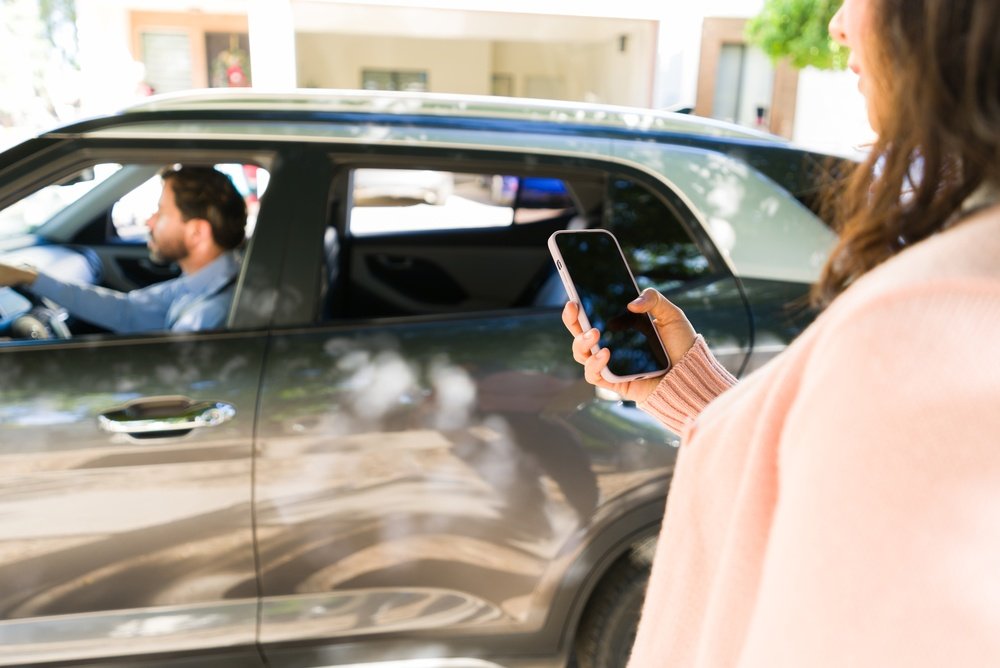
In Florida, a rideshare company like Uber or Lyft may be liable for an accident when their driver was actively using the app at the time of the crash, with liability coverage reaching up to $1 million during an active trip. Understanding when the company itself may be liable can significantly affect the compensation you may recover.
If you were hurt in a crash involving a rideshare vehicle, a Fort Myers rideshare accident lawyer can help you determine which coverage applies and who may be responsible for your injuries.
How Florida Law Defines Rideshare Company Liability
Florida has specific statutes that govern how rideshare companies, legally referred to as transportation network companies, or TNCs, must provide insurance coverage for their drivers. The coverage requirements shift depending on what the driver was doing at the time of the accident.
Florida law requires rideshare companies to maintain insurance coverage for their drivers while the app is active. This coverage is separate from the driver’s personal auto policy and is provided directly by the rideshare company.
The Three App Periods and What They Mean for Liability
The single most important factor in determining rideshare company liability in Florida is the driver’s app status at the moment of the crash. Uber, Lyft, and other rideshare platforms divide driver activity into three distinct periods, each with different insurance implications.
The three periods and their associated coverage levels are:
- Period 1: Driver is logged into the app but has not accepted a ride. The rideshare company provides limited contingent liability coverage ($50,000 per person, $100,000 per accident, $25,000 property damage).
- Period 2: Driver has accepted a ride request and is en route to pick up the passenger. The rideshare company’s $1 million liability policy applies.
- Period 3: Passenger is in the vehicle, and the trip is active. The rideshare company’s $1 million liability policy applies.
If the driver was not logged into the app at all, the rideshare company’s insurance does not apply. In that situation, only the driver’s personal auto insurance is available. Confirming the driver’s app status at the time of the crash is one of the first steps in evaluating a rideshare accident claim.


When a Rideshare Company May Face Direct Liability
Beyond insurance coverage, there are circumstances in which a rideshare company may face direct legal liability for an accident. These situations typically involve claims that the company itself acted negligently.
Direct liability claims against rideshare companies may arise from:
- Negligent hiring, if the company failed to conduct adequate background checks
- Negligent retention, if the company kept a driver on the platform despite known safety concerns
- Failure to enforce safety policies or respond to prior complaints about a driver
- Defects in the app or platform that contributed to the accident
- Inadequate driver screening processes that allowed an unqualified driver onto the platform
These claims are more difficult to prove than straightforward negligence claims against a driver, but they can meaningfully increase the compensation available in serious injury cases. An attorney can investigate whether the company’s own conduct contributed to what happened.
How Insurance Companies Handle Rideshare Liability Claims
When a rideshare accident occurs, multiple insurance companies may be involved. Each of these companies has an interest in minimizing what they pay, and they may dispute which policy applies or argue that coverage should come from a different source.
A common tactic is for the rideshare company’s insurer to dispute the driver’s app status at the time of the crash. If they can establish that the driver was in Period 1 rather than Period 2 or 3, the company’s liability exposure drops significantly. They may also argue that the driver’s personal policy should apply first, further complicating your ability to recover quickly.
Dealing with these competing insurance interests without legal representation puts you at a serious disadvantage. Insurance companies have experienced adjusters and attorneys whose job is to protect the company’s bottom line.
What Evidence Supports a Rideshare Liability Claim in Fort Myers
Building a strong rideshare liability claim requires documentation that goes beyond a standard car accident case. Obtaining the rideshare company’s internal records is often a critical early step. This data can establish exactly when the driver logged in, when they accepted a ride, and what their status was at the moment of impact.
Other evidence that may support your claim includes the official police report, witness statements, dashcam or surveillance footage, and medical records documenting your injuries. If direct liability against the company is at issue, records related to the driver’s hiring, background check, and complaint history may also be relevant.


Let Anidjar & Levine Take on the Rideshare Companies for You
Rideshare liability cases in Florida involve multiple layers of insurance and corporate legal teams focused on limiting payouts. Contact Anidjar & Levine today for a free consultation. We are available 24/7 and will review your case at no cost to you. You pay nothing unless we recover compensation for you.
At Anidjar & Levine, we have spent nearly 20 years fighting for injured Floridians against insurance companies and large corporations. If a rideshare accident has turned your life upside down, reach out to our team today and let us fight for the compensation you may be entitled to.