The Law Offices of Anidjar and Levine helps sexual assault victims in Florida protect their rights, preserve evidence, and evaluate civil and criminal options under state law.
Legal counsel can guide reporting, coordinate with investigators or institutions, manage communications, and address filing deadlines.
Counsel may also help document damages involving medical care, lost income, and emotional harm.
Early legal support often improves evidence preservation, case clarity, and personal privacy.
Learn more by visiting Florida Personal Injury Lawyer.
The sections that follow explain these issues in greater detail.
Main Takeaways
- A Florida sexual assault lawyer explains civil claims, criminal reporting options, deadlines, jurisdiction, and what evidence may support your case.
- They help preserve critical evidence, including medical records, clothing, photographs, texts, social media, and witness information.
- Counsel can coordinate with police, investigators, insurers, schools, employers, or rideshare companies to reduce stress for survivors.
- These cases may involve criminal and civil proceedings, with different burdens of proof, remedies, and procedural requirements.
- After an assault, seek medical care, consider reporting, avoid destroying evidence, and request trauma-informed support or an advocate.
How We Can Help With Your Florida Sexual Assault Claim
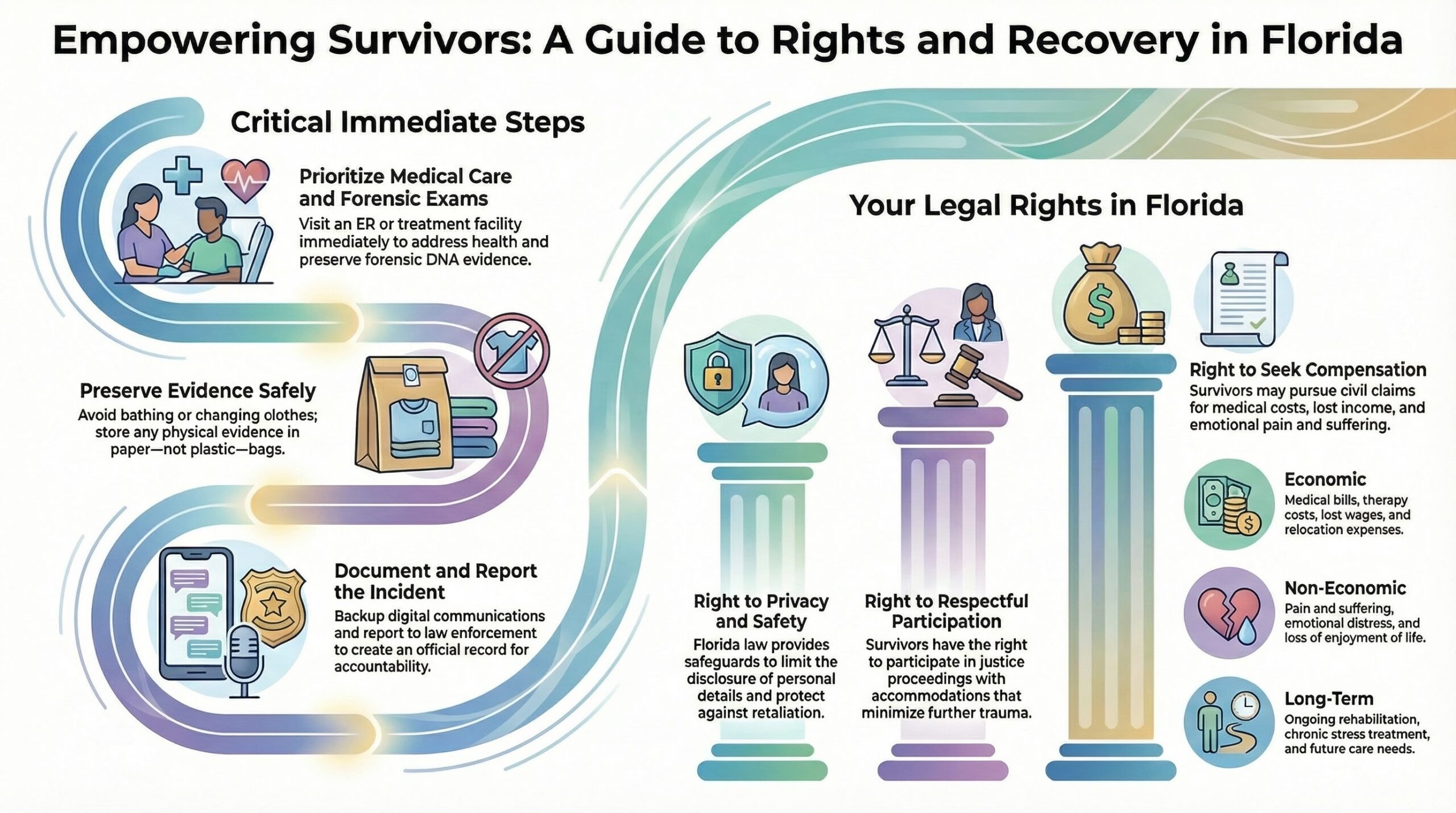
How can legal counsel make a meaningful difference after a sexual assault in Florida? Legal counsel can help survivors protect their rights while reducing avoidable burdens during a deeply difficult time. Through steady guidance, an attorney can coordinate Victim support resources, explain immediate options, and help families act with care and purpose.
Effective assistance often begins with an attorney consultation focused on practical next steps. Counsel may guide police reporting to promote accuracy and respect the survivor’s pace and privacy. They may also advise on evidence preservation, including records, communications, clothing, photographs, and other materials that may later support the claim.


In addition, legal counsel can manage communication with insurers, institutions, or other parties so survivors and their loved ones can focus on recovery and service to one another. This support-centered approach helps preserve dignity, strengthen documentation, and create a clearer path forward after trauma.
Understanding Sexual Assault Cases in Florida
OUR CONSULTATIONSARE FREE
START YOUR FREE CASE REVIEW

Because these matters often involve both criminal conduct and civil liability, sexual assault cases in Florida require a careful understanding of the legal standards, available evidence, and procedural timelines that may affect a survivor’s rights. Florida law evaluates allegations through statutory elements, definitions of consent, witness accounts, medical records, digital communications, and other documentation gathered during an investigation and any potential lawsuit.
A clear understanding of the process helps those seeking accountability make informed, service-minded decisions for themselves and others. These cases may proceed in criminal court, civil court, or both, each with different burdens of proof and remedies. Survivors may pursue protective measures, compensation, and recognition of harm, while institutions and individuals may face separate legal exposure.
At the same time, evidentiary challenges can arise when reports are delayed, physical evidence is limited, or memories differ. Careful legal review, prompt action, and informed advocacy can help preserve important rights and support a more effective path toward justice.
Common Scenarios When Sexual Assault Might Take Place in Florida


Sexual assault in Florida may arise in a range of settings, each presenting distinct factual and legal concerns. Common examples include workplace and office incidents, college campus encounters, rideshare and travel situations, and parties or other social gatherings. A clear review of these scenarios helps identify how these allegations may occur and what circumstances often shape a resulting legal claim.
Workplace And Office Incidents
Although many people associate assault with isolated public settings, workplace and office incidents remain a significant concern in Florida, particularly in environments where access, authority, and privacy intersect. Such incidents may arise during late shifts, private meetings, business travel, or interactions involving supervisors, clients, or coworkers. Power imbalances can discourage objections and delay disclosure, especially when employment, scheduling, or professional advancement appears threatened.
A service-minded legal perspective often emphasizes safety, documentation, and prompt access to support. Individuals may benefit from understanding confidential reporting options, internal complaint procedures, and available protective measures. In some cases, employers’ liability laws may affect whether a business bears responsibility for negligent hiring, inadequate supervision, or failure to address known risks. Careful legal guidance can help survivors protect their rights and pursue accountability.
College Campus Encounters
When students live, study, and socialize in close proximity, college campus encounters can create conditions in which boundaries are ignored, and consent is compromised. Residence halls, parties, athletic settings, and private study spaces may involve alcohol, peer pressure, or isolation, all of which can affect Consent capacity and decision-making.
In these matters, institutions often begin campus investigations alongside criminal inquiries, creating overlapping procedures and distinct burdens. Reporting delays are common, particularly when students fear retaliation, confusion, or damage to academic standing. Even so, delayed reports may still be credible and deserving of careful review. Evidence preservation remains important, including messages, security footage, clothing, medical records, and witness accounts. A Florida sexual assault lawyer may help survivors, families, and advocates understand options while protecting dignity, safety, and access to support.
Rideshare And Travel Situations
In rideshare vehicles, hotels, airports, and other travel settings, individuals may find themselves in unfamiliar environments where privacy, fatigue, intoxication, or dependence on a driver or companion can increase vulnerability. These conditions may create opportunities for misconduct by drivers, fellow travelers, hotel staff, or acquaintances met during transit. Consent verification issues can arise when a person is asleep, impaired, isolated, or unable to safely leave the location.
Travel disclosure problems may also complicate reporting, particularly when itineraries, room access, vehicle records, or witness locations are unclear. In service to those seeking protection and accountability, careful documentation of routes, messages, surveillance footage, receipts, and medical findings can help clarify what occurred. A Florida sexual assault lawyer may evaluate evidence, explain legal options, and support informed next steps compassionately.
Parties And Social Gatherings
Because parties and social gatherings often involve alcohol, crowded spaces, and shifting group dynamics, they may present conditions in which boundaries are ignored, and consent becomes contested. In these settings, Consent boundaries can be blurred by intoxication, peer pressure, or isolation from trusted companions.
A careful legal review may consider party evidence such as entry records, text messages, photographs, surveillance footage, and timelines assembled from multiple sources. Witness reliability may vary when attendees were drinking, distracted, or influenced by friendships and loyalties. Social media posts can sometimes clarify movements, interactions, or the sequence of events, though they may also be incomplete or misleading. For those seeking to protect others and support accountability, prompt reporting, medical care, and preservation of available evidence often strengthen a clear, service-oriented response.
Legal Rights of Sexual Assault Victims in Florida
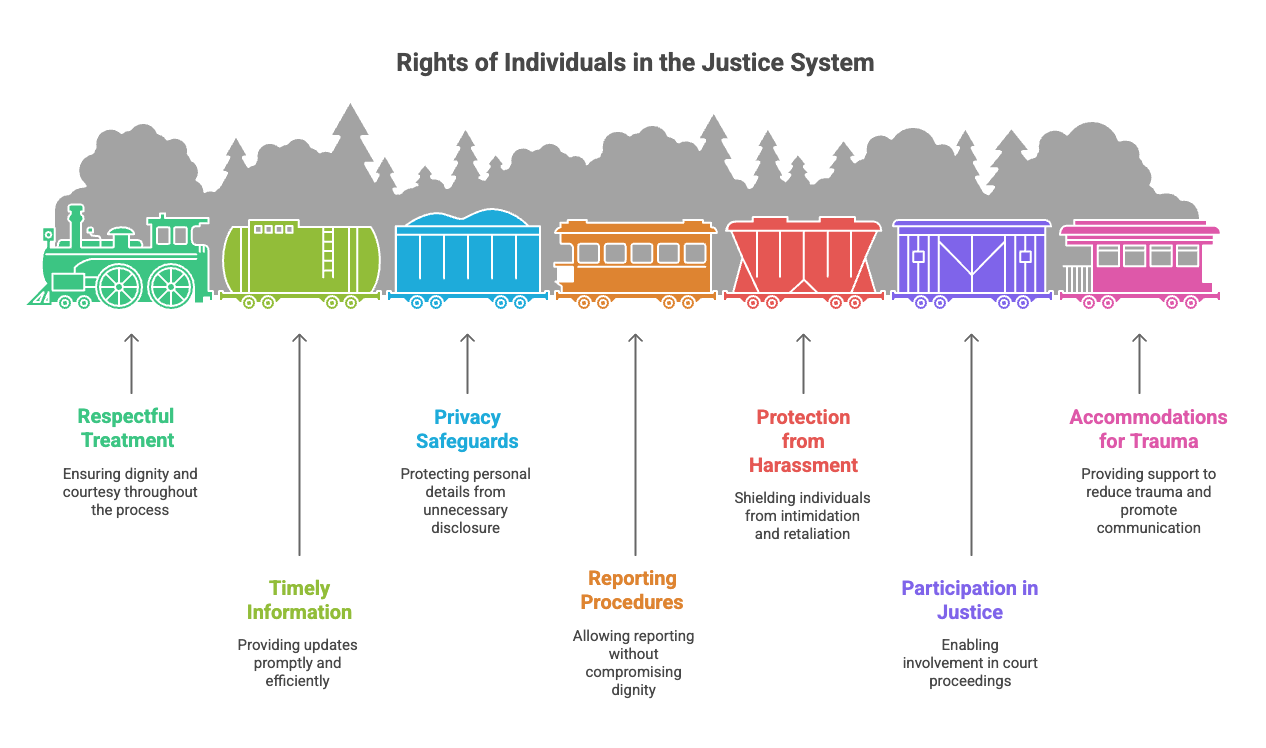
Although the aftermath of sexual assault often creates confusion and uncertainty, Florida law grants victims specific legal rights designed to protect their safety, dignity, and access to justice. These protections reflect a broader public commitment to compassionate service, accountability, and informed participation in legal proceedings.
Victim confidentiality may limit disclosure of identifying information, while Victim advocate resources can help survivors understand court procedures, compensation options, and available protective measures under state law.
- Victims may seek injunctions for protection against violence in qualifying circumstances.
- They have the right to fair treatment, respect, and timely notice of significant developments in their cases.
- They may request restitution and pursue compensation for certain crime-related losses.
- They may be present and heard at crucial stages of the criminal justice process.
Florida also recognizes rights related to privacy, cooperation with prosecutors, and reasonable protection from intimidation or harassment, reinforcing a legal framework intended to uphold both personal dignity and community responsibility.
Steps to Take After a Sexual Assault Incident in Florida
After a sexual assault incident in Florida, prompt action can protect both a person’s health and any future legal claim. Immediate medical care should be obtained, the assault should be reported to the appropriate authorities, and key evidence should be preserved whenever possible. These initial steps often play a significant role in supporting safety, documenting the incident, and strengthening any subsequent legal process.
Seek Immediate Medical Care
Medical providers often document findings carefully, which may later clarify issues involving Consent and coercion. Their approach should prioritize dignity, privacy, and patient choice, while recognizing the effects of shock and distress. Trauma-informed reporting principles also matter in clinical settings because respectful communication can reduce further harm and improve care. For those who serve others, encouraging timely treatment is a practical, compassionate step that protects well-being and preserves options.
Report The Assault
In Florida, reporting the assault to law enforcement can create an official record, support an investigation, and preserve important evidence for any later criminal or civil action. A survivor may contact local police, a sheriff’s office, or campus authorities when applicable, and may request assistance from a trusted advocate during the process.
Prompt reporting can help authorities identify witnesses, document the incident, and explain available next steps. Victim support services often guide survivors through interviews, safety planning, and referrals for counseling or shelter. Some individuals may also ask about Confidential reporting options through certain institutions or hotlines, depending on the circumstances. When immediate danger exists, calling 911 remains appropriate. Clear reporting, supported by compassionate professionals, can help protect the survivor and others in the broader community from further harm.
Preserve Critical Evidence
Preserve any available evidence as soon as possible, because physical traces and digital records can quickly be lost, altered, or destroyed. Clothing, bedding, photographs, text messages, and social media communications may later support a clearer account of events. Careful evidence handling helps protect the integrity of potential proof and reduces avoidable disputes.
A survivor should avoid washing, changing clothes, or cleaning the area until guidance is received from medical or law enforcement professionals. Prompt medical documentation can identify injuries, collect forensic samples, and create an objective record for future proceedings. If others observed relevant circumstances, timely witness statements may strengthen the overall case.
Supportive advocates, healthcare providers, and legal counsel can help coordinate these steps respectfully, preserving the facts while protecting the survivor’s dignity and legal interests.
How a Florida Sexual Assault Lawyer Can Help You Initiate a Case
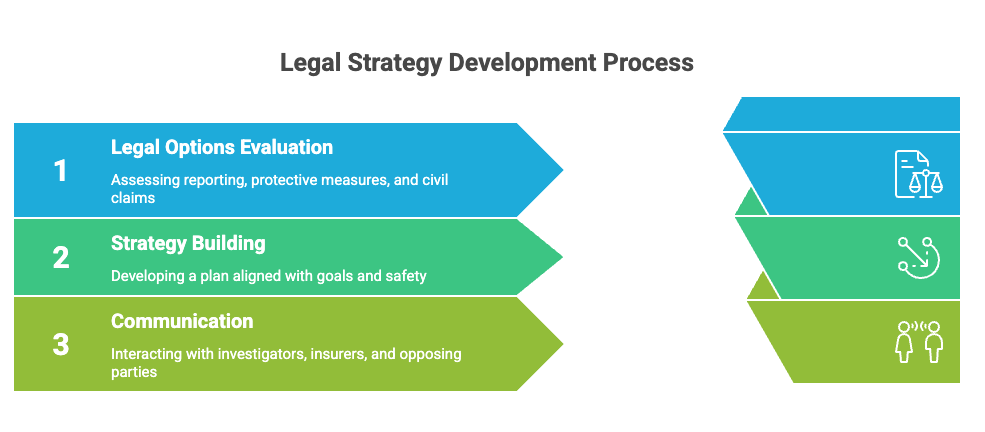
Although initiating a sexual assault case can feel procedurally complex, a Florida sexual assault lawyer helps structure the process by evaluating the facts, identifying viable legal claims, and explaining the steps required to move the matter forward. Through a confidential consultation, counsel clarifies timelines, jurisdiction, and filing options, while coordinating victim support resources that encourage informed, service-minded decision-making for those seeking accountability and protection.
- Reviews incident details, available records, and witness information
- Explains civil claims, criminal reporting, and procedural requirements
- Coordinates communications with investigators, insurers, and institutions
- Prepares filings, preserves deadlines, and advises on next steps
Long-Term Effects of Sexual Assault Trauma
Sexual assault trauma can produce lasting emotional and psychological effects, including anxiety, depression, and post-traumatic stress that may interfere with daily functioning for years. It may also contribute to physical health complications, such as chronic pain, sleep disturbances, and other stress-related conditions that require ongoing care. In addition, many survivors experience relationship and trust issues, which can affect personal connections, social stability, and overall quality of life.
Emotional And Psychological Impact
Enduring trauma from an assault can alter a survivor’s emotional and psychological well-being long after the physical event has ended. A prolonged trauma response may affect trust, concentration, sleep, and the ability to feel safe in ordinary settings. Survivors may experience anxiety disorders that interfere with work, education, relationships, and daily responsibilities.
Many also endure intrusive memories, heightened vigilance, shame, and depression symptoms that limit engagement with family and community. Emotional withdrawal, irritability, and difficulty regulating stress can persist for years without informed support. Those who serve survivors should recognize that recovery is rarely linear, and setbacks do not indicate weakness or lack of effort. Compassionate legal guidance, trauma-informed counseling, and consistent advocacy can help restore stability, dignity, and a renewed sense of personal agency over time.
Physical Health Complications
The effects of assault are not confined to emotional distress, as trauma can also produce lasting physical health restoration complications that disrupt daily functioning and overall well-being. Survivors may experience chronic headaches, gastrointestinal disorders, sleep disruption, pelvic pain, and other conditions requiring careful trauma-related injury recovery. Some need coordinated medical care, rehabilitation, and long-term pain management to restore stability and independence.
Timely evaluation is also important because delayed symptoms can obscure injuries and complicate healing. In some cases, the mishandling of forensic evidence may interfere with documentation that supports appropriate medical follow-up. Compassionate professionals often emphasize STD testing guidance, preventive treatment, and ongoing monitoring for infections or reproductive concerns.
Service-minded advocates recognize that informed, consistent healthcare can strengthen recovery, preserve dignity, and help survivors pursue safer, healthier futures with confidence.
Relationship And Trust Issues
Because traumatic violation can alter a person’s sense of safety, many survivors face lasting relationship and trust issues that affect intimate partnerships, family connections, friendships, and workplace interactions. They may struggle to interpret motives, maintain closeness, or feel secure during ordinary exchanges. Hypervigilance, withdrawal, and difficulty asserting Consent boundaries can interfere with communication and emotional stability.
In service-oriented settings, professionals often recognize that rebuilding trust after abuse requires patience, consistency, and respect for personal autonomy. Effective trauma-informed support helps survivors identify triggers, strengthen decision-making, and restore confidence in healthy connections. Practical safety planning strategies may also reduce anxiety when charting dating, co-parenting, social events, or employment concerns.
Over time, informed advocacy and dependable support can promote safer relationships and more stable participation in daily life activities.
What to Expect During a Florida Sexual Assault Claim Process
A Florida sexual assault claim process generally begins with reporting the incident and taking initial steps to protect legal rights and preserve essential information. It then moves into investigation and evidence gathering, followed by the filing of claims within applicable deadlines that can materially affect the case. In many matters, the process concludes through settlement discussions, although some claims proceed to trial when a negotiated resolution is not reached.
Reporting And Initial Steps
When a sexual assault claim begins in Florida, reporting the incident to law enforcement or another appropriate authority often serves as the first formal step, although immediate medical care and personal safety generally take priority. At this stage, many individuals also contact a crisis center, advocate, or attorney to better understand victim support and legal options.
Initial actions often include documenting basic facts, preserving immediate wellbeing, and receiving guidance about protective measures, workplace or school notifications, and available community resources. A lawyer may explain filing procedures, deadlines, confidentiality concerns, and possible civil or criminal paths without requiring any immediate decision. Service-minded professionals often encourage a calm, informed approach that respects the person’s autonomy, safety, and preferences.
Early support can help establish stability, reduce confusion, and promote thoughtful choices during a difficult period.
Investigation And Evidence Gathering
Although each matter develops differently, the investigation and evidence-gathering stage of a Florida sexual assault claim generally focuses on identifying relevant facts, preserving available proof, and evaluating how that information may support criminal proceedings, civil litigation, or both. This phase often includes collecting medical records, photographs, communications, surveillance footage, and other materials that may clarify timelines and conduct.
Attorneys and investigators may also interview a corroborating witness, review prior reports, and assess inconsistencies with care and objectivity. In some matters, digital forensics helps recover deleted messages, location data, or account activity that may strengthen the factual record. A service-minded legal team generally emphasizes respectful communication, careful documentation, and the protection of sensitive information, so that affected individuals and their supporting families can make informed decisions while the evidence is still available.
Filing Claims And Deadlines
With preliminary evidence identified and preserved, attention often turns to filing requirements and the deadlines that can shape a Florida sexual assault claim. Prompt action helps protect rights, supports community safety, and allows counsel to assess notice rules, limitation periods, and forum selection with care.
A lawyer typically reviews Evidence preservation timelines, police reports, medical records, and witness information before preparing formal filings. This stage may involve explaining criminal vs. civil options, since each path serves different purposes and follows distinct procedures. Criminal matters are handled by the state, while civil claims seek accountability and damages through the courts.
Counsel may also identify claims against individuals or institutions, depending on the facts. Meeting applicable deadlines is crucial because missed time limits can restrict available remedies and impede a survivor’s opportunity for meaningful legal recourse.
Settlement Talks And Trial
Because many Florida sexual assault claims resolve before a verdict, settlement discussions often become a significant stage of the process, even as trial preparation continues. During negotiations, counsel may exchange evidence summaries, evaluate damages, and assess the likely reception of testimony, including any impact on credibility. Settlement can provide privacy, certainty, and faster financial recovery, which may help survivors continue serving their families and communities.
If no agreement is reached, the case proceeds toward trial through motions, witness preparation, and courtroom scheduling. Both sides refine themes, challenge evidence, and address defendant defenses that may attempt to shift blame or dispute consent, identification, or damages. At trial, a judge or jury considers testimony, documents, and expert opinions before deciding liability and compensation under Florida law based on the full record presented.
Compensation for Florida Sexual Assault Damages
When sexual assault causes physical injury, psychological trauma, financial loss, or lasting disruption to daily life, Florida law may permit a survivor to seek compensation through a civil claim. Civil recovery can recognize both measurable losses and profound personal harm, including Non-economic damages tied to pain, suffering, emotional distress, diminished relationships, and reduced quality of life.
The purpose is not simply monetary. It is to provide resources that support recovery, stability, and future care.
| Harm experienced | Possible civil recovery | Service centered purpose |
|---|---|---|
| Physical injury | Medical related compensation | Supports treatment and safety |
| Emotional trauma | Non economic damages | Honors dignity and recovery |
| Life disruption | Loss based compensation | Restores stability and care |
A Florida sexual assault lawyer may gather records, expert opinions, and witness statements to present a clear damages narrative. Careful documentation can strengthen accountability and help survivors pursue relief that reflects the full scope of harm.
Economic vs Non-Economic Damages in Florida Sexual Assault Cases
Florida sexual assault cases may involve both economic damages, which address measurable financial losses such as medical expenses, lost wages, and future treatment costs, and non-economic damages, which compensate for harms like pain, suffering, and emotional distress. This distinction is important because each category reflects a different type of injury and may require different forms of evidence to support the claim. Establishing the value of these damages often depends on records, expert opinions, and other documentation that connects the losses to the assault.
Economic Damages Explained
Compensation in a Florida sexual assault case is generally divided into two categories: economic damages and non-economic damages. Economic damages refer to measurable financial losses caused by the assault. These may include emergency care, hospital bills, counseling costs, medication expenses, lost wages, reduced earning capacity, relocation costs, and other out-of-pocket expenses tied to safety and recovery.
In pursuing victim compensation, careful documentation often determines the strength of the claim. Medical records, billing statements, employment records, receipts, and expert evaluations can help establish the full amount of economic harm. Evidence preservation is also important because timely collection of records and related materials can support accuracy and accountability. A Florida sexual assault lawyer may organize this proof and present a clear demand for repayment of documented financial losses.
Non-Economic Losses Defined
Although economic damages address direct financial costs, non-economic losses concern the personal harm that cannot be measured in dollars or receipts. In Florida sexual assault cases, these losses often include pain, suffering, loss of dignity, mental anguish, and other emotional harms that alter daily life and relationships. They recognize that trauma may affect a person’s sense of safety, trust, and overall well-being long after measurable expenses are documented.
Within civil claims, including negligence damages, non-economic losses reflect the human consequences of misconduct. They may involve embarrassment, anxiety, depression, sleep disruption, or reduced enjoyment of life. For those committed to serving and protecting others, understanding these categories helps clarify why accountability extends beyond wages, treatment costs, or other financial losses alone in civil actions.
Proving Damage Value
Determining the value of damages in a sexual assault civil case requires careful proof because economic and non-economic losses are established through different forms of evidence. Economic damages are often shown through medical bills, therapy costs, lost wages, and future treatment projections supported by records, invoices, and expert testimony.
Non-economic damages require a different showing. Pain, emotional distress, loss of dignity, and reduced quality of life are commonly demonstrated through mental health evaluations, consistent treatment history, witness statements, and credible personal accounts. Evidence preservation strategies strengthen both categories by protecting records, communications, photographs, and digital data from loss or alteration.
In Florida, proving negligence elements may also affect damage value when institutional failures, inadequate supervision, or ignored warnings contributed to the assault and its lasting harm to survivors.
When a Florida Sexual Assault Case Goes to Trial vs Settlement
Whether a Florida sexual assault case proceeds to trial or resolves through settlement depends on several legal and practical factors, including the strength of the evidence, the extent of the harm alleged, and the parties’ willingness to accept risk. Counsel often begins with Evidence comparison, reviewing records, witness accounts, and available documentation to assess Trial readiness and likely courtroom challenges.
A careful Settlement strategy may be considered when compensation, privacy, and emotional burden are central concerns. Settlement can provide faster resolution, reduce public exposure, and spare survivors from extended litigation demands. However, if liability is disputed, damages are substantial, or an offer does not reflect the full scope of loss, a trial may be necessary.
In that setting, Victim testimony can become highly significant, especially when credibility and the impact of the assault are contested. Attorneys serving survivors evaluate each path with discipline and care, seeking an outcome that protects dignity, advances accountability, and supports long-term recovery and stability.
The Statute of Limitations for Florida Sexual Assault Cases
Prompt action is often essential when evaluating the statute of limitations for a Florida sexual assault case, because filing deadlines can directly affect the ability to pursue civil claims. Florida law may apply different limitation periods depending on the facts, the survivor’s age, and whether related criminal conduct was involved.
A careful overview of reporting deadlines helps community advocates, families, and service providers understand that time limits are not always uniform. Some claims may allow extended filing periods, while others may be vital by specific legal circumstances. An organized Evidence preservation timeline is also important because records, witness recollections, and physical materials can become harder to obtain over time.
Reviewing available documentation early can support accountability and informed decision-making without creating unnecessary delay. Since statutory rules can change, accurate evaluation requires close attention to current Florida law, court interpretations, and any exceptions that may apply to minors, delayed discovery issues, or incapacitated persons in certain situations.
When to Contact a Sexual Assault Lawyer in Florida
Time limits are only one part of a Florida sexual assault case, and early legal guidance can help a survivor understand available options before evidence, records, or witness accounts become more difficult to secure. Contact may be appropriate soon after the incident, after immediate reporting to law enforcement or a medical provider, or whenever questions arise about civil remedies, privacy, or safety planning.
Prompt consultation can also support preservation of Consent evidence, digital communications, surveillance footage, medical records, and trauma documentation. Even when a survivor is uncertain about filing a claim, obtaining legal information early may clarify rights, responsibilities, and practical next steps. This can be especially important when memories are still fresh and third-party records remain available.
A timely discussion may also help a survivor evaluate statute deadlines, coordinate with ongoing investigations, and avoid preventable delays. Early attention serves the broader goal of protecting dignity, strengthening documentation, and preserving opportunities to pursue accountability under Florida law.
Why You Need an Experienced Florida Sexual Assault Lawyer
Because sexual assault claims in Florida often involve overlapping criminal proceedings, civil remedies, evidentiary issues, and strict procedural requirements, experienced legal counsel can play a crucial role in protecting a survivor’s interests at each stage of the matter. An experienced Florida sexual assault lawyer helps ensure Evidence preservation, timely filings, and informed communication with investigators, insurers, schools, or employers.
That guidance can reduce preventable errors and support a more stable path forward.
Experienced representation also strengthens legal strategy by identifying promising claims, evaluating damages, and anticipating defense tactics before they disrupt progress. In service-centered matters, counsel may coordinate resources that support Trauma restoration while safeguarding privacy and dignity. A knowledgeable lawyer can also explain advocacy options, including civil actions, protective measures, and institutional complaints, so survivors and their families can make informed decisions.
This level of skill often improves accountability efforts and allows caring communities to better support those seeking justice, safety, and long-term recovery.
How to Choose the Right Sexual Assault Lawyer for Your Case in Florida
After recognizing the value of experienced representation, the next step is identifying which Florida sexual assault lawyer is best suited to the facts, risks, and goals of a particular case. Selection should begin with reviewing the lawyer’s background in similar matters, courtroom experience, and communication style. A qualified attorney should explain legal options clearly, respond promptly, and demonstrate respect for the client’s safety, dignity, and broader responsibilities.
Attention should also be given to the case strategy and evidence handling. Sexual assault cases often depend on sensitive records, witness credibility, and strict procedural deadlines. The right lawyer will know how to preserve proof, challenge weak allegations, and build a strategy aligned with the client’s objectives.
Reputation, professional discipline history, and client reviews may offer additional guidance. During a consultation, thoughtful questions about anticipated challenges, timelines, and possible outcomes can help determine whether counsel is prepared to provide steady, informed, and service-minded representation throughout the process.
About The Law Offices of Anidjar & Levine
When legal representation must be both strategic and responsive, The Law Offices of Anidjar & Levine presents itself as a Florida firm focused on protecting clients through informed, attentive advocacy.
The firm is recognized for maintaining clear communication, practical guidance, and steady support throughout sensitive criminal matters, including allegations that can affect personal standing, family relationships, and future opportunities.
Its approach emphasizes preparation, careful case review, and client service rooted in respect and accountability.
By offering legal consultation services, the firm helps individuals understand procedural risks, available defenses, and the importance of timely action. In matters involving related accusations, such as sexual harassment defense, the firm applies disciplined analysis and a measured courtroom strategy.
This combination of accessibility and diligence reflects a broader commitment to serving Florida communities with professionalism. For those seeking counsel that values responsiveness and informed decision-making,
The Law Offices of Anidjar & Levine stands as a serious legal resource.
Frequently Asked Questions
Can I Switch Lawyers During My Florida Sexual Assault Case?
Yes, a person may usually switch lawyers during a Florida sexual assault case, provided the change does not unduly disrupt proceedings. Consultation rights allow that person to seek other counsel and make informed decisions in service of personal well-being and case integrity. If current counsel seeks attorney withdrawal, court approval may be required. Prompt action, clear communication, and careful review of deadlines help protect interests while maintaining orderly progress in the case.
Will My Immigration Status Affect a Sexual Assault Claim in Florida?
Yes, immigration status can affect a sexual assault claim in Florida, especially where criminal proceedings and witness participation intersect. A careful legal strategy helps protect rights while addressing evidentiary concerns, reporting decisions, and cooperation with investigators. Deportation risk may arise in related matters, but it does not automatically bar a victim from pursuing protection or relief. Experienced counsel often evaluates immigration status early to reduce exposure and support informed decision-making.
Can Social Media Posts Harm My Sexual Assault Case?
Yes, social media posts can harm a sexual assault case. They may be used to challenge credibility, dispute timelines, or undermine claimed emotional harm. Careful Evidence preservation is crucial because deleted or altered content can create further legal problems. Thoughtful communication also supports preparedness for bail hearings when related criminal proceedings exist. A prudent person avoids discussing allegations online and instead shares information privately only with qualified counsel and trusted support professionals.
What if the Assault Happened While Visiting Florida on Vacation?
If an assault occurred during a Florida vacation, the case is usually handled under Florida law, regardless of the visitor’s home state. Vacation jurisdiction often determines where reports, charges, and civil claims proceed. Prompt action matters because the timing of evidence can affect medical records, witness statements, surveillance footage, and digital data. A qualified attorney can coordinate with local authorities and help protect the visitor’s rights, safety, and access to supportive resources.
Are Consultations With Florida Sexual Assault Lawyers Usually Confidential?
Yes, consultations with Florida sexual assault lawyers are usually confidential, and attorney privilege often protects information shared for legal advice. However, Confidentiality limits may apply, particularly when disclosure is required by law or when no attorney-client relationship is formed. A careful lawyer generally explains these boundaries at the outset, helping survivors and those assisting them make informed decisions, protect sensitive information, and pursue service-oriented support with greater confidence.
—————————
Sexual assault claims in Florida require careful legal guidance, prompt action, and a clear understanding of a victim’s rights.
An experienced attorney can help preserve evidence, explain available legal options, and pursue accountability against responsible parties.
A Florida Personal Injury Lawyer from Law Offices of Anidjar & Levine provides focused representation for individuals seeking justice after sexual assault.
With informed advocacy and strategic support, survivors may be better positioned to protect their interests and navigate the legal process.